
Black History
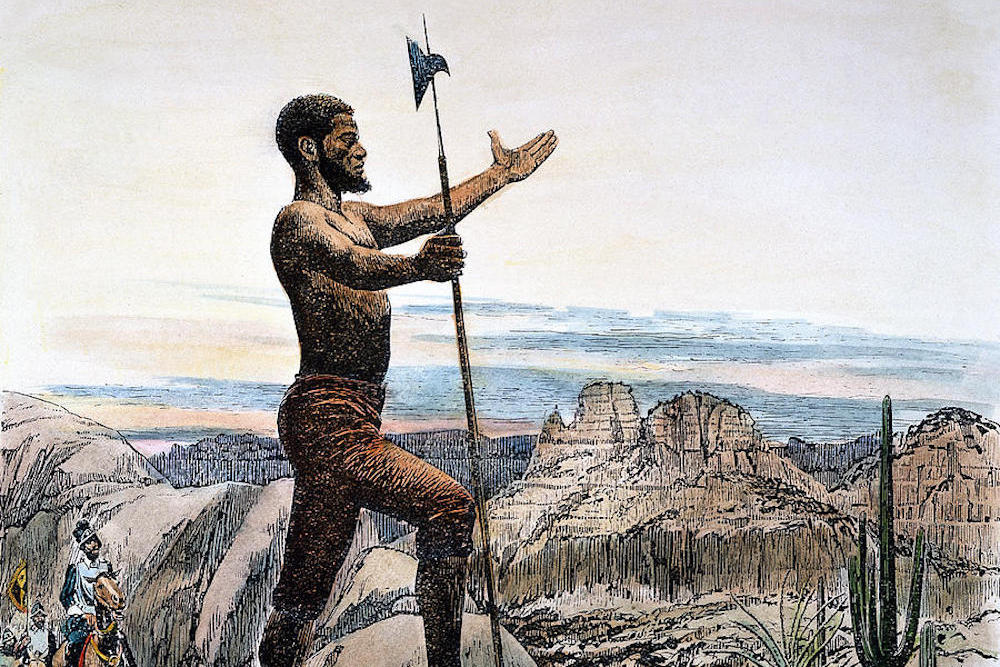
Esteban: Enslaved African Became an Early Explorer of the New World
In 1534, Esteban and the four remaining survivors escaped. As the journey continued, he would become a scout, a diplomat and lead communicator. According to historians, Esteban was a gifted linguist, quickly mastering different Native American languages. He served as translator throughout what became a 15,000-mile journey.

The year 1619 is historical: An English privateer ship reached Point Comfort on the Virginia peninsula. Its arrival represented the dawn of the institution of slavery in America. Today, more than 400 years later, the events of that year remain surrounded by misconceptions and debate.
What historians have uncovered is that the first enslaved African to land on what would become North American soil was named Esteban (de Dorantes from his status as an enslaved person). According to historian Robert Goodwin, “Esteban was shipped to Spain as a slave from the town of Azemmour, in Morocco, in 1522. Andres Dorantes de Carranza purchased him and brought Esteban to [what would later become] Florida in April 1528.”
Long before the Lewis and Clark Expedition (1804–1806), Esteban, said to have been Muslim and born sometime around 1500 in Morocco, would traverse the land from the Southwest to the Pacific Ocean. His fate would extend beyond servitude and little of his life would be recorded.
Esteban left Spain for the New World in 1527 as part of an expedition to conquer and colonize Florida. The ship landed in the area that is now Tampa Bay, and the explorers wandered through the swamps and jungles for about a year. Several died as a result of hunger, disease, and skirmishes with Native Americans. With only a few boats left, they decided to return to Mexico City.
Hit hard by the Gulf currents, only 15 of the 80 men survived. Choppy waters dragged them to a place just west of the Mississippi: Galveston Island. They began to explore what would become Texas. Soon they were captured and enslaved for five years by the Karankawa Indians.
In 1534, Esteban and the four remaining survivors escaped. As the journey continued, he would become a scout, a diplomat and lead communicator. According to historians, Esteban was a gifted linguist, quickly mastering different Native American languages. He served as translator throughout what became a 15,000-mile journey.
Still, he was considered Dorantes’ slave.
The trek across Texas to Mexico City was challenging; the explorers were met by both friendly and hostile Native Americans. They were mostly barefoot and naked, and often starved for food. One of the stories told is that along the way they were considered “children of the sun” by some Native American tribes. Others revered them as shamans. But not everyone was fond of the strangers.
The Zuni Indians of Hawikuh in New Mexico grew to distrust Esteban quickly, labeling him a “harbinger of unwanted and dangerous visitors.” In May 1539, they executed him. By the time of his death, some historians say that Esteban and his three companions “had seen more of the North American southwest than any other non-Native American.”
Almost two centuries would pass before another Spanish expedition would discover other Africans living alongside Native Americans near the mouth of the Rio Grande. Historians say that these Africans were likely survivors of other expeditions or shipwrecks. Nevertheless, Esteban had been the first.









Activism
Oakland Post: Week of February 18 – 24, 2026
The printed Weekly Edition of the Oakland Post: Week of – February 18 – 24, 2026

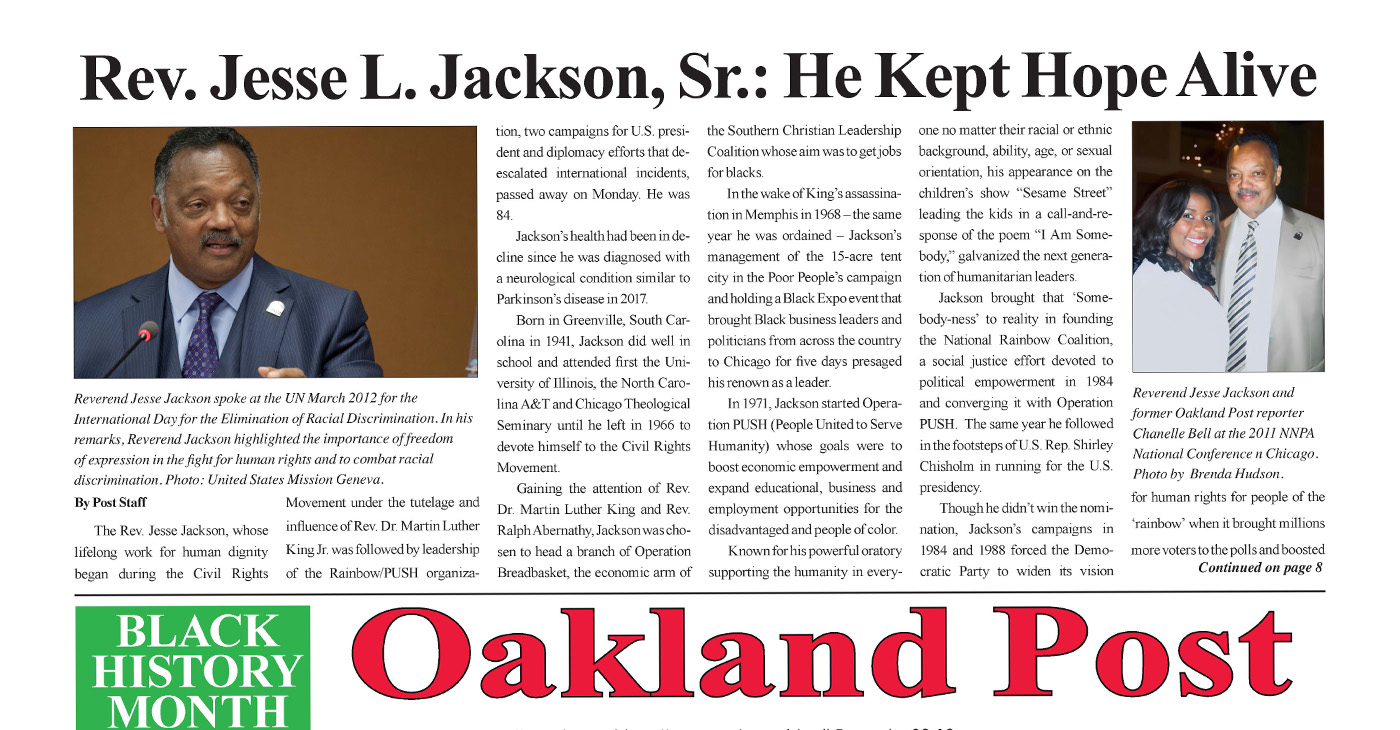
To enlarge your view of this issue, use the slider, magnifying glass icon or full page icon in the lower right corner of the browser window.

Activism
Oakland Post: Week of February 11 – 17, 2026
The printed Weekly Edition of the Oakland Post: Week of – February 11 – 17, 2026

To enlarge your view of this issue, use the slider, magnifying glass icon or full page icon in the lower right corner of the browser window.
#NNPA BlackPress
COMMENTARY: The National Protest Must Be Accompanied with Our Votes
Just as Trump is gathering election data like having the FBI take all the election data in Georgia from the 2020 election, so must we organize in preparation for the coming primary season to have the right people on ballots in each Republican district, so that we can regain control of the House of Representatives and by doing so, restore the separation of powers and balance that our democracy is being deprived of.
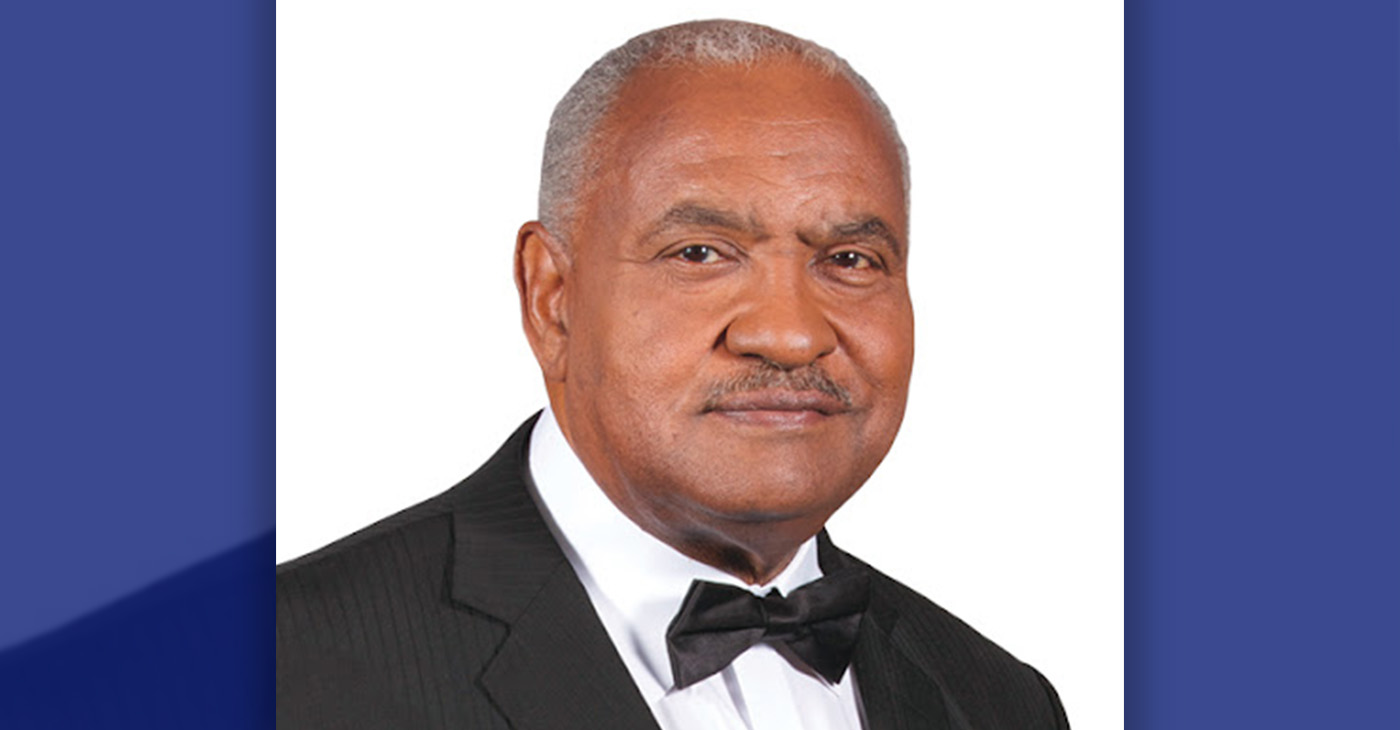
By Dr. John E. Warren, Publisher San Diego Voice & Viewpoint Newspaper
As thousands of Americans march every week in cities across this great nation, it must be remembered that the protest without the vote is of no concern to Donald Trump and his administration.
In every city, there is a personal connection to the U.S. Congress. In too many cases, the member of Congress representing the people of that city and the congressional district in which it sits, is a Republican. It is the Republicans who are giving silent support to the destructive actions of those persons like the U.S. Attorney General, the Director of Homeland Security, and the National Intelligence Director, who are carrying out the revenge campaign of the President rather than upholding the oath of office each of them took “to Defend The Constitution of the United States.”
Just as Trump is gathering election data like having the FBI take all the election data in Georgia from the 2020 election, so must we organize in preparation for the coming primary season to have the right people on ballots in each Republican district, so that we can regain control of the House of Representatives and by doing so, restore the separation of powers and balance that our democracy is being deprived of.
In California, the primary comes in June 2026. The congressional races must be a priority just as much as the local election of people has been so important in keeping ICE from acquiring facilities to build more prisons around the country.
“We the People” are winning this battle, even though it might not look like it. Each of us must get involved now, right where we are.
In this Black History month, it is important to remember that all we have accomplished in this nation has been “in spite of” and not “because of.” Frederick Douglas said, “Power concedes nothing without a struggle.”
Today, the struggle is to maintain our very institutions and history. Our strength in this struggle rests in our “collectiveness.” Our newspapers and journalists are at the greatest risk. We must not personally add to the attack by ignoring those who have been our very foundation, our Black press.
Are you spending your dollars this Black History Month with those who salute and honor contributions by supporting those who tell our stories? Remember that silence is the same as consent and support for the opposition. Where do you stand and where will your dollars go?


WORK FROM HOME
Home-based business with potential monthly income of $10K+ per month. A proven training system and website provided to maximize business effectiveness. Perfect job to earn side and primary income. Contact Lynne for more details: Lynne4npusa@gmail.com 800-334-0540


PRESS ROOM: NBA Hall of Fame Nominee Terry Cummings Joins 100 Black Men of DeKalb County to Launch Victory & Values Initiative

Reflecting on Black History Milestones in Birmingham AL

OP-ED: One Hundred Years of Black Workers Telling the Truth

PRESS ROOM: Civil Rights TV Launches in Selma as the World’s First 24/7 Civil Rights Television Network

Advancements in solar technology that are changing the way we power the world

U.S. manufacturing rebounds – how foundry services are adapting to rising demand

Why has blood testing become so popular in today’s world?

Ghana Mourns a Son of the African World

OP-ED: Trump’s Policies Hurt Black America—and Everyone Else

OP-ED: Meta Deleted Me. I Still Don’t Know Why. And neither will you.

More than a Mission: Paying It Forward for the Future of Education

Avoid Eviction This Season: Landlord Checklist for Stable Tenancies

How chronic back problems affect Black communities differently

How cancer care is evolving with modern medicine

Diabetes disparity: Understanding Type 2 risks for Black Americans

Life Expectancy in Marin City, a Black Community, Is 15-17 Years Less than the Rest of Marin County

Oakland Post: Week of January 28, 2025 – February 3, 2026

Community Celebrates Turner Group Construction Company as Collins Drive Becomes Turner Group Drive

California Launches Study on Mileage Tax to Potentially Replace Gas Tax as Republicans Push Back

Discrimination in City Contracts

Oakland Post: Week of January 21 – 27, 2026

After Don Lemon’s Arrest, Black Officials Raise Concerns About Independent Black Media

OP-ED: The Dream Cannot be Realized Without Financial Freedom

Travis Scott Teaches Us How to Give Forward

Medi-Cal Cares for You and Your Baby Every Step of the Way

Book Review: Books on Black History and Black Life for Kids

COMMENTARY: The Biases We Don’t See — Preventing AI-Driven Inequality in Health Care

Four Stolen Futures: Will H-E-B Do The Right Thing?

Post Newspaper Invites NNPA to Join Nationwide Probate Reform Initiative

Can You Afford a Mortgage but Not the Down Payment? Dream For All Offers Up to $150K

Hyundai Ioniq 5 Parking, Safety, and 360 View #shorts

2025 Ioniq 5 New Wiper & Powerful Performance! #shorts

Electric SUV Range: Is 259 Miles Enough? #shorts

EV Charging: How Fast Can You Charge an Electric Vehicle? #shorts

Biometric Cooling… Messaging Seats…Come on! 2025 Infiniti QX80 Autograph 4WD

Charged Up: Witness the Magic of a Fully Electric Car! #shorts

Range Rover Sport PHEV Included…: See What’s Inside This Luxury SUV! #shorts

Invisible Hood View: Perfect Parking with X-Ray Vision! #shorts

AI Is Reshaping Black Healthcare: Promise, Peril, and the Push for Improved Results in California

ESSAY: Technology and Medicine, a Primary Care Point of View

Sanctuary Cities

The RESISTANCE – FREEDOM NOW

STATE OF THE PEOPLE: Freddie

ECONOMIC BOYCOTT DAY!!!!!

I told You So
-
 Activism4 weeks ago
Life Expectancy in Marin City, a Black Community, Is 15-17 Years Less than the Rest of Marin County
-
 Activism4 weeks ago
Oakland Post: Week of January 28, 2025 – February 3, 2026
-
 Activism3 weeks ago
Community Celebrates Turner Group Construction Company as Collins Drive Becomes Turner Group Drive
-
 Business3 weeks ago
California Launches Study on Mileage Tax to Potentially Replace Gas Tax as Republicans Push Back
-
 Activism2 weeks ago
Discrimination in City Contracts
-
 Activism3 weeks ago
After Don Lemon’s Arrest, Black Officials Raise Concerns About Independent Black Media
-
 Activism4 weeks ago
Medi-Cal Cares for You and Your Baby Every Step of the Way
-
 Arts and Culture3 weeks ago
Book Review: Books on Black History and Black Life for Kids
