Connect with us

Health

Black Maternal Health Crisis Prompts Politicians, Providers To Act

THE AFRO — One previous cesarean section, a five-page written plan outlining post-delivery care for her oldest child and around 12 weeks of natural childbirth classes still didn’t prove to be enough preparation for the arrival of Allyson Brown’s second child. Almost two months after turning 34, Brown was overdue delivering her baby. Rather than risk more than a day’s worth of induced labor, she opted to have another C-section. Brown, who is black, met the doctor who performed her impromptu cesarean that morning.

Published

on

(Photo by: dph.illinois.gov)

By Ambriah Underwood

WASHINGTON — One previous cesarean section, a five-page written plan outlining post-delivery care for her oldest child and around 12 weeks of natural childbirth classes still didn’t prove to be enough preparation for the arrival of Allyson Brown’s second child.

Almost two months after turning 34, Brown was overdue delivering her baby. Rather than risk more than a day’s worth of induced labor, she opted to have another C-section. Brown, who is black, met the doctor who performed her impromptu cesarean that morning.

In what marked the beginning of an unexpected and unsettling experience, Brown said the orderlies transferring her from her midwives patient program to the OB-GYN department ahead of delivery had an ill-timed conversation.

“They were talking like they were at happy hour and like I was a sack of potatoes, just like something else they had to check off for the day,” Brown said.

But Brown’s experience was anything but casual: she had complications after delivery that required three emergency surgeries.

Her case was considered a “maternal near-miss,” which the World Health Organization defines as a woman who almost dies due to issues during pregnancy, delivery or within 42 days after pregnancy.

Brown’s experience underscores a persistent discrepancy among black mothers, whose mortality rate is far higher than that for the general population. Several factors, including racism, are behind that disparity, according to health experts.

Some members of Congress last week launched an initiative to combat this long-standing yet recently-publicized issue.

House Majority Leader Steny Hoyer, D-Mechanicsville, and 57 other lawmakers formed the Black Maternal Health Caucus, which is aimed at encouraging culturally relevant, evidence-based policies to support black mothers.

Hoyer said he wanted “to make clear that the House ought to approach issues of healthcare access with a recognition of the unacceptable and tragic disparities for women of color and their children.”

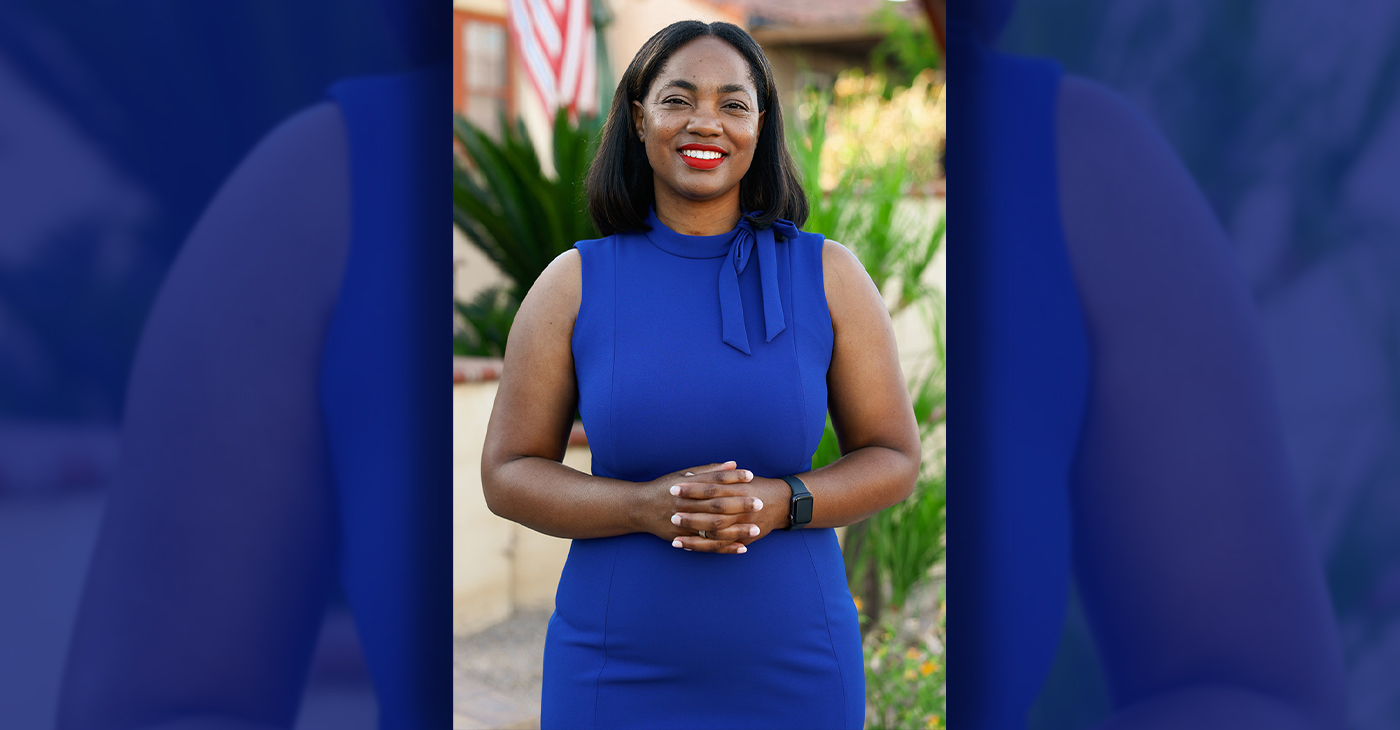
Founded by Reps. Alma Adams, D-North Carolina, and Lauren Underwood, D-Illinois, the Black Maternal Health Caucus seeks to promote better black maternal health outcomes.

“The status quo is intolerable, we must come together to reverse current trends and achieve optimal birth outcomes for all families,” Underwood said in a statement.

As Brown’s sudden change in birth plan illustrates, a number of factors related to the birth process remain out of a patient’s control.

Thinking about the type of care a mother-to-be wants can help ensure appropriate measures are taken, said Noelene K. Jeffers, a certified nurse midwife and Ph.D. candidate at Johns Hopkins University.

“It’s really important to consider carefully the provider that you’re choosing to make sure that you choose either an OB-GYN or a midwife who you can have a comfortable, respectful, collaborative relationship with and who will help you to make informed decisions,” Jeffers said.

Despite an overall improvement in life expectancy in the United States, there are still noticeable disparities among racial minority groups, said Stephen B. Thomas, director of the Maryland Center for Health Equity.

On average, 36 women in the District of Columbia and 24 women in Maryland die for every 100,000 live births, while the overall national average recorded 20.7 maternal deaths, according to the United Health Foundation’s 2018 report on children and women’s health.

The black maternal mortality rate average is more than double the national average at 47.2. Maryland ranks lower, with an average of 40.5 black maternal deaths, while in the District the mortality rate among black mothers was a staggering 70.9 deaths per 100,000 live births, the analysis said.

In a country with the most expensive health care, more women die of complications from childbirth than in any other developed nation, according to the American College of Obstetricians and Gynecologists.

“We’re like the richest third-world country in the world and unfortunately, the burdens of race and history would be easy to ignore if they were not so well documented,” Thomas said of the death rate among black mothers.

Thomas, who is also a professor at the University of Maryland, said an understanding of the gap in life expectancy for black mothers can be broken down into three components: a broken healthcare system, patient preferences (that is, not wanting a midwife) and “what’s left is what we call a health disparity.”

Such a disparity is “a particular type of health difference that is closely linked with social, economic, and/or environmental disadvantage,” according to Healthy People, a federal website managed by the Department of Health and Human Services.

“It’s when you look between the lines, when you disentangle those lines by race, ethnicity — everyone is not benefiting,” Thomas said.

Acclaimed tennis player Serena Williams last year shared with Vogue the intense medical journey she went on following the birth of her child.

Williams said she alerted a nurse that she needed medical attention and the attendant initially thought the medication was confusing her, but Williams persisted. Eventually, tests revealed small blood clots in her lungs.

While Williams had the ability to self-advocate through a complicated process, Thomas added, “think of those black women who didn’t have that kind of agency to speak to power, who are now not here.”

Brown, who works at an education nonprofit, relied heavily on her husband for support after doctors were alarmed by her significant blood loss after delivery, which led to the three subsequent emergency surgeries.

During one of the surgeries, hospital staff failed to alert Brown’s husband, who was with their newborn, that she had been put under anesthesia again.

“Nobody called him and told him I was in surgery,” Brown said. “He said someone came and told him, ‘Your wife’s almost out of surgery’ and he was like, ‘When did she go back into surgery?’”

Even with the steady support of a partner, Brown said she witnessed faulty hospital procedures and policies. She filed a complaint with the hospital’s administration.

“When you’re at the peak of crisis that’s not the time to be dealing with their internal issues on things,” Brown noted. “So, there was a whole added element on top of the actual medical emergency.”

The hospital responded to Brown’s complaint and she said she was pleased with the response, encouraging the administration to do a formal review of her case to see what could be done differently. According to her doctor, Brown said, they did.

Typically, poor health and healthcare are associated with a person’s socioeconomic standing. In the cases of Williams and Brown, regardless of being two black women in their thirties with active support systems and careers, they encountered life-threatening birth complications.

Understanding that factors such as class, education and marital status have not lowered the disconcerting rates of black maternal mortality has encouraged health experts to acknowledge the influence of racism as a cause.

“Specifically thinking about race-based maternal-infant health disparities, the prevailing theory is that racism is the major underlying factor that contributes to these disparities,” Jeffers said.

For instance, a woman’s perception of the daily racism she experiences in her interpersonal relationships, which can include encounters with coworkers or strangers, is associated with premature birth, Jeffers added.

Also, Jeffers said women living in areas known to have higher amounts of explicit or implicit racism are at-risk for having babies with low birth weights.

“So there is quite a bit of evidence that indicates that racism and stress that comes with … racism, sort of dealing with that on a chronic everyday basis, is impacting maternal-infant healthcare,” Jeffers said.

Jeffers cited an example of structural racism continuing to affect black people: redlining, an unjust method used to prevent minorities from acquiring home-ownership loans, stifle their ability to relocate out of impoverished areas and ultimately uphold local racial segregation.

“When you have large amounts of segregation and, for example, black individuals are segregated into specific areas, then that can subsequently affect the access to quality healthcare institutions,” Jeffers said.

Thomas likens this nonstop, multifaceted wear and tear from the daily pressures of racial prejudice to incessantly revving an engine to the point of damage.

“If you were to sit in your car, turn your car on and press the accelerator to the floor and just let the engine rev up, that’s what’s described as what’s happening to black people in America,” Thomas said. “The foot never comes off the pedal.”

That is to say, when you are living in a society where the presence of racial prejudice is never-ending, few ways exist to avoid the stress of racism and thus, overcome health issues leading to disparities.

The National Partnership for Women & Families suggests policymakers address the issues of structural racism and racial discrimination in healthcare as well as expand protections for pregnant workers and health coverage for low-income insurance services like Medicaid to combat the maternal health crisis.

Furthermore, the organization calls for policies funding reliable community-based providers such as Planned Parenthood that provide basic yet critical reproductive health services.

“(Racial discrimination) can actually get under your skin and kill you. And that’s what we believe is happening with African Americans,” Thomas said.

This article originally appeared in The Afro.

Activism

Essay: Intentional Self Care and Community Connections Can Improve Our Wellbeing

At the deepest and also most expansive level of reality, we are all part of the same being, our bodies made from the minerals of the earth, our spirits infused by the spiritual breath that animates the universe. Willingness to move more deeply into fear and pain is the first step toward moving into a larger consciousness. Willingness to move beyond the delusion of our separateness can show us new ways of working and living together.

Published

on

Lorraine Bonner is a retired physician. She is also a sculptor who works in clay, exploring issues of trust, trustworthiness and exploitation, as well as visions of a better world.

By Dr. Lorraine Bonner, Special to California Black Media Partners

I went to a medical school that was steeped in the principles of classical Western medicine. However, I also learned mindfulness meditation during that time, which opened me to the multifaceted relationship between illnesses and the interconnecting environmental, mental and emotional realities that can impact an individual’s health.

Therefore, when I began to practice medicine, I also pursued training in hypnosis, relaxation techniques, meditation, and guided imagery, to bring a mind-body focus to my work in medical care and prevention.

The people I saw in my practice had a mix of problems, including high blood pressure, diabetes, and a variety of pain issues. I taught almost everyone relaxation breathing and made some general relaxation tapes. To anyone willing, I offered guided imagery.

“My work embraced an approach to wellness I call “Liberatory Health” — one that not only addresses the treatment and management of disease symptoms but also seeks to dismantle the conditions that make people sick in the first place.”

From my perspective, illness is only the outermost manifestation of our efforts to cope, often fueled by addictions such as sugar, tobacco, or alcohol, shackled by an individualistic cult belief that we have only ourselves to blame for our suffering.

At the deepest and also most expansive level of reality, we are all part of the same being, our bodies made from the minerals of the earth, our spirits infused by the spiritual breath that animates the universe. Willingness to move more deeply into fear and pain is the first step toward moving into a larger consciousness. Willingness to move beyond the delusion of our separateness can show us new ways of working and living together.

To put these ideas into practical form, I would quote the immortal Mr. Rogers: “Find the helpers.” There are already people in every community working for liberation. Some of them are running for office, others are giving food to those who need it. Some are volunteering in schools, libraries or hospitals. Some are studying liberation movements, or are working in urban or community gardens, or learning to practice restorative and transformative justice, or creating liberation art, music, dance, theater or writing. Some are mentoring high schoolers or apprenticing young people in a trade. There are many places where compassionate humans are finding other humans and working together for a better world.

A more compassionate world is possible, one in which we will all enjoy better health. Creating it will make us healthier, too.

In community, we are strong. Recognizing denial and overcoming the fragmenting effects of spiritual disorder offer us a path to liberation and true health.

Good health and well-being are the collective rights of all people!

About the Author

Dr. Lorraine Bonner is a retired physician. She is also a sculptor who works in clay, exploring issues of trust, trustworthiness and exploitation, as well as visions of a better world.

Continue Reading

Activism

Prescribing Prevention: Doctors Turn to Lifestyle, Herbs and Veggies to Protect Against Chronic Illness in Black Californians

Published

on

Dr. Bill Releford owns Bloom Ranch in Acton, a 250-acre farm in Acton. Releford, a podiatrist based in Los Angeles started the 250-acre Bloom Ranch — he largest Black-owned ranch in Los Angeles County — in 2023. The ranch provides access to nutritional fruits and vegetables, a part of Releford’s strategy for focusing on wellness and preventive care.

By Charlene Muhammad, California Black Media

Leibo Glover received his diabetes diagnosis at the same time he found out he needed a below-the-knee amputation.

“Minor,” thought the 63-year-old.

Glover had been self-medicating a toe injury before seeing the doctor.

But while driving from South Los Angeles to Miami on a family trip, an infection set in.

“I had it but didn’t know,” said Glover. “I was just going to come back to California, but they told me if I had left, I would have come home as a corpse,” Glover told California Black Media (CBM).

A majority of the nearly 3.5 million Californians diagnosed with diabetes have preventable Type 2 diabetes, according to researchers at the UCLA Center for Health Policy Research.

In 2023, diabetes was diagnosed in 1 in 6 adults with the lowest incomes (16.7% at 0–99% of the federal poverty line), compared to 1 in 11 adults with the highest incomes (8.9% at 300% or more of the federal poverty line). Age is a factor, too: more than 1 in 5 older adults age 65 and over (22.3%) had diabetes, about twice the rate of adults age 18–64 (8.6%).

Another study by Health Economics and Evaluation Research (HEER) mapped patients with diabetes in California who had amputations. Researchers found that patients living in low-income ZIP codes were far more likely to have had lower-limb amputations than those in higher-income ZIP codes, essentially identifying amputation “hot spots.”

At the time of Glover’s 2018 diagnosis, he was experiencing housing instability and going through financial hardships. Now, he has more stable housing and he has improved his health through lifestyle changes like eating healthier and getting more sleep.

“If the equipment is right, I can stand on my leg for hours.  I can actually run, jump, dance and all of that,” said Glover, who got his diabetes under control, in part, by avoiding carbohydrates and sugars.

As chronic illnesses continue to disproportionately impact Black Californians — often leading to preventable amputations and premature deaths — a growing number of doctors and advocates are expanding their care from just treatment to including prevention. From promoting diet and lifestyle changes to cultivating community farms focused on prevention and wellness like Dr. Bill Releford’s Bloom Ranch in Acton.

Releford, a podiatrist based in Los Angeles started the 250-acre Bloom Ranch in 2023 as part of his strategy for preventive care.

“This is my assignment,” said Releford.

“Bloom Ranch has been a perfect backdrop for me to be creative and to find avant-garde ways to make fresh fruits and vegetables more accessible to food deserts in Los Angeles County,” he stated.

California produces nearly half of the nation’s fruits and vegetables, yet more than 1 in 5 Californians — about 8.8 million people — currently struggle with food insecurity, according to the California Association of Food Banks.

“Studies have shown that 75% of amputations are preventable. And African Americans have the highest amputation rate in the nation,” Releford said.

As such, Releford continued, the mortality rate associated with high-level amputation is 50%, which means “if we had 10 people that all had high level amputations, five of those would be deceased in three years.”

Monday, June 28, 2025. Leibo Glover at his home in Los Angeles, California. The security professional's leg was amputated below the knee.

Monday, June 28, 2025. Leibo Glover at his home in Los Angeles, California. The security professional’s leg was amputated below the knee.

Releford’s ranch is the largest Black-owned farm in L.A. County. He plans to partner with UCLA and the Charles R. Drew University of Medicine and Science to develop prescriptive vegetable boxes.

“Certain vegetables and herbs can lower blood pressure naturally, like beets, turnips, dill, basil, garlic and others,” said Releford.

Hopefully, this will inspire other farmers to take this model and replicate it across other urban areas,” Releford added.

“A lot of studies have shown that gardening has so many health benefits – being in the sun, Vitamin D,” said Releford. “The dirt has a lot of microbes that are good for your immune system. Studies have shown that people who work in the dirt have strong immune systems.”

Gardening can potentially decrease the risk of dementia, enhance cognition, reduce stress, and boost immunity, indicates research by Genoa Barrow of the University of Southern California Center for Health Journalism as part of the 2024 Ethnic Media Collaborative, Healing California.

During a recent picturesque day at Bloom Ranch, families, school children, farmers and members of The Ultimate Book Club 1998, founded by Alina Anderson, sampled and purchased fresh produce while taking photographs.

“This is huge. “All of us have families that could use this information,” said Anderson.

Doctors like Releford, who are committed to tackling the most chronic diseases impacting all their patients utilize peer-to-peer support programs with self-management training led by individuals living with chronic conditions to provide role models and support for patients, according to a recent study by the California Health Care Foundation.

“The unifying feature of these programs is that they seek to build on the strengths, knowledge, and experience that peers can offer,” the report states.

Liz Helms, CEO of the California Chronic Care Coalition, addressed state-backed prevention policy and initiatives.

It’s in horrible shape. It needs to get so much better, especially in underserved areas, where the Black population has a whole set of different needs,” she said.

Helms, who started advocacy after being denied access to care in the early 1990s, applauded new developments in telehealth.  The opportunity to choose between visiting a doctor’s office or placing a phone call makes a difference, especially if there are transportation or distance issues, or if one is too sick, she said.

Fear is one thing people, especially in the Black community, must overcome, emphasized Helms.

“I had to get over my fear of going to the doctor, of not speaking up,” continued Helms, urging patients to “understand the baseline” of their health.

“Don’t let anyone stigmatize you or tell you that you’re not good enough to get care or look down on you. Everyone has a right to good, quality, affordable, timely health care,” said Helms.

To engage Bloom Ranch for preventive care focused on wellbeing and healthy living, call (323) 388-4828 or sign up at  Bloomranchofacton.com

Continue Reading

Activism

A West Coast CDC? California Partners With Oregon, Washington and Hawaii to Form Regional Health Alliance

“President Trump’s mass firing of CDC doctors and scientists — and his blatant politicization of the agency — is a direct assault on the health and safety of the American people. California, Oregon, and Washington will not allow the people of our states to be put at risk,” said Governors Gavin Newsom, Tina Kotek, and Bob Ferguson in a joint statement.

Published

on

Shutterstock.
Shutterstock.

By Bo Tefu, California Black Media

California, Oregon, and Washington have launched the West Coast Health Alliance, a regional initiative to provide unified, science-based guidance on immunizations and other public health policies. The alliance was created in response to federal actions that have undermined the independence of the Centers for Disease Control (CDC) and raised concerns about the politicization of science.

The alliance aims to ensure residents receive credible, evidence-based recommendations, free from political interference.

“President Trump’s mass firing of CDC doctors and scientists — and his blatant politicization of the agency — is a direct assault on the health and safety of the American people. California, Oregon, and Washington will not allow the people of our states to be put at risk,” said Governors Gavin Newsom, Tina Kotek, and Bob Ferguson in a joint statement.

State health leaders emphasized the importance of transparency and evidence-based communication.

California Department of Public Health Director Erica Pan said, “The dismantling of public health and dismissal of experienced and respected health leaders and advisors, along with the lack of using science, data, and evidence to improve our nation’s health are placing lives at risk.”

Oregon Health Authority Director Sejal Hathi backed the coalition saying, “Our communities deserve clear and transparent communication about vaccines — communication grounded in science, not ideology.” Washington State Secretary of Health Dennis Worsham noted, “Public health at its core is about prevention — preventing illness, preventing the spread of disease, and preventing early, avoidable deaths.”

Hawaii has joined the alliance, expanding the partnership to four states. “Hawaii is proud to stand with our West Coast partners to ensure public health decisions are grounded in science, not politics,” said Gov. Josh Green.

The alliance states will coordinate health guidelines using trusted national medical organizations, aligning immunization recommendations and public health strategies while respecting tribal sovereignty. Shared principles to strengthen public confidence in vaccines and other health measures will be finalized in the coming weeks.

Continue Reading

Subscribe to receive news and updates from the Oakland Post

* indicates required

CHECK OUT THE LATEST ISSUE OF THE OAKLAND POST

ADVERTISEMENT

WORK FROM HOME

Home-based business with potential monthly income of $10K+ per month. A proven training system and website provided to maximize business effectiveness. Perfect job to earn side and primary income. Contact Lynne for more details: Lynne4npusa@gmail.com 800-334-0540

Facebook

Trending

Copyright ©2021 Post News Group, Inc. All Rights Reserved.