
Featured
Giants Clinch, Headed Back To The NLCS

San Francisco, CA – Their backs were against the wall and just like true champions the Giants answered with the 3-2 win over the Nationals. The St. Louis Cardinals are the next opponent, they eliminated the Los Angeles Dodgers yesterday. San Francisco advances to the NLCS for the seventh time in team history and for the third time in the last five seasons.
“It means that I really have a gritty bunch out there,” said Giants manager Bruce Bochy when asked about returning to the NLCS. “I told them earlier, there’s nobody’s will that’s stronger than theirs or desire that’s deeper than that. They were determined not to get back on the plane and go to Washington.”
San Francisco backed their ace with enough runs for the victory. Ryan Vogelsong was brilliant on the mound. He tossed five plus innings, allowed two hits, one run, two walks, and struck out four. Vogelsong is the only starting pitcher in MLB to allow one run or fewer runs in each of his first five career postseason starts (since 1903).
“You know every time we’re here, and I’m getting ready for a game, I just think back when I was a kid playing in the backyard,” Vogelsong said. “Making believe I was in this situation. I just love it.”
Vogelsong usually doesn’t get run support when on the mound but did last night. He got just enough to send the team back to the championship series where they will see the Cardinals for the fourth time, having only lost the best of seven series in 1987 and winning it in 2002 and 2012.
Despite not pitching since September 26, Vogelsong was well prepared for the matchup. He explained that he watched video, corrected mistakes and uncovered flaws that prevented him from giving his best performance in the past. Vogelsong became just the second pitcher in postseason history to have five consecutive starts of allowing one or fewer runs.
“The mechanical glitches were sapping my velocity and the break on my pitches,” said Vogelsong. “I spent the last five or six days trying to clean up and I was able to translate that into the game.”
“The true story is pitching and defense,” Hunter Pence said. “That’s the foundation of this club.”
Pence made a NFL leaping catch to rob Jayson Werth’s sixth-inning drive off the wall. The Giants defensively made no errors and made sure to rattle the Nationals. San Francisco got on the board early when Gio Gonzalez unraveled in the second. Brandon Crawford singled and Juan Perez bunted towards Gonzalez who lost the ball, Perez was safe at first on the pitchers error.
Vogelsong bunted and Gonzalez assumed it was a foul ball loading the bases with one out. He then walked Gregor Blanco scoring in the Giants first run making it 1-0. Joe Panik grounded out and Perez scored extending their lead 2-0. But Washington tied the game in the seventh when Bryce Harper went deep with a two-run shot into McCovey Cove tying the game 2-2.
Bottom of the inning, Both Panik and Buster Posey rallied off of Washington’s reliever Matt Thornton with one-out singles. Rookie Aaron Barrett walked Pence to load the bases. But Barrett’s wild pitch to Pablo Sandoval scored in Panik breaking the tie. An intentional walk put Sandoval on at first, but his next pitch went sailing over catcher Wilson Ramos’ head.
Posey darted for home plate and was called out. After further review the call stood as Bochy challenged the play to see if Barrett was blocking the plate. It didn’t matter after that because San Francisco’s defense provided enough effort to stifle the Nationals to clinch the division series sending them back to a familiar place, the NLCS.
“We didn’t get the runs we thought we should be we created the opportunities,” said Bochy.






Art
After 10-Year Wait, Fillmore Heritage Center Reopens in San Francisco
After serving as the economic and cultural hub of the Fillmore’s historically Black community for more than a decade, the center’s closure ended what was called the “Rebirth of the Cool,” referring to the neighborhood’s role during the height of Black Jazz in the United States.

By Linda Parker Pennington, Special to The Post
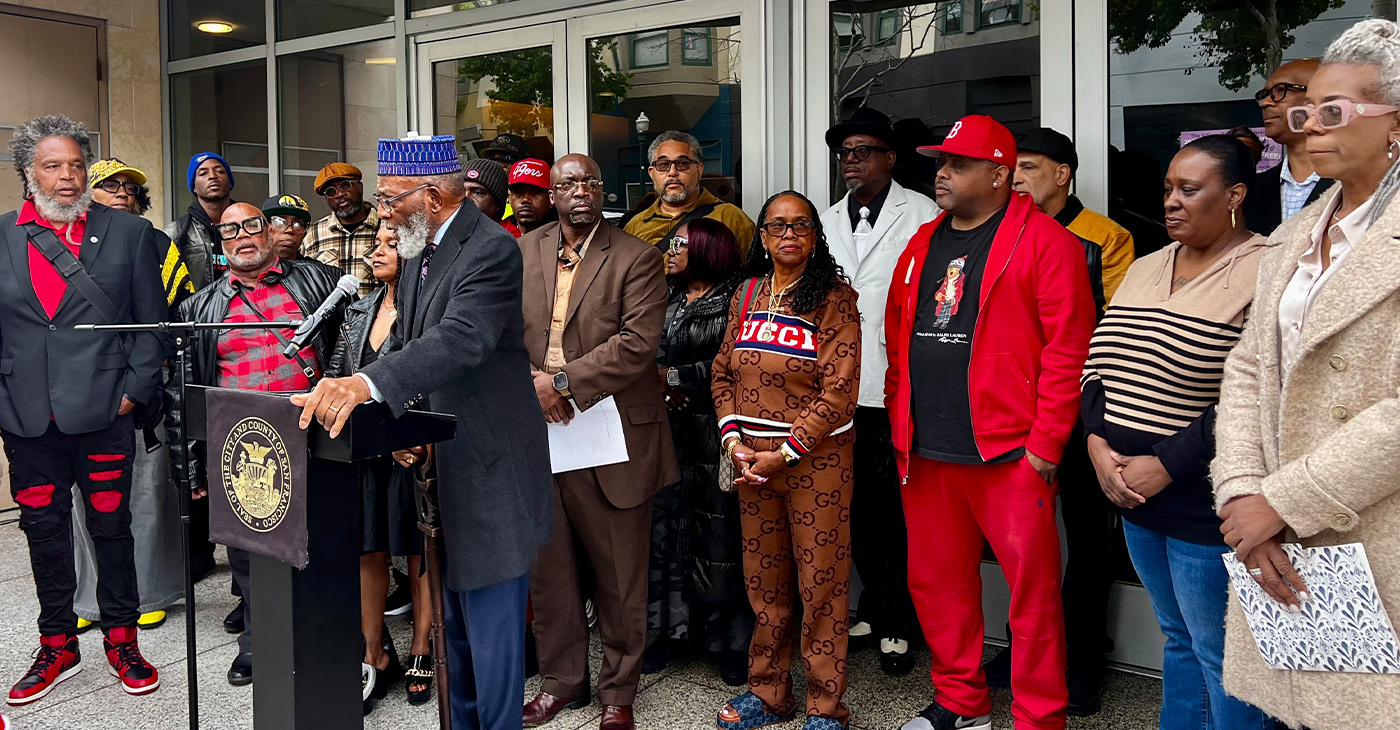
Last Saturday morning, the cloudy skies cleared just as the highly anticipated ribbon-cutting ceremony began, marking the reopening of the Fillmore Heritage Center at 1330 Fillmore and Eddy.
The complex – which had once included Yoshi’s Jazz Club, the Lush Life Art Gallery, the Koret Heritage Lobby, a 54-seat microcinema, and the Black-owned 1300 On Fillmore restaurant – shuttered in 2015.
After serving as the economic and cultural hub of the Fillmore’s historically Black community for more than a decade, the center’s closure ended what was called the “Rebirth of the Cool,” referring to the neighborhood’s role during the height of Black Jazz in the United States.
San Francisco Mayor Daniel Lurie announcing the reopening of the Fillmore Heritage Center. Erika Scott, owner of Honey Art Studio, looks on with pride. Photo by Linda Parker Pennington.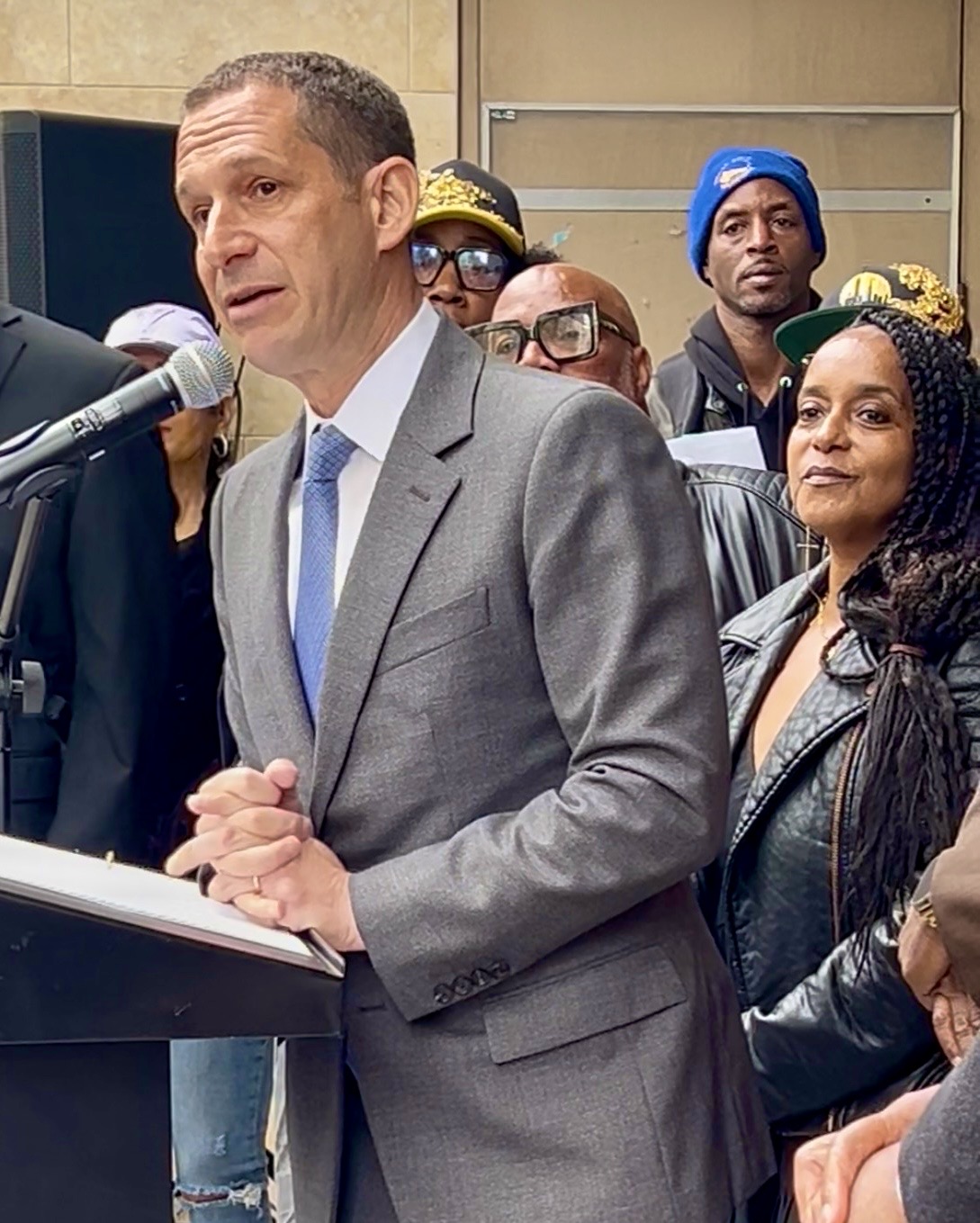
“The Fillmore is the most important neighborhood in San Francisco’s history for centering Black culture, music, business, and community, and has shaped this City and influenced the entire country,” said San Francisco Mayor Daniel Lurie to the gathering of more than 100 community leaders, business owners, and public officials. “This building reflects the deep roots of the Fillmore. Urban renewal left deep scars that are still felt today. This Center celebrates a strong Black community that continues to shape San Francisco. I am proud to join the community as we reopen the Fillmore Heritage Center.”
Although the previous stakeholders will not be returning to the center, spaces are available for nonprofit organizations and ventures, such as Fillmore native Ericka Johnson’s Honey Art Studio.
“This Center will be an economic engine and a thriving venue that shines a light on the Black-owned businesses in this neighborhood and lifts the entire district,” Lurie continued. “Our City is committed to this community for the long term.”
“We’re excited to collaborate with the City to finally reopen these doors,” said Ken Johnson, a videographer and community leader who’d been lobbying for the reopening of the center. “It’s an opportunity to showcase the entrepreneurship and creative spirit of this ‘Harlem of the West’ and the ‘Rebirth of the Cool,’ grounded in our uniquely gifted Fillmore community.”
This month, through its Office of Economic and Workforce Development, the city will begin renting the building’s noncommercial spaces for pop-up events celebrating local talent, arts, and entertainment primarily centered in the Fillmore.

Arts and Culture
COMMENTARY: Black Music is the Sound of Black Freedom: Let Us Reclaim Both This Juneteenth
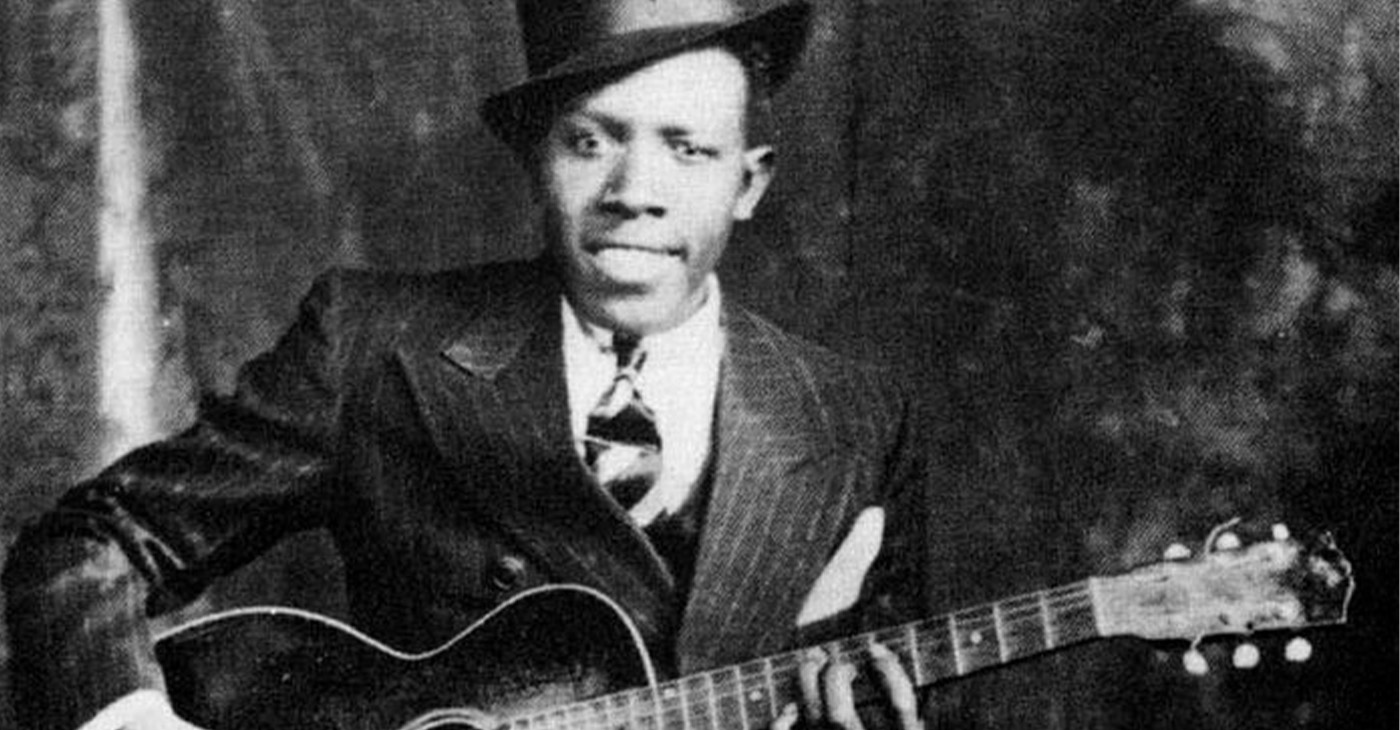
Black Music Month started when Black Music Association members Ed Wright, Kenny Gamble and his wife, journalist and radio host Dyanna Williams were able to persuade President Jimmy Carter to establish the observation on June 7, 1979.
By Wanda Ravernell
Black Music Month and Juneteenth are inextricably linked – Black music is the sound of our freedom.
From the plaintive moans of the enslaved Africans’ ‘sorrow songs,’ to the fields of Civil War battle where Black soldiers picked up abandoned bugles, to the upright piano played in juke joints on Saturday night and churches come Sunday morning, our ancestors’ innovation in the face of want, fear, degradation, and hopelessness has yielded genres of music imitated ’round the world.
Black Music Month started when Black Music Association members Ed Wright, Kenny Gamble and his wife, journalist and radio host Dyanna Williams were able to persuade President Jimmy Carter to establish the observation on June 7, 1979.
In 2000, Congress made it official. In 2009, Pres. Barack Obama changed the name to African American Music Heritage Month and in 2023, Pres. Joe Biden changed it back to Black Music Month, two years after he declared Juneteenth a national holiday, the result of a movement led by Opal Lee.
Our ancestors battle for freedom over these last 400 years and the music that allowed them expression of their humanity deserved to be honored.
But we may be losing sight of the value of their sacrifices.
‘Sing a Song Full of the Faith That the Dark past Has Taught Us…’
Along with the long-known exploitation of Black musicians whose recordings were stolen by record companies, the commercialization of Juneteenth feels like another kind of theft.
I had never heard of Juneteenth until I moved to the Bay Area from my hometown of Philadelphia. I didn’t know it was one of many freedom festivals celebrated by descendants of enslaved people in the United States.
Emancipation Day was Jan. 1 in Pennsylvania, April 16 in Wash., D.C., May 20 in Florida, and Aug. 8 in Kentucky. But Juneteenth, June 19, has the most renown, known in Texas as the ‘colored peoples’ Fourth of July.’
It was marked by parades, beauty pageants, rodeos, backyard barbecues and church picnics.
Yes, church.
The formerly enslaved began the day praying in thanks for their freedom just as they had prayed for Jubilee – the day of freedom – when they had chains on their feet and hands. They ‘testified’ about their past suffering and how they had managed to overcome.
And they sang.
Although, we will not hold it this year, Omnira Institute’s Juneteenth Ritual of Remembrance recalled this part of Juneteenth with prayers in the languages of the African captives. In the middle of the ceremony, a soloist would lead us in singing “Many Thousand Gone” while we took turns reciting portions of the Emancipation Proclamation, the news of freedom that took more than two years to reach Texas – two months after the Civil War ended.
“Many Thousand Gone” was famously recorded by Black luminary Paul Robeson in 1947:
“No more auction block for me,
No more, no more
No more auction black for me
Many thousand gone.”
Other verses refer to the ‘pint of salt’ and the ‘driver’s lash,’ the realities of enslavement that they had survived.
‘Sing a Song Full of the Hope That the Present has Brought Us’
All of the genres of African American music have at their root songs like that, the essence being, as Stevie Wonder, wrote, “the joy inside our pain.” So Black music is not just music. It is our story, our history, our very strength.
During the Civil Rights Movement, which peaked 100 years after slavery ended, the people testified that it was the freedom songs – based on spirituals – that gave them the heart to march, face attack dogs, fire hoses, beatings, and shootouts with vigilantes.
The music reminded them that power was in the people. That music, our music, can do so again. We don’t have to accept the commodification of the products of our culture.
The power of those songs is showing a resurgence across the South as we battle again for the right to self-determination through the ballot box.
Those songs are the voices of our ancestors, voices forged in their blood, their sweat, their tears, joy and, above all, faith. Those songs, those prayers live in our blood and our very breath.
This Juneteenth, let us reclaim those holy voices expressed in Black music for ourselves. It is our birthright. It can neither be bought nor sold. No more. Never again.
Wanda Ravernell is the executive director of Omnira Institute, sponsor for 18 years of the Juneteenth Ritual of Remembrance and Oakland’s 11th Annual Black-Eyed Pea Festival, which will take place on Sept. 12.
Activism
Oakland Post: Week of June 3 – 9, 2026
The printed Weekly Edition of the Oakland Post: Week of June 3 – 9, 2026

To enlarge your view of this issue, use the slider, magnifying glass icon or full page icon in the lower right corner of the browser window.

WORK FROM HOME
Home-based business with potential monthly income of $10K+ per month. A proven training system and website provided to maximize business effectiveness. Perfect job to earn side and primary income. Contact Lynne for more details: Lynne4npusa@gmail.com 800-334-0540


After 10-Year Wait, Fillmore Heritage Center Reopens in San Francisco

COMMENTARY: Black Music is the Sound of Black Freedom: Let Us Reclaim Both This Juneteenth

Oakland Post: Week of June 3 – 9, 2026

Study: Waiting Lists for Child Care Assistance Nearly Doubled

Venus Williams Calls a Sabalenka Exit a Tragedy

COMMENTARY: Using Art, Healing, And Community to Transform Mental Health Dialogue

Uptown Music Theatre Summer Camp Returns to Inspire the Next Generation of Performers

5 Cleveland Police Officers Injured, Gunfire Erupts During East Side Pursuit

15-YEAR-OLD COLUMBUS GIRL DIES, Community Mourns as Authorities Urge Water Safety Awareness

Let’s Talk Karmelo Anthony!

2026 World Cup is Here and Atlanta is Ready For It

COMMENTARY: What Andrew Young Reminded Me About Baltimore

COMMENTARY: When Politics Intersects with Professional Sports

K4: Crucial Driving Advice BEFORE You Buy! #shorts
The Conversation with Al McFarlane – MINNESOTANS ORGANIZING FOR CHANGE

Book Review: Books for College-Bound Students

Against All Odds: Mary Jackson’s Journey to NASA Engineer

Q&A with Steven Bradford: Why He Wants Your Vote for California Insurance Commissioner

Up to the Job: How San Francisco’s PRC Is Providing Work Opportunities That Turn Into Lasting Stability

OPINION: The Fire of Oakland’s Justin Jones

The Marin City Flea Market Is Back

California Launches Free Diaper Program for Newborns Statewide

EBMUD Enshrines the Legacy of its First Black Board Member William ‘Bill’ Patterson

The Ladies of Delta Sigma Theta Hold Day of Advocacy at the Capitol in Sacramento

OP-ED: Small Businesses Need Minnesota to Act on Pass-Through Tax Policy

Oakland Post: Week of May 6 – 12, 2026

Snoop Dogg Celebrates 10 Til’ Midnight at the Compound

2026 Lucid Air Grand Touring Review — Is This $136K EV Sedan Worth It?

Oakland Mayor Pushes Charter Overhaul to Clarify Roles in City Government, Increase Accountability and Improve Service Delivery

Marin City Public Housing Residents Demand a Voice in County’s Renovation Plans

Hyundai Ioniq 5 Parking, Safety, and 360 View #shorts

2025 Ioniq 5 New Wiper & Powerful Performance! #shorts

Electric SUV Range: Is 259 Miles Enough? #shorts

EV Charging: How Fast Can You Charge an Electric Vehicle? #shorts

Biometric Cooling… Messaging Seats…Come on! 2025 Infiniti QX80 Autograph 4WD

Charged Up: Witness the Magic of a Fully Electric Car! #shorts

Range Rover Sport PHEV Included…: See What’s Inside This Luxury SUV! #shorts

Invisible Hood View: Perfect Parking with X-Ray Vision! #shorts

AI Is Reshaping Black Healthcare: Promise, Peril, and the Push for Improved Results in California

ESSAY: Technology and Medicine, a Primary Care Point of View

Sanctuary Cities

The RESISTANCE – FREEDOM NOW

STATE OF THE PEOPLE: Freddie

ECONOMIC BOYCOTT DAY!!!!!

I told You So
-
 Advice3 weeks ago
Book Review: Books for College-Bound Students
-
 Arts and Culture4 weeks ago
Against All Odds: Mary Jackson’s Journey to NASA Engineer
-
 Bay Area3 weeks ago
Q&A with Steven Bradford: Why He Wants Your Vote for California Insurance Commissioner
-
 Activism3 weeks ago
OPINION: The Fire of Oakland’s Justin Jones
-
 Alameda County4 weeks ago
The Marin City Flea Market Is Back
-
 Activism3 weeks ago
California Launches Free Diaper Program for Newborns Statewide
-
 Activism3 weeks ago
The Ladies of Delta Sigma Theta Hold Day of Advocacy at the Capitol in Sacramento
-
 Activism4 weeks ago
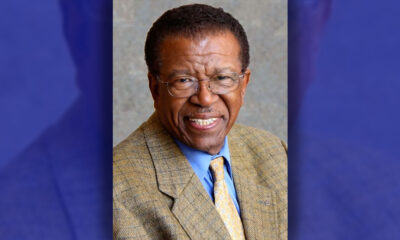
EBMUD Enshrines the Legacy of its First Black Board Member William ‘Bill’ Patterson
