
Bay Area
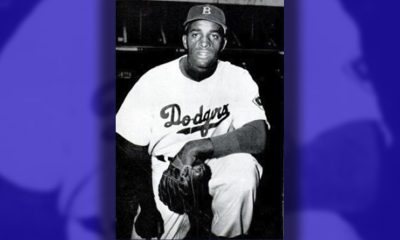
IN MEMORIAM: Oakland’s ‘Man of Steal,’ Baseball Icon Rickey Henderson, Dies at 65
Henderson’s wife, Pamela, said in a statement: “It is with profound sadness that we share the passing of my husband, Rickey Henderson. A legend on and off the field, Rickey was a devoted son, dad, friend, grandfather, brother, uncle, and a truly humble soul. Rickey lived his life with integrity, and his love for baseball was paramount. Now, Rickey is at peace with the Lord, cherishing the extraordinary moments and achievements he leaves behind.”

By Post Staff
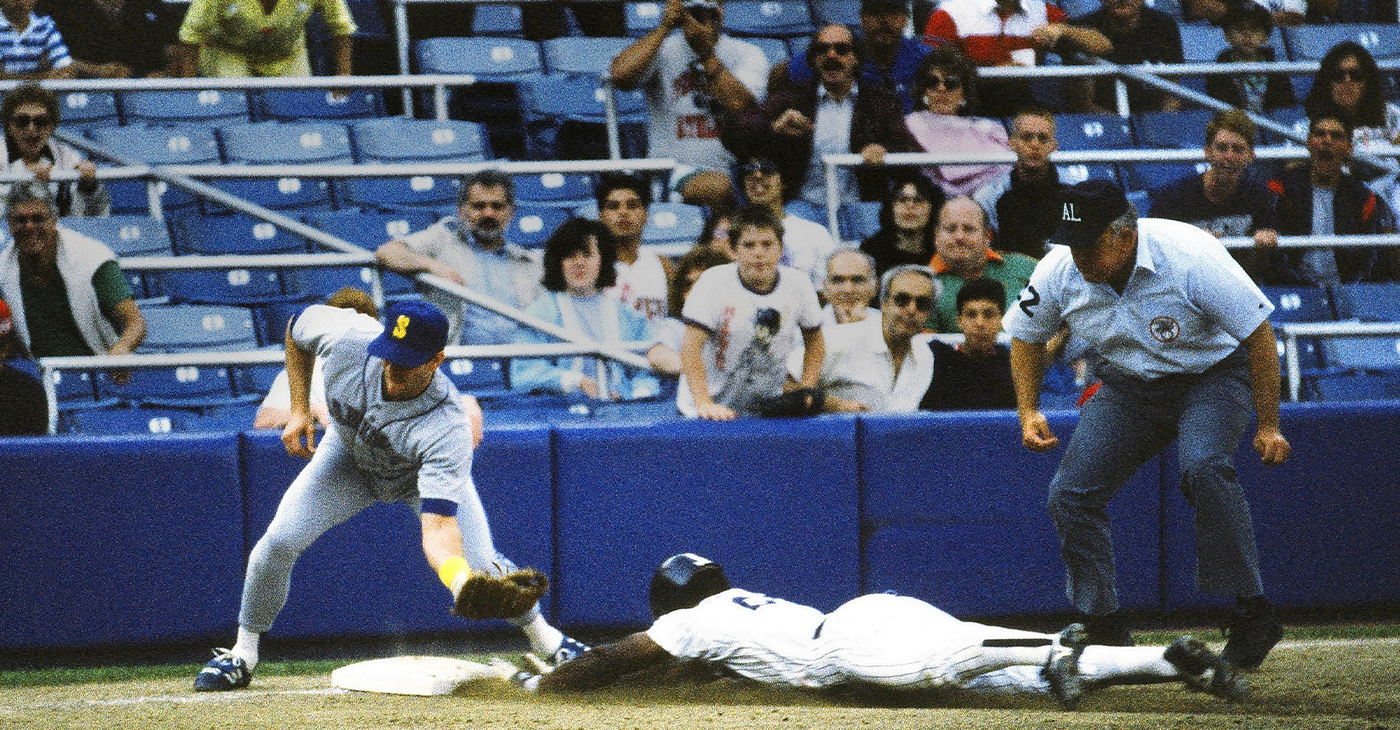
Baseball legend Rickey Henderson, known as the ‘Man of Steal,’ passed away on Dec. 20 at UCSF hospital, reportedly from complications of pneumonia. He was 65.
Henderson’s wife, Pamela, said in a statement: “It is with profound sadness that we share the passing of my husband, Rickey Henderson. A legend on and off the field, Rickey was a devoted son, dad, friend, grandfather, brother, uncle, and a truly humble soul. Rickey lived his life with integrity, and his love for baseball was paramount. Now, Rickey is at peace with the Lord, cherishing the extraordinary moments and achievements he leaves behind.”
Newsbreak described the player as “a fearless, flamboyant style of play, which thrilled some players and fans thirsting for theatrical energy from a sport known for its staidness and irritated others who believed the iconoclastic approach disrespected old traditions. Henderson broke boundaries alongside reams of records during a 25-year career spent with nine teams.”
Those teams included the Oakland As, the New York Mets, the New York Yankees, the Toronto Blue Jays, the San Diego Padres, the Anaheim Angels, the Seattle Mariners, and the Boston Red Sox. A 10-time All-Star player and American League MVP in 1990, Henderson remains baseball’s greatest stealer of bases and was dubbed the “Man of Steal” during his playing time.
Henderson earned the title ‘Man of Steal’ because he stole 1,406 bases during his MLB career, a record that still stands with more than 468 stolen bases by Lou Brock, the next closest all-time base stealer at 938 stolen bases.
His last MLB game was in 2003, and he retired from the game in 2007, coaching in various positions for a few more years. He was inducted into the Baseball Hall of Fame in his first year of eligibility in 2009. His most recent public appearance in Oakland was with former teammate Dave Stewart when they threw out the first pitch at the last game the A’s played in the Coliseum in September.
Born in the back seat of an Oldsmoblie in Chicago, Illinois, on Christmas Day 1958, Henderson used to quip that he had always been fast. At age 7, the family joined his father, who had moved to Oakland. He graduated from Oakland Technical High School in 1976 where he was renowned for playing baseball, basketball, and football, which had been his favorite sport.
But his mother discouraged his intent to wear the Oakland Raiders’ silver-and-black uniform, saying football players had shorter careers and higher chances of injury.
Learning of Henderson’s death, Stewart was devastated. After competing against each in Oakland’s Babe Ruth League as teens, they got to play on the A’s together in 1989, winning the World Series over the San Francisco Giants which had been delayed by the Loma Prieta earthquake.
“Him having asthma, him being sick, it never stopped him,” Stewart told The Source. “He was always on the go. He had these rental properties in Oakland, and I’d get these calls saying they saw Rickey out cutting the grass. I’d say, ‘What do you mean?’ They told me he was actually out there with a lawn mower doing work on his property.
“He was always go-go-go. He loves to fish. He just took up hunting,” Stewart said.
Accolades poured in from Major League Baseball, the Oakland A’s, where Henderson played for a total of 14 years, and many other individuals, news and sports organizations.
“He was undoubtedly the most legendary player in Oakland history and made an indelible mark on generations of A’s fans over his 14 seasons wearing the Green and Gold,” the A’s management said in a statement.
“For those who knew him personally, Rickey was much more than a franchise icon and a Baseball Hall of Famer. He was a friend and mentor to every player, coach, and employee who passed through the Oakland Coliseum or played a game on the field that came to bear his name,” the A’s statement said.
NBC Bay Area reported that Oakland Interim Mayor, Nikki Fortunato Bas, and former San Francisco Mayor Willie Brown took to social media to share their condolences.
“Rickey Henderson was 1 of 1,” Bas wrote on X. “An Oakland legend and icon. A multi-sport star at Oakland Tech, a champion with the Oakland A’s and beloved by this community. I am heartbroken for his family and fans. We have reached out to the A’s to offer any assistance the City can provide.”
Brown said he compares Henderson’s legacy to the late San Francisco Giants Hall of Famer Willie Mays. “When he was on base, he disturbed every other player because nobody knew what he might do at any given moment,” Brown said.
But for all his showmanship Henderson often displayed a simple humility. When his childhood dream of becoming a millionaire was fulfilled with a $1 million signing bonus, Henderson framed the check and hung it on his wall instead of signing it, causing the team to insist he cash it and replace the check with a copy.
He is survived by his wife Pamela and his three daughters Angela, Adrianna, and Alexis.
The National Newspaper Association Newswire, The Source, NBC News Bay Area, USA Today, Wikipedia and statements from Henderson’s family and sports associations are the sources for this story.









Activism
Oakland Post: Week of September 23 – 29, 2026
The printed Weekly Edition of the Oakland Post: Week of September 23 – 29, 2026

To enlarge your view of this issue, use the slider, magnifying glass icon or full page icon in the lower right corner of the browser window.
Activism
Oakland Post: Week of September 16 – 22, 2026
The printed Weekly Edition of the Oakland Post: Week of September 16 – 22, 2026

To enlarge your view of this issue, use the slider, magnifying glass icon or full page icon in the lower right corner of the browser window.
Activism
Oakland Post: Week of September 9 – 15, 2026
The printed Weekly Edition of the Oakland Post: Week of September 9 – 15, 2026
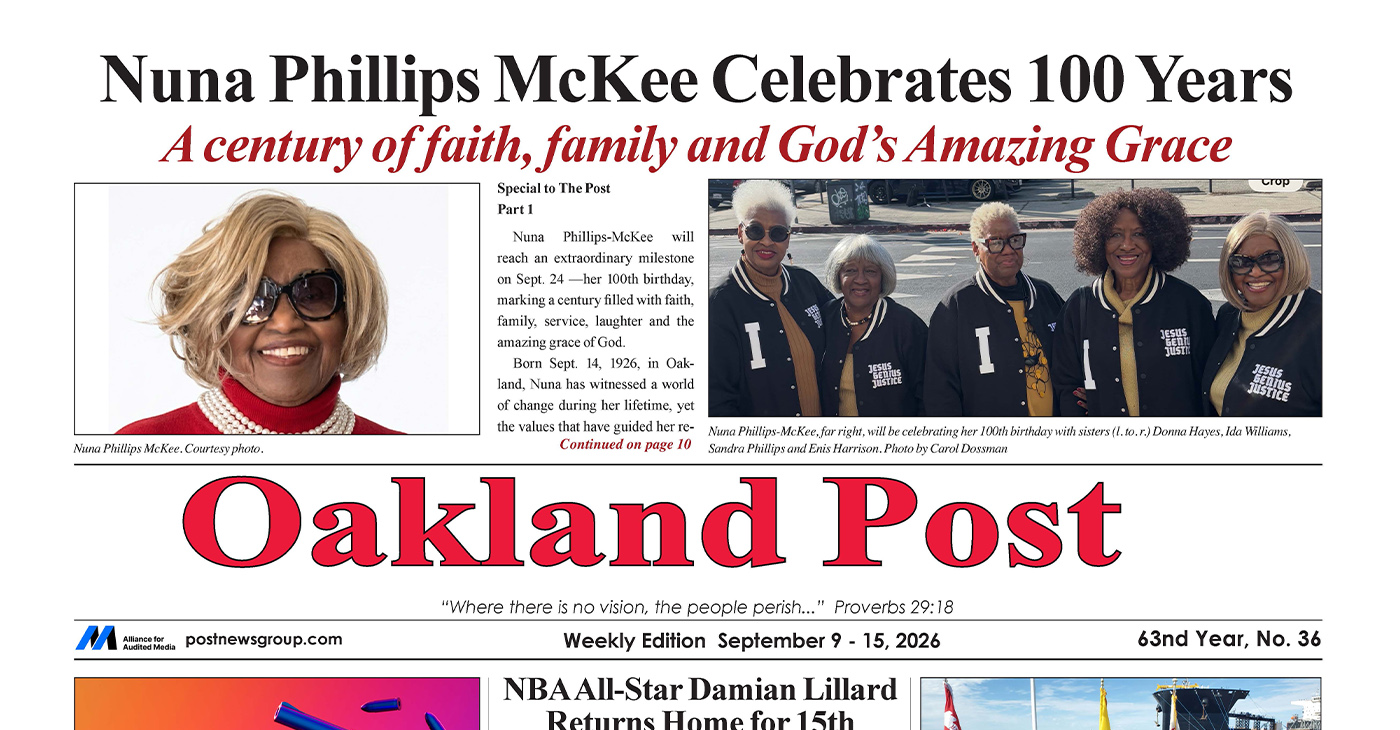
To enlarge your view of this issue, use the slider, magnifying glass icon or full page icon in the lower right corner of the browser window.


Asm. Corey Jackson Announces Launch of 24-Hour Childcare in His District

IN MEMORIAM: The Rev. Leon “Sonny” Clark, Longtime Orange County Pastor and Community Leader, Dies at 72

Poll: Becerra Widens His Lead Over Hilton; Californians Split on Wealth Tax

From Historic Memories to New Possibilities: Oakland Celebrates Coliseum 60

County Office of Education Says OUSD Finances Are Getting Healthier, Materially Stronger

LIVE FREE Sunday Dinner Brings Faith, Fellowship and Civic Conversation to Oakland

Remembering Chauncey Bailey as Student Journalists Face Threats to Truth-Telling

BLACspace Cooperative Invites Bay Area to Experience Oakland’s Black Cultural Ecosystem Through a BLAC Map Tour + Party

In Wake of Death on Doorstep, Williams Chapel Baptist Church Calls for Better Care, Funding for Unhoused

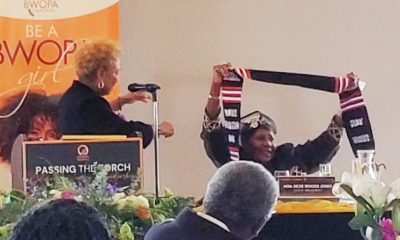
Oakland Centenarian Nuna McKee Honored!

Caribbean Nations Produce Action Plan Calling for UK Reparations Over Slavery

Oakland Post: Week of September 23 – 29, 2026

Doulas Are Helping Black California Moms Navigate Pregnancy–Even as High Mortality Rates Persist

Newsom Signs Addictive Social Media Law to Protect Kids

On Your November Ballot: Prop 38 Would Allocate $8.4 Billion to Immunology and Immunotherapy Funding

Standoff for Justice: Our Homes Are Worth Fighting For

Oakland Post: Week of August 26 – September 1, 2026

Frontier Airlines’ Return to Oakland Airport Brings Flights, Jobs and Opportunity

Gubernatorial Candidate Steve Hilton Blasts California New Tire Rules; Newsom Hits Back

Chef Sharon Lee Blends Culinary Excellence, Education and Empowerment

Jackie Wright Champions Bay Area Stories, Filmmakers and Cultural Institutions

Big City Mayors Ask for “Yes” Vote on Housing Bond Measure; Conservatives Say “No”

Oakland Coliseum Project Opens Door for Small Businesses to Build Bigger

Gov. Newsom’s Latest Appointees Include Sacramento Advocate for Formerly Incarcerated Students; State’s New Tech Chief

Misnamed ‘Parent’ PAC Seeks to Influence Oakland School Board Elections

Longtime BWOPA Member Brendalyn Goodall Appointed to California Workforce Development Board

Gov. Newsom Signs Law Shielding Immigration Aid Workers From Doxing Threats

Secretary of State Shirley N. Weber Urges Californians to Vote Early as Voter ID Battle Intensifies

Oakland Post: Week of September 2 – 8, 2026

IN MEMORIAM: Dolly Parton Dead at 80 — How She Built a Legacy of Love and Earned Her Place in Black Culture

The Conversation With Al McFarlane 6/23/26

Media Monday 6/22/26

LIVE! ASK ALMA! — TUES. 6.23.26 7PM EST

Car Buying Secrets: 4 Hidden Checks Before You Sign!

Is This 550 HP Charger Worth YOUR Money? AutoNetwork Review

Celebrating Juneteenth – Frederick Douglass on education and resistance

LIVE! — ASK ALMA! — TUES. 6.19.26 7PM EST

Hyundai Ioniq 5 Parking, Safety, and 360 View #shorts

2025 Ioniq 5 New Wiper & Powerful Performance! #shorts

Electric SUV Range: Is 259 Miles Enough? #shorts

EV Charging: How Fast Can You Charge an Electric Vehicle? #shorts

Biometric Cooling… Messaging Seats…Come on! 2025 Infiniti QX80 Autograph 4WD

Charged Up: Witness the Magic of a Fully Electric Car! #shorts

Range Rover Sport PHEV Included…: See What’s Inside This Luxury SUV! #shorts

Invisible Hood View: Perfect Parking with X-Ray Vision! #shorts
-
 Community3 weeks ago
Misnamed ‘Parent’ PAC Seeks to Influence Oakland School Board Elections
-
 Activism4 weeks ago
Oakland Post: Week of September 2 – 8, 2026
-

 Community3 weeks ago
Richmond Tiny House Village Farm & Garden Set to Open Gates on Sept. 26
-

 Activism3 weeks ago
Oakland Post: Week of September 9 – 15, 2026
-

 Black History3 weeks ago
Latest Massacre in Haiti Reveals Cruelty U.S. Deportations
-

 Black History3 weeks ago
OPINION: Nolan Wells’ Death One of Several Signifying Racial Terror Lives on in U.S. South
-

 Community3 weeks ago
Democratic Clubs Interview Candidates for Oakland School Board
-

 Business2 weeks ago
Mayor Lee Announces $1 Million Kaiser Permanente Grant for Pilot Program to Address Homelessness, Clean Up Public Spaces throughout Oakland
