
Activism
Fight for Uber, Lyft Drivers to Remain Independent Heats Up as November Vote Approaches

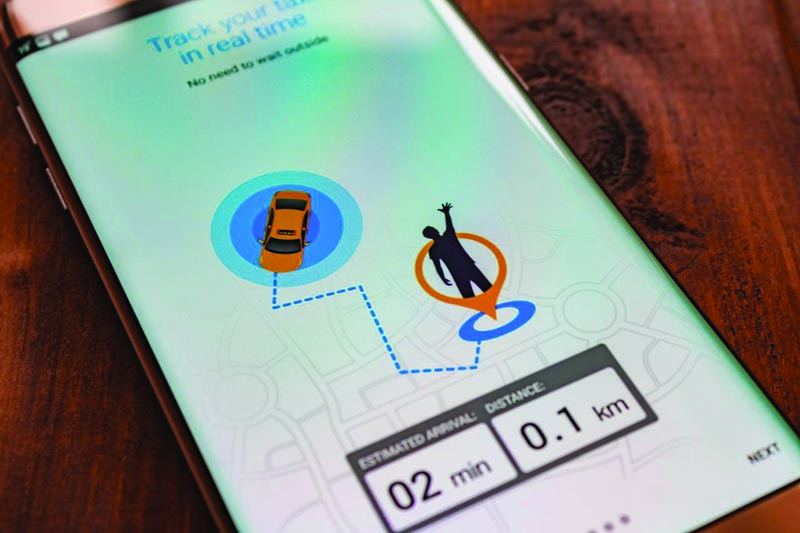
As the general election in November gets closer, rideshare and app-based delivery drivers are rounding up support to defeat a ballot initiative that will decide the fate of app-based work in California.
Proposition 22 asks voters to decide whether app-based drivers should be classified as independent contractors or W-2 employees.
App-based companies, including Uber, Lyft, DoorDash, Postmates and Instacart funded the initiative. If voters approve it, drivers who work with those app-based service companies will continue to be classified as independent contractors, but they will begin receiving some benefits including a net basic earning and healthcare subsidies.
If the measure fails, those drivers will have to be reclassified as full-time employees under AB 5, the controversial labor law that went into effect Jan. 1, 2020.
AB 5 made it more difficult for companies to enter into contracts with freelancers and independent contractors.

Representatives from a coalition of groups, including the California State NAACP, California Black Chamber of Commerce and Si Se Puede Foundation signed a letter to the California Legislature registering their support for Prop. 22. The letter argues that the majority of drivers are from minority communities who rely on the flexibility of the work and the immediate income it can provide.

“With California’s unemployment rate reaching a record high, the very characteristics of working with app-based rideshare and delivery platforms – especially high flexibility and low barriers to entry – have proven to be key forms of work for many lower-income families needing access to income during this current pandemic,” the letter reads.
Arguments in favor of Prop. 22 have also focused on protecting the drivers’ choice to operate with independence and flexibility. For Judah Bell, a driver in favor of Prop. 22, the flexibility of being an independent contractor allowed her to manage her schedule around caring for family.
“A lot of [drivers] are caregivers. I was a caregiver to multiple people. My mom got sick so I had to take one to two weeks off for six months,” said Bell, who lives in Vallejo. “I was flying from here to Atlanta one to two weeks out of each month. A traditional job would not have allowed me to do that, and then come back and work for two weeks, then go back.”
Opponents of Prop. 22 include drivers’ advocacy groups, such as Rideshare Drivers United. One strong concern within drivers’ advocacy groups is that rideshare companies like Uber and Lyft could change the app’s algorithms and payment structures however they want, and the drivers would have no input.
“Right now, we’re working with basically all of the workplace protections that existed in like 1890,” said Peter Young, a driver based in L.A. “They have total power over us, and we have no leverage against them. They could cut my pay in half tomorrow and I would have nothing to do about it. At the end of the day, they’re the ones who control everything and we don’t have the government on our side.”
Drivers opposed to Prop. 22 are also concerned about the lack of support that rideshare companies provide. There have been reports that Lyft has not distributed free P.P.E. to enough drivers, as well as complaints that the companies were selling P.P.E. to drivers in their online stores.
“[There are] so many drivers, as we went through this pandemic waiting for unemployment, which some of us still haven’t received, and Uber and Lyft has done nothing, absolutely nothing to assist 80% of the drivers, even if you get sick,” said Michael Franzier, a driver based in Los Angeles.
Cherri Murphy, a lead organizer for Rideshare Drivers United, argued that the proposition is discriminatory against Black and Brown drivers by making it impossible to receive benefits.
“It is an attempt to ensure a caste system for workers who are mostly Black and Brown and immigrants. It creates a sham of our democracy by ensuring that workers will be kept in poverty with no protections and no benefits and no voice for generations to come,” she said. “If this ballot measure is passed, it prevents future elected officials from amending the law requiring an unprecedented seven-eighths majority to amend the law.”
“It’s imperative that we enforce AB 5 so that rideshare drivers can have the benefits and protections that we deserve, considering that the times that we find ourselves in. We deserve unemployment insurance. We deserve worker’s compensation if we get hurt on the job. It’s imperative that we say no,” Murphy said.








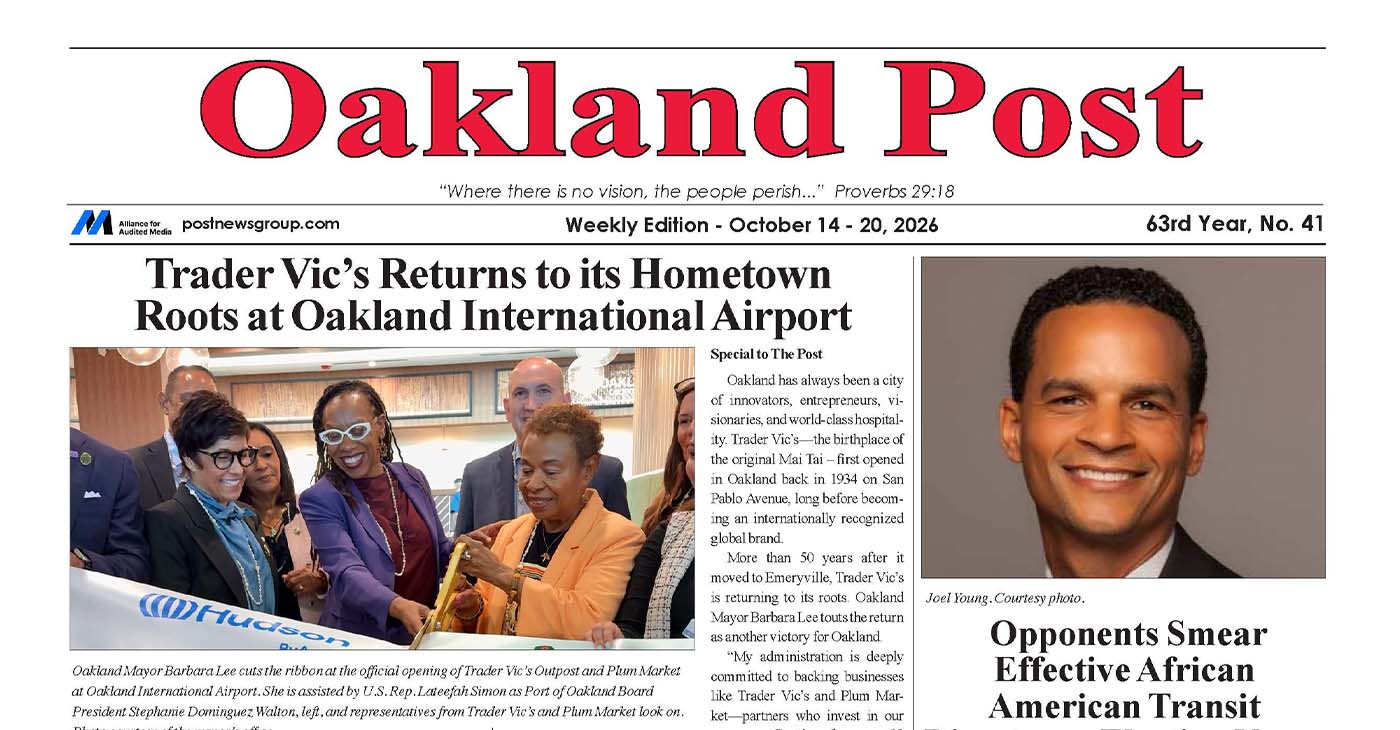
To enlarge your view of this issue, use the slider, magnifying glass icon or full page icon in the lower right corner of the browser window.

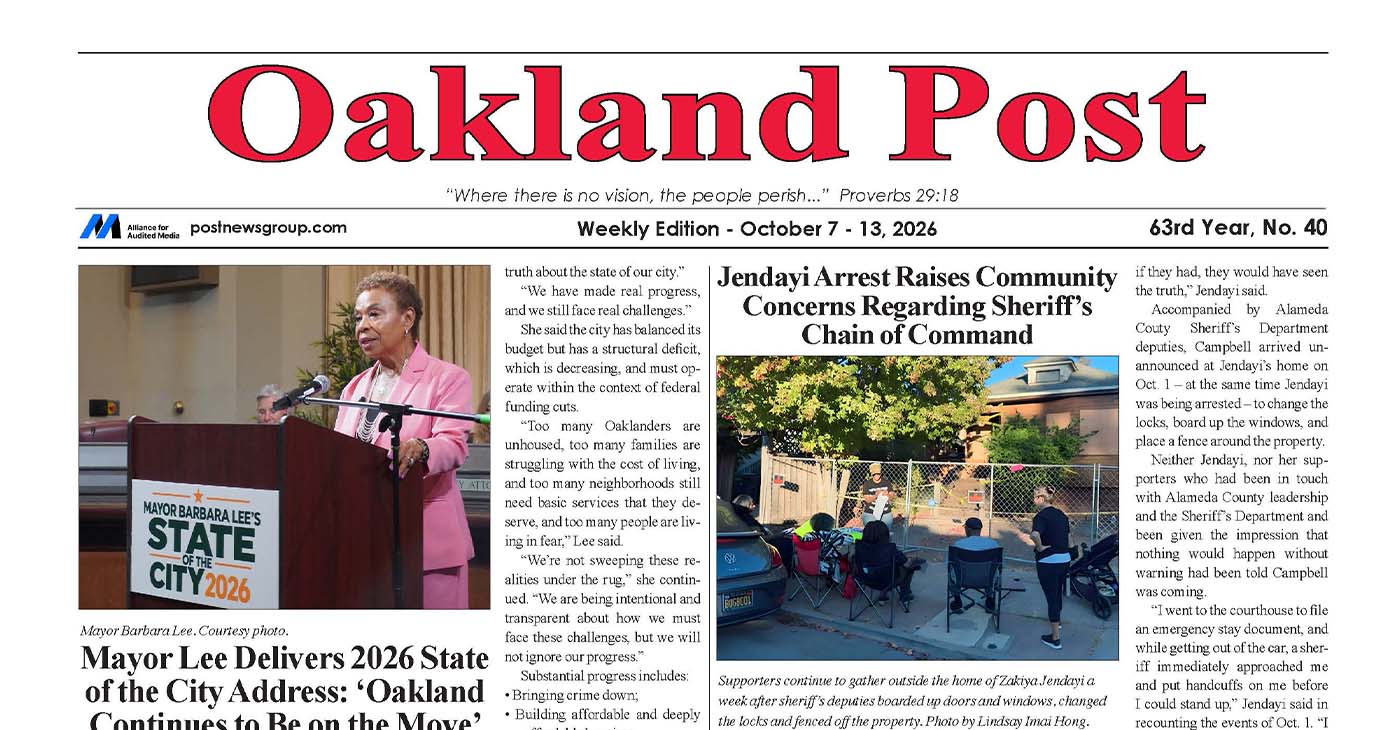
To enlarge your view of this issue, use the slider, magnifying glass icon or full page icon in the lower right corner of the browser window.
Activism
Oakland Post: Week of September 30 – October 6, 2026
The printed Weekly Edition of the Oakland Post: Week of September 30 – October 6, 2026

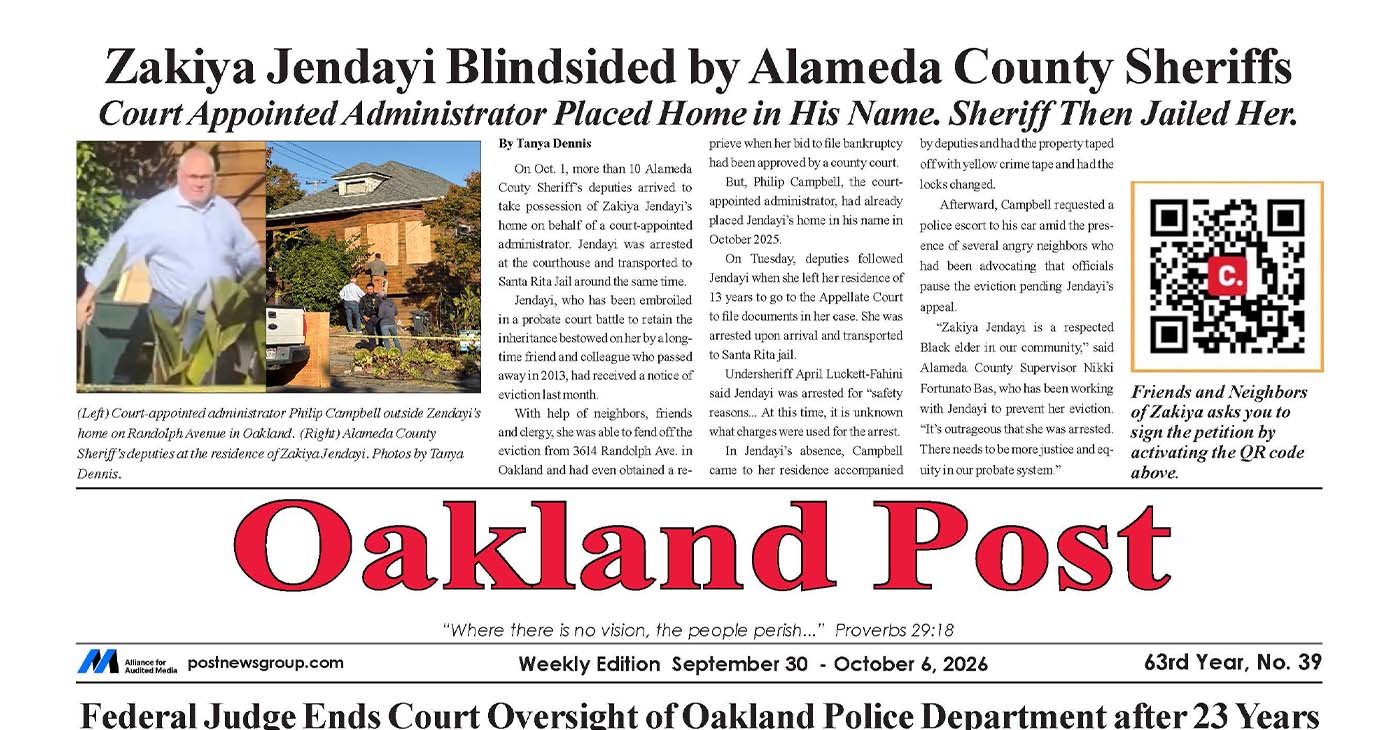
To enlarge your view of this issue, use the slider, magnifying glass icon or full page icon in the lower right corner of the browser window.


Mayor Barbara Lee Holds Special State of the City Address in Deep East Oakland

Practitioners of African Traditional Spirituality Offer Ancestral Reverence Ritual Oct. 31

It’s Time to Lose Weight Before the Holidays

Trader Vic’s Returns to Its Oakland Roots

Oakland Coal Terminal Backed by Trump Would Be Bigger, Dirtier Than Promised, Says Report

Opponents Smear Effective African American Transit Director as Election Nears

Oakland Post: Week of October 14 – 20, 2026

OP-ED: The Black Church Writes AI’s Next Chapter

OP-ED: The Black Church Writes AI’s Next Chapter

WCCUSD Joins Statewide Organic School Food Purchasing Cooperative

Democrats, Community Groups Back Measure EE to Change How Oakland Is Governed

Four Tips to Help You Plan a Holiday “Staycation”

Veterans Housing Project Proposed for South Richmond
PRESS ROOM: Transformative Justice Coalition 2026 Voting Rights Champion Awards Reception ‘Yesterday Is Today: The Battle For Voting Rights

Mayor Lee Delivers 2026 State of the City Address: ‘Oakland Continues to Be on the Move’

Misnamed ‘Parent’ PAC Seeks to Influence Oakland School Board Elections

Poll: Becerra Widens His Lead Over Hilton; Californians Split on Wealth Tax

Oakland Post: Week of September 9 – 15, 2026

Listening as a Lifeline: A Doula’s Witness to Black Maternal Health

County Office of Education Says OUSD Finances Are Getting Healthier, Materially Stronger

Richmond Tiny House Village Farm & Garden Set to Open Gates on Sept. 26

Mayor Lee Announces $1 Million Kaiser Permanente Grant for Pilot Program to Address Homelessness, Clean Up Public Spaces throughout Oakland

Latest Massacre in Haiti Reveals Cruelty U.S. Deportations

OPINION: Nolan Wells’ Death One of Several Signifying Racial Terror Lives on in U.S. South

Zakiya Jendayi Arrested, Locked Out of Home by Sheriff’s Deputies

BLACspace Cooperative Invites Bay Area to Experience Oakland’s Black Cultural Ecosystem Through a BLAC Map Tour + Party

Doulas Are Helping Black California Moms Navigate Pregnancy–Even as High Mortality Rates Persist

Oakland Post: Week of September 16 – 22, 2026

Oakland People’s Arms Embargo Coalition Demands End to Military Shipments Thru Oakland

Democratic Clubs Interview Candidates for Oakland School Board

The Conversation With Al McFarlane 6/23/26

Media Monday 6/22/26

LIVE! ASK ALMA! — TUES. 6.23.26 7PM EST

Car Buying Secrets: 4 Hidden Checks Before You Sign!

Is This 550 HP Charger Worth YOUR Money? AutoNetwork Review

Celebrating Juneteenth – Frederick Douglass on education and resistance

LIVE! — ASK ALMA! — TUES. 6.19.26 7PM EST

Hyundai Ioniq 5 Parking, Safety, and 360 View #shorts

2025 Ioniq 5 New Wiper & Powerful Performance! #shorts

Electric SUV Range: Is 259 Miles Enough? #shorts

EV Charging: How Fast Can You Charge an Electric Vehicle? #shorts

Biometric Cooling… Messaging Seats…Come on! 2025 Infiniti QX80 Autograph 4WD

Charged Up: Witness the Magic of a Fully Electric Car! #shorts

Range Rover Sport PHEV Included…: See What’s Inside This Luxury SUV! #shorts

Invisible Hood View: Perfect Parking with X-Ray Vision! #shorts
-
 Economy4 weeks ago
Poll: Becerra Widens His Lead Over Hilton; Californians Split on Wealth Tax
-
 Black History3 weeks ago
Listening as a Lifeline: A Doula’s Witness to Black Maternal Health
-
 Business4 weeks ago
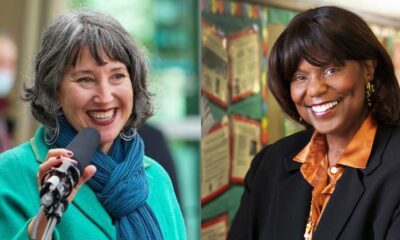
County Office of Education Says OUSD Finances Are Getting Healthier, Materially Stronger
-
 Lead Story3 weeks ago
Zakiya Jendayi Arrested, Locked Out of Home by Sheriff’s Deputies
-
 Art4 weeks ago
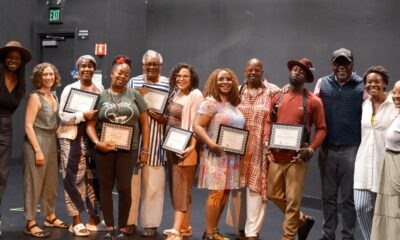
BLACspace Cooperative Invites Bay Area to Experience Oakland’s Black Cultural Ecosystem Through a BLAC Map Tour + Party
-
 Black History4 weeks ago
Doulas Are Helping Black California Moms Navigate Pregnancy–Even as High Mortality Rates Persist
-
 Business4 weeks ago
From Historic Memories to New Possibilities: Oakland Celebrates Coliseum 60
-
 Community4 weeks ago
Asm. Corey Jackson Announces Launch of 24-Hour Childcare in His District
