
Black History
Listening as a Lifeline: A Doula’s Witness to Black Maternal Health
OAKLAND POST — Maternal mortality and pregnancy-related mortality use different time frames and methods and are not interchangeable. Finalized 2024 CDC data recorded 649 maternal deaths nationally. The overall rate was 17.9 deaths per 100,000 live births, but for non-Hispanic Black women it was 44.8, compared with 14.2 for White women and 12.1 for Hispanic women.


Word Count: 1058
Note: Client A, B & C, names are withheld for privacy; these accounts reflect my recollections as their Doula.
Client A rocked her hips on a birthing ball, surrounded by pale wood and warm textiles in a softly lit Scandinavian-style office. I was her doula through a Southern California maternal health company combining nurse-led care, technology, and wraparound support.
She was a healthy Black woman in her thirties. Her baby girl was doing well; her partner took notes as we discussed labor and advocacy.
Then we turned to their chosen hospital. I knew it well—and remembered a phrase from another client’s experience: “Policy of Sovereignty.”
Client B had been told she needed a repeat cesarean as a precaution, though the reasoning was unclear. Her obstetrician, who performed her first cesarean two years earlier, had assured her throughout pregnancy that she was healthy, healed, and ready for a vaginal birth. We asked staff to review her chart, consult her obstetrician, and reconsider immediate surgery. Instead, they invoked the “Policy of Sovereignty.”

The physician on duty, we were told, had final authority, regardless of her established care plan. I asked whether an ultrasound or reassessing the baby’s position could offer clarity. Cesareans can be lifesaving. But were Client B’s history, informed consent, and circumstances guiding this decision—or was routine overriding individualized care? We kept asking for her obstetrician. Beneath every request was a deeper question: Was she being heard?
The Numbers Behind the Stories
Statistics arrive in clean columns. The experiences behind them do not.
Maternal mortality and pregnancy-related mortality use different time frames and methods and are not interchangeable. Finalized 2024 CDC data recorded 649 maternal deaths nationally. The overall rate was 17.9 deaths per 100,000 live births, but for non-Hispanic Black women it was 44.8, compared with 14.2 for White women and 12.1 for Hispanic women.
In California, Black birthing people experienced 56.5 pregnancy-related deaths per 100,000 live births during 2020–2022—3.8 times the White rate and four times the Asian rate.
As a doula serving Los Angeles and San Bernardino Counties, I see faces behind those numbers. I remember concerns raised softly, then firmly, then desperately. I am tired of watching Black families enter spaces meant to protect them, only to discover they must defend themselves while laboring, bleeding, trembling, or recovering.
Returning to Client A
Client A’s labor stretched nearly 48 hours. As her condition worsened, she, her partner, and I asked whether a cesarean should happen sooner. A provider questioned my place as a doula, then said she was next.
Six more hours passed.
She entered surgery visibly ill with a serious uterine infection, her baby malpositioned and stuck. Her partner later recalled the provider saying, “This baby would never have made it through the birth canal.”
Those words landed like a blow. Our urgency had been treated as ignorance. With Client B, we questioned why surgery was inevitable. With Client A, why it was delayed. Doula advocacy is not about one kind of birth. It is about informed consent, individualized care, and timely action. Hospital routine should never outweigh the person carrying the risk.
Survival Cannot Be the Standard
The Black maternal health crisis includes unequal care, untreated conditions, racial bias, delayed referrals, poor communication, and inadequate postpartum support. It is about birth plans respected only until a hospital becomes less busy and postpartum care that asks whether a mother survived, not whether she has what she needs to recover.
Survival cannot be the standard. Technology can support care, but it cannot replace human connection. An algorithm cannot detect fear in a patient’s eyes, and a mission statement alone cannot ensure adequate staffing or culturally responsive care.
The Story of Client C
Before I arrived, I heard the chaos through Client C’s phone. Staff struggled to locate her baby’s heartbeat on an external monitor as her fear and blood pressure rose. I pleaded for an internal electrode before surgery.
“There’s not enough time,” a nurse said.
“I would like to wait for my doula,” Client C called out.
But she was medicated, hurried through consent, and wheeled away while I listened.
In the operating room, after a shift change, another nurse placed an internal electrode and said, “The previous monitor wasn’t working.”
No one responded.
According to her father, the obstetrician avoided eye contact: “We need to move forward.”
Surgery may still have been necessary; that was not mine to determine. But if faulty equipment helped create the emergency, the family deserved acknowledgment and explanation—not silence. No family should have to wonder whether major surgery followed an unavoidable crisis or a machine failure no one recognized in time.
From Prevention to Accountability
After supporting nearly 100 families, I have learned that danger often begins before admission. I have urged clients to seek care—and heard why they feared returning: dismissed pain, harsh words, shame for asking questions.
Care cannot be holistic where Black families do not feel safe enough to speak or return. Representation matters, but providers of color cannot repair inequity alone. They need adequate staffing, mentorship, culturally responsive training, reliable equipment, and colleagues that are reflective of all the aforementioned. It’s not the Black providers job to care for just the Black patients, everyone should have the same goal.
The Momnibus Act, California’s Medi-Cal doula benefit, the Transforming Maternal Health Model and the Perinatal Equity Initiative require more than promises; they need sustained funding, reliable reimbursement and accountable implementation.
Birth should be sacred. Yet too many Black birthing people arrive carrying the burden of proving their pain is real. A doula can listen, educate, comfort, and advocate—but cannot repair a system that refuses to listen. The true measure of progress is what happens when a Black birthing person says, “Something is wrong.”
Are they believed? When equipment fails, is that failure acknowledged? Do families leave not merely alive, but safe, respected, supported, and whole?
Until those answers are consistently yes, California’s maternal health success story remains unfinished.
About the Author
Antoinette Stewart-Eneh is a mother of two, holistic maternal wellness advocate, and birth and postpartum doula who has supported families since 2019. She serves as program operations coordinator for Frontline Doulas, a volunteer client coordinator with the Joy in Birthing Foundation and a childbirth educator in South Los Angeles. She is studying to become a midwife and lactation educator.








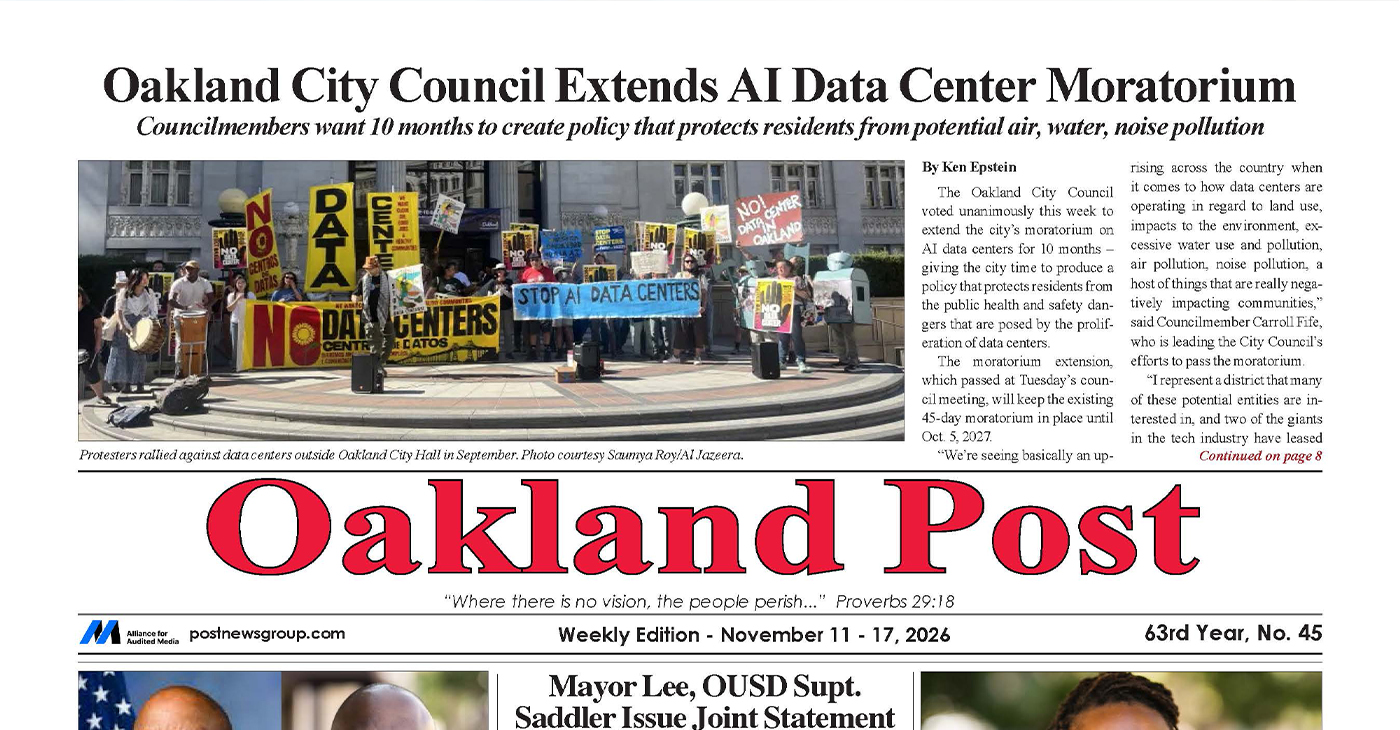
To enlarge your view of this issue, use the slider, magnifying glass icon or full page icon in the lower right corner of the browser window.

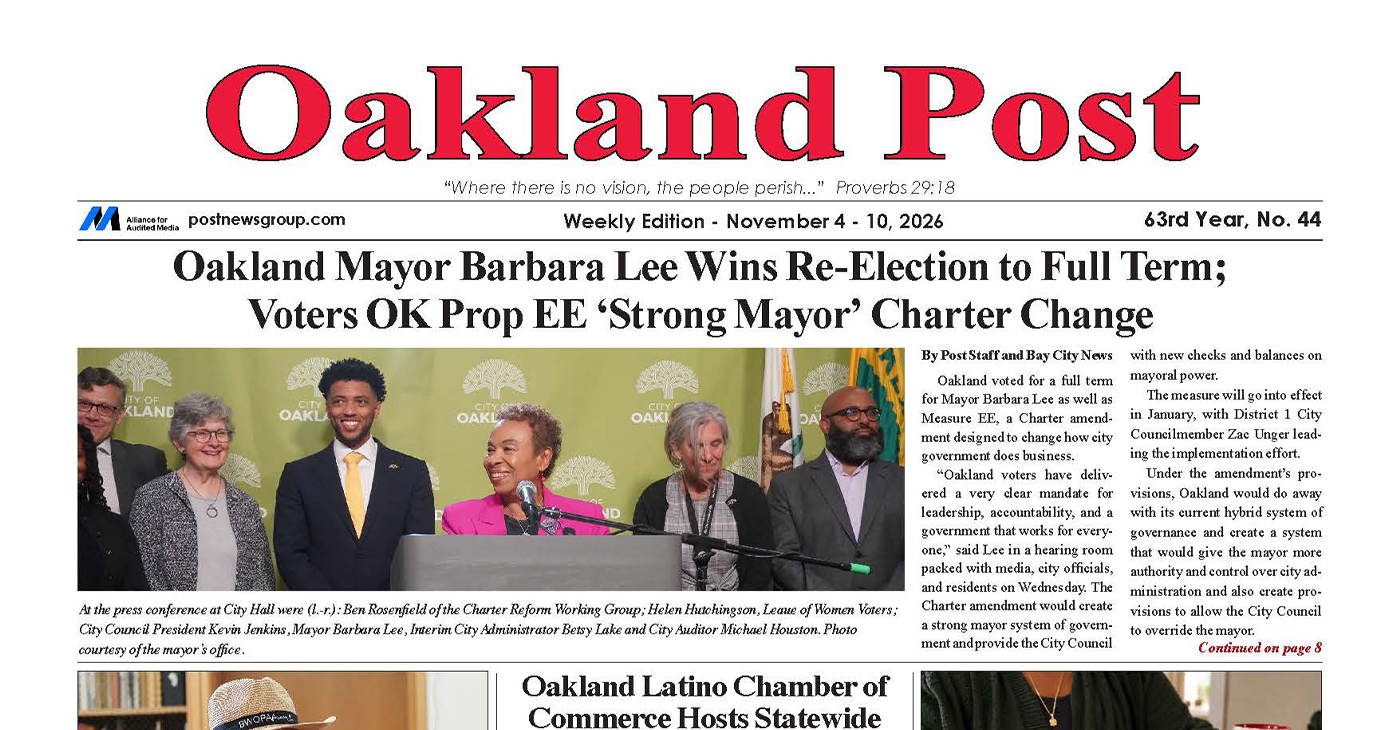
To enlarge your view of this issue, use the slider, magnifying glass icon or full page icon in the lower right corner of the browser window.
Black History
IN MEMORIAM: Marcia Ann Gillespie, Editor of Essence and Ms. Magazines, Dies at 82
Marcia Ann Gillespie, the trailblazing journalist who served as the first editor-in-chief of Essence magazine, has died at age 82. After joining the publication at its inception in 1970, Gillespie spent a decade elevating the beauty and voices of Black women during a pivotal era of self-love and cultural revolution. She later broke barriers as the first Black woman to lead Ms. magazine, further solidifying her status as a titan of the publishing industry. Her expansive career also included authorship and teaching, leaving a profound impact on American media. Read more.
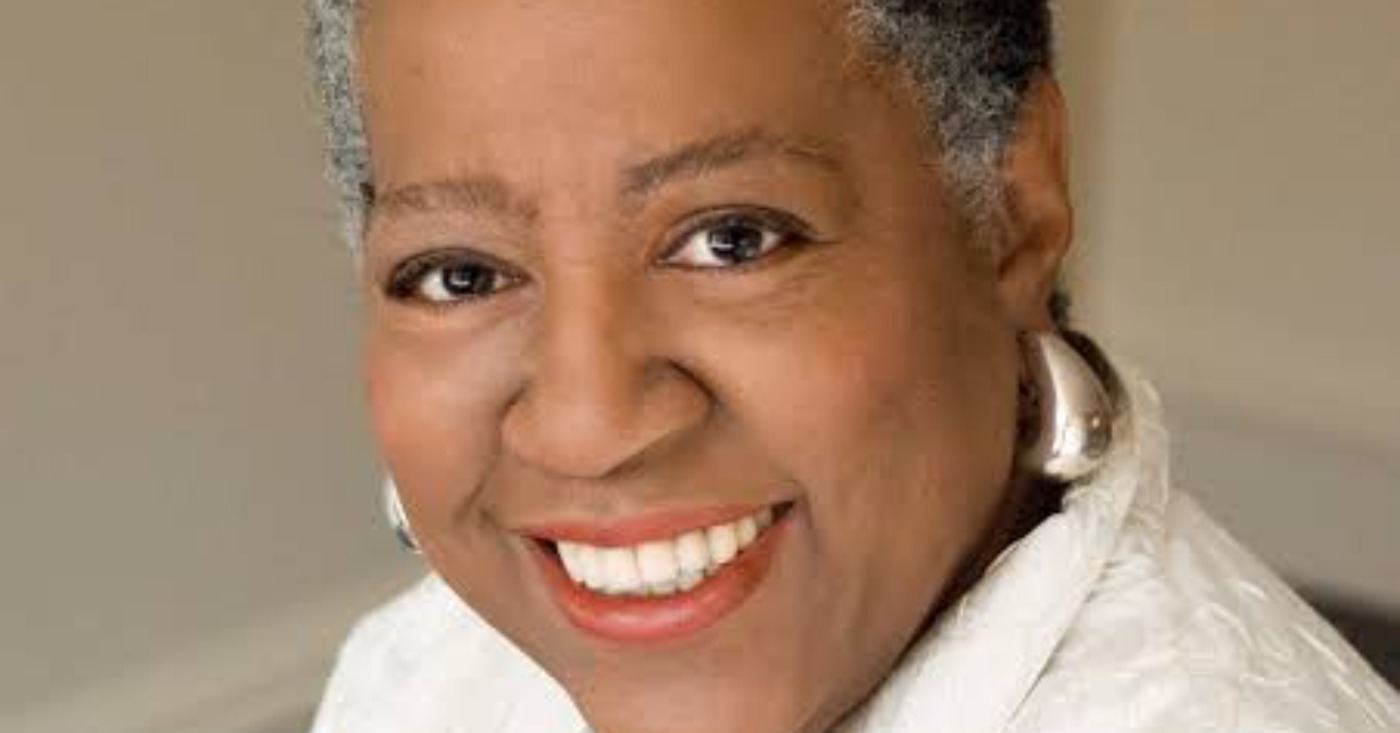
Marcia Anna Gillespie, the first editor in chief of Essence magazine, has died. She was 82.
Born in Rockville Centre, New York, in 1944. The daughter of a church sexton/small business owner and domestic worker/caterer, Gillespie parlayed her degree in American studies from Illinois’s Lake Forest College into a research job at Time-Life Books, Inc. in New York.
There she advocated for fairness and inclusion of Black life in its publications. When the owners of the standard bearer of Black life, Ebony magazine, ventured into creating a special publication for young, Black women, Gillespie was hired as managing editor in 1970, and became editor-in-chief a year later at the young age of 26.
At the time, the venture by the Johnson family – the owners of Ebony magazine and Jet – into creating a publication for young Black women met the growing revolution of self-love in the Black community.
In other words, the battle cry of the late 1960s, “Black is Beautiful,” had a place to be seen and not just heard.

Thousands of young women who had already abandoned straightening combs and European aesthetics learned more ways to wear their natural hair from Afros to cornrows. Young Black designers got a place in the spotlight not just in clothing but jewelry that expressed neo-African ideals. But one of the most important impacts was the magazine’s unapologetic elevation of the beauty of the dark-skinned Black female to the status she deserved.
Under Gillepie’s tenure, Essence championed storytelling that celebrated Black women’s identities, experiences, and contributions at a time when their voices were often overlooked in mainstream media,” Essence wrote in a statement posted to Instagram
For 10 years she steered the fledgling publication before joining Ms. Magazine as a contributor in 1980 later becoming the first Black woman to edit a mainstream American magazine when she took charge in 1992.
In 1998, she helped secure the publication’s future through a women-led ownership group. She stayed at Ms. In various capacities until 2001, during which time the magazine had the most diverse readership in its history.
She also mentored future Essence editor Susan L. Taylor and taught young journalists at SUNY Old Westbury.
Emmy-winning actor Sheryl Lee Ralph took to social media to honor Gillespie’s life.
“Rest in peace, dear Marcia Gillespie,” she wrote on Threads. “Your voice, your brilliance, and your commitment to lifting up Black women leaves a legacy that will continue to inspire me and so many others.”
A professor at SUNY Old Westbury and Bennett College, she also co-authored the authorized biography “Maya Angelou: A Glorious Celebration” in 2008.
According to Wikipedia, she also served on various boards as a director or advisor, including: “…the Arthur Ashe Institute of Urban Health, the Black & Jewish Women of New York, the Violence Policy Center in Washington, D.C., Aspen Institute, …and the Studio Museum of Harlem. Gillespie is a member of the National Council of Negro Women and the American Association of Magazine Editors.”
She was the recipient of several awards, including: the Lake Forest College Outstanding Alumni Award (1973), the New York Women in Communications Matrix Award (1978); a Lifetime Achievement Award from the New York Association of Black Journalists for print journalism (1982); a ‘Top Ten Outstanding Women in Magazine Publishing’ recognition by the March of Dimes.
In later years she was inducted into the American Society of Magazine Editors’ Hall of Fame (2002); the NAACP President’s Award (2006) and the Barbara Graves Legacy Award at the Black Enterprise Women of Power Summit in 2017.
The conclusion for her online obituary reads: “She leaves behind a legacy written not just in the pages she edited, but in every editor, journalist, and reader who found themselves — finally — in the stories she chose to tell.”
Online sources for this report include “The History Makers,” The Washington Informer, Wikipedia, Essence magazine, Ms. Magazine and her obituary.


Oakland Post: Week of November 11 -17, 2026

Alameda County Supervisor Miley to Propose Illegal Dumping Ordinance

Oakland City Council Extends AI Data Center Moratorium for 10 Months.

On Veterans Day, U.S. Rep. Simon Demands Answers on Status of Veterans Affairs Clinic, Columbarium Project

OPINION: Mario Juarez’s Courtroom Admissions Raise Questions About Allegations That Fueled Recall of Pamela Price

Hutchinson Concedes: Ballots Still Being Counted in Oakland Board Elections

Mayor Lee and Schools’ Supt. Saddler Issue Joint Statement on Recent ICE Activity in Oakland

Mississippi Congressman Bennie Thompson Congratulates Scott Colom on Historic Victory

Farms to Grow, Inc. Hosts the 8th Annual Sweet Potato Pie Tasting Contest

Oakland Post: Week of November 4 – 10, 2026

How the Sandwich Generation Can Help Protect Aging Parents’ Finances

As Progressive Democrats Celebrate ‘Blue Tsunami,’ Oakland Counts Victories

Golden State Valkyries Become Bay Area Legends Winning WNBA Championship on Halloween Night

IN MEMORIAM: Marcia Ann Gillespie, Editor of Essence and Ms. Magazines, Dies at 82

U.S. Rep. John Garamendi Honors local ‘Women of the Year’ at Annual Awards Ceremony

COMMENTARY: Valarie Bachelor and Jennifer Brouhard are Excellent School Board Members and Deserve to Be Reelected

OUSD Receives State Review of District Finances; Outlines Progress Since January

HISTORY MADE: Keisha Lance Bottoms Becomes First Black Woman Elected Governor in American History

SEIU Local 1000 and State of California Will Continue to Negotiate New Labor Contract

Fate of Bay Area Public Transit Hinges on Regional Transit Measure
Golden State Valkyries Become Bay Area Legends Winning WNBA Championship on Halloween Night

COMMENTARY: Your California Living Trust Could Be Next: When Evidence Isn’t Enough

Chase Launches Fraud & Scam Prevention Month

It’s Time to Lose Weight Before the Holidays

Mayor Barbara Lee Holds Special State of the City Address in Deep East Oakland

Democrats, Community Groups Back Measure EE to Change How Oakland Is Governed

Oakland Awarded More than $14 Million in State Funding

Post News Group Nov. 3 Election Endorsements

Richmond Neighbors Put Pantry Power on the Map

Oakland Post: Week of October 7 – 13, 2026

The Conversation With Al McFarlane 6/23/26

Media Monday 6/22/26

LIVE! ASK ALMA! — TUES. 6.23.26 7PM EST

Car Buying Secrets: 4 Hidden Checks Before You Sign!

Is This 550 HP Charger Worth YOUR Money? AutoNetwork Review

Celebrating Juneteenth – Frederick Douglass on education and resistance

LIVE! — ASK ALMA! — TUES. 6.19.26 7PM EST

Hyundai Ioniq 5 Parking, Safety, and 360 View #shorts

2025 Ioniq 5 New Wiper & Powerful Performance! #shorts

Electric SUV Range: Is 259 Miles Enough? #shorts

EV Charging: How Fast Can You Charge an Electric Vehicle? #shorts

Biometric Cooling… Messaging Seats…Come on! 2025 Infiniti QX80 Autograph 4WD

Charged Up: Witness the Magic of a Fully Electric Car! #shorts

Range Rover Sport PHEV Included…: See What’s Inside This Luxury SUV! #shorts

Invisible Hood View: Perfect Parking with X-Ray Vision! #shorts
-
 Commentary2 weeks ago
COMMENTARY: Valarie Bachelor and Jennifer Brouhard are Excellent School Board Members and Deserve to Be Reelected
-
 Education2 weeks ago
OUSD Receives State Review of District Finances; Outlines Progress Since January
-
 Black History2 weeks ago
HISTORY MADE: Keisha Lance Bottoms Becomes First Black Woman Elected Governor in American History
-
 Business2 weeks ago
SEIU Local 1000 and State of California Will Continue to Negotiate New Labor Contract
-
 Community2 weeks ago
Golden State Valkyries Become Bay Area Legends Winning WNBA Championship on Halloween Night
-
 Business3 weeks ago
Fate of Bay Area Public Transit Hinges on Regional Transit Measure
-
 Business2 weeks ago
COMMENTARY: Your California Living Trust Could Be Next: When Evidence Isn’t Enough
-
 Business4 weeks ago
Chase Launches Fraud & Scam Prevention Month
