
Coronavirus
COVID-19 Surge Receding in Alameda County, Vaccinations Continue
“Newly reported cases have stabilized in recent days,” Alameda County Health Officer Dr. Nicholas Moss said.


The surge in COVID-19 cases in Alameda County is receding, a health official told county lawmakers Tuesday afternoon.
The announcement was made in a weekly update to the Board of Supervisors at their regularly scheduled meeting in Oakland.
The daily number of reported cases in the county dropped dramatically since peaking January 7 at 1,313. On Monday, only 79 cases were reported, according to the county’s data dashboard.
“Newly reported cases have stabilized in recent days,” Alameda County Health Officer Dr. Nicholas Moss said.
His words come just a day after California Gov. Gavin Newsom lifted the state-imposed stay-at-home order, sending Alameda County and the Bay Area, back to the purple tier in the state’s Blueprint for a Safer Economy.
The purple tier is the most restrictive tier for economic activity, but it allows more activities than the stay-at-home order the region had been under.
Moss said Tuesday that he’s in agreement that Alameda County should be in the purple tier. He was also optimistic.
“We have the potential to move to the red tier in a matter of weeks,” he said.
Under the purple tier, outdoor dining is permitted and outdoor zoos are allowed to open, as well as hair and nail salons. But many businesses that are not classified as essential must remain closed under the blueprint guidelines.
More than 900 Alameda County residents have died and more than 71,000 people in the county have been infected with the virus, the county’s dashboard shows.
The numbers include the city of Berkeley, which has its own public health department.
Inoculations of people in the county are moving ahead, but perhaps not as fast as many residents would like.
The county is getting about 10,000 first doses of the coronavirus vaccine each week while 145,000 people make up the population of health care workers and those in skilled care facilities who are currently eligible to be vaccinated.
“We have a very large health care workforce here,” Colleen Chawla, director of the Alameda County Health Care Services Agency told supervisors.
She said the number of people in skilled care facilities is also large.
Two vaccination sites are open in the county. St. Rose Hospital and the Alameda County Library in Castro Valley are each vaccinating 1,000 to 2,000 people a day. Inoculations are also being done by health care providers such as Kaiser Permanente.
Health care officials are looking to close the library location and transition to five points of distribution in five neighborhoods in the county. The neighborhoods are East and West Oakland, Oakland’s Fruitvale neighborhood, the unincorporated Ashland and Cherryland area, and South Hayward.
County officials did not say when the library would stop distributing the vaccine or when the five new sites would open.
Chawla said the county may open two mass distribution sites at the Oakland-Alameda County Coliseum and at the Alameda County Fairgrounds, but when that will happen wasn’t disclosed.
The two sites could inoculate many more people per day, provided there is vaccine to distribute. To help smooth out the distribution of vaccine, the state is moving to a centralized system, Chawla said she learned from the governor’s office Tuesday. More details will likely be available in the coming days.
The county has received almost 103,000 doses of the vaccine, of which about 64,000 doses were given to the county’s health care partners, such as hospitals and medical clinics, while about 39,000 stayed with the county.
About 21,000 doses had been administered by the county as of Saturday, county records show.











Activism
ESSAY: Technology and Medicine, a Primary Care Point of View
The COVID-19 pandemic, for example, restricted millions of people to their homes, which required reliance on the internet for communication and information. Personal internet searches became essential to understanding information about COVID, human physiology, symptoms, and keeping up with vaccine updates. However, this increase in independent online research resulted in people accessing more misinformation circulating on the internet. This posed a challenge for medical providers trying to treat patients according to research-based guidelines. With so much information within reach, it was difficult for providers to help their patients distinguish between legitimate evidence-based sources and opinion, speculation, and fabrication.


Dr. Adia Scrubb
Special to California Black Media Partners
Technology has enhanced communication between medical professionals and patients; improved patient care management; and eased access to care and information, benefiting both patients and medical clinicians.
However, despite the ease and many conveniences these patient care improvements have ushered in, adequate patient care still includes physician supervision, examinations, and interaction, which present challenges for keeping up with demands on the healthcare system and accurate patient education.
Technology has made more educational resources available at our fingertips, and it has created independence for those who want to know more about their bodies.
The COVID-19 pandemic, for example, restricted millions of people to their homes, which required reliance on the internet for communication and information. Personal internet searches became essential to understanding information about COVID, human physiology, symptoms, and keeping up with vaccine updates. However, this increase in independent online research resulted in people accessing more misinformation circulating on the internet. This posed a challenge for medical providers trying to treat patients according to research-based guidelines. With so much information within reach, it was difficult for providers to help their patients distinguish between legitimate evidence-based sources and opinion, speculation, and fabrication.

Nowadays, patients continuously arm themselves with medical information and challenge clinicians with the research they gather from internet sources to advocate for themselves and their care. This often leaves medical professionals with the complex task of navigating challenging discussions, pointing patients to validated and verified medical information, and following evidence-based medical guidelines for treatment.
Reviewing information before an appointment can certainly make an office visit much more productive, but it is essential to acknowledge the possible bias and limitations of internet searches. Consideration of the author, source, and date of the information may help determine its validity.
Furthermore, simply asking medical professionals for their preferred patient information resources will direct patients to safe and validated information that is in line with standards of care practices. This can help patients better understand the recommendations from their doctors and streamline their internet searches.
Access to individual online medical record information, such as blood tests, MRI reports, and office visit notes, has been a significant expansion of technology in medicine. This digitization of medical information enables and positions patients to take a leading role in managing their care. What used to be multiple sheets of paper in a large file folder is now a click away at any time. Despite these benefits, instant access can be overwhelming for both patients and medical providers, especially since patients, in many instances, can receive their test results online before the physician has had the opportunity to review them.
Patients may review the office visit notes or their lab results out of context or misinterpret information, which can lead to anxiety, confusion, and fear. Clinicians are put in a difficult position when they are not able to suddenly break away from their scheduled office visits to reassure an unscheduled patient about their results and next steps.
Medical providers have tools to assist with identifying sensitive results that need urgent review, and efforts are made to notify anxious patients as soon as possible. However, a patient can be proactive in scheduling a follow-up visit ahead of time to review results with their provider specifically. This can help patients avoid the stress of suddenly trying to get a hold of their doctor when dealing with unclear or concerning results. Normal test results often don’t require explanation, but allowing several days for your provider to work through hundreds of test results before sending messages requesting clarification will help medical professionals prioritize their responses to test results based on medical urgency.
Technological improvements such as online messaging and video/telephone appointments have made access to care much easier both for patients and clinicians. Telephone and video visits have been especially beneficial for patients who are elderly, disabled, or do not have access to transportation. However, the increase — and ease of — access has created much higher demand for physician time both during and outside of the office visit. Test results, patient messages, insurance forms, emails, and medication requests are all pouring in while providers conduct their daily scheduled appointments. Thus, very little time is left in the day for a clinician to respond to every email, fill out every form, and review every lab result when they are responsible for 1,800 or more patients.
This situation, unfortunately, creates a perceived delay in response in a culture where an instant response is expected from messaging and phone calls. But the reality is that the medical provider is constantly playing catch up to thousands of inquiries due to the around-the-clock online access patients now have.
Patients can make the most of their experience and their physician’s time by taking the time to learn their physician’s communication preferences. Despite the multiple modalities of access (telephone, email, video, in-person), a medical provider will have a preferred method of communication with their patients. Some may ask their patients to make an appointment to explain a complex topic, instead of responding to multiple messages. Others may prefer to communicate via phone call if they have to deliver bad news.
There will likely be more medical providers who prefer to communicate only through email or video appointments as remote work becomes more common. If a patient’s communication preferences align with their physician’s preferences, it will create a stronger patient-doctor relationship and foster more effective and impactful communication.
The expansion of technology in medicine has fostered better collaboration, communication, and education between patients and their medical professionals. Combining electronic resources with rapport, mutual respect, and trust for providers will help patients navigate this new landscape of healthcare.
About the Author
Dr. Adia Scrubb, MD, MPP, is a Board-Certified Family Medicine Physician currently practicing in Solano County.

Alameda County
After Years of Working Remotely, Oakland Requires All City Employees to Return to Office by April 7
City Administrator Jestin Johnson recently told city unions that he is ending Oakland’s telecommuting program. The new policy will require employees to come to work at least four days a week. These new regulations go into effect on Feb. 18 for non-union department heads, assistant and deputy directors, managers, and supervisors. All other employees must be back at work by April 7.

By Post Staff
The City Oakland is requiring all employees to return to the office, thereby ending the telecommuting policy established during the pandemic that has left some City Hall departments understaffed.
City Administrator Jestin Johnson recently told city unions that he is ending Oakland’s telecommuting program. The new policy will require employees to come to work at least four days a week.
These new regulations go into effect on Feb. 18 for non-union department heads, assistant and deputy directors, managers, and supervisors. All other employees must be back at work by April 7.
The administration may still grant the right to work remotely on a case-by-case basis.
In his memo to city unions, Johnson said former President Joe Biden had declared an end to the pandemic in September 2022, and that since then, “We have collectively moved into newer, safer health conditions.”
Johnson said “multiple departments” already have all their staff back in the office or workplace.
The City’s COVID-era policy, enacted in September 2021, was designed to reduce the spread of the debilitating and potentially fatal virus.
Many cities and companies across the country are now ending their pandemic-related remote work policies. Locally, mayoral candidate Loren Taylor in a press conference made the policy a central issue in his campaign for mayor.

City Hall reopened for in-person meetings two years ago, and the city’s decision to end remote work occurred before Taylor’s press conference.
At an endorsement meeting last Saturday of the John George Democratic Club, mayoral candidate Barbara Lee said she agreed that city workers should return to the job.
At the same time, she said, the city should allow employees time to readjust their lives, which were disrupted by the pandemic, and should recognize individual needs, taking care to maintain staff morale.
The John George club endorsed Lee for Mayor and Charlene Wang for City Council representative for District 2. The club also voted to take no position on the sales tax measure that will be on the April 15 ballot.
Bay Area
Authorities Warn: There’s a COVID Surge in California
According to data estimates by the Centers for Disease Control and Prevention (CDC), the coronavirus in California’s wastewater has spiked for eight consecutive weeks. Hospitalizations and emergency room visits have also increased since the rise of the new subvariants. Over the last month, Los Angeles County experienced an average of 389 hospital patients per day that tested positive for the coronavirus. The FLiRT subvariants such as KP.3.1.1. Made up over 2% of coronavirus samples nationwide, an increase of more than 7% last month.
By Bo Tefu, California Black Media
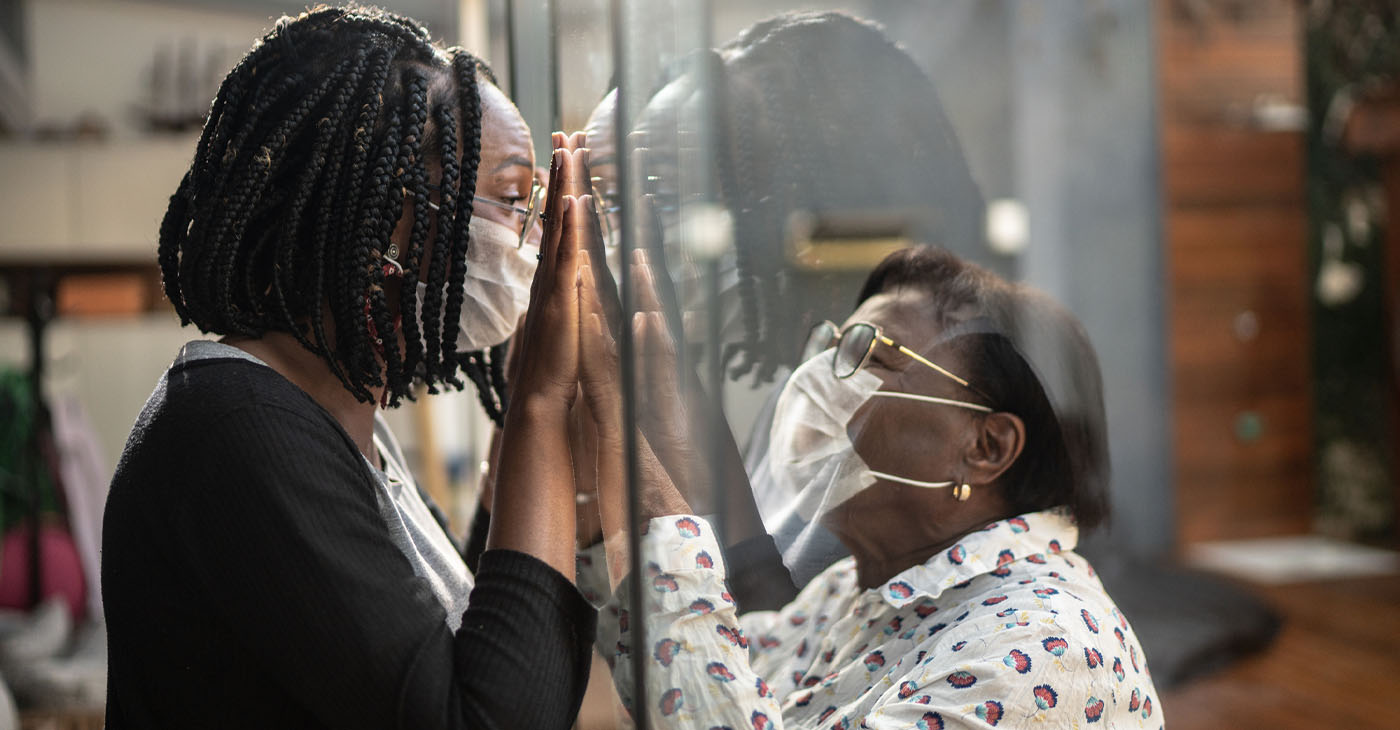
California is experiencing a COVID-19 surge this summer, experts warn, as numbers of infections increased for the third month this year.
State public health authorities attribute the summer COVID surge to more infectious subvariants that have emerged as the coronavirus evolves.
Dr. Elizabeth Hudson, regional chief of infectious disease at Kaiser Permanente Southern California, stated that subvariants of COVID-19 called FLiRT increased in recent months, particularly one named KP.3.1.1 that has become the most common strain in the country.
Dr. Peter Chin-Hong, an infectious diseases expert at UC San Francisco, said that the subvariant KP.3.1.1 seems most adept at transmission.
“The subvariant is the one that people think will continue to take over, not only in the United States, but … around the world,” Chin-Hong said.
According to data estimates by the Centers for Disease Control and Prevention (CDC), the coronavirus in California’s wastewater has spiked for eight consecutive weeks. Hospitalizations and emergency room visits have also increased since the rise of the new subvariants. Over the last month, Los Angeles County experienced an average of 389 hospital patients per day that tested positive for the coronavirus. The FLiRT subvariants such as KP.3.1.1. Made up over 2% of coronavirus samples nationwide, an increase of more than 7% last month.

The majority of the people who tested positive for COVID-19 complained of a sore throat and a heavy cough. Risk factors that can increase the illness include age, underlying health issues, and vaccine dosage.
Health experts stated that the demand for the COVID-19 vaccine has increased in Northern California. However, people are having a hard time getting the vaccine due to the increasing number of cases.


Asm. Corey Jackson Announces Launch of 24-Hour Childcare in His District

IN MEMORIAM: The Rev. Leon “Sonny” Clark, Longtime Orange County Pastor and Community Leader, Dies at 72

Poll: Becerra Widens His Lead Over Hilton; Californians Split on Wealth Tax

From Historic Memories to New Possibilities: Oakland Celebrates Coliseum 60

County Office of Education Says OUSD Finances Are Getting Healthier, Materially Stronger

LIVE FREE Sunday Dinner Brings Faith, Fellowship and Civic Conversation to Oakland

Remembering Chauncey Bailey as Student Journalists Face Threats to Truth-Telling

BLACspace Cooperative Invites Bay Area to Experience Oakland’s Black Cultural Ecosystem Through a BLAC Map Tour + Party

In Wake of Death on Doorstep, Williams Chapel Baptist Church Calls for Better Care, Funding for Unhoused

Oakland Centenarian Nuna McKee Honored!

Caribbean Nations Produce Action Plan Calling for UK Reparations Over Slavery

Oakland Post: Week of September 23 – 29, 2026

Doulas Are Helping Black California Moms Navigate Pregnancy–Even as High Mortality Rates Persist

Newsom Signs Addictive Social Media Law to Protect Kids

On Your November Ballot: Prop 38 Would Allocate $8.4 Billion to Immunology and Immunotherapy Funding

Four Candidates, Including Incumbent Barbara Lee, Qualify for Oakland Mayor’s Race

Standoff for Justice: Our Homes Are Worth Fighting For

Oakland Post: Week of August 26 – September 1, 2026

Frontier Airlines’ Return to Oakland Airport Brings Flights, Jobs and Opportunity

Gubernatorial Candidate Steve Hilton Blasts California New Tire Rules; Newsom Hits Back

Chef Sharon Lee Blends Culinary Excellence, Education and Empowerment

Jackie Wright Champions Bay Area Stories, Filmmakers and Cultural Institutions

Big City Mayors Ask for “Yes” Vote on Housing Bond Measure; Conservatives Say “No”

Gov. Newsom’s Latest Appointees Include Sacramento Advocate for Formerly Incarcerated Students; State’s New Tech Chief

Oakland Coliseum Project Opens Door for Small Businesses to Build Bigger

Misnamed ‘Parent’ PAC Seeks to Influence Oakland School Board Elections

Longtime BWOPA Member Brendalyn Goodall Appointed to California Workforce Development Board

Gov. Newsom Signs Law Shielding Immigration Aid Workers From Doxing Threats

Secretary of State Shirley N. Weber Urges Californians to Vote Early as Voter ID Battle Intensifies

From Palestine to Oakland: Seeds for Liberation Examines Shared Struggles for Freedom

The Conversation With Al McFarlane 6/23/26

Media Monday 6/22/26

LIVE! ASK ALMA! — TUES. 6.23.26 7PM EST

Car Buying Secrets: 4 Hidden Checks Before You Sign!

Is This 550 HP Charger Worth YOUR Money? AutoNetwork Review

Celebrating Juneteenth – Frederick Douglass on education and resistance

LIVE! — ASK ALMA! — TUES. 6.19.26 7PM EST

Hyundai Ioniq 5 Parking, Safety, and 360 View #shorts

2025 Ioniq 5 New Wiper & Powerful Performance! #shorts

Electric SUV Range: Is 259 Miles Enough? #shorts

EV Charging: How Fast Can You Charge an Electric Vehicle? #shorts

Biometric Cooling… Messaging Seats…Come on! 2025 Infiniti QX80 Autograph 4WD

Charged Up: Witness the Magic of a Fully Electric Car! #shorts

Range Rover Sport PHEV Included…: See What’s Inside This Luxury SUV! #shorts

Invisible Hood View: Perfect Parking with X-Ray Vision! #shorts
-
 Business4 weeks ago
Frontier Airlines’ Return to Oakland Airport Brings Flights, Jobs and Opportunity
-
 Business4 weeks ago
Gubernatorial Candidate Steve Hilton Blasts California New Tire Rules; Newsom Hits Back
-
 Business4 weeks ago
Chef Sharon Lee Blends Culinary Excellence, Education and Empowerment
-
 Black History4 weeks ago
Jackie Wright Champions Bay Area Stories, Filmmakers and Cultural Institutions
-
 Community4 weeks ago
Big City Mayors Ask for “Yes” Vote on Housing Bond Measure; Conservatives Say “No”
-
 Community2 weeks ago
Misnamed ‘Parent’ PAC Seeks to Influence Oakland School Board Elections
-
 Business4 weeks ago
Longtime BWOPA Member Brendalyn Goodall Appointed to California Workforce Development Board
-
 Community4 weeks ago
Gov. Newsom Signs Law Shielding Immigration Aid Workers From Doxing Threats
