Health
The Key to Losing Weight? ‘You Can’t Outrun a Bad Diet’
Published
11 years agoon
By
Oakland Post
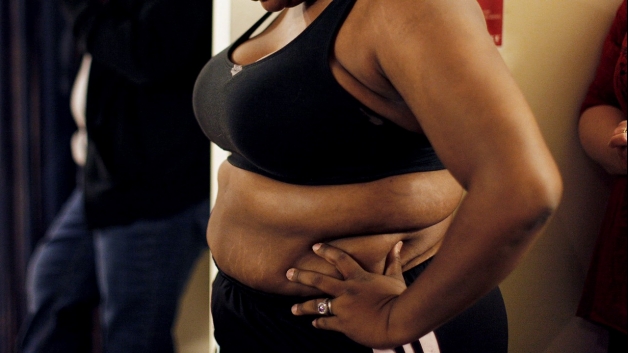
(CBS News) – If you’re hitting the gym every day but don’t see the numbers going down on the scale, you might be going about weight loss all wrong. New research says focusing solely on exercise is not the answer to losing weight.
In an editorial published in the British Journal of Sports Medicine, researchers say excess sugar and carbs — not physical inactivity — are primarily to blame for the growing obesity epidemic.
Researchers write that although regular exercise has many health benefits — reducing the risk of developing cardiovascular disease, type 2 diabetes and some forms of cancer by 30 percent — it is our high caloric diets that lead to obesity.
“In the past 30 years, as obesity has rocketed, there has been little change in physical activity levels in the Western population,” they write. “This places the blame for our expanding waist lines directly on the type and amount of calories consumed.”
Oakland Post
You may like
-
The West End’s Soul Vegetarian, Atlanta’s Oldest Black-Owned Vegan Restaurant, Bids Farewell
-
Use of Weight Loss Drugs Rises Nationwide as Serena Williams Shares Her Story
-
Use of Weight Loss Drugs Rises Nationwide as Serena Williams Shares Her Story
-
Use of Weight Loss Drugs Rises Nationwide as Serena Williams Shares Her Story
-
Reading and Moving: Great Ways to Help Children Grow
-
OP-ED: The Obesity Crisis Is Not a Hopeless Fight for Black America
Commentary
Staying Sober: Your Guide to a Joyful Life
BLACKPRESSUSA NEWSWIRE — Discover powerful strategies for staying sober and enjoying a fulfilling life. Take control of your journey to sobriety and find joy in every moment.
Published
3 hours agoon
July 23, 2026
Staying sober can lead to better physical health, stronger relationships, improved mental clarity, and greater financial stability. While the path looks different for everyone, building healthy routines and finding the right support can make long-term sobriety both achievable and rewarding.
A father arrives at his daughter’s birthday party fully present for the first time in years, remembering every laugh, conversation, and candle blown out. That single afternoon reminds him that sobriety is about getting life’s meaningful moments back. If you are ready to create a healthier, more fulfilling future, the right strategies and support can help you build a joyful life, one day at a time.
Benefits of Sobriety
One of the greatest rewards of sobriety is the opportunity to build a life based on intention instead of impulse. As recovery progresses, many people find they have greater control over their choices, making it easier to pursue long-term goals with confidence and consistency.
Sobriety can also strengthen personal resilience. Difficult situations still happen, but learning to face challenges without relying on substances often builds problem-solving skills and emotional maturity. Over time, setbacks become opportunities to learn rather than reasons to give up.
Many people also discover a renewed sense of self. Interests that were neglected during active addiction often return, while new passions emerge through learning, travel, creativity, or community involvement. This process helps people develop an identity that is no longer centered on substance use.
Personal achievements tend to become more meaningful as well. Completing a fitness challenge, earning a promotion, returning to school, or simply keeping promises to yourself can create genuine pride. These accomplishments reinforce the belief that lasting progress comes from steady effort rather than quick fixes.
Sobriety also encourages greater independence. Making thoughtful decisions, managing responsibilities, and handling everyday challenges without relying on alcohol or drugs builds confidence over time.
Tips for Remaining Sober: Creating Healthy Habits
Healthy habits give each day structure and make it easier to stay focused on recovery. Instead of trying to change everything at once, start with a few realistic goals that can be repeated consistently. Small improvements often become lasting routines when practiced over time.
Building habits around your personal goals can also create a stronger sense of purpose. Setting aside time for exercise, preparing meals at home, reading, learning a new skill, or spending time with supportive friends helps fill your schedule with positive activities that support long-term success.
Consistency matters more than perfection. Missing a workout or having a stressful day does not erase your progress. Returning to your routine as soon as possible helps reinforce healthy behaviors and keeps temporary setbacks from becoming lasting obstacles.
Have a Support System
Recovery is easier when you have people who encourage your progress and understand your goals. A strong support system can include:
- Family members
- Close friends
- Counselors
- Sponsors
- Support groups for sobriety
Knowing someone is available to listen or offer advice can make it easier to stay committed to sobriety.
Support groups also create opportunities to learn from people with shared experiences. Hearing how others have handled setbacks, celebrated milestones, and maintained long-term recovery can provide valuable encouragement and practical ideas for your own journey. Many people also choose to find high-quality AA tokens to recognize important sobriety milestones and celebrate the progress they have worked hard to achieve.
Building a support network takes time, but every positive connection strengthens your foundation for lasting recovery. Staying in regular contact with supportive people, attending meetings consistently, and asking for help when needed can make challenges feel less overwhelming while reminding you that you do not have to navigate sobriety alone.
Trying New Activities
Recovery creates an opportunity to explore interests that may have been overlooked in the past. Trying new activities can replace old routines with experiences that bring enjoyment, confidence, and a sense of accomplishment. It also helps reduce boredom, which is a common trigger for many people in recovery.
There is no single activity that works for everyone. The goal is to find hobbies that match your interests and encourage regular participation. Many people discover new passions through activities such as:
- Hiking local trails
- Taking cooking classes
- Learning a musical instrument
- Joining a recreational sports league
- Painting or photography
- Gardening
- Volunteering in the community
- Taking online or in-person courses
Exploring different hobbies also introduces you to people who share similar interests.
Frequently Asked Questions
How Do You Handle Peer Pressure While Staying Sober?
Handling peer pressure starts with being confident in your decision to start living a sober lifestyle. Let friends know your boundaries ahead of time, and have a simple response ready if someone offers you alcohol or drugs. Many people find it helpful to suggest alternative activities or bring a nonalcoholic drink to social events, so they feel more comfortable.
If certain people repeatedly pressure you or dismiss your choices, it may be necessary to spend less time with them. Surrounding yourself with supportive friends who respect your commitment can make social situations easier and help you stay focused on your long-term recovery goals.
How Can Volunteering Support a Sober Lifestyle?
Volunteering can strengthen sobriety by providing purpose, structure, and meaningful social connections. Helping others encourages a sense of accomplishment and shifts attention away from cravings or negative thought patterns. It also creates opportunities to meet people who share positive values and healthy lifestyles.
Whether serving at a food bank, mentoring others, helping at community events, or supporting local charities, volunteering can build confidence while creating a rewarding routine. Many people find that giving back reminds them of their progress in overcoming addiction challenges.
How Does Sobriety Affect Sleep Over Time?
Sleep often improves as sobriety continues, although the process can take time. During the first few days or weeks, some people experience insomnia, vivid dreams, or restless sleep as the body adjusts. As recovery progresses, sleep patterns typically become more consistent, allowing for deeper, more restorative rest.
The following can all support healthier sleep throughout recovery:
- Maintaining a regular bedtime
- Limiting caffeine late in the day
- Exercising regularly
- Creating a relaxing nighttime routine
- Limiting daytime naps
Staying Sober: Now You Know
A lot goes into staying sober. With the right habits and support, you’ll have an easier time.
Do you need more health and wellness tips? Explore some of our other useful articles today.
bpusa-syndication
Black History
Saving Black Mothers Starts Outside the Hospital
SEATTLE MEDIUM — A recent panel discussion explored the disproportionately high rates of pregnancy-related deaths among Black American women, even as maternal mortality declines in other developed nations. Experts at the Word In Black event concluded that this disparity stems not from biology, but from systemic issues of access, opportunity, and unequal care.
Published
23 hours agoon
July 22, 2026
For much of the developed world, childbirth has become safer with each passing generation. Medical advances, better prenatal care, and stronger public health systems have dramatically reduced the chances that bringing a child into the world would cost a woman her life.
Unless she’s Black American.
That stubborn contradiction framed a Word In Black panel discussion last week, where physicians, researchers, and community health leaders explored why members of the African diaspora still die from pregnancy-related complications at disproportionately high rates—even as maternal mortality falls in developed nations.
Their conclusion was unequivocal: the disparity is not about biology but about lack of access and opportunity–along with unequal systems. The issues that jeopardize Black women’s maternal health happen long before she goes into labor.
Moderated by Jennifer Porter Gore, Word In Black’s health correspondent, the livestreamed conversation brought together three panelists whose focus is confronting the maternal health crisis using community-based solutions.
‘I Knew It Wasn’t Biological’
Tamara Mason, director of Maternal and Child Health Collective Impact at the March of Dimes in Atlanta, discussed the policy and public health barriers that continue to drive disparities. Kay Matthews, founder and executive director of the Shades of Blue Project, spoke about the lived experiences of Black mothers’ mental health needs while navigating pregnancy, loss, and the postpartum period.
And Dr. Kaytura Felix, host of the Deep Care podcast and a distinguished scholar at the Johns Hopkins Bloomberg School of Public Health, explained why improving outcomes requires expanding the definition of maternal care to include entire communities in which Black families live.
When she decided to investigate the Black maternal health crisis, “I knew it was not genetics. I knew it wasn’t biological,” said Felix. She began researching the crisis after noticing that Black women in her native Dominica, a small island in the Caribbean, weren’t dying in childbirth as often as in the U.S.
That’s despite both groups sharing the “same genetic pool,” Felix said, noting that the ancestors of Black Dominicans also have endured the transatlantic slave trade.
The difference between the U.S. and Dominica was the system, Felix said.
“I knew that there had to be racism in the [American] medical establishment,” she said. “And so, the question I asked myself is, ‘What is the Black community doing about the black maternal health crisis?’”
Midwives a ‘Game-Changer’
Felix’s research uncovered the extensive role of midwives and led to the launch of the Black Birthing Future Study, through which she learned more about a model of care that differed greatly from one she’d seen as a medical doctor. The study is built on interviews with community midwives, doulas, mental health therapists, and their clients.
The solutions are already in the community. Collectively putting aside our egos, how can we do this bigger but address what’s happening in our community now? Because we can’t wait.
Tamara Mason, March of Dimes, Atlanta
Midwives, she said, treat childbirth as “a community and family event,” in which the pregnant woman is “the sun” and all care and support decisions revolve around her needs.
“Client after client after client told us, ‘My midwife loves me,’” Felix said. “And that is not just a ‘nice-to-have.’ That’s a game changer” that can drive better outcomes for Black women in the U.S.
‘Mental Health is Maternal Health’
Black midwives “are working really hard to make sure that the family is supported,” she said. They also connect their clients to doulas, lactation specialists, and neighbors who show up with diapers and food.
Matthews founded the Shades of Blue Project in Houston — and later, Black Maternal Mental Health Week — after her daughter was stillborn. Amid a devastating tragedy, she said, she experienced racism in the healthcare system first-hand.
“My mental health [struggle] is what had me out here saving myself,” she said. “That is no way to live.”
Yet the trauma she experienced, Matthews said, went unnamed for years: “There was no correlation being made to infant loss and postpartum depression, which I was clearly going through… I did have to save myself with no guidance.”
Today, she says, her organization argues that mental health is as important as prenatal care and care during childbirth: “Mental health is a part of maternal health.”
Pregnancy and Finances
While it may seem obvious that a pregnant person’s economic condition is important, panelists said there’s not enough understanding about how drastically financial stability can affect physical and emotional health.
Mason of the March of Dimes in Atlanta said data from her city illustrate the point.
Atlanta is “the number one income inequality city in the country,” she said, adding that the gap between the haves and have-nots is so great that a child born into a low-income family has only a 4% chance of escaping poverty in her lifetime.
“Who is in poverty?” she said. “Black women of reproductive age.”
Mason went on: “Pregnant women do not live in a vacuum. If we have a mom that is poor, if we have a mom who is food insecure, who’s housing insecure, all of these outcomes are going to impact her pregnancy journey.”
Matthews agreed, pointing out that financial insecurity often keeps women from seeking help in the first place — even help that’s free. Her organization began offering diapers and wipes at its emotional support groups because so many mothers otherwise couldn’t afford to attend.
“I’ll never have someone sit across my desk and need diapers, because diapers start right now at about $25 a case,” she said, recalling her own experience being told she “made 73 cents [per hour] too much” to qualify for temporary public assistance.
‘Poor People Know What to Do’
To address those root economic pressures, Mason’s organization piloted a guaranteed basic income program in two high-poverty Atlanta ZIP codes. The idea, she said. traces back to a quote attributed to Rev. Dr. Martin Luther King Jr.
“Give them money to start to pull themselves out of poverty. And poor people know what to do… they’re making it happen,” Mason quoted King as saying. The program gave 25 pregnant women $1,000 a month for a year, no strings attached.
“The premise is that we know we’re not going to be able to make a change in that indicator in one year,” she said. “But if we start there, right, that’s the gold standard — high rates of preterm birth — if we start to reduce the stress and strain of these moms, then eventually they will have better birthing outcomes.”
Still, the panelists agreed that even where community solutions exist, policies and institutional barriers often stand between pregnant women and the help they need.
For example, Felix said, most insurance still doesn’t cover midwifery care, and many states require midwives to practice only under a physician’s supervision. When midwives refer patients to hospitals for a higher level of care, as they are trained to do, they are often met with hostility rather than cooperation.
She described one case in which a midwife rushed a client to the hospital due to complications–only for hospital staff to throw shade on the client: “So that’s the girl that tried to have the baby at home.”
Reforming the System
Felix called for insurance reform, less restrictive licensing laws, and broader physician education about the different types of midwifery care.
“All states should allow midwifery and all paths to midwifery,” she said. “Not just nurse midwifery and certified community midwifery, but also traditional midwifery and apprenticeship.”
Ultimately, panelists agreed that no single organization can solve the crisis alone and that trying to do so only slows progress. “We should not all be doing ‘all the things,’” Matthews said. “We have to start leaning into accountability for the roles that we play.”
Mason, who is also a certified doula, echoed the point.
“The solutions are already in the community,” she said. “Collectively putting aside our egos, how can we do this bigger but address what’s happening in our community now? Because we can’t wait.”
For Felix, the path forward also means reconnecting with practices Black communities relied on for generations before they could access the modern medical system.
“We need to go back and reclaim some of the ancestral knowledge that we’ve had,” she said, describing midwifery as one way to restore what she called “mothering the mother” — the community support many new parents, including herself, have had to go without.
“I lost my mother four months before I had a baby, and I was a mother,” she said. “I did it by myself.”
By reviving that collective care, so prevalent in Black communities, it is possible to reverse the crisis: “We can address it in a collective way, and tap into the collectivist mindset that is part of African descended people. We are collectivist and communal, and we are really tapping into those superpowers that we have.”
Based on reporting by Seattle Medium.
bpusa-syndication
Black History
COMMENTARY: Mental Health Crisis Among Black Men — A Growing Concern
WORD IN BLACK — Data from the Centers for Disease Control and Prevention show twice as many people died by suicide in 2023 as from homicide. In fact, it was the second leading cause of death among people aged 10 to 34 and the fourth leading cause of death among individuals between the ages of 35 and 44.
Published
3 days agoon
July 20, 2026
By Jennifer Porter Gore | Word In Black
Black men are dying from a mental health crisis that too often goes unseen.
As deaths from suicide, overdoses, and alcohol abuse rise among Black Americans, experts warn that cultural expectations around masculinity, mistrust of mental health systems, and a shortage of Black providers are preventing many men from getting help before it is too late.
In the waning days of the pandemic, the U.S. saw the number of deaths from suicide, alcohol use, and drug overdoses — called “deaths of despair” — among Black Americans surpass occurrences among whites for the first time. Between 2013 and 2022, the rates of these deaths tripled among Black Americans.
Painful numbers
Data from the Centers for Disease Control and Prevention show twice as many people died by suicide in 2023 as from homicide. In fact, it was the second leading cause of death among people aged 10 to 34 and the fourth leading cause of death among individuals between the ages of 35 and 44.
That same year, the suicide rate among males was nearly 4 times higher than among females, with Black men also being four times as likely to die from suicide as Black women.
Among younger Black men, the trajectory is especially troubling.
University of Georgia researchers last year found that childhood exposure to trauma, poverty, and racism leads many young Black men to believe they don’t have value and are unable to trust community support systems. Between 2007 and 2020, the suicide rate among Black youth ages 10 to 17 nearly tripled, rising faster than any other racial or ethnic group.
Suicide is now the second leading cause of death for people between the ages of 20 and 24. For Black men in the same age group, however, the suicide rate surpassed that of their white peers in 2024—a dreadful historical first.
Playing tough can be fatal
Traditional definitions of masculinity — stoicism, staunchly self-reliant and emotionally controlled — are found to increase the likelihood that men of all age ranges will avoid professional help. Researchers find those men fear being judged as weak, a perception that significantly raises stress and contributes to untreated depression and anxiety.
In 2023, just 17 percent of American men saw a mental health professional, roughly half the rate of women. Among men who said they were depressed, only one in four received any counseling or therapy in the past year. Black adults, however, were 36 percent less likely to have received mental health treatment in the previous year, even though they had similar or higher rates of anxiety and depression as whites.
In a newly released report, the JED Foundation, a nonprofit dedicated to protecting the emotional health and preventing suicide for teens and young adults, found that boys are socialized from an early age to internalize their emotions rather than express them.
Suicide is now the second leading cause of death for people between ages 20 and 24. For Black men in the same age group, however, the suicide rate surpassed that of their white peers in 2024—a dreadful historical first.
The report, titled The Emotional Lives of Boys and Young Men, found that when that distress surfaces, it often looks very different from the depression and inactivity seen in girls and young women.
Instead, according to the report, boys and young men are more likely to disguise their distress by withdrawing, displaying anger or aggression, or engaging in daredevil behavior— reckless driving, substance abuse, compulsive gambling, or risky sexual encounters.
At the same time, online environments such as video games and social media can be a double-edged sword, according to the report.
“Digital environments can amplify both harmful and supportive pathways, with opportunities for humor, distraction, and connection,” the report says, but also provides “exposure to harmful content, cyberbullying, and gambling and sports betting.”
Black provider shortage
While research indicates that having a caregiver of the same gender and race is beneficial, Black practitioners are still an extreme minority in all segments of the mental health profession. Only 4% of psychologists are Black, and just 2% of psychiatrists, who are medical doctors, and a scant 11% of licensed professional counselors are Black.
But research has shown that peer-based support groups can be effective in communities plagued by a lack of access to mental health professionals, as well as mistrust of clinical environments.
Organizations such as JED have launched partnerships with fraternal organizations to reverse these trends. Last month, JED announced it is working with Alpha Phi Alpha Fraternity, Inc. as part of The JED Greek-Letter Organizations (GLO) programs.
“The Jed Foundation recognizes that fraternities and sororities are powerful communities for connection, leadership, and identity development,” Dr. ShirDonna Lawrence, senior manager of JED GLO, said in a statement. “This makes them essential partners in advancing student mental health and well-being on and off campus.”
It’s also a mutually beneficial relationship, which “strengthens Alpha’s enduring mission and advances JED’s work in culturally responsive, community-centered mental health promotion,” Lawrence said.
bpusa-syndication
SEARCH POST NEWS GROUP
CHECK OUT THE LATEST ISSUE OF THE OAKLAND POST

ADVERTISEMENT
WORK FROM HOME
Home-based business with potential monthly income of $10K+ per month. A proven training system and website provided to maximize business effectiveness. Perfect job to earn side and primary income. Contact Lynne for more details: Lynne4npusa@gmail.com 800-334-0540

Smart Home Technology is Becoming a Tool for Preventing Property Damage
Volunteer Work for Black Americans Pays Off By Helping Others and Building Portfolios
Discover What IT Technicians Do: A Complete Guide
Staying Sober: Your Guide to a Joyful Life
Top Strategies to Resolve Operational Issues Effectively
The Part of Buying a Home That No Real Estate Show Ever Prepares You For
When to Say Goodbye: The Unmistakable Signs Your Old Car Has Had Its Last Good Day
COMMENTARY: Property Is Power! Why the Dream Booker T. Washington Preached in 1905 Still Matters Today
Saving Black Mothers Starts Outside the Hospital
The HUB Office Is Gone. Black Elected Power Is Not: Part II
COMMENTARY: Mental Health Crisis Among Black Men — A Growing Concern
COMMENTARY: Our Voices — When Armed Power Appears at the Ballot Box
Councilman Johnson calls for Action to Keep Mavericks in Dallas – Garland Journal
Automatic Draft Registration Raises Questions Among Young Americans
Scotland Defeats Haiti 1-0 in World Cup Opener
After 10-Year Wait, Fillmore Heritage Center Reopens in San Francisco
Oakland Post: Week of June 3 – 9, 2026
IN MEMORIAM: Oakland Dance Legend Reginald Ray-Savage, 67
Oakland Post: Week of June 17 – 23, 2026
UC Berkeley Named Top Public University in the U.S. and No. 7 in the World by ‘U.S. News’
COMMENTARY: Black Music is the Sound of Black Freedom: Let Us Reclaim Both This Juneteenth
Oakland Post: Week of June 10 – 16, 2026
NCBW-OBAC Champions Black Women Entrepreneurs at Business en Blaque Expo
Ferry Fares to Increase July 1 as Ridership Hits Record Highs
Sale of Coliseum to African American Developers Moves Toward Completion
Oakland Director Boots Dazzles Once Again in ‘I Love Boosters’
Oakland Celebrates $125 Million Coliseum Sale
Oakland Post: Week of July 1 – 7, 2026
A Long Time Coming: School District Kicks Off Massive $97 Million Renovation of West Oakland’s McClymonds High School
The Conversation With Al McFarlane 6/23/26
Media Monday 6/22/26
LIVE! ASK ALMA! — TUES. 6.23.26 7PM EST
Car Buying Secrets: 4 Hidden Checks Before You Sign!
Is This 550 HP Charger Worth YOUR Money? AutoNetwork Review
Celebrating Juneteenth – Frederick Douglass on education and resistance
LIVE! — ASK ALMA! — TUES. 6.19.26 7PM EST
Hyundai Ioniq 5 Parking, Safety, and 360 View #shorts
2025 Ioniq 5 New Wiper & Powerful Performance! #shorts
Electric SUV Range: Is 259 Miles Enough? #shorts
EV Charging: How Fast Can You Charge an Electric Vehicle? #shorts
Biometric Cooling… Messaging Seats…Come on! 2025 Infiniti QX80 Autograph 4WD
Charged Up: Witness the Magic of a Fully Electric Car! #shorts
Range Rover Sport PHEV Included…: See What’s Inside This Luxury SUV! #shorts
Invisible Hood View: Perfect Parking with X-Ray Vision! #shorts
Trending
-
Activism4 weeks ago -
Arts and Culture4 weeks agoIN MEMORIAM: Oakland Dance Legend Reginald Ray-Savage, 67
-
Bay Area4 weeks agoUC Berkeley Named Top Public University in the U.S. and No. 7 in the World by ‘U.S. News’
-
Activism4 weeks agoNCBW-OBAC Champions Black Women Entrepreneurs at Business en Blaque Expo
-
Alameda County4 weeks agoFerry Fares to Increase July 1 as Ridership Hits Record Highs
-
Black History4 days agoOakland Celebrates $125 Million Coliseum Sale
-
Activism3 weeks agoOakland Post: Week of July 1 – 7, 2026
-
Bay Area4 weeks agoA Long Time Coming: School District Kicks Off Massive $97 Million Renovation of West Oakland’s McClymonds High School