
Bay Area
Opinion: Let Prisoners Go During COVID-19 Pandemic

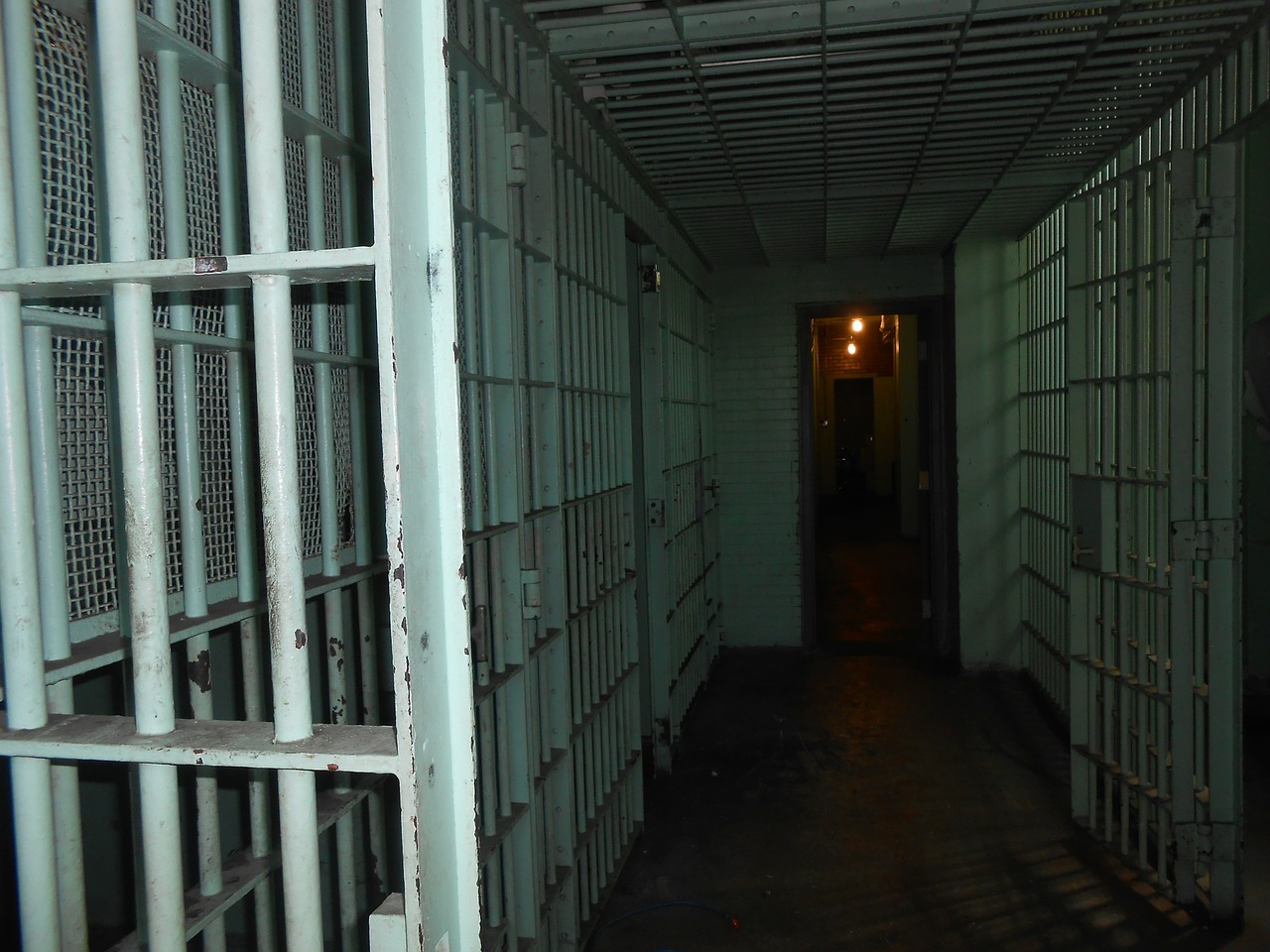
Across the United States and across the world, prisoners are among the most vulnerable to the coronavirus. Overcrowded facilities, shortages of food and medicine, and totally inadequate testing expose prisoners who are disproportionately poor and afflicted with prior conditions that render them vulnerable to the disease.
Prisoners increasingly are protesting their conditions, objecting to being sentenced to die in prison.
Experts across the world are urging governments to reduce their prison populations swiftly. Michelle Bachelet, the United Nations high commissioner for Human Rights, warned that “The consequences of neglecting [overcrowded conditions] are potentially catastrophic.”
Many countries have begun to act. Turkey’s parliament authorized the release of 45,000 prisoners. Indonesia has released at least 30,000. Even Iran’s dictatorial regime has released roughly 85,000 detainees while dealing harshly with those protesting the risks.
The United States locks up more people than any other country in the world, largely because of harsh and wrong-headed policies. Fifty-five thousand are detained in jail awaiting trials, too poor to pay for their freedom under the current cash bail system that is prevalent in many states.
The Prison Policy Initiative reports that 48,000 children are incarcerated on any given day. Many are charged only with “status offenses,” such as truancy or homelessness. The Health and Human Services office in charge of the custody of unaccompanied undocumented minors reports that 2,000 are locked up. The New York Times reports that 59 in custody have already tested positive for COVID-19.

In California, The Marshall Project notes, more than one in seven prisoners are over the age of 55. The percentage of those 55 and older in prison in the country has tripled over the course of this century.
As Piper Kerman, author of “Orange is the New Black,” wrote in the Washington Post, this is largely the result of prison sentences that are longer than those imposed by any other country. “Elderly probationers and parolees have some of the lowest recidivism rates of all former inmates. Releasing such people poses very low public safety risks and will have a dramatic effect on preserving public health.”
After an outbreak killed six inmates in a federal prison in Lisbon, Ohio, U.S. District Court Judge James Gwin decried the “shockingly limited” amount of testing, noting that the prison has received fewer than 100 tests, while a state prison of similar size had done about 4,000 tests. Two federal prisons in New York City reported that they had tested a total of only 19 inmates since the outbreak began; 11 were positive.
This has to change before the pandemic spreads, and prisons across the country go up in flames as prisoners riot against their conditions.
Inmates awaiting trial, the elderly, the afflicted, and those who have served much of their sentence should get early release if possible quarantined at home to ensure they are safe.
The space freed up should be used to provide more “social distancing,” while emergency steps are taken to provide adequate medicine, protective equipment like masks and gloves, and food.
Correctional officials need particular priority, for they are most at risk and, if infected, could spread the virus in the local communities. And the failure to provide adequate testing in prisons and jails, as well as in society as a whole, is utterly inexcusable at this late date.
The crisis should also lead to larger reforms— drastically reducing sentences while expanding alternatives to incarceration, ending the cash bail system and the practice of locking poor people up while they await trial, expanding parole, reducing the overcrowded and primitive conditions of too many jails and prisons.
The virus is like getting hit by a club across the head. Perhaps that might help bring us to our senses.


Activism
Oakland Post: Week of March 18 – 24, 2026
The printed Weekly Edition of the Oakland Post: Week of March 18 – 24, 2026


To enlarge your view of this issue, use the slider, magnifying glass icon or full page icon in the lower right corner of the browser window.

Activism
Oakland Post: Week of March 11 -17, 2026
The printed Weekly Edition of the Oakland Post: Week of March 11 – 17, 2026

To enlarge your view of this issue, use the slider, magnifying glass icon or full page icon in the lower right corner of the browser window.
Activism
Oakland Post: Week of March 4 – 10, 2026
The printed Weekly Edition of the Oakland Post: Week of March 4 – 10, 2026

To enlarge your view of this issue, use the slider, magnifying glass icon or full page icon in the lower right corner of the browser window.


WORK FROM HOME
Home-based business with potential monthly income of $10K+ per month. A proven training system and website provided to maximize business effectiveness. Perfect job to earn side and primary income. Contact Lynne for more details: Lynne4npusa@gmail.com 800-334-0540


Black Artists in America, Installation Three Wraps at the Dixon Gallery and Gardens

Grief, Advocacy, and Education: A Counselor Reflects on Black Maternal Health

Future of Florida’s Black History Museum in Limbo

New Research Shows the Many Benefits of Early Learning

South Hampton K-8 Students Among Top 10 Finalists for Samsung’s ‘Solve for Tomorrow’ Competition

Cuba: No Negotiation with US on the President or Political System

Brooklyn Academy of Music Names Jamaican-Born Tamara McCaw as President

Trinidad & Tobego – U.S. Launches WhatsApp Channel for American Citizens in the Country

Oakland Post: Week of March 18 – 24, 2026

AI Innovation vs. Ethics and Environmental Impact

AI, Web3, and Digital Reparations

What If You Owned Your AI Agent?

Season 7, Episode 3 – January Reporter’s Roundtable 📱

Season 7, Episode 3 – January Reporter’s Roundtable

AI, Media, and Power | Part 2, Real-World Impacts and Tradeoffs

Reflecting on Black History Milestones in Birmingham AL

CITY OF SAN LEANDRO STATE OF CALIFORNIA PUBLIC WORKS DEPARTMENT ENGINEERING DIVISION NOTICE TO BIDDERS FOR ANNUAL STREET OVERLAY/REHABILITATION 2019-21 – PHASE III

Oakland Post: Week of February 18 – 24, 2026

Oakland Post: Week of February 25 – March 3, 2026

PRESS ROOM: NBA Hall of Fame Nominee Terry Cummings Joins 100 Black Men of DeKalb County to Launch Victory & Values Initiative

Trump’s MAGA Allies are Creating Executive Order Plan to Steal the 2026 Midterms

U.S. manufacturing rebounds – how foundry services are adapting to rising demand

Oakland Post: Week of March 4 – 10, 2026

Chase Oakland Community Center Hosts Alley-Oop Accelerator Building Community and Opportunity for Bay Area Entrepreneurs

Poll Shows Support for Policies That Help Families Afford Child Care

OP-ED: One Hundred Years of Black Workers Telling the Truth

Advancements in solar technology that are changing the way we power the world

Woman’s Search for Family’s Roots Leads to Ancestor John T. Ward – A Successful Entrepreneur and Conductor on the Underground Railroad

PRESS ROOM: Civil Rights TV Launches in Selma as the World’s First 24/7 Civil Rights Television Network

COMMENTARY: Women of Color Shape Our Past and Future

Hyundai Ioniq 5 Parking, Safety, and 360 View #shorts

2025 Ioniq 5 New Wiper & Powerful Performance! #shorts

Electric SUV Range: Is 259 Miles Enough? #shorts

EV Charging: How Fast Can You Charge an Electric Vehicle? #shorts

Biometric Cooling… Messaging Seats…Come on! 2025 Infiniti QX80 Autograph 4WD

Charged Up: Witness the Magic of a Fully Electric Car! #shorts

Range Rover Sport PHEV Included…: See What’s Inside This Luxury SUV! #shorts

Invisible Hood View: Perfect Parking with X-Ray Vision! #shorts

AI Is Reshaping Black Healthcare: Promise, Peril, and the Push for Improved Results in California

ESSAY: Technology and Medicine, a Primary Care Point of View

Sanctuary Cities

The RESISTANCE – FREEDOM NOW

STATE OF THE PEOPLE: Freddie

ECONOMIC BOYCOTT DAY!!!!!

I told You So
-
 Activism4 weeks ago
Oakland Post: Week of March 4 – 10, 2026
-
 #NNPA BlackPress4 weeks ago
Woman’s Search for Family’s Roots Leads to Ancestor John T. Ward – A Successful Entrepreneur and Conductor on the Underground Railroad
-
 #NNPA BlackPress4 weeks ago
COMMENTARY: Women of Color Shape Our Past and Future
-

 #NNPA BlackPress4 weeks ago
OP-ED: NNPA Launches 2026 “Leadership Matters” Video Series
-
 Activism2 weeks ago
Oakland Post: Week of March 11 -17, 2026
-

 #NNPA BlackPress4 weeks ago
Advocates Raise Alarm Over ICE Operation, MOU and Detention Risks in Baltimore County
-

 #NNPA BlackPress4 weeks ago
Pete Buttigieg to Join Mayor Randall Woodfin for Community Town Hall in Birmingham
-

 Advice2 weeks ago
Financial Wellness and Mental Health: Managing Money Stress in College
