
Politics
Lawmakers Seek to Wrap up Costly Tribal Relocation Program


This Saturday, Jan. 24, 2015 photo provided by Ron Lee, Office of Rep. Ann Kirkpatrick shows Democratic U.S. Rep. Ann Kirkpatrick of Arizona, right, speaks with tribal members on the Hopi reservation in northeastern Arizona. (AP Photo/Office of Rep. Ann Kirkpatrick, Ron Lee)
Felicia Fonseca, ASSOCIATED PRESS
FLAGSTAFF, Ariz. (AP) — The rolling hills of northeastern Arizona where cornfields lined a watering hole and sheep grazed in the distance were home to Susie Robinson and her extended family. When she moved farther east into a new four-bedroom home, it wasn’t by choice but the result of a bitter land dispute between the Navajo and Hopi tribes that dates back centuries.
The federal government’s attempt to have these tribes share land failed miserably, leading to one of the largest single relocation efforts in U.S. history. Thousands of Navajos have been transplanted into new homes off Hopi land, while dozens of Hopis have been moved off Navajo land.
Federal officials are trying to figure out how best to wrap up the work of the relocation program that has exceeded its original $41 million price tag by more than $500 million and dragged on decades longer than planned. The effort threatens to get even costlier with many people still awaiting new housing.
“I want to move this forward,” said Republican U.S. Rep. Ken Calvert of California, who recently visited the reservations with other congressional delegates to hear from tribal leaders on the matter. “The relocation program was never intended to be carried on in perpetuity.”
The Office of Navajo-Hopi Indian Relocation was established by Congress in the years after the neighboring tribes were assigned reservations. It underlines a history of animosity between the Navajo and Hopi that has included threats of violence over property and clashes over cultural, business and political views.
Land is the most contentious issue.
The Navajo and Hopi tribes have occupied the same territory for centuries, though Navajos tended to be more nomadic sheepherders and Hopis mostly resided on three mesas towering above the surrounding desert.
In 1882, President Chester Arthur designated 2.4 million acres in Arizona for the Hopi Tribe and other Indians. Hopis outnumbered Navajos six to one on the land, but the Navajo population grew over time.
The federal government later gave the tribes the OK to sue over the land, and the Hopis responded in 1958 by seeking sole control of it. Four years later, a federal court deemed 1.8 million acres a joint-use area.
But the tribes were not amenable to sharing the land and, ultimately, Congress divided it and ordered tribal members to leave each other’s reservations. The Navajo Nation — the country’s largest reservation at 27,000 square miles — now completely surrounds the 2,500-square-mile Hopi reservation.
When the federal government proposed relocation, some Navajos armed themselves and threatened bloodshed if anyone tried to move them.
About a handful of Navajos who refused to leave Hopi land still live there under Hopi jurisdiction. Tensions run high at times, particularly over livestock grazing. The Hopi Tribe seized sheep from Navajos last year to preserve the vegetation.
The two tribes also have clashed in other areas. Until recently, they refused to be in the same congressional district. The Hopi Tribe also has been fighting a proposal for the Navajo Nation to build an aerial tram into the Grand Canyon.
“The relocation basically was a very traumatic experience for Navajo families who were directly affected,” Navajo lawmaker Walter Phelps said. “But it was also a very traumatic experience politically that has a certain amount of impact on the relationship between the tribes and the federal government.”
Still, the relocation program mushroomed, with the number of people eligible for housing benefits almost four times higher than expected.
In all, more than 7,200 heads of household have sought relocation benefits, representing 16,386 people. The relocation office has approved more than half of those applications.
The program was slated to end in 1986, but Navajo opposition to relocation early on and a shortage of suitable land to build houses helped prolong it.
Today, about 120 Navajos still await homes, 300 administrative appeals are pending, and eligibility is being determined on 65 applications, according to a recent report from the Interior Department’s Office of Inspector General. The program’s cost could go up another $35 million to $82 million once those applications and appeals are settled.
Robinson moved into her new, stucco house on a 1-acre plot in 1985. It was much larger than the two-room house she shared with her mother growing up. But the windows, foundation and stucco started cracking within a year, and she doesn’t have the sheep, cornfields, watering holes or ceremonial hogan she had as a child.
For Robinson, the relocation house isn’t home.
“I still miss my old place,” said the 60-year-old teacher who works with special education students at a school on the Hopi reservation. “If I were to get that piece of land back, I would be there in a heartbeat.”
About a dozen Hopi families relocated to a community called Spider Mound on the Hopi reservation. They have decried the lack of paved roads, running water, electricity and fire suppression that the Hopi chairman’s office said they were promised.
The delegation from the U.S. House Appropriations subcommittee that Calvert chairs said it saw an obvious need to address areas of disrepair but wasn’t sure that would be covered by the relocation program.
The relocation effort could be completed faster with legislative changes that could include a cash payout instead of a new home, or an increase in annual appropriations, the Office of Inspector General report said.
Democratic Rep. Ann Kirkpatrick, whose district includes the Navajo and Hopi reservations, said she would work with the subcommittee to ensure the federal government meets its obligation to the tribes.
“They heard from a lot of concerned people who are relocates who spoke very eloquently about their conditions of living and how desperate the situation is,” she said.
Copyright 2015 The Associated Press. All rights reserved. This material may not be published, broadcast, rewritten or redistributed.
###







Education
As Progressive Democrats Celebrate ‘Blue Tsunami,’ Oakland Counts Victories
As national Democrats celebrate a significant shift in the midterm elections, local leaders in Oakland are tracking early results from the Alameda County Registrar of Voters. While Mayor Barbara Lee and several City Council incumbents have secured decisive victories, attention remains fixed on high-stakes school board contests. Progressive candidates currently face strong challenges from opponents backed by corporate funding and local political organizations. With many ballots still uncounted, the final composition of the board and several regional transit measures remain in the balance. Read more.

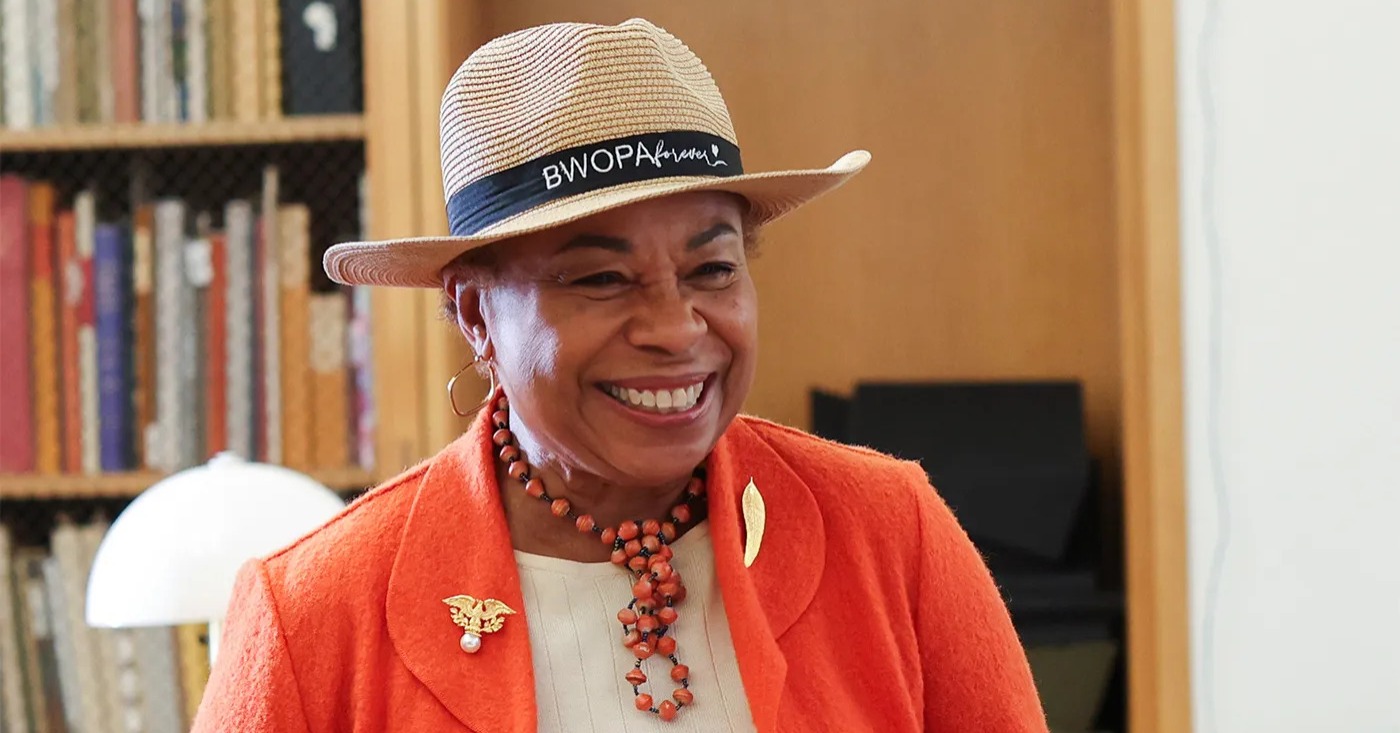
Concerns remain over school board races as ‘moderates’ lead progressives
The Alameda County Registrar of Voters has released the first round of election results, though many ballots remain uncounted and results are still incomplete.
Nationally, Democrats, liberals and progressives celebrated Tuesday evening as President Donald Trump was dealt a devastating blow in the midterm election. The Republican Party lost control of the Senate and the House as “Maga” candidates were swept away not just by a ‘blue wave,’ but a ‘blue tsunami.’
In Oakland, incumbent Mayor Barbara Lee, who served two years and ran for a full four-year term, won decisively.
A proposal backed by Lee, Measure EE, also won. The Charter amendment will create a strong mayor system of government while providing the City Council with new checks and balances on mayoral power.
District 2 Councilmember Charlene Wang is leading with 65.62% of the vote. Opponent Nate Adams trails with 34.38%.
District 4 Councilmember Janani Ramachandran, ran unopposed for reelection, receiving 14,029 votes.
District 6 Councilmember Kevin Jenkins bested opponent Nancy Sidebotham and District 2’s Charlene Wang also won reelection.

City Auditor Michael Houston is running unopposed for reelection and won 60,773 votes.
Progressive school board members, Jennifer Brouhard (D2) and Valarie Bachelor (D6), supported by teachers and school activists, face serious challenges from candidates backed by pro-corporate funders and the political organization, Empower Oakland.
Arielle Fleisher leads Brouhard 53.49% to 46.51%.
In District 6 with three contending candidates, Alexandra Williams leads with 38.06% of the vote. Incumbent Bachelor has 36.89%, and Leana Powell is trailing with 25.04%.
In District 4, incumbent Mike Hutchinson is narrowly leading a field of three candidates. He received 40.87% of the vote, while Kathryn Camp has 39.92%, and Sylvia Pfeiffer Williams has 19.21%.
In the races for AC Transit Board, Director Joel Young (Ward 3) leads with 53.11% of the vote, Sarah Syed (Ward 4) is ahead with 78.37% of the vote, and Murphy McCalley (Ward 5) leads with 63.07%.
Regional Transit Measure RTM, which would increase sales taxes in five Bay Area counties to shore up BART and other regional transit, was leading in five counties by a combined 62% of the vote.

Black History
U.S. Rep. John Garamendi Honors local ‘Women of the Year’ at Annual Awards Ceremony
Congressman John Garamendi recently honored 52 remarkable women during his 13th annual Women of the Year ceremony in Benicia. The event recognized leaders from California’s 8th District for their significant contributions to public service, education, business, and community life. The honorees, including 16 women from West Contra Costa County, were officially commemorated in the Congressional Record for their dedication to the region. The diverse group includes veterans, educators, and community advocates who have shaped the local landscape through decades of service. Read more about these influential leaders.
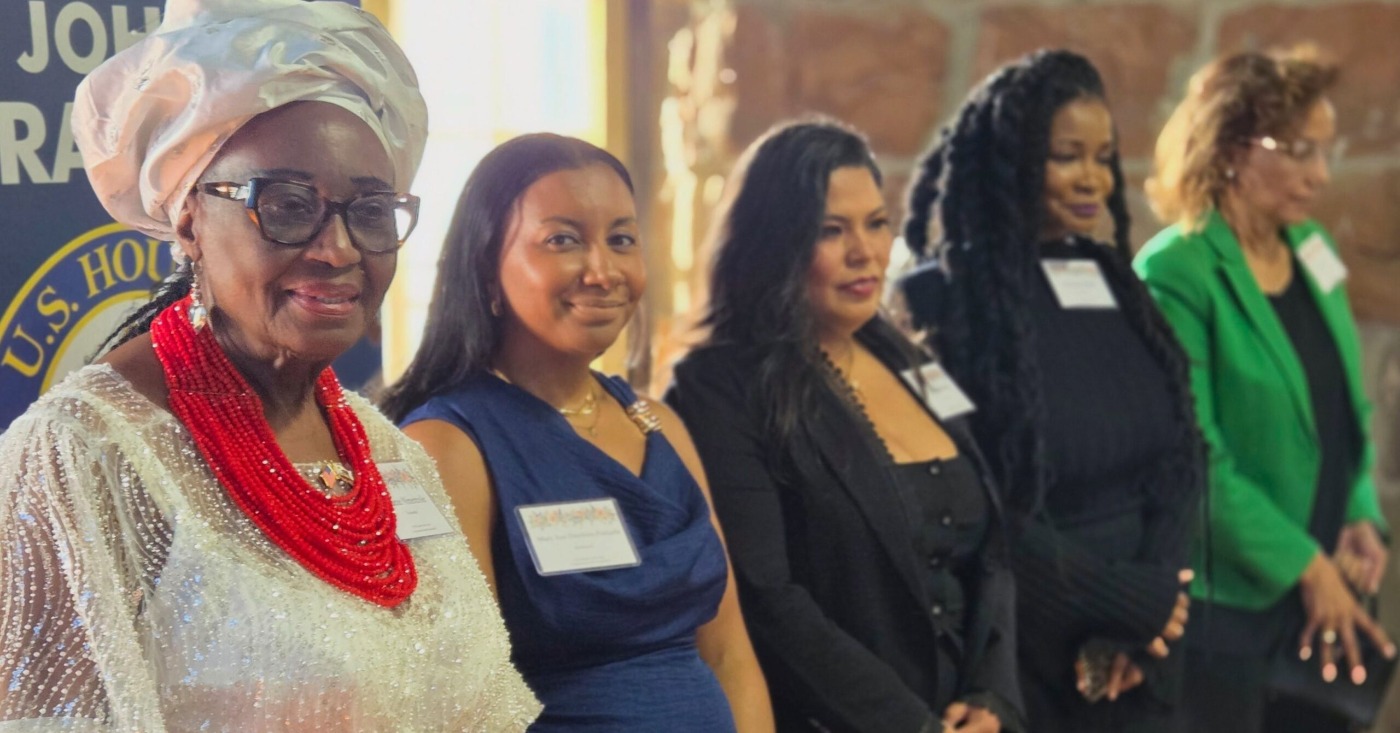
Sixteen women from West Contra Costa County were among 52 honorees recognized by Congressman John Garamendi (D-CA-08) at his 13th annual Women of the Year ceremony in Benicia on Oct. 23.
The 2026 honorees from Solano and Contra Costa counties were recognized for contributions to public service, education, business and community life.
“Every year, I’m honored to recognize the remarkable women of California’s Eighth District who serve as the backbone of our community,” Garamendi said.
Their contributions were also recognized in the Congressional Record. The following profiles summarize the ceremony remarks and supporting biographies.
Richmond
King-Meredith was honored for six decades of community service. An engineer and project manager whose professional career included defense-industry work, she has served organizations including the North Richmond Municipal Advisory Council and Shields-Reid Neighborhood Council. Her contributions also include environmental justice advocacy and artwork addressing social injustice.
Bolds was recognized for supporting Richmond youth and families and organizing community events. She established the annual “Put the Guns Down” event about 20 years ago in response to neighborhood violence. Through her organization, Visions of Hope, she brings together families, service providers, community leaders and public safety partners to address bullying and violence prevention.

Martinez Luna was honored for her work supporting businesses and families along Richmond’s 23rd Street corridor. Born in Guadalajara, Mexico, she became the first person in her family to graduate from high school. A longtime Rigo’s Auto Sales employee and secretary of the 23rd Street Merchants Association, she helps organize community events, supports immigration information forums and works with local partners on neighborhood concerns.
Dawkins-Padigela was recognized for her professional and community leadership. A U.S. Air Force veteran who served seven years as an aircraft mechanic, she later pursued graduate studies in marriage and family therapy and professional clinical counseling. As president of East Bay CAMFT, she supports professional education, networking and collaboration among mental health practitioners.
Padilla, a dean at Contra Costa College, was honored for advancing educational equity and student success. A Richmond High School graduate, she began her higher education at Contra Costa College before earning a bachelor’s degree in applied physics from UC Davis and a doctorate in neuroscience from UC Berkeley. She later returned to CCC to lead initiatives expanding opportunities for students pursuing STEM careers.
Milam was recognized for a public service career that began as a teenager with the East Bay Public Safety Corridor Partnership. As crime prevention manager for the Richmond Police Department, she has worked with government and community partners on violence prevention and homelessness response. Her congressional tribute credits her with helping secure nearly $30 million for outreach, shelter, treatment, encampment resolution and pathways to housing.
Nmereole was honored for supporting immigrant communities, young people and elderly residents throughout Contra Costa County and the greater Bay Area. Her volunteer work includes GED tutoring, vocational nursing exam preparation, computer instruction and youth mentorship. She also helps immigrants navigate services and assists elderly residents with transportation, prescriptions and groceries.
Curl was recognized for more than two decades of service to Richmond, beginning with the city’s redevelopment agency. She became interim city manager in November 2021 and permanent city manager in April 2022 before retiring in 2026. Garamendi credited her with helping secure more than $300 million in grants for infrastructure, housing and education, strengthening city finances and helping Richmond exit the state auditor’s high-risk designation.
Black History
HISTORY MADE: Keisha Lance Bottoms Becomes First Black Woman Elected Governor in American History
ATLANTA DAILY WORLD — History has been made in Georgia. Keisha Lance Bottoms, the former mayor of Atlanta, has been elected governor of Georgia, becoming the first Black woman in American history to win the highest executive office in any state.
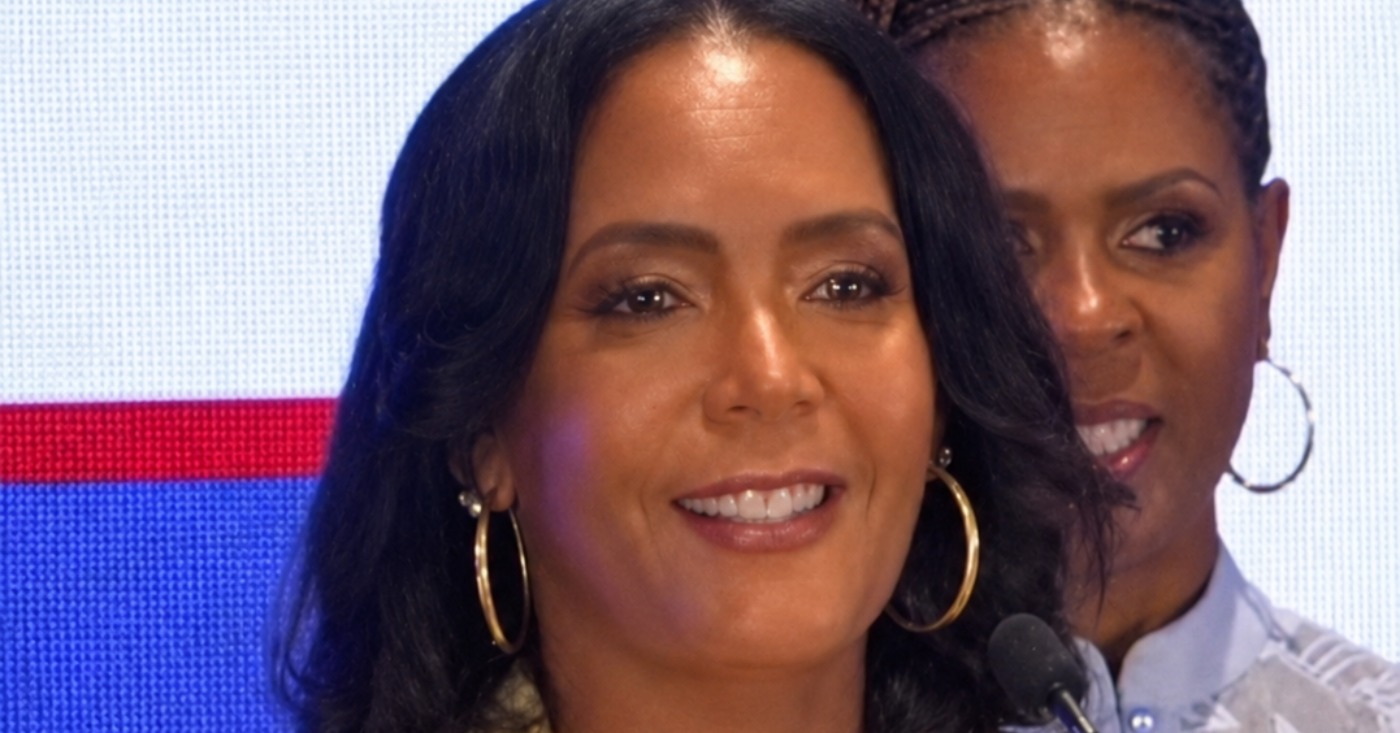
History has been made in Georgia. Keisha Lance Bottoms, the former mayor of Atlanta, has been elected governor of Georgia, becoming the first Black woman in American history to win the highest executive office in any state.
Bottoms’ victory over Republican businessman Rick Jackson represents a defining moment in American politics, breaking a barrier that has stood since the nation’s founding and placing Georgia at the center of a historic political transformation.
For generations, Black women have played a critical role in American democracy, organizing communities, leading movements, mobilizing voters and shaping public policy. Yet despite their contributions, no Black woman had ever been elected governor of a U.S. state.
Until now.
Bottoms’ election also makes her the first woman and first Black person elected governor of Georgia, a state whose political history has been deeply shaped by slavery, segregation, the civil rights movement and the long struggle for equal representation.
Her victory carries particular significance in a state where Black women have been among the most influential forces in voter registration, political organizing and Democratic electoral success.
A fifth-generation Georgian, Bottoms previously served as Atlanta’s 60th mayor from 2018 to 2022. During her administration, she led the city through the COVID-19 pandemic, nationwide protests over racial injustice and a period of significant economic and population growth.
Following her time as mayor, Bottoms served as a senior adviser in President Joe Biden’s administration before returning to Georgia politics to pursue the governorship.
Her campaign focused on expanding access to health care, strengthening public education, increasing wages and addressing the rising cost of living. She also advocated for expanding Medicaid, raising Georgia’s minimum wage to $15 an hour and increasing compensation for teachers and other public employees.
Bottoms faced Jackson, a wealthy health care executive who invested heavily in his campaign and positioned himself as a political outsider. The contest drew national attention as Democrats sought to reclaim the Georgia governor’s office after more than two decades of Republican control.
The historic nature of Bottoms’ victory extends well beyond party politics.
Georgia, once at the center of some of America’s most consequential civil rights battles, has now elected a Black woman to lead its state government. It is a milestone that reflects generations of political participation, organizing and leadership by Black Georgians.
For Atlanta, the moment is especially significant. A former mayor of the city that helped shape the modern civil rights movement will now lead the entire state.
Bottoms’ election opens a new chapter in Georgia’s political history and establishes a milestone that will be remembered far beyond the 2026 election.
For continuing election coverage and results, visit AtlantaDailyWorld.com/election26.



How the Sandwich Generation Can Help Protect Aging Parents’ Finances

As Progressive Democrats Celebrate ‘Blue Tsunami,’ Oakland Counts Victories

Golden State Valkyries Become Bay Area Legends Winning WNBA Championship on Halloween Night

IN MEMORIAM: Marcia Ann Gillespie, Editor of Essence and Ms. Magazines, Dies at 82

U.S. Rep. John Garamendi Honors local ‘Women of the Year’ at Annual Awards Ceremony

Richmond Neighbors Put Pantry Power on the Map

Oakland Latino Chamber of Commerce Hosts Statewide Convention, Generating $3 Million in Economic Impact

HISTORY MADE: Keisha Lance Bottoms Becomes First Black Woman Elected Governor in American History

HISTORY MADE: Keisha Lance Bottoms Becomes First Black Woman Elected Governor in American History

Five Hospitals Said No! Who Will Help Annette Henry Recover?

Oakland NAACP, BWOPA Speak Out Against Alleged Harassment of Black Women Political Leaders

COMMENTARY: Oakland’s Black Students Have Gained Ground: We Shouldn’t Stop Now

From Backyard Grilling to Jack London Square: Jamale Carlyle’s Chicken Wing Success Story

SEIU Local 1000 and State of California Will Continue to Negotiate New Labor Contract

OPINION: We Can Restore Checks and Balances on Trump

COMMENTARY: Valarie Bachelor and Jennifer Brouhard are Excellent School Board Members and Deserve to Be Reelected

Listening as a Lifeline: A Doula’s Witness to Black Maternal Health
HISTORY MADE: Keisha Lance Bottoms Becomes First Black Woman Elected Governor in American History

Zakiya Jendayi Arrested, Locked Out of Home by Sheriff’s Deputies

OUSD Receives State Review of District Finances; Outlines Progress Since January
SEIU Local 1000 and State of California Will Continue to Negotiate New Labor Contract

It’s Time to Lose Weight Before the Holidays

COMMENTARY: Your California Living Trust Could Be Next: When Evidence Isn’t Enough

Oakland Post: Week of September 30 – October 6, 2026

Mayor Barbara Lee Holds Special State of the City Address in Deep East Oakland

Democrats, Community Groups Back Measure EE to Change How Oakland Is Governed
Golden State Valkyries Become Bay Area Legends Winning WNBA Championship on Halloween Night

Fate of Bay Area Public Transit Hinges on Regional Transit Measure

Oakland Awarded More than $14 Million in State Funding

OP-ED: Proposition 44 Would Put a Price on Trust

The Conversation With Al McFarlane 6/23/26

Media Monday 6/22/26

LIVE! ASK ALMA! — TUES. 6.23.26 7PM EST

Car Buying Secrets: 4 Hidden Checks Before You Sign!

Is This 550 HP Charger Worth YOUR Money? AutoNetwork Review

Celebrating Juneteenth – Frederick Douglass on education and resistance

LIVE! — ASK ALMA! — TUES. 6.19.26 7PM EST

Hyundai Ioniq 5 Parking, Safety, and 360 View #shorts

2025 Ioniq 5 New Wiper & Powerful Performance! #shorts

Electric SUV Range: Is 259 Miles Enough? #shorts

EV Charging: How Fast Can You Charge an Electric Vehicle? #shorts

Biometric Cooling… Messaging Seats…Come on! 2025 Infiniti QX80 Autograph 4WD

Charged Up: Witness the Magic of a Fully Electric Car! #shorts

Range Rover Sport PHEV Included…: See What’s Inside This Luxury SUV! #shorts

Invisible Hood View: Perfect Parking with X-Ray Vision! #shorts
-
 Commentary1 week ago
COMMENTARY: Valarie Bachelor and Jennifer Brouhard are Excellent School Board Members and Deserve to Be Reelected
-
 Black History7 days ago
HISTORY MADE: Keisha Lance Bottoms Becomes First Black Woman Elected Governor in American History
-
 Education1 week ago
OUSD Receives State Review of District Finances; Outlines Progress Since January
-
 Business1 week ago
SEIU Local 1000 and State of California Will Continue to Negotiate New Labor Contract
-
 Community3 weeks ago
It’s Time to Lose Weight Before the Holidays
-
 Business1 week ago
COMMENTARY: Your California Living Trust Could Be Next: When Evidence Isn’t Enough
-
 Community3 weeks ago
Mayor Barbara Lee Holds Special State of the City Address in Deep East Oakland
-
 Community4 weeks ago
Democrats, Community Groups Back Measure EE to Change How Oakland Is Governed
