
Bay Area
IN MEMORIAM: Oakland Mourns the Passing of Gladys Green, 98
Gladys Green married her high school sweetheart George Green when he returned from World War II. The couple moved to Oakland in 1946 to escape the Jim Crow South and shortly thereafter her parents, brothers and cousins followed her. The couple had four children: Joy, Charles, Glenn and Beverly. She had nine grandchildren and nine great grandchildren.

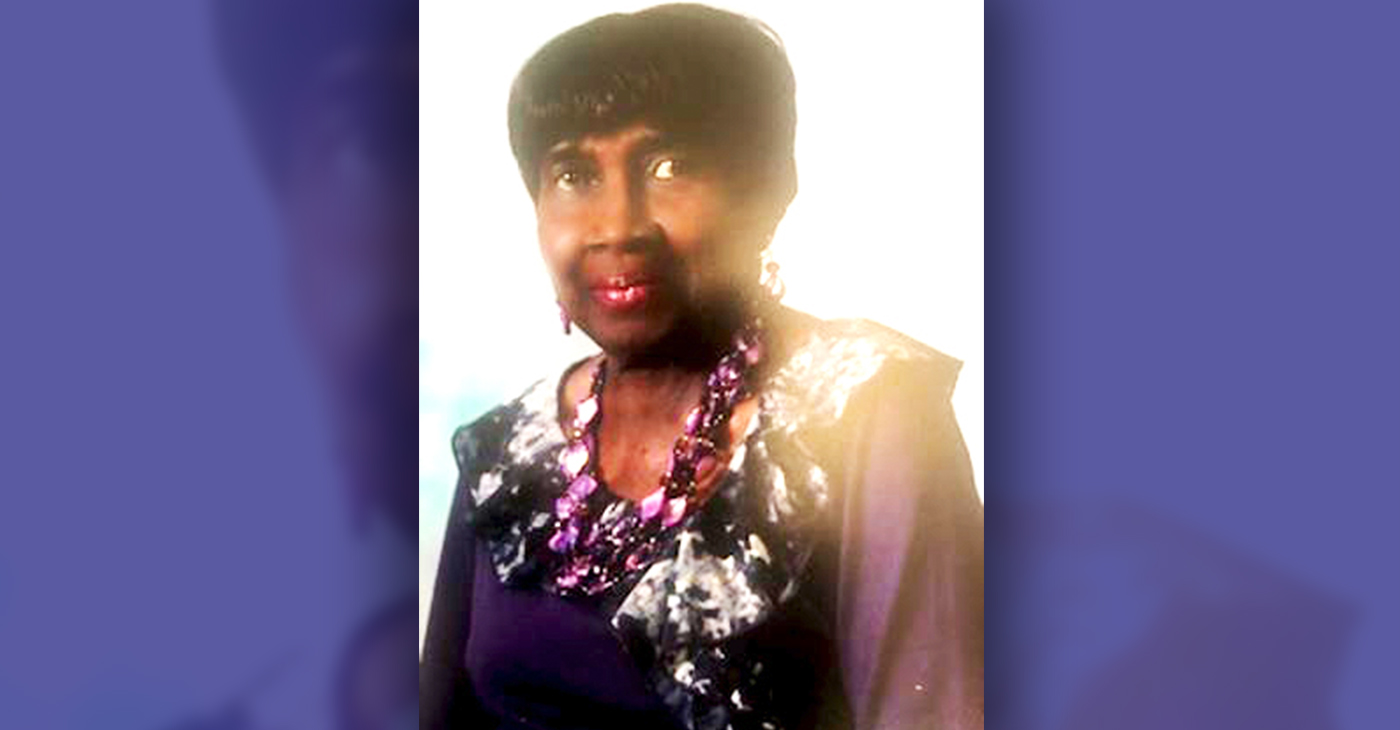
Gladys Green transitioned from this world in her home quietly surrounded by her loving family, on March 28. She was widely known as someone who lived life on her terms — a bright light in the community and in the lives of her family and friends. She was 98.
For more than 40 years, she served in leadership for her community, as a neighborhood activist and community champion for low-income and underserved residents and as a driving force in successful efforts to curb gun violence and advance businesses and social programs to address needs in the District 7 community and throughout the City of Oakland and Alameda County.
Active in the community in many ways, Mrs. Green was chair of the Alameda County-Oakland Community Action Partnership (AC-CAP) Board for the last 25 years and a member for approximately 28 years. On the board, she worked to eliminate poverty and blunt its impacts, improve the community by creating pathways that lead to economic empowerment and prosperity.
Among her many awards and recognitions, she was inducted in 2015 into the Alameda County Women’s Hall of Fame for her outstanding community service. In 20013, she received the City of Oakland’s MLK Citizens Humanitarian Award, nominated by the Department of Human Services.
Summing up her life in her own words, she said, “I have had a very good life with no regrets, I’ve been blessed.”
She was born Dec. 20, 1923 in Mississippi to Myrtis and Clarence Lewis, Sr. The family moved to New Orleans, Louisiana when Gladys was six months old. She was active in her father’s church, teaching and working.
She married her high school sweetheart George Green when he returned from World War II. The couple moved to Oakland in 1946 to escape the Jim Crow South and shortly thereafter her parents, brothers and cousins followed her.
The couple had four children: Joy, Charles, Glenn and Beverly. She had nine grandchildren and nine great grandchildren.
Mrs. Green and her husband were members of the Amigos De Porres social club. Members of the club were former New Orleanians who moved to the Bay Area, holding black tie formals, Sunday afternoon teas, luncheons and cocktail parties. Their friendships spanned more than 50 years.
She loved to cook and to be surrounded by family and friends.
During the holidays, she hosted dinners for family and friends. No one left the house without plates of food and a gift.
Her love for the Golden State Warriors was remarkable. She never missed a game and would go over play by play yelling at the TV if the referee called a foul against the Warriors.
Mrs. Green enjoyed traveling. She visited Mexico, Caribbean, Puerto Rico, Italy, France, Spain, Colombia, and traveled throughout the United States including Alaska, and Hawaii.
In 1962, she and her husband became parishioners of Saint Benedict’s Catholic Church. She was active for 60 years in the church, where she served as Extraordinary Minister of Holy Communion, was an electoral and Eucharistic Minister, St Vincent DePaul Representative for St. Benedict, Peter Claver, Ladies Auxiliary, with the Cartagena Award.
She was preceded in death by her husband George, her son Glenn, both parents and three brothers.
She leaves to mourn her passing, Joy Green-Armstrong, Charles Green, Beverly Green and many nieces, nephews, grandchildren, great grandchildren, and numerous dear friends.













Activism
Oakland Post: Week of September 23 – 29, 2026
The printed Weekly Edition of the Oakland Post: Week of September 23 – 29, 2026

To enlarge your view of this issue, use the slider, magnifying glass icon or full page icon in the lower right corner of the browser window.
Activism
Oakland Post: Week of September 16 – 22, 2026
The printed Weekly Edition of the Oakland Post: Week of September 16 – 22, 2026

To enlarge your view of this issue, use the slider, magnifying glass icon or full page icon in the lower right corner of the browser window.
Activism
Oakland Post: Week of September 9 – 15, 2026
The printed Weekly Edition of the Oakland Post: Week of September 9 – 15, 2026

To enlarge your view of this issue, use the slider, magnifying glass icon or full page icon in the lower right corner of the browser window.



Asm. Corey Jackson Announces Launch of 24-Hour Childcare in His District

IN MEMORIAM: The Rev. Leon “Sonny” Clark, Longtime Orange County Pastor and Community Leader, Dies at 72

Poll: Becerra Widens His Lead Over Hilton; Californians Split on Wealth Tax

From Historic Memories to New Possibilities: Oakland Celebrates Coliseum 60

County Office of Education Says OUSD Finances Are Getting Healthier, Materially Stronger

LIVE FREE Sunday Dinner Brings Faith, Fellowship and Civic Conversation to Oakland

Remembering Chauncey Bailey as Student Journalists Face Threats to Truth-Telling

BLACspace Cooperative Invites Bay Area to Experience Oakland’s Black Cultural Ecosystem Through a BLAC Map Tour + Party

In Wake of Death on Doorstep, Williams Chapel Baptist Church Calls for Better Care, Funding for Unhoused

Oakland Centenarian Nuna McKee Honored!

Caribbean Nations Produce Action Plan Calling for UK Reparations Over Slavery

Oakland Post: Week of September 23 – 29, 2026

Doulas Are Helping Black California Moms Navigate Pregnancy–Even as High Mortality Rates Persist

Newsom Signs Addictive Social Media Law to Protect Kids

On Your November Ballot: Prop 38 Would Allocate $8.4 Billion to Immunology and Immunotherapy Funding

Less Affluent School Districts, Including Sacramento City, Face Threat of State Takeover

ESSAY: California Can Close Its Colorectal Cancer Gap

California Hispanic Chambers of Commerce Unveils: ‘Powering the Future’ Theme for 47th Annual Statewide Convention

Four Candidates, Including Incumbent Barbara Lee, Qualify for Oakland Mayor’s Race

Oakland Post: Week of August 12 – 18, 2026

From Blueprint to Breakthrough: Tackling Affordable Housing in Oakland

Oakland Observes Black August with Block Parties, Film Showings, Workshops

COMMENTARY: Why Local School Tax Measure G1 Will Not Be on the November Ballot

Standoff for Justice: Our Homes Are Worth Fighting For

Returning to Its Roots, the Oakland Black-Eyed Pea Festival Partners with the Freedom Farmers Market Sept. 12

Oakland Post: Week of August 26 – September 1, 2026

NPRC Scores First Advocacy Victory: David Shaw Finally Gets His Wish to ‘Go Home’

Frontier Airlines’ Return to Oakland Airport Brings Flights, Jobs and Opportunity

Gubernatorial Candidate Steve Hilton Blasts California New Tire Rules; Newsom Hits Back

Chef Sharon Lee Blends Culinary Excellence, Education and Empowerment

The Conversation With Al McFarlane 6/23/26

Media Monday 6/22/26

LIVE! ASK ALMA! — TUES. 6.23.26 7PM EST

Car Buying Secrets: 4 Hidden Checks Before You Sign!

Is This 550 HP Charger Worth YOUR Money? AutoNetwork Review

Celebrating Juneteenth – Frederick Douglass on education and resistance

LIVE! — ASK ALMA! — TUES. 6.19.26 7PM EST

Hyundai Ioniq 5 Parking, Safety, and 360 View #shorts

2025 Ioniq 5 New Wiper & Powerful Performance! #shorts

Electric SUV Range: Is 259 Miles Enough? #shorts

EV Charging: How Fast Can You Charge an Electric Vehicle? #shorts

Biometric Cooling… Messaging Seats…Come on! 2025 Infiniti QX80 Autograph 4WD

Charged Up: Witness the Magic of a Fully Electric Car! #shorts

Range Rover Sport PHEV Included…: See What’s Inside This Luxury SUV! #shorts

Invisible Hood View: Perfect Parking with X-Ray Vision! #shorts
-
 Business4 weeks ago
Frontier Airlines’ Return to Oakland Airport Brings Flights, Jobs and Opportunity
-
 Business4 weeks ago
Gubernatorial Candidate Steve Hilton Blasts California New Tire Rules; Newsom Hits Back
-
 Business4 weeks ago
Chef Sharon Lee Blends Culinary Excellence, Education and Empowerment
-

 Black History4 weeks ago
Jackie Wright Champions Bay Area Stories, Filmmakers and Cultural Institutions
-

 Community4 weeks ago
Big City Mayors Ask for “Yes” Vote on Housing Bond Measure; Conservatives Say “No”
-

 Education4 weeks ago
Gov. Newsom’s Latest Appointees Include Sacramento Advocate for Formerly Incarcerated Students; State’s New Tech Chief
-

 Business4 weeks ago
Oakland Coliseum Project Opens Door for Small Businesses to Build Bigger
-

 Community2 weeks ago
Misnamed ‘Parent’ PAC Seeks to Influence Oakland School Board Elections
