
Community
California Legislature Sends Historic Native American Apology Bill to Gov. Newsom’s Desk
OAKLAND POST — The measure closely mirrors AB 3089, the 2024 reparations-package bill apologizing to Black Californians for California’s role in perpetuating chattel slavery and systemic discrimination. Both measures require plaques memorializing the apologies to be prominently displayed in the State Capitol.

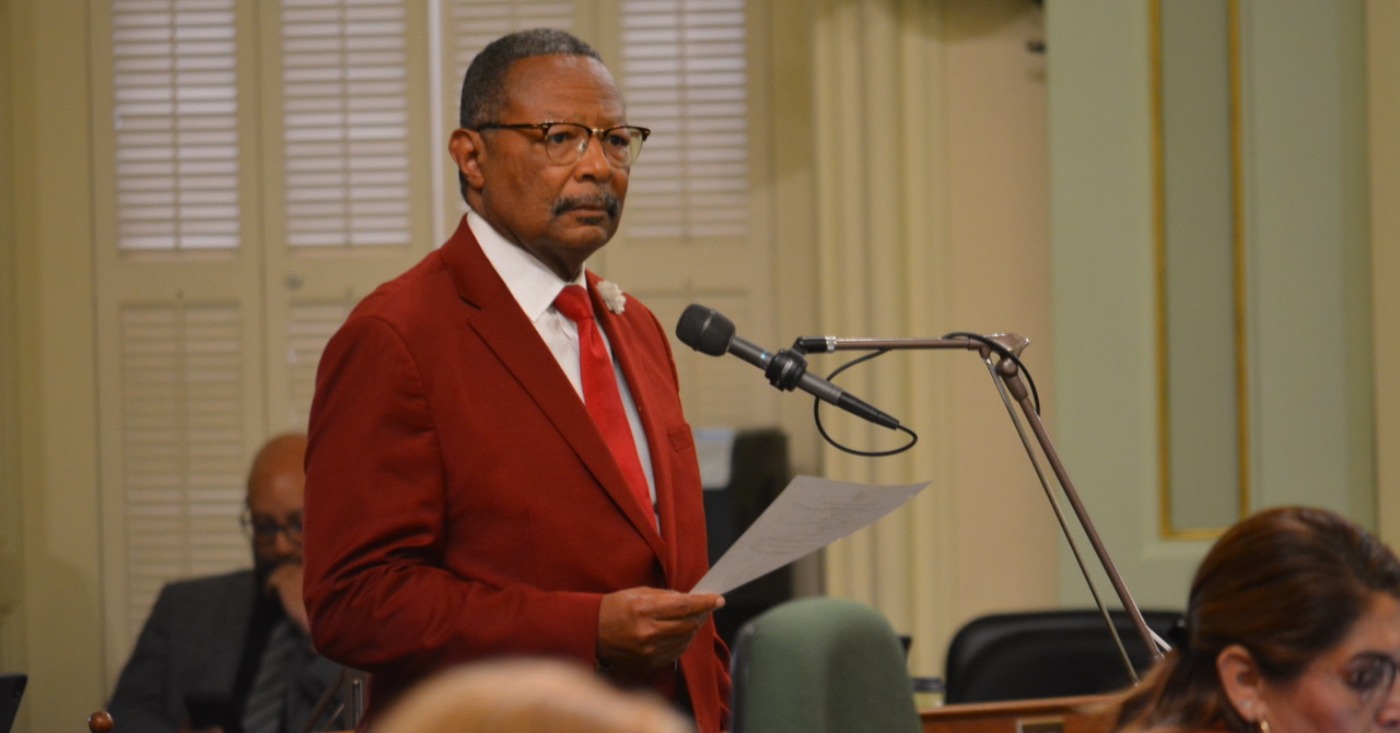
Two years after the California Legislature formally apologized to Black Californians for the state’s role in slavery and systemic discrimination, lawmakers have approved a parallel acknowledgment of atrocities committed against Native Americans.
Assembly Bill 2115, authored by Assemblymember James C. Ramos (D-Highland), passed the Assembly on Aug. 26 by a unanimous 79-0 vote after clearing the Senate 40-0. Enrolled Aug. 30, the measure awaited action by Gov. Gavin Newsom as of Sept. 7.
The measure closely mirrors AB 3089, the 2024 reparations-package bill apologizing to Black Californians for California’s role in perpetuating chattel slavery and systemic discrimination. Both measures require plaques memorializing the apologies to be prominently displayed in the State Capitol.
California Legislative Black Caucus (CLBC) member Sen. Laura Richardson (D-Inglewood) said, “The permanency (of the plaque) is so important that (Indigenous) people will continue to be remembered and recognized and do better,” Richardson said during a Senate committee hearing.
The connection extends beyond the plaques. During California’s formative years, the state enacted laws authorizing violence, forced labor and land theft against Native Americans while denying Black Californians fundamental rights and enabling slavery in a state admitted to the Union as “free.”

California’s first governor, Peter Hardeman Burnett, called for a “war of extermination” against Native Americans. During the same era, California enforced fugitive slave laws, permitted enslaved people to be held within its borders and prohibited Black residents from testifying against White people in court.
“In 1851, California’s first governor, Peter Burnett, addressed the Legislature where he openly declared a war against California’s first people,” said Ramos, a member of the Serrano/Cahuilla tribe and the Yuhaaviatam of San Manuel Nation. “That war was paid for using taxpayers’ dollars to eliminate the Native American people of this land.”
Formally known as the “Rowena Mae Ramos Act,” AB 2115 states that California recognizes and accepts legal and moral responsibility for harms and atrocities committed against Native Americans by public officials since 1850.
If signed, the apology would bear the Great Seal of the State, be signed by state leaders and remain permanently in the State Archives, Ramos told California Black Media (CBM)/
“While we cannot undo the wrongs of the past, the state has a responsibility to confront it with honesty and pave the way for the true account of history to be told,” Ramos said.
AB 3089, authored by former Assemblymember Reggie Jones-Sawyer (D-South Los Angeles), was signed Sept. 26, 2024. Although California entered the Union as a free state in 1850, more than 2,000 enslaved African people were brought into the state between 1850 and 1860, according to the law. California courts enforced fugitive slave laws until 1865, while lawmakers opposed federal civil rights laws and delayed ratifying the 14th and 15th amendments.
The bill is named for Ramos’s mother, Rowena Mae Ramos, a tribal elder who taught Native American history and culture.
“My mom grew up at a time when racism wasn’t hidden. She went through a lot,” Ramos said. “I thought that it was only fitting to honor her with this bill, a formal apology on behalf of the state of California, that would now carry her name.”







Commentary
Blacks and Latinos Clash Over LA’s Barrio Run; Mayor Karen Bass Calls for Dialogue Across Racial, Neighborhood Lines
OAKLAND POST — Leimert Park is widely regarded as the cultural heart of Black Los Angeles. Its weekly marketplace, food vendors and drum circle have long provided an economic and cultural gathering place for Black residents. That history, compounded with lingering concerns about gentrification and the city’s declining Black population, intensified sensitivity to the event’s promotion.
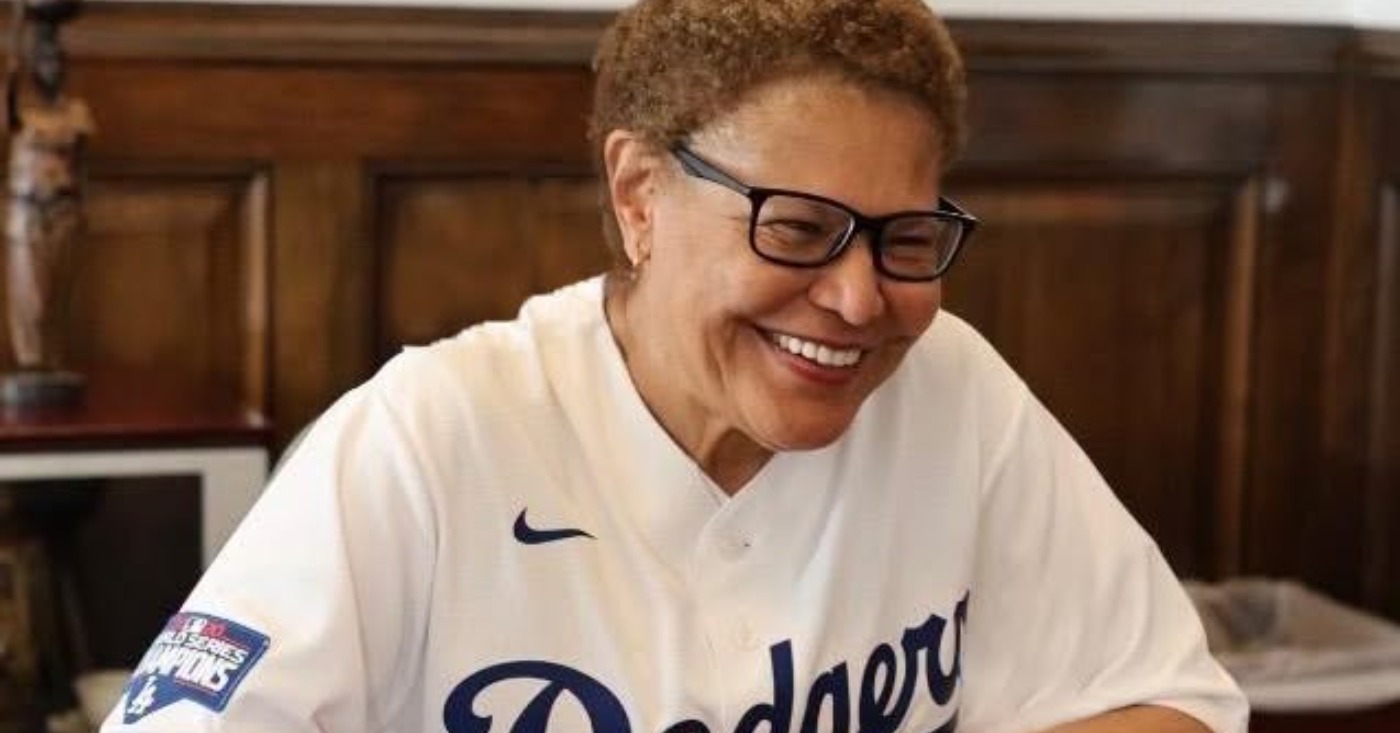
Los Angeles Mayor Karen Bass urged Black and Latino Angelenos to resolve their differences constructively after a dispute over a Latino-led running event planned for Leimert Park escalated into racial hostility online.
“Los Angeles is strongest when we listen to one another, treat every community with respect and work through our differences constructively,” Bass said in a statement she shared on Facebook.
Barrio Athletics, a grassroots fitness organization founded by South Central Los Angeles native Henry Gallardo, planned a 5K for Sept. 6. Participants were initially scheduled to meet in Leimert Park before running along Crenshaw Boulevard. In a promotional video,an organizer said the group would “take over the streets of Leimert Park.”
The language drew objections from Black residents and community leaders, who said organizers had not adequately consulted local stakeholders. They were also concerned that the gathering, which included plans for a DJ and vendors, would disrupt the Leimert Park Sunday Marketplace and other scheduled activities.
Leimert Park is widely regarded as the cultural heart of Black Los Angeles. Its weekly marketplace, food vendors and drum circle have long provided an economic and cultural gathering place for Black residents. That history, compounded with lingering concerns about gentrification and the city’s declining Black population, intensified sensitivity to the event’s promotion.

“This is a historic Black district which we fought for and built up, its arts district, its cultural hub,” KBLA radio host Dominique DiPrima told a local L.A. news station.
“You’re saying that you’re going to “take over” is sort of like the last stand for Black LA is problematic.”
In another widely circulated video, a woman warned organizers, “We don’t want you to come into Africa Town,” adding that they would be “met with resistance from the Black community.” A separate Black social media user suggested, “We should call ICE,” drawing condemnation amid federal immigration enforcement concerns affecting Latino communities.
Barrio Athletics said it did not condone “racism, violence or hate.” Black and Latino community organizers later joined the group for what local L.A. radio station KJLH described as a “tough but necessary conversation.”
KJLH posted a video of the discussion.
Following “careful conversation with community leaders,” Barrio Athletics relocated the run to Elysian Park “to respect Leimert Park and the surrounding community.”
Bass denied claims that she had ordered the move, saying she had not known about the dispute before its resolution.
“Bringing people across racial, cultural and neighborhood lines together has been the foundation of my life’s work,” Bass said, “and it continues to guide how I lead this city today.”
Business
Asm. Smallwood-Cuevas’s Bill Repealing ‘Racist’ CalWORKs ‘Man-in-the-House’ Rule Clears Legislature
OAKLAND POST — “This is a law that helped divide our families. This is a rule that separated us from our mothers, fathers, and restricted men’s access to their families mainly because of the discriminatory practices of public housing systems back in the 1960s and 1970s,” said Smallwood-Cuevas, a member of the California Legislative Black Caucus (CLBC).
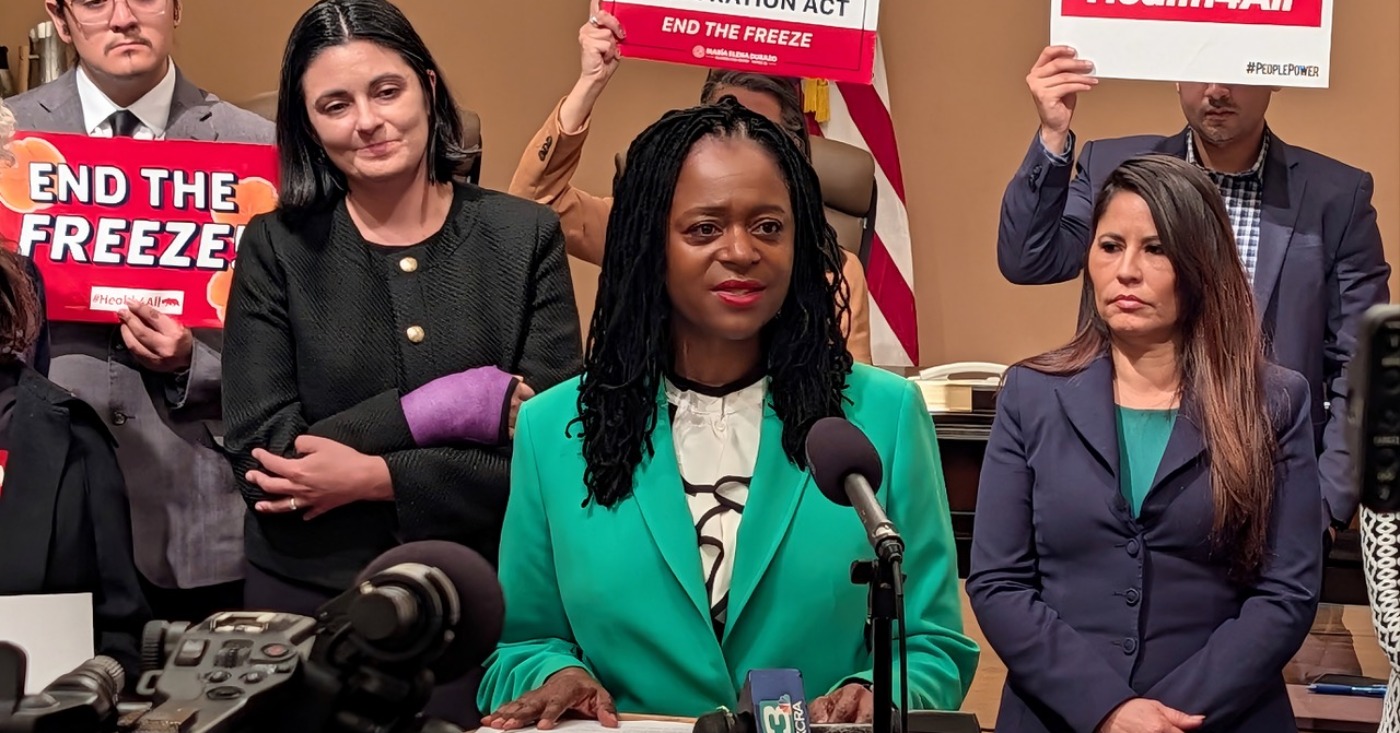
A California rule requiring an unrelated adult man living with a family receiving welfare benefits to contribute financially to the household could be repealed if Gov. Gavin Newsom signs Senate Bill (SB) 1030 into law.
Authored by Sen. Lola Smallwood-Cuevas (D-Los Angeles), SB 1030 would eliminate the California Work Opportunity and Responsibility to Kids (CalWORKs) “Unrelated Adult Male,” or UAM, rule. Smallwood-Cuevas called the policy “outdated” and “harmful,” saying it relies on gender stereotypes and subjects families to intrusive surveillance.
The Assembly approved the bill 77-0 on Aug. 19, followed by a 40-0 Senate concurrence vote five days later. Newsom has until Sept. 30 to sign or veto the measure.
“This is a law that helped divide our families. This is a rule that separated us from our mothers, fathers, and restricted men’s access to their families mainly because of the discriminatory practices of public housing systems back in the 1960s and 1970s,” said Smallwood-Cuevas, a member of the California Legislative Black Caucus (CLBC).
Under Section 11351.5 of the California Welfare and Institutions Code, an unrelated adult man living with a family applying for or receiving CalWORKs must make a financial contribution based on his income and expenses. He and the mother must disclose their household expense-sharing arrangement under penalty of perjury. Benefits may be discontinued if either person knowingly refuses to cooperate.

SB 1030 would repeal those requirements beginning July 1, 2027, or later if the state’s welfare computer system is not ready to implement the change.
Smallwood-Cuevas, a veteran journalist who has written about families relying on public assistance, said the law should be modernized as low-income households confront rising housing and food costs and broader economic uncertainty.
“We wanted to take that law off the books that limited men from being in the home with their families. We recognize Donald Trump is in the White House, and he will use all of the racist tools of the past to discriminate and surveil,” Smallwood-Cuevas told California Black Media (CBM).
Smallwood-Cuevas also told the Assembly Human Services Committee that SB 1030 was a priority of the California Legislative Women’s Caucus.
“Historically, the man in the house rule was disproportionately applied to Black women, women of color, reflecting a broader racialized system of surveillance and negative stereotypes and narratives. We know that was embedded in some of our early welfare policies,” Smallwood-Cuevas said.
“Man-in-the-house” policies emerged from state welfare programs during the early and mid-20th century. They were later applied under Aid to Families with Dependent Children (AFDC), a federal assistance program established by the Social Security Act of 1935.
For decades, some state welfare agencies denied assistance to low-income families if an able-bodied man lived in or regularly visited the home, treating him as a substitute father whether he was legally or financially responsible for the children or not.
Smallwood-Cuevas compared the rule’s effect on Black families to the welfare policies depicted in the 1974 film “Claudine”, starring Diahann Carroll and James Earl Jones.
“In this environment with unemployment rates, shutting down of industries that employ, particularly men in our communities, sometimes men can’t contribute financially, but that doesn’t mean they don’t contribute to our families,” she said. “These laws shouldn’t divide and separate our families, and this is what this rule has done for so many years.”
Business
Asm. Smallwood-Cuevas’s Bill Repealing ‘Racist’ CalWORKs ‘Man-in-the-House’ Rule Clears Legislature
OAKLAND POST — “This is a law that helped divide our families. This is a rule that separated us from our mothers, fathers, and restricted men’s access to their families mainly because of the discriminatory practices of public housing systems back in the 1960s and 1970s,” said Smallwood-Cuevas, a member of the California Legislative Black Caucus (CLBC).
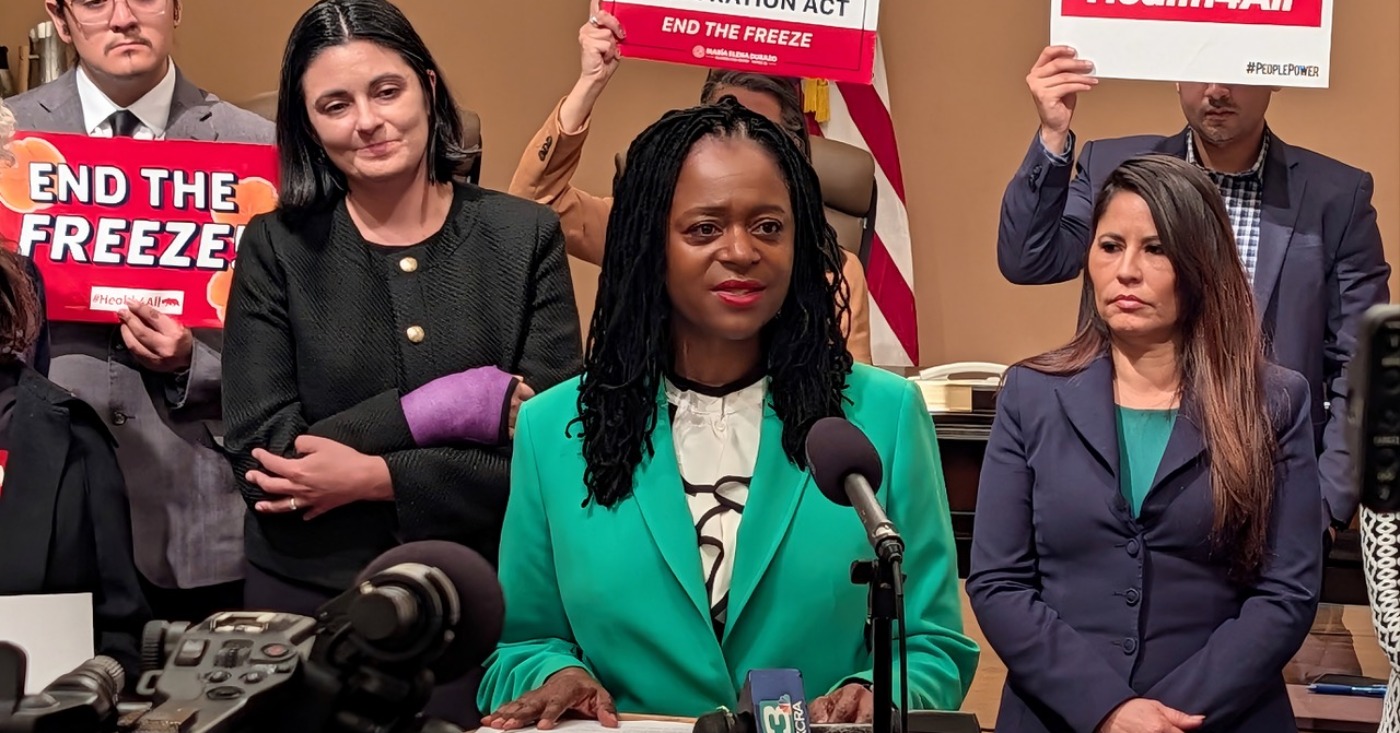
A California rule requiring an unrelated adult man living with a family receiving welfare benefits to contribute financially to the household could be repealed if Gov. Gavin Newsom signs Senate Bill (SB) 1030 into law.
Authored by Sen. Lola Smallwood-Cuevas (D-Los Angeles), SB 1030 would eliminate the California Work Opportunity and Responsibility to Kids (CalWORKs) “Unrelated Adult Male,” or UAM, rule. Smallwood-Cuevas called the policy “outdated” and “harmful,” saying it relies on gender stereotypes and subjects families to intrusive surveillance.
The Assembly approved the bill 77-0 on Aug. 19, followed by a 40-0 Senate concurrence vote five days later. Newsom has until Sept. 30 to sign or veto the measure.
“This is a law that helped divide our families. This is a rule that separated us from our mothers, fathers, and restricted men’s access to their families mainly because of the discriminatory practices of public housing systems back in the 1960s and 1970s,” said Smallwood-Cuevas, a member of the California Legislative Black Caucus (CLBC).
Under Section 11351.5 of the California Welfare and Institutions Code, an unrelated adult man living with a family applying for or receiving CalWORKs must make a financial contribution based on his income and expenses. He and the mother must disclose their household expense-sharing arrangement under penalty of perjury. Benefits may be discontinued if either person knowingly refuses to cooperate.
SB 1030 would repeal those requirements beginning July 1, 2027, or later if the state’s welfare computer system is not ready to implement the change.
Smallwood-Cuevas, a veteran journalist who has written about families relying on public assistance, said the law should be modernized as low-income households confront rising housing and food costs and broader economic uncertainty.
“We wanted to take that law off the books that limited men from being in the home with their families. We recognize Donald Trump is in the White House, and he will use all of the racist tools of the past to discriminate and surveil,” Smallwood-Cuevas told California Black Media (CBM).
Smallwood-Cuevas also told the Assembly Human Services Committee that SB 1030 was a priority of the California Legislative Women’s Caucus.
“Historically, the man in the house rule was disproportionately applied to Black women, women of color, reflecting a broader racialized system of surveillance and negative stereotypes and narratives. We know that was embedded in some of our early welfare policies,” Smallwood-Cuevas said.
“Man-in-the-house” policies emerged from state welfare programs during the early and mid-20th century. They were later applied under Aid to Families with Dependent Children (AFDC), a federal assistance program established by the Social Security Act of 1935.
For decades, some state welfare agencies denied assistance to low-income families if an able-bodied man lived in or regularly visited the home, treating him as a substitute father whether he was legally or financially responsible for the children or not.
Smallwood-Cuevas compared the rule’s effect on Black families to the welfare policies depicted in the 1974 film “Claudine”, starring Diahann Carroll and James Earl Jones.
“In this environment with unemployment rates, shutting down of industries that employ, particularly men in our communities, sometimes men can’t contribute financially, but that doesn’t mean they don’t contribute to our families,” she said. “These laws shouldn’t divide and separate our families, and this is what this rule has done for so many years.”



California’s Legal Cannabis Market Hits $8 Billion as State Touts Progress on Fighting Drugs, Crime

Blacks and Latinos Clash Over LA’s Barrio Run; Mayor Karen Bass Calls for Dialogue Across Racial, Neighborhood Lines

Asm. Smallwood-Cuevas’s Bill Repealing ‘Racist’ CalWORKs ‘Man-in-the-House’ Rule Clears Legislature

Asm. Smallwood-Cuevas’s Bill Repealing ‘Racist’ CalWORKs ‘Man-in-the-House’ Rule Clears Legislature

‘Ready to See These Bills Become Law’: Sen. Weber’s Package of 15 Bills Advance to Gov. Newsom’s Desk

‘Ready to See These Bills Become Law’: Sen. Weber’s Package of 15 Bills Advance to Gov. Newsom’s Desk

Tarsha Jordan’s Bonita the Bumble Bee Brings STEAM Learning to Life

On Your November Ballot: Prop 45 Would Speed Up Environmental and Public Project Reviews

Henry O. Flipper: A Trailblazer at West Point and Beyond

California Legislature Sends Historic Native American Apology Bill to Gov. Newsom’s Desk

NBA All-Star Damian Lillard Returns Home for 15th Annual Backpack Giveaway

Alameda County DA Sees Gun Violence Greatest Threat to Black Community

Richmond Tiny House Village Farm & Garden Set to Open Gates on Sept. 26

Community Feedback at Chevron Richmond Town Halls Drives Changes

Misnamed ‘Parent’ PAC Seeks to Influence Oakland School Board Elections

Department of Homeland Security Demands California Secretary of State Shirley N. Weber Scrub Voter Rolls

New Judge Could Decide if Karmelo Anthony Gets a New Trial

“The Power to See Threats Sooner”: Gov. Newsom, Safety Officials Showcase California’s Investments in Hi-Tech Wildfire Prevention

Alpha Kappa Alpha Sorority, Inc. Celebrates New North Atlantic Regional Director

California Sen. Padilla Joins Colleagues to Introduce Bill Imposing Term Limits on Supreme Court Justices

Less Affluent School Districts, Including Sacramento City, Face Threat of State Takeover

Car Wash Workers Cope with Lingering Impacts of ICE Raids

Oakland Post: Week of July 29 – August 4, 2026

How Oakland’s Courtsmith is Scaling its Business and Local Impact

ESSAY: California Can Close Its Colorectal Cancer Gap

Oakland Post: Week of August 5 – 11, 2026

As Part of Your Back-to- School Checklist, Vaccinate

Oakland ‘Port Serves as a Powerful Engine for Good Jobs and Economic Development

Gov. Newsom Signs New Affordable Housing Legislation

Gov. Newsom Announces $109.6 Million in Funding for 278 Supportive Homes in Bakersfield, Contra Costa, Sacramento and Fresno

The Conversation With Al McFarlane 6/23/26

Media Monday 6/22/26

LIVE! ASK ALMA! — TUES. 6.23.26 7PM EST

Car Buying Secrets: 4 Hidden Checks Before You Sign!

Is This 550 HP Charger Worth YOUR Money? AutoNetwork Review

Celebrating Juneteenth – Frederick Douglass on education and resistance

LIVE! — ASK ALMA! — TUES. 6.19.26 7PM EST

Hyundai Ioniq 5 Parking, Safety, and 360 View #shorts

2025 Ioniq 5 New Wiper & Powerful Performance! #shorts

Electric SUV Range: Is 259 Miles Enough? #shorts

EV Charging: How Fast Can You Charge an Electric Vehicle? #shorts

Biometric Cooling… Messaging Seats…Come on! 2025 Infiniti QX80 Autograph 4WD

Charged Up: Witness the Magic of a Fully Electric Car! #shorts

Range Rover Sport PHEV Included…: See What’s Inside This Luxury SUV! #shorts

Invisible Hood View: Perfect Parking with X-Ray Vision! #shorts
-
 Community4 weeks ago
Less Affluent School Districts, Including Sacramento City, Face Threat of State Takeover
-
 Commentary4 weeks ago
ESSAY: California Can Close Its Colorectal Cancer Gap
-
 Business4 weeks ago
California Hispanic Chambers of Commerce Unveils: ‘Powering the Future’ Theme for 47th Annual Statewide Convention
-

 Community4 weeks ago
Four Candidates, Including Incumbent Barbara Lee, Qualify for Oakland Mayor’s Race
-

 Activism4 weeks ago
Oakland Post: Week of August 12 – 18, 2026
-

 Business4 weeks ago
From Blueprint to Breakthrough: Tackling Affordable Housing in Oakland
-

 Black History4 weeks ago
Oakland Observes Black August with Block Parties, Film Showings, Workshops
-

 Commentary4 weeks ago
COMMENTARY: Why Local School Tax Measure G1 Will Not Be on the November Ballot
