

If you have a question about COVID-19, email Ask SciCheck, a project of FactCheck.org, at AskSciCheck@FactCheck.org. Tell them you are a reader of the Houston Forward Times. You can read previous Ask SciCheck answers here.
#NNPA BlackPress
Q&A on Mpox
Editor’s note: This is an updated version of a Q&A we published in May 2022. Last summer saw the largest outbreak ever of mpox, the disease formerly known as monkeypox. Beginning in May 2022, cases of the disease, which is a much less dangerous relative of smallpox, began cropping up in Europe and other places outside […]
The post Q&A on Mpox first appeared on BlackPressUSA.

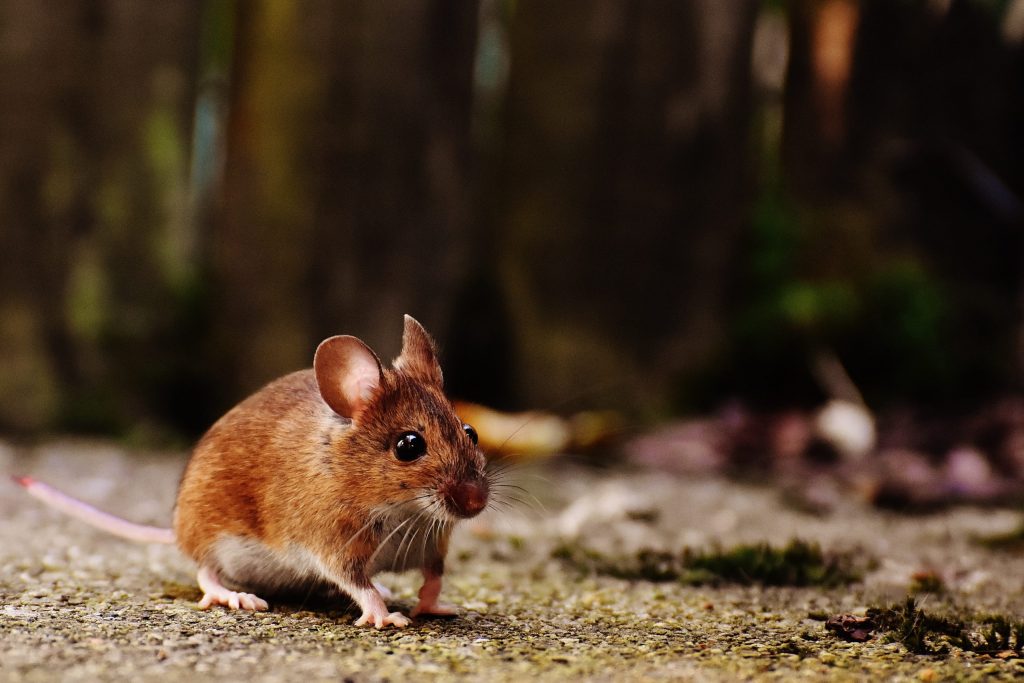

Editor’s note: This is an updated version of a Q&A we published in May 2022.
Last summer saw the largest outbreak ever of mpox, the disease formerly known as monkeypox.
Beginning in May 2022, cases of the disease, which is a much less dangerous relative of smallpox, began cropping up in Europe and other places outside of Central and West Africa, where mpox normally occurs sporadically.
People all over the world, primarily gay men and other men who have sex with men, developed painful and infectious lesions characteristic of the disease, and a small number of them died.

By late July 2022, the World Health Organization designated the growing outbreak a public health emergency of international concern. With more than 6,600 American cases, the U.S. also declared mpox a public health emergency in early August.
A year later, the situation has improved. Following a peak of cases in mid-August 2022, and a rapid vaccination campaign in some countries, the outbreak subsided in December. Caseloads fell from more than 1,000 a day worldwide to fewer than 75 a day by the end of the year, and from more than 400 a day in the U.S. to fewer than 10, with further declines since then. Given the relative trickle of cases, the U.S. ended its mpox emergency in January, and the WHO did so in May.
But the outbreak is not over. (Even a single case of confirmed mpox in a country is considered an outbreak.) And with warmer weather and the arrival of Pride month, health officials and other experts are concerned that mpox could be on the rise again. In mid-May, the Centers for Disease Control and Prevention assessed the risk of resurgent mpox outbreaks as “substantial.”
Here, we provide an update on the disease, and explain what makes the outbreak unusual and how people can protect themselves.
What is mpox?
Mpox is a rare disease caused by the monkeypox virus, which is in the same orthopoxvirus genus and poxvirus family as the more lethal and contagious smallpox virus, according to the CDC.
Mpox is the new name for monkeypox. In November, in recognition that the name could be stigmatizing and does not conform to current best practices for naming diseases, the World Health Organization and the CDC began using mpox to refer to the disease.
The virus name, however, remains unchanged. The International Committee on the Taxonomy of Viruses, which is responsible for determining virus names, was already considering a virus name change prior to the outbreak, but is still in the middle of the renaming process.
As with other poxvirus diseases, mpox is known for a characteristic rash and is similar in presentation to smallpox, although it will cause lymph nodes to swell and is otherwise less severe.
Mpox is a zoonosis, meaning that the virus is transmitted to people from animals. People typically become infected sporadically in the forested parts of Central and West Africa where the disease is endemic, after an interaction with an infected animal. Once infected, people can spread the virus to others, but that requires close contact.
Mpox’s former name stems from the disease’s discovery in lab monkeys in 1958, but the virus is not found exclusively or even primarily in monkeys. Many species, including rope and tree squirrels, Gambian pouched rats, and dormice, are able to harbor the virus. The natural host and source of the virus is unknown, but is likely to be a rodent.
There are two main types, or clades, of monkeypox virus: clade I, formerly known as the Congo Basin clade, and a less lethal clade II, formerly known as the Congo Basin clade (the clades were also renamed).
The 2022-2023 outbreak is due to a subtype of the less severe clade (clade IIb).
When did the outbreak begin, and how is it unusual?
The 2022-2023 mpox outbreak was first recognized in the U.K. in May 2022, but likely began earlier.
On May 13, 2022, the U.K. reported to the World Health Organization one probable and two confirmed cases of mpox from a single household, in people who had not traveled to an mpox-endemic area.
Other mpox cases were soon recognized in the U.K., other parts of Europe, and in Australia, Canada and the U.S., mainly among men who have sex with men.
Ultimately, as of June 19, mpox has spread to 112 countries, sickening nearly 88,000 people, and killing 147. In the U.S., as of June 21, more than 30,000 cases have been reported, including 43 deaths.
Both the size and geographic range of the outbreak — the largest and widest ever, by far — along with the demographics of the people affected make it unusual.
Normally, mpox is extremely rare outside of Africa, and cases are usually imported with no onward transmission. The first mpox outbreak outside of Africa occurred in the U.S. in 2003 when imported rodents from Ghana sickened pet prairie dogs, who then spread the disease to humans. That outbreak included 47 confirmed or probable cases, according to the CDC.
But with this outbreak, it’s clear that person-to-person transmission has occurred in nonendemic countries. That has never happened before on any kind of scale.
As the WHO says, “This is the first time that cases and sustained chains of transmission have been reported in countries without direct or immediate epidemiological links to areas of West or Central Africa.”
The outbreak has also been atypical because of the high concentration of cases among men who have sex with men. Of the global mpox cases with information on sex or sexual orientation, 96.2% have been in men and 84.1% have been in men who have sex with men, according to WHO data as of June 19.
That does not mean that only these individuals can contract mpox, but they are at higher risk.
What are the symptoms, and how severe is mpox?
Symptoms of mpox are reminiscent of smallpox and usually appear within a week or two after infection. The most common symptom is a rash, which may include only a single, small lesion, or may be widespread. Other symptoms include fever, headache, swollen lymph nodes, muscle aches, fatigue, chills, sore throat and respiratory symptoms.
According to the WHO, in previous outbreaks, mpox typically began with a fever, muscle aches and a sore throat before a rash would appear on the face and spread to the rest of the body, including the palms of the hands and soles of the feet.
But in the latest outbreak, many patients develop a rash first or never experience other symptoms — and the rash often remains localized. Frequently, the first lesions occur in genital areas or in or around the anus or mouth. Some patients develop rectal pain and bleeding.
The rash starts off flat, then progresses to raised and fluid- and pus-filled lesions, which then scab over and fall off. The lesions are usually painful until they crust over, when they are itchy.
Mpox is usually mild, sickening people for two to four weeks, although the disease may be painful and highly unpleasant.
Severe disease and death, however, are possible. As the WHO explains, patients can develop secondary skin infections, lose their vision, become dehydrated or malnourished, and develop sepsis or inflammation of a variety of organs.
People who are immunocompromised, including those with uncontrolled HIV, are at higher risk of more severe disease, as are pregnant people and children.
Fortunately, the virus identified in the latest cases belongs to the less lethal clade II, which has been shown to kill about 1% of people identified with the disease in Africa, according to the WHO, in contrast to clade I, which may kill up to 10%.
Statistics for the current outbreak suggest the risk of death is much lower than 1%, although this may reflect improved identification of cases, better access to health care, or differences in the number of immunosuppressed people in a population.
In the U.S., 0.14% of people with mpox have died. According to a CDC review of mpox-related deaths as of this March, “nearly all” of those who died were immunocompromised, the vast majority of whom had HIV.
How is the virus transmitted, and how contagious is it?
Mpox is initially spread to a person through an infected animal in an endemic area, which could occur through a bite or scratch or any contact with the animal’s body or lesion fluids.
Once humans are infected, they can pass the virus on to others through close contact. Often, but not always, this involves direct contact with an infected person’s skin, since the rash, including scabs and fluids from the lesions, are especially infectious.
In the 2022-2023 outbreak, transmission has primarily occurred through sexual contact. Patients have frequently reported mpox rashes on their genitals or in their mouths.
Mpox is therefore considered sexually transmissible, although there remains some debate as to whether it should be labeled a sexually transmitted infection, or STI. Although viable virus is present in semen, it’s not known if the virus can be spread through semen or vaginal fluids.
Mpox, however, does not require sexual or even physical contact with another person to spread. Because lesions in the mouth can render saliva infectious, the virus can also spread through respiratory droplets, although it takes a lot of face-to-face contact to spread the virus this way.
Contaminated clothing, bedding or other objects can also spread mpox, although the CDC considers this route of transmission to be low risk.
Because a high level of contact is usually required, mpox is not considered very contagious, in contrast to COVID-19.
People are infectious until their scabs fall off and a new layer of skin forms. According to the CDC, everyone is infectious from the time they develop symptoms, but some mpox patients may also be able to spread the disease up to four days before symptoms appear.
A small proportion of people infected with the virus never develop any symptoms and are considered asymptomatic. It’s not known whether these individuals are ever infectious. It’s possible they may be, since culturable virus has been identified in a couple of asymptomatic people. But there have not been any confirmed cases of asymptomatic transmission.
To protect others, people who have mpox should isolate for the duration of their illness and notify their close contacts so those individuals can get vaccinated and isolate, and get tested if they develop symptoms.
How is mpox treated?
There are no mpox-specific treatments. Most mpox treatment consists of supportive care and managing a person’s symptoms, such as taking medicines to relieve fever and pain, which can be severe.
For those with lesions in their mouths, the CDC recommends rinsing with salt water multiple times per day. Certain mouthwashes and oral anesthetics can also help.
Patients should avoid touching their rash, even if it is itchy. Topical creams or gels, along with antihistamines, may help with the pain or itchiness, and some people with anal or genital lesions may find it soothing to take a warm sitz bath.
All patients should monitor their skin for secondary bacterial infections, which can be treated with antibiotics.
If someone is severely ill or at high-risk for severe disease, there are other treatment options, although they are not well studied and have not been FDA-approved for mpox. These include the antivirals tecovirimat, brincidofovir and cidofovir, as well as intravenous vaccinia immune globulin, which is purified antibody collected from people vaccinated with a smallpox vaccine. Another antiviral, trifluridine, can be used if someone has or is at risk for eye lesions.
None of the drugs has been shown to work against mpox in a clinical trial. They are being used largely on the basis of their effectiveness against orthopoxviruses in animals. Some can have significant side effects and are only available from the Strategic National Stockpile.
The most important of these is tecovirimat, or Tpoxx, which is FDA-approved for smallpox and is the “first-line therapy” for seriously ill and high-risk mpox patients, according to the CDC.
Tecovirimat, which is almost always taken as a pill, has been tested for safety in healthy people, but not for efficacy. It has been shown to protect monkeys against a lethal dose of monkeypox virus when given within five days of infection.
Because the drug is investigational and it’s not known if it’s safe and effective to treat mpox, patients are encouraged to receive tecovirimat in an ongoing clinical trial (STOMP).
Tecovirimat’s safety profile is better than several of the other antivirals being considered for mpox. A CDC study of nearly 550 mpox patients in the U.S. who received tecovirimat last summer found that the drug was well tolerated, similar to another small study in California and the trial results in healthy people. The CDC study also found that people’s symptoms improved within a median of three days, although there was no control group to tell whether that was faster than without the drug.
One concern with tecovirimat is that monkeypox virus may be able to easily become resistant to the drug, which is one reason why it’s limited to high-risk people.
How can someone protect themselves from getting mpox?
People can prevent mpox by getting vaccinated and by avoiding or reducing close contact with others who may be infected. This includes lowering one’s risk by practicing safer sex and limiting the number of sexual partners, especially prior to vaccination and during the time between the first and second doses of the Jynneos vaccine.
The Jynneos vaccine is a third-generation smallpox vaccine that is also FDA-approved for mpox. It’s a two-dose vaccine injected either below the skin or between skin layers (subcutaneously or intradermally), 28 days apart, to those who are at high risk of mpox. Vaccination is not recommended for the general public.
Ideally, the Jynneos vaccine is given prior to exposure or within four days of exposure to prevent mpox. However, it can still be given up to 14 days after an exposure, as it still may lessen the severity of the disease.
Vaccination is not expected to be helpful once someone has tested positive for mpox or developed symptoms, according to the CDC. People also do not need to get vaccinated if they previously had mpox, nor complete vaccination if they got mpox after a first dose — with some exceptions for certain immunocompromised people.
The Jynneos vaccine is made from weakened vaccinia virus, a related but less severe orthopox virus. The weakened version in the vaccine doesn’t make people sick and doesn’t replicate in human cells (the vaccine can’t give you smallpox or mpox).
Another smallpox vaccine, ACAM2000, which uses a weakened vaccinia virus that does replicate, has been made available for the mpox outbreak. But it has not been used, since it has more side effects than Jynneos and should not be given to people who are immunocompromised, among others.
How effective is the Jynneos vaccine?
Prior to the 2022 outbreak, the Jynneos vaccine had only been tested for efficacy in animals and evaluated for effectiveness in people by studying people’s immune responses to the vaccine, so it wasn’t clear how well it would work in practice against mpox. However, studies of the vaccine’s performance last summer have found it works quite well.
A preliminary study published by the CDC found that between late July and early October 2022, mpox was 9.6 times more frequent among vaccine-eligible adult males below the age of 50 who were unvaccinated than those who had received two doses of vaccine, and 7.4 times more frequent than those who had received a single dose. The analysis, however, could not control for many factors that might make the unvaccinated and vaccinated populations different.
The study also suggested that there wasn’t a difference in effectiveness whether the vaccine was given subcutaneously or intradermally. The Jynneos vaccine was approved in 2019 as a subcutaneous shot, but in August 2022, facing limited vaccine supply, the FDA authorized the vaccine to be given intradermally, which uses a fifth of the subcutaneous dose.
A trio of studies published this May back up these findings. A study in New York state that compared mpox vaccination rates in people who were diagnosed with mpox with those of control patients who were diagnosed with rectal gonorrhea or primary syphilis found that a single Jynneos dose was 68% effective against symptomatic mpox and two doses were 89% effective.
Another CDC study, covering 12 states or cities, estimated vaccine effectiveness at 75% for a single dose and 86% for two. It did not find any major differences in effectiveness for those vaccinated intradermally versus subcutaneously, suggesting both routes are comparable. The study also found lower levels of protection in immunocompromised individuals, although this was not statistically significant.
A third study, drawing on nationwide electronic health records and published in the New England Journal of Medicine, found partial and full vaccination to reduce the risk of a medically attended case of mpox by 36% and 66%, respectively.
Although the specific point estimates of vaccine effectiveness vary, the studies consistently found that the Jynneos vaccine lowers the risk of mpox and that two doses are better than one.
No vaccine is 100% effective, and it’s not known how long vaccination protects against mpox. There have been reported mpox cases in those who have been vaccinated, including a majority of individuals identified in an mpox cluster of 40 people in Chicago this spring. According to a CDC report, the fully vaccinated patients in the cluster had mild symptoms and were less likely than those who were partially vaccinated or unvaccinated to have genital lesions or lesions affecting the eyes. The two hospitalizations in the cluster occurred in unvaccinated people with advanced HIV.
The resurgence of mpox in Chicago, however, underscores the concern from health officials that mpox could make a comeback this summer.
A CDC modeling analysis from April concluded that locales with low levels of vaccination coverage — specifically less than 35% of the at-risk population having received at least one Jynneos dose — have a 35% or higher chance of an mpox outbreak, if the disease is reintroduced to the area. This includes most jurisdictions in the U.S., although not last summer’s mpox hot spots, including California, the District of Columbia, Illinois and New York.
Editor’s note: SciCheck’s articles providing accurate health information and correcting health misinformation are made possible by a grant from the Robert Wood Johnson Foundation. The foundation has no control over FactCheck.org’s editorial decisions, and the views expressed in our articles do not necessarily reflect the views of the foundation.
The post Q&A on Mpox appeared first on Forward Times.
The post Q&A on Mpox first appeared on BlackPressUSA.














#NNPA BlackPress
Smooth Ride! Car Suspension & Comfort Tested #shorts
Smooth suspension meets surprisingly spacious legroom. Experience true comfort on any road!


 Watch the full video: https://youtu.be/l9Z571za5Gc
#NNPA BlackPress
61 years since Selma, Houston leaders say the bridge remains to be crossed
61 years after Selma, Houston leaders say the fight for equality continues. The issues that sparked the marches still impact Black Americans today.

It has been 61 years since the Selma marches. But political leaders in Houston say that the issues protesters were marching for still plague the lives of Black Americans.
Visit Our Website
Read more stories by our team
https://defendernetwork.com/category/news/opinion/
Sign-up for the Top 5 newsletter
Donate/ Support Our Work

#NNPA BlackPress
Here is what you need to know about finding unique white elephant gift ideas that everyone wants to steal
The best white elephant gift ideas are funny enough to get a reaction but useful enough that people actually want to steal them. Look for gifts with a surprise factor, broad appeal, an inside joke, and just enough personality to spark some friendly competition. The wrapping paper comes off, the room goes quiet for half […]

The best white elephant gift ideas are funny enough to get a reaction but useful enough that people actually want to steal them. Look for gifts with a surprise factor, broad appeal, an inside joke, and just enough personality to spark some friendly competition.
The wrapping paper comes off, the room goes quiet for half a second, and suddenly everyone wants the same gift. That is the sweet spot. A great white elephant pick should make people laugh, lean in, and start plotting their next steal before the turn is even over.
Should a White Elephant Gift Be Funny or Useful?
A white elephant gift can be funny or useful, but the strongest choices usually give people a reason to laugh and a reason to keep the item. A practical gift with an odd design, unexpected feature, or playful theme can get a reaction without becoming something the recipient immediately wants to give away.
The right balance depends on the group. Close friends and family members may enjoy a ridiculous gag gift because they already understand one another’s sense of humor.
A workplace exchange, neighborhood party, or mixed-age gathering usually calls for something with broader appeal. In those settings, humor works better when it is built into an item people could still use afterward.
It also helps to think about how quickly the gift will make sense once it is opened. A strangely shaped kitchen tool, oversized mug, quirky desk accessory, or unexpectedly fancy everyday item can create an immediate reaction. Guests understand the joke right away, while the item still has enough practical value to attract a steal.
Pure gag gifts can be harder to pull off. Something that exists only for the punchline may get a big laugh during the reveal and then sit untouched for the rest of the game. If the goal is to bring one of the gifts everyone keeps fighting over, usefulness gives the joke staying power.
Memorable Present Ideas: Creating Inside Joke Gifts
Inside joke gifts can make a white elephant exchange feel much more personal, especially when most of the group shares the same stories. The trick is choosing a reference that people will recognize quickly instead of building the entire joke around something only two guests understand.
You can turn a memorable vacation mishap, office catchphrase, family story, or long-running group joke into the theme of the gift. A personalized comic book can work especially well when it turns familiar people or a ridiculous shared moment into part of the story.
Think carefully about who the joke involves before ordering anything permanent. The gift should make the person feel included in the fun, not singled out for the wrong reason.
Can You Bring Something You Already Own?
Holiday gift exchanges can be a good place to re-gift something you never used, especially if it is unopened and clean.
The following can all work if they still look presentable:
- A duplicate kitchen gadget
- An untouched game
- A decorative item
- A sealed gift set
- An unopened candle
- A new travel accessory
The goal is to give the item a second chance, not use the exchange as an excuse to clear out damaged or unwanted clutter.
Take a close look at the packaging before wrapping it. Faded boxes, missing pieces, visible wear, or anything that looks obviously used can make the gift feel careless.
Wrapping Budget-Friendly Gifts
Wrapping can make gifts more entertaining before anyone even knows what’s inside.
Misdirection works especially well for fun party games. Put a small gift inside a much larger box. Use packaging from an unrelated household item.
Add harmless weight so guests cannot guess what they are holding. The reveal becomes part of the joke without changing the gift itself.
You can also lean into the theme of the exchange. Bright paper, oversized bows, reusable bags, or deliberately over-the-top wrapping can make an ordinary item feel more memorable. If the gift itself is already funny, simple wrapping may work better so the surprise stays hidden until the last second.
Frequently Asked Questions
Is Picking Last an Advantage in White Elephant?
Picking last can be an advantage because you get to see almost every gift before making your move. Instead of choosing blindly from the remaining wrapped presents, you can steal something that has already caught your attention if the rules still allow it.
That advantage depends on the house rules. Some games limit how many times a gift can be stolen.
Others lock an item once it reaches a certain number of steals. If the most popular gifts are already unavailable, the final player may have fewer strong options than expected.
The first player can also get another turn at the end in some versions of the game. That rule can balance things out, since the person who started with the least information may get one final chance to steal.
How Do You Plan White Elephant for a Large Group?
For a large white elephant exchange, set a firm spending limit and establish the stealing rules in advance.
Create a clear turn order before the game begins. Drawing numbers as guests arrive can save time once everyone is ready to start.
Keep the number of steals per gift limited so the game does not drag on. It also helps to have one person track which creative holiday presents have been stolen and when they are locked, especially if dozens of people are participating.
Can You Play White Elephant Virtually?
A virtual white elephant exchange can work over a video call, with one person keeping track of the turn order and each steal. Guests can either mail physical gifts ahead of time or use digital gifts that can be delivered once the game ends.
Set the spending limit and stealing rules before everyone joins. It also helps to decide how gifts will be revealed and who is responsible for sending each one afterward so the exchange does not become confusing.
Choose a Perfect White Elephant Gift in a Snap
Look for a white elephant gift that fits some of these criteria, and everyone will be trying to grab it at your next celebration.
Do you need more gift-giving tips and tricks? Make sure you read some of our other posts.



Economy6 days ago
How the Sandwich Generation Can Help Protect Aging Parents’ Finances

Education6 days ago
As Progressive Democrats Celebrate ‘Blue Tsunami,’ Oakland Counts Victories

Community6 days ago
Golden State Valkyries Become Bay Area Legends Winning WNBA Championship on Halloween Night

Black History6 days ago
IN MEMORIAM: Marcia Ann Gillespie, Editor of Essence and Ms. Magazines, Dies at 82

Black History6 days ago
U.S. Rep. John Garamendi Honors local ‘Women of the Year’ at Annual Awards Ceremony

Community6 days ago
Richmond Neighbors Put Pantry Power on the Map

Business6 days ago
Oakland Latino Chamber of Commerce Hosts Statewide Convention, Generating $3 Million in Economic Impact

Uncategorized7 days ago
HISTORY MADE: Keisha Lance Bottoms Becomes First Black Woman Elected Governor in American History

Black History7 days ago
HISTORY MADE: Keisha Lance Bottoms Becomes First Black Woman Elected Governor in American History

Black History1 week ago
Five Hospitals Said No! Who Will Help Annette Henry Recover?

Uncategorized1 week ago
Oakland NAACP, BWOPA Speak Out Against Alleged Harassment of Black Women Political Leaders

Commentary1 week ago
COMMENTARY: Oakland’s Black Students Have Gained Ground: We Shouldn’t Stop Now

Black History1 week ago
From Backyard Grilling to Jack London Square: Jamale Carlyle’s Chicken Wing Success Story

Business1 week ago
SEIU Local 1000 and State of California Will Continue to Negotiate New Labor Contract

Commentary1 week ago
OPINION: We Can Restore Checks and Balances on Trump

Commentary1 week ago
COMMENTARY: Valarie Bachelor and Jennifer Brouhard are Excellent School Board Members and Deserve to Be Reelected

Black History1 month ago
Listening as a Lifeline: A Doula’s Witness to Black Maternal Health
Black History7 days ago
HISTORY MADE: Keisha Lance Bottoms Becomes First Black Woman Elected Governor in American History

Lead Story1 month ago
Zakiya Jendayi Arrested, Locked Out of Home by Sheriff’s Deputies

Education1 week ago
OUSD Receives State Review of District Finances; Outlines Progress Since January
Business1 week ago
SEIU Local 1000 and State of California Will Continue to Negotiate New Labor Contract

Community3 weeks ago
It’s Time to Lose Weight Before the Holidays

Business1 week ago
COMMENTARY: Your California Living Trust Could Be Next: When Evidence Isn’t Enough

Activism1 month ago
Oakland Post: Week of September 30 – October 6, 2026

Community3 weeks ago
Mayor Barbara Lee Holds Special State of the City Address in Deep East Oakland

Community4 weeks ago
Democrats, Community Groups Back Measure EE to Change How Oakland Is Governed
Community6 days ago
Golden State Valkyries Become Bay Area Legends Winning WNBA Championship on Halloween Night

Business2 weeks ago
Fate of Bay Area Public Transit Hinges on Regional Transit Measure

Featured4 weeks ago
Oakland Awarded More than $14 Million in State Funding

Business1 month ago
OP-ED: Proposition 44 Would Put a Price on Trust

#NNPA BlackPress5 months ago
The Conversation With Al McFarlane 6/23/26

#NNPA BlackPress5 months ago
Media Monday 6/22/26

#NNPA BlackPress5 months ago
LIVE! ASK ALMA! — TUES. 6.23.26 7PM EST

#NNPA BlackPress5 months ago
Car Buying Secrets: 4 Hidden Checks Before You Sign!

#NNPA BlackPress5 months ago
Is This 550 HP Charger Worth YOUR Money? AutoNetwork Review

#NNPA BlackPress5 months ago
Celebrating Juneteenth – Frederick Douglass on education and resistance

#NNPA BlackPress5 months ago
LIVE! — ASK ALMA! — TUES. 6.19.26 7PM EST

#NNPA BlackPress1 year ago
Hyundai Ioniq 5 Parking, Safety, and 360 View #shorts

#NNPA BlackPress1 year ago
2025 Ioniq 5 New Wiper & Powerful Performance! #shorts

#NNPA BlackPress1 year ago
Electric SUV Range: Is 259 Miles Enough? #shorts

#NNPA BlackPress1 year ago
EV Charging: How Fast Can You Charge an Electric Vehicle? #shorts

#NNPA BlackPress1 year ago
Biometric Cooling… Messaging Seats…Come on! 2025 Infiniti QX80 Autograph 4WD

#NNPA BlackPress1 year ago
Charged Up: Witness the Magic of a Fully Electric Car! #shorts

#NNPA BlackPress1 year ago
Range Rover Sport PHEV Included…: See What’s Inside This Luxury SUV! #shorts

#NNPA BlackPress1 year ago
Invisible Hood View: Perfect Parking with X-Ray Vision! #shorts
-
 Commentary1 week ago
COMMENTARY: Valarie Bachelor and Jennifer Brouhard are Excellent School Board Members and Deserve to Be Reelected
-
 Black History7 days ago
HISTORY MADE: Keisha Lance Bottoms Becomes First Black Woman Elected Governor in American History
-
 Education1 week ago
OUSD Receives State Review of District Finances; Outlines Progress Since January
-
 Business1 week ago
SEIU Local 1000 and State of California Will Continue to Negotiate New Labor Contract
-
 Community3 weeks ago
It’s Time to Lose Weight Before the Holidays
-
 Business1 week ago
COMMENTARY: Your California Living Trust Could Be Next: When Evidence Isn’t Enough
-
 Community3 weeks ago
Mayor Barbara Lee Holds Special State of the City Address in Deep East Oakland
-
 Community4 weeks ago
Democrats, Community Groups Back Measure EE to Change How Oakland Is Governed
