
Bay Area
Practitioners of African Traditional Spirituality Put Most Observations on Hold During COVID-19 Pandemic

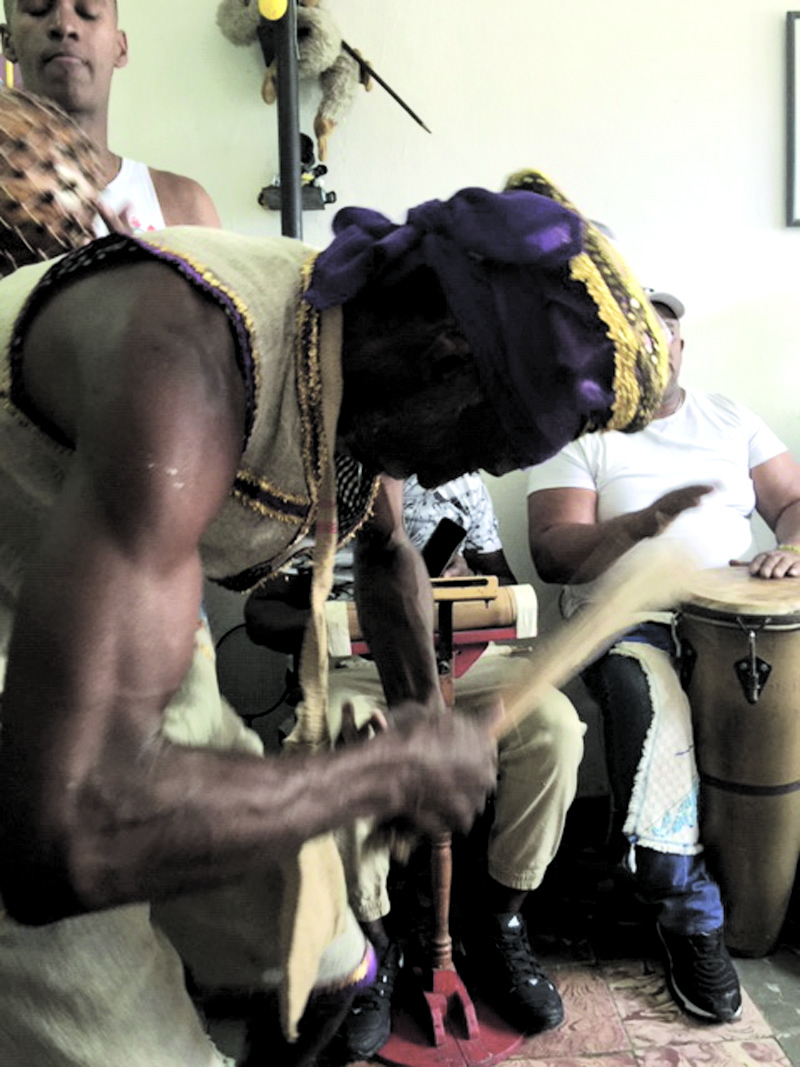
As the faithful of the Abrahamic traditions world over have been grappling with the impact of the COVID0-19 pandemic on their religious observances—Passover, Easter and Ramadan – so, too, have practitioners of African Traditional Religion.
The observances of ATR don’t depend as much on a fixed calendar although there are such. But for the most part, traditionalists heed the prognostications of their diviners who determine the outlook over a particular geographical area and/or faithful who may be far from home.
From Nigeria to the Caribbean to the Americas, an epidemic had been foretold.
African Americans apprehend the observances through two major avenues of tradition: that of the Cuban derivation, called Lucumi (derogatorily as Santeria) and Isese, of direct Nigerian tradition.
Both would agree that whatever is ordinarily done in this season has been superseded by the pandemic’s immediate threat of disease and death. For the Cubans, the ‘Letra del Ano” or reading of the year, a divination session conducted on Jan. 1, 2020, by luminaries in Cuba’s Ifa tradition is proving prescient, not just for Cuba but the world. Proliferacion de Epidemicas debido a la mala hygiene y la indiscipline social, it read. Proliferation of epidemics because of bad hygiene and failure of social discipline.
Fully six months earlier, at the beginning of the year for Nigeria, the diviners’ prediction from June 2, 2019, in the holy city of Ile Ife, also indicated that epidemics could happen because of bad hygiene.
In both Lucumi and Isese, adherents generally appeal to the forces of nature (water, wind, fire, earth and all in those domains) on the planet as spiritual beings endowed with consciousness.
Right now, they are petitioning Olodumare (almighty God, owner of the day) in general and Babaluaiye (Father of the Hot Earth) as well as the memory of their beloved ancestors.
Babaluaiye is the force of sickness, acknowledged for the power of devastation to humanity through disease. In Nigeria, he became associated with the hot earth because sickness came during the hot dry season. He is further associated with ancestors and the force of death because of the burials of the dead.
One of Babaluaiye’s apataki, or myths, is that when he was on the road, during that hot, dry season, people hid in their homes until he passed by. Where disease had overcome a village, survivors hid in the forests. In other words, social distancing.
Among the Lucumi in the United States, social distancing seems to be the order of the day. “This is having a big impact on us,” said Nelson Rodriguez, a renowned Oriate (master of ritual initiations) who lives on the seventh floor of a large apartment building in New York’s hot zone, the Bronx.
Normally he travels to California, Puerto Rico, Florida and Cuba to conduct initiations but he hasn’t left his house since the shelter-in-place order in March. In his late 60s, he’s diabetic and a former smoker, a virtual poster child of a pandemic victim.
He asked a friend to take his dog because he can’t risk walking him in his neighborhood where it is clear, looking on the crowds below his seventh floor balcony, that too many people are ignoring Gov. Andrew Cuomo’s directive.
Even when he is not traveling, Rodriguez is accustomed to attending drum ceremonies that typically involve 50 people or more and doing what ordinary priests do: one-on-one divinations and prayer sessions called misas.
Instead, he is conducting a course on divination for his students through Zoom.
Among Isese in the United States and in Africa, such strict adherence to social distancing doesn’t appear to be as rigid among practitioners, perhaps because a lot of their stateside leadership is in Georgia and South Carolina. Diviners are working hard, determining what prayers and offerings should be done at this time to both lessen the impact on human beings and to calm the Earth itself.
Debunking conspiracy theories, Araba Awodiran Agboola says “The virus originated in nature,” and is a response to violations of nature by human beings. “Nature is present to correct the behavior.”
Willie Ramos, Lucumi organizer of Oloshas United, a federation of priests and priestesses all over the United States, has called for a nationwide moratorium on rituals except in life-or-death situations and pre-burial rituals called Etutu. Not knowing how long the health crisis will last, he believes that adherents may have to figure some things out that may change ritual to accommodate the times we live in.
All members of the faith are wondering how this can be done given that rituals require in-person touch and presence. The HIV-AIDS crisis of the 1980s changed some ritual procedures but because COVID-19 transmits so easily much more care must be taken.
Lucumi practitioners in Philadelphia realize the dangers to themselves, but have started taking steps to make sure their brothers and sisters in the faith who pass away from the virus are properly buried.
And some Lucumi practitioners in Georgia with members flung across the country were advised to stand down on ritual at least until October.
Internet conversations among the faithful seem to agree that the pandemic is caused by violations to the Earth. Over the last 200 years, the exploitation of resources has been rampant with a visible impact on our ecosystem.
One comment circulating on Facebook reads that through the pandemic, ‘nature has sent us to our room’ for a time-out.
And perhaps that is a good thing.
Ifadunke Olayemi, who specializes in appeasement to the ancestors, says she is particularly attuned to water at this time. She uses a vessel of water to meditate and then pours it outside, especially at the roots of trees.
There are posts remarking on the return of wild animals to places where humans have become scarce: beaches, forests, even some paved roads.
The absence of cars has cleared polluted air in the skies in Los Angeles, New Delhi and, of course New York.
From his balcony, Rodriguez, a native of Puerto Rico, is doing something he never could before in his many years in the Bronx: take a deep, refreshing breath.



Activism
Oakland Post: Week of September 23 – 29, 2026
The printed Weekly Edition of the Oakland Post: Week of September 23 – 29, 2026

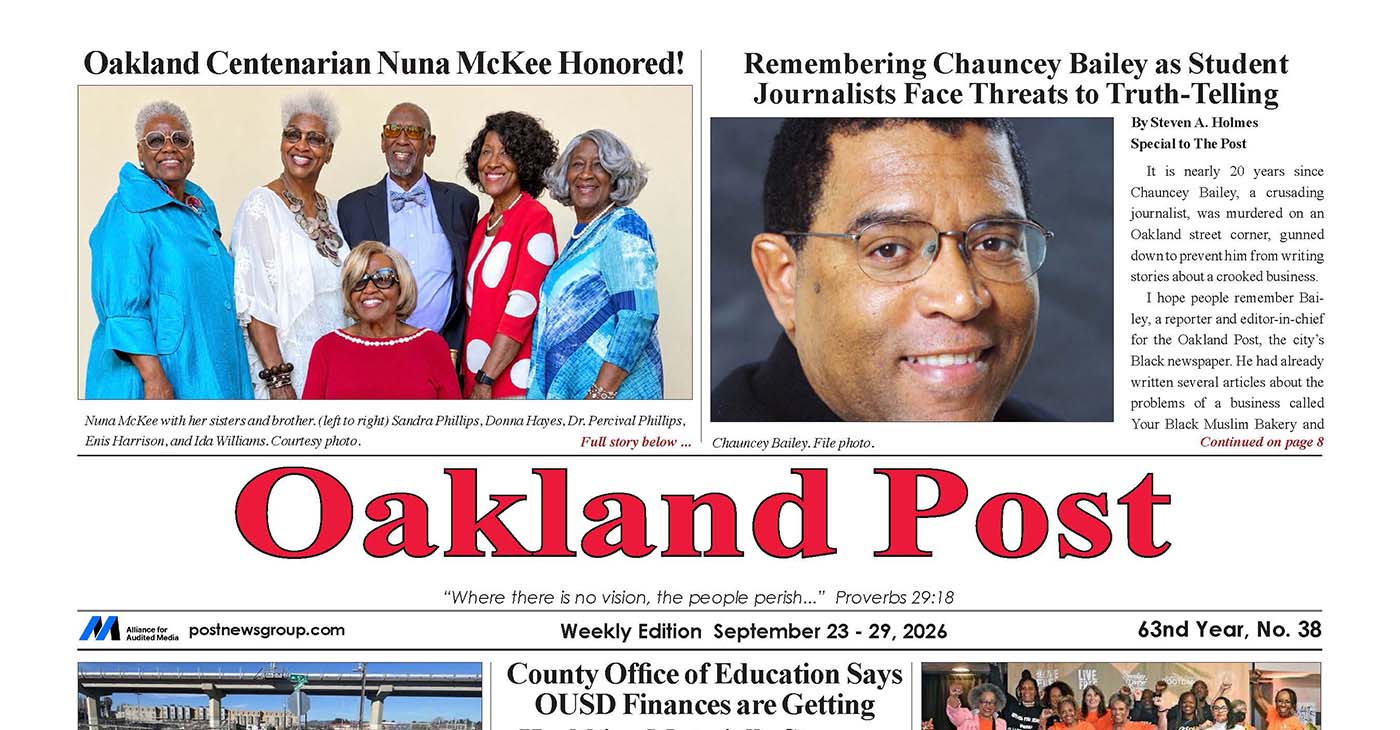
To enlarge your view of this issue, use the slider, magnifying glass icon or full page icon in the lower right corner of the browser window.

Activism
Oakland Post: Week of September 16 – 22, 2026
The printed Weekly Edition of the Oakland Post: Week of September 16 – 22, 2026
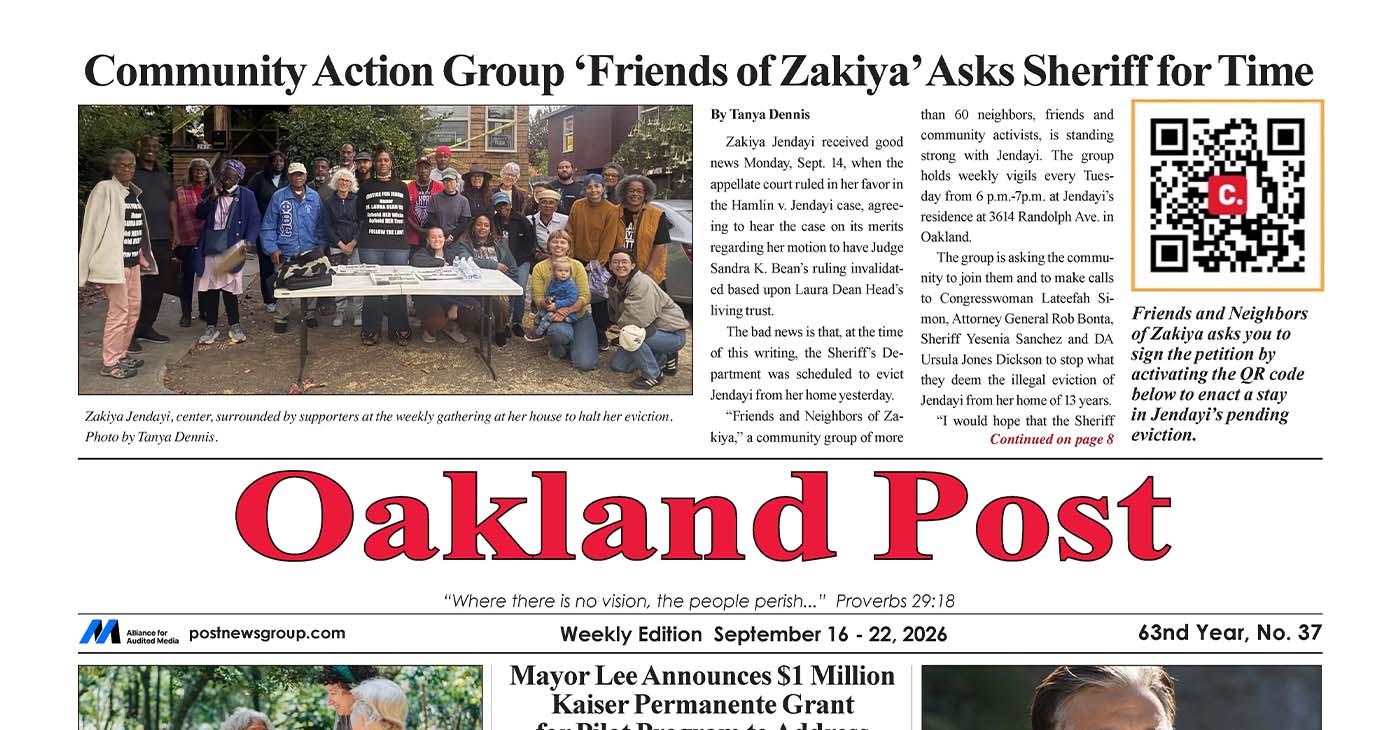
To enlarge your view of this issue, use the slider, magnifying glass icon or full page icon in the lower right corner of the browser window.
Activism
Oakland Post: Week of September 9 – 15, 2026
The printed Weekly Edition of the Oakland Post: Week of September 9 – 15, 2026
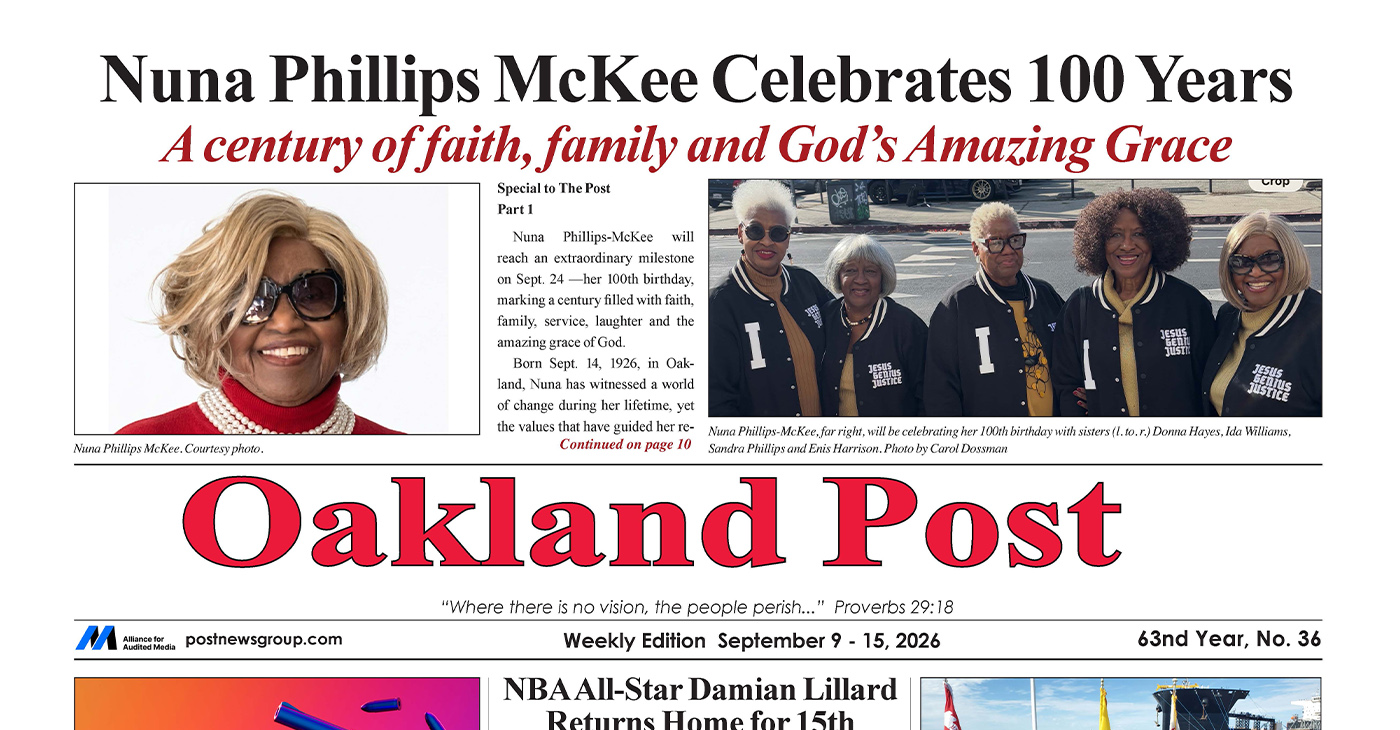
To enlarge your view of this issue, use the slider, magnifying glass icon or full page icon in the lower right corner of the browser window.


Asm. Corey Jackson Announces Launch of 24-Hour Childcare in His District

IN MEMORIAM: The Rev. Leon “Sonny” Clark, Longtime Orange County Pastor and Community Leader, Dies at 72

Poll: Becerra Widens His Lead Over Hilton; Californians Split on Wealth Tax

From Historic Memories to New Possibilities: Oakland Celebrates Coliseum 60

County Office of Education Says OUSD Finances Are Getting Healthier, Materially Stronger

LIVE FREE Sunday Dinner Brings Faith, Fellowship and Civic Conversation to Oakland

Remembering Chauncey Bailey as Student Journalists Face Threats to Truth-Telling

BLACspace Cooperative Invites Bay Area to Experience Oakland’s Black Cultural Ecosystem Through a BLAC Map Tour + Party

In Wake of Death on Doorstep, Williams Chapel Baptist Church Calls for Better Care, Funding for Unhoused

Oakland Centenarian Nuna McKee Honored!

Caribbean Nations Produce Action Plan Calling for UK Reparations Over Slavery

Oakland Post: Week of September 23 – 29, 2026

Doulas Are Helping Black California Moms Navigate Pregnancy–Even as High Mortality Rates Persist

Newsom Signs Addictive Social Media Law to Protect Kids

On Your November Ballot: Prop 38 Would Allocate $8.4 Billion to Immunology and Immunotherapy Funding

Standoff for Justice: Our Homes Are Worth Fighting For

Oakland Post: Week of August 26 – September 1, 2026

Frontier Airlines’ Return to Oakland Airport Brings Flights, Jobs and Opportunity

Gubernatorial Candidate Steve Hilton Blasts California New Tire Rules; Newsom Hits Back

Chef Sharon Lee Blends Culinary Excellence, Education and Empowerment

Jackie Wright Champions Bay Area Stories, Filmmakers and Cultural Institutions

Big City Mayors Ask for “Yes” Vote on Housing Bond Measure; Conservatives Say “No”

Oakland Coliseum Project Opens Door for Small Businesses to Build Bigger

Gov. Newsom’s Latest Appointees Include Sacramento Advocate for Formerly Incarcerated Students; State’s New Tech Chief

Misnamed ‘Parent’ PAC Seeks to Influence Oakland School Board Elections

Longtime BWOPA Member Brendalyn Goodall Appointed to California Workforce Development Board

Gov. Newsom Signs Law Shielding Immigration Aid Workers From Doxing Threats

Secretary of State Shirley N. Weber Urges Californians to Vote Early as Voter ID Battle Intensifies

From Palestine to Oakland: Seeds for Liberation Examines Shared Struggles for Freedom

IN MEMORIAM: Dolly Parton Dead at 80 — How She Built a Legacy of Love and Earned Her Place in Black Culture

The Conversation With Al McFarlane 6/23/26

Media Monday 6/22/26

LIVE! ASK ALMA! — TUES. 6.23.26 7PM EST

Car Buying Secrets: 4 Hidden Checks Before You Sign!

Is This 550 HP Charger Worth YOUR Money? AutoNetwork Review

Celebrating Juneteenth – Frederick Douglass on education and resistance

LIVE! — ASK ALMA! — TUES. 6.19.26 7PM EST

Hyundai Ioniq 5 Parking, Safety, and 360 View #shorts

2025 Ioniq 5 New Wiper & Powerful Performance! #shorts

Electric SUV Range: Is 259 Miles Enough? #shorts

EV Charging: How Fast Can You Charge an Electric Vehicle? #shorts

Biometric Cooling… Messaging Seats…Come on! 2025 Infiniti QX80 Autograph 4WD

Charged Up: Witness the Magic of a Fully Electric Car! #shorts

Range Rover Sport PHEV Included…: See What’s Inside This Luxury SUV! #shorts

Invisible Hood View: Perfect Parking with X-Ray Vision! #shorts
-
 Community2 weeks ago
Misnamed ‘Parent’ PAC Seeks to Influence Oakland School Board Elections
-

 Activism3 weeks ago
Oakland Post: Week of September 2 – 8, 2026
-

 Community2 weeks ago
Richmond Tiny House Village Farm & Garden Set to Open Gates on Sept. 26
-

 Black History2 weeks ago
Latest Massacre in Haiti Reveals Cruelty U.S. Deportations
-

 Black History2 weeks ago
OPINION: Nolan Wells’ Death One of Several Signifying Racial Terror Lives on in U.S. South
-

 Activism2 weeks ago
Oakland Post: Week of September 9 – 15, 2026
-

 Community2 weeks ago
Democratic Clubs Interview Candidates for Oakland School Board
-
 Featured2 weeks ago
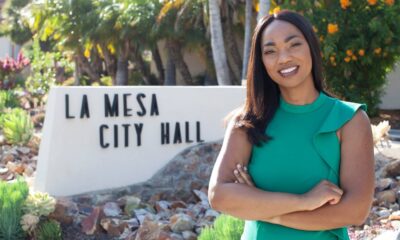
‘Ready to See These Bills Become Law’: Sen. Weber’s Package of 15 Bills Advance to Gov. Newsom’s Desk
