
Community
New Report Exposes Tax System’s Role in Widening Racial Wealth Gap, Calls for Urgent Reforms
NNPA NEWSWIRE — The message from Color of Change and Americans for Tax Fairness is clear: America’s tax system is broken, and without immediate reforms, the racial wealth gap will continue to widen. “Addressing the insidious racial preferences in our tax code is one of the most direct ways we can not only help Black communities grow here and now but for generations to come,” concludes Color of Change Managing Director Portia Allen-Kyle.


By Stacy M. Brown, NNPA Newswire Senior National Correspondent
@StacyBrownMedia
Color of Change, the nation’s largest online racial justice organization, and Americans for Tax Fairness released a damning report Thursday exposing the deep racial inequities entrenched in the U.S. tax system.
The issue brief “How Tax Fairness Can Promote Racial Equity,” written by Color of Change Managing Director Portia Allen-Kyle and Americans for Tax Fairness Executive Director David Kass, exposes the systemic flaws in tax policy that have widened the racial wealth gap and prevented economic mobility for Black, brown, and Indigenous communities.
The report urgently calls for sweeping reforms to stop the flow of tax benefits to the wealthiest Americans — who are overwhelmingly white — while offering concrete solutions to make the tax code work for everyone, not just the top 1%.
“An equitable tax system does two things,” Allen-Kyle asserted. “It narrows the racial wealth gap from the bottom up and spurs economic mobility for Black, brown, and Indigenous individuals and families. Our current tax code fails on both accounts. It’s a prime example of how so-called ‘colorblind’ systems actively prevent Black families from building generational wealth and economic security.”
Tax Code Deepens Racial Disparities, Experts Say

The brief pulls no punches in describing how current tax policies disproportionately benefit wealthy white families, further deepening racial inequalities. By giving preferential treatment to wealth over work, the system locks in economic advantages for white households while leaving communities of color to bear the brunt of these inequities.
“Our tax system is not only failing to address racial wealth inequality, it’s exacerbating it,” Kass warns in the report. “We privilege wealth over work, fail to adequately tax our richest households and corporations, and allow inherited fortunes to compound unchecked by taxation. This perpetuates a legacy of racial inequality.”
The racial wealth gap has exploded in recent years, with the median wealth gap between Black and white households jumping from $172,000 in 2019 to over $214,000 in 2022. Economic crises such as the Great Recession and the COVID-19 pandemic further entrenched these divides, benefiting the already wealthy, while leaving Black, brown and Indigenous communities further behind.
The Racial Wealth Gap and Homeownership
Homeownership, long touted as a primary means of building wealth in America, has failed to deliver for Black families. The report points to factors such as biased home appraisals and a regressive property tax system as key reasons why Black homeowners have been unable to accumulate wealth at the same rate as their white counterparts.
As the brief notes, with critical provisions of the Tax Cuts and Jobs Act (TCJA) set to expire, now is a pivotal moment for tax reform. “We have a once-in-a-generation opportunity to reform our tax system to address racial inequality,” the report states, comparing recent monumental legislation like the Bipartisan Infrastructure Law and the Inflation Reduction Act.
Three Key Reforms to Tackle Racial Inequity
The report lays out three central reforms aimed at curbing the wealth concentration among the ultra-rich and dismantling the racial inequities baked into the tax code:
- Taxing Wealth Fairly: The report calls for equalizing the tax rates on wealth and work. Currently, capital gains — profits from investments — are taxed at a far lower rate than wages earned by working people, a disparity that overwhelmingly benefits white households. The vast majority of capital gains income flows to white families, who comprise only two-thirds of taxpayers but receive 92% of the benefits from lower tax rates on investment income.
- Strengthening the Estate Tax: The estate tax, which is supposed to curb the accumulation of dynastic wealth, has been weakened over time, allowing large fortunes — primarily held by white families — to grow even larger across generations. The report calls for stronger enforcement of the estate tax to prevent the further entrenchment of wealth and power within a small, overwhelmingly white elite.
- Targeting Tax Deductions to Benefit Lower-Income Households: Deductions for mortgage interest, college savings, and retirement accounts disproportionately benefit wealthier, predominantly white households. In order to prevent lower-income and minority households from falling behind due to policies that are currently biased in favor of the wealthy, the brief advocates for restructuring these deductions.
Biden-Harris Administration and Senate Proposals for Change
Both the Biden-Harris administration and Senate Finance Committee Chairman Ron Wyden have proposed addressing the racial wealth gap.
The Billionaire Minimum Income Tax (BMIT) and the Billionaire Income Tax (BIT) would ensure that the wealthiest Americans — who often go years without paying taxes — contribute their fair share. These proposals would raise over $500 billion in revenue over the next decade, which could be reinvested in healthcare, education, and housing for communities of color.
As the report points out, our current tax system is skewed in favor of the ultrawealthy. It allows the rich to avoid paying taxes on the increased value of their investments unless they sell them. They often borrow against these growing fortunes, further delaying taxation, which allows white billionaires to accumulate vast wealth while paying a fraction of what working families pay in taxes.
Defending IRS Funding to Hold the Wealthy Accountable
The report also highlights the critical need to defend IRS funding, restored under the Inflation Reduction Act, which is essential for cracking down on wealthy tax cheats.
Contrary to Republican claims, this funding will not increase tax enforcement on households earning less than $400,000. Instead, it will improve customer service and expand the Direct File program, saving taxpayers significant time and money.
The Biden administration’s restored IRS funding is expected to raise an additional $100 billion over the next decade by ensuring the wealthiest Americans and corporations pay what they legally owe.
A Call for Urgent Action
The message from Color of Change and Americans for Tax Fairness is clear: America’s tax system is broken, and without immediate reforms, the racial wealth gap will continue to widen.
“Addressing the insidious racial preferences in our tax code is one of the most direct ways we can not only help Black communities grow here and now but for generations to come,” Allen-Kyle concludes.














Black History
Doulas Are Helping Black California Moms Navigate Pregnancy–Even as High Mortality Rates Persist
In California, Black women experience the highest pregnancy-related mortality rate — about four times greater than other women, according to statistics. From 2021 to 2023, the leading causes of pregnancy-related deaths included cardiovascular disease, COVID-19, hemorrhage, sepsis, amniotic fluid embolism, and pulmonary embolism.


After losing twins, Long Beach resident Cassandra Carter approached the birth of her daughter, Nyomi, last November with anxiety. She wanted support for herself and her husband, Adewole, that extended beyond routine medical care.
“Getting pregnant as a Black woman, I wanted a team around me that made me feel safe,” she said. “I know all about the mishaps that Black women experience.”
Carter, a therapist and self-described hippie, hired Yvette Perry, a doula and co-founder of Divine Birthing Services LLC in Lancaster. Perry helped Cassandra craft a detailed birth plan.
“I was worried about postpartum depression. Mrs. Yvette knows a lot about how postpartum affects men as well,” Carter explained.
Perry was present the day Nyomi was born. She held the baby when Carter or her husband needed a moment and even set up candles in the birthing suite.
“Whatever I needed for my comfort, she was there,” Carter said of Perry. “She was there as an advocate and voice. I had a really serene birthing experience because I had someone extra who wasn’t tied to me as my family.”

Perry, a doula for nearly six years, said preexisting conditions, poor communication and dismissive hospital care heighten health risks for Black mothers.
“Sometimes, Black mommies are not being heard. They don’t know they have rights. They don’t know they can say, ‘no,’” Perry explained. “Doulas empower them. We are there to educate them.”
Perry’s concerns reflect a broader public health crisis. According to the Centers for Disease Control and Prevention’s 2024 maternal mortality report, non-Hispanic Black women in the U.S. died from pregnancy-related causes at a rate of 44.8 deaths per 100,000 live births.
In California, Black women experience the highest pregnancy-related mortality rate — about four times greater than other women, according to statistics. From 2021 to 2023, the leading causes of pregnancy-related deaths included cardiovascular disease, COVID-19, hemorrhage, sepsis, amniotic fluid embolism, and pulmonary embolism.
The Centering Black Mothers in California report found that structural racism — including barriers to high-quality health care, and chronic stress— disproportionately harms Black women.
In a statement to California Black Media (CBM), the California Department of Public Health (CDPH) said maternal mortality disparities stem from multiple factors. The department said addressing structural racism, listening to Black women’s experiences and reducing provider bias are key to closing the gap.
California began covering doula care as a Medi-Cal benefit in 2023, providing eligible patients with support during pregnancy, childbirth and the postpartum period, according to CDPH.
Whitney Dotson of Inglewood wanted an expert on pregnancy, labor, and delivery to guide her and her husband, Anthony, through the birth of their son, Anthony III. So, she hired Perry for doula support.
“It’s always more comfortable when you can have a second opinion,” she said. “Knowing she was better versed in what the options were, made me more comfortable.”
Dotson, 39, had a healthy pregnancy but faced recommendations common for expectant mothers over 35. Her doctor advised inducing labor at 39 weeks, but she hoped to carry to full term.
“I wasn’t comfortable with that,” she admitted.
Perry provided Dotson with information about induction guidelines and alternatives, helping her understand her options and communicate her preferences.
Then, Dotson returned to her doctor.
“I said, ‘I don’t want to — and this is why,’” she recalled. “He agreed and pushed the induction date back a week.”
Perry also advised Anthony on how he could support his wife during and after the pregnancy and during Anthony III’s birth. She also reminded Dotson to change birthing positions — from her back to her hands and knees.
Before Saveneh Martinez became a doula with Fierce Advocates in Contra Costa County, she was a new mom, uneducated on aspects of birth, which led to her first child, Colton, being placed in a Neonatal Intensive Care Unit.
“I didn’t know my choices,” she said.
Martinez called it “lifesaving” for expecting moms to have a doula.
“It should be a medical right,” she said.
California Perinatal Quality Care Collaborative (CPQCC) Senior Associate Medical Director Kimberly D. Gregory said research suggests that doulas decrease the pre-term birth rate and the likelihood of a C-section.
“Having a doula is a proactive thing to do,” she said.
Efforts are being made across the state to reduce maternal deaths.
CDPH’s Title V Action Plan aims to reduce pregnancy-related deaths among Black birthing mothers from 49.7 to 42.3 per 100,000 live births by 2030 through improvements in patient-centered care, expanding community-based perinatal teams, and addressing the social factors that contribute to poor maternal health outcomes.
CDPH’s Black Infant Health (BIH) Program and Perinatal Equity Initiative (PEI) have already begun to make headway.
“BIH’s prenatal group model improves key intermediate outcomes for participants, including increased social support and empowerment, better stress management, reduced depressive symptoms and gains in health knowledge and behaviors such as safe sleep practices and reduced smoking,” the CDPH told CBM.
“PEI’s early implementation results show progress across several participant-reported areas, such as improved birth experiences, breastfeeding initiation, and coparenting skills among fathers and partners,” the CDPH statement continued.
Gregory said the California Pregnancy Associated Review Committee examines maternal deaths and develops guidelines to help hospitals improve care. One of its main recommendations focuses on how hospitals respond to hemorrhaging, a leading cause of pregnancy-related deaths.
Gregory said CMQCC also created standard clinic care practices for cardiovascular disease and sepsis, two more drivers of maternal mortality, but widespread implementation across the state is pending.
She noted that although there are 800 maternal deaths a year in the U.S., there are also 3.6 million births.
“Most people will do well,” she said. “But you should know about complications like preterm birth. You should know about complications like diabetes, preeclampsia and postpartum depression.”
Martinez said doulas help to make birthing the transformative experience that it is, instead of a routine clinical transaction.
“Being able to feel heard, seen, safe, respected, and just being able to create spaces for them to be held as well,” she said.
Supported by the California Health Care Foundation (CHCF), which works to ensure that people have access to the care they need, when they need it, at a price they can afford. Visit www.chcf.org to learn more.

Business
Newsom Signs Addictive Social Media Law to Protect Kids
Newsom said California’s approach focuses on the features that can encourage excessive social media use rather than taking the broader step of banning teenagers from the platforms altogether. He contrasted the measure with restrictions adopted in Australia and Malaysia that prevent teenagers from accessing social media or creating accounts.

Word Count: 391
Gov. Gavin Newsom has signed a new California law targeting addictive social media features that can keep children scrolling, giving the state new authority to restrict how platforms engage young users.
AB 1709, authored by Assemblymember Josh Lowenthal (D-Long Beach) prohibits social media companies from giving children under 16 access to personalized feeds, including “For You” pages, as well as other features designed to maximize screen time, such as infinite scrolling and video autoplay.
The law does not prevent children under 16 from using social media. Instead, platforms must deactivate the covered features for those users.
“This is about actually addressing the problem, the scrolling, the algorithms,” Newsom said Sept. 10 during a bill-signing event in the San Francisco Bay Area.
Newsom said California’s approach focuses on the features that can encourage excessive social media use rather than taking the broader step of banning teenagers from the platforms altogether. He contrasted the measure with restrictions adopted in Australia and Malaysia that prevent teenagers from accessing social media or creating accounts.
The law comes amid growing concerns about the impact of social media on children’s mental health and well-being. California lawmakers have increasingly focused on the design and business practices of technology platforms as part of efforts to protect young users.
AB 1709 is one of 13 youth online safety and privacy laws Newsom signed Sept.10. The package also includes measures regulating AI chatbots, increasing potential penalties for technology companies and establishing additional protections for children using digital services.
Lowenthal said the new rules represent a shift toward greater accountability for technology companies.
“We want oversight. We want accountability. We’re done asking nicely, and we’re demanding that there is a duty of care across these platforms — a duty that puts the wellness of our children ahead of profits,” Lowenthal said.
The law builds on California’s broader effort to regulate children’s online experiences. A separate law, AB 1043, will require users to provide their birth dates when setting up new phones or laptops beginning in January, with device manufacturers required to share users’ ages with apps.
Some youth online safety advocates have supported AB 1709 as a more targeted alternative to outright social media bans. Others have warned that the restrictions could make it harder for some LGBTQ+ young people to find support online and questioned how effectively age requirements can be enforced.
Community
Asm. Isaac Bryan’s Bill Banning California Police From ICE Side Jobs Reaches Newsom’s Desk
The legislation comes as ICE ramps up efforts to recruit law enforcement personnel under the Trump administration. Bryan said the federal agency is offering financial incentives to attract officers, raising concerns about the impact on local law enforcement agencies and the communities they serve.
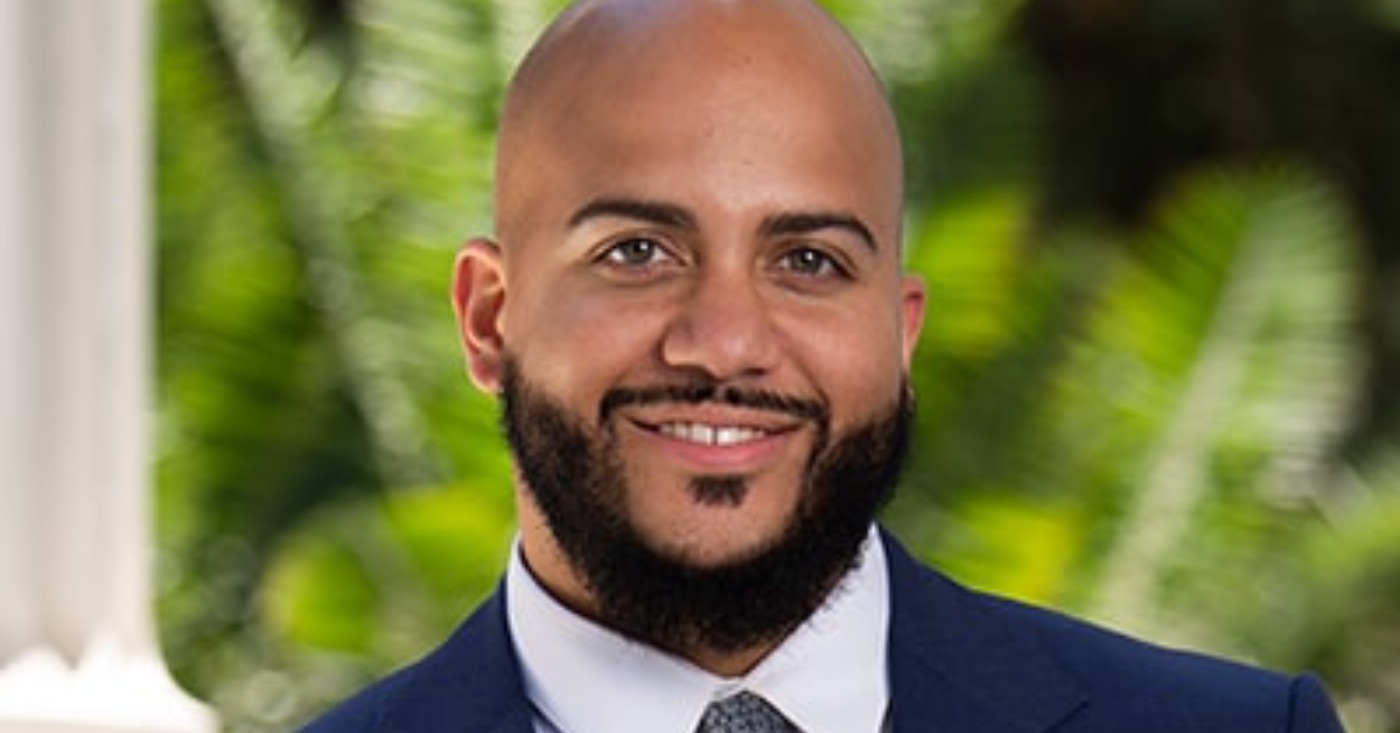
A bill by California Assemblymember Isaac Bryan (D-Ladera Heights) that would prevent state and local police officers from taking second jobs with federal immigration enforcement agencies is headed to Gov. Gavin Newsom after clearing the Legislature.
AB 1537 would bar California peace officers from accepting secondary employment related to immigration enforcement, including work with U.S. Immigration and Customs Enforcement (ICE). The measure also would require officers to report offers for immigration enforcement-related outside employment to their employing agencies.
The legislation comes as ICE ramps up efforts to recruit law enforcement personnel under the Trump administration. Bryan said the federal agency is offering financial incentives to attract officers, raising concerns about the impact on local law enforcement agencies and the communities they serve.
“They are trying to recruit our law enforcement personnel. They are offering these insane bonuses,” Bryan said.
Bryan said he is particularly concerned about efforts to recruit experienced law enforcement personnel while questions have been raised about ICE’s hiring standards.
“They want better skilled, better trained folks because their untrained and uneducated goons go through a very low threshold,” Bryan added.

The legislation would create consequences for California officers who violate its restrictions. Officers who fail to report offers of secondary employment related to immigration enforcement could face decertification as peace officers in California.
Bryan has framed the bill as a measure to establish boundaries between local law enforcement and federal immigration enforcement, particularly as immigration enforcement has become a major source of conflict between the Trump administration and California.
“This is a rogue agency that is harming the American people,” said Bryan. “It should be abolished, but in the meantime, we’ve got to do everything we can to put guardrails around our communities and protect our neighbors.”
AB 1537 previously received approval from the Assembly Public Safety Committee in March before advancing through the Legislature. The bill now awaits Newsom’s decision. The Governor can sign it into law, veto it or allow it to become law without his signature.



Doulas Are Helping Black California Moms Navigate Pregnancy–Even as High Mortality Rates Persist

Newsom Signs Addictive Social Media Law to Protect Kids

On Your November Ballot: Prop 38 Would Allocate $8.4 Billion to Immunology and Immunotherapy Funding

Ask California: Golden State Releases New AI Chatbot

Asm. Isaac Bryan’s Bill Banning California Police From ICE Side Jobs Reaches Newsom’s Desk

Assemblymember LaShae Sharp-Collins’s Bill Would Pause Law Enforcement’s Use of Shock Gloves Pending Study

BOOK REVIEW: ‘Laws of Solomon’ Reveals Tender Heart of Former Child Soldier

OPINION: The New American Fear – From 9-11 to AI

Passing for White, Fighting for Black America: The Courage of Walter White

Oakland People’s Arms Embargo Coalition Demands End to Military Shipments Thru Oakland

Barbara Lee Mourns Gloria Steinem, Remembers a Friendship Rooted in Equality

Event Preview: ‘Fashion v. Fascism’ – A Runway Revolution Is Coming to the Bay Area

Two Looming Threats Every Alameda County Elder Should Know About

Oakland Mayor Reads to Children at Bookout Block Party at Marcus Books Store

Tradition Comes to the Streets in 11th Annual Black-Eyed Pea Festival at the Freedom Farmers Market

Less Affluent School Districts, Including Sacramento City, Face Threat of State Takeover

ESSAY: California Can Close Its Colorectal Cancer Gap

California Hispanic Chambers of Commerce Unveils: ‘Powering the Future’ Theme for 47th Annual Statewide Convention

Four Candidates, Including Incumbent Barbara Lee, Qualify for Oakland Mayor’s Race

Oakland Post: Week of August 12 – 18, 2026

From Blueprint to Breakthrough: Tackling Affordable Housing in Oakland

Oakland Observes Black August with Block Parties, Film Showings, Workshops

COMMENTARY: Why Local School Tax Measure G1 Will Not Be on the November Ballot

Standoff for Justice: Our Homes Are Worth Fighting For

Returning to Its Roots, the Oakland Black-Eyed Pea Festival Partners with the Freedom Farmers Market Sept. 12

NPRC Scores First Advocacy Victory: David Shaw Finally Gets His Wish to ‘Go Home’

Oakland Post: Week of August 26 – September 1, 2026

Frontier Airlines’ Return to Oakland Airport Brings Flights, Jobs and Opportunity

Gubernatorial Candidate Steve Hilton Blasts California New Tire Rules; Newsom Hits Back

Chef Sharon Lee Blends Culinary Excellence, Education and Empowerment

The Conversation With Al McFarlane 6/23/26

Media Monday 6/22/26

LIVE! ASK ALMA! — TUES. 6.23.26 7PM EST

Car Buying Secrets: 4 Hidden Checks Before You Sign!

Is This 550 HP Charger Worth YOUR Money? AutoNetwork Review

Celebrating Juneteenth – Frederick Douglass on education and resistance

LIVE! — ASK ALMA! — TUES. 6.19.26 7PM EST

Hyundai Ioniq 5 Parking, Safety, and 360 View #shorts

2025 Ioniq 5 New Wiper & Powerful Performance! #shorts

Electric SUV Range: Is 259 Miles Enough? #shorts

EV Charging: How Fast Can You Charge an Electric Vehicle? #shorts

Biometric Cooling… Messaging Seats…Come on! 2025 Infiniti QX80 Autograph 4WD

Charged Up: Witness the Magic of a Fully Electric Car! #shorts

Range Rover Sport PHEV Included…: See What’s Inside This Luxury SUV! #shorts

Invisible Hood View: Perfect Parking with X-Ray Vision! #shorts
-
 Commentary4 weeks ago
Standoff for Justice: Our Homes Are Worth Fighting For
-
 Activism4 weeks ago
Oakland Post: Week of August 26 – September 1, 2026
-
 Business4 weeks ago
Frontier Airlines’ Return to Oakland Airport Brings Flights, Jobs and Opportunity
-
 Business4 weeks ago
Gubernatorial Candidate Steve Hilton Blasts California New Tire Rules; Newsom Hits Back
-
 Business4 weeks ago
Chef Sharon Lee Blends Culinary Excellence, Education and Empowerment
-

 Education4 weeks ago
Gov. Newsom’s Latest Appointees Include Sacramento Advocate for Formerly Incarcerated Students; State’s New Tech Chief
-

 Community4 weeks ago
Big City Mayors Ask for “Yes” Vote on Housing Bond Measure; Conservatives Say “No”
-

 Business4 weeks ago
Oakland Coliseum Project Opens Door for Small Businesses to Build Bigger
