
Arts and Culture
Malonga Center Supporters Say Market-Rate Project May Cripple Cultural Institution

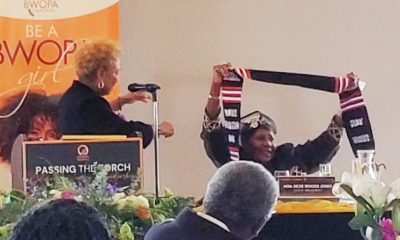
Nearly a month after City Council passed a resolution designating the 14th Street corridor in downtown Oakland as the Black Arts Movement Business District “to highlight, celebrate, preserve and support the contributions of Oakland’s Black artists and business owners,” one of the city’s main cultural institutions is being threatened by two proposals to build market-rate housing developments across the street.
The Malonga Casquelourd Center for the Arts, located at 14th and Alice St., has been a recognizable cultural institution in Oakland for over four decades and a central hub for communities of the African Diaspora.
The parking lots along 14th St., two of the only places where the Malonga Center’s patrons can park their cars when taking classes or attending cultural performances, are slated to be replaced by market-rate housing developments that will also mean the destruction of the iconic Alice Street Mural.
According to cultural activists and Malonga center neighbors, both of the development proposals were fast-tracked through the city’s Planning Commission and include no affordable housing units, no parking to replace the parking lots and little-to-no community benefits to offset the negative impacts on the Malonga Center.

Photo by Tulio Ospina
Carla Service, owner of Dance-A-Vision Entertainment and longtime resident of the Malonga Center, says the project and lack of parking will be detrimental to the cultural institution and its neighbors.
“It’s going to choke our businesses, and they are going to be crippled,” said Service. “Over here, these businesses are in dire straights, and the city should make sure it takes care of people that already exist in neighborhoods, especially if development is coming in.”
“The center is an international destination that draws visitors from across the region,” she said. “Some come from as far away as Hayward, Antioch, or Santa Rosa. Parking is already tight, and usually there are cars double-parked or people asleep in their cars waiting for a space to free up.”
Nearly 200 artists, cultural activists, drummers and Oakland students rallied Thursday in front of the Alice Street Mural and marched to City Hall to protest of the Planning Commission’s willingness to “fasttrack developments without negotiating an equitable portion of community benefits,” according to a press release by the Oakland Creative Neighborhoods Coalition (OCNC).
Organizers demanded that the decisions be overturned until the costs to replace the mural are completely financed and the ground floor of the developments become a parking garage dedicated to Malonga Arts Center staff and patrons.
They also want 15 to 28 percent of the units to be affordable to families earning less than $64,000 a year.
“The Malonga Theater is one of the cultural icons of the city, and people come from all over to see it,” said former-Mayor Jean Quan, who attended the rally.
“The city council has not really gone forward with suggestions from the Housing Equity Roadmap, and they really need to,” said Mayor Quan. “Otherwise, they’re going to be inconsistently fighting for equity space by space throughout Oakland, and we’re going to lose the diverse mix of the city.”
According to Eric Arnold, a member of OCNC’s steering committee, the two developments fly in the face of the city’s promise to support a Black Arts District.
Council President Lynette Gibson McElhaney did not respond to the Post’s questions regarding how the recent approval of the Black Arts District would help protect institutions like the Malonga Center.










#NNPA BlackPress
COMMENTARY: The National Protest Must Be Accompanied with Our Votes
Just as Trump is gathering election data like having the FBI take all the election data in Georgia from the 2020 election, so must we organize in preparation for the coming primary season to have the right people on ballots in each Republican district, so that we can regain control of the House of Representatives and by doing so, restore the separation of powers and balance that our democracy is being deprived of.
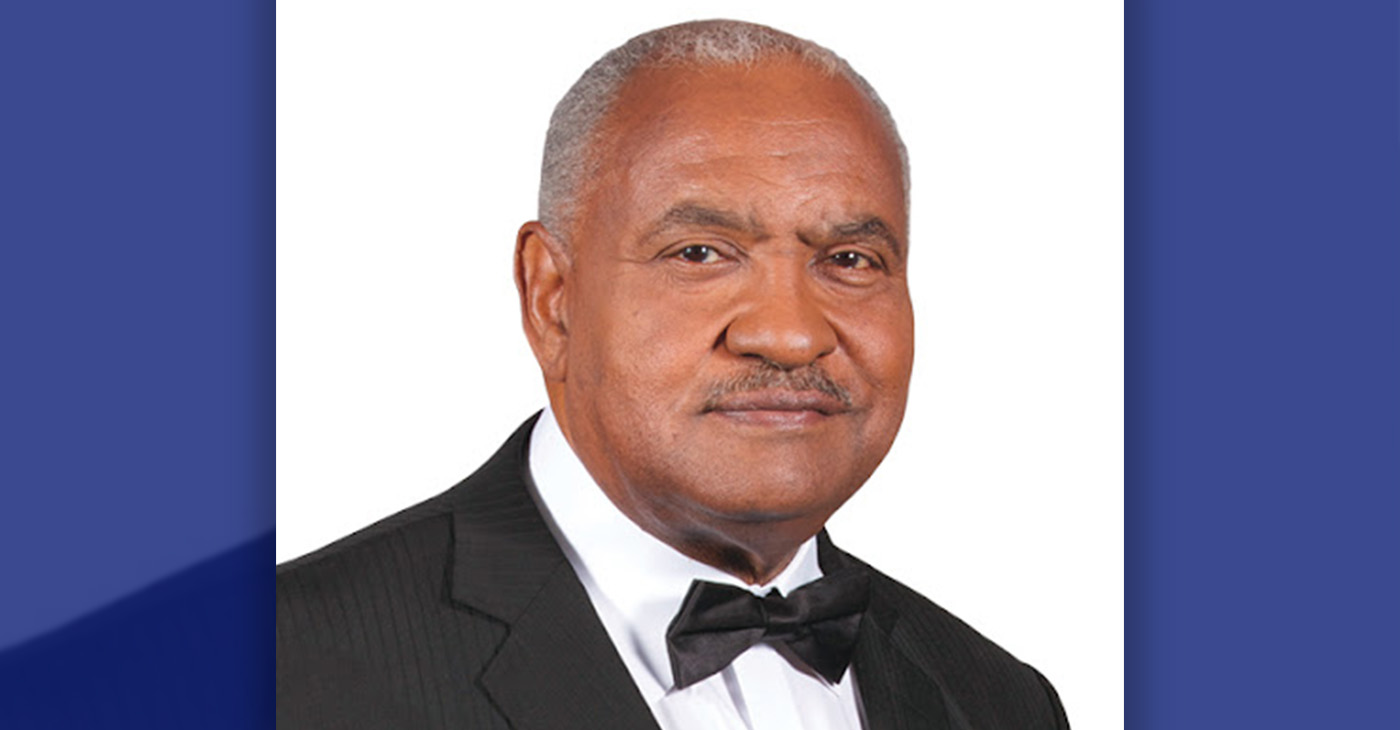
By Dr. John E. Warren, Publisher San Diego Voice & Viewpoint Newspaper
As thousands of Americans march every week in cities across this great nation, it must be remembered that the protest without the vote is of no concern to Donald Trump and his administration.
In every city, there is a personal connection to the U.S. Congress. In too many cases, the member of Congress representing the people of that city and the congressional district in which it sits, is a Republican. It is the Republicans who are giving silent support to the destructive actions of those persons like the U.S. Attorney General, the Director of Homeland Security, and the National Intelligence Director, who are carrying out the revenge campaign of the President rather than upholding the oath of office each of them took “to Defend The Constitution of the United States.”
Just as Trump is gathering election data like having the FBI take all the election data in Georgia from the 2020 election, so must we organize in preparation for the coming primary season to have the right people on ballots in each Republican district, so that we can regain control of the House of Representatives and by doing so, restore the separation of powers and balance that our democracy is being deprived of.
In California, the primary comes in June 2026. The congressional races must be a priority just as much as the local election of people has been so important in keeping ICE from acquiring facilities to build more prisons around the country.
“We the People” are winning this battle, even though it might not look like it. Each of us must get involved now, right where we are.
In this Black History month, it is important to remember that all we have accomplished in this nation has been “in spite of” and not “because of.” Frederick Douglas said, “Power concedes nothing without a struggle.”
Today, the struggle is to maintain our very institutions and history. Our strength in this struggle rests in our “collectiveness.” Our newspapers and journalists are at the greatest risk. We must not personally add to the attack by ignoring those who have been our very foundation, our Black press.
Are you spending your dollars this Black History Month with those who salute and honor contributions by supporting those who tell our stories? Remember that silence is the same as consent and support for the opposition. Where do you stand and where will your dollars go?
Activism
Dorothy Lee Bolden: Uniting Domestic Workers
Domestic work followed Bolden beyond high school. According to sources from the New York Times, Bolden said she would wake “at 4 a.m. to leave home by 6 a.m., and be on the job by 8 a.m., perform all those duties necessary to the proper management of a household for eight hours, leave there by 4 p.m. to be home by 6 p.m. where I would do the same things I’ve done all over again for my own family.”
By Tamara Shiloh
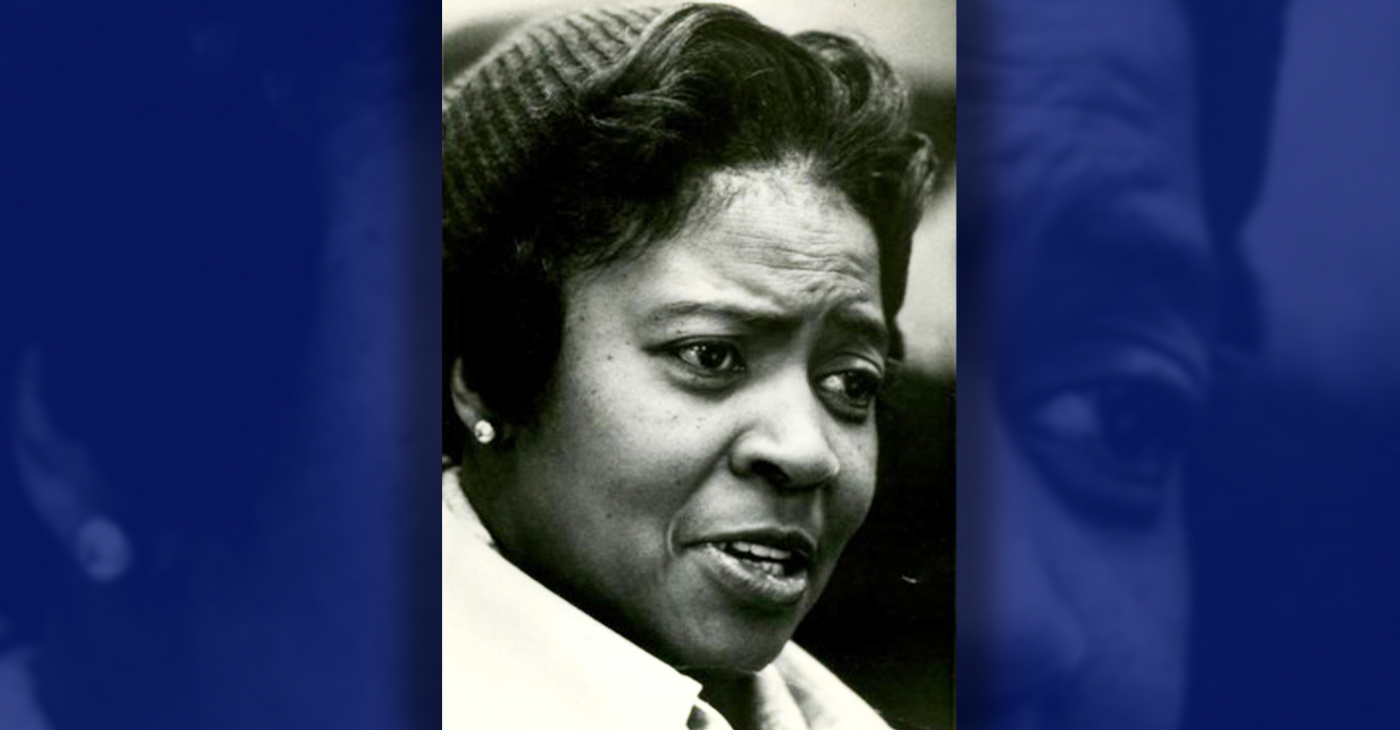
Her first experience with domestic work was at the age of nine. For $1.25 per week, Alabama-born Dorothy Lee Bolden (1923–2005), alongside her mother, washed soiled diapers for a White employer. Little did anyone know that this profession would spur Bolden to spearhead the movement for basic dignity and respect for generations of domestic workers.
Domestic work followed Bolden beyond high school. According to sources from the New York Times, Bolden said she would wake “at 4 a.m. to leave home by 6 a.m., and be on the job by 8 a.m., perform all those duties necessary to the proper management of a household for eight hours, leave there by 4 p.m. to be home by 6 p.m. where I would do the same things I’ve done all over again for my own family.”
It was Bolden’s experiences working as a domestic in 1940’s Atlanta that inspired her civil rights activism. A White female employer demanded that Bolden remain beyond her shift and wash dishes. Bolden refused. She was arrested and held in a county jail because “she was crazy.” There was no other reason for disobeying an order from a White person.
Bolden was never sentenced or institutionalized, but this event was the seed that grew into organization that would protect domestic workers across the United States: the National Domestic Workers Union of America.
Rosa Parks had made public transportation a major breeding ground for civil rights activism, so Bolden began organizing during the long bus rides her peers made to the wealthy neighborhoods. Many were fed up, working long hours for little pay, with little to no worker protections.
This organization of women would go on to fight for worker’s rights, create training programs, and teach workers to advocate for themselves. It was also important to Bolden to teach communication skills.
In the book Household Workers Unite, Bolden is quoted as saying: “You have to teach each maid how to negotiate… And this is the most important thing — communication. I would tell them it was up to them to communicate.”
But respect for Bolden’s activism was not shared by everyone. Although she consulted presidents Ford, Reagan, and Carter, she received several death threats from the Ku Klux Klan.
The New York Times reported that during the makings of an oral history project, Bolden said that “men claiming to be members of the KKK called her house and spoke about “whipping my behind,” but in coarser terms. “I told them any time they wanted to, come on over and grab it,” Bolden said during the interview. “It didn’t scare me, didn’t bother me. It made me angry. It made me determined to do what I had to do.”
Representative John Lewis of Georgia said that Bolden “spoke up, and she spoke out, and when she saw something that wasn’t fair, or just, or right, she would say something.”
The NDWU of America ran until the mid-1990s, but Bolden’s legacy lives on.
Arts and Culture
Book Review: Books on Black History and Black Life for Kids
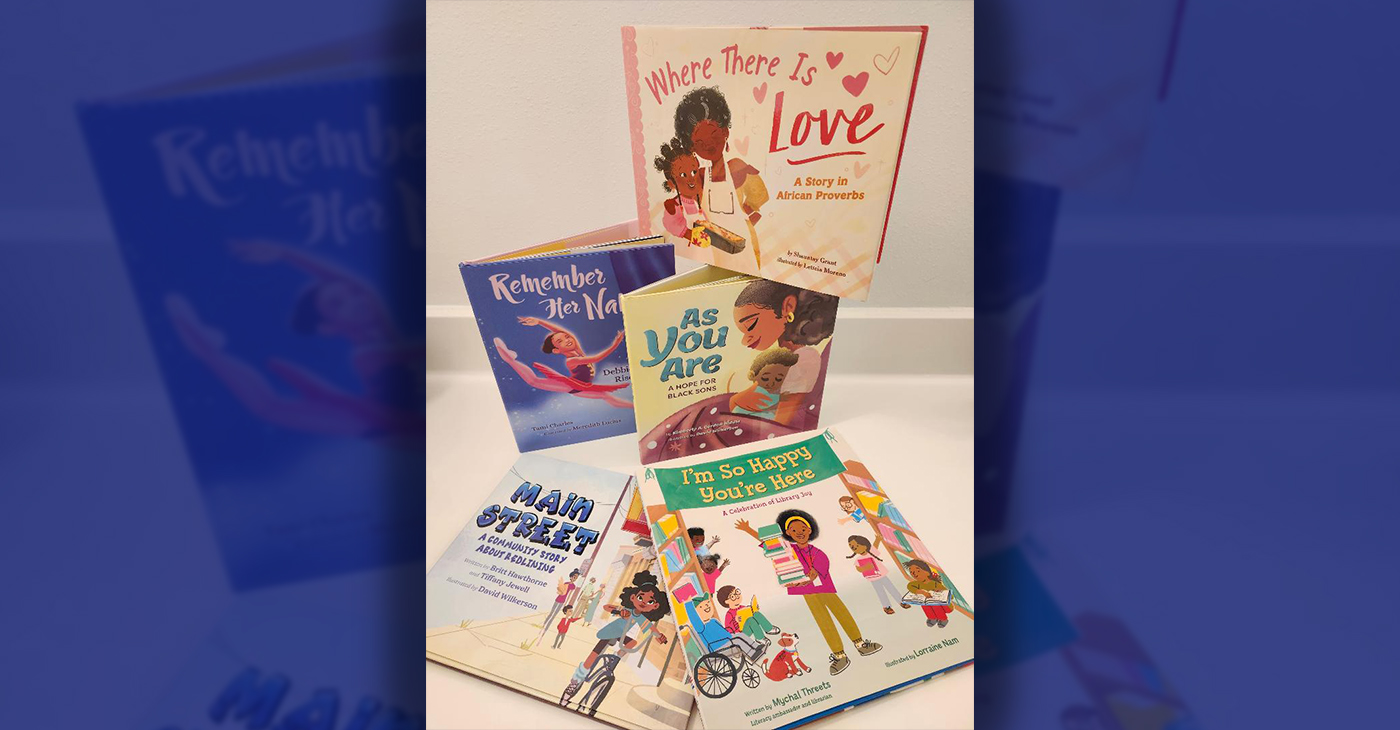
For the youngest reader, “As You Are: A Hope for Black Sons” by Kimberly A. Gordon Biddle, illustrated by David Wilkerson (Magination Press, $18.99) is a book for young Black boys and for their mothers. It’s a hope inside a prayer that the world treats a child gently, and it could make a great baby shower gift.
By Terri Schlichenmeyer
Authors: Various, Copyright: c. 2025, 2026, Publishers: Various, SRPs: $17.99-$18.99, Page Counts: Various,
Everybody in your family has stories to share.
Your parents have told you some, no doubt. Your grandparents have offered a few, too, and aunties and uncles have spun some good tales. But there’s so much more to know, so grab one of these great books and learn about Black History and Black life.
For the youngest reader, “As You Are: A Hope for Black Sons” by Kimberly A. Gordon Biddle, illustrated by David Wilkerson (Magination Press, $18.99) is a book for young Black boys and for their mothers. It’s a hope inside a prayer that the world treats a child gently, and it could make a great baby shower gift.
If someone said you couldn’t do something that you were clearly able to do, would you fight to do it anyhow? In the new book, “Remember Her Name! Debbie Allen’s Rise to Fame” by Tami Charles, illustrated by Meredith Lucius (Charlesbridge, $17.99), a young girl in the Jim Crow South is told that she can’t dance because of the color of her skin.
She didn’t listen, though, and neither did her mother, who took her daughter to Mexico, where the girl soared! This is an inspiration for any 5-to-7-year-old; be sure to check out the back-of-the-book information, if you’re an adult fan.

Do you often hear your elders say things that sound like lessons? They might be, so “Where There is Love: A Story of African Proverbs” by Shauntay Grant, illustrated by Leticia Moreno (Penguin Workshop, $18.99) is a book you’ll like. It’s a quick-to-read collection of short proverbs that you can say every day. Kids ages 4-to-6 will easily remember what they find in this book; again, look in the back for more information.
Surely, you love your neighborhood, which is why the tale inside “Main Street: A Community Story about Redlining” by Britt Hawthorne and Tiffany Jewell, illustrated by David Wilkerson (Penguin Kokila, $18.99) is a book for you.
Olivia’s neighborhood is having a block party, but she’s sad when no one shows up. That’s when she learns that “the government” is discriminating against the people and businesses near where she lives. So, what can she and her neighbors do? The answer might inspire 6-to-8-year-old kids to stand up to wrongs they see, and to help make their neighborhoods stronger and safer.
And finally, if a kid wants a book, where can they go to find it? In “I’m So Happy You’re Here: A Celebration of Library Joy” by Mychal Threets, illustrated by Lorraine Nam (Random House, $18.99) is a good introduction to the best of what a library has to offer. The freedom to walk into a library and borrow a book is the theme here, as is the sheer happiness of being welcomed, no matter who you are. This is an easy book for kids as young as two and as old as five to enjoy.
On that note, if you want more, head to that library, or a nearby bookstore. They’ll be glad to see you. They’ve got stories to share.

WORK FROM HOME
Home-based business with potential monthly income of $10K+ per month. A proven training system and website provided to maximize business effectiveness. Perfect job to earn side and primary income. Contact Lynne for more details: Lynne4npusa@gmail.com 800-334-0540


Oakland Post: Week of April 1 – 7, 2026

Black Artists in America, Installation Three Wraps at the Dixon Gallery and Gardens

Grief, Advocacy, and Education: A Counselor Reflects on Black Maternal Health

Future of Florida’s Black History Museum in Limbo

New Research Shows the Many Benefits of Early Learning

South Hampton K-8 Students Among Top 10 Finalists for Samsung’s ‘Solve for Tomorrow’ Competition

Cuba: No Negotiation with US on the President or Political System

Brooklyn Academy of Music Names Jamaican-Born Tamara McCaw as President

Trinidad & Tobego – U.S. Launches WhatsApp Channel for American Citizens in the Country

Oakland Post: Week of March 18 – 24, 2026

AI Innovation vs. Ethics and Environmental Impact

AI, Web3, and Digital Reparations

What If You Owned Your AI Agent?

Season 7, Episode 3 – January Reporter’s Roundtable 📱

Season 7, Episode 3 – January Reporter’s Roundtable

Reflecting on Black History Milestones in Birmingham AL

Oakland Post: Week of February 25 – March 3, 2026

PRESS ROOM: NBA Hall of Fame Nominee Terry Cummings Joins 100 Black Men of DeKalb County to Launch Victory & Values Initiative

Oakland Post: Week of March 4 – 10, 2026

Trump’s MAGA Allies are Creating Executive Order Plan to Steal the 2026 Midterms

U.S. manufacturing rebounds – how foundry services are adapting to rising demand

Poll Shows Support for Policies That Help Families Afford Child Care

OP-ED: One Hundred Years of Black Workers Telling the Truth

Oakland Post: Week of March 11 -17, 2026

Advancements in solar technology that are changing the way we power the world
Oakland Post: Week of March 18 – 24, 2026

Woman’s Search for Family’s Roots Leads to Ancestor John T. Ward – A Successful Entrepreneur and Conductor on the Underground Railroad

COMMENTARY: Women of Color Shape Our Past and Future

PRESS ROOM: Civil Rights TV Launches in Selma as the World’s First 24/7 Civil Rights Television Network

Financial Wellness and Mental Health: Managing Money Stress in College

Hyundai Ioniq 5 Parking, Safety, and 360 View #shorts

2025 Ioniq 5 New Wiper & Powerful Performance! #shorts

Electric SUV Range: Is 259 Miles Enough? #shorts

EV Charging: How Fast Can You Charge an Electric Vehicle? #shorts

Biometric Cooling… Messaging Seats…Come on! 2025 Infiniti QX80 Autograph 4WD

Charged Up: Witness the Magic of a Fully Electric Car! #shorts

Range Rover Sport PHEV Included…: See What’s Inside This Luxury SUV! #shorts

Invisible Hood View: Perfect Parking with X-Ray Vision! #shorts

AI Is Reshaping Black Healthcare: Promise, Peril, and the Push for Improved Results in California

ESSAY: Technology and Medicine, a Primary Care Point of View

Sanctuary Cities

The RESISTANCE – FREEDOM NOW

STATE OF THE PEOPLE: Freddie

ECONOMIC BOYCOTT DAY!!!!!

I told You So
-
 Activism3 weeks ago
Oakland Post: Week of March 11 -17, 2026
-
 Activism2 weeks ago
Oakland Post: Week of March 18 – 24, 2026
-
 #NNPA BlackPress4 weeks ago
Woman’s Search for Family’s Roots Leads to Ancestor John T. Ward – A Successful Entrepreneur and Conductor on the Underground Railroad
-
 #NNPA BlackPress4 weeks ago
COMMENTARY: Women of Color Shape Our Past and Future
-
 Advice3 weeks ago
Financial Wellness and Mental Health: Managing Money Stress in College
-

 #NNPA BlackPress4 weeks ago
Advocates Raise Alarm Over ICE Operation, MOU and Detention Risks in Baltimore County
-

 #NNPA BlackPress4 weeks ago
Pete Buttigieg to Join Mayor Randall Woodfin for Community Town Hall in Birmingham
-
 #NNPA BlackPress2 weeks ago
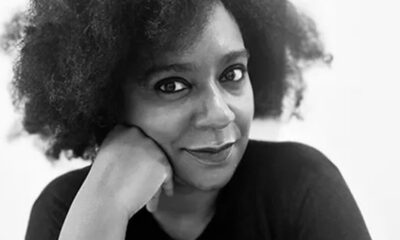
Brooklyn Academy of Music Names Jamaican-Born Tamara McCaw as President
