
Connect with us

Berkeley

Henry “Box” Brown Mailed Himself to Freedom

Published

on

Learning Black History Year Round

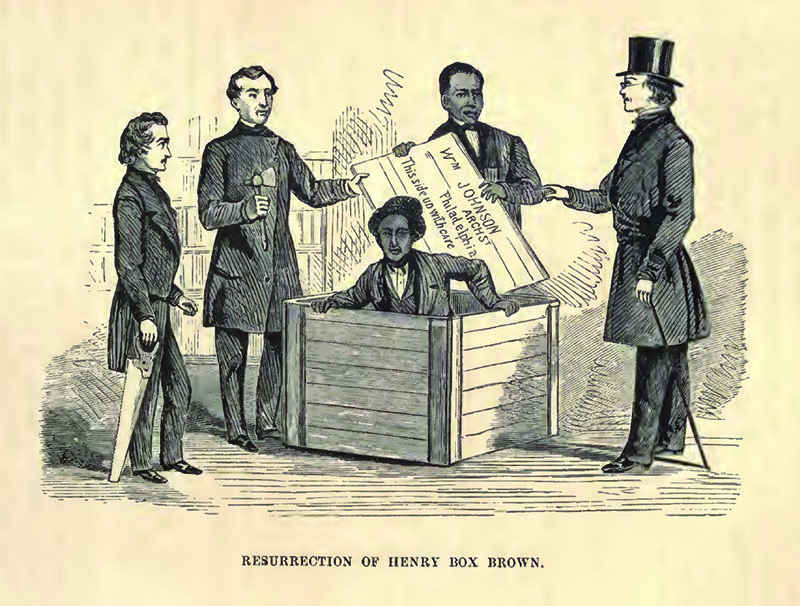
There are many stories told about extraordinary slave escapes. Without maps or compasses, many depended on quilts, songs, and even the North Star. But Henry “Box” Brown, using a wooden crate, shipped himself as cargo from Richmond, Va., to Philadelphia, Pa., where slavery had been abolished.

His ingenious escape would later become one of the best-known slave narratives in American history.

Brown was born enslaved in Louisa County, Virginia in 1815. At age 15, he was sent to Richmond to work in a tobacco factory. His life would take a tragic turn when his pregnant wife and three children were sold away from him. Devastated, he was determined to gain his freedom.

Brown, an active member of a local church, enlisted fellow parishioner James Smith and a white contact, Samuel Smith, to aid him in his escape. The contact in Philadelphia was another abolitionist and member of the Philadelphia Anti-Slavery Society.

Brown was shipped by Adams Express Company on March 23, 1849, in a box measuring 3 feet long, 2 feet 8 inches deep, and 2 feet wide marked Dry Goods. It was lined with baize, a coarse woolen cloth, carrying with him a small amount of water and a few biscuits. There was a hole cut for air; it was nailed and tied with straps, and in large letters, This Side Up was written on the side.

During the 27-hour journey, Brown traveled by wagons, railroads, steamboats, ferries, and finally in a delivery wagon that brought the box to the Philadelphia Anti-Slavery Society. However, during the travels, the box was turned upside down on several occasions and handled roughly. Brown said he sometimes felt his eyes swelling as if they would burst from their sockets; the veins on his were distended with pressure from the blood running to his head. He was finally relieved by two men who needed to sit and threw the box down to sit on it.

“I had risen, as it were, from the dead,” Brown wrote.

Brown arrived safely and soon began appearing at public antislavery events. He again showed his creativity in late 1849 when he hired artists and others to begin work on one of the first moving panoramas about slavery. (The moving panorama was an innovation on panoramic painting in the mid-19th century that became a popular form of entertainment in Europe and the U.S.)

In April 1850, his moving panorama “Mirror of Slavery” opened in Boston and was exhibited throughout the summer.

With the passing of the Fugitive Slave Act on August 30, 1850, it was no longer safe for him to remain in the Northern Free States, as he could be captured and returned to Virginia. He sailed to England in October 1850; his show performed throughout the country for the next 25 years.

Brown married and started a family with an English woman and returned to the United States in 1875, where he continued to earn a living as a magician, speaker, and hypnotist until at least 1889.

The last decade of his life was spent in Toronto, where he died on June 15, 1897.

Tamara Shiloh

Tamara Shiloh


About Tamara Shiloh


Tamara Shiloh has published the first two books in her historical fiction chapter book series, Just Imagine…What If There Were No Black People in the World is about African American inventors, scientists and other notable Black people in history. The two books are Jaxon’s Magical Adventure with Black Inventors and Scientists and Jaxon and Kevin’s Black History Trip Downtown. Tamara Shiloh has also written a book a picture book for Scholastic, Cameron Teaches Black History, that will be available in June, 2022.

Tamara Shiloh’s other writing experiences include: writing the Black History column for the Post Newspaper in the Bay area, Creator and Instruction of the black History Class for Educators a professional development class for teachers and her non-profit offers a free Black History literacy/STEM/Podcast class for kids 3d – 8th grade which also includes the Let’s Go Learn Reading and Essence and tutorial program.   She is also the owner of the Multicultural Bookstore and Gifts, in Richmond, California,

Previously in her early life she was the /Editor-in-Chief of Desert Diamonds Magazine, highlighting the accomplishments of minority women in Nevada; assisting with the creation, design and writing of a Los Angeles-based, herbal magazine entitled Herbal Essence; editorial contribution to Homes of Color; Editor-in-Chief of Black Insight Magazine, the first digital, interactive magazine for African Americans; profile creations for sports figures on the now defunct PublicFigure.com; newsletters for various businesses and organizations; and her own Las Vegas community newsletter, Tween Time News, a monthly publication highlighting music entertainment in the various venues of Las Vegas.

She is a member of:

  • Society of Children’s Book Writers and Illustrators (SCBWI)

  • Richmond Chamber of Commerce

  • Point Richmond Business Association

  • National Association of Professional Women (NAPW)

  • Independent Book Publishers Association (IPBA)

  • California Writers Club-Berkeley & Marin

  • Richmond CA Kiwanis

  • Richmond CA Rotary

  • Bay Area Girls Club


Tamara Shiloh, a native of Northern California, has two adult children, one grandson and four great-grand sons. She resides in Point Richmond, CA with her husband, Ernest.

www.multiculturalbookstore.com
About Tamara Shiloh

Tamara Shiloh has published the first two books in her historical fiction chapter book series, Just Imagine…What If There Were No Black People in the World is about African American inventors, scientists and other notable Black people in history. The two books are Jaxon’s Magical Adventure with Black Inventors and Scientists and Jaxon and Kevin’s Black History Trip Downtown. Tamara Shiloh has also written a book a picture book for Scholastic, Cameron Teaches Black History, that will be available in June, 2022. Tamara Shiloh’s other writing experiences include: writing the Black History column for the Post Newspaper in the Bay area, Creator and Instruction of the black History Class for Educators a professional development class for teachers and her non-profit offers a free Black History literacy/STEM/Podcast class for kids 3d – 8th grade which also includes the Let’s Go Learn Reading and Essence and tutorial program.   She is also the owner of the Multicultural Bookstore and Gifts, in Richmond, California, Previously in her early life she was the /Editor-in-Chief of Desert Diamonds Magazine, highlighting the accomplishments of minority women in Nevada; assisting with the creation, design and writing of a Los Angeles-based, herbal magazine entitled Herbal Essence; editorial contribution to Homes of Color; Editor-in-Chief of Black Insight Magazine, the first digital, interactive magazine for African Americans; profile creations for sports figures on the now defunct PublicFigure.com; newsletters for various businesses and organizations; and her own Las Vegas community newsletter, Tween Time News, a monthly publication highlighting music entertainment in the various venues of Las Vegas. She is a member of:
  • Society of Children’s Book Writers and Illustrators (SCBWI)
  • Richmond Chamber of Commerce
  • Point Richmond Business Association
  • National Association of Professional Women (NAPW)
  • Independent Book Publishers Association (IPBA)
  • California Writers Club-Berkeley & Marin
  • Richmond CA Kiwanis
  • Richmond CA Rotary
  • Bay Area Girls Club
Tamara Shiloh, a native of Northern California, has two adult children, one grandson and four great-grand sons. She resides in Point Richmond, CA with her husband, Ernest. www.multiculturalbookstore.com

Continue Reading
Click to comment

Leave a Reply

Your email address will not be published. Required fields are marked *

Arts and Culture

Farwest Region Deltas Celebrate Centennial With “September Breakfast” Honoring Vivian Osborne Marsh

The region was established in 1925 under the leadership of Vivian Osborne Marsh, who became its first Regional Director. Marsh was a pioneering scholar and civic leader, earning recognition as the first Black woman to receive both a bachelor’s and a master’s degree in anthropology from UC Berkeley.

Published

on

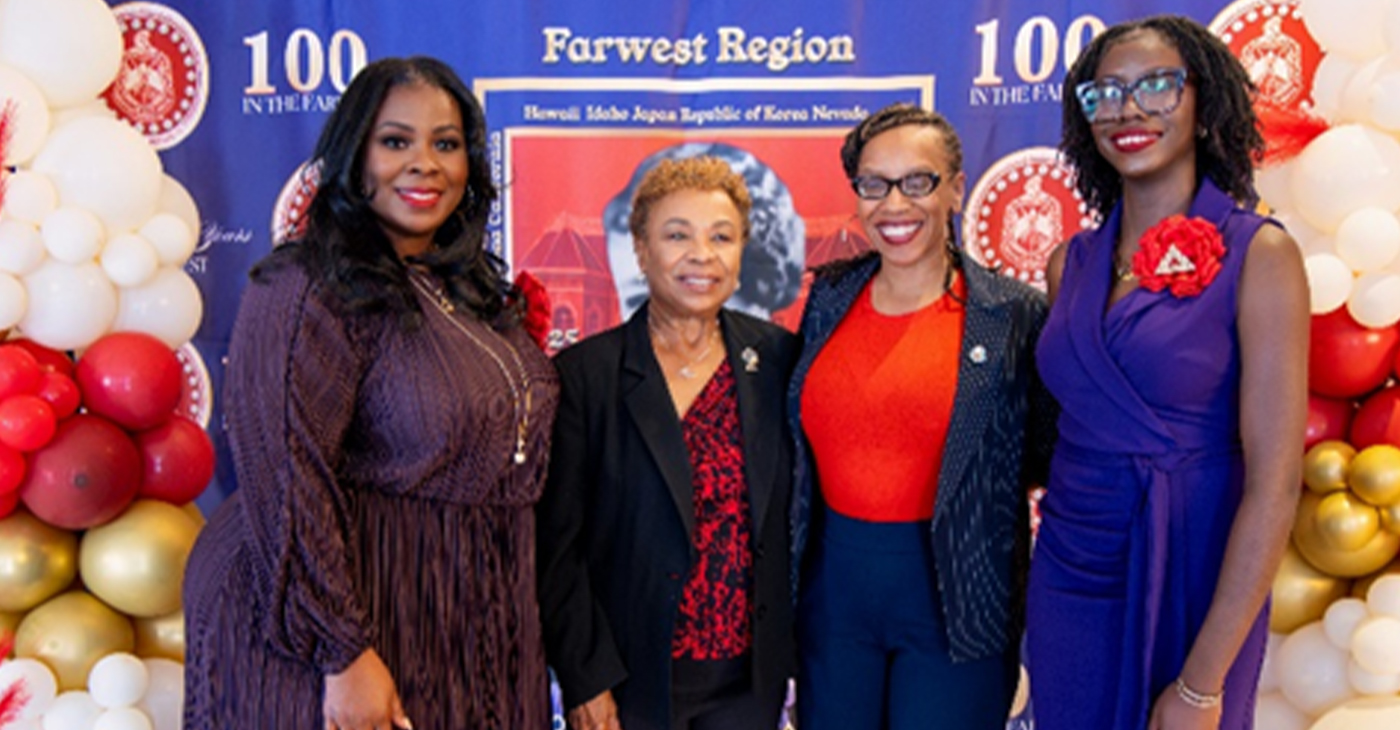
Farwest Regional Director, Kimberly Usher, Mayor Barbara Lee, US Representative Lateefah Simon, and Farwest Regional Representative, Radiya Ajibade. Photo courtesy of Farwest Regional Photographer Vicki P. Love.

By Antoinette Porter

Hundreds of members of Delta Sigma Theta Sorority, Inc., and their guests gathered at the Martin Luther King Jr. Student Union at the University of California, Berkeley, to mark the 100th anniversary of the sorority’s Farwest Region.

The region was established in 1925 under the leadership of Vivian Osborne Marsh, who became its first Regional Director. Marsh was a pioneering scholar and civic leader, earning recognition as the first Black woman to receive both a bachelor’s and a master’s degree in anthropology from UC Berkeley.

Marsh went on to serve as Delta Sigma Theta’s 7th National President, where she launched the sorority’s National Library Project to expand access to books in underserved Black communities in the South. During her presidency, the organization also became a prominent voice in the civil rights movement, lobbying Congress to pass anti-lynching legislation.

Bak in the Bay Area, Marsh devoted her career to advancing educational opportunities, mentoring young people, and strengthening community life. That commitment continues to shape the region, which supports initiatives in education, social justice, and economic development. Current projects include raising scholarship funds for students at Historically Black Colleges and Universities, voter education campaigns, and health and wellness programs.

A century after its founding, the Farwest Region of Delta Sigma Theta remains active across California and other western states, carrying forward Marsh’s vision of service and advocacy.

Continue Reading

Arts and Culture

Cal Performances Presents Angélique Kidjo & Yo-Yo Ma in Sarabande Africaine at UC Berkeley Greek Theatre on Aug. 30

On Saturday, Aug. 30, the pair will debut the Bay Area premiere of Sarabande Africaine, joined by pianist Thierry Vaton, percussionist David Donatien, and special guest Sinkane. The program illuminates centuries of musical interplay between African traditions and Western classical forms, using the Baroque sarabande dance, and its African ancestor, the Congolese spirit dance Zarabanda, as a gateway to exploring the deep, interconnected roots of global music. 

Published

on

Angelique Kidjo and Yo-Yo Ma. Wikimedia photos.

By Carla Thomas

On Labor Day weekend two of the world’s most celebrated musicians and cultural ambassadors, Grammy Award–winning vocalist Angélique Kidjo and legendary cellist Yo-Yo Ma join forces for an evening of music, history, and cultural dialogue at UC Berkeley’s historic Hearst Greek Theatre.

On Saturday, Aug. 30, the pair will debut the Bay Area premiere of Sarabande Africaine, joined by pianist Thierry Vaton, percussionist David Donatien, and special guest Sinkane. The program illuminates centuries of musical interplay between African traditions and Western classical forms, using the Baroque sarabande dance, and its African ancestor, the Congolese spirit dance Zarabanda, as a gateway to exploring the deep, interconnected roots of global music.

Both Kidjo and Ma have built careers not only as great performers but as passionate advocates for cultural understanding. Sarabande Africaine is as much a conversation about shared heritage as it is a musical performance, blending genres, geographies, and histories.

“Every day there are moments when all of us can feel we are on the inside of something and also when we feel we are on the outside of something,” said Yo-Yo Ma.  “To be able to understand both at the same time and oscillate between the two gives us a larger perspective on the world.”

“If your mind is open, and there is no fear, it’s easier to listen, and to question yourself,” said Kidjo.

The upcoming performance is presented within Cal Performances’ Illuminations: “Exile & Sanctuary” series for the 2025–26 season. The production explores exile as more than just physical displacement, but a disruption in identity and belonging, while sanctuary represents both refuge and the creative space where new connections and communities can take shape.

Cal Performances’ Illuminations bridges performances with UC Berkeley’s academic research, pairing the arts with conversations about urgent global issues.

Kidjo’s continued partnership with Cal Performances includes her 2021–22 artist-in-residence, premiering her music-theater work Yemandja, set in 19th-century West Africa during the transatlantic slave trade.

She also participated in the Bias in Our Algorithms and Society panel alongside campus leaders like Jennifer Chayes, and joined the Black Studies Collaboratory for a dialogue on music, diaspora, and the world.

She has since returned to Berkeley for multiple performances, most recently in 2024 at Zellerbach Hall.

Yo-Yo Ma’s history with Cal Performances spans decades, beginning in 1997. One notable project includes the 2018 performance of Bach’s complete cello suites at the Greek Theatre, a testament to his devotion to creating “transformative concert experiences in iconic spaces.”

For tickets and more information, visit calperformances.org.

Continue Reading

Activism

The Case Against Probate: False Ruling Invalidates Black Professor’s Estate Plan, Ignoring 28-Year Relationship

Zakiya Folami Jendayi, beneficiary of Head’s estate, states that “The errors, ranging from misstatements of fact, omissions of critical evidence, and reliance on false arguments and testimony, formed the basis of Judge Sandra K. Bean’s ruling against me, Dr. Head’s previous student, mentee, sorority sister and long-time friend,and despite the fact that I was her chosen, power of attorney, Advanced Healthcare Directive agent, trustee, executor and sole beneficiary.” 

Published

on

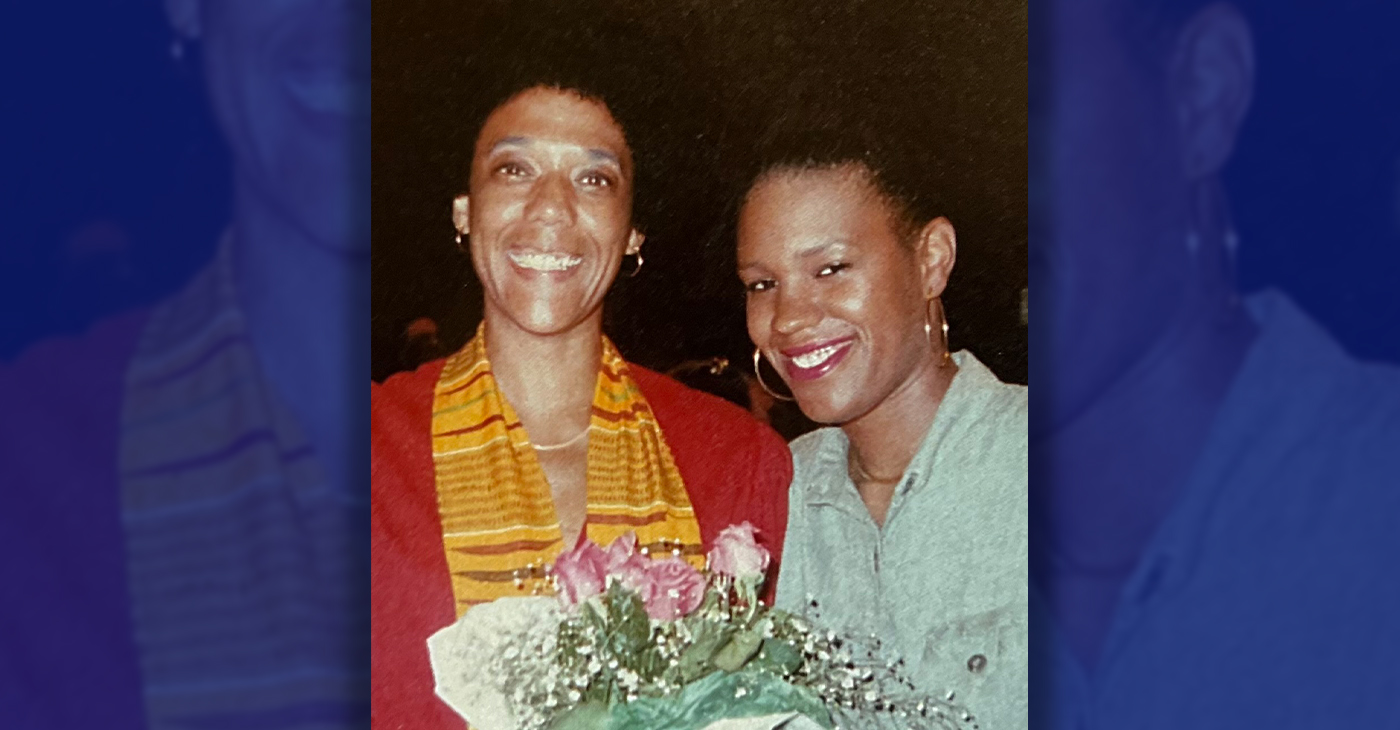
Dr. Head and Zakiya Jendayi, Their 28 year old friendship was ignored by Probate Court Judge Bean who ruled in favor of Dr. Head's estranged sister's. One sister could not identify Head, in a picture shown while under oath.

By Tanya Dennis

Part 5                         

In a shocking miscarriage of justice, a California probate judge issued a Statement of Decision on March 28 riddled with numerous documented errors that invalidated the estate plan of esteemed Black Studies professor Dr. Laura Dean Head.

The ruling from the Alameda County Superior Court’s probate division in Berkeley has sparked outrage from advocates for probate reform, community members and civil rights activists, who say the decision reflects deep flaws in the probate system, blatant disregard for due process, and the wishes of the ancestors. Judge Sandra Bean’s ruling reflects a repeated outcome seen in Black and Brown communities.

Zakiya Folami Jendayi, beneficiary of Head’s estate, states that “The errors, ranging from misstatements of fact, omissions of critical evidence, and reliance on false arguments and testimony, formed the basis of Judge Sandra K. Bean’s ruling against me, Dr. Head’s previous student, mentee, sorority sister and long-time friend,and despite the fact that I was her chosen, power of attorney, Advanced Healthcare Directive agent, trustee, executor and sole beneficiary.”

Reading court transcripts, the most egregious violations according to Jendayi reveal a pivotal point in the ruling that rested on a letter from Dr. Stephan Sarafian of Kaiser Permanente, who misidentified Dr. Head as male, misstated the day, month, and year, and asserted Head lacked capacity.

Under cross-examination, he reversed his opinion and admitted under oath that he never conducted a mental evaluation, did not diagnose Dr. Head with incapacity, did not write the letter, and stated he merely signed it “in case it was needed in the future.”

Despite Sarafian’s perjury, on Oct. 17, 2024, the California Court of Appeal upheld the lower court decision that relied on Sarafian’s discredited letter to invalidate Dr. Head’s estate plan, ignored Jendayi’s requests to impeach his testimony and dismiss Sarafian’s testimony and letter that both the Kaiser Grievance Department and the Medical Board of California denounced.

In her ruling, Judge Bean agreed with the false argument by attorney Leahy, which alleged that Jendayi provided the names of the beneficiaries to Head’s estate attorney, Elaine Lee. Bean made this decision despite Lee’s sworn testimony that Dr. Head had met with her alone, behind closed doors, and made the independent decision to leave her estate to Jendayi.

According to court records, Judge Bean reversed the burden of proof in the undue influence claim before any of Jendayi’s witnesses testified, forcing Jendayi to disprove allegations that were never substantiated by witnesses or records.

Bean ruled: “Respondent took Dr. Head to her apartment where she assumed complete control of Dr. Head’s day-to-day care, medical care, and all aspects of her life.” Jendayi proved that statement was false.

Bean also ruled that Respondent controlled Dr. Head’s necessities of life, food, and hospice care, despite zero testimony or documentation supporting any of those claims.

The court reduced Jendayi’s role to “a friend who, at best, cared for Dr. Head during the final two months,” totally ignoring 28 years of friendship, testimony, evidence, letters of recommendation, emails, and medical records.

Exhibits confirming Dr. Head’s intent and capacity, including the discredited medical letter, Exhibit 90, were omitted or misrepresented in the judge’s final decision.

Jendayi says, “The injustice within the probate justice system is devastating, traumatizing and financially depleting. It’s nothing short of legalized crime!”

Jendayi is now appealing to the Supreme Court of the U.S. with a petition citing denial of due process, judicial misconduct, and systemic bias in probate courts.

Continue Reading

Subscribe to receive news and updates from the Oakland Post

* indicates required

CHECK OUT THE LATEST ISSUE OF THE OAKLAND POST

ADVERTISEMENT

WORK FROM HOME

Home-based business with potential monthly income of $10K+ per month. A proven training system and website provided to maximize business effectiveness. Perfect job to earn side and primary income. Contact Lynne for more details: Lynne4npusa@gmail.com 800-334-0540

Facebook

Trending

Copyright ©2021 Post News Group, Inc. All Rights Reserved.