
#NNPA BlackPress
HEALTH MATTERS: Bone Davis brings global awareness to sickle cell disease
WAVE NEWSPAPERS — He made a name for himself as a keyboardist, playing rhythm and blues and jazz with a diverse group of music legends including B.B. King, Chick Corea, Les McCann, Con Funk Shun, Nancy Wilson, the Blasters, Poison, Wild Cherry and the Wu-Tang Clan, to name a few. Both of Davis’ parents had the trait. Davis was diagnosed with sickle cell anemia at birth.

By Marie Y. Lemelle
Since the age of 8, Bone Davis has spent his entire life as a musical performer.
“I learned to play the bass, keyboards and drums,” he said.
He made a name for himself as a keyboardist, playing rhythm and blues and jazz with a diverse group of music legends including B.B. King, Chick Corea, Les McCann, Con Funk Shun, Nancy Wilson, the Blasters, Poison, Wild Cherry and the Wu-Tang Clan, to name a few.
A native of Texas, Davis has an interesting family history full of heroes and legendary musicians. His late father, George Bolin, was a member of the original Tuskegee Airmen.
Davis also grew up with a family that was involved in the Motown sound.
“My cousin Robert White was the guitarist for the Funk Brothers, who were the session musicians for most of the Motown recordings,” Davis said. “My favorite genres of music are R&B, jazz, hip hop and blues.”
Throughout his life, however, Davis has suffered from horrendous pain.
“For as long as I can remember, pain was part of my life,” he said. “The pain was from sickle cell disease and anemia.”
Both of Davis’ parents had the trait. Davis was diagnosed with sickle cell anemia at birth.
“It runs in my family, including my grandson and other relatives [they] are affected by sickle cell,” he said.
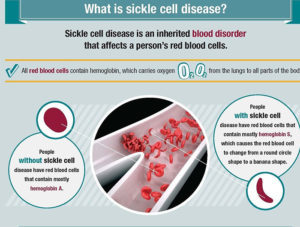
WebMD explains that with sickle cell disease, red blood cells don’t have their normal shape. Instead of a round shape, the cells are shaped like the letter C, a crescent or a sickle. They can’t carry oxygen to the body as well as they should. Too little oxygen can lead to symptoms like pain, shortness of breath, tiredness and infections.
Symptoms and signs can include abdominal swelling, fever, pale skin or nail beds, swelling in the feet and hands, and yellow tint to the skin and whites of the eyes.
Sickle cell disease can affect many different parts of the body including the spleen, lungs and brain.
Source: St. Jude.
Davis teamed up with Educational Awareness through Entertainment Association to heighten awareness of sickle cell anemia.
“I realized that my voice needed to be heard, especially because my peers in the entertainment industry are dying from it, like Rapper Prodigy, just last year,” Davis said. “Sickle cell anemia has always been promoted as a minority disease. It’s not. The public needs to know symptoms and alternative pain management methods.”
Sickle cell disease affects approximately 100,000 Americans. While the majority of the population who have it are African Americans, it is common among people from Africa, Asia, Europe, India, the Caribbean, the Middle East and the Mediterranean.
“Sickle cell disease can cause anemia, which means that you don’t have enough red blood cells to carry oxygen to your body,” Davis said. “I realized that most people don’t understand how sickle cell affects your body because you can’t see it.”
About one in 13 African-American babies is born with the sickle cell trait. About one in every 365 black children is born with sickle cell disease.

[/media-credit] Sickle cell disease is common among people from Africa, India, the Caribbean, the Middle East, and the Mediterranean. The high prevalence of the defective gene in these regions may be due to the fact that carriers of a mutation in the beta-subunit of haemoglobin are more resistant to malaria.
Pain episodes or crisis can occur without warning when sickle cell blocks blood flow and decreases oxygen delivery.
“The pain is sharp, intense, stabbing or throbbing,” Davis said.
When abnormally shaped sickle cells are stuck in arteries that feed the brain, they can block blood flow and cause a stroke.
A crisis can result due to illness, temperature changes, stress, dehydration and high altitudes. Quite often, a person does not know what causes the crisis.
Research studies found that the only way to cure sickle cell disease is with a stem cell or bone marrow transplant. This procedure is most often done in children under 16 who have had sickle cell complications like pain and strokes. Stem cell transplants aren’t done as often in adults because the risks increase as a person gets older.
Pain can strike almost anywhere in the body and in more than one spot at a time. The pain often occurs in the lower back, legs, arms, abdomen and chest. Sickle cell disease can injure blood vessels in the eye. Kidneys are sensitive to the effects of red blood cell sickling and there are a number of ways in which the liver may be injured in sickle cell disease.
People with sickle cell disease may also have trouble coping with pain and fatigue, as well as with frequent medical visits and hospitalizations.
Davis uses his entertainment platform to speak out, educate the public about sickle cell disease.
“There is hope living with sickle cell anemia with better understanding,” he said.
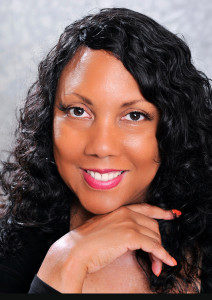
Marie Y. Lemelle, MBA, a public relations consultant, is the owner of Platinum Star PR and can be reached on Twitter @PlatinumStar or Instagram @PlatinumStarPR. Send “Health Matters” related questions to healthmatters@wavepublication.com and look for her column in The Wave.
RESOURCES:
Centers for Disease Control and Prevention – www.cdc.gov
Bone Davis – www.bonedavis.com
El Portal Theatre – www.elportaltheatre.com
Mayo Clinic – www.mayoclinic.org
National Heart, Lung and Blood Institutes- www.nhlbi.nih.gov
WebMD – www.webmd.com












#NNPA BlackPress
Youth-Led Black August Event Brings Past to Present at East Oakland Boxing Association
The mission of Youth Alive! Is to “break the cycle of violence, heal trauma, and uplift a thriving community of leaders, to save lives in Oakland and beyond” by serving “as mentors, youth leaders, counselors, case managers, intervention specialists and violence interrupters,” working “to help violently wounded people heal themselves and their community.”
The post The mission of Youth Alive! Is to “break the cycle of violence, heal trauma, and uplift a thriving community of leaders, to save lives in Oakland and beyond” by serving “as mentors, youth leaders, counselors, case managers, intervention specialists and violence interrupters,” working “to help violently wounded people heal themselves and their community.” appeared first on BlackPressUSA.
Youth-Led Black August Event Brings Past to Present at East Oakland Boxing Association
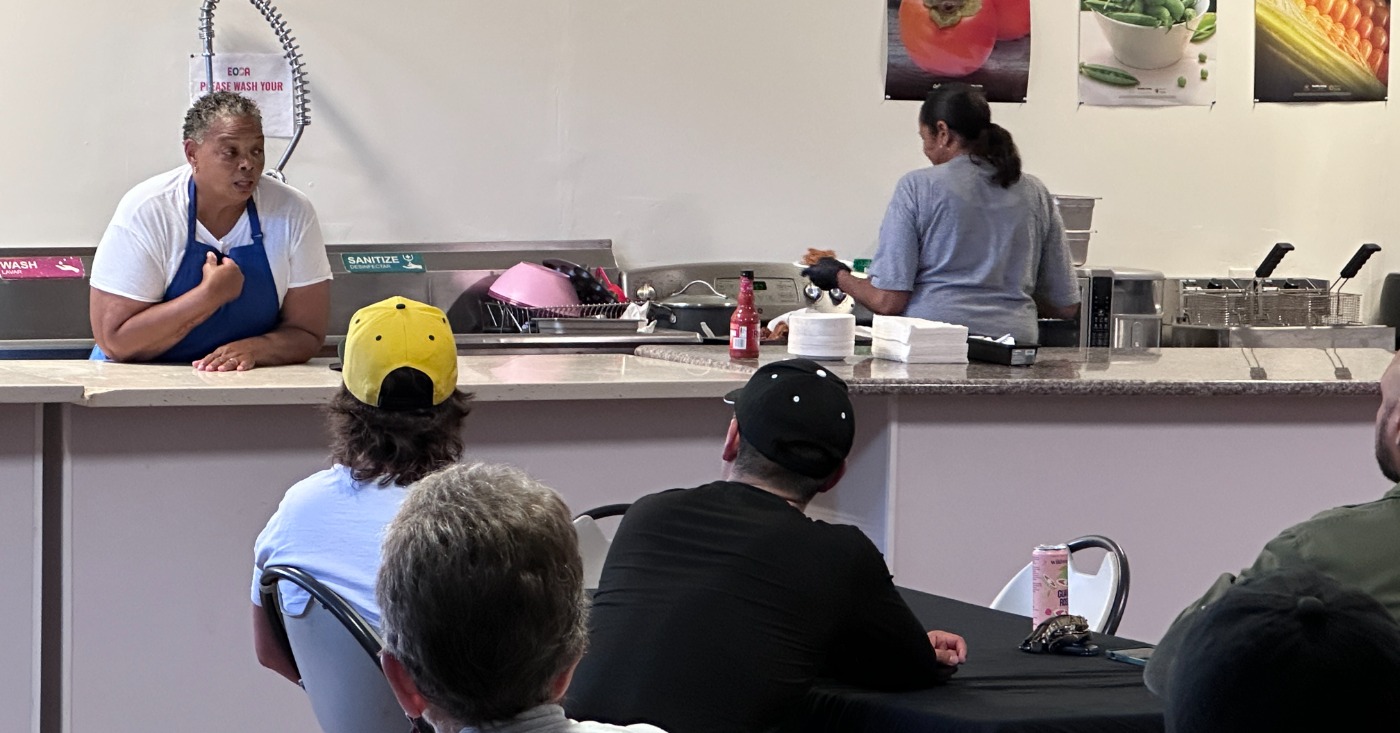
The East Oakland Boxing Association (EOBA) and Youth Alive! came together on Aug. 21 to share with their community all that Black August means to them.
Held on EOBA’s patio at 816 98th Ave. in Deep East Oakland, the two organizations hosted their second annual Black August Experience, featuring a food tasting, financial literacy and mindfulness workshops, and voter registration with the League of Women Voters Oakland (LWV).
Black August is known as a time to uphold the legacy of prisoners who protested their conditions by fasting, fighting, and educating themselves on the economic and political circumstances that contributed to their incarceration.
According to its website, “EOBA is a multi-service youth and community development hub that goes far beyond the ring. While rooted in the discipline of boxing, for nearly 40 years EOBA has also integrated robust programs in workforce development, food justice, afterschool enrichment, financial literacy, mentorship, and wellness.”.
The mission of Youth Alive! Is to “break the cycle of violence, heal trauma, and uplift a thriving community of leaders, to save lives in Oakland and beyond” by serving “as mentors, youth leaders, counselors, case managers, intervention specialists and violence interrupters,” working “to help violently wounded people heal themselves and their community.”
Through Coro California, another leadership organization serving young people across the state for 80 years, they gained a broader understanding of Black August.
EOBA Executive Director Dawna Williams spoke about how much she learned about Black August from the youth who created it. “I let them educate me,” she said. Instead of talking about prison reform and mass incarceration, Williams and youth interns found that Black August meant so much more. “We would have done a disservice if we had just focused on who the people were and what their situation was…We tried to take their message from back in the day and make it relevant to the young people today. What do they need to know?”
Youth interns created and placed posters around the patio to help participants understand how traditional Black foodways, civic engagement, financial literacy, and the power of education are relevant to Black resistance today.
An EOBA member described Black August with Youth ALIVE! as “a whole vibe. “This year we added the Fun Zone for the kids, because you really cannot go wrong with a Fun Zone. I also loved seeing everyone chillin’ in the outdoor lounge, catching some Vitamin D and just enjoying a Friday evening together.”
The food tasting, a popular event from last year, featured traditional Black foods such as black-eyed peas, johnny cakes, and fried chicken. Led by Williams, the tasting included a talk about how these traditional foods were made and why they are forms of Black resilience.
The “‘Plate of History’ was a favorite of the online writers. “Fun, educational, and did I mention delicious? Our Taste of History cook, Angela Southall, served up some good eats while connecting food to history and culture.”
The writer also commended the “League of Women Voters Oakland for their civic leadership and for getting our young people informed, ready, and registered to vote.”
Overall, it was a “good Friday event in East Oakland,” the writer said.
Upcoming Black August events: Building Opportunities for Self-Sufficiency (BOSS), will host “Black August: The Arc of Liberation” at Oakland City Hall on Sat. Aug. 29, from 11 a.m. to 3 p.m.
The websites for East Oakland Boxing Association, Youth Alive! and CORO are sources for this report.
Jana Lang is an Oakland resident, teacher, gardener and poet participating in the Propel News Initiative.
The post The mission of Youth Alive! Is to “break the cycle of violence, heal trauma, and uplift a thriving community of leaders, to save lives in Oakland and beyond” by serving “as mentors, youth leaders, counselors, case managers, intervention specialists and violence interrupters,” working “to help violently wounded people heal themselves and their community.” appeared first on BlackPressUSA.
#NNPA BlackPress
EV Home Charging Warning: What Dealerships Won’t Tell You! #shorts
Is your home EV charging setup ready? Dealerships may not warn you about critical outlet and circuit needs. Find out before you plug in!
The post EV Home Charging Warning: What Dealerships Won’t Tell You! #shorts appeared first on BlackPressUSA.

Dealerships won’t tell you: charging this big battery at home isn’t always simple. Verify your outlet capacity, circuit, and setup before assuming level one or basic outdoor outlets will suffice.
 Watch the full video: https://youtu.be/A9Cd2SspoaQ
#AutoNetwork
The post EV Home Charging Warning: What Dealerships Won’t Tell You! #shorts appeared first on BlackPressUSA.
#NNPA BlackPress
Car Buying Secrets: Dealership Traps & How to Avoid Them #shorts
Don’t get tricked at the dealership! Learn essential car buying secrets to secure the best deal and avoid hidden traps.
The post Car Buying Secrets: Dealership Traps & How to Avoid Them #shorts appeared first on BlackPressUSA.

Before stepping into a dealership, secure bank pre-approval for your financing rate. Then, get the out-the-door price in writing. Never discuss monthly payments until that number is fixed. Test road noise and rear visibility yourself. Decline add-ons with a simple ‘Not today’. Check backseat space with your tallest household member.
Watch the full video: https://youtu.be/maAOBjO1puY
#AutoNetwork
The post Car Buying Secrets: Dealership Traps & How to Avoid Them #shorts appeared first on BlackPressUSA.



Event Preview: ‘Fashion v. Fascism’ – A Runway Revolution Is Coming to the Bay Area

Port of Oakland, Army Corps Sign Historic Harbor Design Agreement

Democratic Clubs Interview Candidates for Oakland School Board

Nuna Phillips-McKee Celebrates 100 Years: ‘A Century of Faith, Family and God’s Amazing Grace!’

D.A. Ursula Jones Dickson: Terminix to Pay $3.15 Million Over Illegal Disposal of Pesticides, Customer Records

REPORT: Community Level Policy Is Impacting Homelessness and Drug Abuse in California

OPINION: AI Needs to Know Who Is the Boss
Goldi-Locs and Two (or Three) Bears in the Forest in California Hills

Election Watch 2026: 85% of Eligible Voters in California Are Registered

Don’t Let scammers Crash Your School Year

BOOK REVIEW — Curved Air: A Biography of Sickle Cell Anemia and the Quest to Cure the First Molecular Disease

California’s Legal Cannabis Market Hits $8 Billion as State Touts Progress on Fighting Drugs, Crime

Blacks and Latinos Clash Over LA’s Barrio Run; Mayor Karen Bass Calls for Dialogue Across Racial, Neighborhood Lines

Asm. Smallwood-Cuevas’s Bill Repealing ‘Racist’ CalWORKs ‘Man-in-the-House’ Rule Clears Legislature

Asm. Smallwood-Cuevas’s Bill Repealing ‘Racist’ CalWORKs ‘Man-in-the-House’ Rule Clears Legislature

Department of Homeland Security Demands California Secretary of State Shirley N. Weber Scrub Voter Rolls

“The Power to See Threats Sooner”: Gov. Newsom, Safety Officials Showcase California’s Investments in Hi-Tech Wildfire Prevention

California Sen. Padilla Joins Colleagues to Introduce Bill Imposing Term Limits on Supreme Court Justices

Less Affluent School Districts, Including Sacramento City, Face Threat of State Takeover

Car Wash Workers Cope with Lingering Impacts of ICE Raids

ESSAY: California Can Close Its Colorectal Cancer Gap

Oakland Post: Week of August 5 – 11, 2026

As Part of Your Back-to- School Checklist, Vaccinate

Oakland ‘Port Serves as a Powerful Engine for Good Jobs and Economic Development

Gov. Newsom Announces $109.6 Million in Funding for 278 Supportive Homes in Bakersfield, Contra Costa, Sacramento and Fresno

California Hispanic Chambers of Commerce Unveils: ‘Powering the Future’ Theme for 47th Annual Statewide Convention

Closing the Gap: What the Data and Frontline Experiences Reveal About Cancer in Black California

Congresswoman Simon Demands Investigation into Trump’s Abuse of Emergency Powers for Coal Export Terminal in West Oakland

Four Candidates, Including Incumbent Barbara Lee, Qualify for Oakland Mayor’s Race

Oakland Post: Week of August 12 – 18, 2026

The Conversation With Al McFarlane 6/23/26

Media Monday 6/22/26

LIVE! ASK ALMA! — TUES. 6.23.26 7PM EST

Car Buying Secrets: 4 Hidden Checks Before You Sign!

Is This 550 HP Charger Worth YOUR Money? AutoNetwork Review

Celebrating Juneteenth – Frederick Douglass on education and resistance

LIVE! — ASK ALMA! — TUES. 6.19.26 7PM EST

Hyundai Ioniq 5 Parking, Safety, and 360 View #shorts

2025 Ioniq 5 New Wiper & Powerful Performance! #shorts

Electric SUV Range: Is 259 Miles Enough? #shorts

EV Charging: How Fast Can You Charge an Electric Vehicle? #shorts

Biometric Cooling… Messaging Seats…Come on! 2025 Infiniti QX80 Autograph 4WD

Charged Up: Witness the Magic of a Fully Electric Car! #shorts

Range Rover Sport PHEV Included…: See What’s Inside This Luxury SUV! #shorts

Invisible Hood View: Perfect Parking with X-Ray Vision! #shorts
-

 Commentary3 weeks ago
Standoff for Justice: Our Homes Are Worth Fighting For
-

 Activism3 weeks ago
Oakland Post: Week of August 26 – September 1, 2026
-

 Business3 weeks ago
Gubernatorial Candidate Steve Hilton Blasts California New Tire Rules; Newsom Hits Back
-

 Business3 weeks ago
Frontier Airlines’ Return to Oakland Airport Brings Flights, Jobs and Opportunity
-

 Business3 weeks ago
Chef Sharon Lee Blends Culinary Excellence, Education and Empowerment
-

 Education3 weeks ago
Gov. Newsom’s Latest Appointees Include Sacramento Advocate for Formerly Incarcerated Students; State’s New Tech Chief
-

 Business3 weeks ago
Oakland Coliseum Project Opens Door for Small Businesses to Build Bigger
-

 Community3 weeks ago
Big City Mayors Ask for “Yes” Vote on Housing Bond Measure; Conservatives Say “No”
