
#NNPA BlackPress
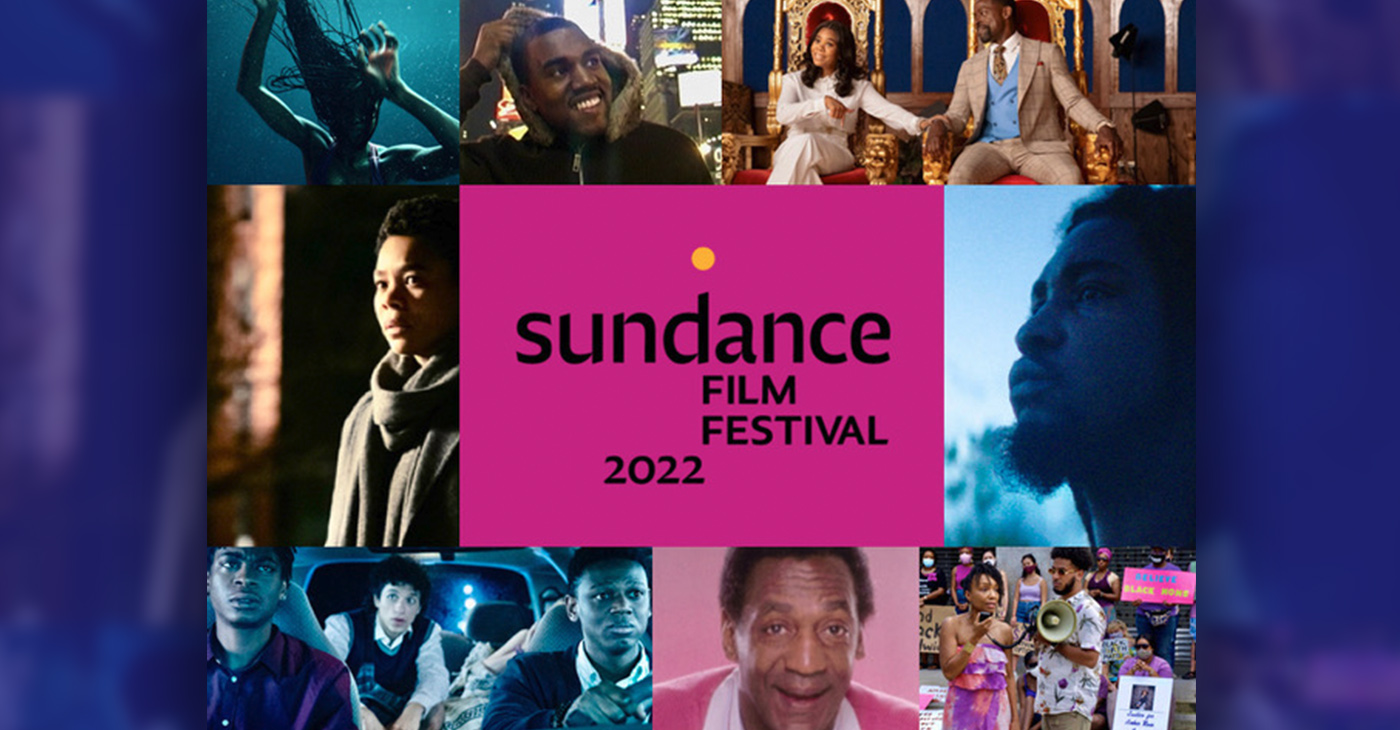
FILM REVIEW: Black Films Thrive at Sundance Film Festival 2022
NNPA NEWSWIRE — At the last minute, due to Omicron concerns, the 2022 Sundance Film Festival morphed from an in-person and virtual event to a purely digital experience. Thanks to streaming, Black filmmakers and Black films were on center stage all over the world. Check them out…
The post FILM REVIEW: Black Films Thrive at Sundance Film Festival 2022 first appeared on BlackPressUSA.

By Dwight Brown, NNPA Newswire Film Critic
At the last minute, due to Omicron concerns, the 2022 Sundance Film Festival morphed from an in-person and virtual event to a purely digital experience. Thanks to streaming, Black filmmakers and Black films were on center stage all over the world. Check them out…
Aftershock (***)

According to WHO, the U.S. ranks 60th on the list of countries with the lowest maternal mortality ratio. The Population Reference Bureau cites, “Black women are three times more likely to die in pregnancy postpartum than white women.” Directors Paula Eiselt and Tonya Lewis Lee’s illuminating documentary breaks down the contributing factors and possible solutions for maternal mortality in the aftermath of two specific women’s deaths. Shamony Gibson and Amber Rose Isaac both died after labor and a grassroots movement for birth justice and equity, in their honor, is heroically launched by Omari Maynard and Bruce McIntyre, the fathers of their children. The courageous dads, like shamans, guide you through the perils and needs for a change in obstetric care from pregnancy to births, to aftercare.

Systemic issues (hospitals profit more from risky, fast-buck C-Sections than slow vaginal births), disparities, root causes and communication errors are revealed. Notably a job once done by black slave midwives is now the domain of white male OB-GYNs. Watching the consciousness-raising support groups of widowed Black men is as inspiring as a thousand Million Man Marches. Very solid doc filmmaking instincts reflect an empowering movement born from painful experiences. The revolution in pre- and postnatal care for Black women will be Instagrammed, Twitted, Facebooked…
Descendant (***1/2)
A yearning for a definitive history is the driving force of this heart-warming doc. The Cotilda schooner was the last American slave ship to bring Africans to the U.S. The imprisoned captives from Benin arrived in Mobile Alabama in 1860. The Black descendants of that ship settled in Africatown, which has since been parceled away by public domain highway projects, a lumber yard and other businesses. Still the proud residents keep their history alive, orally, passing on info, names and dates to future generations who become historians and record keepers.
Director Margaret Brown captures the spiritual experiences of these chosen Alabamians. She films their interviews just as a white journalist and white owner of a mechanic’s shop decide to look for the ship that was burned by its owner Timothy Meaher and hidden in neighboring swamps.
Brown’s chronicling of this hunt and what it means to the heirs of the Cotilda’s last passengers is never obtrusive. Her style is reminiscent of the grassroots doc Something in the Water. Culture, history, reckoning and reparations all add a richness that makes the film emotionally compelling. Grainy footage of the ship’s last survivor Cudjo Lewis, as filmed by author Zora Neale Hurston in the 1930s, is as astounding to see as an heir of Meaher’s showing up for a ship discovery ceremony. These stalwart descendants of slavery save their culture and history. Their tenacity and courage prevail in a very illuminating way.
Emergency (**)
In Weekend at Bernie’s, three white guys tooled around with a dead body in a mildly funny one-joke movie. In this similarly premised college life satire, the laughs aren’t as easy. African American director Carey Williams and Mexican American screenwriter KD Davila’s spoof delves into the hazards of Black life at a predominately white school. Kunle (Donald Elise Watkins, The Underground Railroad) is a brilliant pre-med student. His loosely wired, vape-smoking buddy Sean (RJ Cyler, The Harder They Fall) is a devil-may-care pothead. They intend to go on a legendary party circuit bender, but before their first beer pong, they discover a drunk, unconscious white blonde (Maddie Nichols) on their living room floor. A Latino roommate Carlos (Sebastian Chacon) is oblivious. The trio tries get the cataleptic girl to safety, which takes them down a deep rabbit hole of mishaps.
What’s on view is a very shallow attempt at exploring racism that turns into nothing more than a trivial excuse for comic debauchery. The very young black hip-hop influenced dialogue is the film’s strongest element. Stagnant dialogue-heavy scenes thwart most good intentions. Watkins and Cyler exhibit a Harold and Kumar chemistry that would feel better in another movie. There’s just enough story and humor here for a SNL skit. Not much more. Trying to make serious points in a pointless film is a worthless endeavor.
Honk for Jesus. Save Your Soul (**)
“Where’s Tyler Perry when you need him?!” Pastor Lee Curtis Charles (Sterling K. Brown) and his wife Trinitie (Regina Hall) run a Southern megachurch named Wander to Greater Paths. The place is near empty. Why? Evidently a preacher man being caught up in a sex scandal drives congregations away. But the duo is charting a comeback, even if it requires standing at the side of a road with placards begging for parishioners and humiliating themselves while being filmed.
The Ebo twins (writer-director Adamma Ebo, producer Adanne Ebo) start with a promising parody that descends unto a two-character thud. The dearth of solid narrative and consistent comedy leaves Brown and Hall stranded. The twins frame shots well, but don’t know how to milk moments or sustain scenes with biting verbal or physical humor. Brother Brown’s interpretation of a clueless, smarmy minister is glorious (Can I get an amen?!). Sister Hall perfectly finds the nuances of the put-upon wife (Praise be.). Funniest scene is when they drive a Cadillac Esplanade singing to a rap song, cursing and screaming like gangstas. Pity the film runs out of gas. Madea would have known what to do. Looks low budget. Feels low rent. Jesus wept.
jeen-yuhs: A Kanye Trilogy (***)
Ten minutes into this lively documentation of 21-year-old Kanye West the unsettling contrasts between this hopeful, humble adolescent and his embittered and inflated persona these days is quite jarring. Chicago public access TV host Coodie chronicled West’s pilgrimage from Chicago to New York in the late ‘90s as he tried to transition from music producer to superstar rapper. Fuzzy-looking footage reveals all. Consider Coodie’s homage to be more like a home movie/travelogue with famous people (Damon Dash, Pharrell) than a typical doc. No video tricks. No gimmicks. No mounds of news footage, interviews etc. Just largely an unfiltered look at West fighting for a record deal at hop-hop’s holy grail, Roc-A-Fella Records.
The most touching scenes are West and his wise, nurturing schoolteacher mother who wants him to remain humble: “You can stand on the ground with your head in the air at the same time.” The most awkward scenes are watching Jay-Z, RR’s CEO, keep Kanye at bay: he wants the milk (West’s “jeen-yuhs” producing) but not the cow (Kanye as a rapper). The fly-on-the-wall filmmaking lets you cavort with family, friends, adversaries, mentors and hangers-on. Discovering West’s middle-class background explains his early brand of rap and its often-spiritual elements, which are evidenced in the making of his classic hit “Jesus Walks.” West, with no gangsta cred whatsoever, was on a mission: “I’m gonna bridge the gap to hip-hop.” And he did, with a verve and naiveté that was reflected on his smiling face. Luckily, Coodie documented the good old days, or no one would believe the 1990’s West and the 2022 Ye were the same people.
Master (*1/2)
If you’re going to examine racism through the prism of a horror movie, and exploit that social ill, you’d better have all your dead bodies lined up just right. This Get Out knockoff does not. Jasmine (Zoe Renee) is a first-year student at the nearly all white Ancaster College. Gail (Regina Hall) is the new dean of students, aka Master. Both experience the slights and mockery whites can put on token Blacks. In addition, Jas’s room is haunted. Cue the ghosts, creaky noises, weird nightmares and freaky images.
Mariama Diallo’s script and direction attempt to bait audiences’ attention with racist tropes (nooses, cross burnings, racial epithets). Cheapening those real-life traumas peaks in a scene when a rap song comes on at a nearly all-white dance party and white kids surround Jas chanting the “N” word lyrics at her. The constant repulsion without any redemption or payoff is an unforgivable buzz kill. Even through the misguidance, Hall’s presence shines like the North Star. Unoriginal. Derivative. Lackluster. If you’re going to mess with the horror movie genre recipe you have to do it with better ingredients. Diallo does not.
Nanny (**1/2)
African immigrant stories often possess an innate appeal. In this instance, Senegalese writer/director Nikyatu Jusu’s odd mixture of horror, thriller, romance and muddled family drama has the opposite effect. Aisha (Anna Diop), a twentysomething from Senegal, leaves her young son behind to find work in New York. A white couple (Michelle Monaghan and Morgan Spector) hires her to tend to their young daughter Rose (Rose Decker). The wealthy spouses are lax with pay, Aisha loses communication with her son and weird visions of a boy in rain haunt her.
Supernatural aspects and cryptic images have no context for 90 minutes of this 97-minute motion picture. Regardless of the iffy narrative choices, Jusu and cinematographer Rina Yang make a very attractive film that displays their excellent taste in staging, composition, angles, lighting, etc. Scenes look fresh and modern. The director also excels at depicting a love story between Aisha and an understanding doorman (Sinqua Walls, American Soul). Jusu shows great promise as a director. Even a genre-messy film can’t hide her talent.
We Need to Talk About Bill Cosby (***)
Really?! Is there some explosive secret about the shamed comedian that has yet to be revealed? Stand-up comic turned documentarian W. Kamau Bell thinks so. To make his case, he assembles an exhaustive array of talking heads (Roland Martin), comedians (Hannibal Buress), rape crisis counselors and even a journalist who investigates date rape drugs. Cosby’s well-publicized fall from ’60s TV pioneer (I, Spy), to 1980s/’90s quintessential all-American boob tube daddy (The Cosby Show), to convicted, imprisoned felon is meticulously charted. Victim after victim exposes his pattern of drugging, assaults and rapes. The black community’s initial ambivalent feelings are pondered. His hypocritical jabs at young black men while he’s molesting women are documented too.
Two hours of this in-your face negativity is more than enough. Four one-hour segments are overkill. Too many clips of Fat Albert. Too much faux indignation over stupid stuff like Cosby playing an obstetrician on The Cosby Show. The barrage of info will test your patience. Also, watching folks hypothesize as they sit on expensive leather coaches, dressed like fashionistas and lit like they’re in a fashion shoot is off-putting. But credit Bell for his inventive style. Incriminating words dance across the screen and victims are noted on a horizontal calendar that pinpoints Cosby’s crimes from the ‘60s, ‘70s, ‘80s and 90s. Plus, Bell’s insights into black culture, history and the TV industry are thorough and sometimes profound.
Indicting rapists like Cosby is fair game and newsworthy. But many viewers may wish the second two hours of this doc were spent teaching women how to beware of predatory situations, detect rapists, self-defense, report incidents and find supportive aide (e.g., rape crisis centers). We have talks with our sons about encounters with police. Why don’t we have talks with our daughters about dealing with people like him? Bell and this doc had a chance to be an advocate for rape victims and provide a public service. It’s a missed opportunity that would have given the series some depth.
There wouldn’t be a President Obama without a Bill Cosby. There wouldn’t be 60+ rape victims without a Bill Cosby. It’s an ugly paradox now captured on film.
For more information about the annual Sundance Film Festival go to: https://www.sundance.org/festivals/sundance-film-festival/about.
Visit NNPA News Wire Film Critic Dwight Brown at DwightBrownInk.com and BlackPressUSA.com.
The post FILM REVIEW: Black Films Thrive at Sundance Film Festival 2022 first appeared on BlackPressUSA.











#NNPA BlackPress
Smooth Ride! Car Suspension & Comfort Tested #shorts
Smooth suspension meets surprisingly spacious legroom. Experience true comfort on any road!

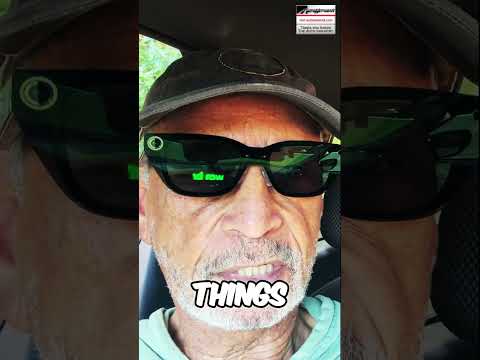
 Watch the full video: https://youtu.be/l9Z571za5Gc
#NNPA BlackPress
61 years since Selma, Houston leaders say the bridge remains to be crossed
61 years after Selma, Houston leaders say the fight for equality continues. The issues that sparked the marches still impact Black Americans today.
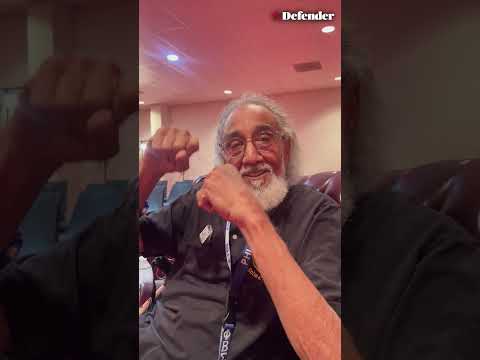
It has been 61 years since the Selma marches. But political leaders in Houston say that the issues protesters were marching for still plague the lives of Black Americans.
Visit Our Website
Read more stories by our team
https://defendernetwork.com/category/news/opinion/
Sign-up for the Top 5 newsletter
Donate/ Support Our Work

#NNPA BlackPress
Here is what you need to know about finding unique white elephant gift ideas that everyone wants to steal
The best white elephant gift ideas are funny enough to get a reaction but useful enough that people actually want to steal them. Look for gifts with a surprise factor, broad appeal, an inside joke, and just enough personality to spark some friendly competition. The wrapping paper comes off, the room goes quiet for half […]

The best white elephant gift ideas are funny enough to get a reaction but useful enough that people actually want to steal them. Look for gifts with a surprise factor, broad appeal, an inside joke, and just enough personality to spark some friendly competition.
The wrapping paper comes off, the room goes quiet for half a second, and suddenly everyone wants the same gift. That is the sweet spot. A great white elephant pick should make people laugh, lean in, and start plotting their next steal before the turn is even over.
Should a White Elephant Gift Be Funny or Useful?
A white elephant gift can be funny or useful, but the strongest choices usually give people a reason to laugh and a reason to keep the item. A practical gift with an odd design, unexpected feature, or playful theme can get a reaction without becoming something the recipient immediately wants to give away.
The right balance depends on the group. Close friends and family members may enjoy a ridiculous gag gift because they already understand one another’s sense of humor.

A workplace exchange, neighborhood party, or mixed-age gathering usually calls for something with broader appeal. In those settings, humor works better when it is built into an item people could still use afterward.
It also helps to think about how quickly the gift will make sense once it is opened. A strangely shaped kitchen tool, oversized mug, quirky desk accessory, or unexpectedly fancy everyday item can create an immediate reaction. Guests understand the joke right away, while the item still has enough practical value to attract a steal.
Pure gag gifts can be harder to pull off. Something that exists only for the punchline may get a big laugh during the reveal and then sit untouched for the rest of the game. If the goal is to bring one of the gifts everyone keeps fighting over, usefulness gives the joke staying power.
Memorable Present Ideas: Creating Inside Joke Gifts
Inside joke gifts can make a white elephant exchange feel much more personal, especially when most of the group shares the same stories. The trick is choosing a reference that people will recognize quickly instead of building the entire joke around something only two guests understand.
You can turn a memorable vacation mishap, office catchphrase, family story, or long-running group joke into the theme of the gift. A personalized comic book can work especially well when it turns familiar people or a ridiculous shared moment into part of the story.
Think carefully about who the joke involves before ordering anything permanent. The gift should make the person feel included in the fun, not singled out for the wrong reason.
Can You Bring Something You Already Own?
Holiday gift exchanges can be a good place to re-gift something you never used, especially if it is unopened and clean.
The following can all work if they still look presentable:
- A duplicate kitchen gadget
- An untouched game
- A decorative item
- A sealed gift set
- An unopened candle
- A new travel accessory
The goal is to give the item a second chance, not use the exchange as an excuse to clear out damaged or unwanted clutter.
Take a close look at the packaging before wrapping it. Faded boxes, missing pieces, visible wear, or anything that looks obviously used can make the gift feel careless.
Wrapping Budget-Friendly Gifts
Wrapping can make gifts more entertaining before anyone even knows what’s inside.
Misdirection works especially well for fun party games. Put a small gift inside a much larger box. Use packaging from an unrelated household item.
Add harmless weight so guests cannot guess what they are holding. The reveal becomes part of the joke without changing the gift itself.
You can also lean into the theme of the exchange. Bright paper, oversized bows, reusable bags, or deliberately over-the-top wrapping can make an ordinary item feel more memorable. If the gift itself is already funny, simple wrapping may work better so the surprise stays hidden until the last second.
Frequently Asked Questions
Is Picking Last an Advantage in White Elephant?
Picking last can be an advantage because you get to see almost every gift before making your move. Instead of choosing blindly from the remaining wrapped presents, you can steal something that has already caught your attention if the rules still allow it.
That advantage depends on the house rules. Some games limit how many times a gift can be stolen.
Others lock an item once it reaches a certain number of steals. If the most popular gifts are already unavailable, the final player may have fewer strong options than expected.
The first player can also get another turn at the end in some versions of the game. That rule can balance things out, since the person who started with the least information may get one final chance to steal.
How Do You Plan White Elephant for a Large Group?
For a large white elephant exchange, set a firm spending limit and establish the stealing rules in advance.
Create a clear turn order before the game begins. Drawing numbers as guests arrive can save time once everyone is ready to start.
Keep the number of steals per gift limited so the game does not drag on. It also helps to have one person track which creative holiday presents have been stolen and when they are locked, especially if dozens of people are participating.
Can You Play White Elephant Virtually?
A virtual white elephant exchange can work over a video call, with one person keeping track of the turn order and each steal. Guests can either mail physical gifts ahead of time or use digital gifts that can be delivered once the game ends.
Set the spending limit and stealing rules before everyone joins. It also helps to decide how gifts will be revealed and who is responsible for sending each one afterward so the exchange does not become confusing.
Choose a Perfect White Elephant Gift in a Snap
Look for a white elephant gift that fits some of these criteria, and everyone will be trying to grab it at your next celebration.
Do you need more gift-giving tips and tricks? Make sure you read some of our other posts.


WCCUSD Joins Statewide Organic School Food Purchasing Cooperative

Democrats, Community Groups Back Measure EE to Change How Oakland Is Governed

Four Tips to Help You Plan a Holiday “Staycation”

Veterans Housing Project Proposed for South Richmond
PRESS ROOM: Transformative Justice Coalition 2026 Voting Rights Champion Awards Reception ‘Yesterday Is Today: The Battle For Voting Rights

Mayor Lee Delivers 2026 State of the City Address: ‘Oakland Continues to Be on the Move’

Oakland Awarded More than $14 Million in State Funding

Jendayi Arrest Raises Community Concerns Regarding Sheriff’s Chain of Command

Marin County Supes Expand Small Business Options with Home Kitchen Pilot Program

Allen Temple Baptist Church Hosts Free Prostate Cancer Screenings on Oct. 17

AC Transit Labor Unions Back Director Joel Young

Locals Can Get Locally Grown Produce Delivered Through Urban Tilth

‘ICE-Free Marin’ Supporters Press Supervisors as County Drafts Enforcement Restrictions

Oakland Post: Week of October 7 – 13, 2026

Ghana’s Ministry of Foreign Affairs Publishes Global Circle’s Vatican Reparations Call in Special Edition Alongside Heads of State

Misnamed ‘Parent’ PAC Seeks to Influence Oakland School Board Elections

Oakland Post: Week of September 2 – 8, 2026

Oakland Post: Week of September 9 – 15, 2026

Richmond Tiny House Village Farm & Garden Set to Open Gates on Sept. 26

Latest Massacre in Haiti Reveals Cruelty U.S. Deportations

OPINION: Nolan Wells’ Death One of Several Signifying Racial Terror Lives on in U.S. South

Poll: Becerra Widens His Lead Over Hilton; Californians Split on Wealth Tax

Mayor Lee Announces $1 Million Kaiser Permanente Grant for Pilot Program to Address Homelessness, Clean Up Public Spaces throughout Oakland

County Office of Education Says OUSD Finances Are Getting Healthier, Materially Stronger

Democratic Clubs Interview Candidates for Oakland School Board

Oakland People’s Arms Embargo Coalition Demands End to Military Shipments Thru Oakland

Oakland Post: Week of September 16 – 22, 2026

BLACspace Cooperative Invites Bay Area to Experience Oakland’s Black Cultural Ecosystem Through a BLAC Map Tour + Party

Two Looming Threats Every Alameda County Elder Should Know About

Zakiya Jendayi Arrested, Locked Out of Home by Sheriff’s Deputies

The Conversation With Al McFarlane 6/23/26

Media Monday 6/22/26

LIVE! ASK ALMA! — TUES. 6.23.26 7PM EST

Car Buying Secrets: 4 Hidden Checks Before You Sign!

Is This 550 HP Charger Worth YOUR Money? AutoNetwork Review

Celebrating Juneteenth – Frederick Douglass on education and resistance

LIVE! — ASK ALMA! — TUES. 6.19.26 7PM EST

Hyundai Ioniq 5 Parking, Safety, and 360 View #shorts

2025 Ioniq 5 New Wiper & Powerful Performance! #shorts

Electric SUV Range: Is 259 Miles Enough? #shorts

EV Charging: How Fast Can You Charge an Electric Vehicle? #shorts

Biometric Cooling… Messaging Seats…Come on! 2025 Infiniti QX80 Autograph 4WD

Charged Up: Witness the Magic of a Fully Electric Car! #shorts

Range Rover Sport PHEV Included…: See What’s Inside This Luxury SUV! #shorts

Invisible Hood View: Perfect Parking with X-Ray Vision! #shorts
-
 Economy3 weeks ago
Poll: Becerra Widens His Lead Over Hilton; Californians Split on Wealth Tax
-
 Business3 weeks ago
Mayor Lee Announces $1 Million Kaiser Permanente Grant for Pilot Program to Address Homelessness, Clean Up Public Spaces throughout Oakland
-
 Business3 weeks ago
County Office of Education Says OUSD Finances Are Getting Healthier, Materially Stronger
-
 Uncategorized3 weeks ago
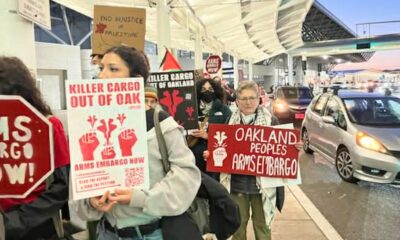
Oakland People’s Arms Embargo Coalition Demands End to Military Shipments Thru Oakland
-
 Activism3 weeks ago
Oakland Post: Week of September 16 – 22, 2026
-
 Art3 weeks ago
BLACspace Cooperative Invites Bay Area to Experience Oakland’s Black Cultural Ecosystem Through a BLAC Map Tour + Party
-
 Community3 weeks ago
Two Looming Threats Every Alameda County Elder Should Know About
-
 Lead Story2 weeks ago
Zakiya Jendayi Arrested, Locked Out of Home by Sheriff’s Deputies
