
#NNPA BlackPress
FILM REVIEW: Black Films Thrive at Sundance Film Festival 2022
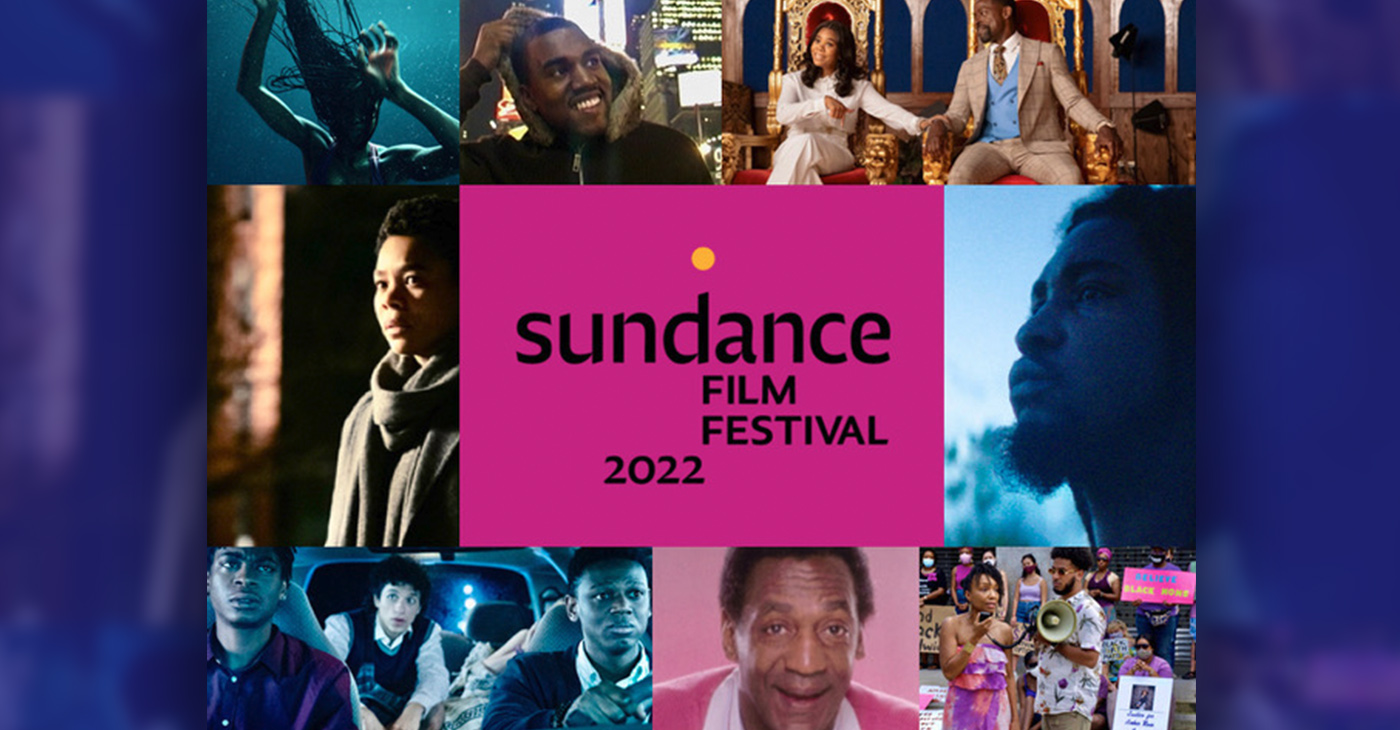
NNPA NEWSWIRE — At the last minute, due to Omicron concerns, the 2022 Sundance Film Festival morphed from an in-person and virtual event to a purely digital experience. Thanks to streaming, Black filmmakers and Black films were on center stage all over the world. Check them out…
The post FILM REVIEW: Black Films Thrive at Sundance Film Festival 2022 first appeared on BlackPressUSA.

By Dwight Brown, NNPA Newswire Film Critic
At the last minute, due to Omicron concerns, the 2022 Sundance Film Festival morphed from an in-person and virtual event to a purely digital experience. Thanks to streaming, Black filmmakers and Black films were on center stage all over the world. Check them out…
Aftershock (***)
According to WHO, the U.S. ranks 60th on the list of countries with the lowest maternal mortality ratio. The Population Reference Bureau cites, “Black women are three times more likely to die in pregnancy postpartum than white women.” Directors Paula Eiselt and Tonya Lewis Lee’s illuminating documentary breaks down the contributing factors and possible solutions for maternal mortality in the aftermath of two specific women’s deaths. Shamony Gibson and Amber Rose Isaac both died after labor and a grassroots movement for birth justice and equity, in their honor, is heroically launched by Omari Maynard and Bruce McIntyre, the fathers of their children. The courageous dads, like shamans, guide you through the perils and needs for a change in obstetric care from pregnancy to births, to aftercare.
Systemic issues (hospitals profit more from risky, fast-buck C-Sections than slow vaginal births), disparities, root causes and communication errors are revealed. Notably a job once done by black slave midwives is now the domain of white male OB-GYNs. Watching the consciousness-raising support groups of widowed Black men is as inspiring as a thousand Million Man Marches. Very solid doc filmmaking instincts reflect an empowering movement born from painful experiences. The revolution in pre- and postnatal care for Black women will be Instagrammed, Twitted, Facebooked…
Descendant (***1/2)
A yearning for a definitive history is the driving force of this heart-warming doc. The Cotilda schooner was the last American slave ship to bring Africans to the U.S. The imprisoned captives from Benin arrived in Mobile Alabama in 1860. The Black descendants of that ship settled in Africatown, which has since been parceled away by public domain highway projects, a lumber yard and other businesses. Still the proud residents keep their history alive, orally, passing on info, names and dates to future generations who become historians and record keepers.
Director Margaret Brown captures the spiritual experiences of these chosen Alabamians. She films their interviews just as a white journalist and white owner of a mechanic’s shop decide to look for the ship that was burned by its owner Timothy Meaher and hidden in neighboring swamps.
Brown’s chronicling of this hunt and what it means to the heirs of the Cotilda’s last passengers is never obtrusive. Her style is reminiscent of the grassroots doc Something in the Water. Culture, history, reckoning and reparations all add a richness that makes the film emotionally compelling. Grainy footage of the ship’s last survivor Cudjo Lewis, as filmed by author Zora Neale Hurston in the 1930s, is as astounding to see as an heir of Meaher’s showing up for a ship discovery ceremony. These stalwart descendants of slavery save their culture and history. Their tenacity and courage prevail in a very illuminating way.
Emergency (**)
In Weekend at Bernie’s, three white guys tooled around with a dead body in a mildly funny one-joke movie. In this similarly premised college life satire, the laughs aren’t as easy. African American director Carey Williams and Mexican American screenwriter KD Davila’s spoof delves into the hazards of Black life at a predominately white school. Kunle (Donald Elise Watkins, The Underground Railroad) is a brilliant pre-med student. His loosely wired, vape-smoking buddy Sean (RJ Cyler, The Harder They Fall) is a devil-may-care pothead. They intend to go on a legendary party circuit bender, but before their first beer pong, they discover a drunk, unconscious white blonde (Maddie Nichols) on their living room floor. A Latino roommate Carlos (Sebastian Chacon) is oblivious. The trio tries get the cataleptic girl to safety, which takes them down a deep rabbit hole of mishaps.
What’s on view is a very shallow attempt at exploring racism that turns into nothing more than a trivial excuse for comic debauchery. The very young black hip-hop influenced dialogue is the film’s strongest element. Stagnant dialogue-heavy scenes thwart most good intentions. Watkins and Cyler exhibit a Harold and Kumar chemistry that would feel better in another movie. There’s just enough story and humor here for a SNL skit. Not much more. Trying to make serious points in a pointless film is a worthless endeavor.
Honk for Jesus. Save Your Soul (**)
“Where’s Tyler Perry when you need him?!” Pastor Lee Curtis Charles (Sterling K. Brown) and his wife Trinitie (Regina Hall) run a Southern megachurch named Wander to Greater Paths. The place is near empty. Why? Evidently a preacher man being caught up in a sex scandal drives congregations away. But the duo is charting a comeback, even if it requires standing at the side of a road with placards begging for parishioners and humiliating themselves while being filmed.
The Ebo twins (writer-director Adamma Ebo, producer Adanne Ebo) start with a promising parody that descends unto a two-character thud. The dearth of solid narrative and consistent comedy leaves Brown and Hall stranded. The twins frame shots well, but don’t know how to milk moments or sustain scenes with biting verbal or physical humor. Brother Brown’s interpretation of a clueless, smarmy minister is glorious (Can I get an amen?!). Sister Hall perfectly finds the nuances of the put-upon wife (Praise be.). Funniest scene is when they drive a Cadillac Esplanade singing to a rap song, cursing and screaming like gangstas. Pity the film runs out of gas. Madea would have known what to do. Looks low budget. Feels low rent. Jesus wept.
jeen-yuhs: A Kanye Trilogy (***)
Ten minutes into this lively documentation of 21-year-old Kanye West the unsettling contrasts between this hopeful, humble adolescent and his embittered and inflated persona these days is quite jarring. Chicago public access TV host Coodie chronicled West’s pilgrimage from Chicago to New York in the late ‘90s as he tried to transition from music producer to superstar rapper. Fuzzy-looking footage reveals all. Consider Coodie’s homage to be more like a home movie/travelogue with famous people (Damon Dash, Pharrell) than a typical doc. No video tricks. No gimmicks. No mounds of news footage, interviews etc. Just largely an unfiltered look at West fighting for a record deal at hop-hop’s holy grail, Roc-A-Fella Records.
The most touching scenes are West and his wise, nurturing schoolteacher mother who wants him to remain humble: “You can stand on the ground with your head in the air at the same time.” The most awkward scenes are watching Jay-Z, RR’s CEO, keep Kanye at bay: he wants the milk (West’s “jeen-yuhs” producing) but not the cow (Kanye as a rapper). The fly-on-the-wall filmmaking lets you cavort with family, friends, adversaries, mentors and hangers-on. Discovering West’s middle-class background explains his early brand of rap and its often-spiritual elements, which are evidenced in the making of his classic hit “Jesus Walks.” West, with no gangsta cred whatsoever, was on a mission: “I’m gonna bridge the gap to hip-hop.” And he did, with a verve and naiveté that was reflected on his smiling face. Luckily, Coodie documented the good old days, or no one would believe the 1990’s West and the 2022 Ye were the same people.
Master (*1/2)
If you’re going to examine racism through the prism of a horror movie, and exploit that social ill, you’d better have all your dead bodies lined up just right. This Get Out knockoff does not. Jasmine (Zoe Renee) is a first-year student at the nearly all white Ancaster College. Gail (Regina Hall) is the new dean of students, aka Master. Both experience the slights and mockery whites can put on token Blacks. In addition, Jas’s room is haunted. Cue the ghosts, creaky noises, weird nightmares and freaky images.
Mariama Diallo’s script and direction attempt to bait audiences’ attention with racist tropes (nooses, cross burnings, racial epithets). Cheapening those real-life traumas peaks in a scene when a rap song comes on at a nearly all-white dance party and white kids surround Jas chanting the “N” word lyrics at her. The constant repulsion without any redemption or payoff is an unforgivable buzz kill. Even through the misguidance, Hall’s presence shines like the North Star. Unoriginal. Derivative. Lackluster. If you’re going to mess with the horror movie genre recipe you have to do it with better ingredients. Diallo does not.
Nanny (**1/2)
African immigrant stories often possess an innate appeal. In this instance, Senegalese writer/director Nikyatu Jusu’s odd mixture of horror, thriller, romance and muddled family drama has the opposite effect. Aisha (Anna Diop), a twentysomething from Senegal, leaves her young son behind to find work in New York. A white couple (Michelle Monaghan and Morgan Spector) hires her to tend to their young daughter Rose (Rose Decker). The wealthy spouses are lax with pay, Aisha loses communication with her son and weird visions of a boy in rain haunt her.
Supernatural aspects and cryptic images have no context for 90 minutes of this 97-minute motion picture. Regardless of the iffy narrative choices, Jusu and cinematographer Rina Yang make a very attractive film that displays their excellent taste in staging, composition, angles, lighting, etc. Scenes look fresh and modern. The director also excels at depicting a love story between Aisha and an understanding doorman (Sinqua Walls, American Soul). Jusu shows great promise as a director. Even a genre-messy film can’t hide her talent.
We Need to Talk About Bill Cosby (***)
Really?! Is there some explosive secret about the shamed comedian that has yet to be revealed? Stand-up comic turned documentarian W. Kamau Bell thinks so. To make his case, he assembles an exhaustive array of talking heads (Roland Martin), comedians (Hannibal Buress), rape crisis counselors and even a journalist who investigates date rape drugs. Cosby’s well-publicized fall from ’60s TV pioneer (I, Spy), to 1980s/’90s quintessential all-American boob tube daddy (The Cosby Show), to convicted, imprisoned felon is meticulously charted. Victim after victim exposes his pattern of drugging, assaults and rapes. The black community’s initial ambivalent feelings are pondered. His hypocritical jabs at young black men while he’s molesting women are documented too.
Two hours of this in-your face negativity is more than enough. Four one-hour segments are overkill. Too many clips of Fat Albert. Too much faux indignation over stupid stuff like Cosby playing an obstetrician on The Cosby Show. The barrage of info will test your patience. Also, watching folks hypothesize as they sit on expensive leather coaches, dressed like fashionistas and lit like they’re in a fashion shoot is off-putting. But credit Bell for his inventive style. Incriminating words dance across the screen and victims are noted on a horizontal calendar that pinpoints Cosby’s crimes from the ‘60s, ‘70s, ‘80s and 90s. Plus, Bell’s insights into black culture, history and the TV industry are thorough and sometimes profound.
Indicting rapists like Cosby is fair game and newsworthy. But many viewers may wish the second two hours of this doc were spent teaching women how to beware of predatory situations, detect rapists, self-defense, report incidents and find supportive aide (e.g., rape crisis centers). We have talks with our sons about encounters with police. Why don’t we have talks with our daughters about dealing with people like him? Bell and this doc had a chance to be an advocate for rape victims and provide a public service. It’s a missed opportunity that would have given the series some depth.
There wouldn’t be a President Obama without a Bill Cosby. There wouldn’t be 60+ rape victims without a Bill Cosby. It’s an ugly paradox now captured on film.
For more information about the annual Sundance Film Festival go to: https://www.sundance.org/festivals/sundance-film-festival/about.
Visit NNPA News Wire Film Critic Dwight Brown at DwightBrownInk.com and BlackPressUSA.com.
The post FILM REVIEW: Black Films Thrive at Sundance Film Festival 2022 first appeared on BlackPressUSA.



#NNPA BlackPress
Black Artists in America, Installation Three Wraps at the Dixon Gallery and Gardens
TRI-STATE DEFENDER — With 50+ paintings, sculptures and assemblages, the exhibit features artists like Varnette Honeywood from Los Angeles, whose pieces appeared in Bill Coby’s private collection (before they were auctioned off) and on “The Cosby Show.” Also included are works by Alonzo Davis, another Los Angeles artist who opened one of the first galleries there where Black Artists could exhibit.
By Candace A. Gray | Tri-State Defender
The tulips gleefully greet those who enter the gates at the Dixon Gallery & Gardens on an almost spring day. More than 650,000 bulbs of various hues are currently on display. And they are truly breathtaking.
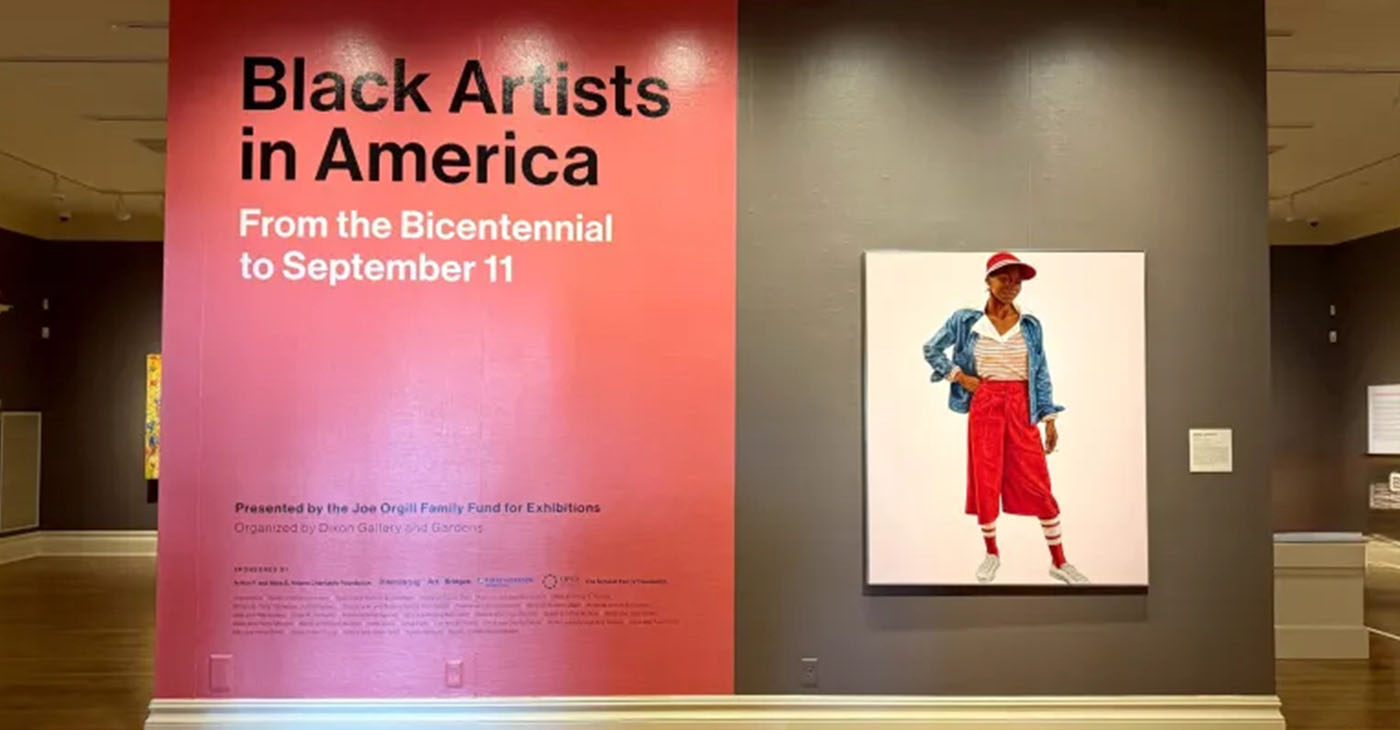
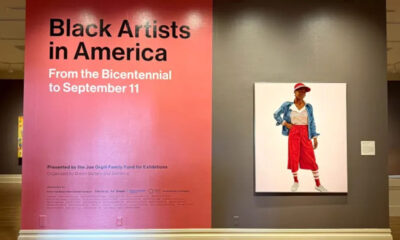
Inside the gallery, and equally as breathtaking, is the “Black Artists in America, From the Bicentennial to September 11” exhibit, which runs through Sunday, March 29. This is the third installment of a three-part series that started years ago and illustrates part of the Black experience through visual arts in the 20th century.
“This story picks up where part two left off,’’ said Kevin Sharp, the Linda W. and S. Herbert Rhea director for the Dixon. “This era is when we really start to see the emergence of these important Black artists’ agency and freedom shine through. They start to say and express what they want to, and it was a really beautiful time.”
With 50+ paintings, sculptures and assemblages, the exhibit features artists like Varnette Honeywood from Los Angeles, whose pieces appeared in Bill Coby’s private collection (before they were auctioned off) and on “The Cosby Show.” Also included are works by Alonzo Davis, another Los Angeles artist who opened one of the first galleries there where Black Artists could exhibit.
“Though [Davis] was from LA, he actually lived in Memphis for a decade,” said Sharp. “He was a dean at Memphis College of Art, and later opened the first gallery in New York owned and operated by black curators.”
Another featured artist is former NFL player, Ernie Barnes. His work is distinctive. Where have you seen one of his most popular paintings, Sugar Shack? On the end scene and credits of the hit show “Good Times.” His piece Saturday Night, Durham, North Carolina, 1974 is in this collection.
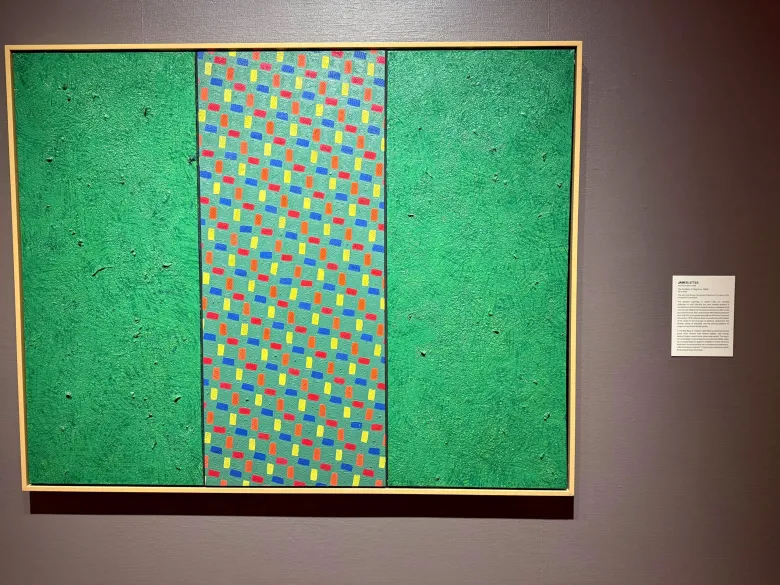
Memphis native James Little’s “The War Baby: The Triptych” is among more than 50 works featured in “Black Artists in America, From the Bicentennial to September 11” at the Dixon Gallery & Gardens, the final installment of a three-part series highlighting the impact and evolution of Black artists through 2011.
The exhibit features other artists with Memphis ties, including abstract painter James Little, who was raised in a segregated Memphis and attended Memphis Academy of Art (before it was Memphis College of Art). He later moved to New York, became a teacher and an internationally acclaimed fixture in the art world in 2022 when he was named a Whitney Biennial selected artist at the Whitney Museum of American Art in New York.
Other artists like Romare Bearden, who had a Southern experience but lived up North, were featured in all three installments.
“During this period of time, he was a major figure,” said Sharp. “He wrote one of the first books on the history of African American art during a time when there were more Black academics, art teachers, more Black everything!”
Speaking of Black educators, Sharp said the head curator behind this tri-part series and Dixon’s partner in the arts is Earnestine Jenkins, Ph.D., an art history professor at the University of Memphis, who also earned a Master of Arts degree from Memphis State University (now UofM). “We began working with Dr. Jenkins in 2018,” he said.
Sharp explained that it takes a team of curators, registrars, counterparts at other museums, and more, about three years to assemble an exhibit like this. It came together quite seamlessly, he added. Each room conjured up more jaw-dropping “wows” than the one before it. Each piece worked with the others to tell the story of Black people and their collective experience during this time period.
One of the last artists about whom Sharp shared information was Bettye Saar, who will turn 100 years old this year. She’s been working in Los Angeles for 80 years and is finally getting her due. Her medium is collages or assemblages, and an incredible work of hers is on display. She’s married to an artist and has two daughters, also artists.
The exhibit catalogue bears some of these artists’ stories, among other scholarly information.
The exhibit, presented by the Joe Orgill Family Fund for Exhibitions, is culturally and colorfully rich. It is a must see and admission to the Dixon is free.
Visit https://www.dixon.org/ to learn more.
Fun Facts: An original James Little design lives in the flooring of the basketball court at Tom Lee Park, and he makes and mixes his own paint colors.
#NNPA BlackPress
Grief, Advocacy, and Education: A Counselor Reflects on Black Maternal Health
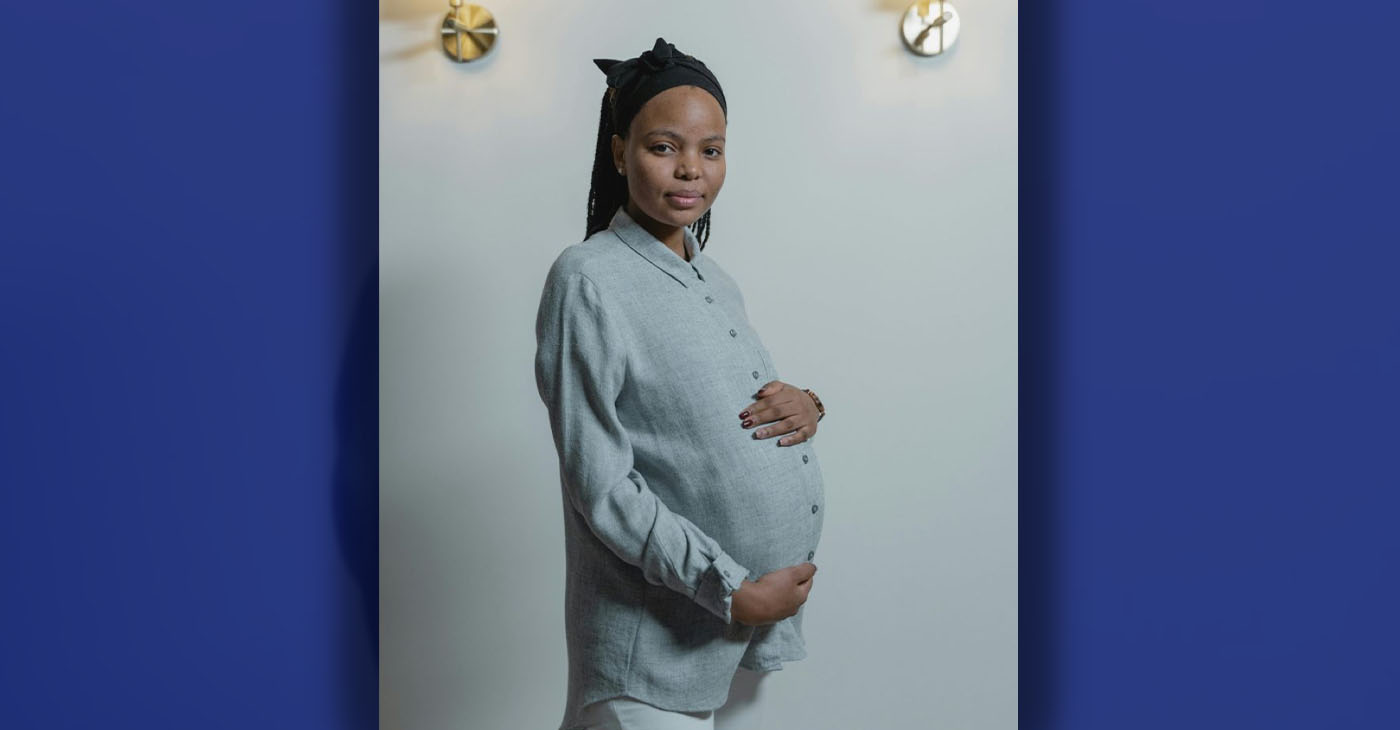
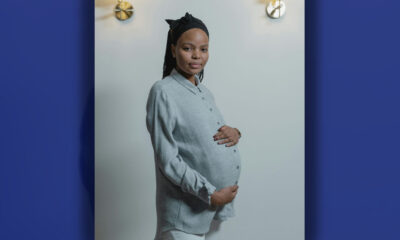
SAN DIEGO VOICE & VIEWPOINT — Last month healthcare leaders, birth workers, and community members gathered to honor the legacy of Charleston native Dr. Janell Green Smith, a nurse-midwife and doctor of nursing practice who died in January from childbirth complications. She had participated in more than 300 births and specialized in helping Black women give birth safely.
By Jennifer Porter Gore | Word-In-Black | San Diego Voice and Viewpoint
In 2024, the number of U.S. mothers who died as a result of pregnancy or childbirth dropped compared to 2023. But while slightly fewer Black mothers died that year, they still had three times the mortality rate of white women.
South Carolina’s rates of maternal deaths outpaced even the national rates. In fact, the state’s overall rate of maternal deaths between 2019 and 2023 was higher than all but eight states and the District of Columbia.
Last month healthcare leaders, birth workers, and community members gathered to honor the legacy of Charleston native Dr. Janell Green Smith, a nurse-midwife and doctor of nursing practice who died in January from childbirth complications. She had participated in more than 300 births and specialized in helping Black women give birth safely.
Her death shocked the community and her colleagues who are determined to address concerns about Black maternal health. The event also covered the importance of protecting mental health during grief and of men’s role in solving the maternal health crisis.
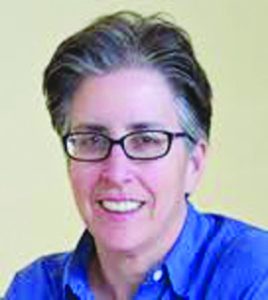
As both a therapist and a father, Lawrence Lovell, a licensed professional counselor and founder of Breakthrough Solutions, discussed ways the event’s attendees could process their grief over Green Smith’s death. He also shared ways male partners can advocate for women’s maternal health during pregnancy and childbirth.
Lovell spoke not just as a therapist but also as a father whose own family had briefly crossed paths with Green Smith. The event, he said, emerged organically from a moment of collective mourning.
Despite the grief, “it was still, like, a really beautiful event, a much-needed event, and it almost felt like we were all giving each other a collective family hug,” says Lovell.
His connection to Green Smith, Lovell says, was brief but meaningful during his wife’s pregnancy with their second child. Green Smith was practicing at the same birthing center where they had their child. She began practicing in Greenville a short time later.Even that short connection carried significance for Lovell, given the small number of Black maternal health professionals.
Lovell did not initially plan to become a mental health practitioner; he chose the career path after graduating from college, when someone suggested he consider psychology. His interest deepened when he noticed how few Black men work in mental health.
“Being Black man and playing football in college, there weren’t a lot of people that look like me talking about mental health,” says Lovell. “[I wanted] to give people that look like me an opportunity to work with someone that looks like them.”
Working with Expectant and New Parents
Lovell often counsels couples preparing for parenthood by, helping partners understand what a successful pregnancy, childbirth, and postpartum recovery look like. That often means helping women manage postpartum depression.
As a man, Lovell says, it’s “humbling” that a woman “just trusts me enough to work with me through their pregnancy or their postpartum recovery.”
In his work, Lovell has noticed how few men understand pregnancy before they experience it with their partner. Because early pregnancy symptoms are often invisible, he says, men may underestimate how much support a mom-to-be actually needs.
“Sometimes they may not realize they don’t know much about pregnancy and what to expect in those three trimesters,” Lovell says. “I tell a lot of the men that just because you can’t see [she’s pregnant] doesn’t mean that she won’t appreciate your intense support in that first trimester.”
Education about pregnancy and postpartum recovery, he says, can change how men support their partners.
Teaching Advocacy in the Delivery Room
Another major focus of Lovell’s counseling is preparing men to advocate for mothers during labor.
“Helping men understand what pregnancy looks like: what delivery is going to look like, and what are the realistic expectations that I should have of myself in postpartum,” he says.
Lovell encourages partners to be honest about their expectations for what will happen during delivery. He helps them prepare for the big day by discussing the birth plan and knowing how to quickly recognize problems. Clear communication, he says, prevents misunderstandings.
He regularly trains men to ask their partners detailed questions about their expectations during and after pregnancy. Advocacy in medical settings can be especially important and requires attention to details the mother may not be able to address.
“It’s always important to fine-tune things and truly understand what helps your partner feel most supported,” Lovell says. “Instead of guessing, you should ask.”
Lovell recalls a moment during the birth of his first child when he had to take that role.
During the delivery, “I felt like something wasn’t as sanitary as I’d like it to be,” he says. “I asked, ‘Hey, can you switch those out? Can you change your gloves?’”
Lovell has a succinct but powerful message he regularly shares with clients’ families, and he shared it with attendees at last month’s event.
“Just to believe women,” he says. “I’ve worked with different couples, and sometimes I’m not really sure that there’s enough empathy from the men.”
That includes how women express pain.
“If a woman says, ‘my pain is at a nine,’ just because how you would express yourself at a nine is different than how she’s expressing herself at [that level] doesn’t mean you shouldn’t believe her,” he says.
Empathy, he says, can change outcomes far beyond the delivery room.
“We’ve got to believe women when they’re talking about their experiences and their feelings and their pain,” he says. “I think there’s a lot that we can prevent if we empathize better.”
#NNPA BlackPress
Future of Florida’s Black History Museum in Limbo
JACKSONVILLE FREE PRESS — A proposal sponsored by Tom Leek, a Republican from Ormond Beach, has now passed the Senate in back-to-back legislative sessions. But the House version, filed by Kiyan Michael, a Jacksonville Republican, did not receive final approval in either year, effectively stalling the effort.
Jacksonville Free Press
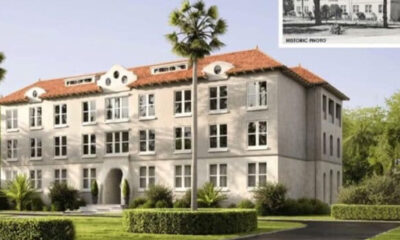
Plans to establish a long-awaited Black history museum in Florida are once again on hold after legislation needed to advance the project failed to clear the state House for a second consecutive year, despite repeated approval in the Senate.
A proposal sponsored by Tom Leek, a Republican from Ormond Beach, has now passed the Senate in back-to-back legislative sessions. But the House version, filed by Kiyan Michael, a Jacksonville Republican, did not receive final approval in either year, effectively stalling the effort.
Under Florida law, identical or similar bills must pass both chambers before heading to the governor’s desk. Without House approval, the legislation has been unable to move forward, leaving the project in limbo. Long journey, contested location.
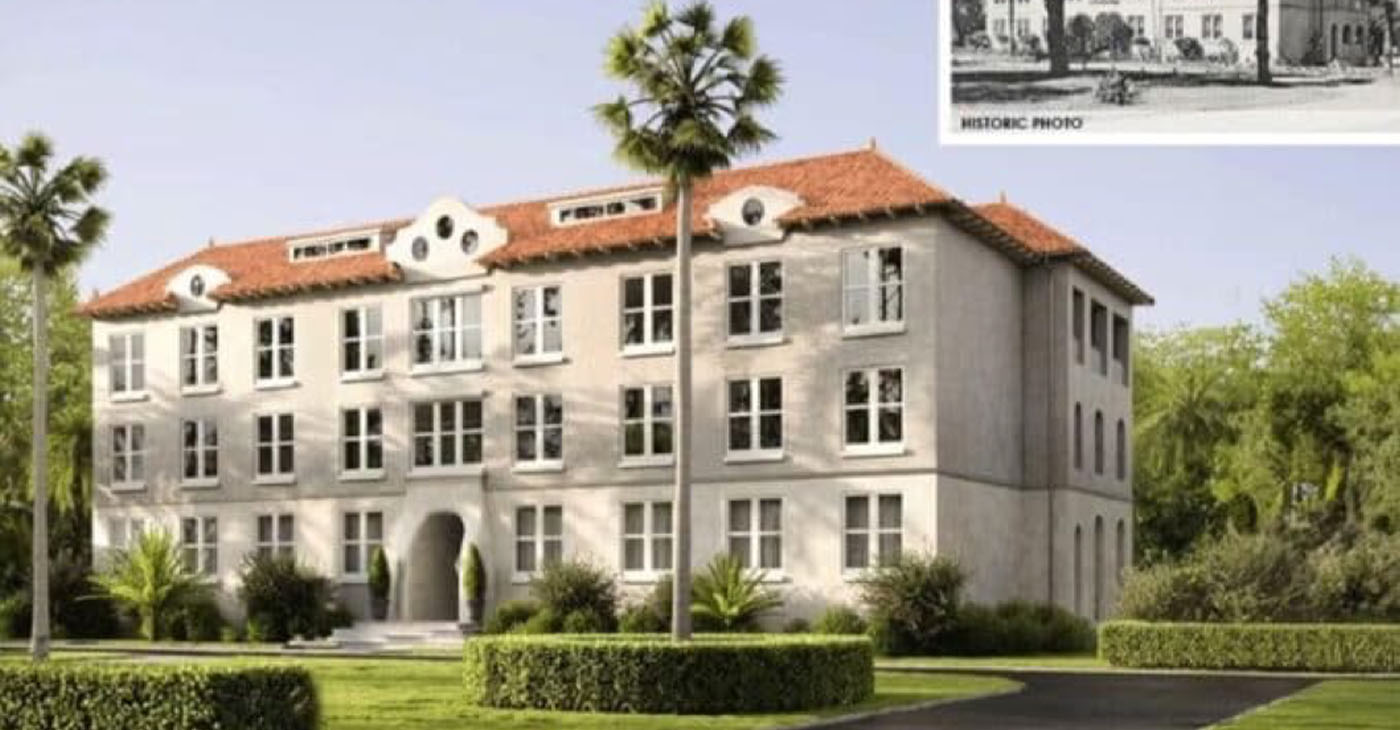
The proposed museum, formally known as the Florida Museum of Black History, has been years in the making, with lawmakers and community leaders framing it as a long-overdue institution to preserve and showcase the state’s African American heritage .A central point of contention has been the museum’s location. St. Augustine — widely recognized as the nation’s oldest city and a site deeply tied to both slavery and early Black history — emerged as the leading contender. Supporters argue the city’s historical significance makes it a natural home for the museum. However, competing interests and regional considerations have fueled debate, slowing consensus among lawmakers.
While the Senate-backed measure has consistently advanced, the lack of alignment in the House has underscored ongoing divisions about how and where the project should take shape.
The holdup in the Florida House appears to be less about opposition to the museum itself and more about a combination of procedural bottlenecks, unresolved structural issues, and lingering disagreements over how the project should be formalized and governed.
Despite the legislative setbacks, Republican Gov. Ron DeSantis has publicly voiced support for the museum. Speaking last month during the unveiling of a statue of abolitionist Frederick Douglass in St. Augustine, DeSantis said the project would move forward “one way or another,” signaling an intent to see the museum built regardless of legislative hurdles.
The anticipated museum has already cleared several hurdles. St. Johns County signed an agreement last year with Florida Memorial University to use the land that once housed its campus last year’s legislative session netted $1 million in funding for St. Johns County to work on planning and design for the museum. However, its anticipated that a million $3 million is needed.
Still, without statutory approval to finalize key components — including governance, funding mechanisms and site selection — the project remains largely conceptual.
With the House bill failing again, the timeline for the museum’s development is unclear. Lawmakers could revisit the proposal in the next legislative session, but any further delays risk pushing the project back several more years. Advocates warn that continued inaction could stall momentum for a museum many see as critical to telling a fuller, more accurate story of Florida’s past. For now, the effort remains paused — caught between political support at the top and legislative gridlock within the Capitol.

WORK FROM HOME
Home-based business with potential monthly income of $10K+ per month. A proven training system and website provided to maximize business effectiveness. Perfect job to earn side and primary income. Contact Lynne for more details: Lynne4npusa@gmail.com 800-334-0540


Oakland Post: Week of April 8 – 14, 2026

Oakland Post: Week of April 1 – 7, 2026

Black Artists in America, Installation Three Wraps at the Dixon Gallery and Gardens

Grief, Advocacy, and Education: A Counselor Reflects on Black Maternal Health

Future of Florida’s Black History Museum in Limbo

New Research Shows the Many Benefits of Early Learning

South Hampton K-8 Students Among Top 10 Finalists for Samsung’s ‘Solve for Tomorrow’ Competition

Cuba: No Negotiation with US on the President or Political System

Brooklyn Academy of Music Names Jamaican-Born Tamara McCaw as President

Trinidad & Tobego – U.S. Launches WhatsApp Channel for American Citizens in the Country

Oakland Post: Week of March 18 – 24, 2026

AI Innovation vs. Ethics and Environmental Impact

AI, Web3, and Digital Reparations

What If You Owned Your AI Agent?

Season 7, Episode 3 – January Reporter’s Roundtable 📱

Reflecting on Black History Milestones in Birmingham AL

Oakland Post: Week of February 25 – March 3, 2026

Oakland Post: Week of March 4 – 10, 2026

PRESS ROOM: NBA Hall of Fame Nominee Terry Cummings Joins 100 Black Men of DeKalb County to Launch Victory & Values Initiative
Oakland Post: Week of March 18 – 24, 2026

Trump’s MAGA Allies are Creating Executive Order Plan to Steal the 2026 Midterms

Oakland Post: Week of March 11 -17, 2026

Poll Shows Support for Policies That Help Families Afford Child Care

Financial Wellness and Mental Health: Managing Money Stress in College
New Research Shows the Many Benefits of Early Learning

Woman’s Search for Family’s Roots Leads to Ancestor John T. Ward – A Successful Entrepreneur and Conductor on the Underground Railroad
Brooklyn Academy of Music Names Jamaican-Born Tamara McCaw as President
Grief, Advocacy, and Education: A Counselor Reflects on Black Maternal Health
Future of Florida’s Black History Museum in Limbo

COMMENTARY: Women of Color Shape Our Past and Future

Hyundai Ioniq 5 Parking, Safety, and 360 View #shorts

2025 Ioniq 5 New Wiper & Powerful Performance! #shorts

Electric SUV Range: Is 259 Miles Enough? #shorts

EV Charging: How Fast Can You Charge an Electric Vehicle? #shorts

Biometric Cooling… Messaging Seats…Come on! 2025 Infiniti QX80 Autograph 4WD

Charged Up: Witness the Magic of a Fully Electric Car! #shorts

Range Rover Sport PHEV Included…: See What’s Inside This Luxury SUV! #shorts

Invisible Hood View: Perfect Parking with X-Ray Vision! #shorts

AI Is Reshaping Black Healthcare: Promise, Peril, and the Push for Improved Results in California

ESSAY: Technology and Medicine, a Primary Care Point of View

Sanctuary Cities

The RESISTANCE – FREEDOM NOW

STATE OF THE PEOPLE: Freddie

ECONOMIC BOYCOTT DAY!!!!!

I told You So
-
 Activism3 weeks ago
Oakland Post: Week of March 18 – 24, 2026
-
 Activism4 weeks ago
Oakland Post: Week of March 11 -17, 2026
-
 Advice4 weeks ago
Financial Wellness and Mental Health: Managing Money Stress in College
-
 #NNPA BlackPress3 weeks ago
New Research Shows the Many Benefits of Early Learning
-
 #NNPA BlackPress3 weeks ago
Brooklyn Academy of Music Names Jamaican-Born Tamara McCaw as President
-
 #NNPA BlackPress3 weeks ago
Grief, Advocacy, and Education: A Counselor Reflects on Black Maternal Health
-
 #NNPA BlackPress3 weeks ago
Future of Florida’s Black History Museum in Limbo
-
 #NNPA BlackPress3 weeks ago
Black Artists in America, Installation Three Wraps at the Dixon Gallery and Gardens
