
Activism
Essay: Let’s Take an Honest Look at Distrust, Disparities and Discrimination in Medical Care
In medicine, we celebrate J. Marion Sims as the father of obstetrics, but until recently, we rarely mentioned that most of his medical breakthroughs were achieved through the suffering of Black women who were not adequately anesthetized as he experimented on some of the most delicate parts of their bodies. Books such as “Medical Apartheid” and “The Immortal Life of Henrietta Lacks” document the long history of Black bodies being used for scientific experimentation without any compensation or acknowledgement.

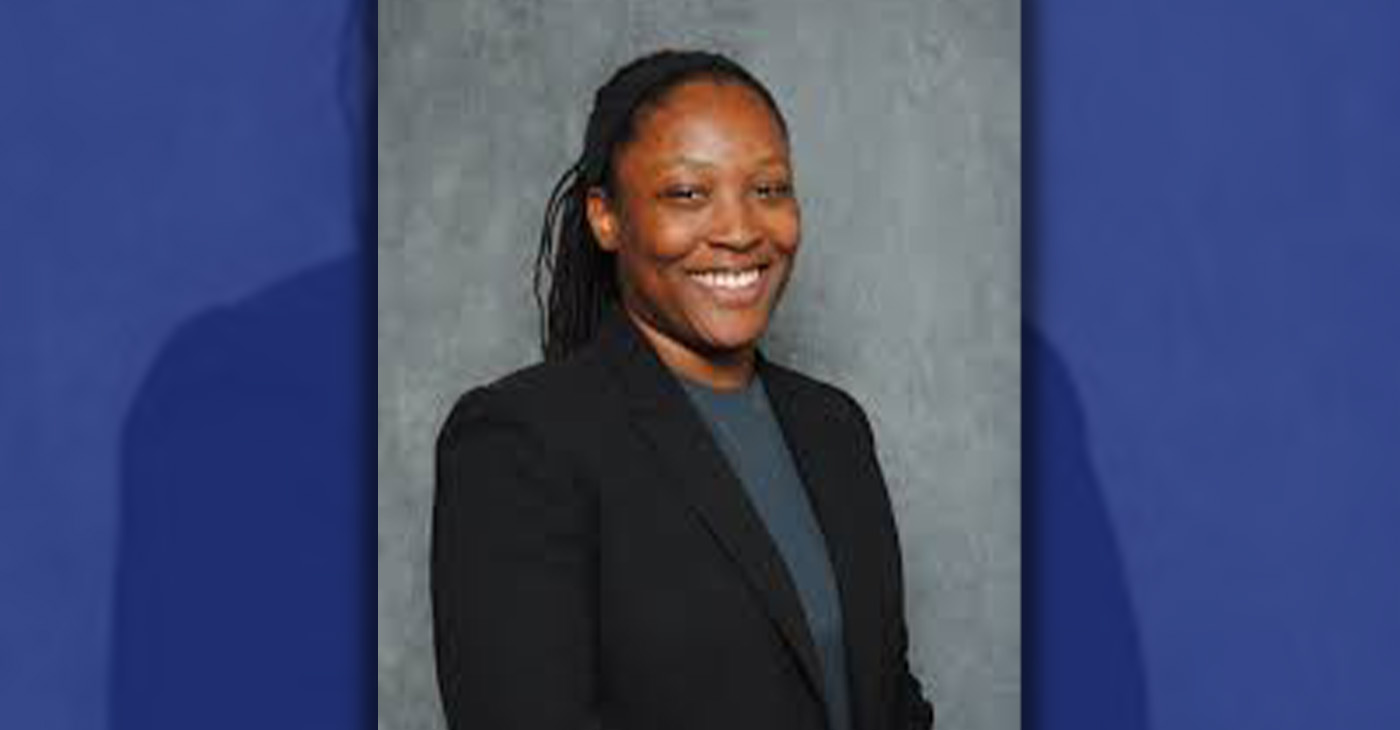
By Dr. Imani McElroy,
Special to California Black Media
As I became part of the small community of Black female surgeons, who represent less than 1% of all physicians, I embraced the responsibility with an understanding that part of my career would be dedicated to being a voice for marginalized and disenfranchised people.
Growing up in the San Francisco Bay Area, I observed the vast economic divide that contributes to health care disparities. Unstable employment and housing, food deserts, underfunded schools, and escalating living expenses all play a significant role in poor health for Black patients.
They also are a direct reflection of centuries of systemic discrimination and racism that has crippled Black Americans dating back to the era of slavery.
The same issues have followed me personally. I live with asthma, which has quietly impacted my breathing since childhood. I have been fortunate to avoid long-term hospitalization, but I have had numerous visits to urgent care and emergency departments.
I discussed my symptoms with my primary care physicians over the years, but it wasn’t until my third year living in Boston that I found a physician who attended to my symptoms and made the necessary adjustments that finally controlled my asthma. My asthma had progressed steadily for 15 years and despite being in the medical field and being able to describe the decline, my symptoms were ignored.

This is a story that is too common among Black Americans. Even fame could not protect Serena Williams when she had to demand appropriate testing and treatment for blood clots in her lungs following the birth of her first child.
I understood that my role as a health care provider extended well beyond the walls of the operating room and the hospital.
The plight of Black Americans within health care and the discrimination we face is well documented in both medical and lay literature.
In medicine, we celebrate J. Marion Sims as the father of obstetrics, but until recently, we rarely mentioned that most of his medical breakthroughs were achieved through the suffering of Black women who were not adequately anesthetized as he experimented on some of the most delicate parts of their bodies. Books such as “Medical Apartheid” and “The Immortal Life of Henrietta Lacks” document the long history of Black bodies being used for scientific experimentation without any compensation or acknowledgment.
If we are going to have an honest discussion about the root cause of medical mistrust within the Black community, the conversation cannot simply begin and end with the United States Public Health Service (USPHS) Untreated Syphilis Study at Tuskegee.
It’s essential to recognize that the generational trauma endured by the Black community contributes significantly to its skepticism towards medical institutions.
Healthcare advocacy is multifaceted. From physician-led initiatives addressing policy and resource allocation, to research that intentionally and thoughtfully addresses disparities in access and outcomes, to development of integrated multidisciplinary treatment teams for personalized care plans, there is quite possibly no more important step than educating the lay person.
Gone are the days of blind trust in a physician simply because of their title.
Furthermore, being able to empower patients to advocate for their health care needs will also allow physicians to understand how medical conditions impact their patients’ quality of life and everyday activities. Shared decision-making rests on a patient’s ability to trust the providers caring for them. The medical community owes it to Black Americans to afford them this trust.
As an advocate, I aim to bridge the gap between medical literature and lay literature. Making sure that our community has updated and accessible information that can impact their understanding of their medical conditions and improve the quality of care they receive.
As a Black woman in America, I face my own challenges, including navigating the health care system, and finding providers who look like me, understand my unique needs, and are willing to engage with me despite my medical background.
As my family members grow older and begin to interact more frequently with medical providers, I find myself in the frustrating position of having to help them advocate for themselves in a system that does not always listen.
My white coat does not shield me from the realities of being Black in America and thus I feel it is my duty to become part of the solution in addressing disparities in healthcare.
While much of the work to fix this problem falls in the hands of physicians and providers, active participation is required from both sides.
Increased representation in clinical trials will improve our understanding of risk factors and treatment responses. Attending health fairs and community outreach events will help increase medical literacy and understanding. Being persistent and truthful about symptom progression or treatment side effects is equally as important to help inform decision making.
Most of our medical knowledge is hidden behind paywalls buried in medical jargon. My goal is to help make what is happening in the medical community more accessible to our community.
About the Author
A native of the Bay Area, Dr. Imani E. McElroy is a clinical fellow of Vascular Surgery at USC Keck School of Medicine. She completed general surgery training at the Massachusetts General Hospital in Boston, MA. She has a master of Public Health from the Harvard T.H. Chan School of Public Health and received a Doctor of Medicine from the Charles R. Drew University/UCLA David Geffen School of Medicine. She earned a bachelor’s degree in Biological Sciences from the University of California Irvine.
This article is supported by the California Black Health Journalism Project, a program created by California Black Media, that addresses the top health challenges African Americans in California face. It relies on the input of community and practitioners; an awareness of historical factors, social contexts and root causes; and a strong focus on solutions as determined by policymakers, advocates and patients.






#NNPA BlackPress
COMMENTARY: The National Protest Must Be Accompanied with Our Votes
Just as Trump is gathering election data like having the FBI take all the election data in Georgia from the 2020 election, so must we organize in preparation for the coming primary season to have the right people on ballots in each Republican district, so that we can regain control of the House of Representatives and by doing so, restore the separation of powers and balance that our democracy is being deprived of.
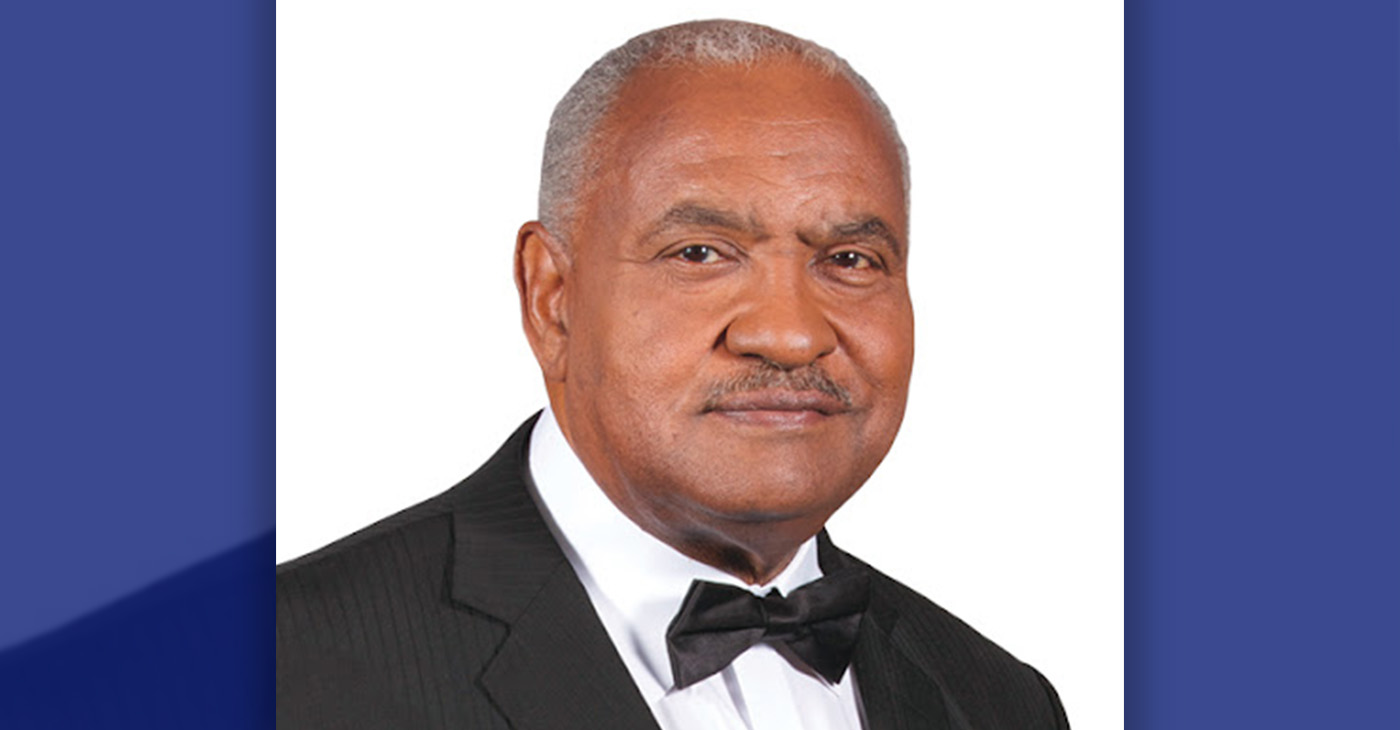
By Dr. John E. Warren, Publisher San Diego Voice & Viewpoint Newspaper
As thousands of Americans march every week in cities across this great nation, it must be remembered that the protest without the vote is of no concern to Donald Trump and his administration.
In every city, there is a personal connection to the U.S. Congress. In too many cases, the member of Congress representing the people of that city and the congressional district in which it sits, is a Republican. It is the Republicans who are giving silent support to the destructive actions of those persons like the U.S. Attorney General, the Director of Homeland Security, and the National Intelligence Director, who are carrying out the revenge campaign of the President rather than upholding the oath of office each of them took “to Defend The Constitution of the United States.”
Just as Trump is gathering election data like having the FBI take all the election data in Georgia from the 2020 election, so must we organize in preparation for the coming primary season to have the right people on ballots in each Republican district, so that we can regain control of the House of Representatives and by doing so, restore the separation of powers and balance that our democracy is being deprived of.

In California, the primary comes in June 2026. The congressional races must be a priority just as much as the local election of people has been so important in keeping ICE from acquiring facilities to build more prisons around the country.
“We the People” are winning this battle, even though it might not look like it. Each of us must get involved now, right where we are.
In this Black History month, it is important to remember that all we have accomplished in this nation has been “in spite of” and not “because of.” Frederick Douglas said, “Power concedes nothing without a struggle.”
Today, the struggle is to maintain our very institutions and history. Our strength in this struggle rests in our “collectiveness.” Our newspapers and journalists are at the greatest risk. We must not personally add to the attack by ignoring those who have been our very foundation, our Black press.
Are you spending your dollars this Black History Month with those who salute and honor contributions by supporting those who tell our stories? Remember that silence is the same as consent and support for the opposition. Where do you stand and where will your dollars go?
Activism
Congresswoman Simon Votes Against Department of Homeland Security, ICE Funding
“They need accountability. Republicans already gave these agencies an unprecedented $170 billion for immigration enforcement, funding they have used to conduct raids at schools, separate families, and deploy a masked paramilitary who refuse to identify themselves on American streets. This bill gives them more funding without a single reform to stop unconstitutional, immoral abuses,” she said.
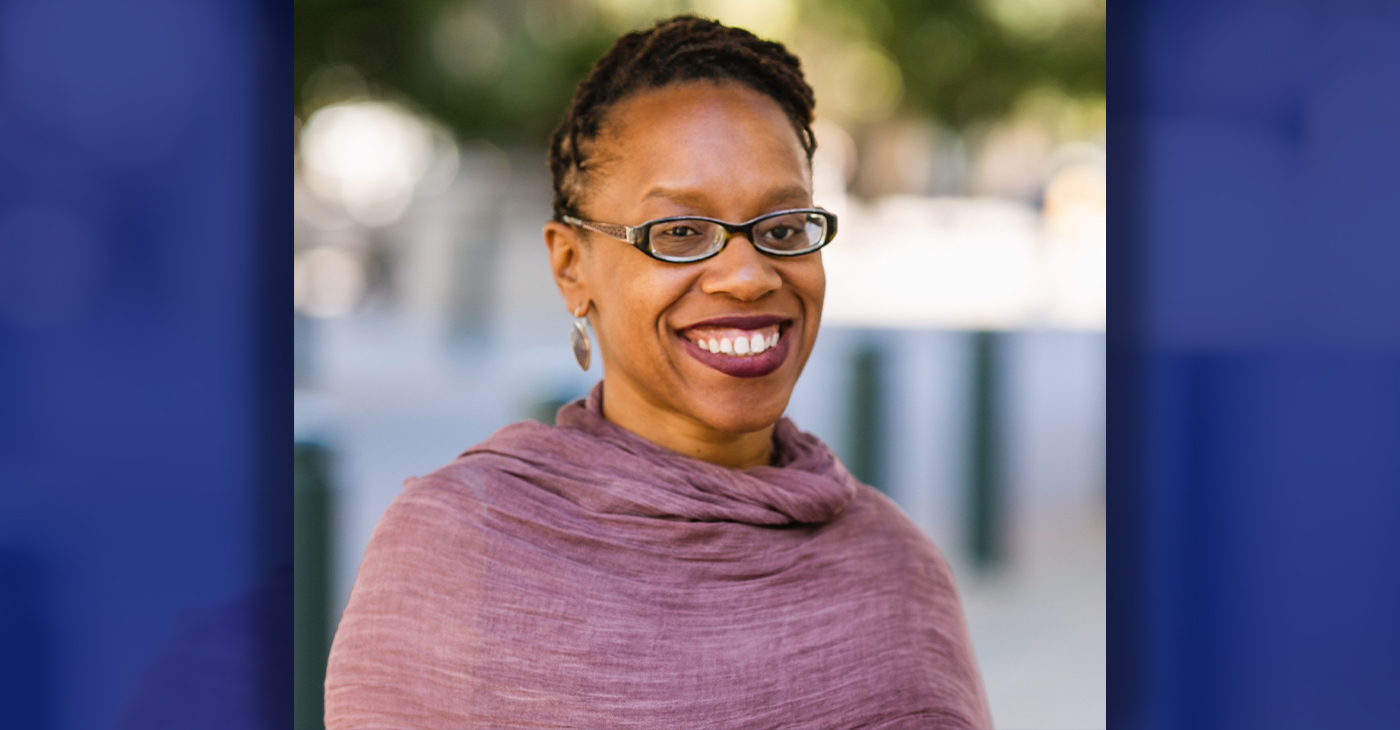
By Post Staff
Congresswoman Lateefah Simon (D-CA-12) released a statement after voting against legislation to fund the Department of Homeland Security (DHS), which supports Immigration and Customs Enforcement (ICE) and U.S. Customs and Border Protection (CPB).
“Today, I voted NO on legislation to fund the Department of Homeland Security through Feb. 13, 2026.
“ICE and CBP do not need more funding to terrorize communities or kill more people,” she said in the media release.
“They need accountability. Republicans already gave these agencies an unprecedented $170 billion for immigration enforcement, funding they have used to conduct raids at schools, separate families, and deploy a masked paramilitary who refuse to identify themselves on American streets. This bill gives them more funding without a single reform to stop unconstitutional, immoral abuses,” she said.
“The American people are demanding change. Poll after poll of Americans’ opinions show overwhelming support for requiring ICE agents to wear body cameras and prohibiting them from hiding their faces during enforcement actions. This is the bare minimum transparency standard, and this funding legislation does not even meet this low bar,” Simon said.
“Republicans in Congress are not serious about reining in these lawless agencies. Their refusal to make meaningful changes to the DHS funding bill has consequences that go beyond immigration enforcement. TSA agents who keep our airports safe and FEMA workers who help our communities recover from disasters are stuck in limbo due to Republican inaction.
“The Constitution does not have an exception for immigrants. Every person on American soil has rights, and federal agencies must respect them. The East Bay has made clear at the Alameda County and city level that we will hold the line against a violent ICE force and support our immigrant communities – I will continue to hold the line and our values with my votes in Congress.”
Activism
Post Newspaper Invites NNPA to Join Nationwide Probate Reform Initiative
The Post’s Probate Reform Group meets the first Thursday of every month via Zoom and invites the public to attend. The Post is making the initiative national and will submit information from its monthly meeting to the NNPA to educate, advocate, and inform its readers.

By Tanya Dennis
The National Newspaper Publishers Association (NNPA) represents the Black press with over 200 newspapers nationwide.
Last night the Post announced that it is actively recruiting the Black press to inform the public that there is a probate “five-alarm fire” occurring in Black communities and invited every Black newspaper starting from the Birmingham Times in Alabama to the Milwaukee Times Weekly in Wisconsin, to join the Post in our “Year of Action” for probate reform.
The Post’s Probate Reform Group meets the first Thursday of every month via Zoom and invites the public to attend. The Post is making the initiative national and will submit information from its monthly meeting to the NNPA to educate, advocate, and inform its readers.
Reporter Tanya Dennis says, “The adage that ‘When America catches a cold, Black folks catch the flu” is too true in practice; that’s why we’re engaging the Black Press to not only warn, but educate the Black community regarding the criminal actions we see in probate court: Thousands are losing generational wealth to strangers. It’s a travesty that happens daily.”
Venus Gist, a co-host of the reform group, states, “ Unfortunately, people are their own worst enemy when it comes to speaking with loved ones regarding their demise. It’s an uncomfortable subject that most avoid, but they do so at their peril. The courts rely on dissention between family members, so I encourage not only a will and trust [be created] but also videotape the reading of your documents so you can show you’re of sound mind.”
In better times, drafting a will was enough; then a trust was an added requirement to ‘iron-clad’ documents and to assure easy transference of wealth.
No longer.
As the courts became underfunded in the last 20 years, predatory behavior emerged to the extent that criminality is now occurring at alarming rates with no oversight, with courts isolating the conserved, and, I’ve heard, many times killing conservatees for profit. Plundering the assets of estates until beneficiaries are penniless is also common.”
Post Newspaper Publisher Paul Cobb says, “The simple solution is to avoid probate at all costs. If beneficiaries can’t agree, hire a private mediator and attorney to work things out. The moment you walk into court, you are vulnerable to the whims of the court. Your will and trust mean nothing.”
Zakiya Jendayi, a co-host of the Probate Reform Group and a victim herself, says, “In my case, the will and trust were clear that I am the beneficiary of the estate, but the opposing attorney said I used undue influence to make myself beneficiary. He said that without proof, and the judge upheld the attorney’s baseless assertion. In court, the will and trust is easily discounted.”
The Black press reaches out to 47 million Black Americans with one voice. The power of the press has never been so important as it is now in this national movement to save Black generational wealth from predatory attorneys, guardians and judges.
The next probate reform meeting is on March 5, from 7 – 9 p.m. PST. Zoom Details:
Meeting ID: 825 0367 1750
Passcode: 475480
All are welcome.


WORK FROM HOME
Home-based business with potential monthly income of $10K+ per month. A proven training system and website provided to maximize business effectiveness. Perfect job to earn side and primary income. Contact Lynne for more details: Lynne4npusa@gmail.com 800-334-0540


COMMENTARY: The National Protest Must Be Accompanied with Our Votes

Congresswoman Simon Votes Against Department of Homeland Security, ICE Funding

Post Newspaper Invites NNPA to Join Nationwide Probate Reform Initiative

Community Celebrates Turner Group Construction Company as Collins Drive Becomes Turner Group Drive

New Bill, the RIDER Safety Act, Would Support Transit Ambassadors and Safety on Public Transit

Trump’s White House Pushes to Control California Wildfire Recovery

Gov. Newsom, AG Bonta to Local Law Enforcement: You Have Authority to Investigate Federal Agents

Dorothy Lee Bolden: Uniting Domestic Workers

Cracking Down on Human Trafficking, California DOJ Announces 120 Arrests

COMMENTARY: The Biases We Don’t See — Preventing AI-Driven Inequality in Health Care

California Launches Study on Mileage Tax to Potentially Replace Gas Tax as Republicans Push Back

Book Review: Books on Black History and Black Life for Kids

Black Caucus Members Join Legislative Democrats to Condemn Fatal Shootings by Federal Agents

As California Hits Aging Milestone, State Releases Its Fifth Master Plan for Aging

After Don Lemon’s Arrest, Black Officials Raise Concerns About Independent Black Media

OP-ED: AB 1349 Puts Corporate Power Over Community

Alfred Cralle: Inventor of the Ice Cream Scoop

First 5 Alameda County Distributes Over $8 Million in First Wave of Critical Relief Funds for Historically Underpaid Caregivers

Protecting California’s Black Moms and Babies: Policies and Programs Struggle to Fix Deep-Rooted Maternal Health Inequities

Oakland Post: Week of December 31, 2025 – January 6, 2026

2025 in Review: Seven Questions for Assemblymember Lori Wilson — Advocate for Equity, the Environment, and More

Why Peace on Earth Begins with Birth, a Q&A with Midwife Nikki Helms

Big God Ministry Gives Away Toys in Marin City

BOOK REVIEW: Let Me Be Real With You

2025 in Review: Seven Questions for Assemblymember Tina McKinnor, Champion of Reparations, Housing and Workers’ Rights

2025 in Review: Seven Questions for Sen. Laura Richardson, Who Made Legislative History This Year

2025 in Review: Seven Questions for Sen. Lola Smallwood-Cuevas – an Advocate for Jobs and Justice

Jefferson County (AL) Democrats Open Qualifying for 2026 Primary Elections

COMMENTARY: With Gratitude and Praise for 2026

Skater Emmanuel Savary Sharpens Routines for the 2026 U.S. Championships

Hyundai Ioniq 5 Parking, Safety, and 360 View #shorts

2025 Ioniq 5 New Wiper & Powerful Performance! #shorts

Electric SUV Range: Is 259 Miles Enough? #shorts

EV Charging: How Fast Can You Charge an Electric Vehicle? #shorts

Biometric Cooling… Messaging Seats…Come on! 2025 Infiniti QX80 Autograph 4WD

Charged Up: Witness the Magic of a Fully Electric Car! #shorts

Range Rover Sport PHEV Included…: See What’s Inside This Luxury SUV! #shorts

Invisible Hood View: Perfect Parking with X-Ray Vision! #shorts

AI Is Reshaping Black Healthcare: Promise, Peril, and the Push for Improved Results in California

ESSAY: Technology and Medicine, a Primary Care Point of View

Sanctuary Cities

The RESISTANCE – FREEDOM NOW

STATE OF THE PEOPLE: Freddie

ECONOMIC BOYCOTT DAY!!!!!

I told You So
-
 #NNPA BlackPress4 weeks ago
Jefferson County (AL) Democrats Open Qualifying for 2026 Primary Elections
-
 #NNPA BlackPress4 weeks ago
COMMENTARY: With Gratitude and Praise for 2026
-
 #NNPA BlackPress4 weeks ago
Skater Emmanuel Savary Sharpens Routines for the 2026 U.S. Championships
-

 #NNPA BlackPress4 weeks ago
From Civil Rights to ICE Raids, Trump’s Unchecked Power Puts Every Community at Risk
-
#NNPA BlackPress4 weeks ago
From Civil Rights to ICE Raids, Trump’s Unchecked Power Puts Every Community at Risk
-

 #NNPA BlackPress3 weeks ago
OP-ED: The Dream Cannot be Realized Without Financial Freedom
-

 #NNPA BlackPress4 weeks ago
Travis Scott Teaches Us How to Give Forward
-

 #NNPA BlackPress3 weeks ago
Four Stolen Futures: Will H-E-B Do The Right Thing?
