
Activism
COMMENTARY: Redistricting is Voter Suppression Too
We’ve all heard about the restrictive voter suppression laws that far-right state legislatures are passing. We’ve heard about the crackdowns on voting hours and mail-in voting, and even on giving food and water to voters in long lines. But we don’t hear enough about redistricting as another weapon being used to intimidate voters and keep us from exercising our constitutional rights. It is erasing us from Congress and state legislatures. We need to call it out and challenge it where we see it.

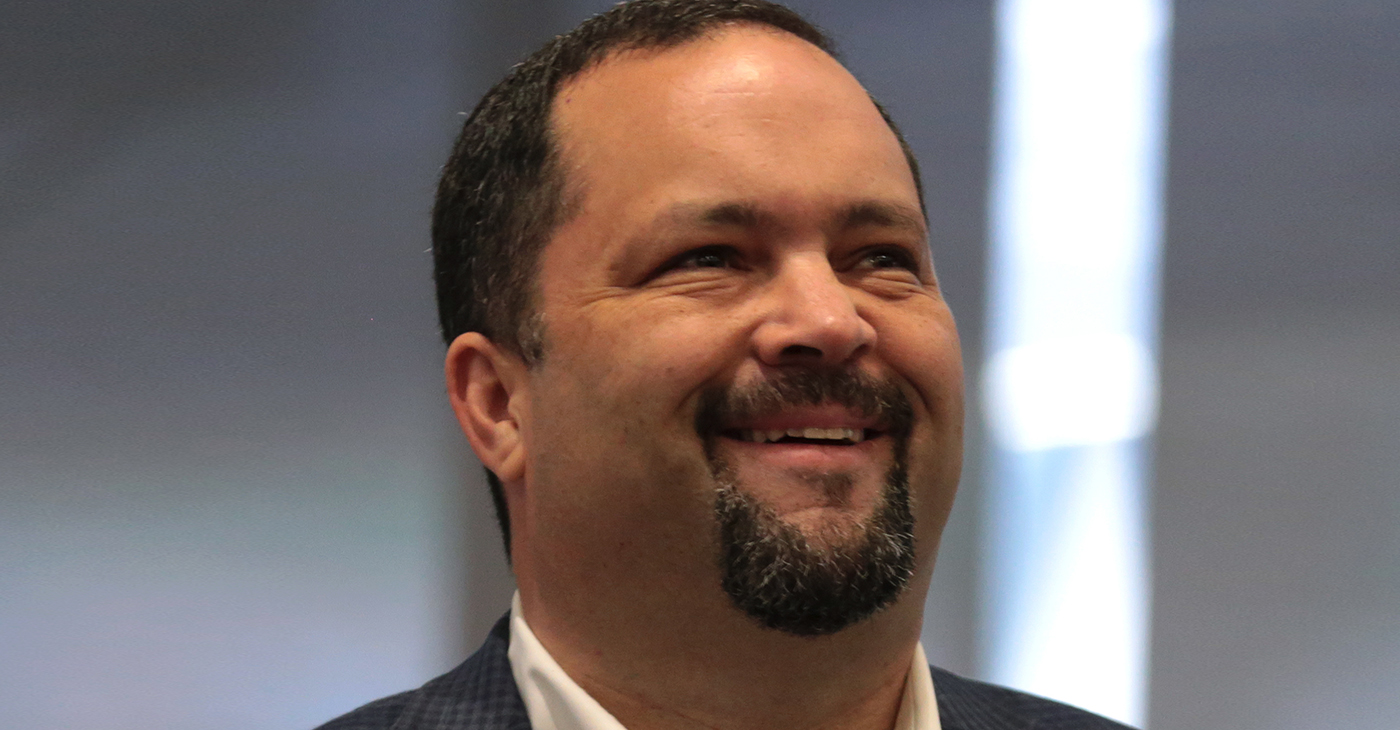
By Ben Jealous
When Charles Diggs, Jr. won election to Congress in Michigan’s 13th District in 1954, he launched nearly seven decades in which the city of Detroit had at least one Black member of Congress. That’s likely to change this year. Because of redistricting, Detroit no longer has majority-Black congressional districts. And in the first primary election with newly drawn district lines, a Black candidate did not win the Democratic contest in the heavily Democratic 13th. That means the city is likely to lack Black representation in Congress for the first time in decades.
Redistricting is robbing Black candidates and voters of years of hard fought for opportunities. In Detroit, new districts merged Black areas of the city with white neighborhoods across 8 Mile Road. The city stands to lose Black representation in Congress and have less representation in the state legislature. Knowing what the impact could be, voters have spoken out forcefully against the new redistricting maps from pulpits to street corners to the state capitol and even before the state courts.
Sadly, Michigan is not alone. The New York Times reported in August that this year, “judges in Alabama, Georgia, Louisiana and Ohio have found that Republican legislators illegally drew those states’ congressional maps along racial or partisan lines, or that a trial very likely would conclude that they did.” But elections are moving forward anyway.

We’ve all heard about the restrictive voter suppression laws that far-right state legislatures are passing. We’ve heard about the crackdowns on voting hours and mail-in voting, and even on giving food and water to voters in long lines. But we don’t hear enough about redistricting as another weapon being used to intimidate voters and keep us from exercising our constitutional rights. It is erasing us from Congress and state legislatures. We need to call it out and challenge it where we see it.
Calling out and challenging means organizing, litigating, and legislating. It means supporting national and local organizations that unite communities against racist gerrymandering and seek justice in the courts. They might not win every case, but advocacy and activism are essential to righting this wrong.
We must also keep voting, running for office, and educating. My organization, People For the American Way, houses an African American Religious Affairs network that has reaffirmed for more than a decade that “every election matters and every vote counts” — and that includes primaries. For Black ministers in our network, voting and civic participation are acts of faith and so much more. As Reverend Dr. Steve Bland, Jr., pastor of Liberty Temple Baptist Church in Detroit said, “It’s not about left or right. Splitting Detroit into two districts was an insult. But we have faith and must “deal with our self-interest by voting in every election!”
I know that a lot of media coverage of this summer’s primaries has focused on one big question: will Trump-style, MAGA candidates win or lose? But there’s another question that needs to be asked: how harmful are the impacts of redistricting on our communities in this year’s elections and those to come? The current reality dictates that we do not sit out any election. We need to resolutely register, educate, motivate and turn out voters. In every election. Every time.
Ben Jealous serves as president of People for the American Way and Professor of Practice in the Africana Studies Department at the University of Pennsylvania where he teaches leadership.








Activism
Oakland Post: Week of March 18 – 24, 2026
The printed Weekly Edition of the Oakland Post: Week of March 18 – 24, 2026
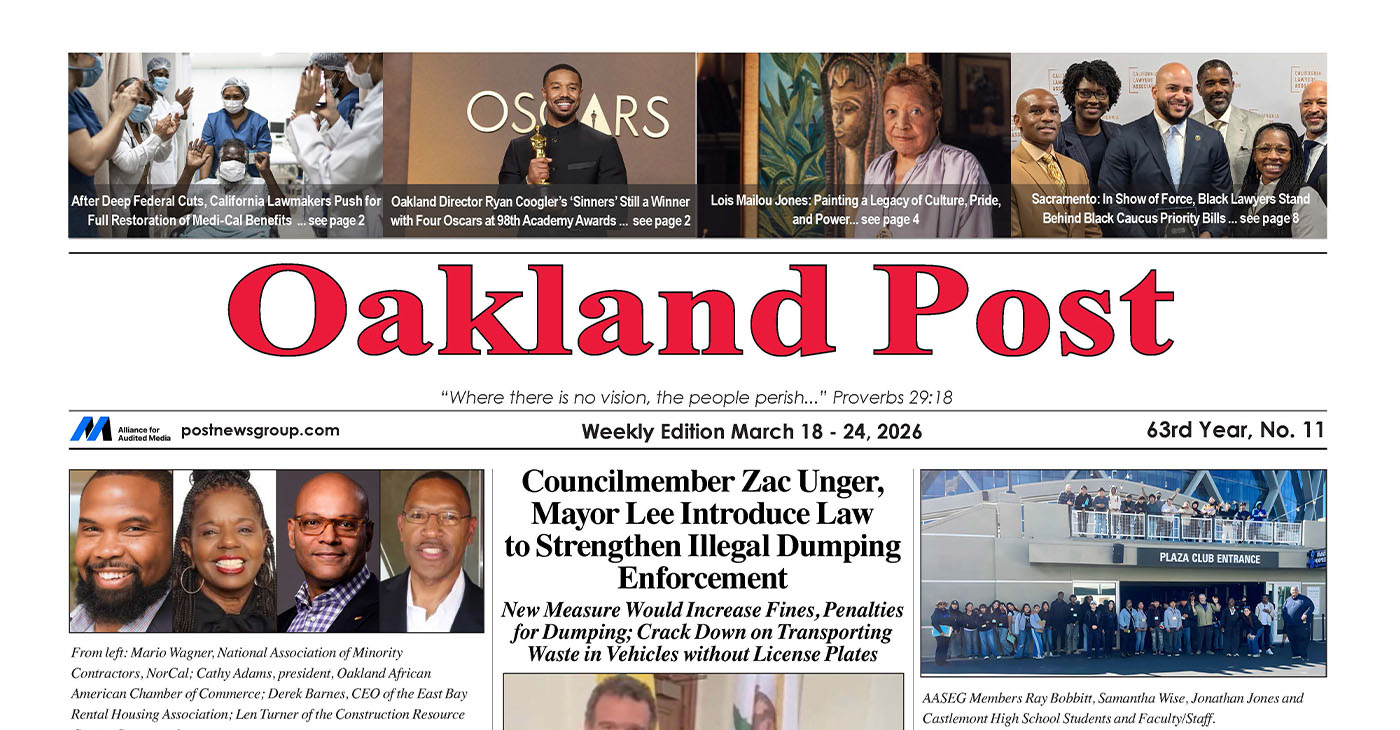
To enlarge your view of this issue, use the slider, magnifying glass icon or full page icon in the lower right corner of the browser window.
Activism
Oakland Post: Week of March 11 -17, 2026
The printed Weekly Edition of the Oakland Post: Week of March 11 – 17, 2026
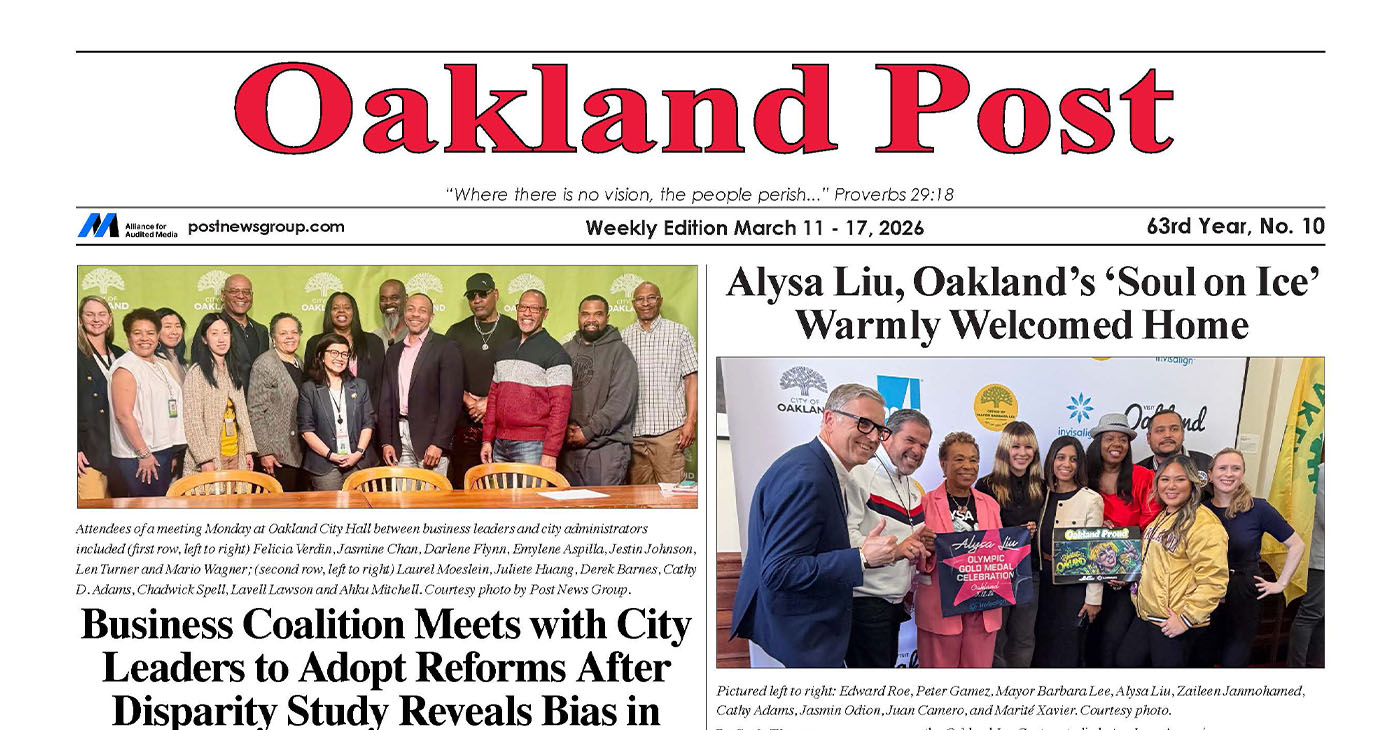
To enlarge your view of this issue, use the slider, magnifying glass icon or full page icon in the lower right corner of the browser window.
Activism
Oakland Post: Week of March 4 – 10, 2026
The printed Weekly Edition of the Oakland Post: Week of March 4 – 10, 2026
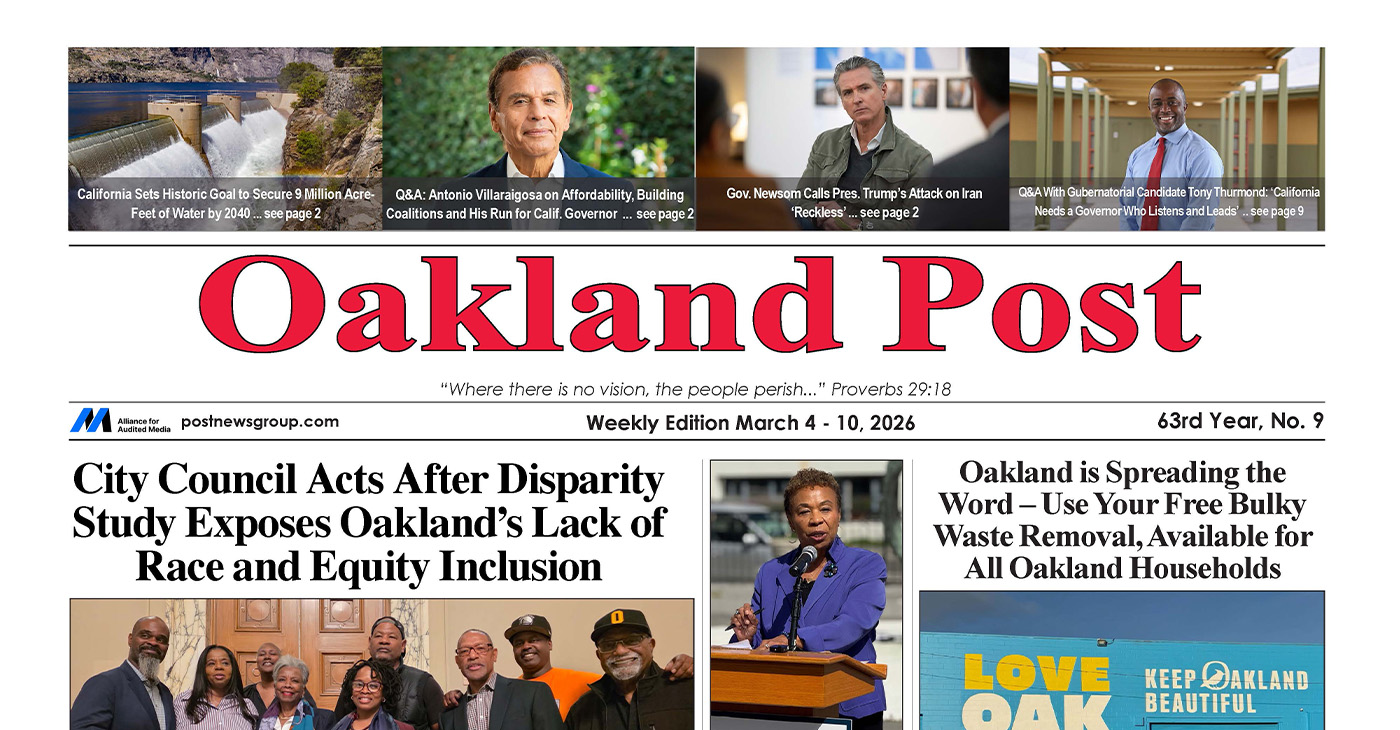
To enlarge your view of this issue, use the slider, magnifying glass icon or full page icon in the lower right corner of the browser window.


WORK FROM HOME
Home-based business with potential monthly income of $10K+ per month. A proven training system and website provided to maximize business effectiveness. Perfect job to earn side and primary income. Contact Lynne for more details: Lynne4npusa@gmail.com 800-334-0540


Black Artists in America, Installation Three Wraps at the Dixon Gallery and Gardens

Grief, Advocacy, and Education: A Counselor Reflects on Black Maternal Health

Future of Florida’s Black History Museum in Limbo

New Research Shows the Many Benefits of Early Learning

South Hampton K-8 Students Among Top 10 Finalists for Samsung’s ‘Solve for Tomorrow’ Competition

Cuba: No Negotiation with US on the President or Political System

Brooklyn Academy of Music Names Jamaican-Born Tamara McCaw as President

Trinidad & Tobego – U.S. Launches WhatsApp Channel for American Citizens in the Country

Oakland Post: Week of March 18 – 24, 2026

AI Innovation vs. Ethics and Environmental Impact

AI, Web3, and Digital Reparations

What If You Owned Your AI Agent?

Season 7, Episode 3 – January Reporter’s Roundtable 📱

Season 7, Episode 3 – January Reporter’s Roundtable

AI, Media, and Power | Part 2, Real-World Impacts and Tradeoffs

Discrimination in City Contracts

Oakland Post: Week of February 11 – 17, 2026

Reflecting on Black History Milestones in Birmingham AL

Rising Optimism Among Small And Middle Market Business Leaders Suggests Growth for California

CITY OF SAN LEANDRO STATE OF CALIFORNIA PUBLIC WORKS DEPARTMENT ENGINEERING DIVISION NOTICE TO BIDDERS FOR ANNUAL STREET OVERLAY/REHABILITATION 2019-21 – PHASE III

Oakland Post: Week of February 18 – 24, 2026

PRESS ROOM: NBA Hall of Fame Nominee Terry Cummings Joins 100 Black Men of DeKalb County to Launch Victory & Values Initiative

Oakland Post: Week of February 25 – March 3, 2026

U.S. manufacturing rebounds – how foundry services are adapting to rising demand

Trump’s MAGA Allies are Creating Executive Order Plan to Steal the 2026 Midterms

OP-ED: One Hundred Years of Black Workers Telling the Truth

Advancements in solar technology that are changing the way we power the world

Chase Oakland Community Center Hosts Alley-Oop Accelerator Building Community and Opportunity for Bay Area Entrepreneurs

PRESS ROOM: Civil Rights TV Launches in Selma as the World’s First 24/7 Civil Rights Television Network

Poll Shows Support for Policies That Help Families Afford Child Care

Hyundai Ioniq 5 Parking, Safety, and 360 View #shorts

2025 Ioniq 5 New Wiper & Powerful Performance! #shorts

Electric SUV Range: Is 259 Miles Enough? #shorts

EV Charging: How Fast Can You Charge an Electric Vehicle? #shorts

Biometric Cooling… Messaging Seats…Come on! 2025 Infiniti QX80 Autograph 4WD

Charged Up: Witness the Magic of a Fully Electric Car! #shorts

Range Rover Sport PHEV Included…: See What’s Inside This Luxury SUV! #shorts

Invisible Hood View: Perfect Parking with X-Ray Vision! #shorts

AI Is Reshaping Black Healthcare: Promise, Peril, and the Push for Improved Results in California

ESSAY: Technology and Medicine, a Primary Care Point of View

Sanctuary Cities

The RESISTANCE – FREEDOM NOW

STATE OF THE PEOPLE: Freddie

ECONOMIC BOYCOTT DAY!!!!!

I told You So
-
 #NNPA BlackPress4 weeks ago
Reflecting on Black History Milestones in Birmingham AL
-
 #NNPA BlackPress4 weeks ago
PRESS ROOM: NBA Hall of Fame Nominee Terry Cummings Joins 100 Black Men of DeKalb County to Launch Victory & Values Initiative
-
 Activism4 weeks ago
Oakland Post: Week of February 25 – March 3, 2026
-
 #NNPA BlackPress4 weeks ago
Trump’s MAGA Allies are Creating Executive Order Plan to Steal the 2026 Midterms
-
 #NNPA BlackPress4 weeks ago
OP-ED: One Hundred Years of Black Workers Telling the Truth
-
 #NNPA BlackPress4 weeks ago
Poll Shows Support for Policies That Help Families Afford Child Care
-
 Activism3 weeks ago
Oakland Post: Week of March 4 – 10, 2026
-

 #NNPA BlackPress3 weeks ago
Woman’s Search for Family’s Roots Leads to Ancestor John T. Ward – A Successful Entrepreneur and Conductor on the Underground Railroad
