
Bay Area
Black Mayors of Inglewood and Fontana Applaud Millions in Funds Awarded as Part of RAISE Grant Program
The cities of Inglewood and Fontana are beneficiaries of the RAISE program’s goal, “to help urban and rural communities move forward on projects that modernize roads, bridges, transit, rail, ports, and intermodal transportation and make our transportation systems safer, more accessible, more affordable, and more sustainable.”

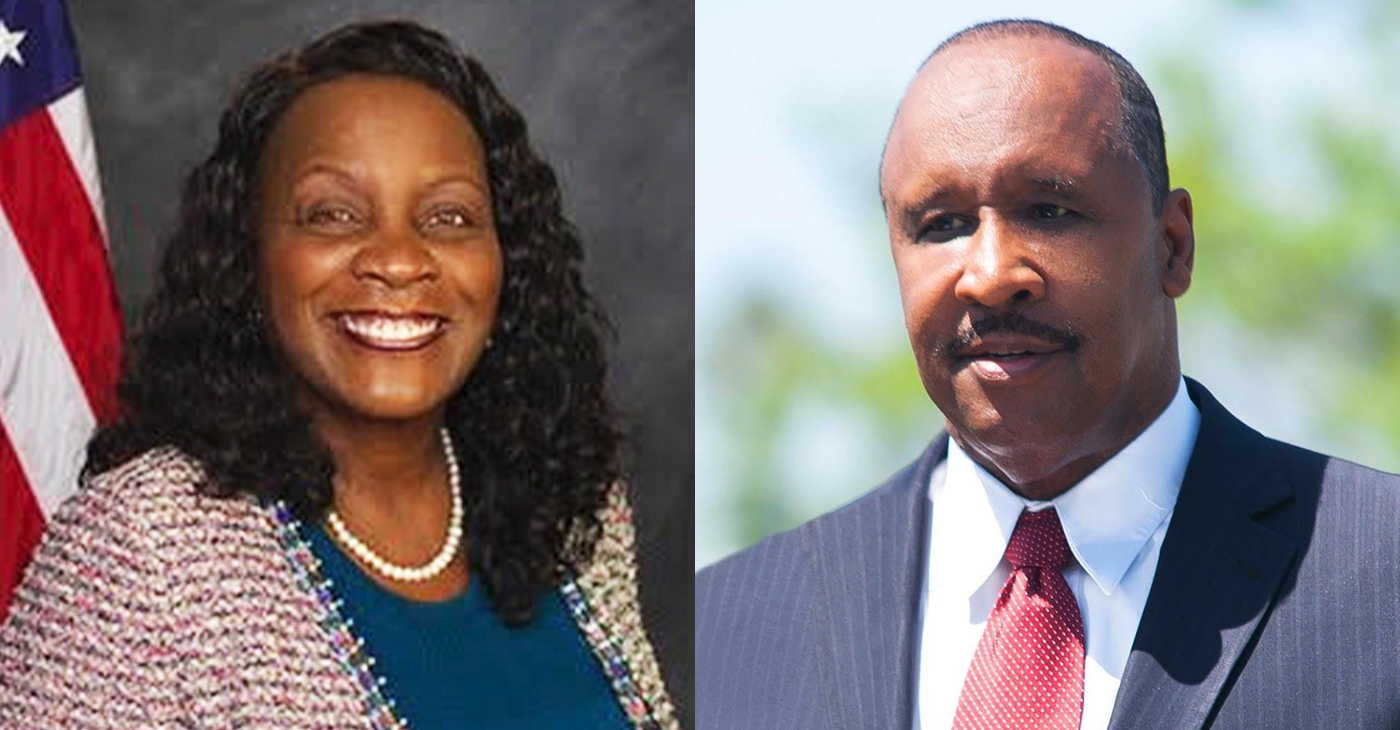
Austin Gage | California Black Media
Thanks to the Biden-Harris administration’s latest allocation of $2.2 billion from the Rebuilding American Infrastructure with Sustainability and Equity (RAISE) program, eight grants — totaling more than $119 million — were awarded by the US Department of Transportation (DOT) to local governments, transit agencies and a tribal nation to help improve transportation in California.
Grants were awarded to the Port of Los Angeles-Long Beach ($20 million), Sacramento Area Council of Governments ($5 million), Yuba-Sutter Transit Authority ($15 million), Tolowa Dee-ni’ Nation ($1.6 million), City of Fontana ($15 million), City of Inglewood ($15 million), California High-Speed Rail Authority ($25 million), and San Francisco Municipal Transportation Agency ($23 million).
The cities of Inglewood and Fontana are beneficiaries of the RAISE program’s goal, “to help urban and rural communities move forward on projects that modernize roads, bridges, transit, rail, ports, and intermodal transportation and make our transportation systems safer, more accessible, more affordable, and more sustainable.”
With different transportation needs and obstacles, the cities are slated to use the award money for different reasons.
In the case of Inglewood, the $15 million will be pushed into the “Inglewood Transit Connector Project” (ITC). The ITC, when fully complete, will consist of an approximately 1.6-mile fully-elevated, automated transit system with three stations to complete a critical gap in the region’s transit system, on segments along Market Street, Manchester Boulevard, and Prairie Avenue. As Inglewood continues to experience increased traffic due to places of interest such as SoFi Stadium, transit systems such as the ITC have been a key piece of the puzzle for the city’s health and growth.
Supporters of the project say not only will it serve as a cleaner transportation option compared to personal vehicles, the ITC promises to provide jobs to local workers from the area. The ITC project includes a commitment to a Community Workforce Agreement to hire 35% local residents, 10% disadvantaged workers, and 20% apprentice workers.
Inglewood Mayor James Butts applauded RAISE’s transportation award for the ITC and explained the rationale for the project.
“The ITC Project will reduce traffic, improve air quality, and it will enhance the quality of life for residents and visitors across the region,” said Butts.
While Inglewood’s RAISE award money will focus on the ITC transit system, Fontana’s award will feed into the “Building A Better-Connected Inland Empire Project”. As described by the DOT, this program will make street improvements by constructing additional lane capacity, an integrated traffic system, medians with protected left turns, a roundabout, bus turnouts, streetlights, signage, and raised medians, more than 7.5 miles of bike lanes — including more than 2.5 miles of separated bike lanes — a half-mile of multi-use trail, crosswalks, a bridge, and countdown signal heads.
Sharing many of the same goals as Inglewood’s ITC, Fontana’s project goals include improved efforts for safety, sustainable environmental factors, economic competitiveness and opportunity, and innovation. DOT experts say the project will help Fontana citizens have easier access to approximately 7,500 job opportunities.
The RAISE award for the “Building A Better-Connected Inland Empire Project” was announced by Representatives Norma J. Torres (CA-35), Pete Aguilar (CA-31) and Fontana Mayor Acquanetta Warren.
“With this RAISE grant provided by the Department of Transportation, we will make our streets and bike lanes safer, better connect our residents to transportation services, and strengthen our local and regional infrastructure for generations to come — all while integrating equity and accessibility. Without a doubt, this $15 million grant will be transformative to Fontana and the Inland Empire and support every single resident living in the region,” Rep. Torres said.
Rep. Aguilar said, “I’m proud to partner with Rep. Torres to secure federal funding that meets the City of Fontana’s needs and will continue to raise the quality of life for our region.”
Warren was just as excited for PRAISE’s awarded money and the positive impact it will have on the city in general.
“This is an historic day for the City of Fontana. The ‘Building A Better-Connected Inland Empire’ project will transform Fontana’s transportation corridors and create safe pathways for students and bicyclists. We are thankful to Congresswoman Torres and Congressman Aguilar for their work to secure RAISE Grant funding for Fontana,” said Warren.
With common goals like transportation safety, efficiency, accessibility, affordability, and sustainability, Inglewood’s ITC and Fontana’s “Building A Better-Connected Inland Empire” fit the criteria of what U.S. Transportation Secretary Pete Buttigieg was looking for when deciding which projects across the country should receive PRAISE awarded money.
“We are proud to support so many outstanding infrastructure projects in communities large and small, modernizing America’s transportation systems to make them safer, more affordable, more accessible, and more sustainable,” Buttigieg said.










Activism
Oakland Post: Week of September 23 – 29, 2026
The printed Weekly Edition of the Oakland Post: Week of September 23 – 29, 2026

To enlarge your view of this issue, use the slider, magnifying glass icon or full page icon in the lower right corner of the browser window.
Activism
Oakland Post: Week of September 16 – 22, 2026
The printed Weekly Edition of the Oakland Post: Week of September 16 – 22, 2026

To enlarge your view of this issue, use the slider, magnifying glass icon or full page icon in the lower right corner of the browser window.
Activism
Oakland Post: Week of September 9 – 15, 2026
The printed Weekly Edition of the Oakland Post: Week of September 9 – 15, 2026

To enlarge your view of this issue, use the slider, magnifying glass icon or full page icon in the lower right corner of the browser window.



Asm. Corey Jackson Announces Launch of 24-Hour Childcare in His District

IN MEMORIAM: The Rev. Leon “Sonny” Clark, Longtime Orange County Pastor and Community Leader, Dies at 72

Poll: Becerra Widens His Lead Over Hilton; Californians Split on Wealth Tax

From Historic Memories to New Possibilities: Oakland Celebrates Coliseum 60

County Office of Education Says OUSD Finances Are Getting Healthier, Materially Stronger

LIVE FREE Sunday Dinner Brings Faith, Fellowship and Civic Conversation to Oakland

Remembering Chauncey Bailey as Student Journalists Face Threats to Truth-Telling

BLACspace Cooperative Invites Bay Area to Experience Oakland’s Black Cultural Ecosystem Through a BLAC Map Tour + Party

In Wake of Death on Doorstep, Williams Chapel Baptist Church Calls for Better Care, Funding for Unhoused

Oakland Centenarian Nuna McKee Honored!

Caribbean Nations Produce Action Plan Calling for UK Reparations Over Slavery

Oakland Post: Week of September 23 – 29, 2026

Doulas Are Helping Black California Moms Navigate Pregnancy–Even as High Mortality Rates Persist

Newsom Signs Addictive Social Media Law to Protect Kids

On Your November Ballot: Prop 38 Would Allocate $8.4 Billion to Immunology and Immunotherapy Funding

Less Affluent School Districts, Including Sacramento City, Face Threat of State Takeover

ESSAY: California Can Close Its Colorectal Cancer Gap

California Hispanic Chambers of Commerce Unveils: ‘Powering the Future’ Theme for 47th Annual Statewide Convention

Four Candidates, Including Incumbent Barbara Lee, Qualify for Oakland Mayor’s Race

Oakland Post: Week of August 12 – 18, 2026

From Blueprint to Breakthrough: Tackling Affordable Housing in Oakland

Oakland Observes Black August with Block Parties, Film Showings, Workshops

COMMENTARY: Why Local School Tax Measure G1 Will Not Be on the November Ballot

Standoff for Justice: Our Homes Are Worth Fighting For

Returning to Its Roots, the Oakland Black-Eyed Pea Festival Partners with the Freedom Farmers Market Sept. 12

Oakland Post: Week of August 26 – September 1, 2026

NPRC Scores First Advocacy Victory: David Shaw Finally Gets His Wish to ‘Go Home’

Frontier Airlines’ Return to Oakland Airport Brings Flights, Jobs and Opportunity

Gubernatorial Candidate Steve Hilton Blasts California New Tire Rules; Newsom Hits Back

Chef Sharon Lee Blends Culinary Excellence, Education and Empowerment

The Conversation With Al McFarlane 6/23/26

Media Monday 6/22/26

LIVE! ASK ALMA! — TUES. 6.23.26 7PM EST

Car Buying Secrets: 4 Hidden Checks Before You Sign!

Is This 550 HP Charger Worth YOUR Money? AutoNetwork Review

Celebrating Juneteenth – Frederick Douglass on education and resistance

LIVE! — ASK ALMA! — TUES. 6.19.26 7PM EST

Hyundai Ioniq 5 Parking, Safety, and 360 View #shorts

2025 Ioniq 5 New Wiper & Powerful Performance! #shorts

Electric SUV Range: Is 259 Miles Enough? #shorts

EV Charging: How Fast Can You Charge an Electric Vehicle? #shorts

Biometric Cooling… Messaging Seats…Come on! 2025 Infiniti QX80 Autograph 4WD

Charged Up: Witness the Magic of a Fully Electric Car! #shorts

Range Rover Sport PHEV Included…: See What’s Inside This Luxury SUV! #shorts

Invisible Hood View: Perfect Parking with X-Ray Vision! #shorts
-
 Commentary4 weeks ago
Standoff for Justice: Our Homes Are Worth Fighting For
-
 Activism4 weeks ago
Oakland Post: Week of August 26 – September 1, 2026
-
 Business4 weeks ago
Frontier Airlines’ Return to Oakland Airport Brings Flights, Jobs and Opportunity
-
 Business4 weeks ago
Gubernatorial Candidate Steve Hilton Blasts California New Tire Rules; Newsom Hits Back
-
 Business4 weeks ago
Chef Sharon Lee Blends Culinary Excellence, Education and Empowerment
-

 Community4 weeks ago
Big City Mayors Ask for “Yes” Vote on Housing Bond Measure; Conservatives Say “No”
-

 Black History4 weeks ago
Jackie Wright Champions Bay Area Stories, Filmmakers and Cultural Institutions
-

 Education4 weeks ago
Gov. Newsom’s Latest Appointees Include Sacramento Advocate for Formerly Incarcerated Students; State’s New Tech Chief
