
Transportation
Car Review: 2015 Toyota Prius

By Frank S. Washington
NNPA Columnist
DETROIT (NNPA) – The Toyota Prius has been around for 15 years. It was the first hybrid on the U.S. market and it caused most major manufacturers to develop hybrids of their own. In other words, the Prius aided by Toyota marketing mite, dragged the auto industry into gasoline electric power trains.
To celebrate its 15th year in the market, Toyota has developed a special edition. It comes in two colors: Absolutely Red or Blizzard Pear. There are 17-inch wheels with a dark metal finish. The interior is trimmed with black SofTex® seats and dark gray stitching. The special edition also has blue foot well illumination, dark chrome accents on the door grips, steering wheel and shifter. The side mirrors include turn signals.
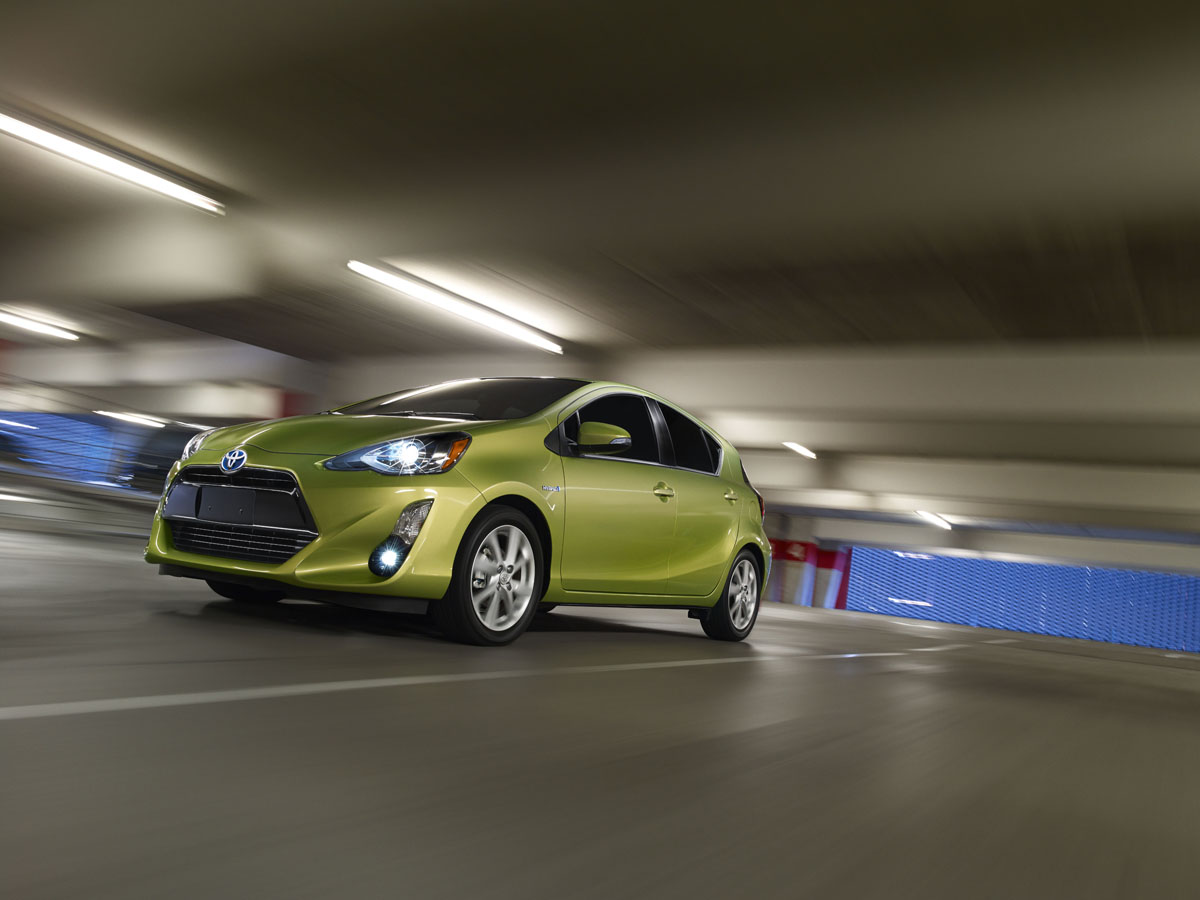
We didn’t have the special edition and we didn’t need it. Our Prius was more than good enough. Our test vehicle got 51 mpg in the city, 48 mpg on the highway and 50 mpg combined. It had the same amount of interior space as a midsize sedan.
We had the Prius Three model; the nameplate has grown to include four models. In addition to the Three, there is a Two, Four and the Five. Although our test car had the interior room of a midsize sedan, at 176.4-inches bumper to bumper it could get into compact only parking spaces. But because of its 93.7 cu. ft. of interior space and 21.6 cu. ft. of trunk space, it is classified as a midsize car by the EPA.
But those are numbers. They give no indication of the ambience of the Prius Three’s interior. It was spacious, stately and it was silent, an attribute of a quality build. The instrument panel was embedded at the base of the windshield in the dashboard. There was a speedometer and readout for the hybrid system that let the driver know when the car was charging, exerting energy and what was its driving mode.
It was spacious in the back seats, too. They had what felt like lower lumbar supports. There was plenty head space. For two people there was plenty of room but try and squeeze three adults in the back seats and it would be just that – a squeeze.
The Prius’ hybrid system combined a 1.8-liter Atkinson cycle four-cylinder engine and an electric motor. Together they generated 134 horsepower and the car had a continuously variable transmission. Our test car could run on the gasoline engine alone, the battery alone or a combination of the two.
This car almost demands a demure drive. Acceleration wasn’t blistering by any means. But if you know the personality of what you’re driving, then you know aggressive posturing in the Prius is a waste of time. It doesn’t have the oomph to pull it off. Regenerative braking recaptured energy when decelerating and sent it to the battery. Toyota said he helped reduce fuel consumption. The exhaust heat recirculation system reduced heat waste by warming engine coolant during cold startup, although it wasn’t really cold during our test drive.
There were four driving modes: Normal, POWER, ECO and EV. Toyota said, “POWER mode increases sensitivity to throttle input for a sportier feel; ECO mode helps drivers enhance fuel economy by adjusting throttle input and climate control. In EV mode, the Prius can drive on battery power alone at low speeds for about a mile.”
The Prius looks like, well, a Prius. It had an arc shaped profile featuring sharp edges. The car had a drag coefficient of 0.25, another factor that aided fuel consumption. It had an aluminum hood, rear hatch (it was a five-seat hatchback), front stabilizer bar and brake calipers to save weight.
By using super high strength steel (it is lighter and stronger than normal steel) in the inner rocker panel, the center pillar and roof enforcement, the car weighed 3,042 lbs. That’s sport car light.
Our test vehicle was full of creature comforts. It had a moonroof, satellite radio, Toyota’s Entune system with its suite of subscription free apps, Bluetooth, USB and auxiliary ports and voice recognition.
As the cost of well-equipped small cars has climbed, our 2015 Toyota Prius Three’s $28,315 does not seem like the hybrid premium price that it once did.
Frank S. Washington is editor of AboutThatCar.com.
###









Business
Starting This Summer, California Car Buyers Can Get an Instant $3500 Off the Cost of Electric Vehicles
OAKLAND POST — Beginning later this summer, eligible Californians can receive a $3,500 rebate on new zero-emission vehicles with a manufacturer’s suggested retail price of up to $50,000. Buyers purchasing qualifying used electric vehicles priced at up to $25,000 can receive a $1,750 rebate. The rebate will be applied directly at participating dealerships, allowing buyers to receive the discount immediately instead of waiting for reimbursement.


California residents purchasing their first zero-emission vehicle will soon be eligible for an instant rebate of up to $3,500 under a new state program aimed at making electric vehicles more affordable.
Gov. Gavin Newsom signed Senate Bill (SB) 168 on July 16, creating the MyFirstEV program as part of California’s 2026-27 state budget. The initiative dedicates $135.5 million in state funding for point-of-sale rebates, which participating automakers will match dollar for dollar. State officials said the combined investment will provide $270 million in savings for first-time electric vehicle buyers.
Beginning later this summer, eligible Californians can receive a $3,500 rebate on new zero-emission vehicles with a manufacturer’s suggested retail price of up to $50,000. Buyers purchasing qualifying used electric vehicles priced at up to $25,000 can receive a $1,750 rebate. The rebate will be applied directly at participating dealerships, allowing buyers to receive the discount immediately instead of waiting for reimbursement.
“With our new instant rebate program for electric vehicles, we’re making it easier for families to drive clean, breathe clean, and keep more money in their pockets,” Newsom said in a statement.
The MyFirstEV program is part of a broader $600 million investment in California’s clean transportation economy included in the state budget. The funding package also provides $150 million for the Community Air Protection Program, $19.8 million for the Clean Cars 4 All program for lower-income residents, $35 million for clean off-road equipment through the Air Quality Improvement Program, $135.5 million for the Clean Truck and Bus Voucher Incentive Project, and $130 million for the Carl Moyer Program to replace older heavy-duty engines with cleaner alternatives.
According to the governor’s office, the transportation investments are funded through Cap-and-Invest revenue and smog-abatement fees while maintaining a balanced state budget.
California continues to expand its zero-emission transportation network. The state surpassed 2.5 million cumulative zero-emission vehicle sales earlier this year, exceeding its original goal of 1.5 million sales by 2025. Officials also reported that California has more than 200,000 public and shared electric vehicle charging plugs statewide, in addition to an estimated 800,000 home charging stations.

Featured
What Are the Five Pillars of Road Safety?
BLACKPRESSUSA NEWSWIRE — What makes road safety crucial in 2026? Investigate the pivotal measures communities are adopting to ensure public safety on roads. Get insights now!
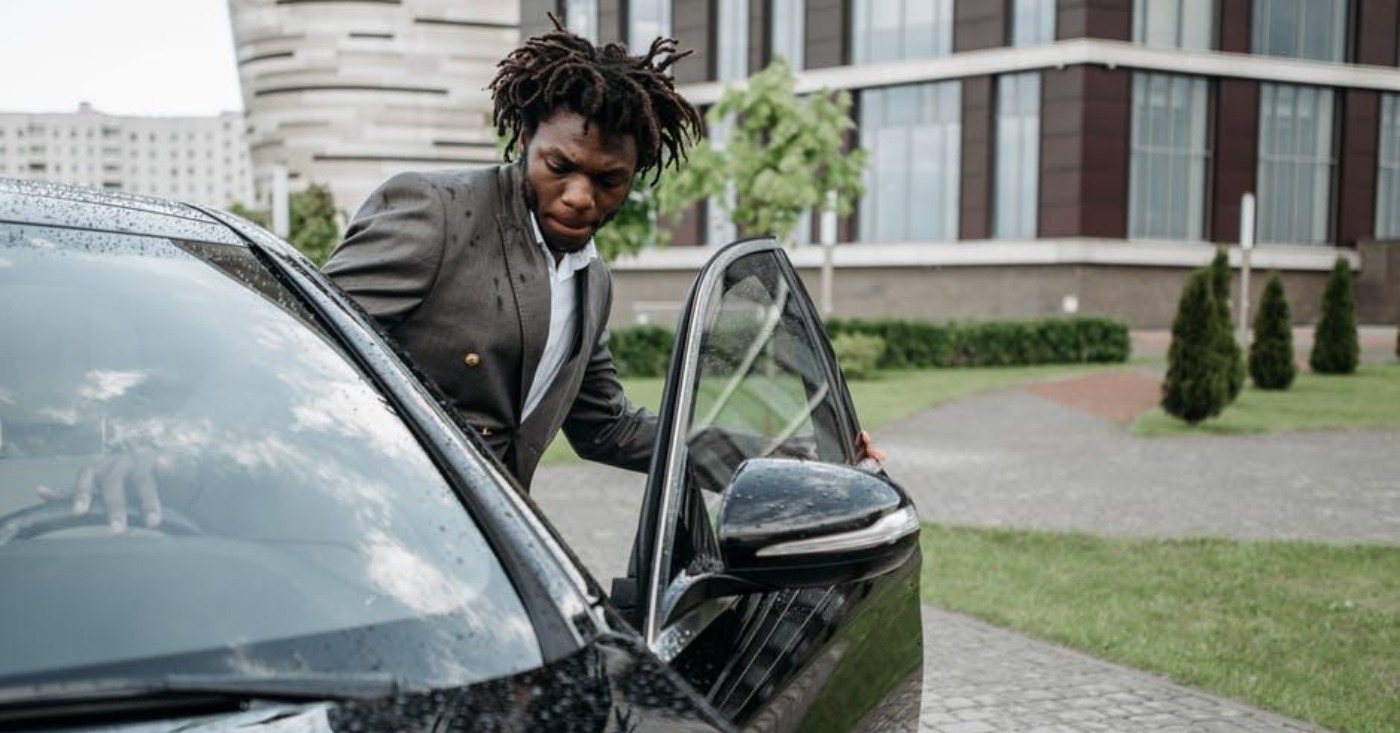
Road safety is becoming one of today’s biggest public priorities
Road safety is becoming a growing public priority as communities invest in safer infrastructure, advanced vehicle technology, public education, and smarter enforcement to help reduce crashes and protect everyone who uses the road.
Every day, millions of Americans travel by car, walk through neighborhoods, ride bicycles, or use public transportation. Whether someone is driving, cycling, walking, or taking a bus, everyone shares a responsibility for making roads safer.
Although fatalities have continued to decline from recent highs, thousands of lives are still lost each year, keeping traffic safety firmly in the public spotlight. The National Highway Traffic Safety Administration estimates that about 39,000 people died in traffic crashes in 2024.
Communities are responding with greater awareness, safer road designs, and renewed attention to everyday driving habits that reduce the risk of serious crashes.
What Are the Five Pillars of Road Safety?
Road safety doesn’t depend on one solution. Experts generally agree that reducing crashes requires improvements across several areas, from better road design to safer driving habits.
The five pillars focus on:
- Road safety management
- Safer roads and infrastructure
- Safer vehicles
- Safer road users
- Effective post-crash response
Together, these areas provide a practical framework for:
- Reducing crashes
- Preventing serious injuries
- Making travel safer for everyone
Communities Are Investing in Safer Roads and Transportation Infrastructure
The way streets, intersections, and crossings are designed influences how safely drivers, cyclists, and pedestrians move through an area. That’s why many communities continue to invest in projects that make everyday travel safer.
Common improvements include:
- Better marked crosswalks
- Traffic calming measures
- Protected bike lanes
- Improved street lighting
- Upgraded traffic signals
- Safer intersections
- More visible road signs
These projects can be found on neighborhood streets as well as major roads. While they take time to complete, each improvement helps create a safer environment for everyone who travels:
- By car
- By bicycle
- By public transportation
- On foot
School Zones Continue To Receive Greater Safety Attention
School zones remain a major focus of road safety efforts because they bring together young pedestrians, school buses, cyclists, and heavy traffic at the busiest times of the day.
Many communities are lowering speed limits during school hours, improving crosswalk visibility, upgrading sidewalks, and adding flashing signs or crossing guards where needed. These measures encourage drivers to slow down and stay alert where children are most likely to be present.
Creating safer routes to and from school continues to be an important part of protecting children and improving everyday road safety.
Advanced Vehicle Safety Technology Is Becoming More Common
Modern vehicles include more safety features than ever before. While no technology can prevent every crash, many systems help drivers recognize hazards sooner or reduce the severity of a collision.
The common safety technologies being built into cars are:
- Automatic emergency braking
- Blind spot monitoring
- Lane departure warnings
- Adaptive cruise control
- Rear cross traffic alerts
- Driver attention monitoring
- Parking and surround view cameras
Automotive safety features work best alongside responsible driving habits, providing an extra layer of protection when unexpected situations arise on the road.
Traffic Enforcement Is Becoming More Data-Driven
Communities are using crash data to better understand where collisions happen most often and where additional safety measures may be needed.
The findings can shape decisions about:
- Speed enforcement
- Traffic signal timing
- School zones
- Pedestrian crossings
Rather than taking the same approach everywhere, attention can be focused on locations with the greatest need.
The goal is simple: reduce crashes before they happen by directing resources where they can have the greatest impact.
Public Education Campaigns Are Promoting Safer Road Behavior
Public education campaigns encourage people to make better decisions every time they travel, whether they’re driving, cycling, or walking. Many campaigns focus on simple reminders such as:
- Avoiding distracted driving
- Wearing seat belts
- Following speed limits
- Watching for pedestrians and cyclists
- Driving sober
Small changes in everyday behavior can make a meaningful difference over time. When more people understand the risks and develop safer habits, everyone benefits from a safer transportation system.
Knowing Your Rights Matters After a Serious Road Accident
Even with safer roads, improved vehicle technology, and greater public awareness, serious crashes can still happen. When they do, knowing what steps to take next becomes just as important as understanding how to stay safe.
Seeking medical attention, documenting the scene when possible, and understanding your legal rights can help people make informed decisions during a stressful time.
Individuals with questions about injuries caused by another person’s negligence may also choose to speak with Shull + Klenda personal injury lawyers to better understand the options available to them.
Frequently Asked Questions
Why Are Road Traffic Accidents Still So Common?
Road accidents happen for many reasons, including:
- Speeding
- Distracted driving
- Impaired driving
- Poor weather
- Driver fatigue
Even small mistakes can have serious consequences, making safer travel an ongoing public priority.
Who Are the Most Vulnerable Road Users?
Pedestrians, cyclists, motorcyclists, and children are among the most vulnerable because they have less physical protection than people inside vehicles. Many safety improvements are designed with these road users in mind.
How Can Communities Make Residential Streets Safer?
Better lighting, clearly marked crosswalks, lower speed limits where appropriate, traffic calming measures, and school zone improvements can all make residential streets safer. Community feedback also helps identify areas where additional improvements may be needed.
Why Is Defensive Driving Important?
Defensive driving encourages motorists to stay alert, anticipate potential hazards, and leave enough space to react when unexpected situations arise. These habits can reduce the likelihood of collisions even when other road users make mistakes.
What Should You Do If You’re Injured in a Road Accident?
Your priority should always be getting medical attention. It’s also important to document the incident when possible, report the accident if required, and understand your legal rights before making decisions about the next steps.
Road Safety Remains a Shared Responsibility
Road safety banks on more than traffic laws or new technology. Thoughtful planning, responsible driving, and informed decisions all play a role in protecting drivers, passengers, cyclists, and pedestrians every day.
Discover more local stories, transportation updates, and public safety news on our site.
Alameda County
Ferry Fares to Increase July 1 as Ridership Hits Record Highs
The Oakland and Alameda routes will increase from $4.90 to $5.10, the South San Francisco route will go up from $7.40 to $7.60, and the Vallejo route will increase from $9.90 to $10.


By Mike Aldax, The Richmond Standard
Starting July 1, the standard adult fare for the San Francisco Bay Ferry route between Richmond and San Francisco will increase to $5.20, up from the current $4.90.
Discounted fares for eligible passengers, including youth, seniors, people with disabilities, and Clipper START users, will rise to $2.60 from the current $2.40. Children under 5 will continue to ride for free.
The Oakland and Alameda routes will increase from $4.90 to $5.10, the South San Francisco route will go up from $7.40 to $7.60, and the Vallejo route will increase from $9.90 to $10.
The adjustments are part of a systemwide fare update approved by the agency’s Board of Directors, which is moving away from a flat 3% annual increase to route-specific pricing for the 2027 and 2028 fiscal years.
This fare update arrives as San Francisco Bay Ferry celebrates a historic May, transporting 301,270 passengers. The record-breaking figure represents an 8% increase over May 2025 and marks the third consecutive month of record-setting ridership.
Furthermore, it is the sixth month in a row that passenger numbers have exceeded pre-pandemic levels. Weekend travel has been a primary driver of this growth, with average weekend ridership seeing a 56% increase compared to pre-pandemic trends.
The agency states that the fare adjustments are necessary to ensure the long-term fiscal sustainability of public ferry services. By shifting to route-specific adjustments, the agency aims to offset rising operating costs while maintaining the high levels of service frequency and reliability.


WORK FROM HOME
Home-based business with potential monthly income of $10K+ per month. A proven training system and website provided to maximize business effectiveness. Perfect job to earn side and primary income. Contact Lynne for more details: Lynne4npusa@gmail.com 800-334-0540


Four Candidates, Including Incumbent Barbara Lee, Qualify for Oakland Mayor’s Race

Oakland Observes Black August with Block Parties, Film Showings, Workshops

Oakland Post: Week of August 12 – 18, 2026

COMMENTARY: Why Local School Tax Measure G1 Will Not Be on the November Ballot

California Hispanic Chambers of Commerce Unveils: ‘Powering the Future’ Theme for 47th Annual Statewide Convention

Returning to Its Roots, the Oakland Black-Eyed Pea Festival Partners with the Freedom Farmers Market Sept. 12

Less Affluent School Districts, Including Sacramento City, Face Threat of State Takeover

From Blueprint to Breakthrough: Tackling Affordable Housing in Oakland

NPRC Scores First Advocacy Victory: David Shaw Finally Gets His Wish to ‘Go Home’

ESSAY: California Can Close Its Colorectal Cancer Gap

Car Wash Workers Cope with Lingering Impacts of ICE Raids

Misty Copeland Shapes Ballet’s Tomorrow

As Part of Your Back-to- School Checklist, Vaccinate

As Part of Your Back-to- School Checklist, Vaccinate

Congresswoman Simon Demands Investigation into Trump’s Abuse of Emergency Powers for Coal Export Terminal in West Oakland

Department of Homeland Security Demands California Secretary of State Shirley N. Weber Scrub Voter Rolls

Oakland Children’s Hospital Workers and Patients Rally for Pediatric Medical Care

New Judge Could Decide if Karmelo Anthony Gets a New Trial

“The Power to See Threats Sooner”: Gov. Newsom, Safety Officials Showcase California’s Investments in Hi-Tech Wildfire Prevention

Alpha Kappa Alpha Sorority, Inc. Celebrates New North Atlantic Regional Director

Surveillance Pricing Fight: State Senate Debates Bill Banning Retailers from Using AI to Set Prices Based on a Buyer’s Profile

Mount Zion MBC, Church of Jesus Christ of Latter-day Saints Partner to Bring 29,000 Meals to Alameda County

California Sen. Padilla Joins Colleagues to Introduce Bill Imposing Term Limits on Supreme Court Justices

Starting This Summer, California Car Buyers Can Get an Instant $3500 Off the Cost of Electric Vehicles

COMMENTARY: You Are Already Paying for the AI Boom
Less Affluent School Districts, Including Sacramento City, Face Threat of State Takeover

California Bill Would Let Abuse Victims Use Trauma as Legal Defense for Violent Crime
Car Wash Workers Cope with Lingering Impacts of ICE Raids

Fed Court to Decide Landmark First Amendment Case

Gov. Gavin Newsom Signs Law Streamlining Affordable Housing Rules

The Conversation With Al McFarlane 6/23/26

Media Monday 6/22/26

LIVE! ASK ALMA! — TUES. 6.23.26 7PM EST

Car Buying Secrets: 4 Hidden Checks Before You Sign!

Is This 550 HP Charger Worth YOUR Money? AutoNetwork Review

Celebrating Juneteenth – Frederick Douglass on education and resistance

LIVE! — ASK ALMA! — TUES. 6.19.26 7PM EST

Hyundai Ioniq 5 Parking, Safety, and 360 View #shorts

2025 Ioniq 5 New Wiper & Powerful Performance! #shorts

Electric SUV Range: Is 259 Miles Enough? #shorts

EV Charging: How Fast Can You Charge an Electric Vehicle? #shorts

Biometric Cooling… Messaging Seats…Come on! 2025 Infiniti QX80 Autograph 4WD

Charged Up: Witness the Magic of a Fully Electric Car! #shorts

Range Rover Sport PHEV Included…: See What’s Inside This Luxury SUV! #shorts

Invisible Hood View: Perfect Parking with X-Ray Vision! #shorts
-
 Featured1 week ago
Department of Homeland Security Demands California Secretary of State Shirley N. Weber Scrub Voter Rolls
-
 Business3 weeks ago
Oakland Children’s Hospital Workers and Patients Rally for Pediatric Medical Care
-
 #NNPA BlackPress2 weeks ago
New Judge Could Decide if Karmelo Anthony Gets a New Trial
-
 Environment1 week ago
“The Power to See Threats Sooner”: Gov. Newsom, Safety Officials Showcase California’s Investments in Hi-Tech Wildfire Prevention
-
 Black History2 weeks ago
Alpha Kappa Alpha Sorority, Inc. Celebrates New North Atlantic Regional Director
-
 Business3 weeks ago
Surveillance Pricing Fight: State Senate Debates Bill Banning Retailers from Using AI to Set Prices Based on a Buyer’s Profile
-
 Business3 weeks ago
Mount Zion MBC, Church of Jesus Christ of Latter-day Saints Partner to Bring 29,000 Meals to Alameda County
-
 Featured1 week ago
California Sen. Padilla Joins Colleagues to Introduce Bill Imposing Term Limits on Supreme Court Justices
Transportation
Car Review: 2015 Toyota Prius
By Frank S. Washington
NNPA Columnist
DETROIT (NNPA) – The Toyota Prius has been around for 15 years. It was the first hybrid on the U.S. market and it caused most major manufacturers to develop hybrids of their own. In other words, the Prius aided by Toyota marketing mite, dragged the auto industry into gasoline electric power trains.
To celebrate its 15th year in the market, Toyota has developed a special edition. It comes in two colors: Absolutely Red or Blizzard Pear. There are 17-inch wheels with a dark metal finish. The interior is trimmed with black SofTex® seats and dark gray stitching. The special edition also has blue foot well illumination, dark chrome accents on the door grips, steering wheel and shifter. The side mirrors include turn signals.
We didn’t have the special edition and we didn’t need it. Our Prius was more than good enough. Our test vehicle got 51 mpg in the city, 48 mpg on the highway and 50 mpg combined. It had the same amount of interior space as a midsize sedan.
We had the Prius Three model; the nameplate has grown to include four models. In addition to the Three, there is a Two, Four and the Five. Although our test car had the interior room of a midsize sedan, at 176.4-inches bumper to bumper it could get into compact only parking spaces. But because of its 93.7 cu. ft. of interior space and 21.6 cu. ft. of trunk space, it is classified as a midsize car by the EPA.

But those are numbers. They give no indication of the ambience of the Prius Three’s interior. It was spacious, stately and it was silent, an attribute of a quality build. The instrument panel was embedded at the base of the windshield in the dashboard. There was a speedometer and readout for the hybrid system that let the driver know when the car was charging, exerting energy and what was its driving mode.
It was spacious in the back seats, too. They had what felt like lower lumbar supports. There was plenty head space. For two people there was plenty of room but try and squeeze three adults in the back seats and it would be just that – a squeeze.
The Prius’ hybrid system combined a 1.8-liter Atkinson cycle four-cylinder engine and an electric motor. Together they generated 134 horsepower and the car had a continuously variable transmission. Our test car could run on the gasoline engine alone, the battery alone or a combination of the two.
This car almost demands a demure drive. Acceleration wasn’t blistering by any means. But if you know the personality of what you’re driving, then you know aggressive posturing in the Prius is a waste of time. It doesn’t have the oomph to pull it off. Regenerative braking recaptured energy when decelerating and sent it to the battery. Toyota said he helped reduce fuel consumption. The exhaust heat recirculation system reduced heat waste by warming engine coolant during cold startup, although it wasn’t really cold during our test drive.
There were four driving modes: Normal, POWER, ECO and EV. Toyota said, “POWER mode increases sensitivity to throttle input for a sportier feel; ECO mode helps drivers enhance fuel economy by adjusting throttle input and climate control. In EV mode, the Prius can drive on battery power alone at low speeds for about a mile.”
The Prius looks like, well, a Prius. It had an arc shaped profile featuring sharp edges. The car had a drag coefficient of 0.25, another factor that aided fuel consumption. It had an aluminum hood, rear hatch (it was a five-seat hatchback), front stabilizer bar and brake calipers to save weight.
By using super high strength steel (it is lighter and stronger than normal steel) in the inner rocker panel, the center pillar and roof enforcement, the car weighed 3,042 lbs. That’s sport car light.
Our test vehicle was full of creature comforts. It had a moonroof, satellite radio, Toyota’s Entune system with its suite of subscription free apps, Bluetooth, USB and auxiliary ports and voice recognition.
As the cost of well-equipped small cars has climbed, our 2015 Toyota Prius Three’s $28,315 does not seem like the hybrid premium price that it once did.
Frank S. Washington is editor of AboutThatCar.com.
###

Business
Starting This Summer, California Car Buyers Can Get an Instant $3500 Off the Cost of Electric Vehicles
OAKLAND POST — Beginning later this summer, eligible Californians can receive a $3,500 rebate on new zero-emission vehicles with a manufacturer’s suggested retail price of up to $50,000. Buyers purchasing qualifying used electric vehicles priced at up to $25,000 can receive a $1,750 rebate. The rebate will be applied directly at participating dealerships, allowing buyers to receive the discount immediately instead of waiting for reimbursement.
California residents purchasing their first zero-emission vehicle will soon be eligible for an instant rebate of up to $3,500 under a new state program aimed at making electric vehicles more affordable.
Gov. Gavin Newsom signed Senate Bill (SB) 168 on July 16, creating the MyFirstEV program as part of California’s 2026-27 state budget. The initiative dedicates $135.5 million in state funding for point-of-sale rebates, which participating automakers will match dollar for dollar. State officials said the combined investment will provide $270 million in savings for first-time electric vehicle buyers.
Beginning later this summer, eligible Californians can receive a $3,500 rebate on new zero-emission vehicles with a manufacturer’s suggested retail price of up to $50,000. Buyers purchasing qualifying used electric vehicles priced at up to $25,000 can receive a $1,750 rebate. The rebate will be applied directly at participating dealerships, allowing buyers to receive the discount immediately instead of waiting for reimbursement.
“With our new instant rebate program for electric vehicles, we’re making it easier for families to drive clean, breathe clean, and keep more money in their pockets,” Newsom said in a statement.

The MyFirstEV program is part of a broader $600 million investment in California’s clean transportation economy included in the state budget. The funding package also provides $150 million for the Community Air Protection Program, $19.8 million for the Clean Cars 4 All program for lower-income residents, $35 million for clean off-road equipment through the Air Quality Improvement Program, $135.5 million for the Clean Truck and Bus Voucher Incentive Project, and $130 million for the Carl Moyer Program to replace older heavy-duty engines with cleaner alternatives.
According to the governor’s office, the transportation investments are funded through Cap-and-Invest revenue and smog-abatement fees while maintaining a balanced state budget.
California continues to expand its zero-emission transportation network. The state surpassed 2.5 million cumulative zero-emission vehicle sales earlier this year, exceeding its original goal of 1.5 million sales by 2025. Officials also reported that California has more than 200,000 public and shared electric vehicle charging plugs statewide, in addition to an estimated 800,000 home charging stations.
Featured
What Are the Five Pillars of Road Safety?
BLACKPRESSUSA NEWSWIRE — What makes road safety crucial in 2026? Investigate the pivotal measures communities are adopting to ensure public safety on roads. Get insights now!
Road safety is becoming one of today’s biggest public priorities
Road safety is becoming a growing public priority as communities invest in safer infrastructure, advanced vehicle technology, public education, and smarter enforcement to help reduce crashes and protect everyone who uses the road.
Every day, millions of Americans travel by car, walk through neighborhoods, ride bicycles, or use public transportation. Whether someone is driving, cycling, walking, or taking a bus, everyone shares a responsibility for making roads safer.
Although fatalities have continued to decline from recent highs, thousands of lives are still lost each year, keeping traffic safety firmly in the public spotlight. The National Highway Traffic Safety Administration estimates that about 39,000 people died in traffic crashes in 2024.
Communities are responding with greater awareness, safer road designs, and renewed attention to everyday driving habits that reduce the risk of serious crashes.
What Are the Five Pillars of Road Safety?
Road safety doesn’t depend on one solution. Experts generally agree that reducing crashes requires improvements across several areas, from better road design to safer driving habits.
The five pillars focus on:
- Road safety management
- Safer roads and infrastructure
- Safer vehicles
- Safer road users
- Effective post-crash response
Together, these areas provide a practical framework for:
- Reducing crashes
- Preventing serious injuries
- Making travel safer for everyone
Communities Are Investing in Safer Roads and Transportation Infrastructure
The way streets, intersections, and crossings are designed influences how safely drivers, cyclists, and pedestrians move through an area. That’s why many communities continue to invest in projects that make everyday travel safer.

Common improvements include:
- Better marked crosswalks
- Traffic calming measures
- Protected bike lanes
- Improved street lighting
- Upgraded traffic signals
- Safer intersections
- More visible road signs
These projects can be found on neighborhood streets as well as major roads. While they take time to complete, each improvement helps create a safer environment for everyone who travels:
- By car
- By bicycle
- By public transportation
- On foot
School Zones Continue To Receive Greater Safety Attention
School zones remain a major focus of road safety efforts because they bring together young pedestrians, school buses, cyclists, and heavy traffic at the busiest times of the day.
Many communities are lowering speed limits during school hours, improving crosswalk visibility, upgrading sidewalks, and adding flashing signs or crossing guards where needed. These measures encourage drivers to slow down and stay alert where children are most likely to be present.
Creating safer routes to and from school continues to be an important part of protecting children and improving everyday road safety.
Advanced Vehicle Safety Technology Is Becoming More Common
Modern vehicles include more safety features than ever before. While no technology can prevent every crash, many systems help drivers recognize hazards sooner or reduce the severity of a collision.
The common safety technologies being built into cars are:
- Automatic emergency braking
- Blind spot monitoring
- Lane departure warnings
- Adaptive cruise control
- Rear cross traffic alerts
- Driver attention monitoring
- Parking and surround view cameras
Automotive safety features work best alongside responsible driving habits, providing an extra layer of protection when unexpected situations arise on the road.
Traffic Enforcement Is Becoming More Data-Driven
Communities are using crash data to better understand where collisions happen most often and where additional safety measures may be needed.
The findings can shape decisions about:
- Speed enforcement
- Traffic signal timing
- School zones
- Pedestrian crossings
Rather than taking the same approach everywhere, attention can be focused on locations with the greatest need.
The goal is simple: reduce crashes before they happen by directing resources where they can have the greatest impact.
Public Education Campaigns Are Promoting Safer Road Behavior
Public education campaigns encourage people to make better decisions every time they travel, whether they’re driving, cycling, or walking. Many campaigns focus on simple reminders such as:
- Avoiding distracted driving
- Wearing seat belts
- Following speed limits
- Watching for pedestrians and cyclists
- Driving sober
Small changes in everyday behavior can make a meaningful difference over time. When more people understand the risks and develop safer habits, everyone benefits from a safer transportation system.
Knowing Your Rights Matters After a Serious Road Accident
Even with safer roads, improved vehicle technology, and greater public awareness, serious crashes can still happen. When they do, knowing what steps to take next becomes just as important as understanding how to stay safe.
Seeking medical attention, documenting the scene when possible, and understanding your legal rights can help people make informed decisions during a stressful time.
Individuals with questions about injuries caused by another person’s negligence may also choose to speak with Shull + Klenda personal injury lawyers to better understand the options available to them.
Frequently Asked Questions
Why Are Road Traffic Accidents Still So Common?
Road accidents happen for many reasons, including:
- Speeding
- Distracted driving
- Impaired driving
- Poor weather
- Driver fatigue
Even small mistakes can have serious consequences, making safer travel an ongoing public priority.
Who Are the Most Vulnerable Road Users?
Pedestrians, cyclists, motorcyclists, and children are among the most vulnerable because they have less physical protection than people inside vehicles. Many safety improvements are designed with these road users in mind.
How Can Communities Make Residential Streets Safer?
Better lighting, clearly marked crosswalks, lower speed limits where appropriate, traffic calming measures, and school zone improvements can all make residential streets safer. Community feedback also helps identify areas where additional improvements may be needed.
Why Is Defensive Driving Important?
Defensive driving encourages motorists to stay alert, anticipate potential hazards, and leave enough space to react when unexpected situations arise. These habits can reduce the likelihood of collisions even when other road users make mistakes.
What Should You Do If You’re Injured in a Road Accident?
Your priority should always be getting medical attention. It’s also important to document the incident when possible, report the accident if required, and understand your legal rights before making decisions about the next steps.
Road Safety Remains a Shared Responsibility
Road safety banks on more than traffic laws or new technology. Thoughtful planning, responsible driving, and informed decisions all play a role in protecting drivers, passengers, cyclists, and pedestrians every day.
Discover more local stories, transportation updates, and public safety news on our site.
Alameda County
Ferry Fares to Increase July 1 as Ridership Hits Record Highs
The Oakland and Alameda routes will increase from $4.90 to $5.10, the South San Francisco route will go up from $7.40 to $7.60, and the Vallejo route will increase from $9.90 to $10.
By Mike Aldax, The Richmond Standard
Starting July 1, the standard adult fare for the San Francisco Bay Ferry route between Richmond and San Francisco will increase to $5.20, up from the current $4.90.
Discounted fares for eligible passengers, including youth, seniors, people with disabilities, and Clipper START users, will rise to $2.60 from the current $2.40. Children under 5 will continue to ride for free.
The Oakland and Alameda routes will increase from $4.90 to $5.10, the South San Francisco route will go up from $7.40 to $7.60, and the Vallejo route will increase from $9.90 to $10.
The adjustments are part of a systemwide fare update approved by the agency’s Board of Directors, which is moving away from a flat 3% annual increase to route-specific pricing for the 2027 and 2028 fiscal years.
This fare update arrives as San Francisco Bay Ferry celebrates a historic May, transporting 301,270 passengers. The record-breaking figure represents an 8% increase over May 2025 and marks the third consecutive month of record-setting ridership.
Furthermore, it is the sixth month in a row that passenger numbers have exceeded pre-pandemic levels. Weekend travel has been a primary driver of this growth, with average weekend ridership seeing a 56% increase compared to pre-pandemic trends.
The agency states that the fare adjustments are necessary to ensure the long-term fiscal sustainability of public ferry services. By shifting to route-specific adjustments, the agency aims to offset rising operating costs while maintaining the high levels of service frequency and reliability.
-
Featured1 week ago
Department of Homeland Security Demands California Secretary of State Shirley N. Weber Scrub Voter Rolls
-
Business3 weeks ago
Oakland Children’s Hospital Workers and Patients Rally for Pediatric Medical Care
-
#NNPA BlackPress2 weeks ago
New Judge Could Decide if Karmelo Anthony Gets a New Trial
-
Environment1 week ago
“The Power to See Threats Sooner”: Gov. Newsom, Safety Officials Showcase California’s Investments in Hi-Tech Wildfire Prevention
-
Black History2 weeks ago
Alpha Kappa Alpha Sorority, Inc. Celebrates New North Atlantic Regional Director
-
Business3 weeks ago
Surveillance Pricing Fight: State Senate Debates Bill Banning Retailers from Using AI to Set Prices Based on a Buyer’s Profile
-
Business3 weeks ago
Mount Zion MBC, Church of Jesus Christ of Latter-day Saints Partner to Bring 29,000 Meals to Alameda County
-
Featured1 week ago
California Sen. Padilla Joins Colleagues to Introduce Bill Imposing Term Limits on Supreme Court Justices

Leave a Reply