
#NNPA BlackPress
A Jacksonville journalist brings humanity to an NFL Press Conference
A reporter offered up encouragement to an NFL head coach after a devastating playoff loss. The Jacksonville Jaguars lost to the Buffalo Bills 27-24 in the Wild Card playoff on Sunday at Everbank Stadium. You would think this team’s loss would make the rounds on social media, but it was what happened after the game […]

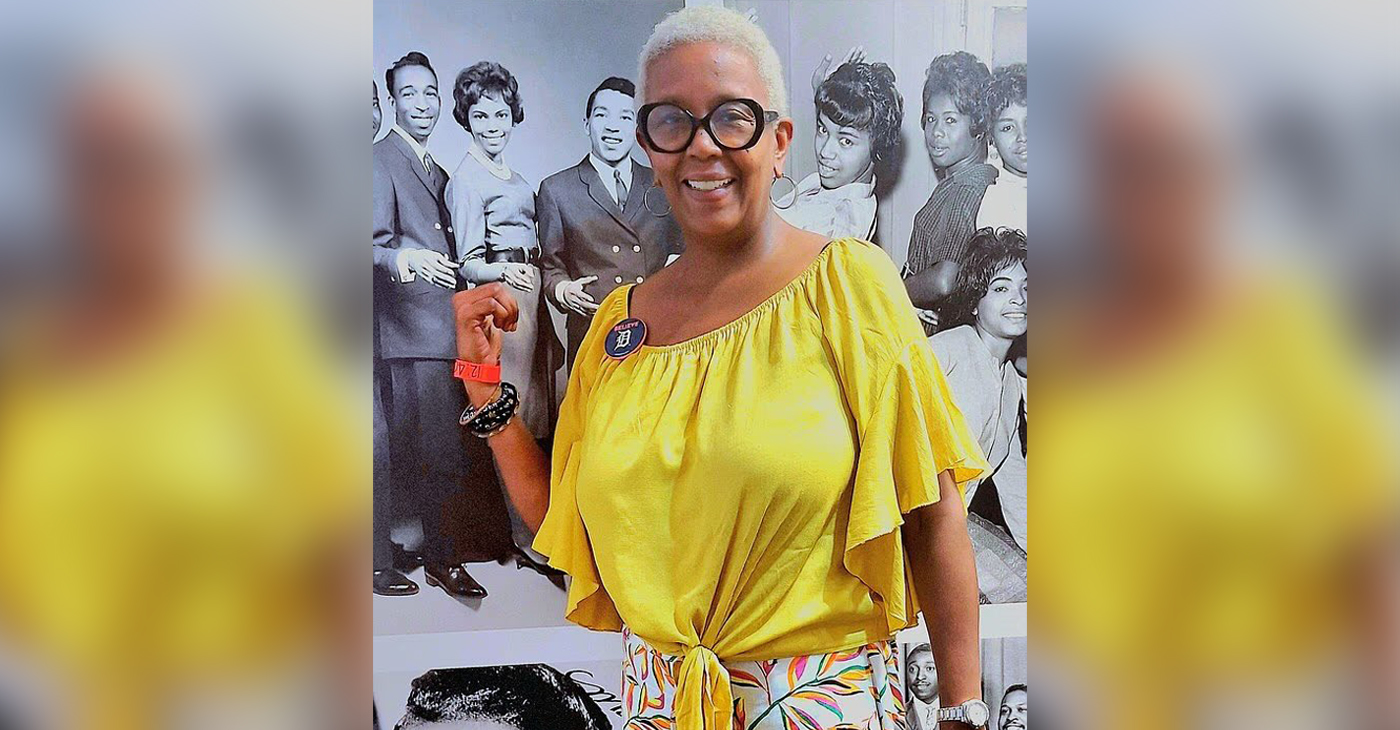

A reporter offered up encouragement to an NFL head coach after a devastating playoff loss. The Jacksonville Jaguars lost to the Buffalo Bills 27-24 in the Wild Card playoff on Sunday at Everbank Stadium. You would think this team’s loss would make the rounds on social media, but it was what happened after the game that actually went viral.
ESPN Senior NFL Insider Adam Schefter posted a clip of the post-game exchange between Lynn Jones from the Jacksonville Free Press News and Jaguars head coach Liam Coen. In the clip, you only hear Lynn’s comments towards Coach Coen, but I immediately began searching for her name and publication. The exchange was warm and uplifting.
“I’m going to tell you, congratulations on your success, young man,” Jones said. “You hold your head up. You guys have had a most magnificent season. You did a great job out there today. You just hold your head up, OK? Ladies and gentlemen, Duval. You keep it going. We got another season.”
However, many media members voiced their displeasure.
Media Members such as ESPN NFL reporter Brooke Pryor, who covers the Pittsburgh Steelers; Yahoo Sports senior writer Dan Wolken; The Atlantic Contributing writer Jemele Hill; and Associated Press Sportswriter Mark Long.
Brooke stated, “Look, it’s a kind sentiment, but it’s not the job of a reporter to console a coach in a postgame press conference. Pressers are to ask questions to gain a better understanding of what happened or figure out what’s next– and do it in a limited amount of time.”
Now I know Brooke thought she ate that, considering this tweet had over a million views, but mam shut up. Lynn is a seasoned journalist who covers local news and culture, so she was ethically correct to share the comment she had. The Jacksonville Free Press represents the Jaguars fan base, which supports the team.
Now, let’s jump into Dan Wolken’s comments.
Dan simply quote-tweeted Adam Schefter’s tweet, “What would give you the impression that was a reporter?” First off, Dan asked this question to try to dismiss Lynn’s presence in the post-game press conference. Secondly, he continued to explain why he asked that question, which only pissed me off more. Dan stated to someone on Twitter, “the only reason why you’re in that room is to get information about what happened in the game so that you can relay it to the public.”
In that case, Lynn exceeded her job’s expectations. She didn’t need to beat a loss over this coach’s head because she knew everyone else in that room would do it after her. The connection that local journalists and media outlets have with sports teams is often dismissed because of the popularity of national media outlets. For example, South Carolina women’s basketball head coach Dawn Staley consistently says the local media shows up everywhere her team is, and she demands they be credentialed to be in the room.
Let’s go visit the Jacksonville Jaguars’ Instagram page, where you will see the team posted the full video clip of Lynn’s introduction and the naming of the publication she works for.
I am telling you now that if that team and organization didn’t like how she did what she did, they wouldn’t have posted that on their main page. Not even for engagement.
Let’s move on to what Jemele had to say.
Jemele Hill quote-tweeted Adam Schefter’s tweet by saying, “That can’t be a reporter. Cause if so, I would not have used the term awesome.” Here we go again. Another media member dismissed someone’s role because they didn’t do what they thought Lynn should’ve done. Let’s continue.
Jemele also replied to one of my favorite Twitter accounts, DragonflyJonez, after he quote-tweeted Brooke Pryor. DragonflyJonez, whose real name is Tyler Puryear, explained to Brooke who Lynn Jones was.
“Hard disagree. This wasn’t some dude from Cincinnati who works for NBC Sports. Saying this was just “consoling” is reductive to the dynamic between local reporters and the coaches/teams they cover. Those who cover sports locally are not just covering X’s and O’s. They’re covering community and a shared kinship in a city. And I’m sure she was speaking for that community when expressing this sentiment. I do not believe that reporters solely need to just ask questions. Sometimes they need to be the mouthpiece for the fandom they cover as well.”
FINALLY SOMEONE WHO GETS IT!!!
Jemele’s reply to this, “Ehhhh… I hear you, but I’m going to push back. You can echo the fan without coming off like this coach’s Auntie. I get it. The media is never going to win these battles because people see the media as self absorbed, but also realize this is a working press room and a lot of other reporters there are on a deadline and need to ask a question. So I imagine a couple of them were like… aight now Auntie.”
Now Jemele, full stop. To be clear, Associate Editor Lynn Jones from the Jacksonville Free Press News has been covering news in Duval County for over 20 years. She has rapport with this team and its organization to the extent that, if she uses her time to address the head coach in this way, it is ethically acceptable.
What’s not acceptable is how many seasoned media members chose this moment to call out a Black woman who was clearly doing her job and being human in that moment. It wasn’t a fan moment. It was a “I SEE YOU” moment. There have been many college football or NFL post-game conferences I’ve sat in where a white man or white woman has said something similar or just overall inappropriate to a head coach and players. This was NOT that moment.
Let’s add this video clip from the Browns post-game conference, where NO media member said this exchange was unprofessional. I don’t have to wonder why because that was a white man speaking to another white man.
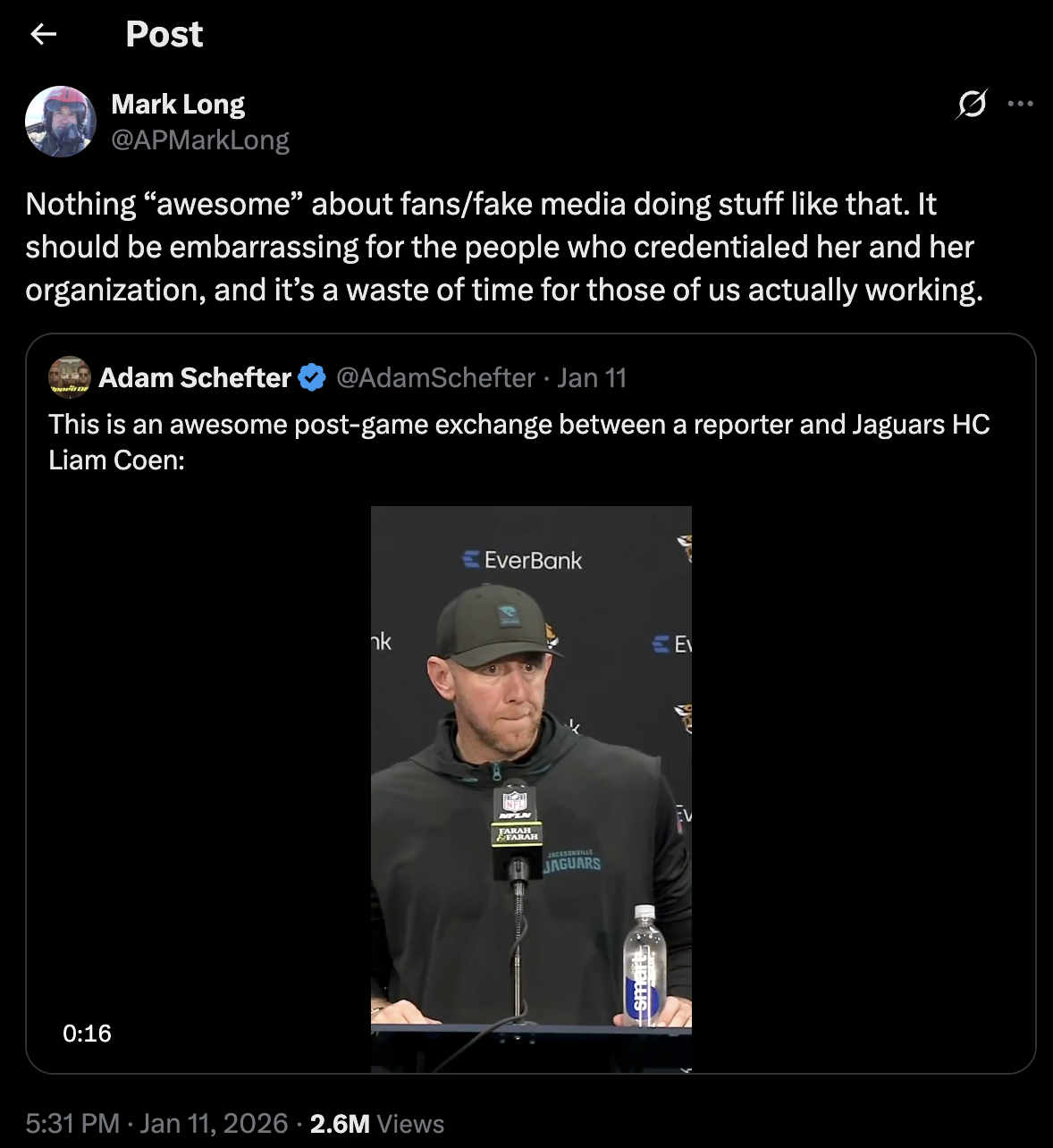
Now let’s add what Mark had to say here, because he actually needs to apologize to Lynn Jones and the Jacksonville Free Press News.
Mark really fixed his fingers to quote-tweet Adam Schefter’s tweet saying, “Nothing ‘awesome’ about fans/fake media doing stuff like that. It should be embarrassing for the people who credentialed her and her organization, and it’s a waste of time for those of us actually working.” Heavy sigh, and did he really call the Jacksonville Free Press “fake media”? This is how mainstream media outlets and reporters tend to view Black Press outlets and journalists, yet they get their top news stories from us. The Black Press fights against fake news and disinformation daily.
Conversely, Pat McAfee absolutely fried Jones’s critics after seeing the outrage.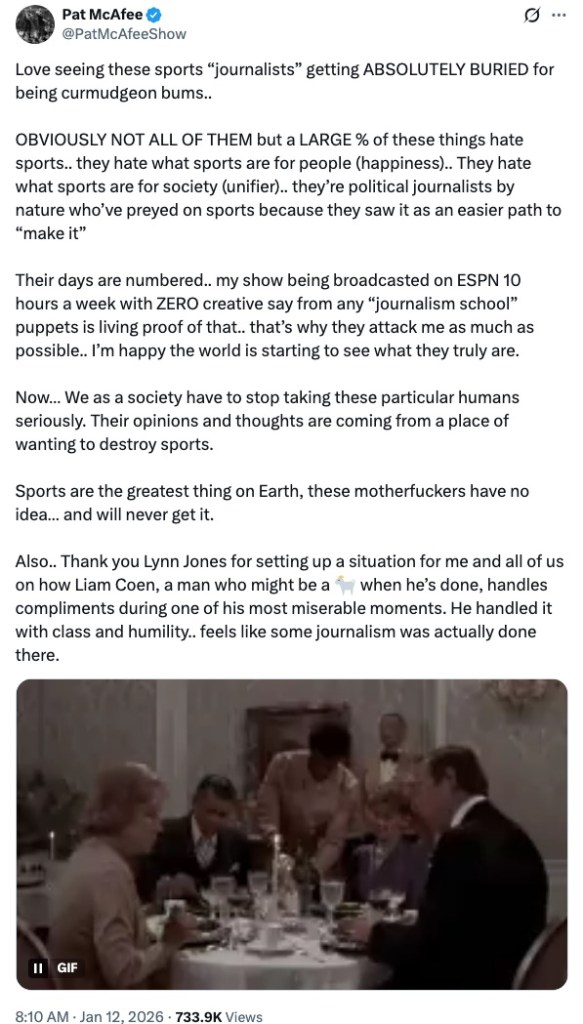
“Love seeing these sports ‘journalists’ getting ABSOLUTELY BURIED for being curmudgeon bums..” he wrote. “OBVIOUSLY NOT ALL OF THEM but a LARGE % of these things hate sports.. they hate what sports are for people (happiness).. They hate what sports are for society (unifier).. they’re political journalists by nature who’ve preyed on sports because they saw it as an easier path to ‘make it.’
One thing that I’ve loved the most about working with the Black Press is our freedom to cover news and connect with our communities. We can use our free will and discernment in our press coverage, and that freedom scares the mainstream media. To know that this Black woman was bold enough to speak to this white man and encourage him in that moment really ruffled feathers amongst media members.
I want to give credit to Robert Littal of Black Sports Online, who was one of the first media members on Twitter to properly state Lynn Jones’ name and publication. I will say that he misspoke about the Jacksonville Free Press being one of the few Black newspapers out here, when we have over 200 black newspapers still active across this country. I would also like to note that while more mainstream and legacy press publications have stopped printing, our Black newspapers have not.
At this moment, the Black press needs your support. During these difficult times, it was refreshing to hear Lynn express her care and support, when all we hear and see on our social media timelines is terrible news. This is just one of those moments where you need to be okay with what happened and move on. But I am afraid that because it’s the Black press, people will continue to pile on their negative thoughts and energy. Media members do better.











#NNPA BlackPress
Smooth Ride! Car Suspension & Comfort Tested #shorts
Smooth suspension meets surprisingly spacious legroom. Experience true comfort on any road!
 Watch the full video: https://youtu.be/l9Z571za5Gc
#NNPA BlackPress
61 years since Selma, Houston leaders say the bridge remains to be crossed
61 years after Selma, Houston leaders say the fight for equality continues. The issues that sparked the marches still impact Black Americans today.
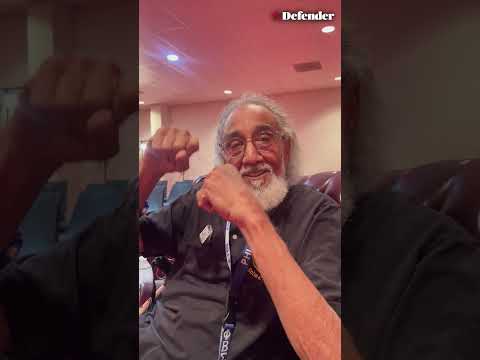
It has been 61 years since the Selma marches. But political leaders in Houston say that the issues protesters were marching for still plague the lives of Black Americans.
Visit Our Website
Read more stories by our team
https://defendernetwork.com/category/news/opinion/
Sign-up for the Top 5 newsletter
Donate/ Support Our Work
#NNPA BlackPress
Here is what you need to know about finding unique white elephant gift ideas that everyone wants to steal
The best white elephant gift ideas are funny enough to get a reaction but useful enough that people actually want to steal them. Look for gifts with a surprise factor, broad appeal, an inside joke, and just enough personality to spark some friendly competition. The wrapping paper comes off, the room goes quiet for half […]

The best white elephant gift ideas are funny enough to get a reaction but useful enough that people actually want to steal them. Look for gifts with a surprise factor, broad appeal, an inside joke, and just enough personality to spark some friendly competition.
The wrapping paper comes off, the room goes quiet for half a second, and suddenly everyone wants the same gift. That is the sweet spot. A great white elephant pick should make people laugh, lean in, and start plotting their next steal before the turn is even over.
Should a White Elephant Gift Be Funny or Useful?
A white elephant gift can be funny or useful, but the strongest choices usually give people a reason to laugh and a reason to keep the item. A practical gift with an odd design, unexpected feature, or playful theme can get a reaction without becoming something the recipient immediately wants to give away.
The right balance depends on the group. Close friends and family members may enjoy a ridiculous gag gift because they already understand one another’s sense of humor.
A workplace exchange, neighborhood party, or mixed-age gathering usually calls for something with broader appeal. In those settings, humor works better when it is built into an item people could still use afterward.
It also helps to think about how quickly the gift will make sense once it is opened. A strangely shaped kitchen tool, oversized mug, quirky desk accessory, or unexpectedly fancy everyday item can create an immediate reaction. Guests understand the joke right away, while the item still has enough practical value to attract a steal.
Pure gag gifts can be harder to pull off. Something that exists only for the punchline may get a big laugh during the reveal and then sit untouched for the rest of the game. If the goal is to bring one of the gifts everyone keeps fighting over, usefulness gives the joke staying power.
Memorable Present Ideas: Creating Inside Joke Gifts
Inside joke gifts can make a white elephant exchange feel much more personal, especially when most of the group shares the same stories. The trick is choosing a reference that people will recognize quickly instead of building the entire joke around something only two guests understand.
You can turn a memorable vacation mishap, office catchphrase, family story, or long-running group joke into the theme of the gift. A personalized comic book can work especially well when it turns familiar people or a ridiculous shared moment into part of the story.
Think carefully about who the joke involves before ordering anything permanent. The gift should make the person feel included in the fun, not singled out for the wrong reason.
Can You Bring Something You Already Own?
Holiday gift exchanges can be a good place to re-gift something you never used, especially if it is unopened and clean.
The following can all work if they still look presentable:
- A duplicate kitchen gadget
- An untouched game
- A decorative item
- A sealed gift set
- An unopened candle
- A new travel accessory
The goal is to give the item a second chance, not use the exchange as an excuse to clear out damaged or unwanted clutter.
Take a close look at the packaging before wrapping it. Faded boxes, missing pieces, visible wear, or anything that looks obviously used can make the gift feel careless.
Wrapping Budget-Friendly Gifts
Wrapping can make gifts more entertaining before anyone even knows what’s inside.
Misdirection works especially well for fun party games. Put a small gift inside a much larger box. Use packaging from an unrelated household item.
Add harmless weight so guests cannot guess what they are holding. The reveal becomes part of the joke without changing the gift itself.
You can also lean into the theme of the exchange. Bright paper, oversized bows, reusable bags, or deliberately over-the-top wrapping can make an ordinary item feel more memorable. If the gift itself is already funny, simple wrapping may work better so the surprise stays hidden until the last second.
Frequently Asked Questions
Is Picking Last an Advantage in White Elephant?
Picking last can be an advantage because you get to see almost every gift before making your move. Instead of choosing blindly from the remaining wrapped presents, you can steal something that has already caught your attention if the rules still allow it.
That advantage depends on the house rules. Some games limit how many times a gift can be stolen.
Others lock an item once it reaches a certain number of steals. If the most popular gifts are already unavailable, the final player may have fewer strong options than expected.
The first player can also get another turn at the end in some versions of the game. That rule can balance things out, since the person who started with the least information may get one final chance to steal.
How Do You Plan White Elephant for a Large Group?
For a large white elephant exchange, set a firm spending limit and establish the stealing rules in advance.
Create a clear turn order before the game begins. Drawing numbers as guests arrive can save time once everyone is ready to start.
Keep the number of steals per gift limited so the game does not drag on. It also helps to have one person track which creative holiday presents have been stolen and when they are locked, especially if dozens of people are participating.
Can You Play White Elephant Virtually?
A virtual white elephant exchange can work over a video call, with one person keeping track of the turn order and each steal. Guests can either mail physical gifts ahead of time or use digital gifts that can be delivered once the game ends.
Set the spending limit and stealing rules before everyone joins. It also helps to decide how gifts will be revealed and who is responsible for sending each one afterward so the exchange does not become confusing.
Choose a Perfect White Elephant Gift in a Snap
Look for a white elephant gift that fits some of these criteria, and everyone will be trying to grab it at your next celebration.
Do you need more gift-giving tips and tricks? Make sure you read some of our other posts.


Mayor Barbara Lee Holds Special State of the City Address in Deep East Oakland

Practitioners of African Traditional Spirituality Offer Ancestral Reverence Ritual Oct. 31

It’s Time to Lose Weight Before the Holidays

Trader Vic’s Returns to Its Oakland Roots

Oakland Coal Terminal Backed by Trump Would Be Bigger, Dirtier Than Promised, Says Report

Opponents Smear Effective African American Transit Director as Election Nears

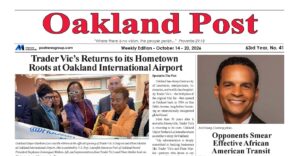
Oakland Post: Week of October 14 – 20, 2026

OP-ED: The Black Church Writes AI’s Next Chapter

OP-ED: The Black Church Writes AI’s Next Chapter

WCCUSD Joins Statewide Organic School Food Purchasing Cooperative

Democrats, Community Groups Back Measure EE to Change How Oakland Is Governed

Four Tips to Help You Plan a Holiday “Staycation”

Veterans Housing Project Proposed for South Richmond
PRESS ROOM: Transformative Justice Coalition 2026 Voting Rights Champion Awards Reception ‘Yesterday Is Today: The Battle For Voting Rights

Mayor Lee Delivers 2026 State of the City Address: ‘Oakland Continues to Be on the Move’

Misnamed ‘Parent’ PAC Seeks to Influence Oakland School Board Elections

Listening as a Lifeline: A Doula’s Witness to Black Maternal Health

Poll: Becerra Widens His Lead Over Hilton; Californians Split on Wealth Tax

Oakland Post: Week of September 9 – 15, 2026

County Office of Education Says OUSD Finances Are Getting Healthier, Materially Stronger

Richmond Tiny House Village Farm & Garden Set to Open Gates on Sept. 26

Mayor Lee Announces $1 Million Kaiser Permanente Grant for Pilot Program to Address Homelessness, Clean Up Public Spaces throughout Oakland

Latest Massacre in Haiti Reveals Cruelty U.S. Deportations

Doulas Are Helping Black California Moms Navigate Pregnancy–Even as High Mortality Rates Persist

OPINION: Nolan Wells’ Death One of Several Signifying Racial Terror Lives on in U.S. South

Zakiya Jendayi Arrested, Locked Out of Home by Sheriff’s Deputies

BLACspace Cooperative Invites Bay Area to Experience Oakland’s Black Cultural Ecosystem Through a BLAC Map Tour + Party

Oakland Post: Week of September 16 – 22, 2026

Democratic Clubs Interview Candidates for Oakland School Board

Oakland People’s Arms Embargo Coalition Demands End to Military Shipments Thru Oakland

The Conversation With Al McFarlane 6/23/26

Media Monday 6/22/26

LIVE! ASK ALMA! — TUES. 6.23.26 7PM EST

Car Buying Secrets: 4 Hidden Checks Before You Sign!

Is This 550 HP Charger Worth YOUR Money? AutoNetwork Review

Celebrating Juneteenth – Frederick Douglass on education and resistance

LIVE! — ASK ALMA! — TUES. 6.19.26 7PM EST

Hyundai Ioniq 5 Parking, Safety, and 360 View #shorts

2025 Ioniq 5 New Wiper & Powerful Performance! #shorts

Electric SUV Range: Is 259 Miles Enough? #shorts

EV Charging: How Fast Can You Charge an Electric Vehicle? #shorts

Biometric Cooling… Messaging Seats…Come on! 2025 Infiniti QX80 Autograph 4WD

Charged Up: Witness the Magic of a Fully Electric Car! #shorts

Range Rover Sport PHEV Included…: See What’s Inside This Luxury SUV! #shorts

Invisible Hood View: Perfect Parking with X-Ray Vision! #shorts
-
 Black History3 weeks ago
Listening as a Lifeline: A Doula’s Witness to Black Maternal Health
-
 Economy4 weeks ago
Poll: Becerra Widens His Lead Over Hilton; Californians Split on Wealth Tax
-
 Business4 weeks ago
County Office of Education Says OUSD Finances Are Getting Healthier, Materially Stronger
-
 Lead Story3 weeks ago
Zakiya Jendayi Arrested, Locked Out of Home by Sheriff’s Deputies
-
 Art4 weeks ago
BLACspace Cooperative Invites Bay Area to Experience Oakland’s Black Cultural Ecosystem Through a BLAC Map Tour + Party
-

 Business4 weeks ago
From Historic Memories to New Possibilities: Oakland Celebrates Coliseum 60
-

 Community4 weeks ago
Asm. Corey Jackson Announces Launch of 24-Hour Childcare in His District
-

 Black History4 weeks ago
IN MEMORIAM: The Rev. Leon “Sonny” Clark, Longtime Orange County Pastor and Community Leader, Dies at 72
