
Activism
Memphis Police Murder Case Puts Spotlight on California Legislation
The Memphis Police Department has terminated the five officers involved in Nichol’s death: Tadarrius Bean, Demetrius Haley, Desmond Mills Jr., Emmitt Martin III and Justin Smith. Each one was indicted on a second-degree murder charge and faces up to 60 years in prison if convicted

By Charlene Muhammad
California Black Media
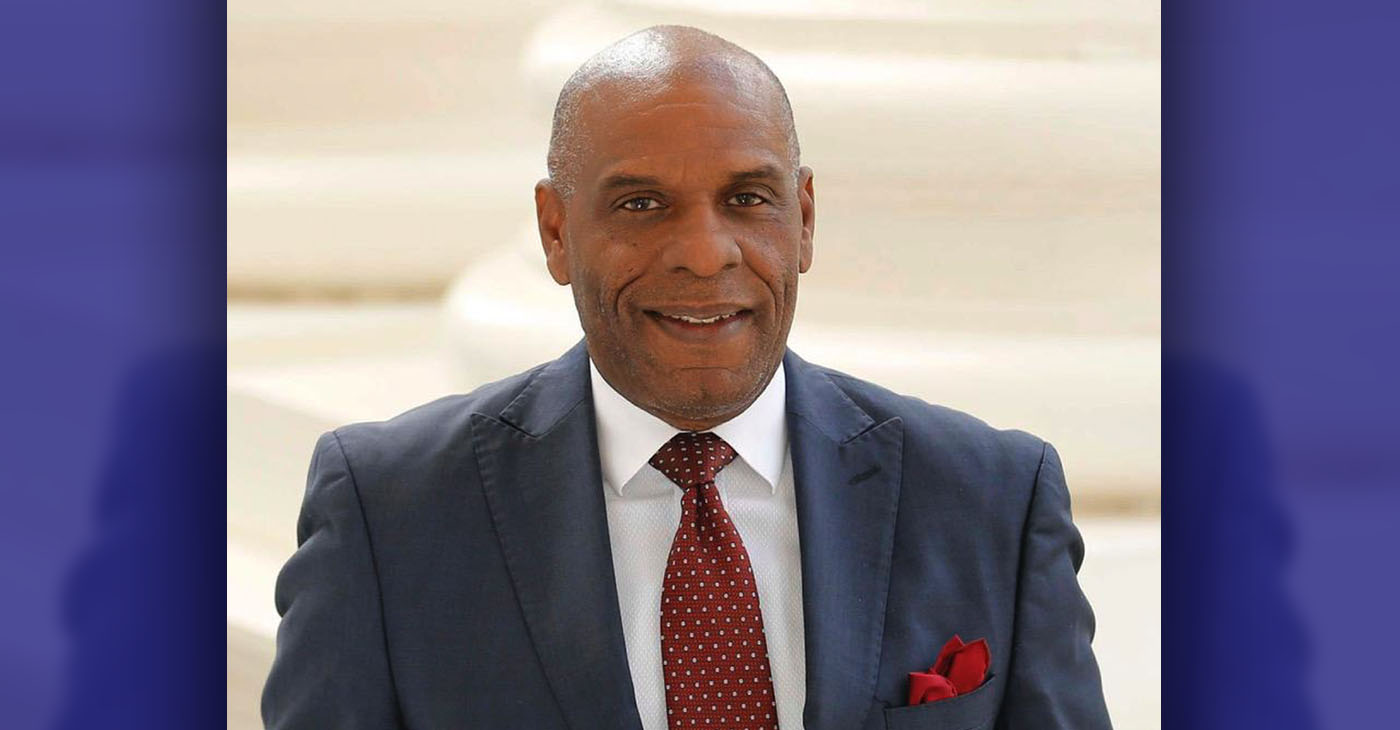
There was no “protect and serve.” Just an out of control and outside-the-bounds-of-their-authority attack on an unarmed Black man, said Sen. Seven Bradford (D-Gardena).
Bradford was referring to the beating death of Black motorist Tyre Nichols in Memphis, Tennessee, on Jan. 7.
The Memphis Police Department has terminated the five officers involved in Nichol’s death: Tadarrius Bean, Demetrius Haley, Desmond Mills Jr., Emmitt Martin III and Justin Smith. Each one was indicted on a second-degree murder charge and faces up to 60 years in prison if convicted.
Since the incident, Memphis Police Chief Cerelyn “CJ” Davis has deactivated the city’s SCORPION (Street Crimes Operations to Restore Peace in our Neighborhoods) unit. The 50-person unit of crime suppression officers was launched in 2021 to patrol the city’s hot-spot crime areas.
“The beating and murder of Tyre Nichols by five Memphis Police Officers is brutal and heart-breaking,” said Bradford. “This is yet another example of the need to hold police officers accountable regardless of the color of their skin.”
In 2021, Bradford authored Senate Bill (SB) 2. The law creates a process to make sure police officers who break the law can never wear a badge again in California. “This legislation will save lives,” he said.
Bradford is currently working on SB 50, which would prohibit police in California from making traffic stops for low-level violations. This will reduce the potential for more harm to innocent citizens, said the lawmaker.
“We tend to pass a lot of legislation that doesn’t really have a lot of binding power,” said Cephus “Uncle Bobby” Johnson. His nephew, Oscar Grant, III was shot in the back while subdued on a Bay Area Rapid Transit District station platform on New Year Day in 2009.
The George Floyd Justice in Policing Act does not adequately address some of the most critical issues that we’re dealing with, said Johnson, referring to the bill named for the 46-year-old Black man who was murdered by white cop Derek Chauvin in Minneapolis on May 25, 2020. The officer was convicted of second- and third-degree murder and manslaughter.
The bill would end police restraint techniques, including chokeholds and carotid holds, at the federal level as well as improve police training.
More money for training has been part of the problem, according to Johnson, who supported Assembly Bill (AB) 392, the California Act to Save Lives, which mandates that police officers should only use deadly force when necessary. It was introduced by California Secretary of State Shirley Weber when she was a San Diego Assemblymember. Gov. Gavin Newsom signed that bill in 2019.
“What happened to Tyre impacted so many in California. It re-traumatized many of the families,” said Johnson. “Many families’ wounds have been reopened. Many families’ hopes that there has been some progress have been totally erased,” continued Johnson.
Los Angeles Police Department had a similar program to SCORPION. It was called CRASH (Community Resources Against Street Hoodlums). In the late 1990s, about 70 officers in the Rampart police division were found to have acted like the gangs they were supposed to investigate: planting evidence, framing suspects, and stealing drugs and money.
In Oakland, a group of cops dubbed the “Riders” stood trial for beating, planting evidence on, and stealing drugs and money from alleged suspects in 2000. But a deadlocked jury acquitted them of eight charges and a judge declared a mistrial after they could not agree on 27 other charges. The officers went free.
“Initially, it looks like they’re doing great things but behind the scenes, people in communities will tell you they are terrorized by them,” said Johnson.
Marc Philpart, executive director of the California Black Freedom Fund, organized 26 foundation CEOs and leaders to issue a call to action to push back against systemic barriers. Established two and a half years ago following the murders of Breonna Taylor, Ahmaud Arbery, George Floyd, and countless others, the California Black Freedom Fund is a five-year, $100 million initiative created to mobilize the resources necessary to build Black power and eradicate systemic and institutional racism.
The coalition leaders posted on cablackfreedomfund.org a letter reminding the public of the protests that gave voice to collective outrage, frustration, and grief that permeated Black communities and communities across the country in 2020.
“America recognized that the problem lies not within Black communities, but within structures that institutionalize and perpetuate racial violence and inequity,” they wrote.
Nationally, police killed at least 1,176 people in 2022 — about a hundred a month — making last year the deadliest year on record for police violence since killings began being tracked, according to Mapping Police Violence.
“While the nation is grieving, some are making statements telling Black people how to express their outrage. That’s not the focus of our letter. Our letter is a call to action for everyone concerned with the brutalization of Black people and Black communities,” the leaders wrote.
During a Jan. 29 protest for Nichols and 31-year-old Keenan Anderson, who died after being tasered by Los Angeles police on Jan. 3, Dr. Melina Abdullah, co-founder of Black Lives Matter L.A. and Black Lives Matter Grassroots, said outrage over the police-involved murders of Black men is justified.
“We should shed tears. We should feel it. We should refuse to become numb. Our hearts should break,” shouted Abdullah.
“We should allow ourselves to sob in the dark of the night. And we should demand justice, not just for what’s happening in Memphis, but what’s happening right here in L.A.,” said Abdullah to demonstrators blocking the intersection of Lincoln and Venice boulevards. The location is where Anderson, a cousin of Black Lives Matter Movement co-founder Patrisse Cullors, flagged down a Los Angeles Police Department motorcycle officer seeking help following a traffic collision.
Anderson died in police custody hours later, after being tasered six times on the back of his heart, according to family attorneys. LAPD body cameras detailed what happened during the minor traffic stop, when a man, afraid, called the police for help, said family attorney Carl Douglas. In every way, Anderson was respectful of authority: “Sir! Help me, sir,” the unarmed and compliant man repeatedly pled, Douglas said.
“That officer then calls for backup, and Keenan sees several officers then rushing toward him. His reaction then was a reaction that several Black men would react in a similar situation, one of fear. And that fear drove him to run into the middle of the street,” stated Douglas.
Back in Memphis, Nichols’ brother Michael Cutrer urged people to stand together and fight for their rights. “We definitely speak loud and proud, and we are there marching and protesting and all that’s great, but it has to be about something,” he said.












Activism
Oakland Post: Week of September 23 – 29, 2026
The printed Weekly Edition of the Oakland Post: Week of September 23 – 29, 2026

To enlarge your view of this issue, use the slider, magnifying glass icon or full page icon in the lower right corner of the browser window.
Activism
Oakland Post: Week of September 16 – 22, 2026
The printed Weekly Edition of the Oakland Post: Week of September 16 – 22, 2026

To enlarge your view of this issue, use the slider, magnifying glass icon or full page icon in the lower right corner of the browser window.
Activism
Oakland Post: Week of September 9 – 15, 2026
The printed Weekly Edition of the Oakland Post: Week of September 9 – 15, 2026

To enlarge your view of this issue, use the slider, magnifying glass icon or full page icon in the lower right corner of the browser window.


Asm. Corey Jackson Announces Launch of 24-Hour Childcare in His District

IN MEMORIAM: The Rev. Leon “Sonny” Clark, Longtime Orange County Pastor and Community Leader, Dies at 72

Poll: Becerra Widens His Lead Over Hilton; Californians Split on Wealth Tax

From Historic Memories to New Possibilities: Oakland Celebrates Coliseum 60

County Office of Education Says OUSD Finances Are Getting Healthier, Materially Stronger

LIVE FREE Sunday Dinner Brings Faith, Fellowship and Civic Conversation to Oakland

Remembering Chauncey Bailey as Student Journalists Face Threats to Truth-Telling

BLACspace Cooperative Invites Bay Area to Experience Oakland’s Black Cultural Ecosystem Through a BLAC Map Tour + Party

In Wake of Death on Doorstep, Williams Chapel Baptist Church Calls for Better Care, Funding for Unhoused

Oakland Centenarian Nuna McKee Honored!

Caribbean Nations Produce Action Plan Calling for UK Reparations Over Slavery

Oakland Post: Week of September 23 – 29, 2026

Doulas Are Helping Black California Moms Navigate Pregnancy–Even as High Mortality Rates Persist

Newsom Signs Addictive Social Media Law to Protect Kids

On Your November Ballot: Prop 38 Would Allocate $8.4 Billion to Immunology and Immunotherapy Funding

Standoff for Justice: Our Homes Are Worth Fighting For

Oakland Post: Week of August 26 – September 1, 2026

Frontier Airlines’ Return to Oakland Airport Brings Flights, Jobs and Opportunity

Gubernatorial Candidate Steve Hilton Blasts California New Tire Rules; Newsom Hits Back

Chef Sharon Lee Blends Culinary Excellence, Education and Empowerment

Jackie Wright Champions Bay Area Stories, Filmmakers and Cultural Institutions

Big City Mayors Ask for “Yes” Vote on Housing Bond Measure; Conservatives Say “No”

Oakland Coliseum Project Opens Door for Small Businesses to Build Bigger

Gov. Newsom’s Latest Appointees Include Sacramento Advocate for Formerly Incarcerated Students; State’s New Tech Chief

Misnamed ‘Parent’ PAC Seeks to Influence Oakland School Board Elections

Longtime BWOPA Member Brendalyn Goodall Appointed to California Workforce Development Board

Gov. Newsom Signs Law Shielding Immigration Aid Workers From Doxing Threats

Secretary of State Shirley N. Weber Urges Californians to Vote Early as Voter ID Battle Intensifies

From Palestine to Oakland: Seeds for Liberation Examines Shared Struggles for Freedom

IN MEMORIAM: Dolly Parton Dead at 80 — How She Built a Legacy of Love and Earned Her Place in Black Culture

The Conversation With Al McFarlane 6/23/26

Media Monday 6/22/26

LIVE! ASK ALMA! — TUES. 6.23.26 7PM EST

Car Buying Secrets: 4 Hidden Checks Before You Sign!

Is This 550 HP Charger Worth YOUR Money? AutoNetwork Review

Celebrating Juneteenth – Frederick Douglass on education and resistance

LIVE! — ASK ALMA! — TUES. 6.19.26 7PM EST

Hyundai Ioniq 5 Parking, Safety, and 360 View #shorts

2025 Ioniq 5 New Wiper & Powerful Performance! #shorts

Electric SUV Range: Is 259 Miles Enough? #shorts

EV Charging: How Fast Can You Charge an Electric Vehicle? #shorts

Biometric Cooling… Messaging Seats…Come on! 2025 Infiniti QX80 Autograph 4WD

Charged Up: Witness the Magic of a Fully Electric Car! #shorts

Range Rover Sport PHEV Included…: See What’s Inside This Luxury SUV! #shorts

Invisible Hood View: Perfect Parking with X-Ray Vision! #shorts
-
 Community3 weeks ago
Misnamed ‘Parent’ PAC Seeks to Influence Oakland School Board Elections
-

 Activism4 weeks ago
Oakland Post: Week of September 2 – 8, 2026
-

 Community3 weeks ago
Richmond Tiny House Village Farm & Garden Set to Open Gates on Sept. 26
-

 Activism3 weeks ago
Oakland Post: Week of September 9 – 15, 2026
-

 Black History3 weeks ago
Latest Massacre in Haiti Reveals Cruelty U.S. Deportations
-

 Black History3 weeks ago
OPINION: Nolan Wells’ Death One of Several Signifying Racial Terror Lives on in U.S. South
-

 Community3 weeks ago
Democratic Clubs Interview Candidates for Oakland School Board
-
 Featured3 weeks ago
‘Ready to See These Bills Become Law’: Sen. Weber’s Package of 15 Bills Advance to Gov. Newsom’s Desk
