
Featured
Opinion: Uber’s Not Coming, What Did We Learn?


In August, Uber announced that it’s probably not coming to Oakland after all and will likely put the former Sears building back on the market. Since the issues of gentrification and displacement that caused The Greenlining Institute and others to form the No Uber Oakland campaign haven’t gone away, this might be a good time to ask what we’ve learned, and how we move forward.
When Uber announced its initial plans that would likely move 2,000-3,000 highly paid tech workers into downtown Oakland, we were alarmed about the impact on Oakland’s residents, workers, small businesses, nonprofits and artists. We’ve all seen what happened when San Francisco rolled out the red carpet to big tech companies: Skyrocketing housing costs left even families with six-figure incomes struggling to find adequate housing, while soaring commercial rents priced out nonprofits – and all of this badly undermined the city’s diversity and character.
Much the same continues to happen in Oakland, where the average one bedroom apartment currently rents for $2,025 per month – making it the country’s seventh most expensive rental market, according to Abodo, an apartment rental listings website. That’s just not viable when Oakland’s median household income is $54,618.
We launched No Uber Oakland only after months of unsuccessful efforts to meet with Uber’s leadership and have a serious dialogue about the company’s plans for supporting Oaklanders. While the company made some token gestures, it became clear it was never really serious about listening to Oaklanders or being part of our community. On the No Uber Oakland site, we laid out a 10-point platform that Uber could adopt if it was really serious about working with the Oakland community.
Meanwhile, Uber continues to struggle with bad press, declining market share, questions about whether it will ever be profitable, and leadership struggles. Arrogance and insularity don’t constitute a long-term growth strategy. For tech companies to truly succeed, they must embrace good corporate governance and responsibility, and uplift – rather than just exploit — the local communities that surround them and make up their customer base.
That also means opening up good tech jobs and leadership positions to all of California’s diverse population. Right now, tech remains a fortress where Latinos and African Americans are drastically underrepresented and leadership remains overwhelmingly white and male.

Orson Aguilar
But we’ve also learned that companies won’t reform on their own. Local governments, including Oakland’s, must look at the broader picture when any big corporation – not just tech – wants to move into town. Of course we want companies to grow and invest in Oakland, but no good will come from pretending there won’t be downsides in a town where working families, artists and community groups already struggle to keep a roof over their heads. In the future, city leaders must work with the community to make sure companies act responsibly and that the rising tide of corporate investment doesn’t drown ordinary Oaklanders.
Orson Aguilar is president of The Greenlining Institute.









Community
Asm. Corey Jackson Announces Launch of 24-Hour Childcare in His District
Assemblymember Corey Jackson has secured $2 million in state funding for a proposed childcare special district in Moreno Valley and Perris. This funding aims to establish a system providing 24-hour, seven-day-a-week childcare, which would be California’s first special district focused solely on childcare. The initiative seeks to address the area’s designation as a “childcare desert” and high costs for working families. The funding will cover startup, planning, and formation costs for the district. Read more about the specifics of this groundbreaking initiative.

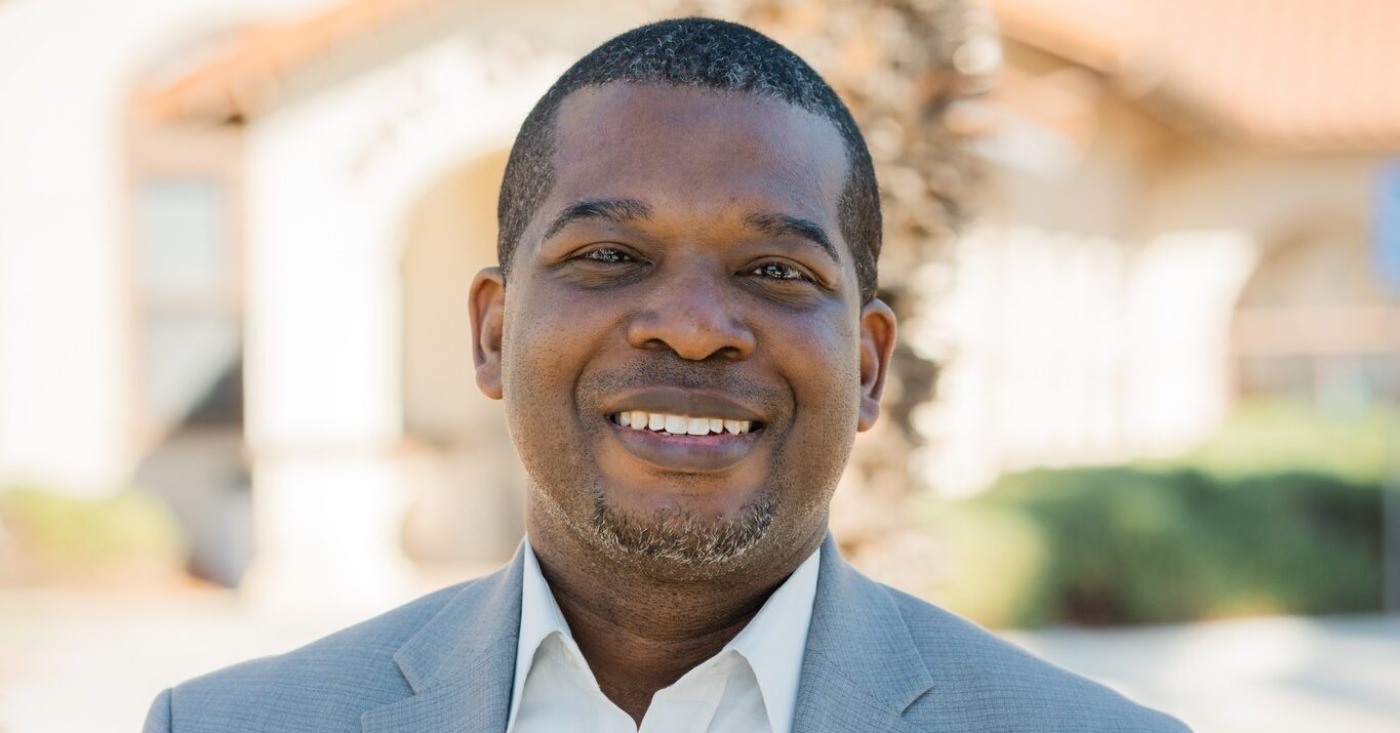
Assemblymember Corey Jackson (D-Moreno Valley) has secured $2 million in state funding to launch a proposed childcare special district serving families in Moreno Valley and Perris, paving the way for a system designed to provide childcare 24 hours a day, seven days a week.
The Moreno Valley-Perris Childcare Special District would be the first special district in California focused specifically on childcare, according to Jackson’s office. The state funding will cover startup, planning, and formation costs and help the district meet requirements set by the Riverside Local Agency Formation Commission, or LAFCO.
The proposed district would coordinate a mixed-delivery childcare system that could include home-based and center-based care. The goal is to provide universal childcare for families who work overnight, early morning, or other nontraditional shifts.
Jackson’s office says Moreno Valley is a certified “childcare desert,” with licensed childcare spaces available for only 15% of children with working parents. Infant care in Moreno Valley averages $2,776 a month, or about 35.7% of median household income. In Perris, licensed infant care can cost more than 60% of an individual worker’s gross median earnings, according to the assemblymember’s office.

“Securing this $2 million in startup funding is a monumental victory for the working-class families of Moreno Valley and Perris who have been trapped in a childcare desert for far too long,” Jackson said.
The proposal follows Jackson’s unsuccessful effort to establish the district through Assembly Bill 2083. The legislation would have created the district as a dependent special district covering Moreno Valley, Perris and their spheres of influence, with Riverside LAFCO responsible for reviewing its formation and boundaries.
The new funding allows the district’s formation to move forward without requiring mandatory contributions from local school districts and other stakeholders, according to Jackson’s office. His spokesperson, Daniel Peeden, said Jackson hopes the district can be operating by 2028.
The proposal has faced questions from some local officials. Moreno Valley City Councilmember Ed Delgado, who is running against Jackson for the 60th Assembly District seat, said he supports affordable childcare but questioned how the proposed district would operate and how much it would ultimately cost.
“Basically, he didn’t have a plan. We didn’t see a plan,” Delgado said, adding that officials had questions about operating costs, insurance and eligibility.
“It’s going to take a lot more than $2 million to create a special district to provide affordable childcare,” Delgado said.
Delgado has suggested working with existing childcare centers to subsidize costs for local families rather than creating a new agency.
Jackson’s office says the program will lower barriers to “workforce participation” and reduce “affordability anxiety” for young families. This landmark District is poised to trigger a virtuous cycle of economic upward mobility and long-term regional prosperity in the 60th Assembly District, his office added.

Black History
IN MEMORIAM: The Rev. Leon “Sonny” Clark, Longtime Orange County Pastor and Community Leader, Dies at 72
Rev. Leon William “Sonny” Clark, the longtime pastor of New Spirit Baptist Church in Santa Ana and a prominent faith and community leader in Orange County, passed away on September 9 at the age of 72. Born in Bennettsville, South Carolina, Clark was a U.S. Navy veteran who dedicated his life to service. He served various Southern California churches before leading New Spirit Baptist Church for over 22 years, extending his work into counseling, mentoring, and civic engagement, and supporting the African American community. To learn more about his life and contributions, read more.
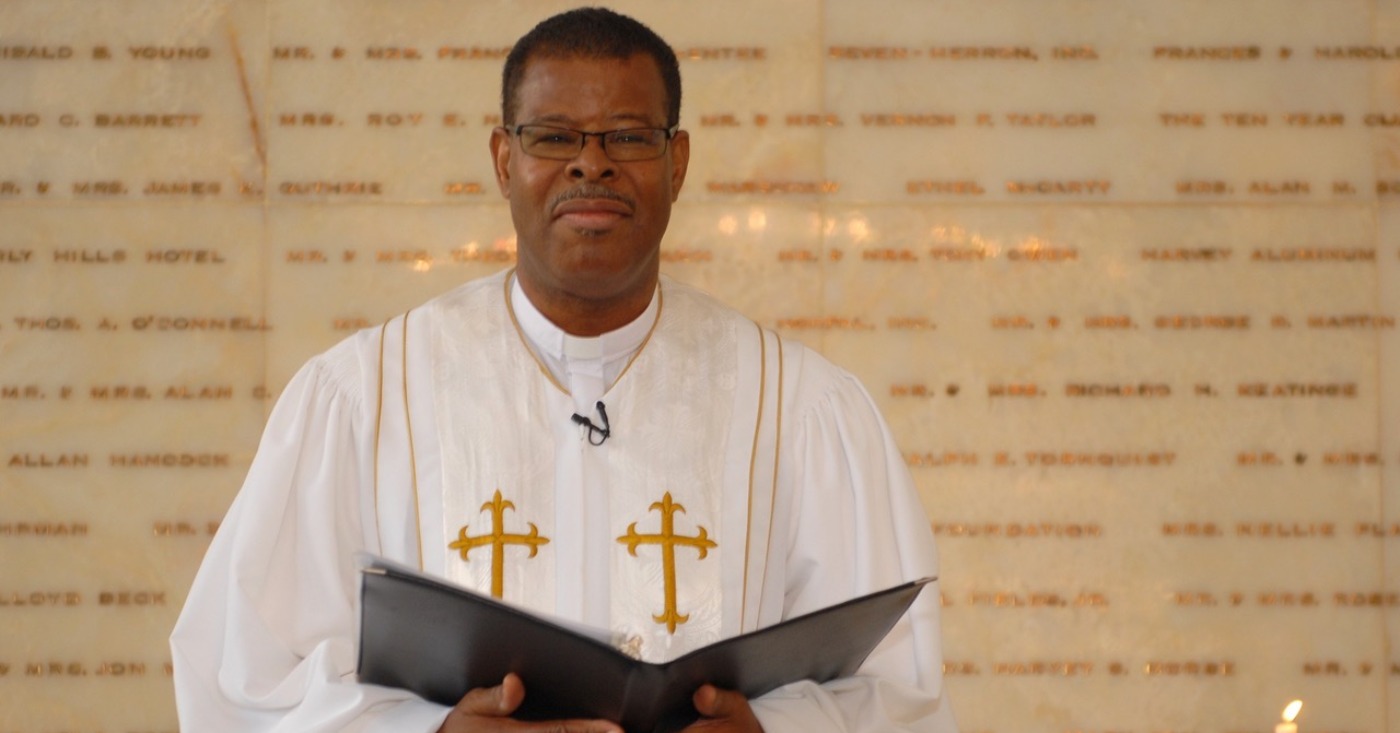
Rev. Leon William “Sonny” Clark, longtime pastor of New Spirit Baptist Church in Santa Ana and a respected faith and community leader in Orange County, died Sept. 9. He was 72.
Born Oct. 2, 1953, in Bennettsville, South Carolina, Clark was a U.S. Navy veteran who later built a life of service centered on family, faith, ministry, and community.
Clark began his formal ministry at Metropolitan Baptist Church in Altadena in 1978. After acknowledging his call to ministry in 1980, he preached his first sermon and went on to serve churches throughout Southern California, including Second Baptist Church in Riverside, Mount Vernon Baptist Church in Rubidoux, Antioch Missionary Baptist Church in Pomona, and Friendship Baptist Church in Yorba Linda.
In November 2003, Clark was called to lead New Spirit Baptist Church in Santa Ana, where he served as pastor for more than 22 years. His work extended beyond the pulpit through counseling, mentoring, civic engagement, and efforts to strengthen Orange County’s African American community.
Clark served on the Orange County Heritage Council and supported efforts to preserve and celebrate African American history and culture. He helped organize the Orange County Black History Parade and Unity Festival, served on the Interfaith Committee and the Orange County Transit Authority, and served as president of the Orange County Ministers Conference.

In 2024, the City of Santa Ana recognized Clark for his contributions to the community. He also received the Orange County Southern Baptist Association Hall of Faith Award and was previously honored as Pastor of the Year by the Orange County Heritage Council.
Clark is survived by his wife, Andrea Joyles Clark; six children, Shawn Williams, Le Ondra Clark Harvey, Kyla Coward, Joshua Clark, Marissa Clark and Ashley Clark; grandchildren and great-grandchildren; siblings; extended family; and the New Spirit Baptist Church congregation.
A wake will be held Thursday, Oct. 1, from 4 to 8 p.m. at New Spirit Baptist Church, 701 S. Sullivan St. in Santa Ana, with a remembrance service from 5 to 6:30 p.m.
A Celebration of Life will be held Friday, Oct. 2, at Friendship Baptist Church, 17145 Bastanchury Road in Yorba Linda. Viewing begins at noon, followed by the service at 1 p.m.
Burial will take place Monday, Oct. 5, at 10:15 a.m. at Riverside National Cemetery.
Clark often shared a guiding principle that shaped his ministry: “Start where you are. Use what you have. Do what you can.”
Economy
Poll: Becerra Widens His Lead Over Hilton; Californians Split on Wealth Tax
A new Public Policy Institute of California poll shows Democrat Xavier Becerra leads Republican Steve Hilton by 22 points in California’s governor’s race, with 60% of likely voters supporting Becerra compared to 38% for Hilton. The September survey also reveals Californians are closely divided on a proposed one-time tax on billionaires, with 52% of likely voters in favor of Proposition 40. Affordability issues are a major factor for voters. Read more to learn about the poll’s additional findings on voter sentiment.
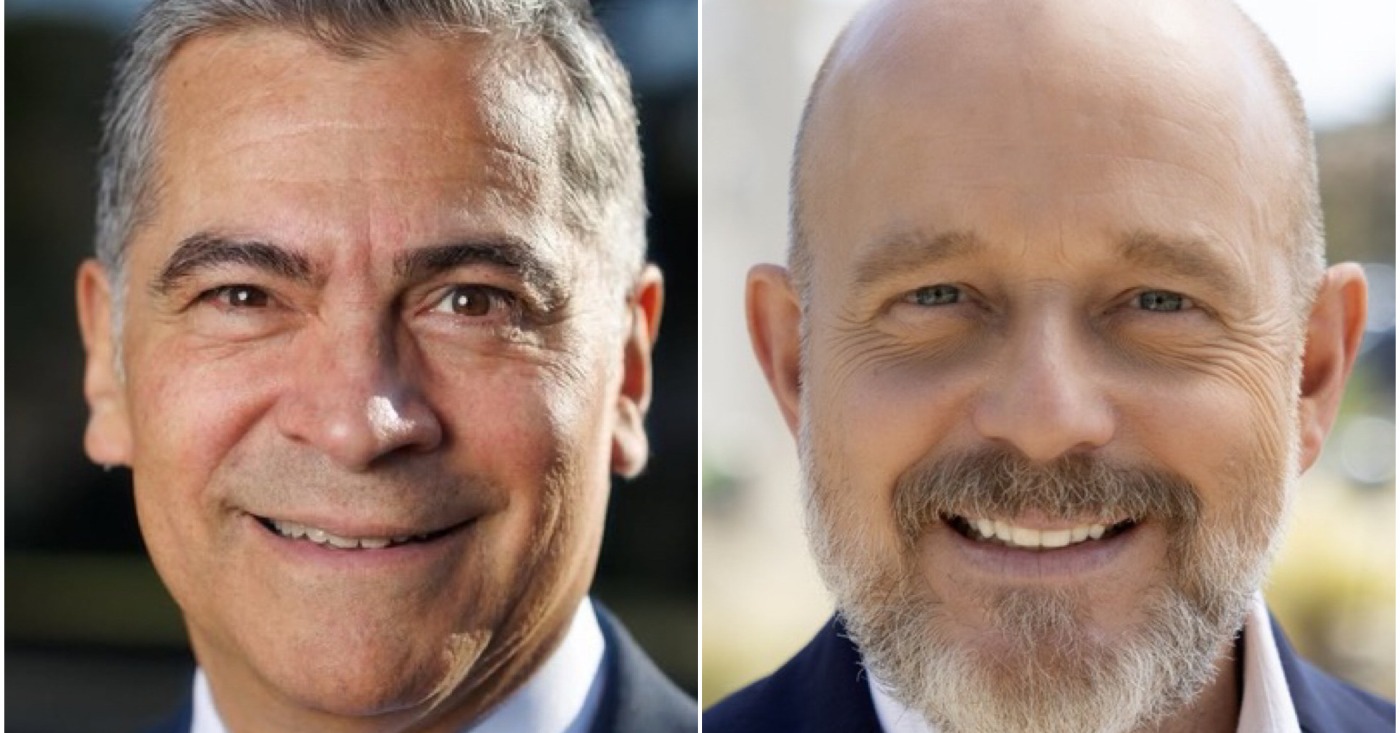
Democrat Xavier Becerra holds a 22-point lead over Republican Steve Hilton in California’s governor’s race, while voters remain closely divided over a proposed one-time tax on billionaires, according to a new Public Policy Institute of California poll.
The September PPIC survey found that 60% of likely voters support Becerra, compared with 38% for Hilton. His lead is actually narrower than it was in July, when he led Hilton 61% to 36%.
Becerra leads among independent voters, with 57% supporting him compared with 38% for Hilton. Party loyalty remains strong, with 93% of Democratic likely voters backing Becerra and 92% of Republicans supporting Hilton.
Hilton leads in the Central Valley, where 52% of likely voters support him compared with 46% for Becerra.
Affordability remains a major factor: 65% of likely voters say candidates’ plans to address cost-of-living issues are “very important” to their vote.
“Affordability continues to be top of mind for Californians when considering their choice for governor,” said Mark Baldassare, PPIC Statewide Survey director and Miller Chair in Public Policy.
The poll also found a narrow split over Proposition 40, a proposed one-time tax of up to 5% on taxpayers with assets exceeding $1 billion. Fifty-two percent of likely voters said they would vote yes, while 46% said they would vote no.
Support for the wealth tax varies sharply by party. Seventy-two percent of Democrats favor Proposition 40, compared with 46% of independents and 21% of Republicans.
Two competing measures also drew majority support. Fifty-one percent back Proposition 41, while 54% support Proposition 42, both of which could affect the wealth-tax proposal.
The findings come as Californians express broader frustration with the state’s political direction. Seventy-one percent of likely voters expect bad economic times in California over the next year.
“Californians are clearly grumpy and aren’t enamored with any particular political party or movement,” Baldassare said.
The survey interviewed 1,745 California adults, including 1,103 likely voters, from Sept. 4-10. The margin of error for likely voters is plus or minus 3.8 percentage points.



Asm. Corey Jackson Announces Launch of 24-Hour Childcare in His District

IN MEMORIAM: The Rev. Leon “Sonny” Clark, Longtime Orange County Pastor and Community Leader, Dies at 72

Poll: Becerra Widens His Lead Over Hilton; Californians Split on Wealth Tax

From Historic Memories to New Possibilities: Oakland Celebrates Coliseum 60

County Office of Education Says OUSD Finances Are Getting Healthier, Materially Stronger

LIVE FREE Sunday Dinner Brings Faith, Fellowship and Civic Conversation to Oakland

Remembering Chauncey Bailey as Student Journalists Face Threats to Truth-Telling

BLACspace Cooperative Invites Bay Area to Experience Oakland’s Black Cultural Ecosystem Through a BLAC Map Tour + Party

In Wake of Death on Doorstep, Williams Chapel Baptist Church Calls for Better Care, Funding for Unhoused

Oakland Centenarian Nuna McKee Honored!

Caribbean Nations Produce Action Plan Calling for UK Reparations Over Slavery

Oakland Post: Week of September 23 – 29, 2026

Doulas Are Helping Black California Moms Navigate Pregnancy–Even as High Mortality Rates Persist

Newsom Signs Addictive Social Media Law to Protect Kids

On Your November Ballot: Prop 38 Would Allocate $8.4 Billion to Immunology and Immunotherapy Funding

Standoff for Justice: Our Homes Are Worth Fighting For

Oakland Post: Week of August 26 – September 1, 2026

Frontier Airlines’ Return to Oakland Airport Brings Flights, Jobs and Opportunity

Gubernatorial Candidate Steve Hilton Blasts California New Tire Rules; Newsom Hits Back

Chef Sharon Lee Blends Culinary Excellence, Education and Empowerment

Jackie Wright Champions Bay Area Stories, Filmmakers and Cultural Institutions

Big City Mayors Ask for “Yes” Vote on Housing Bond Measure; Conservatives Say “No”

Oakland Coliseum Project Opens Door for Small Businesses to Build Bigger

Gov. Newsom’s Latest Appointees Include Sacramento Advocate for Formerly Incarcerated Students; State’s New Tech Chief

Misnamed ‘Parent’ PAC Seeks to Influence Oakland School Board Elections

Longtime BWOPA Member Brendalyn Goodall Appointed to California Workforce Development Board

Gov. Newsom Signs Law Shielding Immigration Aid Workers From Doxing Threats

Secretary of State Shirley N. Weber Urges Californians to Vote Early as Voter ID Battle Intensifies

From Palestine to Oakland: Seeds for Liberation Examines Shared Struggles for Freedom

IN MEMORIAM: Dolly Parton Dead at 80 — How She Built a Legacy of Love and Earned Her Place in Black Culture

The Conversation With Al McFarlane 6/23/26

Media Monday 6/22/26

LIVE! ASK ALMA! — TUES. 6.23.26 7PM EST

Car Buying Secrets: 4 Hidden Checks Before You Sign!

Is This 550 HP Charger Worth YOUR Money? AutoNetwork Review

Celebrating Juneteenth – Frederick Douglass on education and resistance

LIVE! — ASK ALMA! — TUES. 6.19.26 7PM EST

Hyundai Ioniq 5 Parking, Safety, and 360 View #shorts

2025 Ioniq 5 New Wiper & Powerful Performance! #shorts

Electric SUV Range: Is 259 Miles Enough? #shorts

EV Charging: How Fast Can You Charge an Electric Vehicle? #shorts

Biometric Cooling… Messaging Seats…Come on! 2025 Infiniti QX80 Autograph 4WD

Charged Up: Witness the Magic of a Fully Electric Car! #shorts

Range Rover Sport PHEV Included…: See What’s Inside This Luxury SUV! #shorts

Invisible Hood View: Perfect Parking with X-Ray Vision! #shorts
-
 Community2 weeks ago
Misnamed ‘Parent’ PAC Seeks to Influence Oakland School Board Elections
-

 Activism3 weeks ago
Oakland Post: Week of September 2 – 8, 2026
-

 Community2 weeks ago
Richmond Tiny House Village Farm & Garden Set to Open Gates on Sept. 26
-

 Black History2 weeks ago
OPINION: Nolan Wells’ Death One of Several Signifying Racial Terror Lives on in U.S. South
-

 Black History2 weeks ago
Latest Massacre in Haiti Reveals Cruelty U.S. Deportations
-

 Activism2 weeks ago
Oakland Post: Week of September 9 – 15, 2026
-

 Community2 weeks ago
Democratic Clubs Interview Candidates for Oakland School Board
-
 Featured2 weeks ago
‘Ready to See These Bills Become Law’: Sen. Weber’s Package of 15 Bills Advance to Gov. Newsom’s Desk
