
Music
PRESS ROOM: Gloria Gaynor Releases New Album
THE TENNESSEE TRIBUNE — After decades spent as the reigning Queen of Disco, Gloria Gaynor is announcing the release of her new gospel album, Testimony (June 7th). Recording for the first time in Nashville with Grammy-winning producers Chris Stevens (TobyMac, Mandisa, Blake Shelton) and Reid Shippen (Dierks Bentley, Lady Antebellum, Kenny Chesney), Gaynor uplifts listeners with a carefully-chosen selection of classic hymns, self-penned songs, as well as a stirring cover of Bob Dylan’s “Man of Peace.”

By The Tennessee Tribune
NASHVILLE, TN — After decades spent as the reigning Queen of Disco, Gloria Gaynor is announcing the release of her new gospel album, Testimony (June 7th). Recording for the first time in Nashville with Grammy-winning producers Chris Stevens (TobyMac, Mandisa, Blake Shelton) and Reid Shippen (Dierks Bentley, Lady Antebellum, Kenny Chesney), Gaynor uplifts listeners with a carefully-chosen selection of classic hymns, self-penned songs, as well as a stirring cover of Bob Dylan’s “Man of Peace.”
To work on the album, Gaynor brought together a powerhouse collaborative that includes special guests Yolanda Adams, Jason Crabb, Mike Farris, and Bart Millard (MercyMe), as well as powerful backup vocals from Latrese Bush, Melinda Doolittle, and Jason Eskridge. The project features a lineup of extraordinarily talented musicians: Daru Jones (drums), Drew Ramsey (guitar), Shannon Sanders (keyboards/B3), Jason Webb (piano/keyboards), and Willie Weeks (bass). The group recorded together in the former RCA Studio A in Nashville’s Music Row – the iconic setting where Dolly Parton, Charley Pride, Willie Nelson, and countless other country legends have laid hits down.
The first single from the album, Gaynor’s “Amazing Grace,” will be released on April 12th. Gaynor makes this time-honored hymn her own, delivering it with her signature, blues-drenched style. With this and every track on the album, she deftly walks a tightrope between putting her artistic spin on the song and conveying an absolute reverence for their spiritual essence.
“We are thrilled to be working with Gloria and her team to release her new gospel album; it’s clear that Testimony is a recording that represents the heart of Gloria,” said Paul Sizelove, President of Gaither Music. “Beyond the benchmark production and talent, you hear her soulful vocals and heartfelt expressions and you know immediately that she has lived these lyrics. We are excited to share these songs of hope with the world.”
The release of Testimony comes as Gaynor’s most iconic hit, “I Will Survive,” turns 40 this year. Recorded as the singer was struggling with a paralyzing back injury, the song quickly became an anthem for those seeking courage or proclaiming their strength in the face of adversity.
With “I Will Survive,” Gaynor became the winner of the only Grammy Award ever presented for Best Disco Recording. In the years since, she’s further solidified her status as an international superstar, topping the charts with dance hits such as “I Never Knew” and “I Just Keep Thinking About You.” She’s wowed Broadway audiences in “Smokey Joe’s Cafe” as well as making TV appearances in series such as “Ally McBeal” and “The Wayans Bros.”
As Gaynor has toured and traveled, she’s also taken time to author books and deliver talks as a motivational speaker. She’s been featured as the keynote speaker everywhere from SXSW in Texas to the CCU Women in Philanthropy & Leadership Conference in South Carolina.
With a career in an era where drugs and alcohol were the norm, Gaynor credits God with guiding her through. Over the years, she’s often changed the lyrics of “I Will Survive” to express her faith. Testimony isn’t Gaynor’s first time recording a Christian album; in 2013, she released We Will Survive, a collection of contemporary Christian songs and a remix of “I Will Survive.” To coincide with the release of that album, Gaynor published her second book, We Will Survive: True Stories of Encouragement, Inspiration, and the Power of Song, a collection of stories from people who have been touched and encouraged by Gaynor’s signature song. Her audio recording of the book was nominated for a 2015 Grammy Award for Best Spoken Word Album.
In March 2016, Israel’s Consulate General, Ido Aharoni, visited her home church, the Christian Cultural Center in New York City, to present her with the Martin Luther King Jr. Peace Award. One year later, the Library of Congress honored Gaynor by inducting “I Will Survive” into its registry – a sign of the indelible mark that the song – and Gaynor herself – have left on the world. As she tours and speaks to audiences around the globe, Gaynor continues to be an inspiration through her faith, her message, and her music.
This article originally appeared in The Tennessee Tribune.









Black History
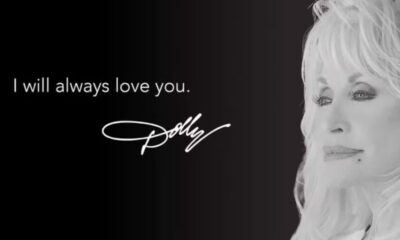
IN MEMORIAM: Dolly Parton Dead at 80 — How She Built a Legacy of Love and Earned Her Place in Black Culture
BAYOU BEAT NEWS — For Black audiences, the bridge to Dolly will always run through Whitney Houston. Parton wrote “I Will Always Love You” as she prepared to leave Porter Wagoner’s television show and released it in 1974. The original was tender and restrained, a country goodbye delivered with grace. Then Whitney got hold of it.

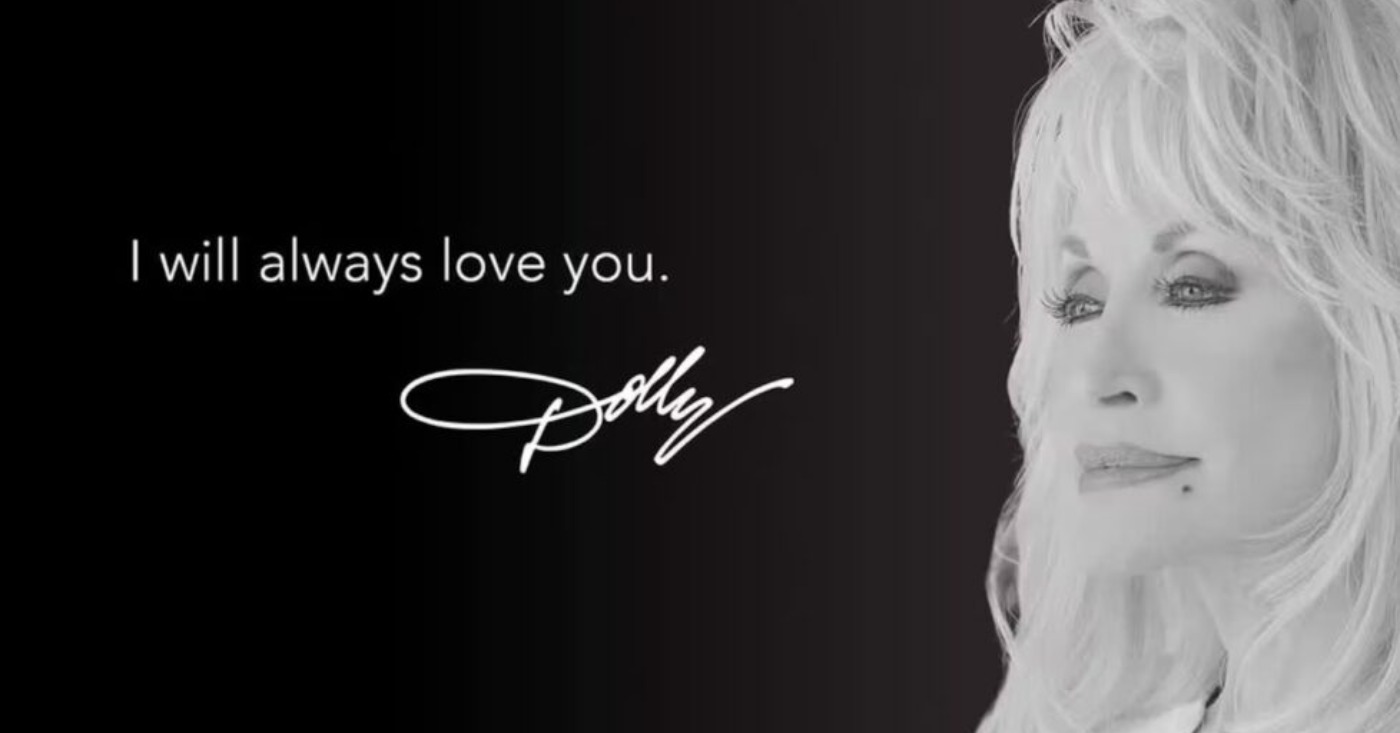
Before some of us knew Dolly Parton as the Queen of Country Music, we knew her as the woman behind Whitney Houston’s song. We knew the blonde hair, the rhinestones, and that unmistakable Tennessee voice. But somewhere along the way, Black America came to understand something deeper about Dolly; when she said she loved people, she had the receipts to prove it.
The community is now left to mourn the icon who passed away at the age of 80, on Aug. 25, after dealing with an unknown medical condition. Known for her chart-topping country music hits, Dolly never felt as though she belonged only to one genre, or one kind of person. She showed up with humor, humility and a generosity that did not ask who you voted for before offering a helping hand. She made room for people, and in return, people from every corner of the culture made room for her.
The Song That Brought Dolly and Whitney Together
For Black audiences, the bridge to Dolly will always run through Whitney Houston. Parton wrote “I Will Always Love You” as she prepared to leave Porter Wagoner’s television show and released it in 1974. The original was tender and restrained, a country goodbye delivered with grace. Then Whitney got hold of it.
Houston’s 1992 rendition for “The Bodyguard” did not merely update the record. She took it to church, then carried it around the world. That opening a cappella moment, the controlled stillness and the key change that made everybody reach for a note they had no business trying to hit turned Parton’s country ballad into a global anthem. The single spent 14 consecutive weeks at No. 1 on the Billboard Hot 100, became the best-selling physical single by a woman and earned two Grammy Awards.
And instead of trying to deny contribution or rush to remind everyone who wrote the song, she celebrated the way Houston’s voice transformed it. In an industry with a long history of taking from Black artists while denying them proper credit, Dolly understood that acknowledging Whitney’s greatness did not diminish her own. One woman wrote an extraordinary song. Another woman revealed everything else that song could become.
“This is the house that Whitney built.”
— Dolly Parton
Parton later shared that she used some of the royalties from Houston’s recording to purchase commercial property in a predominantly Black Nashville neighborhood. She called it “the house that Whitney built.” There was something beautiful about that acknowledgment. Whitney’s voice had generated wealth, and Dolly wanted part of that wealth rooted among people she described as Whitney’s people, and her people, too.
Dolly’s relationship with Black America was not built on pretending she did not see color. She saw us. In a 2020 Billboard interview, she made her position plain: “Of course Black lives matter. Do we think our little white asses are the only ones that matter? No!”
It was blunt, funny, and completely on brand. But Dolly also understood that allyship could not stop with a quote. After learning why the word “Dixie” was offensive and painful to many people, she removed it from the name of her Civil War-themed dinner attraction. She called her previous understanding “innocent ignorance.” More important, she fixed it.
That willingness to listen mattered. Dolly did not perform perfection or become defensive when someone pointed out harm. She showed that loving people means caring enough to learn, change and do better. In a time when public figures often double down just to avoid admitting they were wrong, Dolly simply chose not to be cruel.
Dolly’s love also arrived in the mail. Inspired by her father, who could not read or write, she launched the Imagination Library in 1995. The program began in Sevier County, Tennessee, sending one free, age-appropriate book each month to enrolled children from birth to age 5. What started in the rural community that raised her grew into an international literacy movement. By the end of 2025, the program had distributed more than 300 million books and was mailing about 3.4 million books each month.
Those books found their way into homes in big cities as well as small towns. In New York City, the Imagination Library has been promoted through public schools and community organizations in the Bronx. For urban families navigating tight budgets, limited bookstore access or neighborhoods where children’s books are not always easy to find, a brand-new book addressed directly to a child can mean more than one package. It tells that child, “This belongs to you. Your imagination matters.”
That was Dolly’s kind of giving: personal, useful and rooted in dignity. She also funded scholarships, supported hospitals, invested in medical research and helped families recover from disasters. Her $1 million donation to Vanderbilt University Medical Center supported research connected to the Moderna COVID-19 vaccine. She turned the money she made entertaining people into opportunities to help them live, learn and rebuild.
A preschooler opening one of Dolly’s books in the Bronx did not need to know “Jolene.” A parent reading that book at bedtime did not need to be a country music fan. Her generosity crossed racial and economic lines because it met families in real life, at the mailbox, in a hospital room or after the unthinkable happened.
A Legacy That Felt Like Love
Dolly Parton leaves behind thousands of songs, beloved films, major businesses and enough rhinestones to keep heaven sparkling for a while. But her greatest legacy may be the way she made strength feel soft without ever making it weak. She knew exactly who she was, yet she never needed anyone else to become smaller so she could shine.
For Black listeners, her bond will always be part of that story. “I Will Always Love You” was never about choosing between the white woman who wrote it and the Black woman who took it somewhere new. Dolly gave the world the words. Whitney gave those words wings. Together, they created a piece of American music that refuses to stay inside one genre or belong to only one community.
That is why this loss feels personal, even to people who never met her. Dolly reminded us that tenderness can be powerful. She showed us that changing your mind can be a sign of character, that celebrating another woman’s brilliance does not steal your light and that love means very little if it never becomes action.
Country music will forever call Dolly Parton one of its queens. But Black culture recognized something in her, too: a woman who respected our greatness, spoke up for our humanity and invested in our children. She did not simply leave this world loved. In the ways that mattered most, Dolly loved us back.

Art
Kotelemla Bolinga: a Soundtrack for Resistance and Love
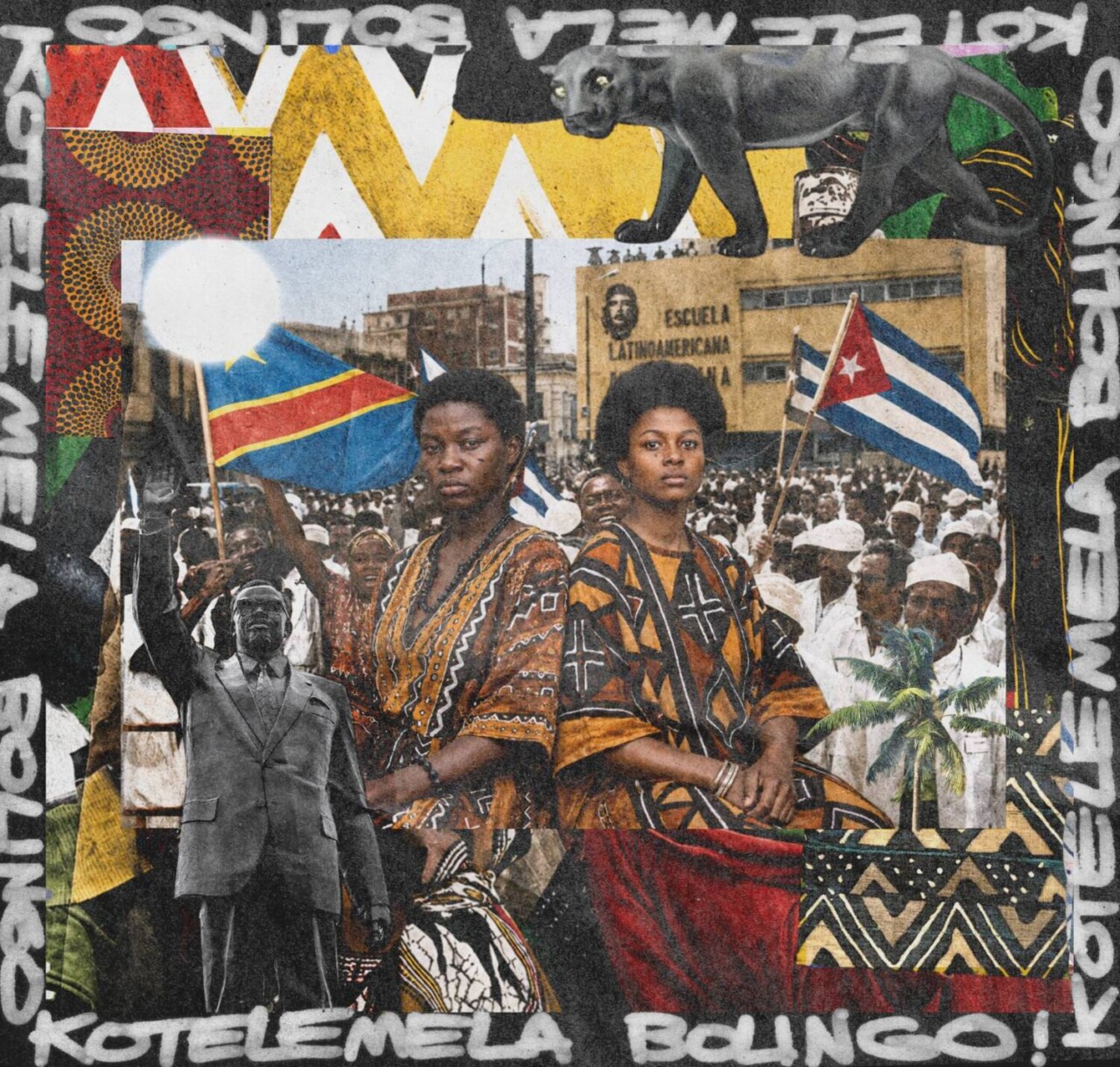
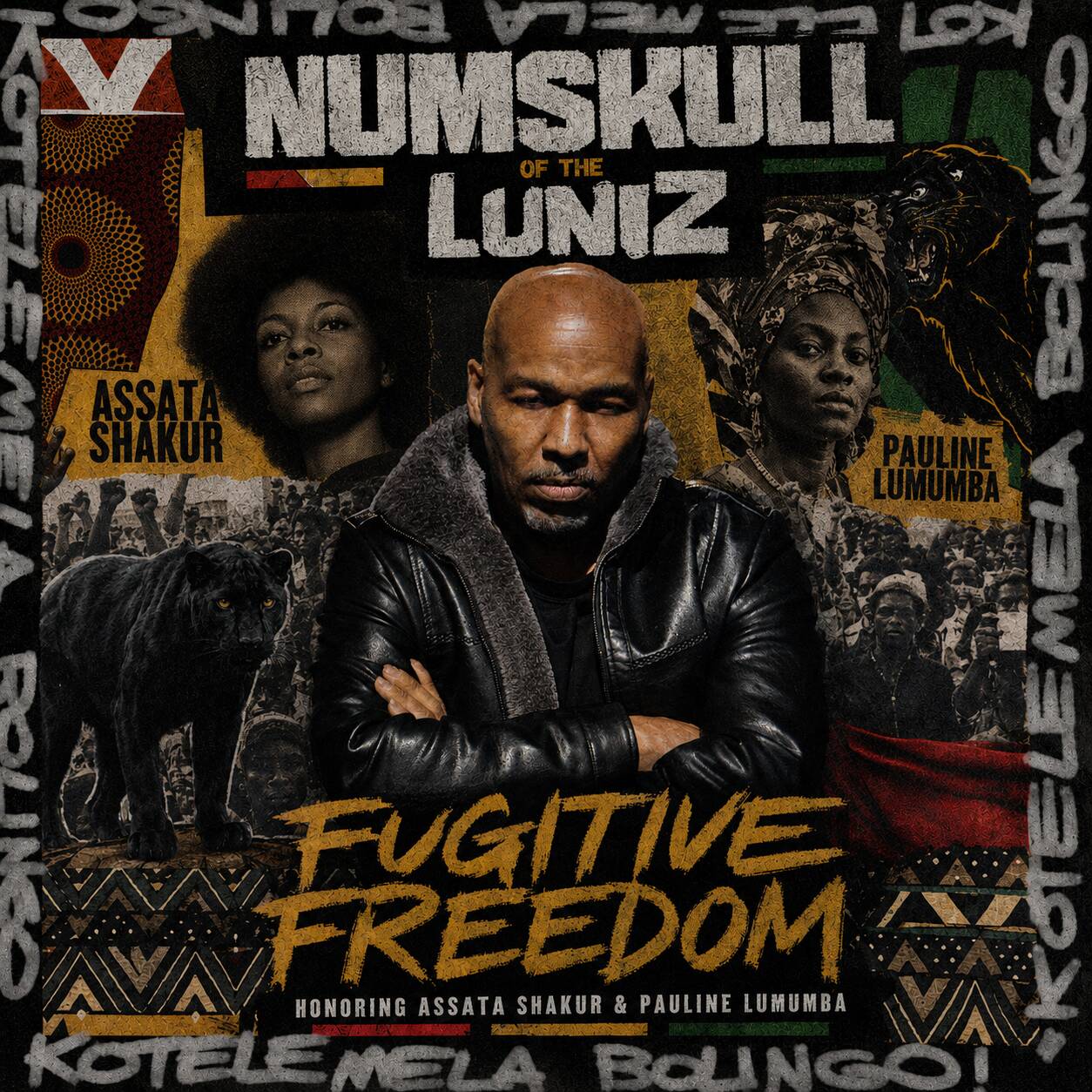
SF BAY VIEW — Obi Egbuna Jr. of the Zimbabwe-Cuban Friendship Association developed “Kotelemela Bolingo,” a free music project meaning “Resistance and Love” in Lingala. This initiative is dedicated to Assata Shakur of the Black Liberation Army and Black Panther Party, and Pauline Lumumba, wife of the late Congolese Prime Minister Patrice Lumumba.
by JR Valrey, the People’s Minister of Information
When many people think of resistance, they think of guns. Some think of organizing. But outside of the organizing community, very few would consider using culture as a weapon, in the spirit of artists like Gil Scott-Heron, The Watts Prophets, The Last Poets, Miriam Makeba, Bob Marley, Fela Kuti, 2Pac, the Coup, Dead Prez and Lauryn Hill. The great Guinea-Bissau revolutionary Amilcar Cabral once said that you can see how ripe a people are for revolution by comparing how similar their culture is to that of the oppressor.
Obi Egbuna Jr. of the Zimbabwe-Cuban Friendship Association has been organizing internationally in support of resistance movements and revolutionary governments for decades. The most recent project that he organized is called “Kotelemela Bolingo,” which means “Resistance and Love” in the Lingala Congolese language. It is a music project — given away for free — dedicated to the late freedom fighter and political exile Assata Shakur of the Black Liberation Army and Black Panther Party, and Pauline Lumumba, the wife of the assassinated first prime minister of the Democratic Republic of the Congo, the late great Patrice Lumumba. The album features legendary artists like Oakland’s Numskull of the Luniz, L.A.’s Ras Kass, and the DMV’s Mumu Fresh, as well as many talented up-and-coming artists from around the world.
You can hear part of the compilation here: Kotelemela Bolingo (Full Album; Vol. 1)
JR Valrey: Who is the Zimbabwe-Cuban Friendship Association? What is its history? What is your relationship with the organization?
Obi Egbuna Jr.: ZICUFA is an organizational vehicle whose aim is to maintain the solidarity and camaraderie between Zimbabweans and Cubans on a people-to-people level.
Traditionally speaking, revolutions start from the bottom to the top. Therefore, while the ruling parties and leadership of both nations have a strong and unbreakable bond, these friendship associations are the reason Cuba’s people and revolution are truly revered throughout Mother Africa. This dynamic is on full display, especially in Mother Africa’s southern region.
In 1985, Cuba bestowed the late Zimbabwean president and Pan-African revolutionary icon Robert Gabriel Mugabe with the Jose Marti Award, Cuba’s highest honor, one year after the youthful, dynamic Pan-African phenom and president of Burkina Faso, Thomas Sankara, was a recipient. When I learned this, it became abundantly clear that certain elements who have written about Cuba’s ties to Africa have allowed subjectivity to affect their better judgment. Too often, they reduce Cuba-African relations to Madiba Nelson Mandela receiving the Marti Award and Cuba’s heroic guerilla mission in Angola. Those who choose to peddle this narrative, historically speaking, leave a lot of meat on the bone.
In 1986, Comandante Fidel Castro visited Zimbabwe for the Non-Aligned Movement conference. I remember the twinkle in the eyes of the late Dr. Nathan Shamuyarira, Zimbabwe’s first foreign minister and national hero, fondly reflecting on this moment in history. Dr. Shamuyarira said Comandante Fidel Castro was going back and forth from the NAM conference to the Cuban Embassy because he was sending instructions to Cuba’s fighting forces in Angola. Somehow, between this rigorous schedule, the Comandante took the opportunity to visit schools in Zimbabwe, which resulted in an agreement with President Mugabe that Zimbabwean teachers could come to Cuba for training. From 1986 to 1996, 3,000 Zimbabwean teachers went to Cuba and became the backbone of their nation’s educational system, which today has a 97% literacy rate.
As this year marks the 40th anniversary of the death of Mozambique’s president, the revolutionary giant Samora Machel, his two personal physicians were Cuban doctors whose lives were claimed in that awful plane crash. When the civil and human rights icon Bayard Rustin broke our hearts and supported the CIA-trained mercenaries UNITA in Angola, whose sole purpose for existence was to overthrow the socialist revolutionary party MPLA, his justification was to prevent the rise of Cuban influence in southern Africa. During Cuba’s guerilla operation in Angola in Cuito Cuanavale, we often forget that the revolutionary party of Namibia, SWAPO, was part of that fight, which represented, at the time, the largest military conflict on African soil since World War II. Our role in this process is a raindrop in a full-fledged thunderstorm.
In 2003, Cuba’s deputy ambassador to their interests section in Washington, D.C., Ambassador Cosme Torres Espinoza, was deported under false charges of espionage. Not too long after this, the U.S. State Department denied Cuban diplomats the opportunity to travel outside the D.C.-Maryland-Virginia beltway. The goal was to curtail the outpouring of invitations Cuban diplomats always receive from educators, clergy, local elected officials, business people, artists, and, of course, grassroots organizers who feel the cowardly and racist blockade is outdated. His next detail was to serve as Cuba’s ambassador to the Republic of Zimbabwe. I met with him in Zimbabwe 20 years ago, and he asked me to join the organization. At the time, I was growing increasingly frustrated with Cuban solidarity efforts in North America, in particular with paternalism and racism. I am eternally grateful to Ambassador Torres for that lifeline.
About 10 years ago, ZICUFA’s secretary general, Comrade Pesanai, who was the first teacher to complete the training in Cuba, asked me to become the organization’s first external relations officer in ZICUFA’s history. This was on par with serving as the U.S. correspondent to The Herald, Zimbabwe’s national newspaper, or perhaps an even greater responsibility and honor.
JR Valrey: Why did the organization organize its fourth musical compilation in honor of Assata Shakur and Pauline Lumumba? What is the importance of these women?
Obi Egbuna Jr.: This is our first compilation honoring Assata Shakur and Pauline Lumumba. However, 12 years ago, we had the honor of collaborating with Mutulu Olugbala, affectionately known as M1 of the internationally acclaimed hip-hop group Dead Prez, for a project entitled BattleCry for Cuba and Zimbabwe. It ended up being a three-album set, with artists the world over lending their voices to the fight to have the U.S. blockade on Cuba and U.S.-E.U. sanctions on Zimbabwe lifted. It was an honor and privilege to collaborate with an artist of M1’s caliber, especially during this time period, when he had many organizers pulling him in a multitude of directions. The first album took two and a half years to complete, but after that, we were running downhill.
The highlight of that time period was when the Cuban diplomat Alexander Rodriguez contacted us and said that the International Committee to Free the Cuban Five wanted us to perform for a concert they were organizing in Washington, D.C. The venue ended up being my old junior high school, Abraham Lincoln. That entire process prepared us for the current effort. The Assata Shakur-Pauline Lumumba Project emanated from the Assata Shakur Cuba Defense Campaign, which was launched two and a half years ago. The campaign had three goals: 1. To get Sister Assata off the terrorist list. 2. To get the $2 million bounty on Sister Assata’s head lifted. 3. To have Cuba removed from the U.S. State Department’s list of nations they accuse of being involved with state-sponsored terrorism.
We had the late Black Panther pioneer Bilal Sunni-Ali as our strategic and tactical advisor on that project. We had an unbelievable press conference that had elected officials like Charles Barron, the councilman and assemblyman in New York; Calvin Hawkins, who was the councilmember at large in PG County; and Hank Sanders, the longest-serving state senator in Alabama’s history, who represented the 23rd District, an area plagued with abject poverty. Senator Sanders was also involved in the negotiations that led to the Port of Mobile being opened to Havana. We had the Grammy-nominated artist Mumu Fresh as well. To top everything off, we had the children in the Thomas Sankara Center in Burkina Faso weigh in on the situation, carrying Hands Off Assata signs through the streets of Ouagadougou.
Last year, we held another press conference turning attention to the medical dimension of Cuban revolutionary expression. We had the former president of the National Medical Association, Dr. Lucy Norville Perez, who was the first NMA president to visit Cuba back in 2002. Dr. Abeeku Dada, who graduated from the Latin American School of Medicine in Cuba and co-founded the International Medical Society of ELAM Graduates, organizes brigades of graduates from ELAM to go and assist Cuba’s Henry Reeve Medical Brigade in nations where they have a physical presence. We had Dr. Mabel Montego, who heads the brigade in Burkina Faso, also weigh in. We had Dr. Mardia Stone, a Liberian physician who was working in Liberia when the Cuban doctors were there a few years back to eradicate Ebola. We worked in partnership with the Friends of the Congo to pull off that press conference. The Cuban embassies in Burkina Faso and Congo-Brazzaville were in attendance. This album is a follow-up to those events. It is a double album with 30 songs featuring reggae, spoken word, R&B, hip-hop, blues poetry, jazz and opera. Through this, we can identify practical ways to support the 4,000 Cuban doctors in Mother Africa.
JR Valrey: Who are the artists that contributed?
Obi Egbuna Jr.: You have Numskull of the Luniz, thanks to you. You have Ras Kass, thanks to Minister Pyeface X, who also brought in the brother Timmy Staxx, whose producing and engineering elevated the project. You have Mumu Fresh, who closed Assata’s tribute with Common and was recently on The Tonight Show with Nas and AZ. You have Grammy Award-winner MediSun, a reggae singer whose voice reminds people of David Hinds from the legendary group Steel Pulse. The genres represented are the highlight. We gave the usual suspects — Dead Prez, Immortal Technique, Yasiin Bey and Talib Kweli, KRS-One, Chuck D — the day off. The production by Timmy Staxx, whose mixes, mastering and engineering are absolutely breathtaking.
I also have to point out that JPhin and Tongo are willing to assist with the logistics of the project, which echoes the sentiment of the Pan-African giant Ahmed Sekou Toure when he said, “To be part of the African revolution, it is not enough to write a revolutionary song. You must fashion the song with the people, and the songs will come of themselves and by themselves.”
JR Valrey: What does the compilation sound like?
Obi Egbuna Jr.: I don’t think I can be objective, so we will let the people be the judge. I’ll say this, my brother: We studied the George Harrison Bangladesh album, the Live Aid concert, and the documentary that showed how the We Are the World project came together. When it comes to African protest music, we have an endless library, but too often there is a vast disparity between the content and musicianship. The quality was an utmost priority, and we can’t wait to see how our people worldwide receive the project. You have material in five languages, reaffirming the sentiment that music is the universal language of the planet. We creatively tested the waters.
JR Valrey: Politically, how do these compilations help the cause of ending the blockades against Cuba and the genocide against the Congo currently going on?
Obi Egbuna Jr.: When done organically, these projects represent cultural warfare. If U.S. imperialism can use films like “Scarface” and “The Godfather” to demonize the Cuban revolution, then double down by using athletes like Alexis Arguello, who turned his back on the Sandinistas and had the Gusanos in Miami reward him by organizing his fight against Aaron Pryor in the Orange Bowl, then we have to counter with projects like this.
I remember speaking with Kwame Ture immediately after he left the Honorable Minister Louis Farrakhan’s residence after The Notorious B.I.G. was gunned down in Los Angeles. He asked me how long I thought it would take before hip-hop artists, in particular, would make protest music. My answer was between 1988 and 1990, we were doing it. That’s how he ended up on the BDP Edutainment album. He meant protest issues that represented our political efforts. I stated that the artists were a microcosm of our community, and they had, using Malcolm’s terminology, chosen the ballot over the bullet.
Around that same period, Sister Assata and Comrade Nehanda Abiodun had charged the Malcolm X Grassroots Movement with educating artists about political prisoner work. The Cuban expert James Early stated that he and Harry Belafonte had held talks with Comandante Fidel Castro about hip-hop. The Malcolm X Grassroots Movement spearheaded the Black August effort. Common’s Assata song, in the opinion of many, is the highlight.
A few years later, Omowale Adewale of the Grassroots Artists Movement introduced us to M1 from Dead Prez, and we had a press conference calling for Cuban doctors to address the public health crisis in New York City, which ended up being in conjunction with our efforts to keep the doors of D.C. General Hospital open. We had 100 clergy pray for Cuban doctors to come save D.C. General Hospital because the poorest part of D.C. was left without a Level 1 trauma center or prenatal care unit. You also had the head of the Nursing Department at Bowie State University, Dr. Eleanor Walker, appeal to Cuba to start offering nursing scholarships because, in North America, Africans had an all-time shortage of nurses. Unbeknownst to many, this predates Cuba’s offer to send 1,500 environmental disaster specialists to the Gulf region after Hurricane Katrina.
With George W. Bush reinventing himself as a born-again humanitarian in Africa, the collapse of the imperialist masking agent USAID, along with not one African head of state yielding to U.S. imperialist pressure by terminating their agreement with Cuba to have the Henry Reeve Medical Brigade function in their respective nations. Unlike the seven nations in this hemisphere who showed the Cuban doctors the door, Africa stood firm, thanks to the people. This is the political advantage and a reminder that our liberation struggle is also for our human dignity.
I am a product of an ideological leaning that when Nigeria, because of its population; Azania/South Africa, because of its strategic location; and the Congo, because of its vast wealth, fall under revolutionary control, the decolonization process will have officially come full circle. We are thankful that even though the artists are more familiar with Sister Assata, they embraced incorporating the journey of Pauline Lumumba, which demonstrates what Pan-Africanism looks like when executed in this manner.
JR Valrey: How did the compilation projects originally begin?
Obi Egbuna Jr.: We started preparing for the album at the end of March. Based on the attacks on Cuba, we worked diligently around the clock. I brainstormed with the co-executive producer, Russell Shoatz III, whom I contacted because the artists we chose to spearhead this, Richard Raw in Delaware and Foluke Bady in Baltimore, informed us that scheduling prohibited them from spearheading a project of this magnitude. Because of Russell’s experience with CurbFest and my previous connection to the BattleCry project, we were humbled to assume this responsibility.
JR Valrey: How can people hear the project?
Obi Egbuna Jr.: The main source at the moment is YouTube. We thank you for your involvement and support. By the time we speak to you, it should be available fully on Instagram, Facebook, LinkedIn and TikTok. We are not monetizing, therefore we cannot and will not use streaming platforms. Thanks for the support in numerous capacities. Long live Assata Shakur, long live Pauline Lumumba, long live Cuba, long live the African fighting spirit!!!!
SF Bay View Editor-in-Chief JR Valrey is a veteran journalist who can be heard weekly on Wednesdays on 89.5FM KPOO orKPOO.com from noon to 3 p.m. His work can also be heard on www.blockreportradioworld.com. You can reach him at JR@sfbayview.com.
The post Kotelemla Bolinga: a soundtrack for resistance and love appeared first on San Francisco Bay View.
Based on reporting by SF Bay View.
Black History
Op-Ed: Black Music Is Not Just Entertainment. It Is Survival.
HOUSTON DEFENDER — Black music has historically served as a vital tool for survival and cultural preservation for Black Americans, long before they achieved political power or equal protection under the law. It pre-dates Black ownership of radio stations or record labels, acting as an archive for stories omitted from mainstream history. While Black Music Month celebrates surface-level entertainment, the true essence
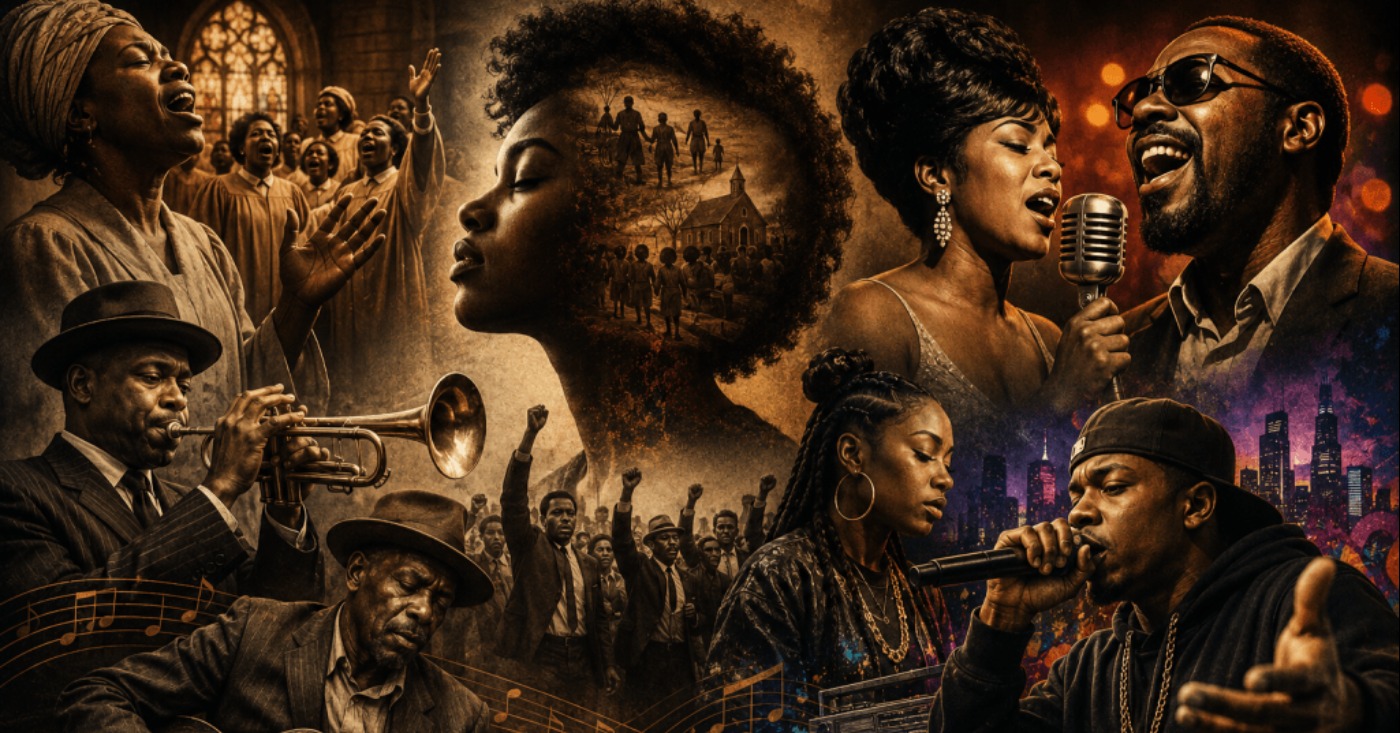
Long before Black Americans held political power, built economic influence, or could count on equal protection under the law, we had something untouchable. We had our music.
Before we owned radio stations, record labels, or corporate boardrooms, we had music. Before our stories made it into mainstream history books, they lived in our melodies. Long before America was willing to actually listen to our voices, we found a way to make sure it could never ignore our sound.
Black Music Month is over, but it’s incredibly easy to let the celebration stay on the surface. We praise the chart-topping hits, replay legendary award show clips, and dance to the tracks dominating our social media feeds. We debate the classic albums, rank the best vocalists, and argue over who belongs on music’s Mount Rushmore.
There is absolutely nothing wrong with any of that.
But if we only treat Black music as entertainment, we miss the entire point.

Black music has never just been about making people dance; it has always been about helping people endure. It is the most accurate, unfiltered historical archive of the Black experience ever created. For generations, when mainstream institutions refused to document our humanity, our music did the heavy lifting. When textbooks omitted us, songs remembered. When newspapers ignored us, songs testified. When laws oppressed us, songs fought back.
The spirituals sung by enslaved Africans weren’t just religious expressions. They were literal roadmaps, warnings, and coded escape routes sung right under the noses of overseers. Imagine the sheer courage it took to create beauty while enduring that level of brutality. That isn’t entertainment and defiance.
Then came the blues, born out of the cotton fields and back porches of the South. The blues gave Black people permission to speak out loud about heartbreak, poverty, and systemic injustice. It said, “This happened to me, and I am still here.” It taught generations that our individual stories mattered, even if the rest of the country wanted us to suffer in silence.
Gospel music carried that exact same spirit straight into church sanctuaries. During the heaviest years of Jim Crow, gospel became fuel for weary spirits, reminding people they were infinitely more than what a segregated society labeled them. It’s no coincidence that the songs echoing through Sunday morning pews became the same anthems fueling the Civil Rights Movement on Monday morning. The soundtrack of liberation was sung before it was ever written into law.
As the decades marched on, every genre inherited that same assignment. Jazz put Black genius on display and challenged musical convention. Soul music wrapped heavy political messages inside irresistible grooves. Funk celebrated Black joy unapologetically, while R&B chronicled our love stories and aspirations. And hip-hop gave neighborhoods a megaphone the government tried to make invisible.
You can learn everything you need to know about the Great Migration, economic hardships, and cultural triumphs simply by putting on headphones. Our artists have always stepped up as our community journalists and archivists.
When Billie Holiday sang “Strange Fruit,” she forced America to look at the horrors of lynching. When Nina Simone sang “Mississippi Goddam,” she turned performance into direct protest. Marvin Gaye asked “What’s Going On?” during a nation in turmoil, Public Enemy educated an entire generation on systems of power, and today, Kendrick Lamar continues that exact same lineage by dissecting race, trauma, and survival.
Different eras, different sounds—but the exact same job description: tell the truth.
That responsibility feels heavier today than ever. We are living through a time when efforts to rewrite history, sanitize uncomfortable truths, and erase Black stories from classrooms have become standard political battlegrounds.
But Black music is too stubborn to copyedit. It refuses to forget, and it refuses to let us forget. Every beat carries a memory. Every lyric carries a legacy.
This June, we need to listen differently.
When the bass drops, listen to the history. When the choir swells, listen for the endurance. When the lyrics hit a little deeper than usual, remember you aren’t just hearing a song—you are hearing survival. You are listening to the sound of a people who, when stripped of nearly everything else, used the rhythm of their own heartbeats to reshape the entire world.
So by all means, celebrate the artists. Attend the concerts, buy the albums, and dance until your feet hurt. But never forget that Black music is more than a soundtrack. It is our armor, it is our testimony, and it is the reason we are still here.
Based on reporting by Houston Defender.


Port of Oakland, Army Corps Sign Historic Harbor Design Agreement

Democratic Clubs Interview Candidates for Oakland School Board

Nuna Phillips-McKee Celebrates 100 Years: ‘A Century of Faith, Family and God’s Amazing Grace!’

D.A. Ursula Jones Dickson: Terminix to Pay $3.15 Million Over Illegal Disposal of Pesticides, Customer Records

REPORT: Community Level Policy Is Impacting Homelessness and Drug Abuse in California

OPINION: AI Needs to Know Who Is the Boss
Goldi-Locs and Two (or Three) Bears in the Forest in California Hills

Election Watch 2026: 85% of Eligible Voters in California Are Registered

Don’t Let scammers Crash Your School Year

BOOK REVIEW — Curved Air: A Biography of Sickle Cell Anemia and the Quest to Cure the First Molecular Disease

California’s Legal Cannabis Market Hits $8 Billion as State Touts Progress on Fighting Drugs, Crime

Blacks and Latinos Clash Over LA’s Barrio Run; Mayor Karen Bass Calls for Dialogue Across Racial, Neighborhood Lines

Asm. Smallwood-Cuevas’s Bill Repealing ‘Racist’ CalWORKs ‘Man-in-the-House’ Rule Clears Legislature

Asm. Smallwood-Cuevas’s Bill Repealing ‘Racist’ CalWORKs ‘Man-in-the-House’ Rule Clears Legislature

‘Ready to See These Bills Become Law’: Sen. Weber’s Package of 15 Bills Advance to Gov. Newsom’s Desk

Department of Homeland Security Demands California Secretary of State Shirley N. Weber Scrub Voter Rolls

“The Power to See Threats Sooner”: Gov. Newsom, Safety Officials Showcase California’s Investments in Hi-Tech Wildfire Prevention

Alpha Kappa Alpha Sorority, Inc. Celebrates New North Atlantic Regional Director

California Sen. Padilla Joins Colleagues to Introduce Bill Imposing Term Limits on Supreme Court Justices

Less Affluent School Districts, Including Sacramento City, Face Threat of State Takeover

Car Wash Workers Cope with Lingering Impacts of ICE Raids

ESSAY: California Can Close Its Colorectal Cancer Gap

Oakland Post: Week of August 5 – 11, 2026

As Part of Your Back-to- School Checklist, Vaccinate

Oakland ‘Port Serves as a Powerful Engine for Good Jobs and Economic Development

Gov. Newsom Signs New Affordable Housing Legislation

Gov. Newsom Announces $109.6 Million in Funding for 278 Supportive Homes in Bakersfield, Contra Costa, Sacramento and Fresno

California Hispanic Chambers of Commerce Unveils: ‘Powering the Future’ Theme for 47th Annual Statewide Convention

Closing the Gap: What the Data and Frontline Experiences Reveal About Cancer in Black California

Congresswoman Simon Demands Investigation into Trump’s Abuse of Emergency Powers for Coal Export Terminal in West Oakland

The Conversation With Al McFarlane 6/23/26

Media Monday 6/22/26

LIVE! ASK ALMA! — TUES. 6.23.26 7PM EST

Car Buying Secrets: 4 Hidden Checks Before You Sign!

Is This 550 HP Charger Worth YOUR Money? AutoNetwork Review

Celebrating Juneteenth – Frederick Douglass on education and resistance

LIVE! — ASK ALMA! — TUES. 6.19.26 7PM EST

Hyundai Ioniq 5 Parking, Safety, and 360 View #shorts

2025 Ioniq 5 New Wiper & Powerful Performance! #shorts

Electric SUV Range: Is 259 Miles Enough? #shorts

EV Charging: How Fast Can You Charge an Electric Vehicle? #shorts

Biometric Cooling… Messaging Seats…Come on! 2025 Infiniti QX80 Autograph 4WD

Charged Up: Witness the Magic of a Fully Electric Car! #shorts

Range Rover Sport PHEV Included…: See What’s Inside This Luxury SUV! #shorts

Invisible Hood View: Perfect Parking with X-Ray Vision! #shorts
-

 Commentary2 weeks ago
Standoff for Justice: Our Homes Are Worth Fighting For
-

 Business2 weeks ago
Gubernatorial Candidate Steve Hilton Blasts California New Tire Rules; Newsom Hits Back
-

 Activism3 weeks ago
Oakland Post: Week of August 26 – September 1, 2026
-

 Education2 weeks ago
Gov. Newsom’s Latest Appointees Include Sacramento Advocate for Formerly Incarcerated Students; State’s New Tech Chief
-

 Business2 weeks ago
Frontier Airlines’ Return to Oakland Airport Brings Flights, Jobs and Opportunity
-

 Business2 weeks ago
Chef Sharon Lee Blends Culinary Excellence, Education and Empowerment
-

 Business2 weeks ago
Oakland Coliseum Project Opens Door for Small Businesses to Build Bigger
-

 Community2 weeks ago
Big City Mayors Ask for “Yes” Vote on Housing Bond Measure; Conservatives Say “No”
