
Community
Homeless Residents Share Frustrations over OPD at Public Forum

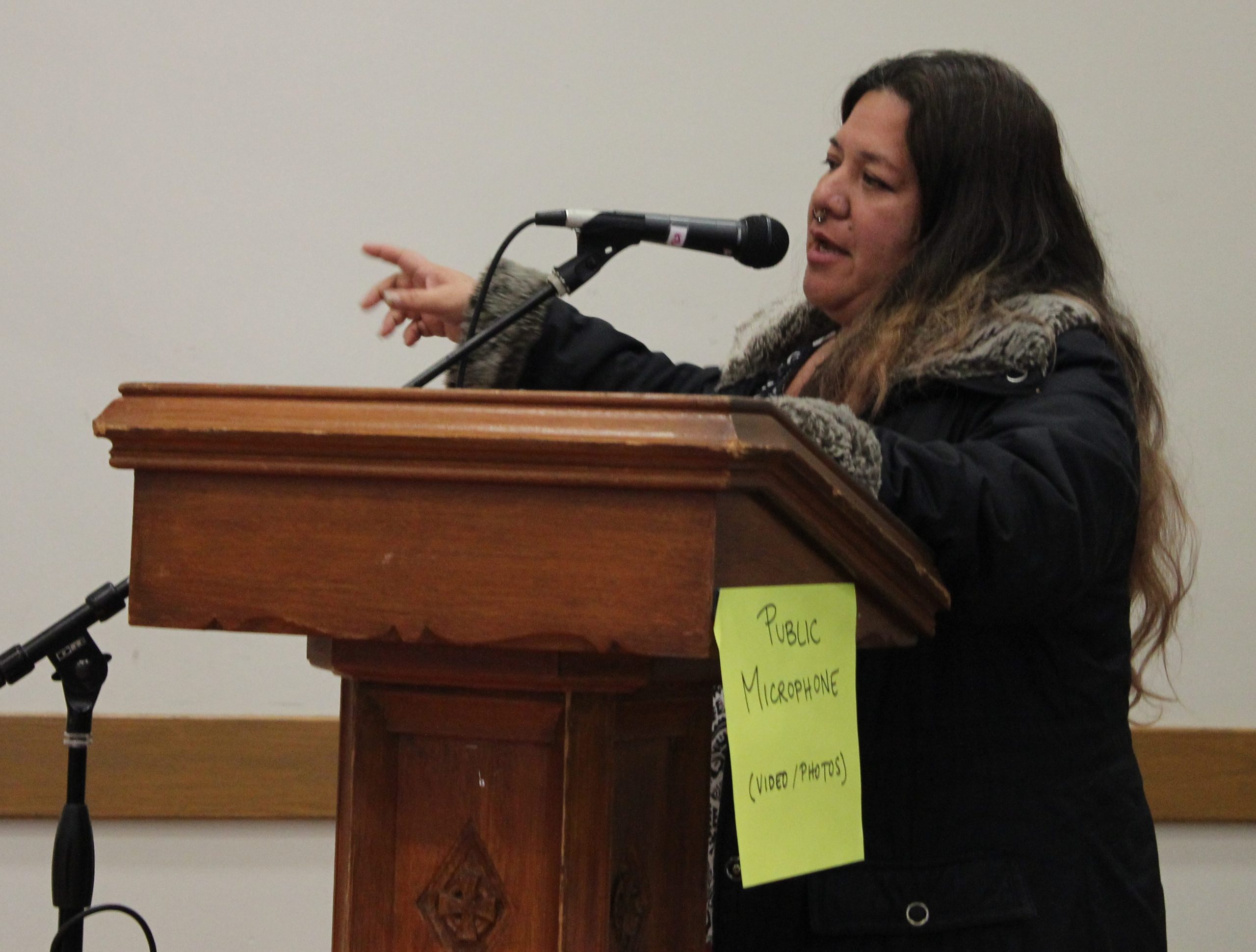
At 1 p.m. on Sat. Feb. 16, the Oakland Police Commission (OPC) hosted a three-hour public hearing on policing in the homeless community at Taylor Memorial Church in West Oakland. Dozens of citizens, most of them unsheltered, spoke to the public and to members of the OPC, which is tasked with overseeing the Oakland Police Department (OPD).
Most people who spoke expressed frustration. “OPD has decided to enforce a morally bankrupt policy,” said unsheltered resident, Mike Lee. “They’re kicking people out of tents in the pouring rain.”
During this past rainy Valentines Day, OPD officers were present to help enforce a new city policy that disallows people from camping near Lake Merritt. At least 50 people were displaced. Lee says police have told him they’re just following orders when they’ve helped to evict him in the past, but he doesn’t see this as a good excuse. “OPD has the ability to say we just won’t do that,” Lee said.
Many unsheltered residents wish police would leave them alone. Although marijuana has been legalized in California, two speakers complained of police harassment due to possessing the substance. Needa Bee complained that she and her daughter, who live in a camper together, are constantly told by OPD to move their vehicle, often after only a day. She’s aware of the city law that requires her to move her vehicle after 72 hours, but since police don’t wait for 72 hours to pass before asking her to move, she thinks they’re not following the law correctly and they’re unnecessarily and illegally bothering her.

Due to their negative past experiences, many unsheltered residents feel they should only rely on police during absolute emergencies, so they rarely call them. When they have called, OPD has often not been helpful. Unsheltered resident Darren Soo says when he called OPD about a rape in progress, it took them thirty minutes to show up. When he’s witnessed people in the process of stealing his possessions and he’s called OPD, they’ve rarely showed up and always too late to help.
Although many people were grateful to be able to speak to the OPC and the public about homelessness, some people also questioned the process. Several speakers questioned OPC’s ability to use the testimonies they’ve collected in a way that will practically help homeless people. One speaker named Marissa called for the ability for people to talk to the OPC in a more private way as issues of trauma, and particularly sexual trauma are common for unhoused residents and difficult or even impossible to talk about publicly.
At the public event, two city council members attended: Nikki Fortunato Bas and Lynette Gibson McElhaney, though McElhaney arrived over an hour late. Bas spoke at the public hearing and called for more affordable housing as well as more and better shelters for homeless residents.
“We don’t have enough shelters for everyone, and the shelters we do have are not appropriate for everyone,” Bas said. Many others who spoke agreed with Bas. Although those who were evicted from near Lake Merritt were offered space in small tuff sheds or shelter beds, many, particularly those with traumatic past experiences, chose not to use the tuff sheds as the spaces required having a roommate. Many also chose not to use the shelter beds as it would have required that they give up all their belongings. So some residents were left with no where to go.

Business
How Oakland’s Courtsmith is Scaling its Business and Local Impact
OAKLAND POST — “As Courtsmith grew, scaling wasn’t just about selling more—it was about building the infrastructure to deliver consistently, with a strong supply chain and production process,” said Courtney Smith, founder of Courtsmith. “We needed the right kind of capital and partners to help us expand without losing the Oakland authenticity that made us who we are.”


With support from ICA Fund and JPMorganChase, founder Courtney Smith is strengthening his supply chain, creating jobs and expanding local production, and positioning the Oakland-born brand for long-term growth
When Courtney Smith founded Courtsmith in Oakland in 2014, he was building more than an athletic apparel company. A lifelong basketball enthusiast, Smith saw an opportunity to create performance wear that reflected the culture of the game—its style, community and sense of belonging.
From the beginning, Courtsmith was rooted in the idea that basketball is not just a sport, but a lifestyle and a community. The brand set out to make athletes look and feel good on and off the court while building partnerships that give athletes a stake in the products and stories they help shape.
“As Courtsmith grew, scaling wasn’t just about selling more—it was about building the infrastructure to deliver consistently, with a strong supply chain and production process,” said Courtney Smith, founder of Courtsmith. “We needed the right kind of capital and partners to help us expand without losing the Oakland authenticity that made us who we are.”
As the company grew, Smith faced a common challenge for small businesses: maintaining quality, reliability and authenticity of products while scaling—and having the resources to do so. The next move was not simply about expansion; it was about building the infrastructure to last.
That is where ICA Fund—a Bay Area impact investor, small business support organization and long-time partner to Courtsmith—came in. ICA’s relationship with Smith began in 2017 through its Growth Strategies advising program, and over time, the organization paired mentorship, technical assistance and capital to help the company grow with intention. More recently, philanthropic support from JPMorganChase helped ICA expand the range of capital products it can offer entrepreneurs like Smith, including options designed for companies that are ready to scale but may not be a fit for traditional debt products or equity investments.
“Too many great businesses stay stuck small without access to fair and flexible capital— ICA Fund’s role is to change that,” said Allison Kelly, CEO of ICA Fund. “With support from JPMorganChase, we’re able to provide founder-friendly financing alongside long-term partnership, giving entrepreneurs the tools they need to grow stronger businesses that create opportunity in their communities.”
The right kind of capital for a new stage of growth
ICA recently provided Courtsmith with a loan to help it buy a local manufacturing business, a major step toward bringing more of its production process closer to home, strengthening its supply chain, reducing costs, continuing its growth and creating local jobs.
The transaction also marked a milestone for ICA: the first time the organization approved capital for a merger-and-acquisition transaction. It reflects a broader expansion of the financing options it offers, supported by JPMorganChase’s American Dream Initiative, which aims, in part, to help power 10 million small businesses—up from seven million today—over the next several years with the capital, coaching, tools and practical policy support they need to thrive. It’s also an example of the kind of tailored support—delivered through trusted local pathways and the firm’s own relationships—that JPMorganChase provides to small businesses in the Bay Area, including our more than 295,000 small business clients.
“Small businesses are the backbone of our economy, and Courtsmith’s story shows how access to the right capital at the right time can unlock growth,” said Gwyneth Galbraith, Vice President for Global Philanthropy at JPMorganChase. “By supporting organizations like ICA Fund, we’re helping expand access to the kinds of financing and guidance entrepreneurs need to strengthen operations, create jobs and build lasting businesses across the Bay Area.”
Building with staying power
For small businesses, access to financing that fits their stage of growth can determine whether expansion is sustainable. A one-size-fits-all approach does not always work for companies with distinct cash-flow cycles, customer demand and operational needs. In Courtsmith’s case, the ICA loan gave the company a path to invest in its future while preserving the founder’s vision and control—and reflected the kind of flexible financing JPMorganChase is helping expand through its support of local community and mission-driven lenders.
Courtsmith’s trajectory reflects that momentum. The company reports that revenue grew 259% from 2021 to 2025, while its workforce expanded from four employees in 2017 to 13 in 2025, including growth in full-time roles from one to 11.
Behind those numbers is a company deepening its roots in Oakland through local partnerships, community presence and a model built to last.
“Courtsmith is about Oakland, representing the culture that raised us and creating opportunity for the next generation,” said Smith. “With ICA Fund and JPMorganChase in our corner, we can keep turning that mission into something people can see and feel in our community.”
Courtsmith’s next chapter is still being written, but the path is clearer: a founder-led brand with deeper local production capacity, a stronger supply chain, and a larger role in Oakland’s small business economy.

Activism
Oakland Post: Week of July 29 – August 4, 2026
The printed Weekly Edition of the Oakland Post: Week of July 29 – August 4, 2026

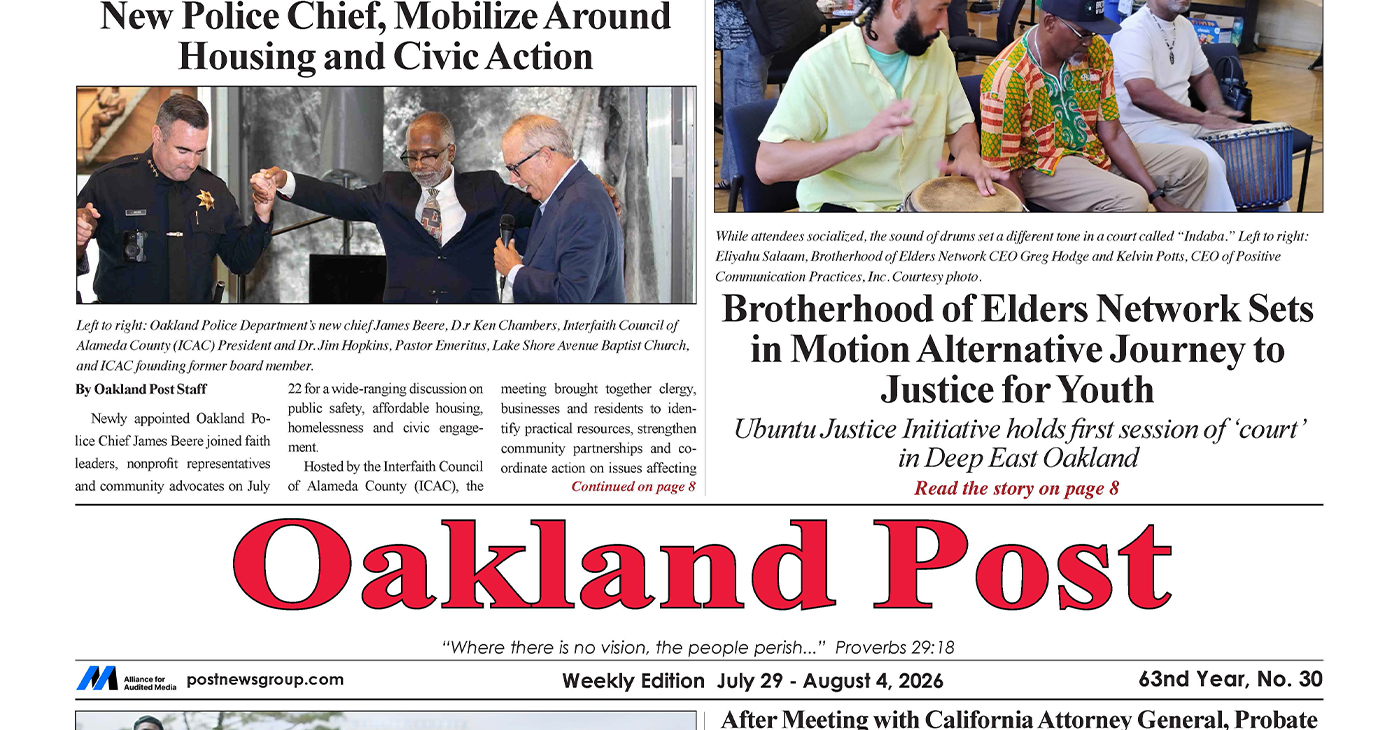
To enlarge your view of this issue, use the slider, magnifying glass icon or full page icon in the lower right corner of the browser window.

Black History
OP-ED: ‘The Trusted Messenger’ and the Black Vote
BLACKPRESSUSA NEWSWIRE — Now, as we approach one of the most important Midterm elections in the history of this nation, it appears that, once again, the Black Press will be expected to carry the message about voter turnout, while political and campaign dollars go to the White mainstream media.
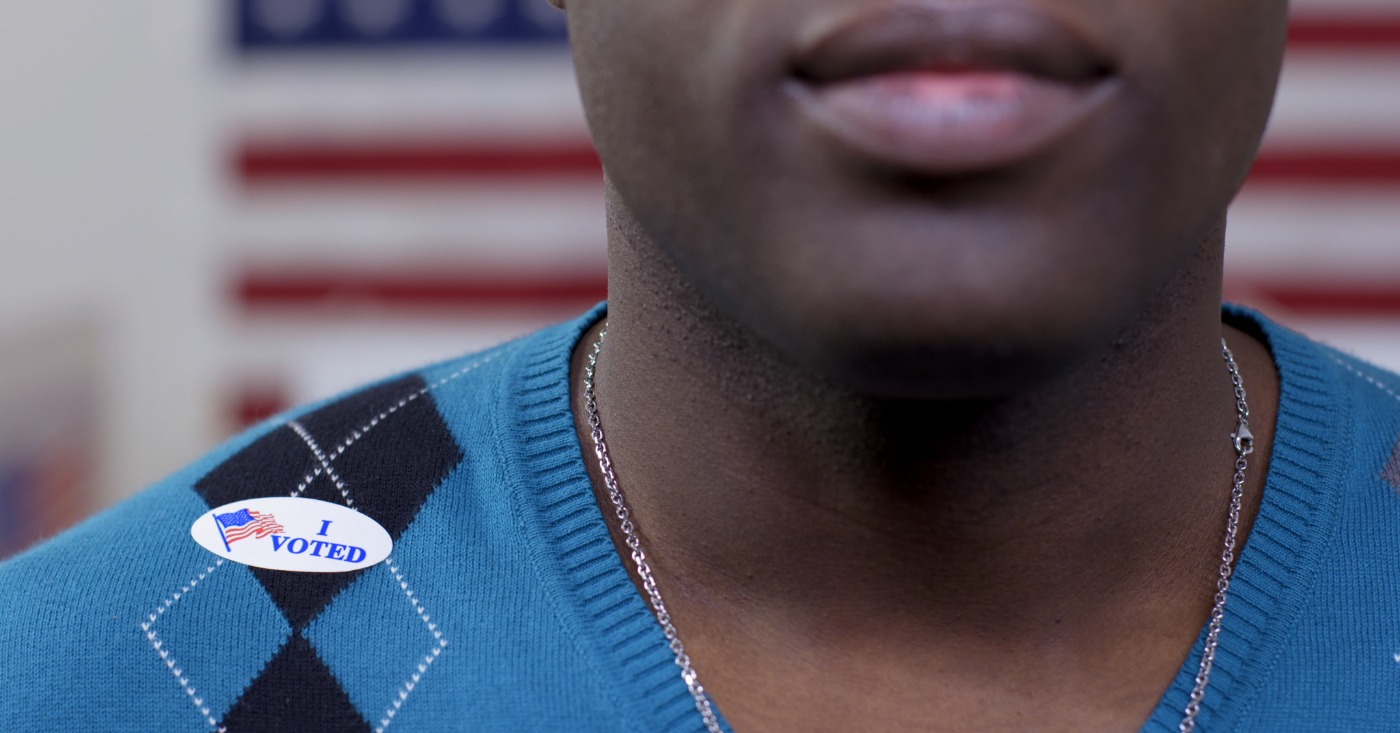
It is a well-established fact that the Black Press is and always has been the “Trusted Messenger” of the Black community. With that being said, it is also very interesting that when many political organizations and donors decided to support Voter Registration and Get Out The Vote, those donors gave their dollars predominantly to Black organizations like the Urban League, the NAACP, the League of Voters, and other nonprofit groups. Those groups will prepare and send out press releases about such voter participation efforts since Black people were responsible primarily for the Voting Rights Act of 1965.
What is most interesting is that those press releases rarely find their way onto CNN or the major news networks. Those press releases and calls to Black voter participation are carried in the Black Press. However, the dollars that support those press releases being written, nor the ads that carry the message of those releases, reach the Black Press. Historically, the dollars behind those messages do not find their way to the very Black Press that carries those messages.
Now, as we approach one of the most important Midterm elections in the history of this nation, it appears that, once again, the Black Press will be expected to carry the message about voter turnout, while political and campaign dollars go to the White mainstream media.
Those who are spending the billions of dollars that will go to Campaign Finance appear to have forgotten that elections are won and lost on a single vote.
Now is the time to remind the candidates, the political Initiatives and Propositions that will appear on the ballots across this nation, that the Black Vote must not be taken for granted. It does not belong to any particular political party or interest group. It can not be judged by whether it exists in a Blue or Red State.
The Democrats, Republicans, Independents, and supporters of Initiatives should not assume that our votes are unimportant.
Elections are won on a single vote.
The United States Supreme Court in Reynolds vs. Sims, 1964. That case established the ‘One Person, One Vote” rule. The rule in that case made it mandatory to base legislative seats on population within districts rather than on geography, and guaranteed Equal Protection coverage under the Fourteenth Amendment to the Constitution.
That principle has not been abolished, and neither should we act as if our one vote does not count. Let us not forget our own values, and we look toward the Midterm elections. The “Trusted Messenger” can make the difference.

WORK FROM HOME
Home-based business with potential monthly income of $10K+ per month. A proven training system and website provided to maximize business effectiveness. Perfect job to earn side and primary income. Contact Lynne for more details: Lynne4npusa@gmail.com 800-334-0540


How Oakland’s Courtsmith is Scaling its Business and Local Impact

Oakland Post: Week of July 29 – August 4, 2026

OP-ED: ‘The Trusted Messenger’ and the Black Vote

Oakland Post: Week of July 22 – 28, 2026

Fed Court to Decide Landmark First Amendment Case

Jordan Walker Leads Call for More Black Youth in Baseball

How Black WNBA Players Became Collateral Damage in the Caitlin Clark Culture War

NAACP Announces $20m Voter Registration Drive at National Convention in Chicago

Starting This Summer, California Car Buyers Can Get an Instant $3500 Off the Cost of Electric Vehicles

Surveillance Pricing Fight: State Senate Debates Bill Banning Retailers from Using AI to Set Prices Based on a Buyer’s Profile

Oakland Children’s Hospital Workers and Patients Rally for Pediatric Medical Care

Opinion: When Politicians Start Sanitizing One Chapter of History, They’re Coming After The Whole Book

Beyond Politics: California Legislators Across Party Lines Celebrate Lori Wilson at 50

NPRC to Meet with California Attorney General’s Office on to Urge Guardianship Reform

Mount Zion MBC, Church of Jesus Christ of Latter-day Saints Partner to Bring 29,000 Meals to Alameda County
Oakland Children’s Hospital Workers and Patients Rally for Pediatric Medical Care
Mount Zion MBC, Church of Jesus Christ of Latter-day Saints Partner to Bring 29,000 Meals to Alameda County
Surveillance Pricing Fight: State Senate Debates Bill Banning Retailers from Using AI to Set Prices Based on a Buyer’s Profile
Starting This Summer, California Car Buyers Can Get an Instant $3500 Off the Cost of Electric Vehicles

Gov. Gavin Newsom Signs Law Streamlining Affordable Housing Rules
Fed Court to Decide Landmark First Amendment Case

NPRC Heads to Washington to Elevate Adult Guardianship Reform at National Whistleblower Summit

Oakland Celebrates $125 Million Coliseum Sale

Saving Black Mothers Starts Outside the Hospital

IN MEMORIAM: Oakland Dance Legend Reginald Ray-Savage, 67

Agricultural Engineer Effie Gant Plans Bay Area Farmers Market Initiative
OP-ED: ‘The Trusted Messenger’ and the Black Vote

The Part of Buying a Home That No Real Estate Show Ever Prepares You For

NPRC to Meet with California Attorney General’s Office on to Urge Guardianship Reform

The Conversation With Al McFarlane 6/23/26

Media Monday 6/22/26

LIVE! ASK ALMA! — TUES. 6.23.26 7PM EST

Car Buying Secrets: 4 Hidden Checks Before You Sign!

Is This 550 HP Charger Worth YOUR Money? AutoNetwork Review

Celebrating Juneteenth – Frederick Douglass on education and resistance

LIVE! — ASK ALMA! — TUES. 6.19.26 7PM EST

Hyundai Ioniq 5 Parking, Safety, and 360 View #shorts

2025 Ioniq 5 New Wiper & Powerful Performance! #shorts

Electric SUV Range: Is 259 Miles Enough? #shorts

EV Charging: How Fast Can You Charge an Electric Vehicle? #shorts

Biometric Cooling… Messaging Seats…Come on! 2025 Infiniti QX80 Autograph 4WD

Charged Up: Witness the Magic of a Fully Electric Car! #shorts

Range Rover Sport PHEV Included…: See What’s Inside This Luxury SUV! #shorts

Invisible Hood View: Perfect Parking with X-Ray Vision! #shorts
-
 Business1 week ago
Oakland Children’s Hospital Workers and Patients Rally for Pediatric Medical Care
-
 Business1 week ago
Mount Zion MBC, Church of Jesus Christ of Latter-day Saints Partner to Bring 29,000 Meals to Alameda County
-
 Business1 week ago
Surveillance Pricing Fight: State Senate Debates Bill Banning Retailers from Using AI to Set Prices Based on a Buyer’s Profile
-
 Business1 week ago
Starting This Summer, California Car Buyers Can Get an Instant $3500 Off the Cost of Electric Vehicles
-
 Business1 week ago
Gov. Gavin Newsom Signs Law Streamlining Affordable Housing Rules
-
 Black History7 days ago
Fed Court to Decide Landmark First Amendment Case
-
 Community2 weeks ago
NPRC Heads to Washington to Elevate Adult Guardianship Reform at National Whistleblower Summit
-
 Black History2 weeks ago
Oakland Celebrates $125 Million Coliseum Sale
