
Business
Why U.S. Economic Growth Has Disappointed This Year


In this Friday, Feb. 6, 2015 file photo, a shopper pays for produce at a Farmers Market in downtown Los Angeles. Consumers have been uncharacteristically frugal, even as the country added jobs and a sharp drop in gas prices over the past year left them more money to spend. (AP Photo/Richard Vogel, File)
Christopher S. Rugaber, ASSOCIATED PRESS
WASHINGTON (AP) — Like an underachieving student, the U.S. economy isn’t living up to the high hopes it began the year with.
Consumers have been uncharacteristically frugal, even as the country added jobs and a sharp drop in gas prices over the past year left them more money to spend. Meanwhile, drilling companies reeling from cheaper oil have slashed spending much more rapidly than anyone expected.
A host of other, mostly temporary, factors have also weighed on growth. Harsh winter weather kept shoppers at home, and a labor dispute at West Coast ports slowed exports.

Yet hope is still alive for the second half of the year amid signs that the economy could regain lost momentum.
Employers are holding onto their existing workers, keeping layoffs at rock bottom, and adding staff — evidence that their outlook remains positive.
In a report Thursday, the government said applications for unemployment benefits are at the lowest level in 15 years, which means layoffs are low and job security is very high. Employers added 223,000 jobs in April, and the unemployment rate fell to 5.4 percent.
“Companies are implicitly telling us that they believe this is temporary,” says Joseph LaVorgna, an economist at Deutsche Bank. “They’re looking through the weakness from the ports and the weather.”
Indeed, the first half of the year is shaping up to be surprisingly lackluster.
Analysts estimate the economy may expand at an annual rate of just 2 percent in the April-June quarter after barely discernable growth of 0.2 percent in the January-March quarter. Some economists say the government’s next revision will likely send the figure into negative territory, possibly as low as minus 1 percent.
That would put growth in the first half of 2015 at a “pretty disappointing” 0.5 percent, says Michael Feroli, an economist at JPMorgan Chase. That’s a far cry from the 3 percent pace for all of 2015 that most economists expected late last year. Growth hasn’t reached that level since 2005.
The biggest reason behind the disappointment is consumers, who were widely expected to return to their free-spending ways.
Gas prices are still about $1 a gallon cheaper nationwide than a year ago, despite some recent increases. Steady hiring in the past year means 3 million more people are earning paychecks compared with a year ago. And consumer confidence has also risen in recent months.
Yet in the first three months of the year, Americans increased their spending by just 1.9 percent, the weakest gain in a year. A report on restaurant and retail sales Wednesday showed that spending was flat in April, crushing hopes for a stronger rebound.
“The disappearance of consumer spending in early 2015 has now become even more mysterious, as some of the excuses shopped around earlier, like bad weather, are looking more stretched with the passage of time,” Feroli says.
Most economists have concluded that Americans, at least so far, are reluctant to spend their savings from cheaper gas because they believe the drop in prices will be temporary. Meanwhile, spending by oil and gas companies on drilling rigs, steel pipes and other equipment plummeted nearly 50 percent in the first quarter, a much steeper drop than economists forecast.
“We expected (cheaper gas) to have a positive impact,” Paul Ashworth, an economist at Capital Economics, said. “It hasn’t.”
So are things turning around? Short answer: probably.
Many trends currently weighing on growth should fade. International trade will be less of a drag in the second half of the year, economists say. The dollar’s rise against other major currencies, such as the euro, has leveled off. A strong dollar has made exports more expensive, hurting sales in overseas markets.
A surge of imports in March, which widened the trade gap and cut growth, was probably a one-time event triggered by the resolution of the West Coast port dispute.
Consumer spending should rebound from the first quarter’s unusually low level. And spending by energy companies will likely stop falling by the third quarter, LaVorgna said. He expects growth will reach a 3 percent annual rate in the second half.
Home construction is also poised to lift growth. Harsh weather postponed many projects in January and February, but homebuilding rose 2 percent in March from the previous month.
Steady job gains will also help, giving more Americans paychecks that they will ideally spend.
___
Contact Chris Rugaber on Twitter at http://Twitter.com/ChrisRugaber
Copyright 2015 The Associated Press. All rights reserved. This material may not be published, broadcast, rewritten or redistributed.
###








Activism
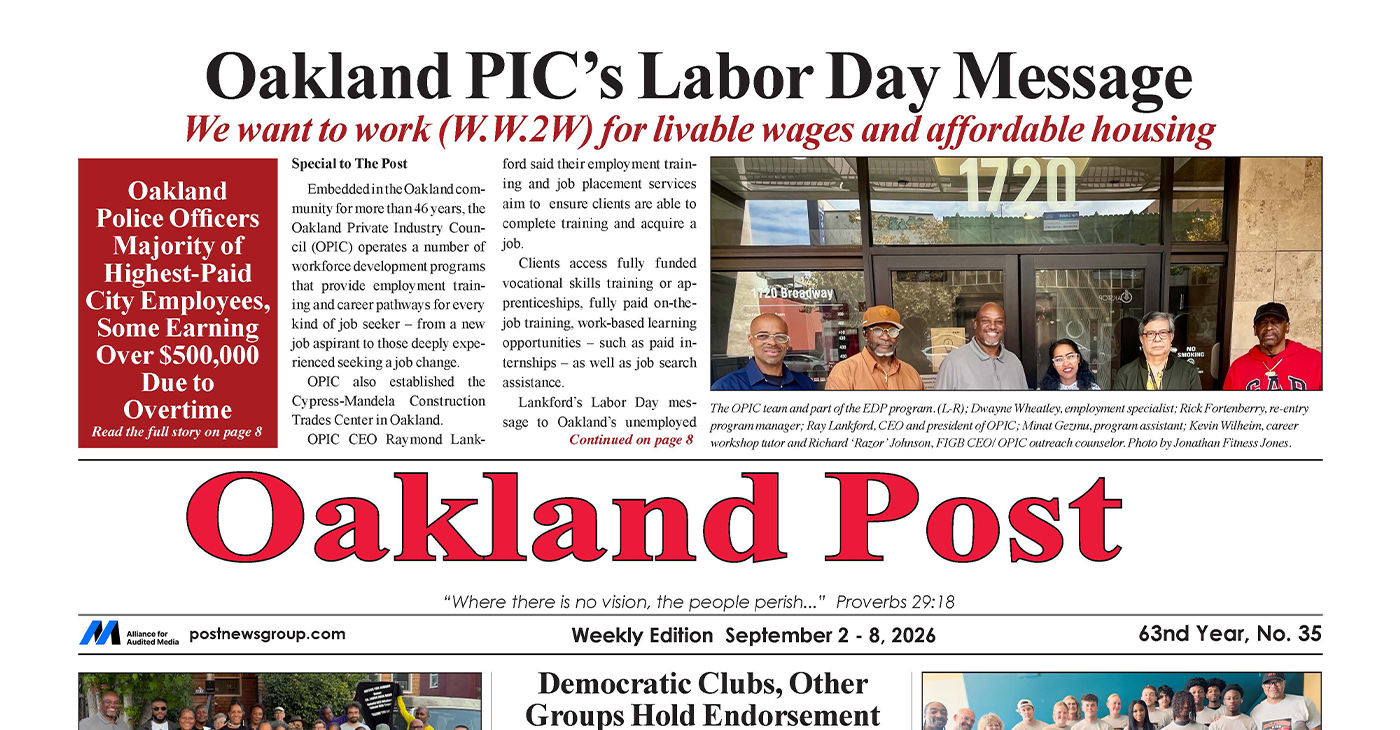
Oakland Post: Week of September 2 – 8, 2026
The printed Weekly Edition of the Oakland Post: Week of September 2 – 8, 2026
To enlarge your view of this issue, use the slider, magnifying glass icon or full page icon in the lower right corner of the browser window.
Business
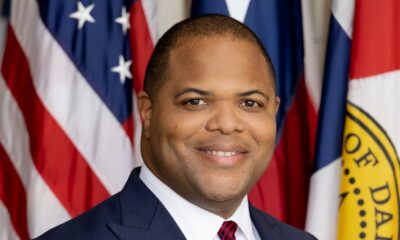
Longtime BWOPA Member Brendalyn Goodall Appointed to California Workforce Development Board
Gov. Gavin Newsom has appointed longtime Black Women Organized for Political Action (BWOPA) member Brendalynn Goodall to the California Workforce Development Board. Goodall, an Oakland resident with decades of experience in public service, has held leadership positions focused on

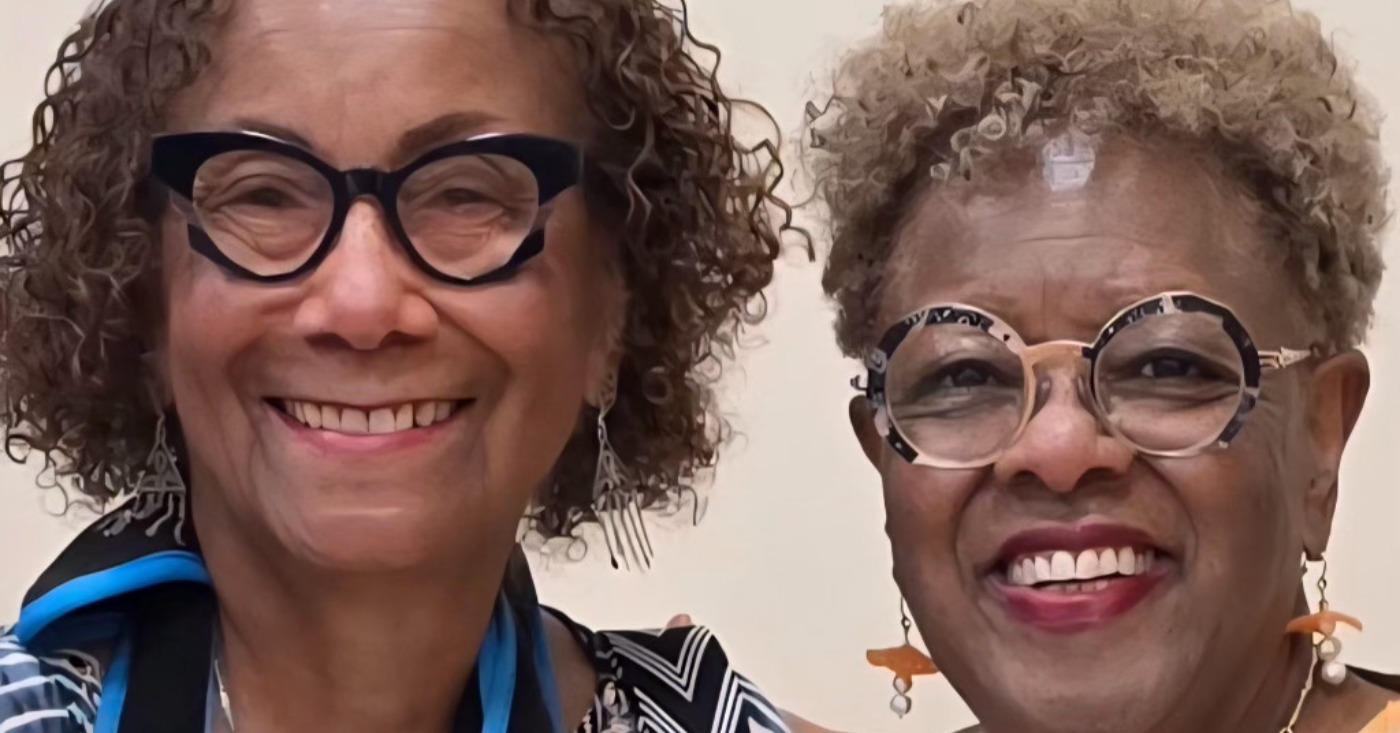
Gov. Gavin Newsom has appointed longtime Black Women Organized for Political Action (BWOPA) member Brendalynn Goodall to the California Workforce Development Board.
Goodall, an Oakland resident with decades of experience in public service, has held leadership positions focused on employment, aging services and assistance for underserved communities.
“Brendalynn will be a great addition to this Board,” said Gay Plair Cobb, who served as former state Assemblyman Sandre Swanson’s alternate to the California Workforce Development Board (CWDB).
“She understands that California’s non-profit organizations serve persons who have the most significant barriers to their labor market success and that the Board should help these groups navigate the complicated requirements of state funding.
“In other words, she will be a strong advocate for our most marginalized populations. Her voice is needed now, more than ever.”
CWDB works with the governor to shape workforce policies, programs and investments designed to strengthen the state’s economy. It collaborates with employers, workers, labor organizations, educational institutions, community groups and California’s 45 local workforce development boards to expand access to quality jobs and respond to regional employment needs.
According to the board, its work includes coordinating state programs and guiding investments in workforce training and development.
BWOPA California celebrated the appointment, describing Goodall as a dedicated advocate for workers, families and older adults.
“Her appointment reflects a lifetime of leadership, service, and unwavering commitment to strengthening California’s workforce and expanding opportunity for all,” the organization stated in a press release.
Goodall served as summer jobs program coordinator in the Oakland Mayor’s Office from 2012 to 2014. In that position, she helped connect young people with employment opportunities and job experience.
Before joining the Mayor’s Office, Goodall was division manager for Aging and Adult Services in the City of Oakland Human Services Department from 2002 to 2011. She previously served as senior services supervisor and program director for the city’s Department of Aging, Health and Human Services from 1990 to 2002.
Goodall is also a member of the California Commission on Aging, which advises the governor and state officials on policies and programs affecting older Californians.

Black History
Jackie Wright Champions Bay Area Stories, Filmmakers and Cultural Institutions
As an award-winning communications professional, Wright has worked with corporations, nonprofits, government agencies, educational institutions, artists, and community organizations. In 2026, she expanded that work by launching an introductory public relations class for small businesses and nonprofits, offering practical tools for gaining visibility, shaping messages and building productive relationships with the media.
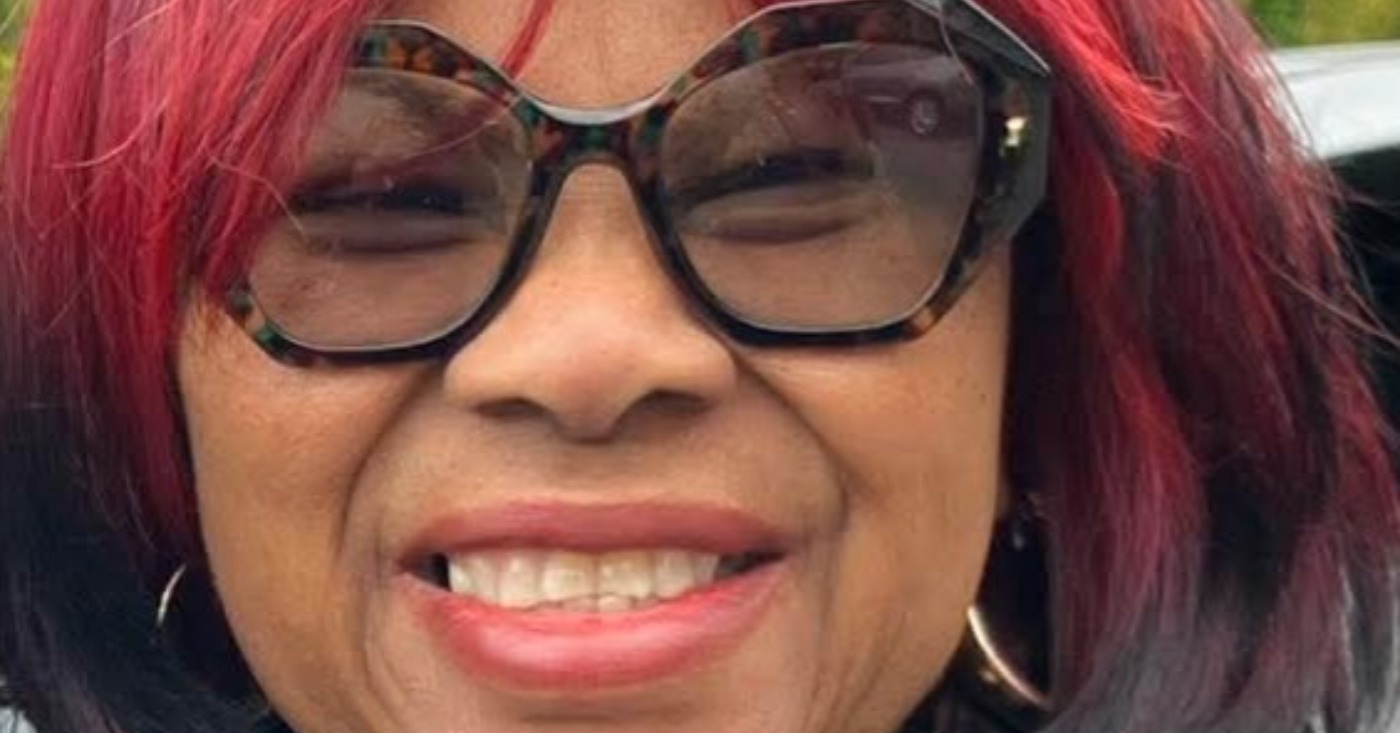
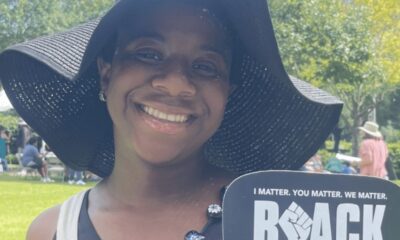
Jackie Wright has spent more than two decades helping people, organizations and communities understand the power of a well-told story.
As founder and president of Wright Enterprises, a San Francisco-based strategic communications and public affairs firm, Wright has built a career spanning journalism, public relations, media relations, crisis communications, community engagement and multimedia storytelling.
As an award-winning communications professional, Wright has worked with corporations, nonprofits, government agencies, educational institutions, artists, and community organizations. In 2026, she expanded that work by launching an introductory public relations class for small businesses and nonprofits, offering practical tools for gaining visibility, shaping messages and building productive relationships with the media.
Wright’s commitment to storytelling is also deeply personal. She wrote and co-directed the 15-minute documentary, “Love Separated in Life…Love Reunited in Honor,” which chronicles the story of her parents, Specialist Five (S5 Wyley Wright Jr. and Ouida Fay McClendon Wright. Her father, a U.S. Army helicopter crew chief, died in Vietnam in 1964 while serving as an honor guard during a visit by then-Secretary of Defense Robert McNamara. Decades later, Wright and her siblings had their father exhumed from a segregated cemetery in Jacksonville, Florida, and their mother moved from her burial place in Georgia so the couple could be reunited at Arlington National Cemetery in 2014.

The family journey later took Wright and her sister to Vietnam, where they discovered the former military compound that had been named in honor of their father and another fallen soldier. The documentary, centered on love, war, family, racial understanding, and remembrance, earned festival recognition at screenings.
“It was quite an honor to learn about my family’s history and share it on film,” said Wright.
That filmmaking experience complements Wright’s longstanding advocacy for independent cinema. She has served as a media partner and brand ambassador for Bay Area film festivals, including the San Francisco Black Film Festival, Oakland International Film Festival, and the Durban International Film Festival in South Africa.
“It’s important to help filmmakers and underrepresented stories reach broader audiences,” said Wright.
Whether promoting a neighborhood organization, championing an independent filmmaker or preserving her own family history, Wright has remained consistent. Through Wright Enterprises, she has turned communications into both a profession and a form of community service, telling stories that might otherwise go unheard.
“Our stories are an integral part of our history, and our history is not only American history, but worldwide,” she said.


Prostate Cancer is Twice as Likely to Kill Black Men. Talking to Your Doctor Could Help Save Your Life

Oakland Post: Week of September 2 – 8, 2026

Longtime BWOPA Member Brendalyn Goodall Appointed to California Workforce Development Board

Jackie Wright Champions Bay Area Stories, Filmmakers and Cultural Institutions

Chef Sharon Lee Blends Culinary Excellence, Education and Empowerment

‘Passing a Law Isn’t The Finish Line’: California Assembly Evaluates Implementation, Results

OPINION: Angie Nixon Will Turn You Into a Democratic Socialist If Donald Trump Hasn’t Already

Gov. Newsom Signs Law Shielding Immigration Aid Workers From Doxing Threats

BOOK REVIEW: Every Inch of a Lady

Big City Mayors Ask for “Yes” Vote on Housing Bond Measure; Conservatives Say “No”

Madeline M. Turner: The Inventor Who Made Juicing Easier

Gubernatorial Candidate Steve Hilton Blasts California New Tire Rules; Newsom Hits Back

Frontier Airlines’ Return to Oakland Airport Brings Flights, Jobs and Opportunity

Secretary of State Shirley N. Weber Urges Californians to Vote Early as Voter ID Battle Intensifies

Gov. Newsom’s Latest Appointees Include Sacramento Advocate for Formerly Incarcerated Students; State’s New Tech Chief

Department of Homeland Security Demands California Secretary of State Shirley N. Weber Scrub Voter Rolls

New Judge Could Decide if Karmelo Anthony Gets a New Trial

“The Power to See Threats Sooner”: Gov. Newsom, Safety Officials Showcase California’s Investments in Hi-Tech Wildfire Prevention

Alpha Kappa Alpha Sorority, Inc. Celebrates New North Atlantic Regional Director

California Sen. Padilla Joins Colleagues to Introduce Bill Imposing Term Limits on Supreme Court Justices

Less Affluent School Districts, Including Sacramento City, Face Threat of State Takeover

Car Wash Workers Cope with Lingering Impacts of ICE Raids

COMMENTARY: You Are Already Paying for the AI Boom

California Bill Would Let Abuse Victims Use Trauma as Legal Defense for Violent Crime

Oakland Post: Week of July 29 – August 4, 2026

How Oakland’s Courtsmith is Scaling its Business and Local Impact

ESSAY: California Can Close Its Colorectal Cancer Gap

As Part of Your Back-to- School Checklist, Vaccinate

Oakland Post: Week of August 5 – 11, 2026

Oakland ‘Port Serves as a Powerful Engine for Good Jobs and Economic Development

The Conversation With Al McFarlane 6/23/26

Media Monday 6/22/26

LIVE! ASK ALMA! — TUES. 6.23.26 7PM EST

Car Buying Secrets: 4 Hidden Checks Before You Sign!

Is This 550 HP Charger Worth YOUR Money? AutoNetwork Review

Celebrating Juneteenth – Frederick Douglass on education and resistance

LIVE! — ASK ALMA! — TUES. 6.19.26 7PM EST

Hyundai Ioniq 5 Parking, Safety, and 360 View #shorts

2025 Ioniq 5 New Wiper & Powerful Performance! #shorts

Electric SUV Range: Is 259 Miles Enough? #shorts

EV Charging: How Fast Can You Charge an Electric Vehicle? #shorts

Biometric Cooling… Messaging Seats…Come on! 2025 Infiniti QX80 Autograph 4WD

Charged Up: Witness the Magic of a Fully Electric Car! #shorts

Range Rover Sport PHEV Included…: See What’s Inside This Luxury SUV! #shorts

Invisible Hood View: Perfect Parking with X-Ray Vision! #shorts
-
 Community4 weeks ago
Less Affluent School Districts, Including Sacramento City, Face Threat of State Takeover
-
 Commentary4 weeks ago
ESSAY: California Can Close Its Colorectal Cancer Gap
-
 Business4 weeks ago
California Hispanic Chambers of Commerce Unveils: ‘Powering the Future’ Theme for 47th Annual Statewide Convention
-
 Community4 weeks ago
Four Candidates, Including Incumbent Barbara Lee, Qualify for Oakland Mayor’s Race
-

 Business4 weeks ago
From Blueprint to Breakthrough: Tackling Affordable Housing in Oakland
-
 Activism4 weeks ago
Oakland Post: Week of August 12 – 18, 2026
-
 Black History4 weeks ago
Oakland Observes Black August with Block Parties, Film Showings, Workshops
-

 Commentary4 weeks ago
COMMENTARY: Why Local School Tax Measure G1 Will Not Be on the November Ballot
