
racism
White woman calls police on Black man’s dog
ROLLINGOUT.COM — The confrontation happened at the Attleboro Dog Park in Massachusetts.

By Terry Shropshire
A White woman in Massachusetts has already been doused with the derogatory nicknames #DogParkDiane and #DogParkDebbie after she called police on a Black man whose canine humped her dog at the community dog park.
The confrontation happened at the Attleboro Dog Park in Massachusetts, about an hour drive south of Boston. Former attorney Franklin Baxley, a Black male, angrily recorded the episode and posted the camera video on Facebook.
“I visit this park twice a day and all the dogs get excited when a new one is here,” former attorney Franklin Baxley told Yahoo Lifestyle. “When the woman came in, my dog Dusse ran over and humped hers, so I immediately removed him and apologized, explaining that he’s a puppy.”
When Baxley’s pup “Dusse” humped the White woman’s dog a couple of more times, both Baxley and the woman pulled Dusse off. She then ordered Baxley to vacate the premises.
“She said, ‘I think you need to leave because your dog keeps doing that,’” he recalls. “I said I wasn’t leaving, and she took out her phone and called 911. It escalated quick.”
When the woman, whose identity was not made public, called the police, Baxley took out his cell phone to record the situation as it unfolded (it can be viewed below). With irritation in his voice, Baxley asks the woman whether she had heard of the infamous “BBQ Beck,” the laughable Oakland resident who was blasted last year after she was recorded calling the police on a group of black people barbecuing at a local park.

Baxley barks at the woman, “this is the newest” version of BBQ Becky.
Baxley told the publication there is only one reason she decided to get the authorities involved: “Because I’m black,” he can be heard saying the video. “I bet if I was white you wouldn’t have called the cops.”
The police, as can be seen in the camera video below, did respond to the park, but Baxley was not charged and he was not given a citation. He was not even told to leave.
Baxley defiantly told Yahoo that the unpleasant experience will not deter him from making his twice-daily visits with Dusse to the dog park.
“This woman wanted to impress upon me that she was superior,” said. “Her first instinct was to call the police when in conflict with a black person.”
Check out Baxley’s account of the circumstances as he posted the video on his Facebook page:
Why did this lady just call the cops on me claiming my dog “assaulted” her dog when it tried to hump her dog 🤔😂😂😂
Posted by Franklin Baxley on Wednesday, February 27, 2019
Here is the one where she starts behaving as if she is threatened by me and is accusing me of following her around the park as I am following my dogs like any other dog owner. I was annoyed, so I began mocking her. Sorry, not sorry.
Posted by Franklin Baxley on Thursday, February 28, 2019













Activism
Alameda County Makes History: Board of Supervisors Unanimously Adopts Reparations Action Plan
The Final Action Plan addresses disparities in housing, economic opportunity, education, health, environmental justice, public safety, arts and culture, land use, and other areas where historical government policies have contributed to inequitable outcomes for Black residents.
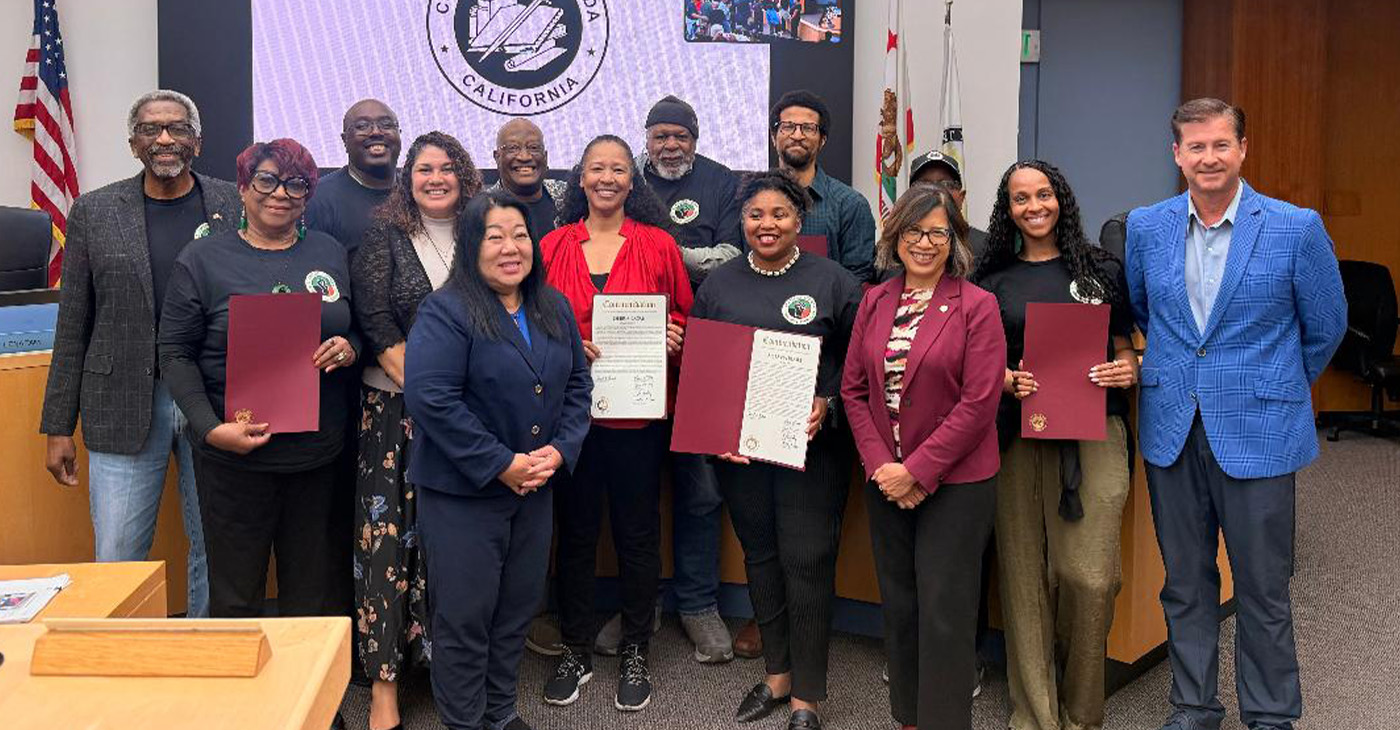
Landmark 5–0 Vote Advances One of the Nation’s Most Comprehensive County-Led Reparative Justice Efforts
Special to The Post
The Alameda County Board of Supervisors unanimously voted 5–0 on Tuesday to adopt the Final Action Plan of the Alameda County Reparations Commission, marking a historic milestone in the County’s commitment to advancing reparative justice for Black residents.
The vote follows nearly three years of work by the Alameda County Reparations Commission, which was seated in July 2023. Through extensive historical research, analysis of County data, public listening sessions, expert testimony, and community engagement, the Commission developed a comprehensive roadmap for addressing documented harms and expanding opportunity for future generations.
The Final Action Plan addresses disparities in housing, economic opportunity, education, health, environmental justice, public safety, arts and culture, land use, and other areas where historical government policies have contributed to inequitable outcomes for Black residents.
“This vote represents more than the adoption of a report,” said Debra Gore, Chair of the Alameda County Reparations Commission. “It is a commitment to truth, accountability, and action. Reparations are not about guilt or charity. They are about government’s responsibility to address documented harms created by its own policies and to build a more just future.”
During the Board meeting, Gore delivered a keynote address entitled “Redress as Constitutional First Principle,” presenting reparations as a constitutional principle rooted in the First Amendment’s guarantee of the right “to petition the Government for a redress of grievances.” Her remarks connected the nation’s founding ideals with Alameda County’s own data documenting continuing racial disparities.

At the conclusion of her address, Gore received a standing ovation from all five members of the Alameda County Board of Supervisors, recognizing both the Commission’s work and the significance of the Board’s action.
Grounded in County data and community testimony, the Commission’s recommendations reflect nearly three years of research and engagement with residents, historians, policy experts, advocates, and County staff. Together, they offer a roadmap for repairing documented harms while strengthening opportunity, accountability, and equity for future generations.
The Board’s action also includes a commitment to establish a standing committee to oversee implementation of the Action Plan, signaling that reparative justice will remain an ongoing County priority.
“History will remember this moment not because Alameda County acknowledged injustice,” Gore said. “History will remember that our County chose action. This vote demonstrates that government can confront difficult truths, listen to its residents, and take meaningful steps toward repair.”
Reached in an interview on July 1, Gore said she felt a sense of “joyfulness and reverence” for the ancestors and survivors of the harms of slavery through Jim Crow. “We might be the first in the country to pass an action plan with the commitment to ‘operationalize’ reparations.”
Gore is grateful to former Alameda County Supervisor Keith Carson, who asked her to serve on the commission, and current Supervisor Nate Miley, who asked her to be the chairperson.
Among the many who helped create and inspire the report, Gore pointed to former Oakland City Councilmember Leo Bazile, who has been calling for reparations since the 1960s, and the late Reparations Committee member Jesse Clyde Burleson, who provided insight on incarceration as an ongoing harm to the Black community. The report was dedicated to the memory of Burleson, who passed away on March 6 and who had been imprisoned from 1987-2018.
Gore also pointed to their avenue of approach on reparations, which was as much about the impact of slavery as it was about constitutional rights that had been systematically denied to Black people.
Members of the committee were: Cathy Adams, president and CEO of the Oakland African American Chamber of Commerce (OAAOCC) issued a statement supporting the reparations milestone.
OAACC “is grateful to former Supervisor Keith Carson, Supervisor Nate Miley, and the entire Alameda County Reparations Commission for their tireless efforts to develop a comprehensive action plan to address and repair the documented harms experienced by our local Black community,” Adams said.
“As an organization deeply committed to advancing workforce development, expanding access to capital, and creating opportunities for Black-owned businesses in Oakland and throughout Alameda County, we look forward to working alongside the steering committee to help deliver meaningful economic justice to those impacted by generations of systemic inequities.”
The Alameda County Reparations Commission extends its gratitude to the hundreds of residents who shared their experiences, the Commissioners who dedicated nearly three years of service, County staff, researchers, historians, and community partners whose work made this milestone possible.
With adoption of the Final Action Plan, Alameda County now begins the next phase of implementation in partnership with County leadership, community organizations, and residents. The commission will be dissolved, Gore says, and she looks forward to the next steps, one of which is the appointment of committee members.
Besides, Burleson, Gore and Bazile, members of the commission included: Natasha Triplett, Shenita Hurskin, Brandon T. Sass, Artavia Berry, Tiega N. Varlack, James Knowles, Vickie Stephens, Dr. Philip S. Gardiner, Dee Johnson, Larry McClendon (vice chair) , Carolyn (CJ) Johnson, Alan E. Dones, Jennifer A. Gayden, Lori Cox (vice chair), and Shadrick A. Small.
About the Alameda County Reparations Commission
Established by the Alameda County Board of Supervisors in July 2023, the Alameda County Reparations Commission was charged with examining the historical and ongoing harms experienced by Black residents resulting from government policies and practices and developing recommendations for repair. The Commission’s Final Action Plan provides a comprehensive framework for advancing equity, accountability, and opportunity throughout Alameda County.
Activism
Asm. Jackson Bill Requiring Anti-Hate Speech Training for Calif. Public Officials Sent to “Suspense File”
The bill, authored by Assemblymember Corey Jackson (D-Moreno Valley), would add one hour of anti-hate speech instruction to the sexual harassment prevention training already required for state and local officials. The proposal applies to legislators, constitutional officers, city council members, county supervisors and school board trustees statewide and would take effect in 2028 if approved.
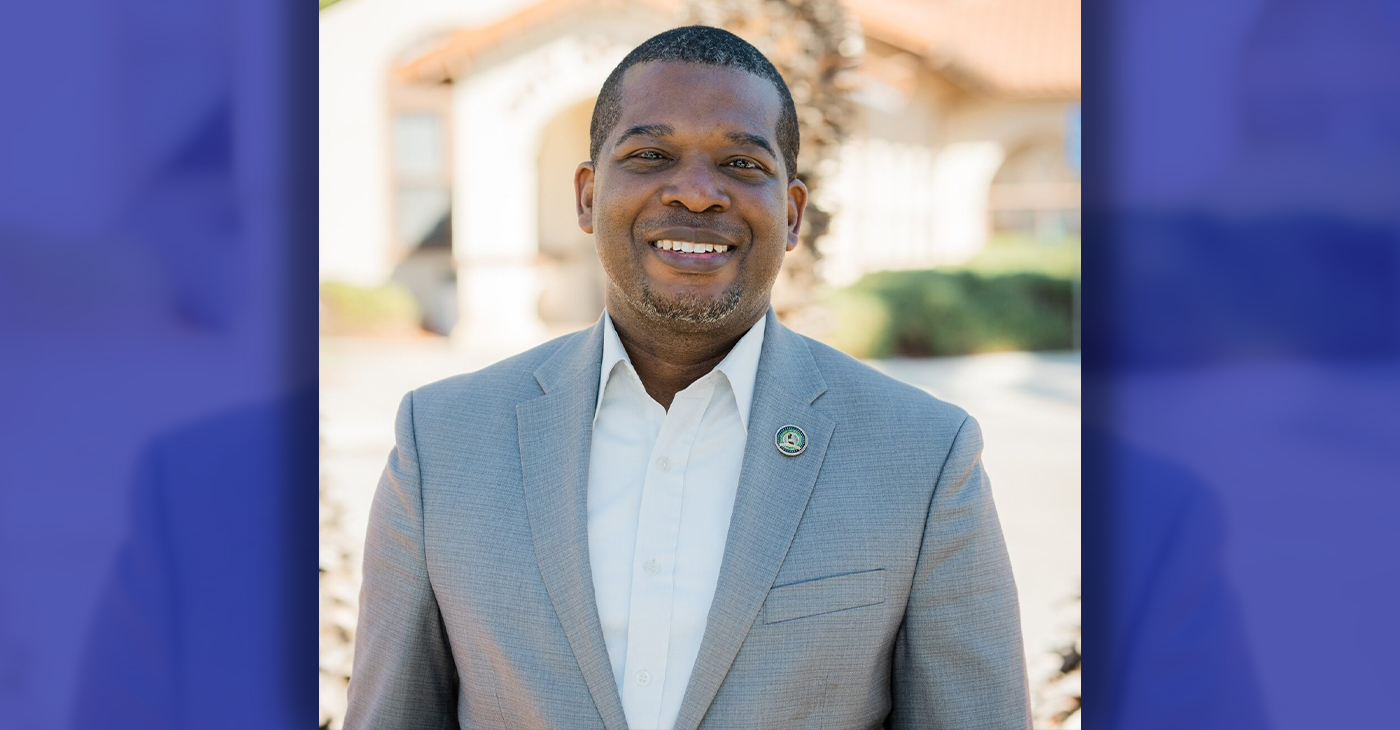
By Bo Tefu, California Black Media
After a hearing on May 6, the Assembly Appropriations Committee ordered Assembly Bill (AB) 1578 to the Suspense File, delaying action on legislation that would require California public officials to complete anti-hate speech training.
The bill, authored by Assemblymember Corey Jackson (D-Moreno Valley), would add one hour of anti-hate speech instruction to the sexual harassment prevention training already required for state and local officials. The proposal applies to legislators, constitutional officers, city council members, county supervisors and school board trustees statewide and would take effect in 2028 if approved.
“It’s time for us to continue to work on and finally go on the offense when it comes to hate racism and xenophobia to make sure that all people are able to live in the state of California with the dignity and honor that they deserve,” said Jackson, who also chairs the Assembly Select Committee on Racism, Hate and Xenophobia.
On April 16, the Assembly Committee on Governmental Organization voted 16-5 to advance the measure to Appropriations. Jackson has said the bill is part of a broader legislative package informed by findings from the Commission on the State of Hate and aimed at addressing hate in public spaces, workplaces and institutions.
In the California Legislature, a bill is placed on the “Suspense File” when it has a significant fiscal impact on the state budget — generally costing the state $150,000 or more from the General Fund or $50,000 or more from a special fund. Bills sent to suspense are held by the Assembly or Senate Appropriations Committee and reviewed later in a single batch hearing, where lawmakers decide which measures move forward, are amended, or quietly die without a vote.
Jackson said the training would focus on the real-world consequences of inflammatory rhetoric.
Supporters, including the Alameda County Office of Education, say the training would help elected officials better understand how language can perpetuate bias.
“In the current political climate, where discourse can often become polarized and inflammatory, it is more important than ever for elected officials to receive specialized anti-hate speech training,” wrote Lucy Carter, director of policy and governance for the Alameda County Office of Education, in a letter supporting the bill.
Opponents, including the California Family Council, argue the term “hate speech” is too subjective and could suppress political disagreement.
Activism
Up to the Job: How San Francisco’s PRC Is Providing Work Opportunities That Turn Into Lasting Stability
Each year, PRC serves more than 5,000 clients through a wide range of programs. These include housing navigation, legal advocacy to ensure access to health and public benefits, supportive housing, job and life-skills training, and residential treatment programs.

Joe Kocurek | California Black Media
Seville Christian arrived in San Francisco in the 1990s from Kansas City, Mo., a transgender woman coming from a time and place still hostile to who she was.
San Francisco offered a deeper LGBTQ+ history and a more visible community of people like her, but even in a city known for acceptance, building a stable life from scratch was no small task.
After arriving in the city, she turned to Positive Resource Center (PRC) looking for work — and for a foothold — in a new place.
“PRC gave me my first job,” Christian said. “A simple gig — passing out magazines at the San Francisco Pride Parade.”
That first opportunity marked the beginning of a decades-long relationship with PRC, one that has seen Christian grow from client to valued employee, and eventually to policy fellow.
“Today, I’ve been with PRC for 27 years, going on 28,” she said.
Helping people access employment and build sustainable careers has been a cornerstone of PRC’s mission since its inception nearly four decades ago. In its most recent annual impact report, PRC served 443 clients through workforce development services, including career counseling, educational programs, hands-on training, and job search assistance. The average wage earned by PRC clients is $26.48 per hour — approximately 38% above San Francisco’s minimum wage.

To advance this work, organizations like PRC have benefited from funding through California’s Stop the Hate Program, which provides direct support to community-based organizations leading anti-hate initiatives.
Christian’s path was not without challenges. During some rocky years, she experienced periods of housing instability and struggled with addiction. Through PRC, she enrolled in a life-skills program that emphasized using her own lived experience as a means of helping others. The program helped set her on a path toward completing an associate’s degree and ultimately launching a career in case management.
“Today, whether someone is new to the city or has lived here their whole life, I know how to help them navigate to where they need to be,” Christian said.

PRC welcomed guests to their annual Open House in April, an evening dedicated to connection, reflection, and learning more about the programs and people working every day to support San Franciscans experiencing housing instability, unemployment, and behavioral health challenges.
Each year, PRC serves more than 5,000 clients through a wide range of programs. These include housing navigation, legal advocacy to ensure access to health and public benefits, supportive housing, job and life-skills training, and residential treatment programs.
While PRC was founded to serve people living with HIV, its mission has expanded over the decades to meet the needs of people with disabilities, individuals experiencing homelessness, and those facing mental health and substance use challenges.
According to PRC’s Chief of Public Policy and Public Affairs, Tasha Henneman, some of the organization’s earliest programs remain as vital today as they were at the start.
“Our emergency financial assistance program helped more than 1,200 people this year pay rent, cover medical bills, and keep the lights on,” Henneman said. “And over 1,400 people reached out for legal advocacy, resulting in more than $2.5 million in retroactive benefits unlocked.”
Beyond direct services, PRC is deeply committed to community empowerment and policy change. Programs such as the Black Leadership Council support community leaders in advocating for systemic reform, while the Black Trans Initiative focuses on addressing the unique challenges faced by Black transgender individuals.
A recent study from the Williams Institute highlighted findings that 71% of transgender homicide victims in the U.S. between 2010 and 2021 were Black and that nearly a third of the transgender homicides during that period were confirmed or suspected hate crimes.
PRC’s direct and indirect services can be a lifeline for people experiencing hate and are an example of the resources people can get connected with through the state’s CA vs Hate hotline.
PRC is now also producing a film project that centers the lived experiences of Black trans clients, including individuals like Christian.
“Our film highlights the health journeys and lived experiences of some of PRC’s Black trans clients,” Henneman said. “Our goal is to give voice, visibility, and agency to the participants — and to bring their stories, both harrowing and inspirational, to policymakers and the broader public.”
The film, expected to be released later this year, is directed by Yule Caise, with assistant director Zarina Codes, a Black transgender San Francisco resident.
Today, Christian continues her relationship with PRC as an ambassador, reflecting on a journey that began with a single job opportunity and grew into a lifelong commitment to service.
“Sometimes I’ll be riding the bus or standing in a grocery store, and someone will come up to me from a women’s shelter,” she said. “They’ll say, ‘Oh, Miss Seville, I just want to thank you. You really helped me with what I was dealing with.’”
She paused, smiling.
“And in those moments,” Christian said, “I think to myself, “Well!.”
A single word that sums up pride in a journey to find the best in herself.
Get Support After Hate:
California vs Hate is a non-emergency, multilingual hotline and online portal offering confidential support for hate crimes and incidents. Victims and witnesses can get help anonymously by calling 833-8-NO-HATE (833-866-4283), Monday to Friday, 9 a.m.–6 p.m. PT, or online at any time. Anonymous. Confidential. No Police. No ICE.This story was produced in partnership with CA vs Hate. Join them for the first-ever CA Civil Rights Summit on May 11, 2026. More information at www.cavshate.org/summit.



Doulas Are Helping Black California Moms Navigate Pregnancy–Even as High Mortality Rates Persist

Newsom Signs Addictive Social Media Law to Protect Kids

On Your November Ballot: Prop 38 Would Allocate $8.4 Billion to Immunology and Immunotherapy Funding

Ask California: Golden State Releases New AI Chatbot

Asm. Isaac Bryan’s Bill Banning California Police From ICE Side Jobs Reaches Newsom’s Desk

Assemblymember LaShae Sharp-Collins’s Bill Would Pause Law Enforcement’s Use of Shock Gloves Pending Study

BOOK REVIEW: ‘Laws of Solomon’ Reveals Tender Heart of Former Child Soldier

OPINION: The New American Fear – From 9-11 to AI

Passing for White, Fighting for Black America: The Courage of Walter White

Oakland People’s Arms Embargo Coalition Demands End to Military Shipments Thru Oakland

Barbara Lee Mourns Gloria Steinem, Remembers a Friendship Rooted in Equality

Event Preview: ‘Fashion v. Fascism’ – A Runway Revolution Is Coming to the Bay Area

Two Looming Threats Every Alameda County Elder Should Know About

Oakland Mayor Reads to Children at Bookout Block Party at Marcus Books Store

Tradition Comes to the Streets in 11th Annual Black-Eyed Pea Festival at the Freedom Farmers Market

Less Affluent School Districts, Including Sacramento City, Face Threat of State Takeover

ESSAY: California Can Close Its Colorectal Cancer Gap

California Hispanic Chambers of Commerce Unveils: ‘Powering the Future’ Theme for 47th Annual Statewide Convention

Four Candidates, Including Incumbent Barbara Lee, Qualify for Oakland Mayor’s Race

Oakland Post: Week of August 12 – 18, 2026

From Blueprint to Breakthrough: Tackling Affordable Housing in Oakland

Oakland Observes Black August with Block Parties, Film Showings, Workshops

COMMENTARY: Why Local School Tax Measure G1 Will Not Be on the November Ballot

Standoff for Justice: Our Homes Are Worth Fighting For

Returning to Its Roots, the Oakland Black-Eyed Pea Festival Partners with the Freedom Farmers Market Sept. 12

NPRC Scores First Advocacy Victory: David Shaw Finally Gets His Wish to ‘Go Home’

Oakland Post: Week of August 26 – September 1, 2026

Frontier Airlines’ Return to Oakland Airport Brings Flights, Jobs and Opportunity

Gubernatorial Candidate Steve Hilton Blasts California New Tire Rules; Newsom Hits Back

Chef Sharon Lee Blends Culinary Excellence, Education and Empowerment

The Conversation With Al McFarlane 6/23/26

Media Monday 6/22/26

LIVE! ASK ALMA! — TUES. 6.23.26 7PM EST

Car Buying Secrets: 4 Hidden Checks Before You Sign!

Is This 550 HP Charger Worth YOUR Money? AutoNetwork Review

Celebrating Juneteenth – Frederick Douglass on education and resistance

LIVE! — ASK ALMA! — TUES. 6.19.26 7PM EST

Hyundai Ioniq 5 Parking, Safety, and 360 View #shorts

2025 Ioniq 5 New Wiper & Powerful Performance! #shorts

Electric SUV Range: Is 259 Miles Enough? #shorts

EV Charging: How Fast Can You Charge an Electric Vehicle? #shorts

Biometric Cooling… Messaging Seats…Come on! 2025 Infiniti QX80 Autograph 4WD

Charged Up: Witness the Magic of a Fully Electric Car! #shorts

Range Rover Sport PHEV Included…: See What’s Inside This Luxury SUV! #shorts

Invisible Hood View: Perfect Parking with X-Ray Vision! #shorts
-
 Commentary4 weeks ago
Standoff for Justice: Our Homes Are Worth Fighting For
-
 Activism4 weeks ago
Oakland Post: Week of August 26 – September 1, 2026
-
 Business4 weeks ago
Frontier Airlines’ Return to Oakland Airport Brings Flights, Jobs and Opportunity
-
 Business4 weeks ago
Gubernatorial Candidate Steve Hilton Blasts California New Tire Rules; Newsom Hits Back
-
 Business4 weeks ago
Chef Sharon Lee Blends Culinary Excellence, Education and Empowerment
-

 Education4 weeks ago
Gov. Newsom’s Latest Appointees Include Sacramento Advocate for Formerly Incarcerated Students; State’s New Tech Chief
-

 Community4 weeks ago
Big City Mayors Ask for “Yes” Vote on Housing Bond Measure; Conservatives Say “No”
-

 Business4 weeks ago
Oakland Coliseum Project Opens Door for Small Businesses to Build Bigger
