
Economics
We Can Free a Generation From Burden of College Loan Debt


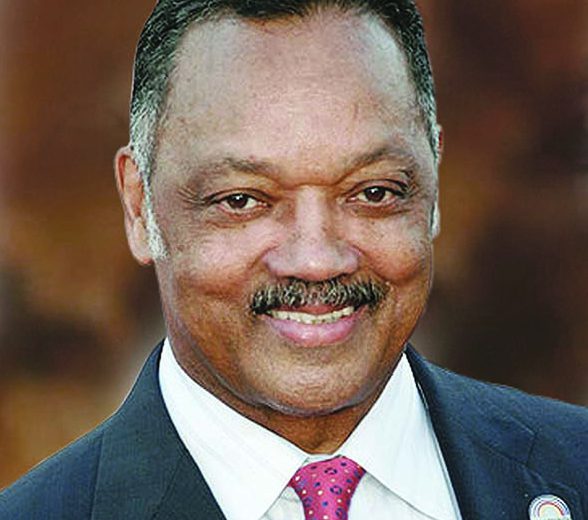
Rev. Jesse L. Jackson, Sr.
The reaction — shock, joy, disbelief, euphoria — revealed the importance of Robert F. Smith’s stunning gift, when he announced, unexpectedly, that he would pay off all the college debts of Morehouse College students graduating this year.
His gift literally changed the prospects and the lives of the vast majority of those 396 graduates.
Morehouse is a proud, historically black college, the alma mater of extraordinary leaders like Dr. Martin Luther King, Julian Bond, Howard Thurman, Maynard Jackson, former head of Homeland Security Jeh Johnson, former head of the black caucus Cedric Richmond, Hollywood legends Samuel L. Jackson and Spike Lee, Olympic champion Edwin Moses and many more.
Full-time tuition costs $25,368, with room and board and other expenses, a year at Morehouse can cost nearly $50,000. Ninety percent of Morehouse students get some kind of financial aid, cobbling together Pell grants, federal and private loans, family loans and more.
Morehouse seniors who borrow to pay for college carry an average of $26,000 in federal student loans. Private loans, federal Parent Plus loans, credit card and other debts are on top of that. The federal student loans alone would result in a monthly payment of $276.
Robert F Smith’s generosity has literally transformed the lives of those students. Now instead of putting off graduate school or being forced to live at home, and later postponing marriage and children, they are free to benefit from the hard work they have done to graduate from college. They can seek jobs that they want without being forced to take one or more that can help them pay down their loans. They are free to dream.
Many of those benefiting from Smith’s remarkable generosity expressed what one student, Myles Washington, called a “level of survivor’s guilt.” All had friends who could not afford to go to college, or who were forced to withdraw early in the face of growing debts.
Robert F. Smith is a billionaire, the brilliant founder of Vista Equity Partners, who has made a fortune largely in purchasing and selling software firms. Raised in Denver, the child of two parents with Ph.D.s, he graduated from Cornell and later got his MBA at Columbia. His gift to the Morehouse students is only a small part of his philanthropy, which has included major support for Cornell, his alma mater, and for the National Museum of African American History and Culture, as well as his service as chair to The Board of Carnegie Hall and much more.
With this gift, he has set a standard for others of great wealth. He has, as he put it at the Morehouse commencement, “paid it forward,” by freeing the potential of young graduates.
His gift should also rouse Congress to redress the folly of shackling the best of the young generation with often unpayable debt simply to get the education this country says they need.
Student loan debt now totals over $1.5 trillion. After home mortgages, it is the largest source of debt, exceeding car loans and credit card debts. Almost two-thirds of all students are forced to borrow to pay for college; they end with an average debt of nearly $29,000. The debt of African-American students is, on average, $7,400 more than that of white students, reflecting the wealth gap that has built up over years of slavery, segregation and housing and employment discrimination.
Democratic presidential candidates like Sen. Elizabeth Warren (D-MA) and Sen. Bernie Sanders of Vermont are calling for making public colleges tuition-free. Warren has put forth a detailed plan to pay off a substantial portion of existing student loans. Some like Sen. Amy Klobuchar (D-MN) say we can’t afford to do that. But we are a wealthier country than Germany, yet college there is free.
This is a question of priorities not resources. The number of corporations that pay nothing in taxes has doubled under Donald Trump’s tax cut. The cost of that tax cut, most of which went to the already wealthy, is estimated at $1.7 trillion over 10 years. That alone would have been able to pay off all current student debts.
Robert Smith’s generous promise should goad all of us into action. It is a personal tragedy and a national folly to burden an entire generation with often unpayable loans simply to get an education. We all benefit from a well-educated, active population. We all suffer when an entire generation is locked into debt from the day they get out of college.
Smith has freed nearly 400 Morehouse graduates from that burden. We should demand that Congress act to offer every student that relief.











Activism
Oakland Post: Week of September 23 – 29, 2026
The printed Weekly Edition of the Oakland Post: Week of September 23 – 29, 2026


To enlarge your view of this issue, use the slider, magnifying glass icon or full page icon in the lower right corner of the browser window.

Activism
Oakland Post: Week of September 16 – 22, 2026
The printed Weekly Edition of the Oakland Post: Week of September 16 – 22, 2026

To enlarge your view of this issue, use the slider, magnifying glass icon or full page icon in the lower right corner of the browser window.
Activism
Oakland Post: Week of September 9 – 15, 2026
The printed Weekly Edition of the Oakland Post: Week of September 9 – 15, 2026

To enlarge your view of this issue, use the slider, magnifying glass icon or full page icon in the lower right corner of the browser window.


Asm. Corey Jackson Announces Launch of 24-Hour Childcare in His District

IN MEMORIAM: The Rev. Leon “Sonny” Clark, Longtime Orange County Pastor and Community Leader, Dies at 72

Poll: Becerra Widens His Lead Over Hilton; Californians Split on Wealth Tax

From Historic Memories to New Possibilities: Oakland Celebrates Coliseum 60

County Office of Education Says OUSD Finances Are Getting Healthier, Materially Stronger

LIVE FREE Sunday Dinner Brings Faith, Fellowship and Civic Conversation to Oakland

Remembering Chauncey Bailey as Student Journalists Face Threats to Truth-Telling

BLACspace Cooperative Invites Bay Area to Experience Oakland’s Black Cultural Ecosystem Through a BLAC Map Tour + Party

In Wake of Death on Doorstep, Williams Chapel Baptist Church Calls for Better Care, Funding for Unhoused

Oakland Centenarian Nuna McKee Honored!

Caribbean Nations Produce Action Plan Calling for UK Reparations Over Slavery

Oakland Post: Week of September 23 – 29, 2026

Doulas Are Helping Black California Moms Navigate Pregnancy–Even as High Mortality Rates Persist

Newsom Signs Addictive Social Media Law to Protect Kids

On Your November Ballot: Prop 38 Would Allocate $8.4 Billion to Immunology and Immunotherapy Funding

Four Candidates, Including Incumbent Barbara Lee, Qualify for Oakland Mayor’s Race

Standoff for Justice: Our Homes Are Worth Fighting For

Oakland Post: Week of August 26 – September 1, 2026

Frontier Airlines’ Return to Oakland Airport Brings Flights, Jobs and Opportunity

Gubernatorial Candidate Steve Hilton Blasts California New Tire Rules; Newsom Hits Back

Chef Sharon Lee Blends Culinary Excellence, Education and Empowerment

Jackie Wright Champions Bay Area Stories, Filmmakers and Cultural Institutions

Big City Mayors Ask for “Yes” Vote on Housing Bond Measure; Conservatives Say “No”

Gov. Newsom’s Latest Appointees Include Sacramento Advocate for Formerly Incarcerated Students; State’s New Tech Chief

Oakland Coliseum Project Opens Door for Small Businesses to Build Bigger

Misnamed ‘Parent’ PAC Seeks to Influence Oakland School Board Elections

Longtime BWOPA Member Brendalyn Goodall Appointed to California Workforce Development Board

Gov. Newsom Signs Law Shielding Immigration Aid Workers From Doxing Threats

Secretary of State Shirley N. Weber Urges Californians to Vote Early as Voter ID Battle Intensifies

From Palestine to Oakland: Seeds for Liberation Examines Shared Struggles for Freedom

The Conversation With Al McFarlane 6/23/26

Media Monday 6/22/26

LIVE! ASK ALMA! — TUES. 6.23.26 7PM EST

Car Buying Secrets: 4 Hidden Checks Before You Sign!

Is This 550 HP Charger Worth YOUR Money? AutoNetwork Review

Celebrating Juneteenth – Frederick Douglass on education and resistance

LIVE! — ASK ALMA! — TUES. 6.19.26 7PM EST

Hyundai Ioniq 5 Parking, Safety, and 360 View #shorts

2025 Ioniq 5 New Wiper & Powerful Performance! #shorts

Electric SUV Range: Is 259 Miles Enough? #shorts

EV Charging: How Fast Can You Charge an Electric Vehicle? #shorts

Biometric Cooling… Messaging Seats…Come on! 2025 Infiniti QX80 Autograph 4WD

Charged Up: Witness the Magic of a Fully Electric Car! #shorts

Range Rover Sport PHEV Included…: See What’s Inside This Luxury SUV! #shorts

Invisible Hood View: Perfect Parking with X-Ray Vision! #shorts
-
 Business4 weeks ago
Chef Sharon Lee Blends Culinary Excellence, Education and Empowerment
-
 Black History4 weeks ago
Jackie Wright Champions Bay Area Stories, Filmmakers and Cultural Institutions
-
 Community4 weeks ago
Big City Mayors Ask for “Yes” Vote on Housing Bond Measure; Conservatives Say “No”
-
 Community2 weeks ago
Misnamed ‘Parent’ PAC Seeks to Influence Oakland School Board Elections
-
 Business4 weeks ago
Longtime BWOPA Member Brendalyn Goodall Appointed to California Workforce Development Board
-
 Community4 weeks ago
Gov. Newsom Signs Law Shielding Immigration Aid Workers From Doxing Threats
-

 Activism3 weeks ago
Oakland Post: Week of September 2 – 8, 2026
-
 Featured4 weeks ago
‘Passing a Law Isn’t The Finish Line’: California Assembly Evaluates Implementation, Results
