
National
Tired of Black Men Getting Shot Down, Killed in Cold Blood


Muhiydin D’Baha leads a group protesting the shooting death of Walter Scott at city hall in North Charleston, S.C., Wednesday, April 8, 2015. (AP Photo/Chuck Burton)
by Brian E. Muhammad
Special to the NNPA from The Final Call
COLUMBIA, S.C. (FinalCall.com) – What began as a minor traffic stop apparently for a malfunctioning tail light ended with a homicide. Another Black man, another White cop and another video of a police officer killing an unarmed person.
The amateur recording showed Michael Slager, 33, a North Charleston, S.C., police officer calmly squeezing the trigger of his gun eight times—firing at the back of 50-year-old Walter Scott, a Black laborer, forklift operator and father of four.
“We’re tired of Black men getting shot down and killed in cold blood,” said DeAndre Muhammad, the Charleston representative of the Nation of Islam.
With the killing of Walter Scott, Trayvon Martin, Tanisha Anderson, Michael Brown, Tamir Rice, Eric Garner and others—men and women—shot down by police, we must recognize we are not in a post racial America, said Student Minister Muhammad. “This is an outright war and attack on Black people in general and Black males in particular.”
The Charleston County Coroner’s Office declared Mr. Scott died from multiple gunshot wounds to the back, and ruled his death a homicide. Coroner Rae Wooten said an autopsy was performed one day after the shooting, according to media reports.
Footage from Mr. Slager’s vehicle DashCam released by the South Carolina Law Enforcement Division (SLED)—the state agency that investigates police involved shootings—showed Mr. Scott exiting his car and running.
Mr. Scott was possibly concerned about an outstanding warrant related to back child support payments.
However an outraged community says being shot in the back as seen on the video is never justified.
The video from the camera phone recorded by Feidin Santana placed a spotlight on continued concern about police officers brutalizing, terrorizing and killing Black, Brown and poor people.
Using cell phone videos and swift online distribution has birthed a new tool for accountability independent of the criminal justice system, said social justice advocates.
“This technology in the hands of regular people is what alerts the citizenry of what’s going on,” saidThandisizwe Chimurenga, the Los Angeles-based author of “No Doubt: The Murder(s) of Oscar Grant.”
“It is a great tool in the hands of regular people to put a check on police officers’ actions and hold them accountable, but more is needed from a policy level,” she said.
Many also say without the video, the slaying of Walter Scott would have been logged as another justifiable homicide.
Originally Off. Slager told investigators he feared for his safety and Mr. Scott struggled to take his taser.
The video contradicted the Slager claim and showed him shooting Mr. Scott from a distance, as the man ran away.
The video caused authorities to change the story they initially circulated in the press. It resulted in Off. Slager’s arrest, said James Johnson of the National Action Network-North Charleston branch.
“The police chief defended the policeman for three days stating that we would see in evidence that Mr. Scott took the taser from the officer,” Mr. Johnson told The Final Call.
Only after receiving a copy of the tape did officials call a press conference “within an hour” announcing Off. Slager would be arrested and charged with murder, he explained.
The common practice in police incidents is to believe the word of the officer, said analysts.
Because of the video there are growing calls for to hold other officers involved in the Scott death accountable as initial versions of events appear false.
The National Bar Association, America’s largest Black lawyers group, is demanding the firing of some officers who showed up after the shooting.
“In light of the fabricated statements made by Officer Slager and the incomplete police report filed by Officer Clarence Harbersham, the National Bar Association is demanding the immediate termination and indictment of Officer Harbersham and any other North Charleston police officer who filed a false police report,” the group said April 13. Other media reports allege several officers, including officers Slager and Habersham, did not perform CPR on Mr. Scott.
Mr. Santana, who shot the video, told media outlets there were no attempts to provide medical care to Mr. Scott.
His video recorded Off. Slager handcuffing a mortally wounded Scott, leaving his body, and returning with an object he dropped next to Mr. Scott. Some believe the object to be a taser and an attempt to cover up a deadly crime.
According to a report of Columbia’s daily newspaper, The State, police in South Carolina fired their weapons at 209 people in the past five years. Few officers were accused of illegal shootings and none convicted of crimes, according to an analysis by The State.
The analysis also found at least 101 Blacks were shot resulting in 34 fatalities. In comparison 67 White suspects were shot at with 41 fatalities. Four other shooting victims were classified as Latino, Asian or Native American.
“I believe the police are part of the mechanism of control and containment, part of the record of terrorism and keeping certain populations in their place—people of color, immigrants, working class people.
“I believe they’re part of the hammer used to terrorize these types of populations,” said Ms. Chimurenga.
Mr. Johnson described North Charleston policing as suppressive with poor people regularly preyed upon. “(Police) are not immune to killing a Black person,” he remarked.
Unprecedented police arrests in S. Carolina?
Recently South Carolina authorities have arrested police officers for grave crimes—though none have been convicted yet. The state’s actions in charging and arresting officers runs counter to decisions other places to not charge officers or to pass the decision to charge or not grand juries—grand juries which refuse to come back with indictments.
What will happen with prosecutions of officers in South Carolina remains to be seen.
“We saw Oscar Grant in Oakland, Calif., being murdered and the convicted cop was given two years and actually did less than one year in prison. We all saw Eric Garner being murdered and the justice system didn’t bring forth an indictment on the police,” Ms. Chimurenga pointed out.
The South Carolina Law Enforcement Division said the agency is following the law—whether infractions by police or the public.
“Our position is that we follow the law, and when someone violates the law, they’re to be held accountable, said SLED spokesman Thom Berry, in a telephone inquiry with The Final Call.
SLED would not comment on the calls for the arrests of other officers involved in Mr. Scott’s case.
On the same day of Off. Slager’s April 7 arrest, SLED announced the re-arrest of Justin Craven, 25, a White police officer from North Augusta, S.C., who allegedly shot through a car window killing Earnest Satterwhite, in February 2014. According to a copy of the arrest warrant provided by SLED, Off. Craven is charged with a felony, “discharging a firearm into a vehicle while occupied,” which if convicted carries a penalty of up to 10 years in prison, a fine of up to $1,000 or both.
Media reports said the 68-year-old Black grandfather was killed after police followed him on a slow speed chase that ended in his driveway. Off. Craven fired into the closed car window and was outside his legal jurisdiction, according to accounts of other officers who picked up the pursuit after it crossed county lines. The arrest warrant also reveals the incident was recorded on video.
The new felony charge is stiffer than the “misconduct in office” charge meted from a grand jury that was significantly less than manslaughter charges initially sought by state prosecutors. Citing an active investigation, SLED spokesperson Berry declined to answer Final Call questions about the timing of the Craven arrest on the same day as Off. Slagen’s arrest and growing hostility stemming from the Scott killing.
Addressing the question of timing—in a defensive manner—Mr. Berry only said critics were “making an assumption.”
Asked if he was denying the Slagen charges had anything to do with timing in the other case, the spokesperson told this reporter, “you will have to talk to others about that.”
In another South Carolina case, former Highway Patrolman Sean Groubert, 31, released a barrage of bullets at Black motorist Lavar Jones at a Columbia, S.C., gas station during a traffic stop. Mr. Groubert was fired, arrested, and charged with assault and battery of a high and aggravated nature and released on bail last year.
Mr. Groubert’s case is currently going through the courts, said Gary Cross, a spokesman for South Carolina’s Fifth Circuit Court. Mr. Jones, the shooting victim, settled out of court with the state for $285,000. Scott family attorney Chris Stewart announced a wrongful death and civil rights violation lawsuit April 9.
But is the arrest of and murder charge Off. Slager faces enough?
“I think it’s a little too late,” said Charleston community activist and Pastor Thomas Ravenall. The relationship “has been horrible for years” between the police and the Black community, he said.
“Black people are fired up and angry,” said the pastor. Animosity has been brewing for a long time, he added.
According to the National Bar Association, just two percent of police officers are charged with use of excessive force and less than .002 percent are actually convicted.
Some advocates for justice in police brutality cases say stronger legislation is needed.
“Mr. Scott’s case is now the poster child for why there is an immediate need to pass legislation to establish a succinct definition and mandatory training for escalation of force,” said Pamela Meanes, president of the National Bar Association. Until Congress passes such laws “we will continue to see police officers murder African Americans and the ‘law’ deem it ‘justifiable’ or ‘self-defense,’ ” she said.
Other advocates are convinced that a new and revolutionary solution is needed.
“There is a climate of total dissatisfaction,” said Student Minister Muhammad, referring to the criminal justice system and law enforcement.
“We really need to start looking at these situations and see it as a wake-up call for us to do something for ourselves,” he said. “Because the justice system is corrupt to the core; it is racist to the core.”
In the aftermath of Walter Scott’s killing the state government released funds to equip North Charleston police officers with body cameras. Mayor Keith Summey announced the grant at an April 8 press conference.
The shooting accelerated the debate in South Carolina around body cameras and led to the grant for the equipment.
“It won’t make a difference,” predicted Student Minister Muhammad. “That was a move just to pacify Black people in North Charleston as if they are really doing something. It was a political move more than a sincere act to give justice or security to Black people.”
The system is corrupt and body cameras don’t address the attitude and mindset of Whites who control the city, he added.
For Ms. Chimurenga the structures that are supposed provide checks and balance deter civilians and protect law enforcement.
Black and Brown communities are capable of defending and protecting themselves and that kind of discussion needs to happen, she said.
“The police are a threat to Black and Brown public safety,” added Ms. Chimurenga.










Community
Four Candidates, Including Incumbent Barbara Lee, Qualify for Oakland Mayor’s Race
POST NEWS GROUP — Four candidates, including incumbent Mayor Barbara Lee, filed their papers to run for office by last Friday’s deadline, and the City Clerk issued a list this week of those who are qualified to run.


The four mayoral candidates who will appear on the Nov. 3 ballot are:
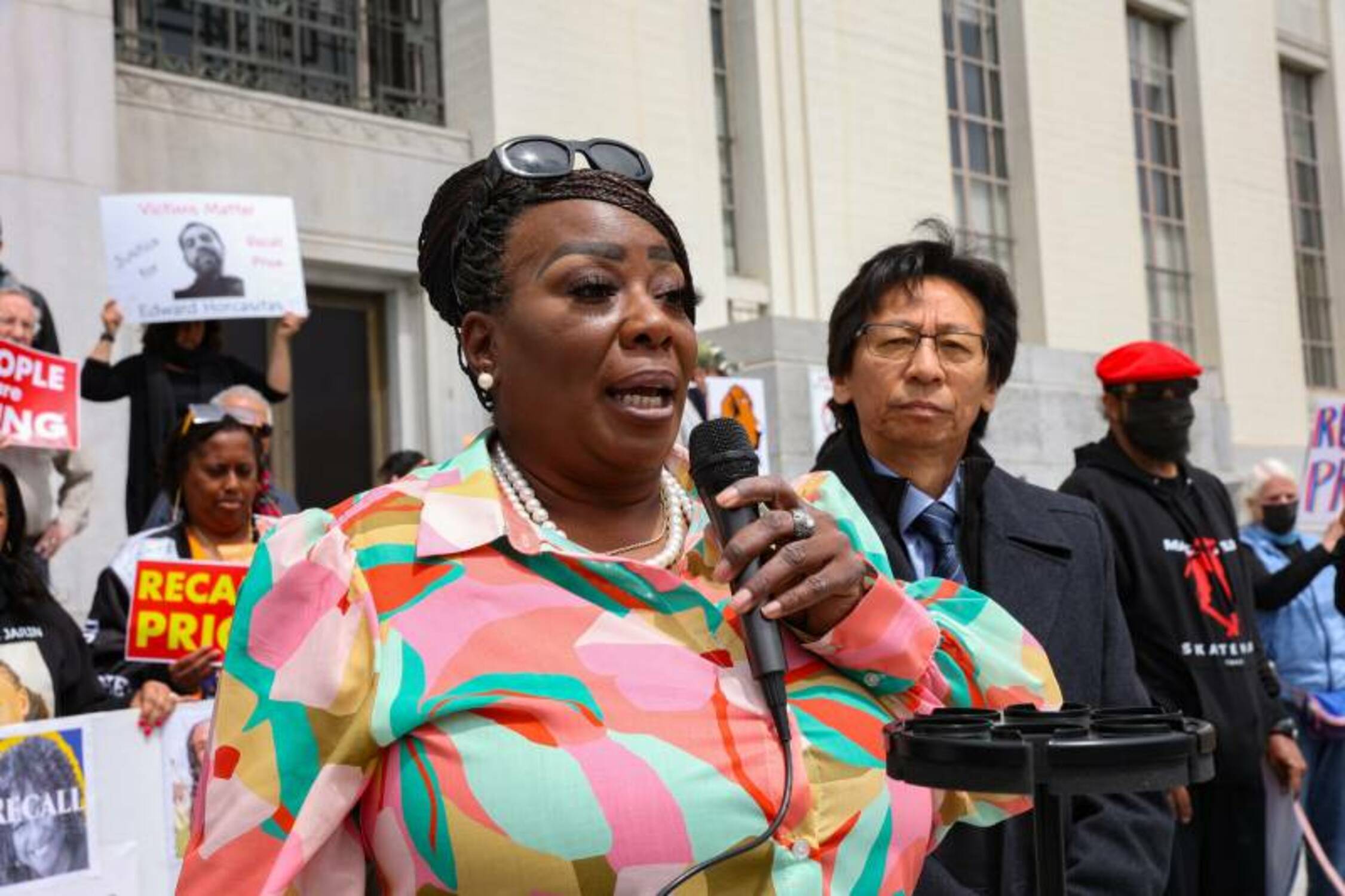
Brenda Grisham. A business owner in East Oakland and public safety advocate, Grisham led the successful recall campaign against Alameda County District Attorney Pamela Price. As part of her platform, she pledges to work with local, state, and federal partners to secure stricter gun control measures and investments in community violence intervention programs.
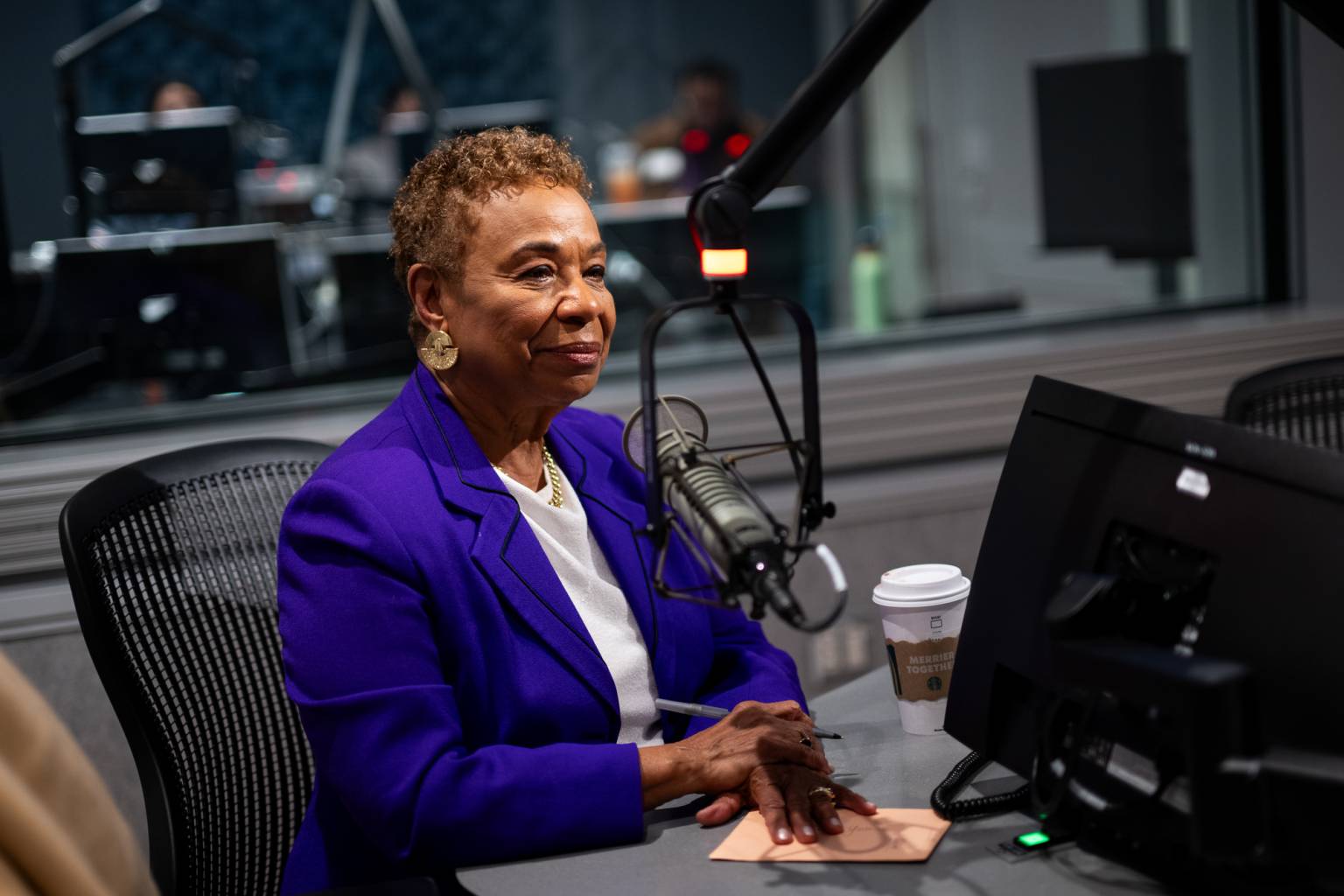
Barbara Lee. A former congressional representative and state Assembly member, Lee was elected by voters in a special election last year for a two-year term. Now running for a four-year term, she points out that her administration achieved major successes in addressing some of the city’s major challenges, including balancing the city budget, dramatically reducing crime, and making significant inroads into homelessness and illegal dumping.
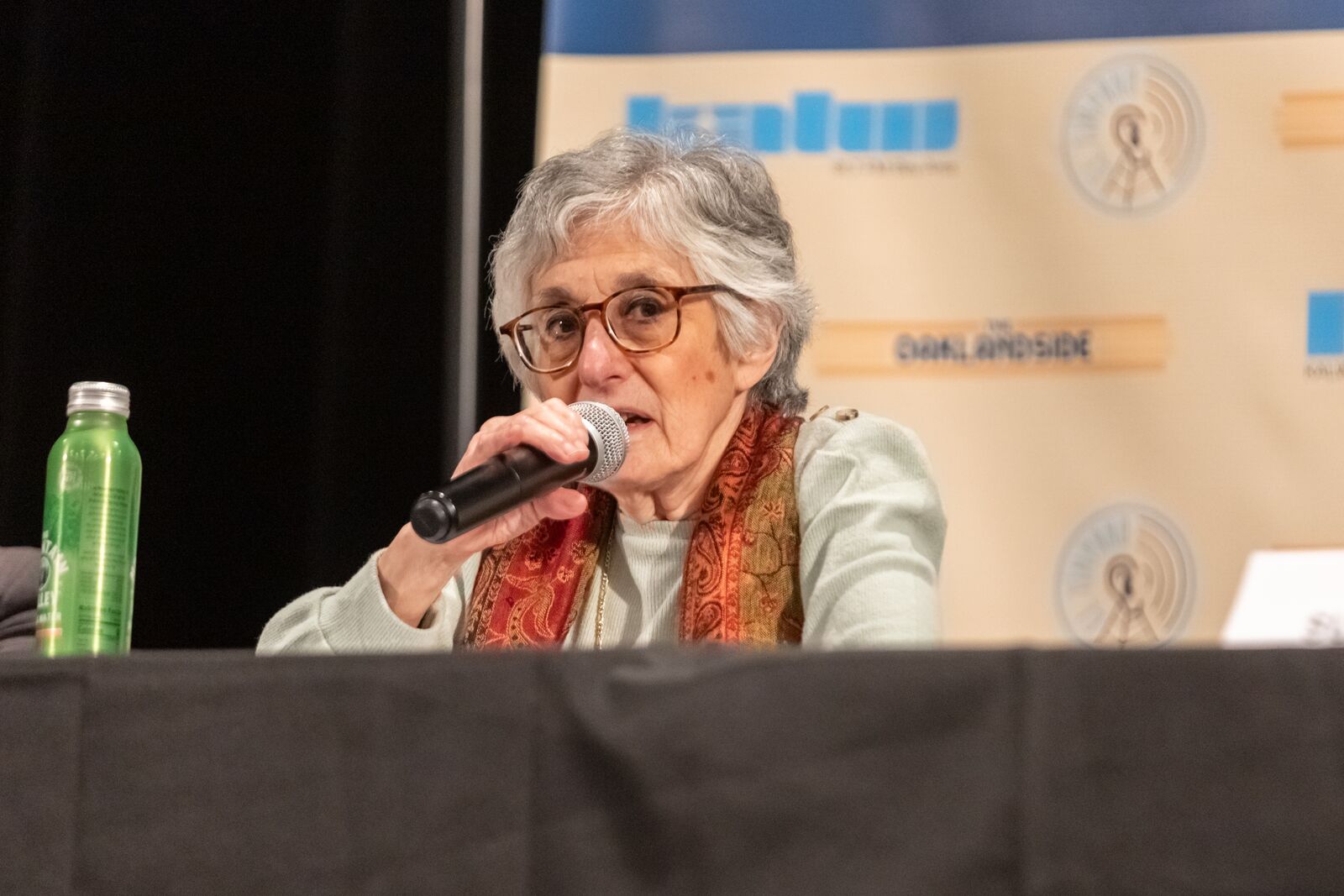
Mindy Pechenuk. An educator and activist, Pechenuk is a registered Republican and supporter of Lyndon LaRouche, who has been described by observers as a conspiracy theorist and cult leader. She ran unsuccessfully for mayor in last year’s special election and for the at-large council seat in 2024. She seeks to end Oakland’s police commission and MACRO and invest in more police while launching a new local war on drugs.
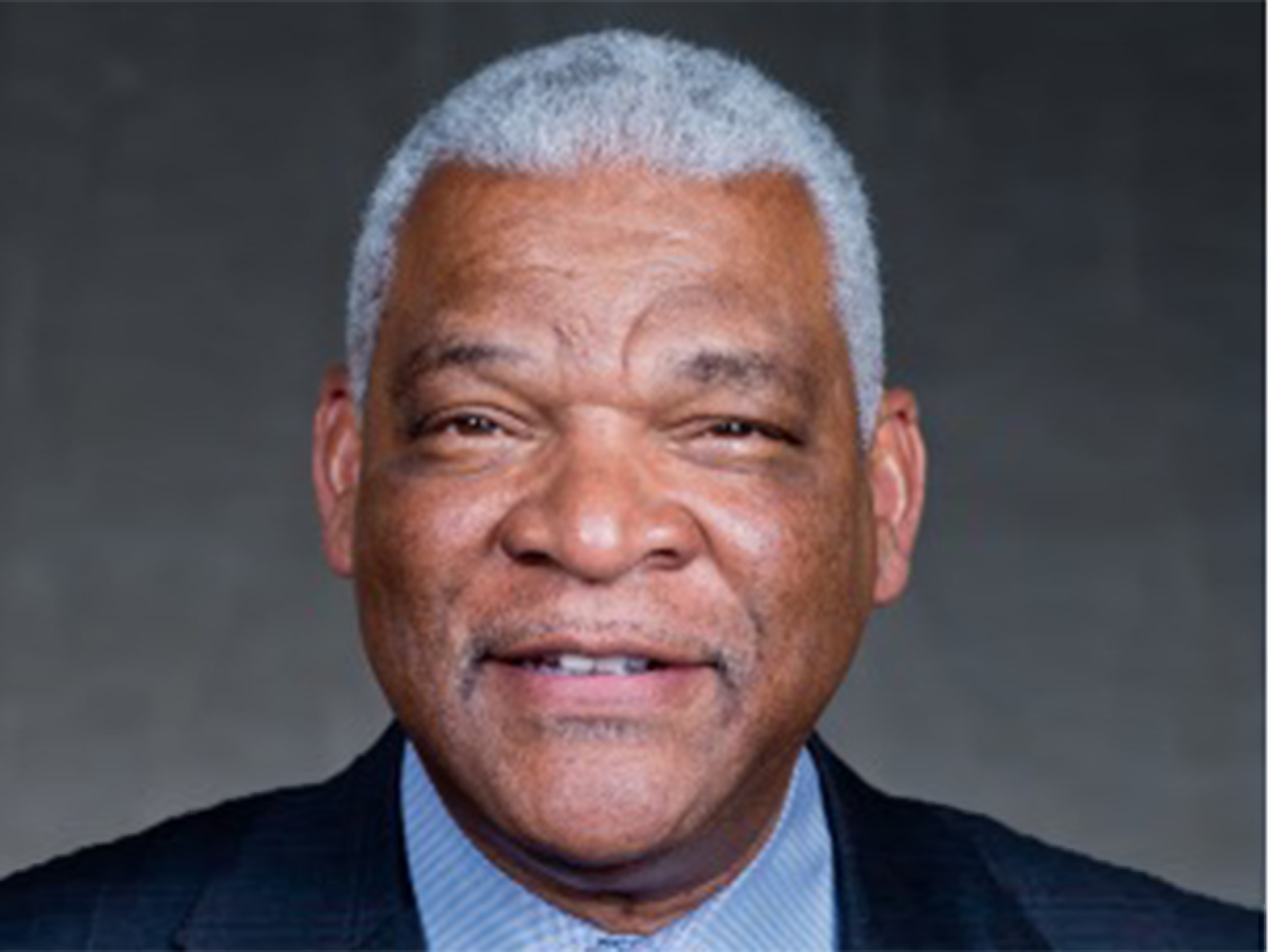
Julius Robinson. While little information is available so far about Robinson, he was quoted in a KTVU story about Thao’s recall, stating that people in Oakland want to come together as a community but lack infrastructure and leadership.

Black History
Oakland Observes Black August with Block Parties, Film Showings, Workshops
POST NEWS GROUP — Beginning in 1979 in San Quentin State Prison, the Black Guerrilla Family called for the remembrance of political prisoner George Jackson and his brother Jonathan Jackson who were assassinated in the early 1970s. George Jackson was considered a political prisoner in that it was the anti-Black justice system that led to his incarceration for armed robbery with a sentence of one year-to-life in 1960.
Study. Train. Fast. Fight.
These are the four tenets of Black August, a month dedicated to commemorating the sacrifices of political prisoners and Black revolutionaries in the struggle for Black liberation.
Observers are urged to study the history of the Black struggle for freedom, train their bodies for health and self-defense, fast to cleanse the mind, body, and spirit, and fight ongoing oppression alongside their communities and local political organizations.
Beginning in 1979 in San Quentin State Prison, the Black Guerrilla Family called for the remembrance of political prisoner George Jackson and his brother Jonathan Jackson who were assassinated in the early 1970s. George Jackson was considered a political prisoner in that it was the anti-Black justice system that led to his incarceration for armed robbery with a sentence of one year-to-life in 1960.
While in prison, George befriended fellow prisoner W.L. Nolen, who introduced him to the works of Karl Marx, Vladimir Lenin, Mao Zedong, and Frantz Fanon. This radicalization coupled with his experiences of violence while imprisoned led to him writing and publishing two books, “Soledad Brother” (1970), and “Blood in my Eye” (1972). In January of 1970, George and two other prisoners were charged with murdering a corrections officer at Soledad State Prison in Monterey County.
On Aug. 7, 1970, Jonathan Jackson burst into a Marin County courtroom armed with a shotgun to demand the freedom of the Soledad Brothers. He, along with the inmates he freed, was shot and killed while driving away. This involved one of the Black Panther Party’s most notable associates, Angela Davis, because the shotgun was registered in her name. She was later acquitted of charges of conspiracy, kidnapping, and murder in 1972.
On Aug. 21, 1971, George Jackson was assassinated by a corrections officer after attempting to escape and free other inmates. As a result, there were uprisings and protests within prisons all over the country that year, calling forth resistance against racial oppression and mass incarceration.
Since its outset, Black August has evolved across the country, taking many forms to honor this history and embody the four tenets.
In Oakland, the upcoming Black August Experience, hosted by Youth Alive! and the East Oakland Boxing Association (EOBA), is a free, family-friendly event celebrating the legacy of Black August. Activities include free food and drinks, a kids’ activity zone, interactive workshops, live cooking and boxing demonstrations, and more.
Happening on Aug. 21 from 4-8 p.m. at the EOBA Patio, Carolyn Flynn, director of administration at EOBA, said the event, in its second year, will be an opportunity to engage with people in person through food, shared space, and education.
“We do regular classes in education, and those are ongoing programs that we offer, but we wanted to have [an opportunity] for our neighbors to utilize this space.” Combined with Youth Alive’s work in community violence prevention and youth leadership, this event surely aims to bring the Oakland community together to capture what Black August means today.
Here are additional Black August events happening in Oakland:
Forum and Community Discussion hosted by the Oakland Liberation Center, 1499 Fruitvale Ave., Aug. 14, 7 p.m.
“George Jackson/San Quentin” Screening hosted by Nostalgic for Nothing Cinema at Moments Co-Op, 410 13th St., Aug. 16, doors at 6 p.m., show at 6:30 p.m. (Masks required and scent-free)
Commemorating the Struggle, Building the Altar for Liberation: Black August at Bandung Books, 2269 International Blvd., Aug. 23rd, 1-5 p.m.
Building Opportunities for Self-Sufficiency (BOSS), will host “Black August: The Arc of Liberation” at Oakland City Hall on Sat. Aug. 29, from 11 a.m. to 3 p.m.
Activism
Oakland Post: Week of August 12 – 18, 2026
The printed Weekly Edition of the Oakland Post: Week of August 12 – 18, 2026

To enlarge your view of this issue, use the slider, magnifying glass icon or full page icon in the lower right corner of the browser window.

WORK FROM HOME
Home-based business with potential monthly income of $10K+ per month. A proven training system and website provided to maximize business effectiveness. Perfect job to earn side and primary income. Contact Lynne for more details: Lynne4npusa@gmail.com 800-334-0540


Four Candidates, Including Incumbent Barbara Lee, Qualify for Oakland Mayor’s Race

Oakland Observes Black August with Block Parties, Film Showings, Workshops

Oakland Post: Week of August 12 – 18, 2026

COMMENTARY: Why Local School Tax Measure G1 Will Not Be on the November Ballot

California Hispanic Chambers of Commerce Unveils: ‘Powering the Future’ Theme for 47th Annual Statewide Convention

Returning to Its Roots, the Oakland Black-Eyed Pea Festival Partners with the Freedom Farmers Market Sept. 12

Less Affluent School Districts, Including Sacramento City, Face Threat of State Takeover

From Blueprint to Breakthrough: Tackling Affordable Housing in Oakland

NPRC Scores First Advocacy Victory: David Shaw Finally Gets His Wish to ‘Go Home’

ESSAY: California Can Close Its Colorectal Cancer Gap

Car Wash Workers Cope with Lingering Impacts of ICE Raids

Misty Copeland Shapes Ballet’s Tomorrow

As Part of Your Back-to- School Checklist, Vaccinate

As Part of Your Back-to- School Checklist, Vaccinate

Congresswoman Simon Demands Investigation into Trump’s Abuse of Emergency Powers for Coal Export Terminal in West Oakland

Department of Homeland Security Demands California Secretary of State Shirley N. Weber Scrub Voter Rolls

New Judge Could Decide if Karmelo Anthony Gets a New Trial

Oakland Children’s Hospital Workers and Patients Rally for Pediatric Medical Care

“The Power to See Threats Sooner”: Gov. Newsom, Safety Officials Showcase California’s Investments in Hi-Tech Wildfire Prevention

Alpha Kappa Alpha Sorority, Inc. Celebrates New North Atlantic Regional Director

Surveillance Pricing Fight: State Senate Debates Bill Banning Retailers from Using AI to Set Prices Based on a Buyer’s Profile

Mount Zion MBC, Church of Jesus Christ of Latter-day Saints Partner to Bring 29,000 Meals to Alameda County

California Sen. Padilla Joins Colleagues to Introduce Bill Imposing Term Limits on Supreme Court Justices
Less Affluent School Districts, Including Sacramento City, Face Threat of State Takeover

Starting This Summer, California Car Buyers Can Get an Instant $3500 Off the Cost of Electric Vehicles

COMMENTARY: You Are Already Paying for the AI Boom
Car Wash Workers Cope with Lingering Impacts of ICE Raids

California Bill Would Let Abuse Victims Use Trauma as Legal Defense for Violent Crime

Fed Court to Decide Landmark First Amendment Case

Gov. Gavin Newsom Signs Law Streamlining Affordable Housing Rules

The Conversation With Al McFarlane 6/23/26

Media Monday 6/22/26

LIVE! ASK ALMA! — TUES. 6.23.26 7PM EST

Car Buying Secrets: 4 Hidden Checks Before You Sign!

Is This 550 HP Charger Worth YOUR Money? AutoNetwork Review

Celebrating Juneteenth – Frederick Douglass on education and resistance

LIVE! — ASK ALMA! — TUES. 6.19.26 7PM EST

Hyundai Ioniq 5 Parking, Safety, and 360 View #shorts

2025 Ioniq 5 New Wiper & Powerful Performance! #shorts

Electric SUV Range: Is 259 Miles Enough? #shorts

EV Charging: How Fast Can You Charge an Electric Vehicle? #shorts

Biometric Cooling… Messaging Seats…Come on! 2025 Infiniti QX80 Autograph 4WD

Charged Up: Witness the Magic of a Fully Electric Car! #shorts

Range Rover Sport PHEV Included…: See What’s Inside This Luxury SUV! #shorts

Invisible Hood View: Perfect Parking with X-Ray Vision! #shorts
-
 Featured1 week ago
Department of Homeland Security Demands California Secretary of State Shirley N. Weber Scrub Voter Rolls
-
 #NNPA BlackPress3 weeks ago
New Judge Could Decide if Karmelo Anthony Gets a New Trial
-
 Business3 weeks ago
Oakland Children’s Hospital Workers and Patients Rally for Pediatric Medical Care
-
 Environment1 week ago
“The Power to See Threats Sooner”: Gov. Newsom, Safety Officials Showcase California’s Investments in Hi-Tech Wildfire Prevention
-
 Black History2 weeks ago
Alpha Kappa Alpha Sorority, Inc. Celebrates New North Atlantic Regional Director
-
 Business3 weeks ago
Surveillance Pricing Fight: State Senate Debates Bill Banning Retailers from Using AI to Set Prices Based on a Buyer’s Profile
-
 Business3 weeks ago
Mount Zion MBC, Church of Jesus Christ of Latter-day Saints Partner to Bring 29,000 Meals to Alameda County
-
 Featured1 week ago
California Sen. Padilla Joins Colleagues to Introduce Bill Imposing Term Limits on Supreme Court Justices
