
Crime
SPD Receives Grant for Special Traffic Enforcement and Crash Prevention

The Stockton Police Department has been awarded a $400,365 grant from the California Office of Traffic Safety (OTS) for a yearlong program of special enforcements and public awareness efforts to prevent traffic related deaths and injuries.
The Department will use the funding as part of the city’s ongoing commitment to keep roadways safe and improve the quality of life through both enforcement and education.
“We have seen the positive impact in our community that comes from focused DUI and traffic safety enforcement. The Stockton Police Department welcomes the opportunity to implement these grant funds in our continuing efforts to protect the citizens of Stockton,” said Chief Eric Jones.
After falling dramatically between 2006 and 2010, the number of persons killed and injured in traffic collisions saw slight increases in 2011 and 2012. Particularly worrisome are recent increases in pedestrian and motorcycle fatalities and the dangers of distracting technologies. This grant funding will provide opportunities to combat these and other devastating problems such as drunk and drugged driving and speeding.
“California’s roadways are still among the safest in the nation,” said OTS Director Rhonda Craft. “But to meet future mobility, safety, and sustainability objectives, we must create safer roadways for all users. The Stockton Police Department will be using these and other resources to reach the vision we all share – Toward zero deaths, every 1 counts.”

Activities that the grant will fund include: Educational presentations, DUI checkpoints, DUI saturation patrols, Motorcycle safety enforcement, Distracted driving enforcement, Seat belt and child safety seat enforcement, Speed, red light, and stop sign enforcement.
It will also include: Warrant service operations targeting multiple DUI offenders , Compilation of DUI “Hot Sheets,” identifying worst-of-the-worst DUI offenders, Specialized DUI and drugged driving training such as Standardized Field Sobriety Testing (SFST), Advanced Roadside Impaired Driving Enforcement (ARIDE), Drug Recognition Evaluator (DRE), and Court “sting” operations to cite individuals driving from DUI court after ignoring their license suspension or revocation, and stakeout operations.
Funding for this program is from the California Office of Traffic Safety through the National Highway Traffic Safety Administration.






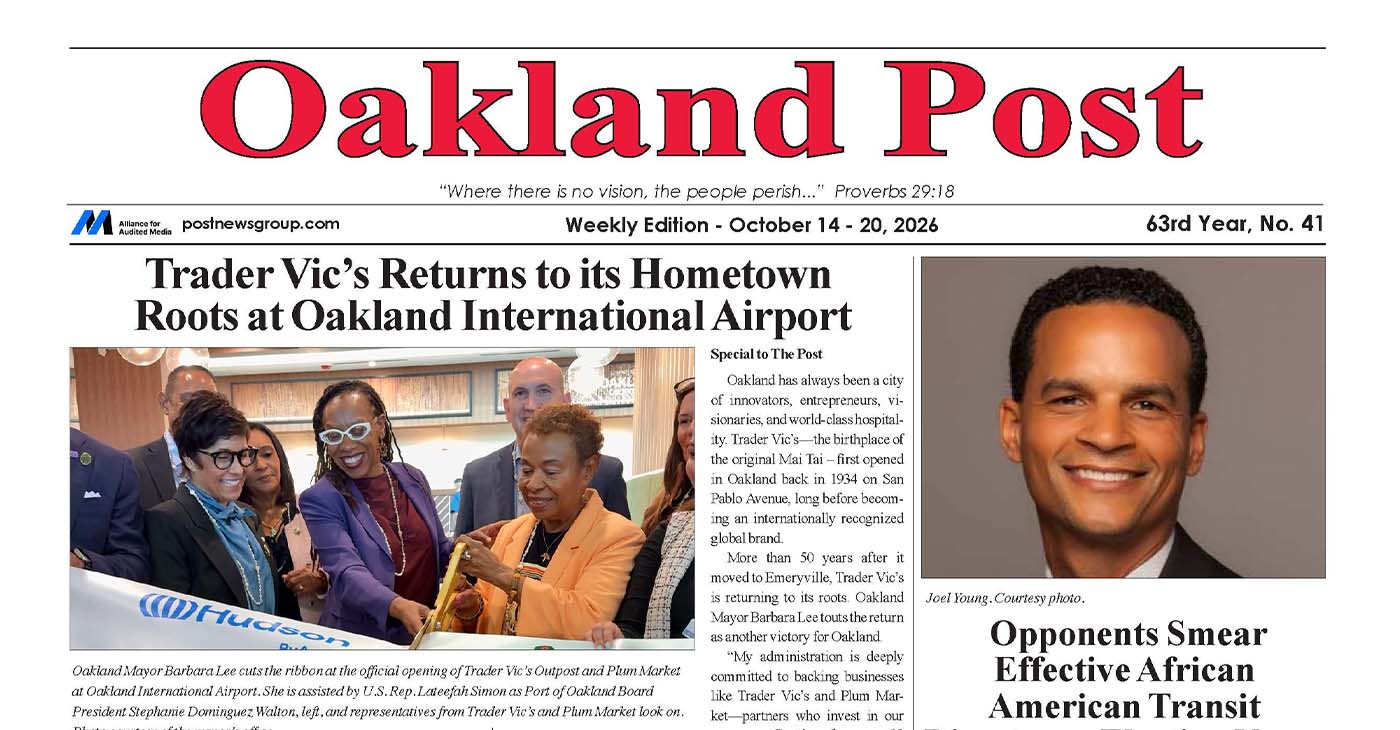
To enlarge your view of this issue, use the slider, magnifying glass icon or full page icon in the lower right corner of the browser window.
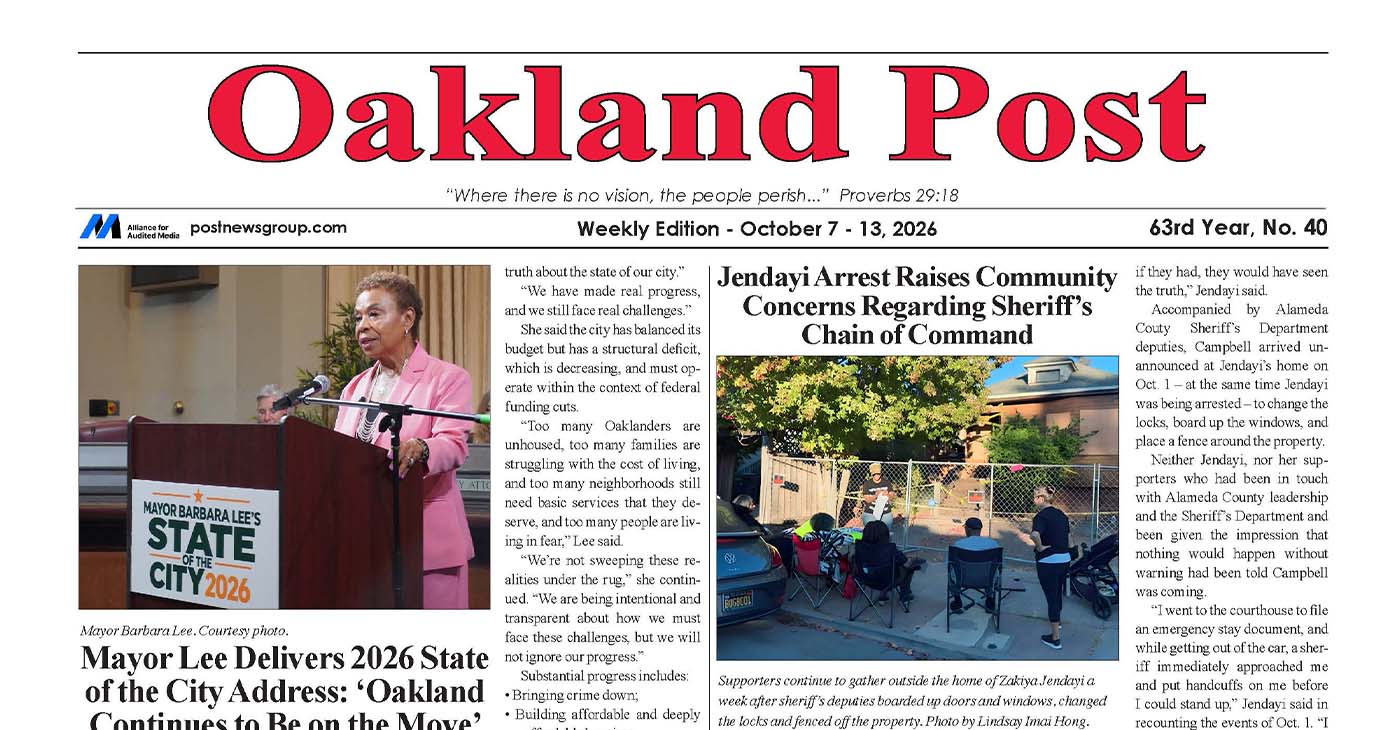
To enlarge your view of this issue, use the slider, magnifying glass icon or full page icon in the lower right corner of the browser window.

Activism
Oakland Post: Week of September 30 – October 6, 2026
The printed Weekly Edition of the Oakland Post: Week of September 30 – October 6, 2026
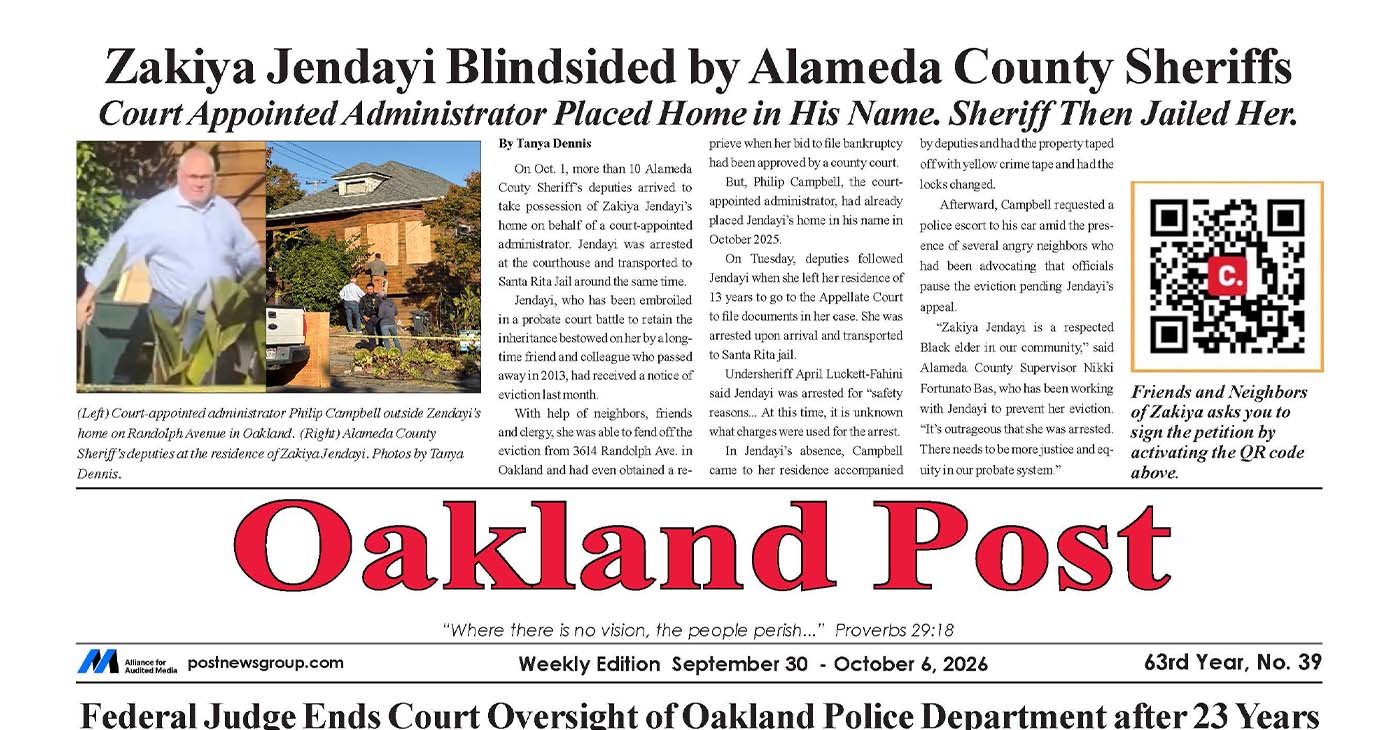
To enlarge your view of this issue, use the slider, magnifying glass icon or full page icon in the lower right corner of the browser window.


Mayor Barbara Lee Holds Special State of the City Address in Deep East Oakland

Practitioners of African Traditional Spirituality Offer Ancestral Reverence Ritual Oct. 31

It’s Time to Lose Weight Before the Holidays

Trader Vic’s Returns to Its Oakland Roots

Oakland Coal Terminal Backed by Trump Would Be Bigger, Dirtier Than Promised, Says Report

Opponents Smear Effective African American Transit Director as Election Nears

Oakland Post: Week of October 14 – 20, 2026

OP-ED: The Black Church Writes AI’s Next Chapter

OP-ED: The Black Church Writes AI’s Next Chapter

WCCUSD Joins Statewide Organic School Food Purchasing Cooperative

Democrats, Community Groups Back Measure EE to Change How Oakland Is Governed

Four Tips to Help You Plan a Holiday “Staycation”

Veterans Housing Project Proposed for South Richmond
PRESS ROOM: Transformative Justice Coalition 2026 Voting Rights Champion Awards Reception ‘Yesterday Is Today: The Battle For Voting Rights

Mayor Lee Delivers 2026 State of the City Address: ‘Oakland Continues to Be on the Move’

Misnamed ‘Parent’ PAC Seeks to Influence Oakland School Board Elections

Oakland Post: Week of September 2 – 8, 2026

Oakland Post: Week of September 9 – 15, 2026

Poll: Becerra Widens His Lead Over Hilton; Californians Split on Wealth Tax

County Office of Education Says OUSD Finances Are Getting Healthier, Materially Stronger

Richmond Tiny House Village Farm & Garden Set to Open Gates on Sept. 26

Latest Massacre in Haiti Reveals Cruelty U.S. Deportations

Listening as a Lifeline: A Doula’s Witness to Black Maternal Health

Mayor Lee Announces $1 Million Kaiser Permanente Grant for Pilot Program to Address Homelessness, Clean Up Public Spaces throughout Oakland

OPINION: Nolan Wells’ Death One of Several Signifying Racial Terror Lives on in U.S. South

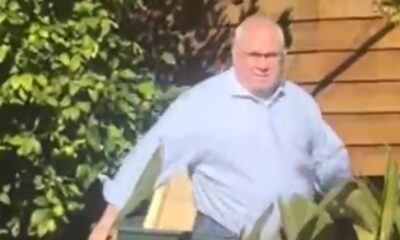
Zakiya Jendayi Arrested, Locked Out of Home by Sheriff’s Deputies

BLACspace Cooperative Invites Bay Area to Experience Oakland’s Black Cultural Ecosystem Through a BLAC Map Tour + Party

Oakland Post: Week of September 16 – 22, 2026

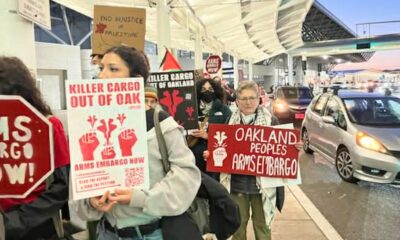
Oakland People’s Arms Embargo Coalition Demands End to Military Shipments Thru Oakland

Democratic Clubs Interview Candidates for Oakland School Board

The Conversation With Al McFarlane 6/23/26

Media Monday 6/22/26

LIVE! ASK ALMA! — TUES. 6.23.26 7PM EST

Car Buying Secrets: 4 Hidden Checks Before You Sign!

Is This 550 HP Charger Worth YOUR Money? AutoNetwork Review

Celebrating Juneteenth – Frederick Douglass on education and resistance

LIVE! — ASK ALMA! — TUES. 6.19.26 7PM EST

Hyundai Ioniq 5 Parking, Safety, and 360 View #shorts

2025 Ioniq 5 New Wiper & Powerful Performance! #shorts

Electric SUV Range: Is 259 Miles Enough? #shorts

EV Charging: How Fast Can You Charge an Electric Vehicle? #shorts

Biometric Cooling… Messaging Seats…Come on! 2025 Infiniti QX80 Autograph 4WD

Charged Up: Witness the Magic of a Fully Electric Car! #shorts

Range Rover Sport PHEV Included…: See What’s Inside This Luxury SUV! #shorts

Invisible Hood View: Perfect Parking with X-Ray Vision! #shorts
-
 Economy3 weeks ago
Poll: Becerra Widens His Lead Over Hilton; Californians Split on Wealth Tax
-
 Business3 weeks ago
County Office of Education Says OUSD Finances Are Getting Healthier, Materially Stronger
-
 Black History2 weeks ago
Listening as a Lifeline: A Doula’s Witness to Black Maternal Health
-
 Lead Story2 weeks ago
Zakiya Jendayi Arrested, Locked Out of Home by Sheriff’s Deputies
-
 Art3 weeks ago
BLACspace Cooperative Invites Bay Area to Experience Oakland’s Black Cultural Ecosystem Through a BLAC Map Tour + Party
-
 Uncategorized4 weeks ago
Oakland People’s Arms Embargo Coalition Demands End to Military Shipments Thru Oakland
-

 Black History4 weeks ago
Doulas Are Helping Black California Moms Navigate Pregnancy–Even as High Mortality Rates Persist
-

 Community4 weeks ago
Two Looming Threats Every Alameda County Elder Should Know About
