
Featured
Raiders banged up in season finale loss at Denver

Written by intern Jeff Weisinger
Matt McGloin was supposed to be the caretaker for the Oakland Raiders headed into the season finale after Derek Carr was injured last week. It was McGloin’s job to lead the Raiders into the playoffs with a bye week. Instead, McGloin was injured along with a few other players.
McGloin lasted one half as the Denver Broncos knocked him out with a shoulder injury in the Broncos’ 24-6 win over Oakland today. With the loss and the Kansas City Chiefs’ 37-27 win at the San Diego Chargers, the Raiders lost their chance on a AFC West crown.
They fall to the fifth-seed in the AFC playoffs, lining them up for a wild card game at the AFC South champion Houston Texans next week. The loss of Carr heading into the playoffs seems to have taken its toll on the Raiders. They’ve been outscored 35-6 since Carr went down in the fourth quarter against the Colts last Saturday.
Oakland struggled throughout the entire game on every side of the ball. McGloin couldn’t get anything going, completing just 6-of-11 passes for just 21 yards in his first start in three years. Rookie Connor Cook took over for McGloin in the final seconds of the first half and for the rest of the game, but couldn’t get the Raiders offense moving either, going just 14-for-21 through the air for 150 yards and a touchdown.

McGloin seemed to have moments where he should have gotten the passing game moving, however he missed an open Amari Cooper and Michael Crabtree at various moments throughout the first half.
Cook’s first career NFL touchdown pass to Cooper went for 32 yards in the third quarter, capping a quick three-play drive with just over six minutes left to help the Raiders avoid a shutout.
The run game was just as non-existent for Oakland as they totaled just 57 yards on the ground with rookie DeAndre Washington leading the team with 43 yards on seven carries. No running back or receiver earned more than 50 yards on the day. Crabtree came close, catching five passes for 47 yards.
The biggest disappointment was from the Raiders defense that was originally thought to be able to carry the load for Oakland’s playoff run. Instead, they fell flat, allowing Denver to gain 349 yards of total offense. It was as if the Broncos were heading to the playoffs over the Raiders.
Denver scored on their opening drive, capping their nine-play drive on a 14-yard touchdown pass from QB Trevor Siemian to Demarius Thomas. Siemian finished the day throwing for 206 with a touchdown and an interception.
The Raiders end the year with a 12-4 record, their first winning record since 2002. This is just the second time since the Raiders return to Oakland in 1995 that they finished 12-4 (2000).





Business
Oakland Coal Terminal Backed by Trump Would Be Bigger, Dirtier Than Promised, Says Report
A recent feasibility study commissioned by potential investors says an Oakland coal terminal backed by President Donald Trump could export 13 million tons a year — three times the amount estimated in an earlier environmental review. Surprisingly, the report also contradicts devel

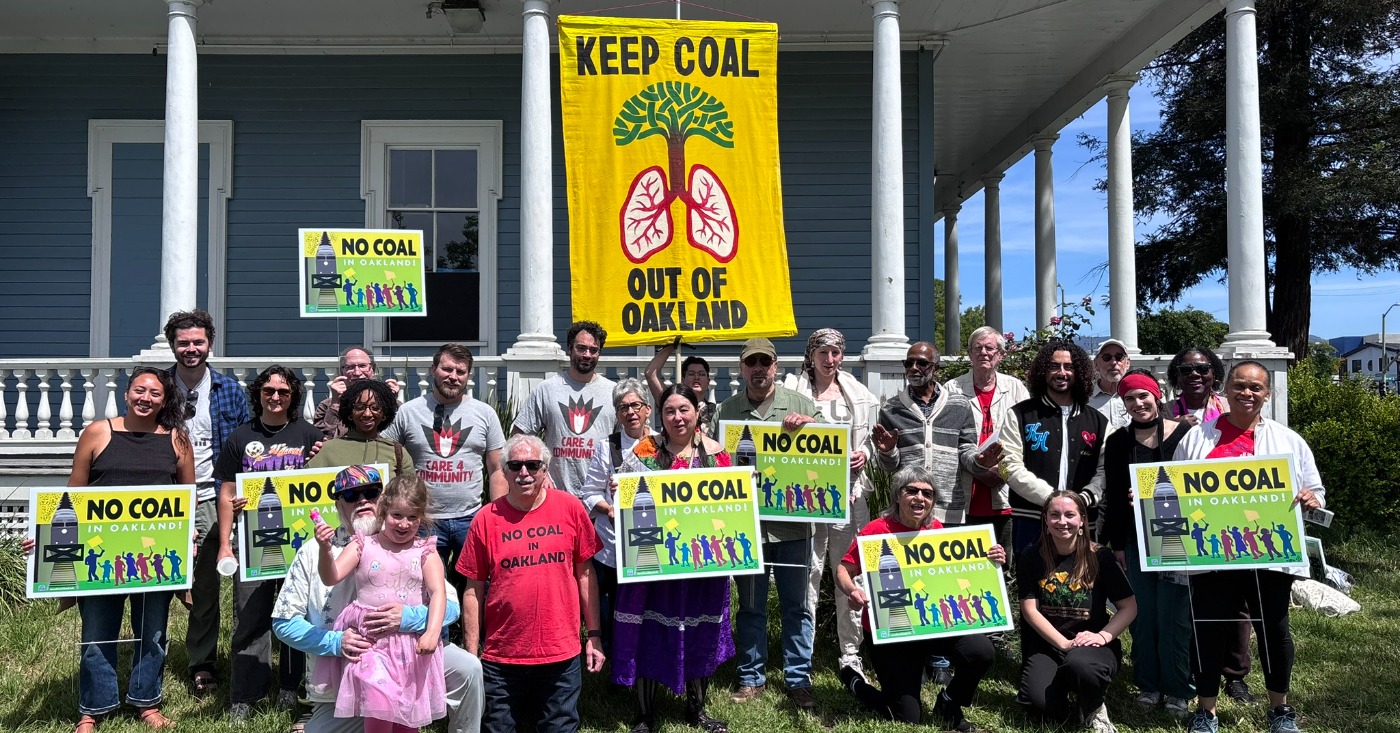
A recent feasibility study commissioned by potential investors says an Oakland coal terminal backed by President Donald Trump could export 13 million tons a year — three times the amount estimated in an earlier environmental review.
Surprisingly, the report also contradicts developers’ and project advocates’ repeated pledges that the coal would be stored in a covered terminal. Instead, the millions of tons of coal shipped annually from inland states to the West Gateway terminal in Oakland would be stored in “two open-air bunkers,” with about 150,000 tons of coal per stockpile, before being sent overseas, according to the recent report cited by the L.A. Times. (https://ruic.utah.gov/wp-content/uploads/2026/09/Port-Study-RUIC-Bulk-Commodity-Ocean-Terminals-Study.pdf)
Residents and clean air advocates have long expressed concerns that coal dust would worsen pollution in West Oakland and throughout the East Bay.
The proposed site of the Oakland Bulk and Oversized Terminal (OBOT) is located at the former Army base near the Port of Oakland, which developer Phil Tagami has been trying for years to turn into a shipping terminal despite determined community opposition.
Trump announced a $75-million investment in the project in June, about a third of its estimated cost. The new terminal would be the largest coal export site on the West Coast, transporting coal to Japan, South Korea, Taiwan, Vietnam and Malaysia, according to the Trump administration.

Opponents say a new terminal would undermine years of progress cleaning up the air in West Oakland, which has a history of disproportionate pollution and high asthma rates due to its proximity to the port and other industry.
According to No Coal in Oakland organizer Ted Franklin, who has been active for 11 years in the fight to stop the coal terminal, the report indicates that investors may be looking for a cheaper way to build the terminal.
“We were shocked but not surprised” by the report, Franklin said. “Basically, it seems that the plan now is to store open piles of coal, which is a less expensive project than creating a completely enclosed facility.”
The threats that the project poses are real, but it faces a lot of economic and legal hurdles, he said.
Coal production is in permanent decline worldwide, he said, wondering who was going to “invest money in an industry that has no future.”
Further, the project has not yet attracted big investors. “There’s no bank, no financing, no financial institution backing this,” he continued.
A major legal hurdle facing the project is the passage of Assemblymember Mia Bonta’s bill, AB 40, the Community-First Coal Review Act, signed into law by Gov. Gavin Newsom on Sept. 30.
The law requires developers of large-volume bulk coal facilities to complete a full Environmental Impact Report (EIR) under the California Environmental Quality Act (CEQA) before they can operate.
The law was specifically designed to block or delay the coal terminal project.
The report to potential developers was produced by consulting groups Norda Stelo and Wood Mackenzie in July and released this month. It was commissioned by the Rural Utah Infrastructure Coalition, made up of eight Utah counties that are considering investing about $43 million into the terminal to receive Utah coal.
The consultants produced their findings after visiting Oakland, examining engineering documents and holding discussions with Savage Cos., a Utah-based transport and logistics company selected to operate the facility
Research has shown that coal terminal operations can be dangerous to public health. The ports of Los Angeles and Long Beach moved away from open-air coal and petroleum coke storage three decades ago.
The report says that the site could process 12 million metric tons, or 13.2 million tons, of coal each year, three times more than the terminal’s approved environmental impact report from 2002 and its 2012 addendum. Neither document mentions coal specifically, but rather bulk commodities.
The coal arriving in Oakland could also be dirtier then had been previously stated, according to the report. Project officials previously said the terminal would handle only high-grade western bituminous coal from Utah, but the recent report says it will also handle Powder River Basin coal from Wyoming and Montana, known to be much dustier.
Nor does the report mention plans to cover the rail cars to prevent pollution, though project officials previously promised they would only utilize coal transported in covered rail cars.
“It appears the developers want to build something much bigger and more polluting than anything they previously revealed, either in court or to the West Oakland community,” said Colin O’Brien, deputy managing attorney at the nonprofit Earthjustice, speaking to the L.A. Times.
The report indicates that the project may be much more expensive and take longer to complete than anticipated. The Energy Department estimates the terminal will cost about $231 million, but the report places the price at between $430 million and $625 million.
The terminal will take 53 months to complete according to the report, significantly longer than Trump’s promise of exports beginning in 2028.
Ted Franklin’s column, “Utah Study Blesses Investment in Oakland Coal Terminal but Leaves Key Questions Unanswered” is available at https://nocoalinoakland.info/utah-study-blesses-investment-in-oakland/

Featured
Opponents Smear Effective African American Transit Director as Election Nears
Incumbent Joel Young is defending his seat on the AC Transit Board against allegations of harassment stemming from a public interaction in late 2024. Supporters of the director cite his record of securing $600 million for bus services and leading civil rights initiatives as evidence of his effectiveness. They argue the accusations regarding a group photo interaction have been politically weaponized by opponents to influence the Ward 3 election. The controversy has sparked a debate over candidate character versus transit performance. Learn more about the investigation and the upcoming vote.
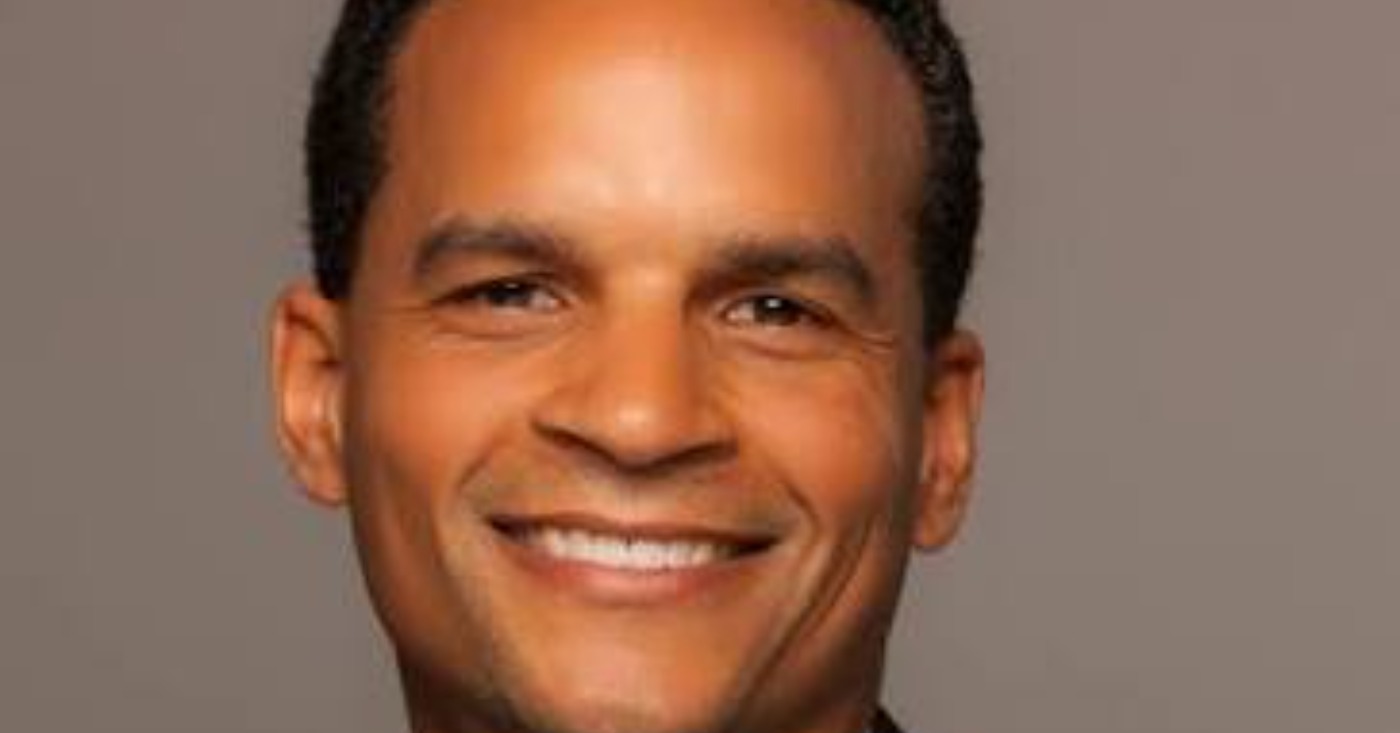
I am an academic and a community activist. I take women’s issues, including workplace harassment and discrimination, seriously. I have been following the AC Transit Ward 3 election and have become concerned about what I believe is a serious injustice.
Joel Young is an effective AC Transit director. He has secured more than $600 million for local bus service and fare affordability. He led the Freedom Bus Project, integrating civil rights history, art and transit. He was presiding over the board of AC transit when it won the 2023 Outstanding Public System Award, and he raised $1 million for the hydrogen fuel cell bus program. These are just a few of his accomplishments.
I reviewed the allegations of unwanted physical contact and harassment made by AC Transit Director Sarah Syed against Director Joel Young, I believe the events of Sept. 24, 2025, have been characterized in a way that does not accurately reflect what occurred.
That interaction took place during a group photo after celebrating the life of a longtime Board member who passed away. From the video I reviewed, it appears that individuals were consoling one another and exchanging hugs in a public setting surrounded by numerous witnesses.
Young’s interaction with Syed appears consistent with those expressions of sympathy and it appears that Young was attempting to extend a gesture of goodwill toward Syed.
I am concerned by how this incident has been recently used as a political tool to influence the outcome of the AC Transit Ward 3 election and support Young’s opponent.
Syed and her supporters launched a targeted political campaign, first through the Alameda County Democratic Party and subsequently by organizing a letter from a group of majority-white elected officials who have endorsed Young’s opponent against Young, who is Africa American.
Furthermore, this manufactured controversy distracts voters from the critical issues facing AC Transit. The public deserves a substantive debate on service reliability, ridership recovery, passenger and operator safety, financial stability, regional equity, and future transportation infrastructure. The electorate should be evaluating which candidate possesses the judgment, experience, and vision to lead AC Transit forward – not reacting to a distorted personal interaction.
Regardless of one’s political views or preferred candidate, allegations of harassment should never be weaponized for electoral purposes. We all know that exaggerated or unsupported accusations can undermine public understanding of, and trust in, efforts to address genuine sexual harassment and violence.

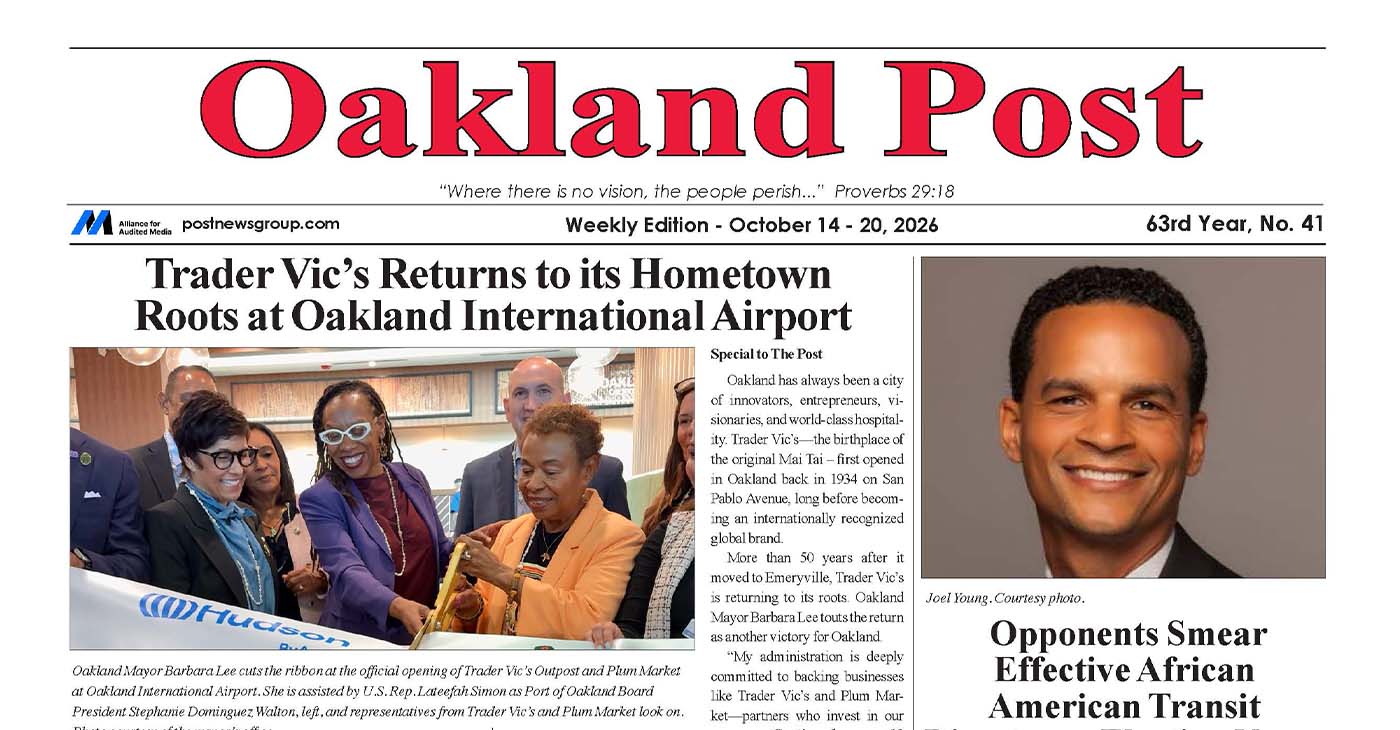
To enlarge your view of this issue, use the slider, magnifying glass icon or full page icon in the lower right corner of the browser window.



Oakland Coal Terminal Backed by Trump Would Be Bigger, Dirtier Than Promised, Says Report

Opponents Smear Effective African American Transit Director as Election Nears

Oakland Post: Week of October 14 – 20, 2026

OP-ED: The Black Church Writes AI’s Next Chapter

OP-ED: The Black Church Writes AI’s Next Chapter

WCCUSD Joins Statewide Organic School Food Purchasing Cooperative

Democrats, Community Groups Back Measure EE to Change How Oakland Is Governed

Four Tips to Help You Plan a Holiday “Staycation”

Veterans Housing Project Proposed for South Richmond
PRESS ROOM: Transformative Justice Coalition 2026 Voting Rights Champion Awards Reception ‘Yesterday Is Today: The Battle For Voting Rights

Mayor Lee Delivers 2026 State of the City Address: ‘Oakland Continues to Be on the Move’

Oakland Awarded More than $14 Million in State Funding

Jendayi Arrest Raises Community Concerns Regarding Sheriff’s Chain of Command

Marin County Supes Expand Small Business Options with Home Kitchen Pilot Program

Allen Temple Baptist Church Hosts Free Prostate Cancer Screenings on Oct. 17

Misnamed ‘Parent’ PAC Seeks to Influence Oakland School Board Elections

Oakland Post: Week of September 2 – 8, 2026

Oakland Post: Week of September 9 – 15, 2026

Richmond Tiny House Village Farm & Garden Set to Open Gates on Sept. 26

Poll: Becerra Widens His Lead Over Hilton; Californians Split on Wealth Tax

Latest Massacre in Haiti Reveals Cruelty U.S. Deportations

County Office of Education Says OUSD Finances Are Getting Healthier, Materially Stronger

OPINION: Nolan Wells’ Death One of Several Signifying Racial Terror Lives on in U.S. South

Mayor Lee Announces $1 Million Kaiser Permanente Grant for Pilot Program to Address Homelessness, Clean Up Public Spaces throughout Oakland

BLACspace Cooperative Invites Bay Area to Experience Oakland’s Black Cultural Ecosystem Through a BLAC Map Tour + Party

Democratic Clubs Interview Candidates for Oakland School Board

Oakland People’s Arms Embargo Coalition Demands End to Military Shipments Thru Oakland

Oakland Post: Week of September 16 – 22, 2026

Zakiya Jendayi Arrested, Locked Out of Home by Sheriff’s Deputies

Two Looming Threats Every Alameda County Elder Should Know About

The Conversation With Al McFarlane 6/23/26

Media Monday 6/22/26

LIVE! ASK ALMA! — TUES. 6.23.26 7PM EST

Car Buying Secrets: 4 Hidden Checks Before You Sign!

Is This 550 HP Charger Worth YOUR Money? AutoNetwork Review

Celebrating Juneteenth – Frederick Douglass on education and resistance

LIVE! — ASK ALMA! — TUES. 6.19.26 7PM EST

Hyundai Ioniq 5 Parking, Safety, and 360 View #shorts

2025 Ioniq 5 New Wiper & Powerful Performance! #shorts

Electric SUV Range: Is 259 Miles Enough? #shorts

EV Charging: How Fast Can You Charge an Electric Vehicle? #shorts

Biometric Cooling… Messaging Seats…Come on! 2025 Infiniti QX80 Autograph 4WD

Charged Up: Witness the Magic of a Fully Electric Car! #shorts

Range Rover Sport PHEV Included…: See What’s Inside This Luxury SUV! #shorts

Invisible Hood View: Perfect Parking with X-Ray Vision! #shorts
-
 Economy3 weeks ago
Poll: Becerra Widens His Lead Over Hilton; Californians Split on Wealth Tax
-
 Business3 weeks ago
County Office of Education Says OUSD Finances Are Getting Healthier, Materially Stronger
-
 Business4 weeks ago
Mayor Lee Announces $1 Million Kaiser Permanente Grant for Pilot Program to Address Homelessness, Clean Up Public Spaces throughout Oakland
-
 Art3 weeks ago
BLACspace Cooperative Invites Bay Area to Experience Oakland’s Black Cultural Ecosystem Through a BLAC Map Tour + Party
-
 Uncategorized4 weeks ago
Oakland People’s Arms Embargo Coalition Demands End to Military Shipments Thru Oakland
-
 Activism4 weeks ago
Oakland Post: Week of September 16 – 22, 2026
-
 Lead Story2 weeks ago
Zakiya Jendayi Arrested, Locked Out of Home by Sheriff’s Deputies
-
 Community4 weeks ago
Two Looming Threats Every Alameda County Elder Should Know About
