
Bay Area
OUSD Board Delays Vote on Reparations Resolution for Black Students
“There is not one Black family in OUSD that hasn’t experienced the pain of anti-Black racism in our schools,” reads a statement on reparationsforblackstudents.org, a website run by the Justice 4 Oakland Students Coalition in support of the bill. “Now is the time to look at the solutions from the Black community and invest in the remaining Black students.”

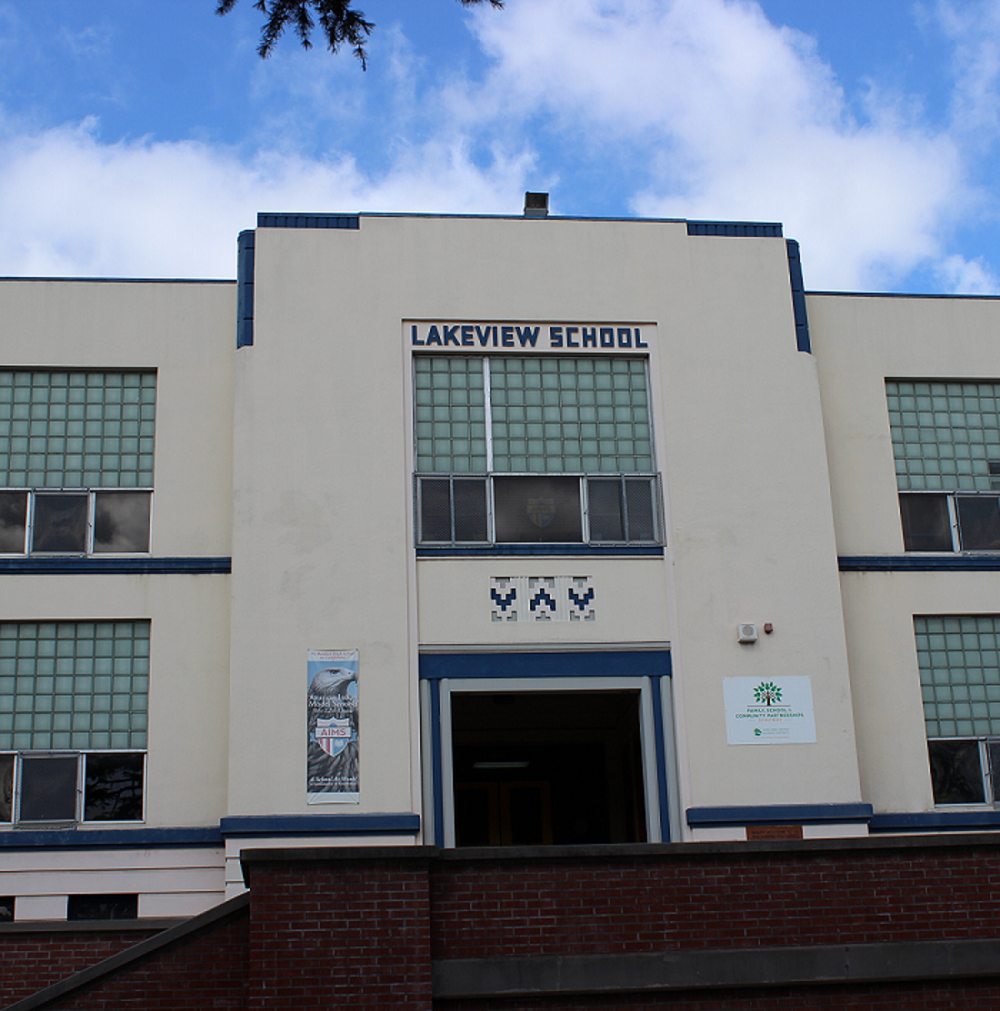
During a Oakland School Board meeting last month, the Board decided to delay a vote to approve The Reparations for Black Students Resolution until March 24, preventing the resolution from being approved during Black History Month and frustrating many who had organized and advocated for the bill’s passing.
“There is not one Black family in OUSD that hasn’t experienced the pain of anti-Black racism in our schools,” reads a statement on reparationsforblackstudents.org, a website run by the Justice 4 Oakland Students Coalition in support of the bill. “Now is the time to look at the solutions from the Black community and invest in the remaining Black students.”
The Justice for Oakland Students Coalition includes:Oakland Education Association, The Black Organizing Project, Teachers for Social Justice, Parents United for Public Schools, and other local community organizations. The coalition inspired and informed the resolution after two years of listening sessions with Black students, parents, educators and District staff.
The resolution seeks to address the harm Black students, families and teachers have faced in OUSD including: the closure of 16 schools with a significant population of Black students in the last 15 years, a disproportionately low graduation rate and disproportionately high suspension rate among Black students, and a loss of about 67% percent of OUSD’s Black student population since 2000.
The board slowly came to their decisions to delay during two hours of tense discussion, brief public comments, and votes from about 11:00 p.m. February 24 to 1:00 a.m. on Feb 25. Board Director Clifford Thompson prompted the process by proposing amendments to erase much of the resolution.
“I back the resolution 100%, but I’m just taking out a few things,” said Thompson while proposing the cuts.
Clifford proposed cutting all of the following from the resolution: protections to stop schools with 30% or more Black students from facing closure; requirements for the superintendent to implement a retention plan for Black teachers;creation of an emergency fund to help Black families affected by the COVID-19 pandemic to pay rent, protections for Black students with disabilities on Individualized Education Plans (IEPs), and all references to charter schools.
The resolution contains about 1,650 words that, if passed, would require action from the Oakland Unified School District. Thompson proposed cutting about 1,300 of these words, or about 80% of the actionable language. Director Aimee Engproposed adding about 90 words to the resolution that direct the Board and superintendent to “seek public, private and philanthropic partnerships” that would “resource targeted investments to accelerate the academic outcomes and support the social emotional well–being of Black students.”
Neither Thompson nor Eng made their proposed amendments visible to the public or other Board members before the meeting. General Counsel Joshua Daniels made Thompson’s amendments visible during the Zoom meeting for less than five minutes. Eng showed those attending and participating in the meeting her amendments by sharing her screen for less than three minutes.
Board members VanCedric Williams and Mike Hutchinson, who wrote the current version of the resolution, expressed deep frustration at the proposed cuts and changes to the bill.
“Let’s not try to cut this down into a meaningless resolution and then walk away feeling good,” said Williams about Thompson’s proposed cuts. “We cannot play these games anymore. We really have to stand up to what our values are.”
After about 30 minutes of discussion from Board members and Supt. Kyla Johnson-Trammell, Hutchinson called for the discussion of cuts to the bill to be ended and for the Board to vote on whether or not to implement it. All Board members except Hutchinson, Williams and student Board Director Jessica, Ramos voted to continue to discuss the changes.
“Not only do I find this extremely offensive,” said Hutchinson upon hearing that the Board wanted to continue discussing changes to the bill, “but it sure feels anti-Black to me.”
During the meeting Ramos claimed hundreds of students were texting her to express disappointment in the proposed changes to the bill.
“This is very sad,” Ramos said. “You know when someone chews your food and then spits it back out? That’s how this feels.”
Board member Sam Davis, however, claimed compromise and accepting less than what the community initially asked for was essential.
“You can’t take something exactly as written because you have to accommodate the reality you’re working in,” Davis said. “To me, something is better than nothing and this addresses some of the demands the community had brought forth.”
Board President Shanthi Gonzalez pushed for a slower process that would allow more time to craft a bill that was “more acceptable and that everyone could live with.”
“I think it’s just happening too fast,” said Gonzalez. “It would make sense to slow down. Everything our Board does is a product of negotiation.”
Williams and Hutchinson both claimed they had reached out to other Board members for their input on the bill and questioned why the changes were being presented during the meeting instead of beforehand.
“You said you thought this was moving too fast, now you’re trying to re-write it on the spot,” said Hutchinson. “You didn’t try to do this last week when it was originally written.”
Before voting on the proposed amendments, the Board heard public comments. All 15 people who were allowed to speak opposed the amendments and called for the Board to approve the original resolution. Dozens of other Oakland community members asked to speak, including District 3 Council-member Carroll Fife, but were not allowed to.
After hearing public comment, the Board voted on whether to accept Thompson and Eng’s amendments. Ramos abstained from voting. Williams and Hutchinson voted “no.” All other Board members voted to accept the changes, and the amendments passed.
Then Williams made a motion to ask the Board to vote on whether or not to change the name of the resolution, as it stood in its current form, to ‘The White Supremacy Resolution,’claiming that it now did the opposite of what it had originally set out to do.
“That wasn’t hyperbole and he wasn’t joking,” said Hutchinson after seconding Williams’ motion. “You turn Black reparations into another exercise in white supremacy.”
Ramos, Williams and Hutchinson voted to approve the motion to change name of The Reparations For Black Students Resolution to The White Supremacy Resolution, while all other Board members voted against the name change.
After more discussion of the bill, Gonzalez suggested taking more time to compromise on a version of the resolutionthe Board could agree on and admitted that the current version was “substantially different” from the original one. Williams agreed as long as discussions about changing the bill could start from its original form.
“Please stop messing with this,” he said. “Put it back to the original and we’ll debate it.”
All Board members voted to restore the resolution back to its original form, except for Thompson and Board Director Gary Yee, who voted to keep the amendments.
Then the Board voted to delay the vote to approve the Reparations for Black Students Resolution until March 24. On that vote, Ramos abstained from voting. Hutchinson voted “no.” All other Board members voted to accept the delay.
Since the vote to delay, community members have been vocal about rejecting any changes to the bill and urging board members to vote yes at the March 24 meeting. On February 26, dozens of Oakland students and community members rallied outside of Board member Sam Davis’ home.
“You can make the discussion to support it now or we can have civil disobedience later,” said a student through a megaphone at the rally. “We believe it is vital to support The Reparations for Black Students Resolution as written by the community.”
Davis thanked the students for coming by and told them he would vote “yes” on the resolution and reject amendments on March 24.













Activism
Oakland Post: Week of September 23 – 29, 2026
The printed Weekly Edition of the Oakland Post: Week of September 23 – 29, 2026


To enlarge your view of this issue, use the slider, magnifying glass icon or full page icon in the lower right corner of the browser window.

Activism
Oakland Post: Week of September 16 – 22, 2026
The printed Weekly Edition of the Oakland Post: Week of September 16 – 22, 2026

To enlarge your view of this issue, use the slider, magnifying glass icon or full page icon in the lower right corner of the browser window.
Activism
Oakland Post: Week of September 9 – 15, 2026
The printed Weekly Edition of the Oakland Post: Week of September 9 – 15, 2026

To enlarge your view of this issue, use the slider, magnifying glass icon or full page icon in the lower right corner of the browser window.



Asm. Corey Jackson Announces Launch of 24-Hour Childcare in His District

IN MEMORIAM: The Rev. Leon “Sonny” Clark, Longtime Orange County Pastor and Community Leader, Dies at 72

Poll: Becerra Widens His Lead Over Hilton; Californians Split on Wealth Tax

From Historic Memories to New Possibilities: Oakland Celebrates Coliseum 60

County Office of Education Says OUSD Finances Are Getting Healthier, Materially Stronger

LIVE FREE Sunday Dinner Brings Faith, Fellowship and Civic Conversation to Oakland

Remembering Chauncey Bailey as Student Journalists Face Threats to Truth-Telling

BLACspace Cooperative Invites Bay Area to Experience Oakland’s Black Cultural Ecosystem Through a BLAC Map Tour + Party

In Wake of Death on Doorstep, Williams Chapel Baptist Church Calls for Better Care, Funding for Unhoused

Oakland Centenarian Nuna McKee Honored!

Caribbean Nations Produce Action Plan Calling for UK Reparations Over Slavery

Oakland Post: Week of September 23 – 29, 2026

Doulas Are Helping Black California Moms Navigate Pregnancy–Even as High Mortality Rates Persist

Newsom Signs Addictive Social Media Law to Protect Kids

On Your November Ballot: Prop 38 Would Allocate $8.4 Billion to Immunology and Immunotherapy Funding

Less Affluent School Districts, Including Sacramento City, Face Threat of State Takeover

ESSAY: California Can Close Its Colorectal Cancer Gap

California Hispanic Chambers of Commerce Unveils: ‘Powering the Future’ Theme for 47th Annual Statewide Convention

Four Candidates, Including Incumbent Barbara Lee, Qualify for Oakland Mayor’s Race

Oakland Post: Week of August 12 – 18, 2026

From Blueprint to Breakthrough: Tackling Affordable Housing in Oakland

Oakland Observes Black August with Block Parties, Film Showings, Workshops

COMMENTARY: Why Local School Tax Measure G1 Will Not Be on the November Ballot

Standoff for Justice: Our Homes Are Worth Fighting For

Returning to Its Roots, the Oakland Black-Eyed Pea Festival Partners with the Freedom Farmers Market Sept. 12

Oakland Post: Week of August 26 – September 1, 2026

NPRC Scores First Advocacy Victory: David Shaw Finally Gets His Wish to ‘Go Home’

Frontier Airlines’ Return to Oakland Airport Brings Flights, Jobs and Opportunity

Gubernatorial Candidate Steve Hilton Blasts California New Tire Rules; Newsom Hits Back

Chef Sharon Lee Blends Culinary Excellence, Education and Empowerment

The Conversation With Al McFarlane 6/23/26

Media Monday 6/22/26

LIVE! ASK ALMA! — TUES. 6.23.26 7PM EST

Car Buying Secrets: 4 Hidden Checks Before You Sign!

Is This 550 HP Charger Worth YOUR Money? AutoNetwork Review

Celebrating Juneteenth – Frederick Douglass on education and resistance

LIVE! — ASK ALMA! — TUES. 6.19.26 7PM EST

Hyundai Ioniq 5 Parking, Safety, and 360 View #shorts

2025 Ioniq 5 New Wiper & Powerful Performance! #shorts

Electric SUV Range: Is 259 Miles Enough? #shorts

EV Charging: How Fast Can You Charge an Electric Vehicle? #shorts

Biometric Cooling… Messaging Seats…Come on! 2025 Infiniti QX80 Autograph 4WD

Charged Up: Witness the Magic of a Fully Electric Car! #shorts

Range Rover Sport PHEV Included…: See What’s Inside This Luxury SUV! #shorts

Invisible Hood View: Perfect Parking with X-Ray Vision! #shorts
-
 Commentary4 weeks ago
Standoff for Justice: Our Homes Are Worth Fighting For
-
 Activism4 weeks ago
Oakland Post: Week of August 26 – September 1, 2026
-
 Business4 weeks ago
Frontier Airlines’ Return to Oakland Airport Brings Flights, Jobs and Opportunity
-
 Business4 weeks ago
Gubernatorial Candidate Steve Hilton Blasts California New Tire Rules; Newsom Hits Back
-
 Business4 weeks ago
Chef Sharon Lee Blends Culinary Excellence, Education and Empowerment
-

 Community4 weeks ago
Big City Mayors Ask for “Yes” Vote on Housing Bond Measure; Conservatives Say “No”
-

 Black History4 weeks ago
Jackie Wright Champions Bay Area Stories, Filmmakers and Cultural Institutions
-

 Education4 weeks ago
Gov. Newsom’s Latest Appointees Include Sacramento Advocate for Formerly Incarcerated Students; State’s New Tech Chief
