
Bay Area
Opinion: Billions for Boeing, Pennies for the People


By Julianne
Malveaux,
NNPA
Newswire
Contributor
The development of the $2.2 trillion stimulus package was extremely flawed. The Republican bullies in the Senate, led by Majority Leader Mitch McConnell, wrote the bill with absolutely no Democratic input, then suggested that Democrats amend their legislation.
The first draft of the bill, unsurprisingly, was a goody grab for corporations with much less for individuals. Initially, the Republican Senate would have given Treasury Secretary Steve Mnuchin a slush fund of $500 billion to assist troubled industries with absolutely no oversight.
The last version of the bill does include both monitoring and an inspector general to look for fraud and abuse. Republicans would have doled the money out to their cronies. But the Dems, led by House Speaker Nancy Pelosi, stood their ground. The stimulus legislation is better than the 2008-2009 bailout legislation; it is gratifying to see that the Senate rose above partisanship to get this done.
Republicans even conceded that Mr. Trump, his grafter family, other cabinet heads and senior leaders, along with their families, cannot benefit from this stimulus legislation. It is unfathomable that this provision has to be put in writing, but 45, a hotel owner, pushed hard for hotels and cruise ships to get bailout benefits, but some in Congress have apparently peeped 45’s hole card.
It takes extreme hubris for our nation’s chief executive officer, who has used the United States Treasury as a piggy bank, to be as self-serving as 45 is. Good for Democrats for recognizing the pattern of double-dealings makes it clear that written prohibition of these shady practices is necessary.
Michigan Congressman Justin Amash, an independent who used to be Republican, tweeted, “This bipartisan deal is a raw deal for the people. It does far too little for those who need the most help while providing hundreds of billions in corporate welfare, massively growing government, inhibiting economic adaptation, and widening the gap between the rich and the poor.” The legislation is likely to be hundreds, if not thousands, of pages long. And it’s got lots of fine print.
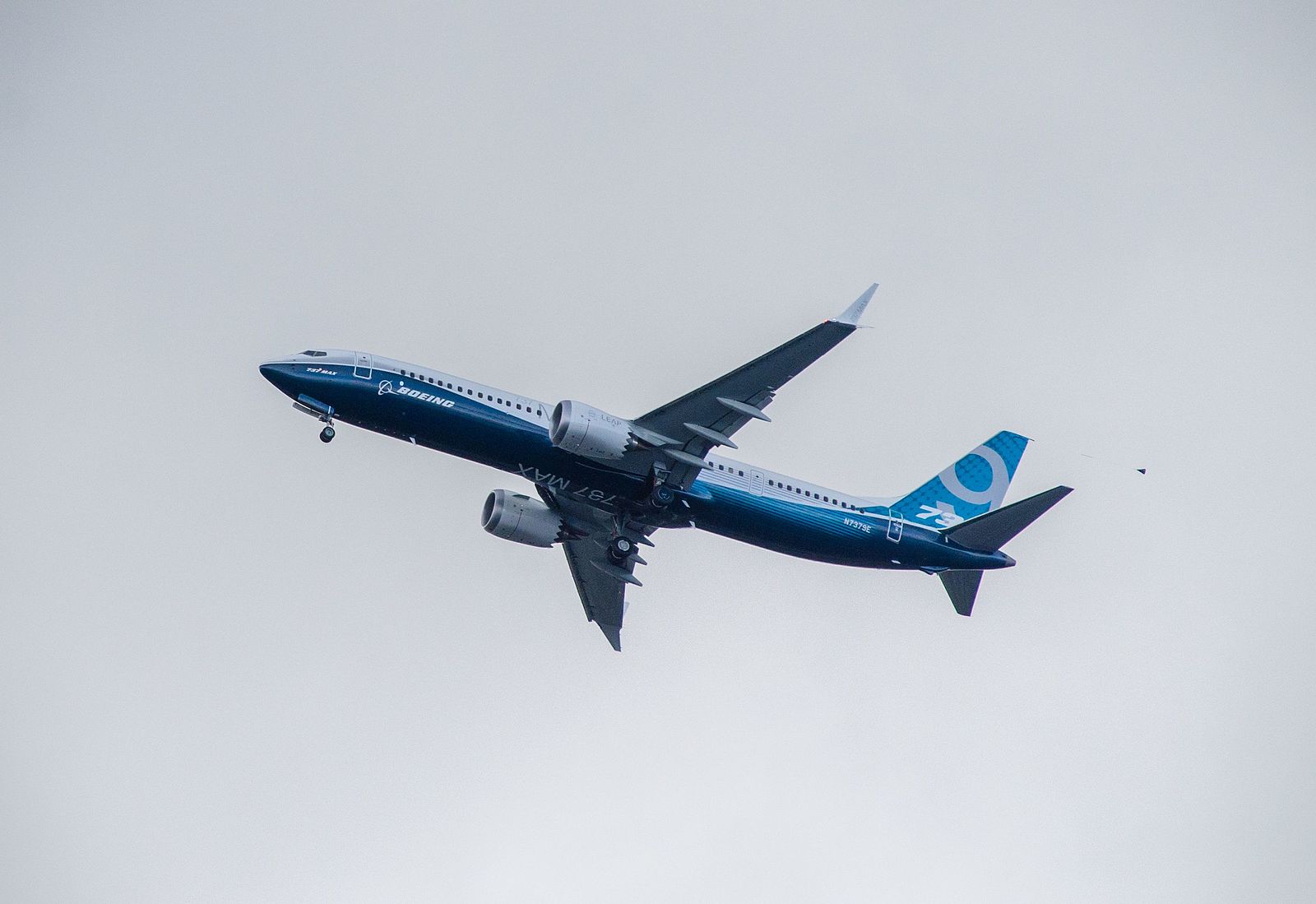
For example, $17 billion in loan funds are set aside for “businesses deemed critical to maintaining national security. While Boeing isn’t mentioned by name, the Washington Post quoted a confidential source who says this money is partly set aside for Boeing.
This is the same Boeing that manufactured faulty, crashing planes. And they’ve imperiously said they will take assistance only on their terms. Some think the federal government should take an equity stake in companies that get bailout funds. Boeing’s CEO said he wasn’t interested in such a deal. If the feds wanted to play hardball, they’d force Boeing into bankruptcy, since bankruptcy doesn’t mean the cessation of operations, it means the restructuring of debt.
Meanwhile, there’s no helpful fine print for ordinary people. Sure, people will get $1200 checks, plus $500 per child. That’s better than nothing, but compared to Boeing’s billions, it’s pennies. The ability to get unemployment insurance for extra weeks will also be helpful for those who lose their jobs.
More food stamp funds will be available. But there is some confusion over whether gig workers will get the benefit. Instead, it seems that those who have good jobs will get great benefits, while those who have part-time jobs, gig jobs, or are unemployed won’t get much. As Congressman Amash says, this stimulus package will widen the wealth gap.
Inequality is at the very foundation of our economic system, so it isn’t surprising that the coronavirus stimulus package reflects the biases that are hard-wired into our system.
We need committed, vocal, progressive members of Congress (Maxine Waters, Barbara Lee, Ayana Pressley, Bobby Scott, AOC, and others) to shine a bright light on this inequality, and to either modify the legislation or develop legislation to address some of these inequalities.
On March 23, Congresswoman Nita Lowey (D-NY) introduced HR 6379, the Take Responsibility for Workers and Families Act, that provides protections for workers and families mostly because the stimulus package does not. And there is a rush to pass the stimulus quickly as more and more people are out of work.
Stimulate the economy if you will, but don’t ignore the people on the bottom. If we are injecting $2.2 trillion into our lagging economy, make sure that some of it trickles down the poor.
Dr. Julianne Malveaux is an economist, author, media contributor and educator. Her latest project MALVEAUX! On UDCTV is available on youtube.com. For booking, wholesale inquiries or for more info visit www.juliannemalveaux.com









Activism
Oakland Post: Week of September 23 – 29, 2026
The printed Weekly Edition of the Oakland Post: Week of September 23 – 29, 2026


To enlarge your view of this issue, use the slider, magnifying glass icon or full page icon in the lower right corner of the browser window.

Activism
Oakland Post: Week of September 16 – 22, 2026
The printed Weekly Edition of the Oakland Post: Week of September 16 – 22, 2026

To enlarge your view of this issue, use the slider, magnifying glass icon or full page icon in the lower right corner of the browser window.
Activism
Oakland Post: Week of September 9 – 15, 2026
The printed Weekly Edition of the Oakland Post: Week of September 9 – 15, 2026

To enlarge your view of this issue, use the slider, magnifying glass icon or full page icon in the lower right corner of the browser window.



Asm. Corey Jackson Announces Launch of 24-Hour Childcare in His District

IN MEMORIAM: The Rev. Leon “Sonny” Clark, Longtime Orange County Pastor and Community Leader, Dies at 72

Poll: Becerra Widens His Lead Over Hilton; Californians Split on Wealth Tax

From Historic Memories to New Possibilities: Oakland Celebrates Coliseum 60

County Office of Education Says OUSD Finances Are Getting Healthier, Materially Stronger

LIVE FREE Sunday Dinner Brings Faith, Fellowship and Civic Conversation to Oakland

Remembering Chauncey Bailey as Student Journalists Face Threats to Truth-Telling

BLACspace Cooperative Invites Bay Area to Experience Oakland’s Black Cultural Ecosystem Through a BLAC Map Tour + Party

In Wake of Death on Doorstep, Williams Chapel Baptist Church Calls for Better Care, Funding for Unhoused

Oakland Centenarian Nuna McKee Honored!

Caribbean Nations Produce Action Plan Calling for UK Reparations Over Slavery

Oakland Post: Week of September 23 – 29, 2026

Doulas Are Helping Black California Moms Navigate Pregnancy–Even as High Mortality Rates Persist

Newsom Signs Addictive Social Media Law to Protect Kids

On Your November Ballot: Prop 38 Would Allocate $8.4 Billion to Immunology and Immunotherapy Funding

Four Candidates, Including Incumbent Barbara Lee, Qualify for Oakland Mayor’s Race

Standoff for Justice: Our Homes Are Worth Fighting For

Oakland Post: Week of August 26 – September 1, 2026

Frontier Airlines’ Return to Oakland Airport Brings Flights, Jobs and Opportunity

Gubernatorial Candidate Steve Hilton Blasts California New Tire Rules; Newsom Hits Back

Chef Sharon Lee Blends Culinary Excellence, Education and Empowerment

Jackie Wright Champions Bay Area Stories, Filmmakers and Cultural Institutions

Big City Mayors Ask for “Yes” Vote on Housing Bond Measure; Conservatives Say “No”

Gov. Newsom’s Latest Appointees Include Sacramento Advocate for Formerly Incarcerated Students; State’s New Tech Chief

Oakland Coliseum Project Opens Door for Small Businesses to Build Bigger

Misnamed ‘Parent’ PAC Seeks to Influence Oakland School Board Elections

Longtime BWOPA Member Brendalyn Goodall Appointed to California Workforce Development Board

Gov. Newsom Signs Law Shielding Immigration Aid Workers From Doxing Threats

Secretary of State Shirley N. Weber Urges Californians to Vote Early as Voter ID Battle Intensifies

From Palestine to Oakland: Seeds for Liberation Examines Shared Struggles for Freedom

The Conversation With Al McFarlane 6/23/26

Media Monday 6/22/26

LIVE! ASK ALMA! — TUES. 6.23.26 7PM EST

Car Buying Secrets: 4 Hidden Checks Before You Sign!

Is This 550 HP Charger Worth YOUR Money? AutoNetwork Review

Celebrating Juneteenth – Frederick Douglass on education and resistance

LIVE! — ASK ALMA! — TUES. 6.19.26 7PM EST

Hyundai Ioniq 5 Parking, Safety, and 360 View #shorts

2025 Ioniq 5 New Wiper & Powerful Performance! #shorts

Electric SUV Range: Is 259 Miles Enough? #shorts

EV Charging: How Fast Can You Charge an Electric Vehicle? #shorts

Biometric Cooling… Messaging Seats…Come on! 2025 Infiniti QX80 Autograph 4WD

Charged Up: Witness the Magic of a Fully Electric Car! #shorts

Range Rover Sport PHEV Included…: See What’s Inside This Luxury SUV! #shorts

Invisible Hood View: Perfect Parking with X-Ray Vision! #shorts
-
 Business4 weeks ago
Chef Sharon Lee Blends Culinary Excellence, Education and Empowerment
-
 Black History4 weeks ago
Jackie Wright Champions Bay Area Stories, Filmmakers and Cultural Institutions
-
 Community4 weeks ago
Big City Mayors Ask for “Yes” Vote on Housing Bond Measure; Conservatives Say “No”
-
 Community2 weeks ago
Misnamed ‘Parent’ PAC Seeks to Influence Oakland School Board Elections
-
 Business4 weeks ago
Longtime BWOPA Member Brendalyn Goodall Appointed to California Workforce Development Board
-
 Community4 weeks ago
Gov. Newsom Signs Law Shielding Immigration Aid Workers From Doxing Threats
-

 Activism3 weeks ago
Oakland Post: Week of September 2 – 8, 2026
-
 Featured4 weeks ago
‘Passing a Law Isn’t The Finish Line’: California Assembly Evaluates Implementation, Results
