
#NNPA BlackPress
OP-ED The Youth Voice Shouldn’t Be Optional — It Should Be Mandatory
BLACKPRESSUSA NEWSWIRE—Every town hall, policy hearing, and community roundtable on the future consistently ignores one group: our youth. We speak about their future, legislate around their needs, and implement policies that will directly shape the trajectory of their lives—but rarely do we fully invite them into the room. And even when we do, it’s often […]

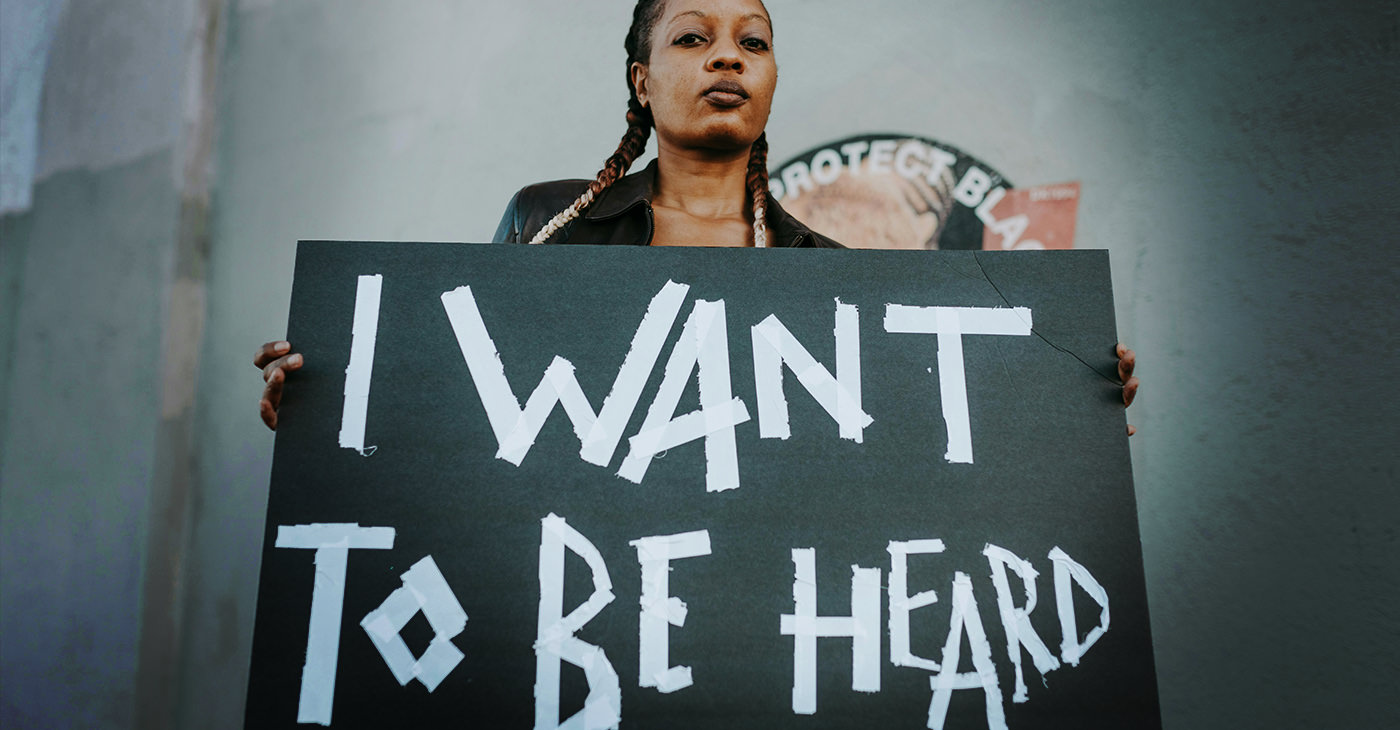
BLACKPRESSUSA NEWSWIRE—Every town hall, policy hearing, and community roundtable on the future consistently ignores one group: our youth.
We speak about their future, legislate around their needs, and implement policies that will directly shape the trajectory of their lives—but rarely do we fully invite them into the room. And even when we do, it’s often symbolic. A token seat, a moment at the mic, a photo op for the press. That isn’t inclusion. Its performance.
Let’s be clear: the youth voice shouldn’t be optional. It should be mandatory.
Young people aren’t just observing the consequences of today’s decisions—they’re living them. They ride overcrowded and sometimes unsafe school buses. They sit in classrooms impacted by teacher shortages and crumbling infrastructure. They grow up in communities where access to healthy food, affordable housing, and stable internet remains inconsistent. Many witness their families struggling with the rising cost of living, gun violence, and health care disparities. They feel the effects of climate change not in theory, but in their everyday lives—through record heatwaves, flooding, and school closures.
And yet, when it comes to shaping the policies that address these challenges, youth are too often told to “wait their turn,” as if civic responsibility and political voice have an age restriction.

The truth is, young people already have the passion, the clarity, and the power to lead. What they lack is access.
We must stop treating youth engagement as a feel-good checkbox or a public relations gesture. When students organize national walkouts demanding safer schools, when teen activists speak at climate summits or testify before Congress, and when young entrepreneurs launch nonprofits and tech solutions to tackle inequality, they are modeling exactly the kind of leadership we say we want—not someday, but now.
Real Youth Leadership Across the Nation
Across the country, young people are stepping up—and making a measurable impact:
- In Chicago, youth involved in the Mikva Challenge have helped shape city budget priorities and criminal justice reform through youth policy councils embedded in government.
- In Oakland, student organizers successfully lobbied for the elimination of school police, leading to a reinvestment in student support services and restorative justice programs.
- In Florida, the March For Our Lives movement—founded by high school students in the aftermath of the Parkland shooting—has transformed national conversations on gun safety and led to new state and federal legislation.
- In Alaska, young Indigenous leaders are pushing for climate justice and land protection, blending traditional knowledge with modern advocacy.
These aren’t fringe examples. These are proof points that when we empower youth with tools, access, and decision-making authority, everyone benefits.
As 17-year-old activist Naila Williams of New York said during a youth policy summit, “We are not the leaders of tomorrow. We are the leaders right now. Tomorrow isn’t promised—but our futures are already being negotiated.”
What the Data Shows
According to the Center for Information and Research on Civic Learning and Engagement (CIRCLE) at Tufts University:
- Communities that actively integrate youth in decision-making—through school boards, advisory councils, or participatory budgeting—see higher civic engagement, better school attendance, and more equitable policy outcomes.
- In Takoma Park, Maryland, 16- and 17-year-olds were granted the right to vote in municipal elections, and in the first year, they turned out at twice the turnout rate of older voters.
- States and districts that invest in youth leadership programs, like California’s Youth Empowerment Commission or Boston’s Youth Council, report stronger trust between youth and government and increased diversity in leadership pipelines.
These outcomes are not abstract. They are the direct result of institutionalizing youth voice—not just inviting it.
Building a Culture of Youth Power
Imagine every city council, school board, and state legislature with a required youth representative—empowered, trained, and given real voting authority. Imagine town halls held at high schools, not just country clubs. Imagine public budgets co-developed by youth and adult stakeholders. This isn’t a radical vision. It’s what authentic democracy should look like.
Youth engagement must be woven into the structure of our institutions: government, philanthropy, nonprofits, media, and business. That means funding leadership training, creating pathways from classrooms to boardrooms, and ensuring youth can serve on commissions, task forces, and legislative bodies—with pay, mentorship, and real influence.
This also means rethinking how we define expertise. Experience is not just something gained over decades—it’s also lived daily by the 14-year-old facing housing insecurity, or the 19-year-old leading a climate strike, or the 16-year-old navigating mental health care for themselves and their peers. These experiences deserve weight in decision-making rooms.
The Stakes Are Too High to Exclude the Youth Voice
As someone who has worked in education, run after-school programs, and partnered with youth nationwide, I’ve seen firsthand the brilliance and urgency that young people bring when given the space to lead. I’ve also seen how often that brilliance is overlooked because of outdated hierarchies, adultism, or fear of disruption.
But disruption is exactly what we need.
This is not about giving young people a seat at a table we’ve already set. It’s about rebuilding the table with their leadership as part of its foundation.
The issues facing our country—economic inequality, gun violence, climate change, and the erosion of democracy—are too urgent for incrementalism. If we want real, sustainable, forward-thinking solutions, we need to listen to those who will live with the consequences of every decision we make.
Young people are ready. They’ve been ready. The only question is: Are we ready to follow their lead?
It’s time we stop treating youth engagement as a luxury, a side project, or a one-time grant-funded initiative. The youth voice isn’t charity. It’s not extra. It’s a necessity.


#NNPA BlackPress
OP-ED: The Dream Cannot be Realized Without Financial Freedom
NNPA NEWSWIRE — Dr. King spent the final chapter of his life pushing the country to face economic injustice. The day before he was tragically assassinated, Dr. King stood with sanitation workers in Memphis to call for economic equality. He helped launch the Poor People’s Campaign because he knew freedom hollowed out by poverty is not freedom at all. Dr. King kept pushing America to match its promises with practical pathways.


By Ben Crump
We honor Dr. Martin Luther King Jr. each January with speeches, service projects, and by reciting powerful quotes we know by heart.
But too many Black families will spend much of MLK Day the same way they spend most Mondays.
With the gas tank hovering near empty, hoping the car can go until the next paycheck arrives. With a prescription waiting at the pharmacy counter because they cannot afford the cost.
With a paycheck that has to stretch further than what seems possible.
Dr. King understood that true dignity means being able to afford and build a good life. In one of his clearest reminders, he asked what it means to “eat at an integrated lunch counter” if you cannot “buy a hamburger and a cup of coffee.”
That question still carries weight for many. Personal freedom will not be achieved without financial freedom.
Dr. King spent the final chapter of his life pushing the country to face economic injustice. The day before he was tragically assassinated, Dr. King stood with sanitation workers in Memphis to call for economic equality. He helped launch the Poor People’s Campaign because he knew freedom hollowed out by poverty is not freedom at all. Dr. King kept pushing America to match its promises with practical pathways.
That is the part of his legacy we should sit with this MLK Day.
This work has never been more important or needed. The cost of groceries, rent, and childcare have become an increased burden. And many families go from stable to scrambling with just one unexpected expense.
These realities are on display in a recent national survey commissioned by DreamFi, echoing what so many families already feel so deeply. More than one in four respondents told us they used check-cashing services in the past year. This finding makes it clear that too many households still need simpler and more accessible options for moving money.
The survey also shows how unexpected expenses impact families. Only 41% of Black respondents said they could cover a $1,000 emergency, compared with 56% of white respondents. When a tire blows out, when a child gets sick, when hours get cut, the question is not theoretical. The question is immediate and the impact is real.
We must shine a light on this struggle and work to equip families with tools to build better futures. We must recognize Dr. King’s wisdom and acknowledge that financial stability is a civil rights issue, because financial instability limits the ability to have choices.
The survey also found hope that can guide how we move forward.
Black families are not turning away from the idea of building stability. In fact, they are reaching for it. In the survey, 79% of Black respondents said they sought out financial education in the past six months. Ours is a community hungry for tools and a fair shot at creating a better tomorrow.
So, what does it mean to honor Dr. King right now?
It means we get practical.
It means we expand access to clear, trustworthy financial education that respects people’s time and speaks to real solutions. It means we support savings pathways that help families prepare for emergencies before emergencies arrive. It means we encourage options that make routine transactions easier and less costly, so a family is not paying extra simply to manage their own money.
Most of all, it means we stop treating financial instability as normal. Because normal is not the same as acceptable.
Dr. King asked America to make its promises real. The best way to honor him now is to provide opportunities for everyone to achieve Dr. King’s dream.
Ben Crump is a nationally renowned civil rights attorney and founder of Ben Crump Law. Known as “Black America’s attorney general,” he has represented families in some of the most high-profile civil rights cases of our time, including those of George Floyd, Breonna Taylor, Tyre Nichols, and Ahmaud Arbery. He is also co-founder of DreamFi, a financial empowerment platform focused on helping everyday people build stability through practical resources.

#NNPA BlackPress
Four Stolen Futures: Will H-E-B Do The Right Thing?
BLACKPRESSUSA – An 18-wheeler carrying H-E-B merchandise struck a disabled car on US 87 near Dalhart, resulting in the deaths of four young Texas women. Dashcam footage shows their hazard lights flashing before impact. As H-E-B points to subsidiary distance, families wait for accountability.
By TotallyRandie
Social Media Correspondent, BlackPressUSA
Eighty thousand pounds of steel doesn’t just collide—it obliterates. While corporate lawyers hide behind the sterile jargon of liability and subsidiaries, four Houston families are left haunted by viral footage of a tragedy that should never have happened. On November 5, 2025, a stretch of US 87 became a crime scene of corporate negligence, claiming four vibrant Texan futures in a heartbeat.
The dashcam footage is a nightmare in real-time. A black Nissan Altima, hazards blinking in a desperate plea for space, crawls along the right lane near Dalhart. The four young women inside did exactly what we are taught to do during an emergency: slowed down and put on hazards. They were then met by an 18-wheeler hauling H-E-B merchandise. The truck plowed into them at full speed—no brakes, no swerve, no mercy.
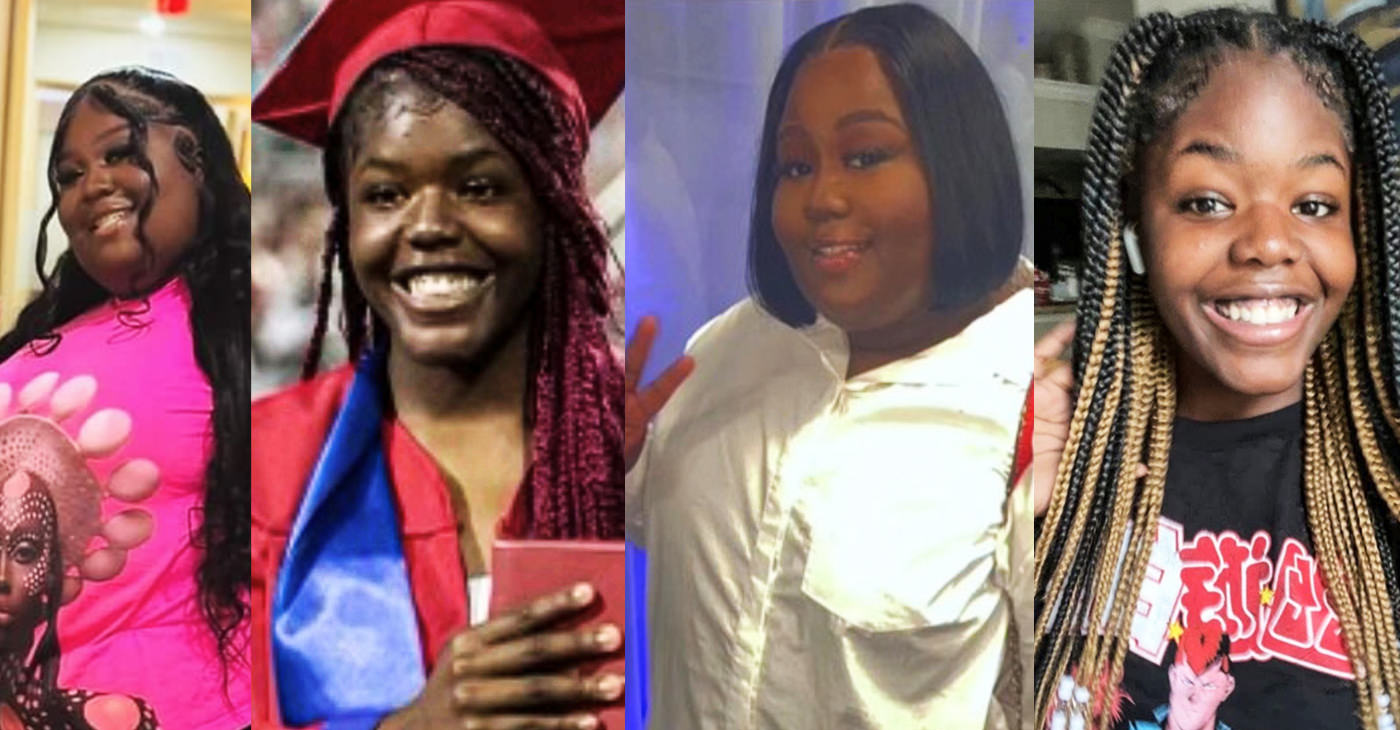
The lives of Breanna Brantley, Taylor White, Myunique Johnson, and Lakeisha Brown were not just lost; they were stolen. To understand the gravity of this loss, you have to realize these women were just starting their lives.
-
Breanna Brantley (30): A woman entering the prime of her life, a new chapter of wisdom and growth.
-
Taylor White (27): A wanderlust traveler and the “glue” for her younger siblings; she was their primary mother figure.
-
Myunique Johnson (20): Affectionately known as Mimi. Her life was just starting to bloom
-
Lakeisha Brown (19): A basketball standout set for Blinn College this spring—the beacon of hope meant to rewrite her family’s financial history.
In Texas, political math often attempts to cap the value of a human life, but the $250,000 ceiling suggested by current tort reform is an insult to these families. Breanna, Taylor, Myunique, and Lakeisha were more than just Black women; they were daughters, sisters, and athletes whose lives were abruptly taken away. They deserved milestones—graduations, weddings, and the simple right to grow old—not to be reduced to an apology for a “tragic loss.”
While the dashcam footage suggests an open-and-shut case, Attorney Rodney Jones of Rodney Jones Law Group P.C. revealed in our exclusive interview that reality is far more tangled. The road to justice could be a long, drawn-out process depending on how HEB decides to handle the case.
“This is a senseless accident that could have easily been prevented,” Jones says. “They had the right to possess that lane, and that truck driver had the responsibility to pay attention”. H-E-B is a Texas institution, but its response has triggered deep public outcry. While issuing an apology, the company quickly distanced itself, claiming the carrier wasn’t a “direct” H-E-B truck—despite hauling H-E-B products and being operated by Parkway, a known H-E-B subsidiary.
The driver, Guadalupe Villarreal, reportedly has a history of speeding and prior rear-end accidents. Jones is firm: “I’m looking strictly at his ability to be behind that 18-wheeler. This is a simple matter of a grossly negligent driver and the companies that put him on the road being held accountable.”
“H-E-B can’t bring them back, but they can make sure this never happens again,” Jones argues. “There is no price for a life, but there must be a price for negligence. It’s time for H-E-B to stop pointing fingers and start vetting their drivers properly to protect the public.”
While the public demands criminal charges, Jones notes that the legal wheel turns slowly. However, in the civil arena, H-E-B’s silence is deafening; the company has yet to contact the families directly.
“We desire a speedy resolution so we don’t have to drag this out,” Jones concluded. “H-E-B is a beloved chain here in Texas. Hopefully, they come to the table to resolve this fast. I feel like the longer they make these families wait for closure, the more it should cost.”
The ball is in H-E-B’s court. Will they live up to the Texas-strong values they advertise, or will they let a legal loophole define their legacy?



Bell @TotallyRandie
Multimedia Correspondent & Digital Creator
BlackPressUsa.Com/TotallyRandie.com /Stylemagazine.com
#NNPA BlackPress
Travis Scott Teaches Us How to Give Forward
BLACKPRESSUSA NEWSWIRE It’s not just about the gift under the tree in December; it’s about the skills, the confidence, and the opportunities provided in the months leading up to it.
By TotallyRandie
The fourth quarter of the year is often dubbed “giving season,” and for good reason. As October fades into November, the cultural zeitgeist shifts toward gratitude and the spirit of the holidays. For most, this means making a yearly donation to a local food bank or participating in a toy drive for the less fortunate. But for Houston’s own Travis Scott, “giving season” isn’t a seasonal trend—it’s a sophisticated, year-round blueprint for community empowerment.
Since launching the Cactus Jack Foundation in November 2020 alongside his sister, Jordan Webster, Scott has moved beyond the traditional celebrity check-writing model. While the world watches his every move on global stages, his foundation has been quietly and consistently pouring into the soil that raised him. Whether it’s supporting SWAC baseball athletes or funding the Waymon Webster Scholarship Fund for HBCU students, the mission is clear: provide the resources for the next generation to not just survive, but to lead.
From the Streets to the Stars
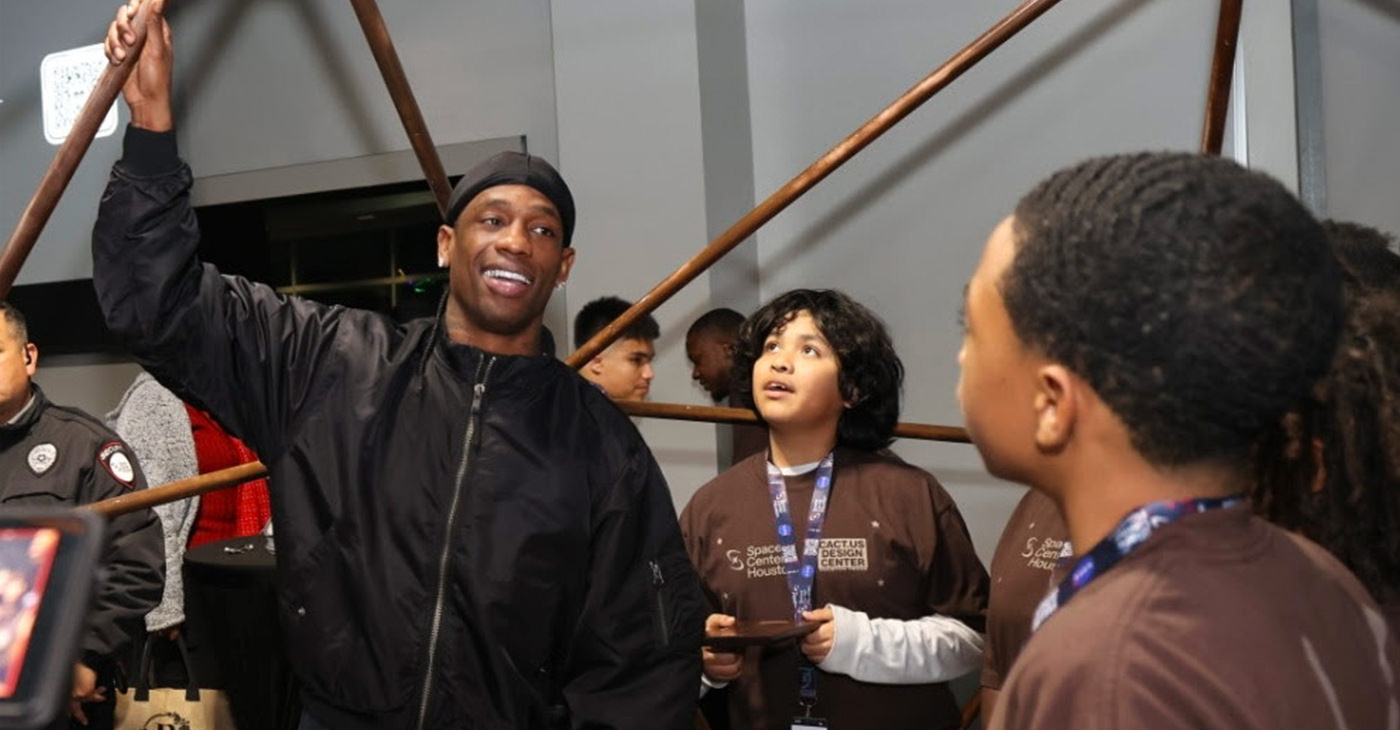
This past fall, the foundation took its most ambitious leap yet. In October 2025, Cactus Jack partnered with Space Center Houston—the official visitor center of NASA Johnson Space Center—to launch a first-of-its-kind STEM incubator.
The program was specifically designed for students within the Houston Independent School District (HISD), many of whom come from underserved communities where a career in aerospace often feels like a light-year away. For eight weeks, these middle schoolers weren’t just reading about science; they were living it.
Through a mix of virtual workshops and hands-on sessions at the Cact.Us Design Center and TXRX Labs, students were paired with actual NASA engineers. They weren’t tasked with busywork; they were challenged to solve real-world problems of space habitation, including:
- Lunar Water Filtration: Designing systems to purify water on the moon.
- Space Habitats: Creating structures designed for food preservation in extreme environments.
- Robotics: Developing rovers capable of navigating uneven lunar terrain.
The Power of Being Present
The program culminated in a private showcase at Space Center Houston this past December. Standing alongside retired NASA astronaut and Chief Science Officer Megan McArthur, Scott watched as HISD students presented high-fidelity prototypes. In that room, the disparity usually associated with these neighborhoods vanished, replaced by the technical language of CAD modeling and systems thinking.
But the work didn’t stop at the laboratory. The 6th Annual “Winter Wonderland Toy Drive” at Texas Southern University took place the very next day, showcasing the foundation’s dual-threat approach to philanthropy. While the STEM program looked toward the future, the toy drive took care of the present, putting smiles on the faces of thousands of Houston families with toys, groceries, and essential goods.
“Opportunities like this are being offered to help enrich our students’ lives and inspire them to pursue careers in fields where they can not only thrive but also bring back solutions to their communities.” — Travis Scott
More Than a Headline
Critics and social media skeptics often tweet that “Travis Scott is everywhere but Houston.” The data and the faces of the students at Space Center Houston suggest otherwise. While his music may be a global export, his legacy is being built brick by brick (and circuit by circuit) in HISD classrooms.
By bridging the gap between hip-hop culture and NASA’s high-tech corridors, the Cactus Jack Foundation is teaching us a vital lesson in giving forward. It’s not just about the gift under the tree in December; it’s about the skills, the confidence, and the “out of this world” opportunities provided in the months leading up to it.
Travis Scott may be a global icon, but in Houston, he’s becoming something much more important: a catalyst for the next generation of innovators.

Bell @TotallyRandie
Multi-Media Correspondent & Digital Creator
BlackPressUsa.Com/TotallyRandie.com /Stylemagazine.com
WORK FROM HOME
Home-based business with potential monthly income of $10K+ per month. A proven training system and website provided to maximize business effectiveness. Perfect job to earn side and primary income. Contact Lynne for more details: Lynne4npusa@gmail.com 800-334-0540


Oakland Post: Week of January 21 – 27, 2026

OP-ED: The Dream Cannot be Realized Without Financial Freedom

Four Stolen Futures: Will H-E-B Do The Right Thing?

Travis Scott Teaches Us How to Give Forward

COMMENTARY: With Gratitude and Praise for 2026

Jefferson County (AL) Democrats Open Qualifying for 2026 Primary Elections

Skater Emmanuel Savary Sharpens Routines for the 2026 U.S. Championships

From Civil Rights to ICE Raids, Trump’s Unchecked Power Puts Every Community at Risk
From Civil Rights to ICE Raids, Trump’s Unchecked Power Puts Every Community at Risk

Street Lines: 2025 Jeep Wagoneer S Limited 4XE

Street Lines: 2025 Jeep Wagoneer S Limited 4XE

Newsom’s Finance Director Joe Stephenshaw Opens 2026-27 Budget Debate with Cautious Plan

At Harvard, a Black Dean Falls as Trump’s War on Equity Tightens

LaKeith Stanfield Joins Jonathan Anderson’s Expanding Dior Men’s Universe

Lynn Jones-Turpin and the Jacksonville Free Press Are Not Fake #BlackPressIsRealPress

Desmond Gumbs — Visionary Founder, Mentor, and Builder of Opportunity

Bling It On: Holiday Lights Brighten Dark Nights All Around the Bay

OP-ED: AB 1349 Puts Corporate Power Over Community

Black Arts Movement Business District Named New Cultural District in California

Oakland Council Expands Citywide Security Cameras Despite Major Opposition

Oakland Post: Week of December 17 – 23, 2025
Oakland Post: Week of December 24 – 30, 2025

Lu Lu’s House is Not Just Toying Around with the Community

Alfred Cralle: Inventor of the Ice Cream Scoop

Families Across the U.S. Are Facing an ‘Affordability Crisis,’ Says United Way Bay Area

First 5 Alameda County Distributes Over $8 Million in First Wave of Critical Relief Funds for Historically Underpaid Caregivers

Oakland Post: Week of December 31, 2025 – January 6, 2026

2025 in Review: Seven Questions for Assemblymember Lori Wilson — Advocate for Equity, the Environment, and More

COMMENTARY: When Trump’s White House Chief of Staff Susie Wiles Tells the Truth

Big God Ministry Gives Away Toys in Marin City

Hyundai Ioniq 5 Parking, Safety, and 360 View #shorts

2025 Ioniq 5 New Wiper & Powerful Performance! #shorts

Electric SUV Range: Is 259 Miles Enough? #shorts

EV Charging: How Fast Can You Charge an Electric Vehicle? #shorts

Biometric Cooling… Messaging Seats…Come on! 2025 Infiniti QX80 Autograph 4WD

Charged Up: Witness the Magic of a Fully Electric Car! #shorts

Range Rover Sport PHEV Included…: See What’s Inside This Luxury SUV! #shorts

Invisible Hood View: Perfect Parking with X-Ray Vision! #shorts

AI Is Reshaping Black Healthcare: Promise, Peril, and the Push for Improved Results in California

ESSAY: Technology and Medicine, a Primary Care Point of View

Sanctuary Cities

The RESISTANCE – FREEDOM NOW

STATE OF THE PEOPLE: Freddie

ECONOMIC BOYCOTT DAY!!!!!

I told You So
-
 Activism3 weeks ago
OP-ED: AB 1349 Puts Corporate Power Over Community
-
 Activism4 weeks ago
Oakland Post: Week of December 31, 2025 – January 6, 2026
-
 Activism3 weeks ago
Why Peace on Earth Begins with Birth, a Q&A with Midwife Nikki Helms
-
 Activism3 weeks ago
Protecting California’s Black Moms and Babies: Policies and Programs Struggle to Fix Deep-Rooted Maternal Health Inequities
-
 #NNPA BlackPress2 weeks ago
Jefferson County (AL) Democrats Open Qualifying for 2026 Primary Elections
-
 #NNPA BlackPress2 weeks ago
COMMENTARY: With Gratitude and Praise for 2026
-
 #NNPA BlackPress2 weeks ago
From Civil Rights to ICE Raids, Trump’s Unchecked Power Puts Every Community at Risk
-
 #NNPA BlackPress2 weeks ago
Travis Scott Teaches Us How to Give Forward
