
Activism
OP-ED Early Detection Saved My Life from Prostate Cancer
Twice. That is how many times I have had to battle cancer. I still consider myself very fortunate, although surviving a disease that is expected to kill nearly 609,820 Americans this year is not a matter of luck. The fact is that cancer screenings can help save lives.

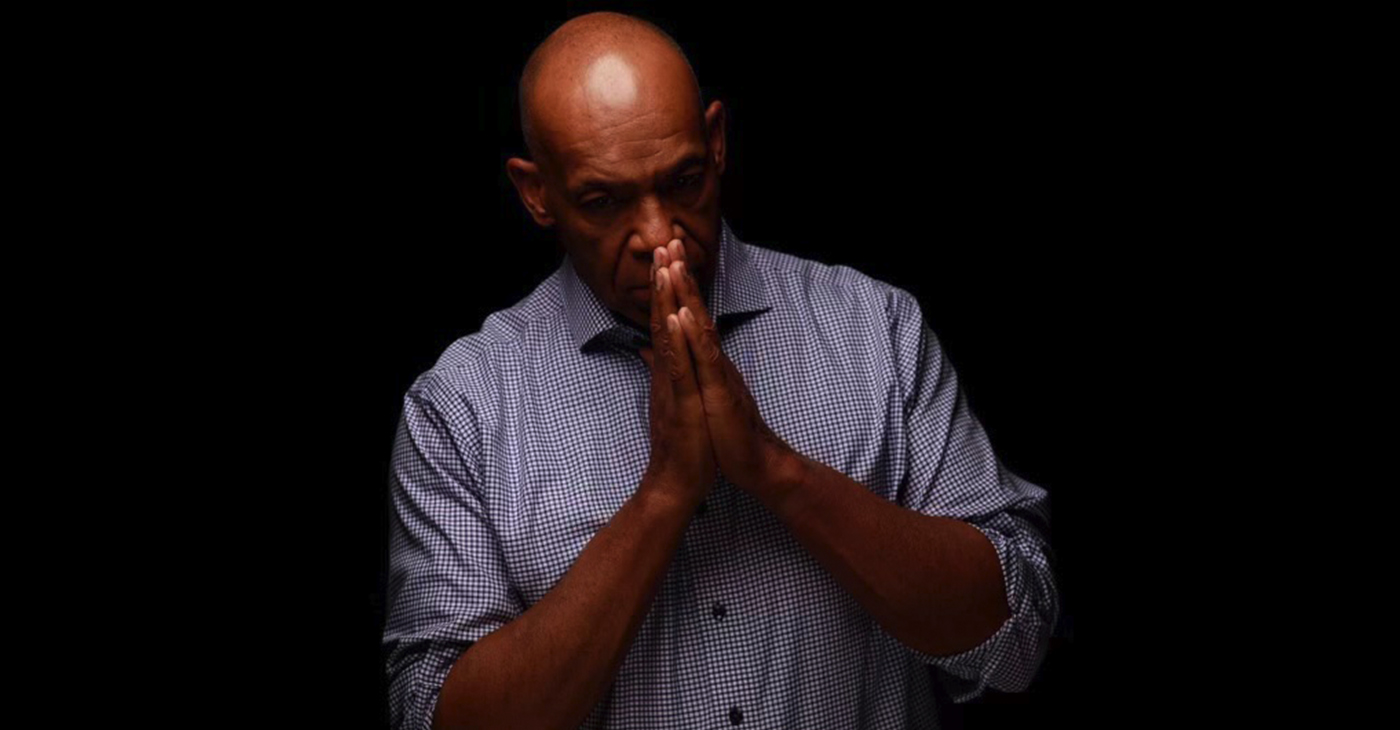
By David Ford, Special to NNPA Newswire
Twice. That is how many times I have had to battle cancer.
I still consider myself very fortunate, although surviving a disease that is expected to kill nearly 609,820 Americans this year is not a matter of luck. The fact is that cancer screenings can help save lives.
When I was diagnosed with prostate cancer, I thought my prospects were dire. According to the American Cancer Society, prostate cancer incidence among Black men is more than 70% higher than in white men, and Black men are more than twice as likely to die from prostate cancer than white men. In fact, Black men have the highest death rate for prostate cancer of any racial or ethnic group in the U.S.
Thankfully, my prostate cancer was detected early. Three years prior, a tumor ruptured my colon, which is how I learned I had colorectal cancer. Had I heeded my doctor’s recommendation to undergo a colonoscopy months before, I could have had the tumor removed and prevented it from causing additional damage.
I learned that early detection is key to surviving cancer, so I prioritized my physical exams and cancer screenings. In 2018, elevated prostate-specific antigen (PSA) test results signaled the potential for prostate cancer, and a biopsy confirmed it. I started my radiation treatment right away. Today, I am in remission.
Prostate cancer accounts for more than a third of all new cancers in Black men. Now this is what I want you to remember: when prostate cancer is found early, the five-year survival rate is nearly 100%. However, the likelihood of survival drops to 32% when it is found in its advanced stages.
This means that a future generation with zero deaths from prostate cancer is not a dream but an attainable goal IF the people who need cancer screenings can get them.
It also means that more lives can be saved if the disease is detected and treated early when treatment is more effective and less expensive.
Unfortunately, Black people generally have lower rates of cancer screening, likely due to factors such as having less access to care, lower likelihood of doctor recommendation and medical mistrust.
Out-of-pocket costs can also be a barrier to accessing screening.
As a prostate cancer survivor and member of the American Cancer Society Cancer Action Network’s (ACS CAN) Board of Directors, I believe that everyone should have a fair and just opportunity to prevent, detect, treat, and survive cancer.
I know that having equitable access to screening is critical to reducing prostate cancer deaths and saving more lives, especially in the Black community.
That’s why I’m glad to see that there’s a bill before Congress that would help remove cost barriers to prostate cancer screening for men at high risk for the disease, the Prostate-Specific Antigen Screening for High-risk Insured Men (PSA Screening for HIM) Act.
Introduced by Representatives Larry Bucshon, M.D. (R-IN), and Yvette Clarke (D-NY) and Senators Cory Booker (D-NJ) and John Boozman (R-AR), this bipartisan bill would waive cost-sharing requirements for prostate cancer screenings for men with the highest risk of prostate cancer, focusing on Black men and those with a family history of the disease.
If the bill is passed it means that men at high risk of being diagnosed with prostate cancer would be able to get prostate cancer screenings without out-of-pocket costs, such as deductibles, copayments, or coinsurances.
Our elected officials play a vital role in helping reduce the cancer burden and persistent disparities by advancing public health policies that improve access to prevention and early detection services.
As part of ACS CAN’s Leadership Summit and Lobby Day, I traveled to Washington, D.C. recently to meet with members of Congress to urge them to support the PSA Screening for HIM Act.
Passing this legislation is a crucial step to saving more lives from prostate cancer. It would also help address the unjust and unacceptable cancer disparities in the Black community.
Everyone at high risk for prostate cancer who has made an informed decision with their doctor to get screened should have access to that screening without cost-sharing posing an obstacle.
My plea to all men — Black men in particular — is to get your regular checkups, talk to your doctor about the benefits and limitations of PSA screening, and urge your Congressional representatives to support the PSA Screening for HIM Act. If health is wealth, consider this practice part of your legacy.
David Ford is a dedicated cancer advocate and currently serves as a member of the Board of Directors of the American Cancer Society Cancer Action Network (ACS CAN), the advocacy affiliate for the American Cancer Society.














Activism
Oakland Post: Week of September 23 – 29, 2026
The printed Weekly Edition of the Oakland Post: Week of September 23 – 29, 2026

To enlarge your view of this issue, use the slider, magnifying glass icon or full page icon in the lower right corner of the browser window.
Activism
Oakland Post: Week of September 16 – 22, 2026
The printed Weekly Edition of the Oakland Post: Week of September 16 – 22, 2026

To enlarge your view of this issue, use the slider, magnifying glass icon or full page icon in the lower right corner of the browser window.
Activism
Oakland Post: Week of September 9 – 15, 2026
The printed Weekly Edition of the Oakland Post: Week of September 9 – 15, 2026

To enlarge your view of this issue, use the slider, magnifying glass icon or full page icon in the lower right corner of the browser window.



Asm. Corey Jackson Announces Launch of 24-Hour Childcare in His District

IN MEMORIAM: The Rev. Leon “Sonny” Clark, Longtime Orange County Pastor and Community Leader, Dies at 72

Poll: Becerra Widens His Lead Over Hilton; Californians Split on Wealth Tax

From Historic Memories to New Possibilities: Oakland Celebrates Coliseum 60

County Office of Education Says OUSD Finances Are Getting Healthier, Materially Stronger

LIVE FREE Sunday Dinner Brings Faith, Fellowship and Civic Conversation to Oakland

Remembering Chauncey Bailey as Student Journalists Face Threats to Truth-Telling

BLACspace Cooperative Invites Bay Area to Experience Oakland’s Black Cultural Ecosystem Through a BLAC Map Tour + Party

In Wake of Death on Doorstep, Williams Chapel Baptist Church Calls for Better Care, Funding for Unhoused

Oakland Centenarian Nuna McKee Honored!

Caribbean Nations Produce Action Plan Calling for UK Reparations Over Slavery

Oakland Post: Week of September 23 – 29, 2026

Doulas Are Helping Black California Moms Navigate Pregnancy–Even as High Mortality Rates Persist

Newsom Signs Addictive Social Media Law to Protect Kids

On Your November Ballot: Prop 38 Would Allocate $8.4 Billion to Immunology and Immunotherapy Funding

Less Affluent School Districts, Including Sacramento City, Face Threat of State Takeover

ESSAY: California Can Close Its Colorectal Cancer Gap

California Hispanic Chambers of Commerce Unveils: ‘Powering the Future’ Theme for 47th Annual Statewide Convention

Four Candidates, Including Incumbent Barbara Lee, Qualify for Oakland Mayor’s Race

Oakland Post: Week of August 12 – 18, 2026

From Blueprint to Breakthrough: Tackling Affordable Housing in Oakland

Oakland Observes Black August with Block Parties, Film Showings, Workshops

COMMENTARY: Why Local School Tax Measure G1 Will Not Be on the November Ballot

Standoff for Justice: Our Homes Are Worth Fighting For

Returning to Its Roots, the Oakland Black-Eyed Pea Festival Partners with the Freedom Farmers Market Sept. 12

Oakland Post: Week of August 26 – September 1, 2026

NPRC Scores First Advocacy Victory: David Shaw Finally Gets His Wish to ‘Go Home’

Frontier Airlines’ Return to Oakland Airport Brings Flights, Jobs and Opportunity

Gubernatorial Candidate Steve Hilton Blasts California New Tire Rules; Newsom Hits Back

Chef Sharon Lee Blends Culinary Excellence, Education and Empowerment

The Conversation With Al McFarlane 6/23/26

Media Monday 6/22/26

LIVE! ASK ALMA! — TUES. 6.23.26 7PM EST

Car Buying Secrets: 4 Hidden Checks Before You Sign!

Is This 550 HP Charger Worth YOUR Money? AutoNetwork Review

Celebrating Juneteenth – Frederick Douglass on education and resistance

LIVE! — ASK ALMA! — TUES. 6.19.26 7PM EST

Hyundai Ioniq 5 Parking, Safety, and 360 View #shorts

2025 Ioniq 5 New Wiper & Powerful Performance! #shorts

Electric SUV Range: Is 259 Miles Enough? #shorts

EV Charging: How Fast Can You Charge an Electric Vehicle? #shorts

Biometric Cooling… Messaging Seats…Come on! 2025 Infiniti QX80 Autograph 4WD

Charged Up: Witness the Magic of a Fully Electric Car! #shorts

Range Rover Sport PHEV Included…: See What’s Inside This Luxury SUV! #shorts

Invisible Hood View: Perfect Parking with X-Ray Vision! #shorts
-
 Commentary4 weeks ago
Standoff for Justice: Our Homes Are Worth Fighting For
-
 Activism4 weeks ago
Oakland Post: Week of August 26 – September 1, 2026
-
 Business4 weeks ago
Frontier Airlines’ Return to Oakland Airport Brings Flights, Jobs and Opportunity
-
 Business4 weeks ago
Gubernatorial Candidate Steve Hilton Blasts California New Tire Rules; Newsom Hits Back
-
 Business4 weeks ago
Chef Sharon Lee Blends Culinary Excellence, Education and Empowerment
-

 Community4 weeks ago
Big City Mayors Ask for “Yes” Vote on Housing Bond Measure; Conservatives Say “No”
-

 Black History4 weeks ago
Jackie Wright Champions Bay Area Stories, Filmmakers and Cultural Institutions
-

 Education4 weeks ago
Gov. Newsom’s Latest Appointees Include Sacramento Advocate for Formerly Incarcerated Students; State’s New Tech Chief
