
Business
Obama Tries Again to Get Paid Leave for More Workers


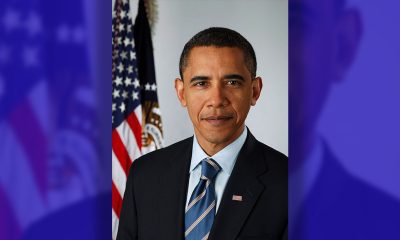
President Barack Obama signs a presidential memorandum on paid leave, Thursday, Jan. 15, 2015, in the Oval Office of the White House in Washington. The presidential memorandum is to direct federal agencies to advance six weeks of paid sick leave that federal workers could use as paid family leave. Workers would have to pay back the sick leave over time. (AP Photo/Carolyn Kaster)
NEDRA PICKLER, Associated Press
DARLENE SUPERVILLE, Associated Press
BALTIMORE (AP) — President Barack Obama launched a fresh push Thursday to bring paid sick and family leave to working parents and other private-sector employees as the White House unveiled proposals that could benefit tens of millions of people. Most require action by the Republican-controlled Congress.
“Forty-three million Americans do not get paid sick leave,” Obama said after a lunchtime discussion about juggling work and family with a group of women at a Baltimore cafe that offers paid sick leave to its small workforce. “It’s a pretty astonishing statistic.”

Obama said the issue transcends demographics and geography, but “the good news is that we can really do something about it.”
The White House said Obama will push the issue anew in the State of the Union address he delivers Tuesday night to a joint session of Congress.
Obama wants Congress, states and cities to pass measures to let workers earn up to a week of paid sick time a year. He’ll also ask for more than $2 billion to encourage states to create paid family and medical leave programs.
Obama also will propose that Congress pass legislation giving federal workers an additional six weeks of paid parental leave.
Before traveling to Maryland, he directed federal agencies to advance six weeks of paid sick leave that federal workers could use as paid family leave. The leave would have to be paid back over time.
The White House said details on how Obama would raise the $2 billion will be released next month.
More than 40 million private-sector workers don’t have access to any type of paid sick leave, said White House senior adviser Valerie Jarrett, meaning their paychecks come up short if they stay home when sick or to care for someone who is.
Women make up about half the workforce and nearly three-fourths of mothers work outside the home, federal statistics show.
Citing the country’s positive economic outlook, Obama said the kind of flexibility provided by paid leave policies “ultimately is going to make our economy stronger.” He said the Baltimore cafe owner has offered above-minimum-wage pay and earned sick leave to her employees since opening in late 2010. That type of investment “pays dividends,” said Obama, who cited reduced employee turnover as one benefit.
The National Federation of Independent Business, which represents small businesses, opposes the president’s effort.
Spokesman Jack Mozloom said required paid leave would force the association’s members to make corresponding cuts in pay and benefits that would harm the people Obama and the advocates of such policies say they want to help. Most of the association’s members have fewer than 25 employees, he said.
“It ripples through the economy in ways the advocates and the president, I think, sometimes don’t see,” Mozloom said.
Obama wants Congress to send him legislation, sponsored since 2005 by Rep. Rosa DeLauro, D-Conn., to allow workers to earn up to seven days of paid sick leave to care for themselves or a sick family member, obtain preventive care or treat domestic violence. Workers would earn an hour of paid sick time for every 30 hours they work. Employers that provide paid sick time would not have to change their policies as long as the time earned can be used for the same purposes.
Some states and cities have adopted similar legislation, and Obama will urge others to follow their lead.
The odds are slim that Congress will send Obama the bill — in part, because it was first introduced nearly a decade ago.
Rep. John Kline, R-Minn., chair of the House committee that oversees workforce issues, said more government isn’t the answer to what’s squeezing working families. He referred to legislation the Republican-controlled chamber passed two years ago to let workers take paid time off for working overtime. The Obama administration threatened to veto the bill, which didn’t advance in the Democratic-controlled Senate.
“The president has shown time and again his only response to the challenges facing working families is to impose more mandates on workplaces,” Kline said. “It should be clear to the president by now his approach isn’t working and the American people deserve better.”
The president will also propose ways to broaden access to paid family and medical leave.
Only California, New Jersey and Rhode Island offer paid family and medical leave. Federal law allows workers to take up to 12 weeks of unpaid time off without losing their job to care for a new child, recover from illness or care for a sick family member.
The White House says most families cannot afford such long stretches without pay. Obama will ask lawmakers for $2.2 billion to reimburse up to five states for three years for a portion of the costs of putting similar programs in place.
Regarding the federal workforce, Obama will propose legislation providing six weeks of paid administrative leave for the birth, adoption or foster placement of a child. Federal workers receive paid sick leave and vacation time, but no paid time off specifically for family or parental leave. Under the proposal, federal workers could use sick time to care for a healthy child after birth or adoption.
___
Superville contributed from Washington.
___
On Twitter, follow Darlene Superville at http://www.twitter.com/dsupervilleap and Nedra Pickler at http://www.twitter.com/nedrapickler
Copyright 2015 The Associated Press. All rights reserved. This material may not be published, broadcast, rewritten or redistributed.










Activism
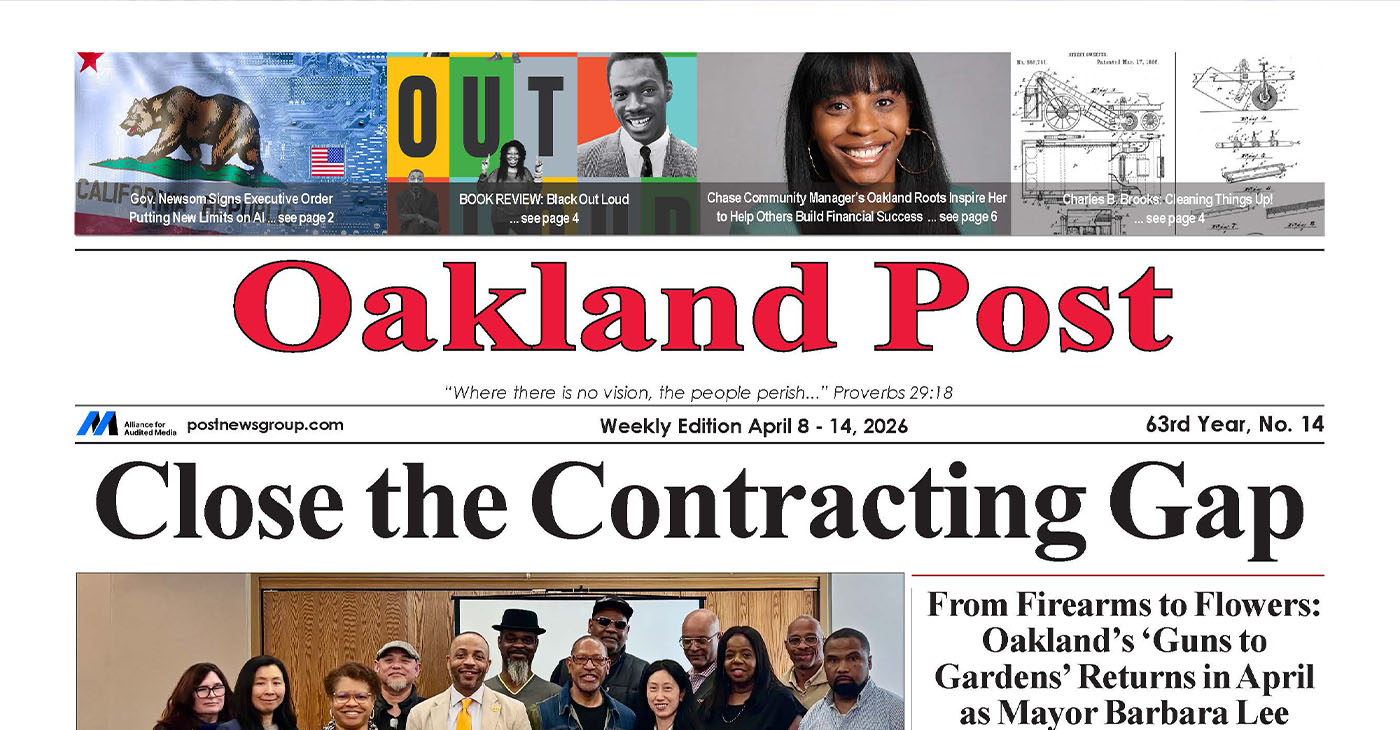
Oakland Post: Week of April 8 – 14, 2026
The printed Weekly Edition of the Oakland Post: Week of April 8 – 14, 2026
To enlarge your view of this issue, use the slider, magnifying glass icon or full page icon in the lower right corner of the browser window.
Activism
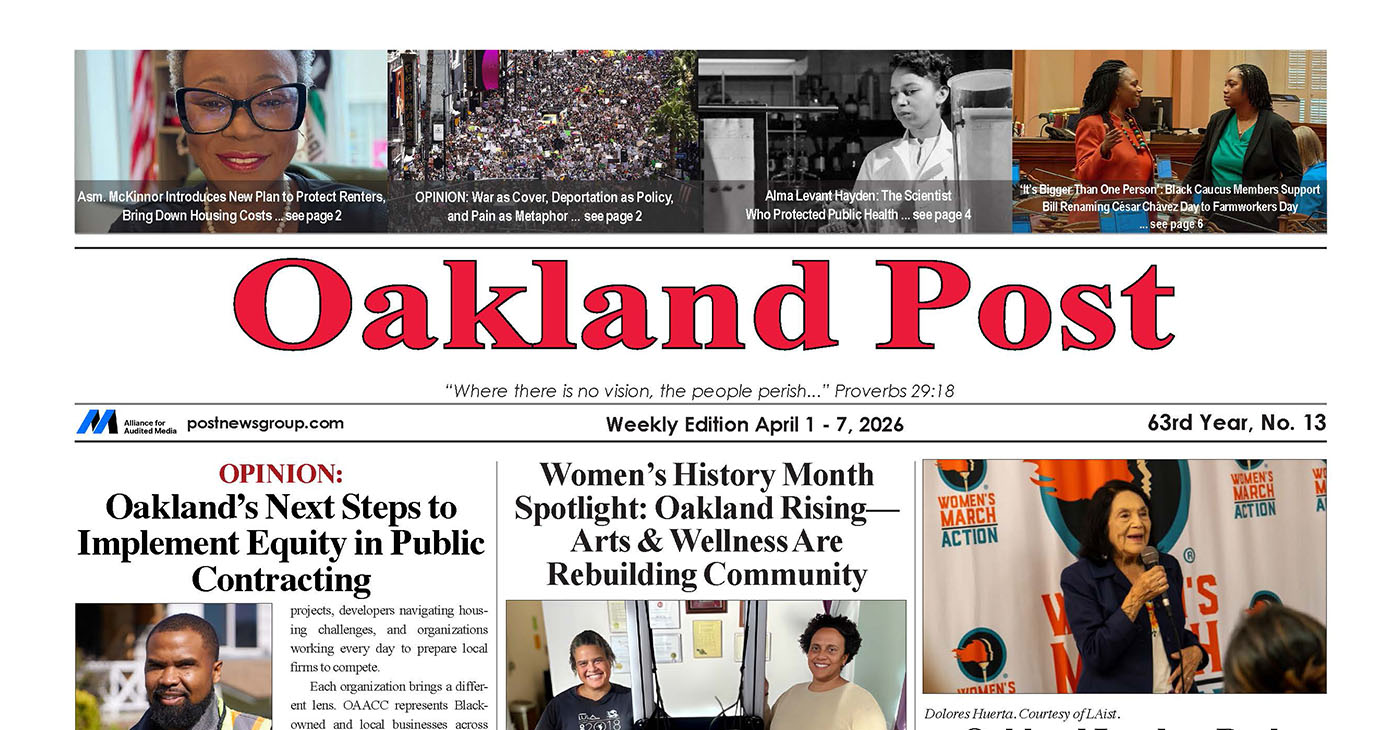
Oakland Post: Week of April 1 – 7, 2026
The printed Weekly Edition of the Oakland Post: Week of April 1 – 7, 2026
To enlarge your view of this issue, use the slider, magnifying glass icon or full page icon in the lower right corner of the browser window.
Activism
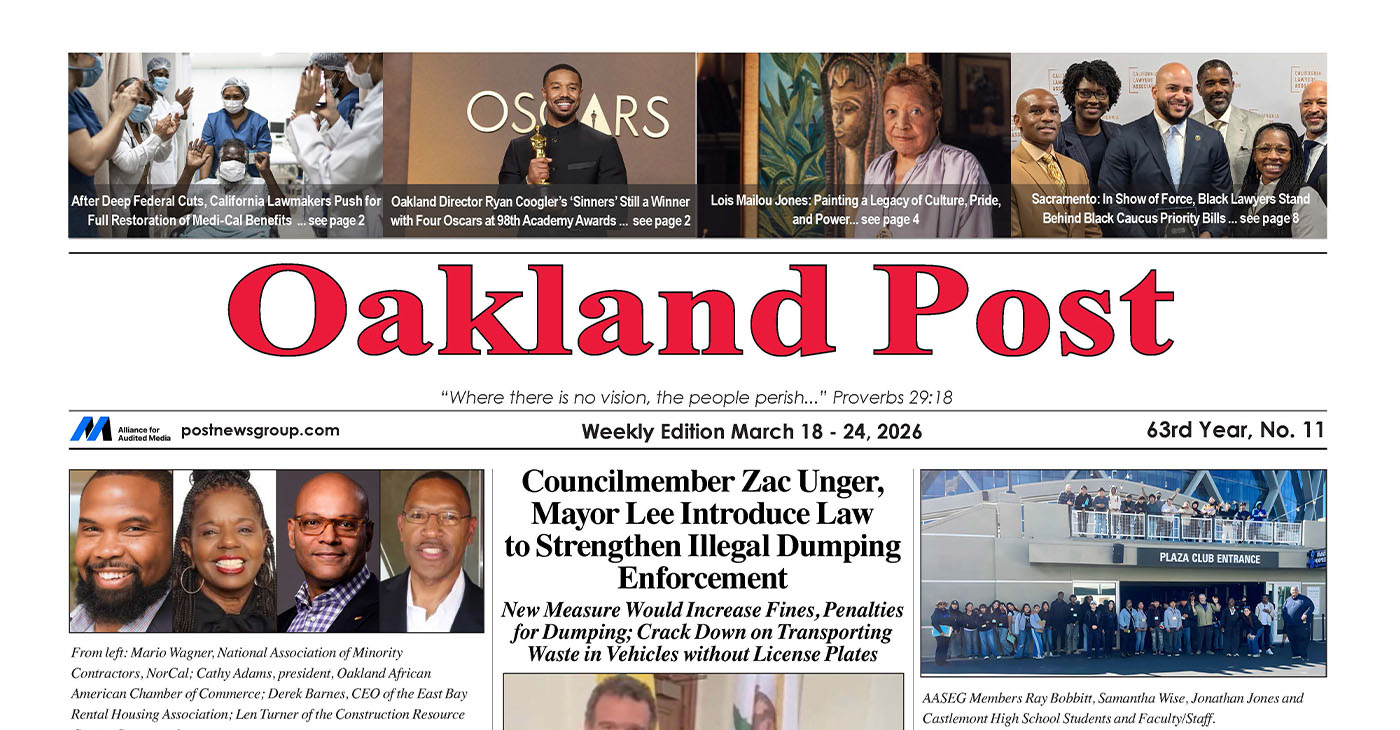
Oakland Post: Week of March 18 – 24, 2026
The printed Weekly Edition of the Oakland Post: Week of March 18 – 24, 2026
To enlarge your view of this issue, use the slider, magnifying glass icon or full page icon in the lower right corner of the browser window.

WORK FROM HOME
Home-based business with potential monthly income of $10K+ per month. A proven training system and website provided to maximize business effectiveness. Perfect job to earn side and primary income. Contact Lynne for more details: Lynne4npusa@gmail.com 800-334-0540


Oakland Post: Week of April 8 – 14, 2026

Oakland Post: Week of April 1 – 7, 2026

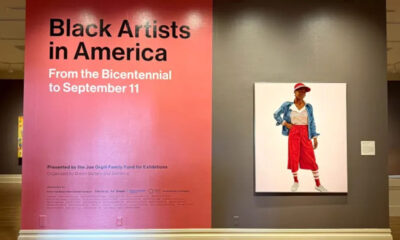
Black Artists in America, Installation Three Wraps at the Dixon Gallery and Gardens

Grief, Advocacy, and Education: A Counselor Reflects on Black Maternal Health

Future of Florida’s Black History Museum in Limbo

New Research Shows the Many Benefits of Early Learning

South Hampton K-8 Students Among Top 10 Finalists for Samsung’s ‘Solve for Tomorrow’ Competition

Cuba: No Negotiation with US on the President or Political System

Brooklyn Academy of Music Names Jamaican-Born Tamara McCaw as President

Trinidad & Tobego – U.S. Launches WhatsApp Channel for American Citizens in the Country

Oakland Post: Week of March 18 – 24, 2026

AI Innovation vs. Ethics and Environmental Impact

AI, Web3, and Digital Reparations

What If You Owned Your AI Agent?

Season 7, Episode 3 – January Reporter’s Roundtable 📱

Reflecting on Black History Milestones in Birmingham AL

Oakland Post: Week of February 25 – March 3, 2026

Oakland Post: Week of March 4 – 10, 2026

PRESS ROOM: NBA Hall of Fame Nominee Terry Cummings Joins 100 Black Men of DeKalb County to Launch Victory & Values Initiative

Trump’s MAGA Allies are Creating Executive Order Plan to Steal the 2026 Midterms

U.S. manufacturing rebounds – how foundry services are adapting to rising demand

Oakland Post: Week of March 11 -17, 2026

Poll Shows Support for Policies That Help Families Afford Child Care
Oakland Post: Week of March 18 – 24, 2026

OP-ED: One Hundred Years of Black Workers Telling the Truth

Advancements in solar technology that are changing the way we power the world

Financial Wellness and Mental Health: Managing Money Stress in College

Woman’s Search for Family’s Roots Leads to Ancestor John T. Ward – A Successful Entrepreneur and Conductor on the Underground Railroad

COMMENTARY: Women of Color Shape Our Past and Future

PRESS ROOM: Civil Rights TV Launches in Selma as the World’s First 24/7 Civil Rights Television Network

Hyundai Ioniq 5 Parking, Safety, and 360 View #shorts

2025 Ioniq 5 New Wiper & Powerful Performance! #shorts

Electric SUV Range: Is 259 Miles Enough? #shorts

EV Charging: How Fast Can You Charge an Electric Vehicle? #shorts

Biometric Cooling… Messaging Seats…Come on! 2025 Infiniti QX80 Autograph 4WD

Charged Up: Witness the Magic of a Fully Electric Car! #shorts

Range Rover Sport PHEV Included…: See What’s Inside This Luxury SUV! #shorts

Invisible Hood View: Perfect Parking with X-Ray Vision! #shorts

AI Is Reshaping Black Healthcare: Promise, Peril, and the Push for Improved Results in California

ESSAY: Technology and Medicine, a Primary Care Point of View

Sanctuary Cities

The RESISTANCE – FREEDOM NOW

STATE OF THE PEOPLE: Freddie

ECONOMIC BOYCOTT DAY!!!!!

I told You So
-
 Activism3 weeks ago
Oakland Post: Week of March 11 -17, 2026
-
 Activism3 weeks ago
Oakland Post: Week of March 18 – 24, 2026
-
 Advice3 weeks ago
Financial Wellness and Mental Health: Managing Money Stress in College
-
 #NNPA BlackPress3 weeks ago
Brooklyn Academy of Music Names Jamaican-Born Tamara McCaw as President
-
 #NNPA BlackPress2 weeks ago
Grief, Advocacy, and Education: A Counselor Reflects on Black Maternal Health
-
 #NNPA BlackPress2 weeks ago
New Research Shows the Many Benefits of Early Learning
-
 #NNPA BlackPress2 weeks ago
Black Artists in America, Installation Three Wraps at the Dixon Gallery and Gardens
-

 Advice4 weeks ago
Women & Wealth: Tips for Navigating Your Lifelong Financial Journey
