
Health
New Eye Drops Could Clear Up Cataracts

By Pete Farley, UCSF News
A chemical that could potentially be used in eye drops to reverse cataracts, the leading cause of blindness, has been identified by a team of scientists from UC San Francisco (UCSF), the University of Michigan (U-M), and Washington University in St. Louis (WUSTL).
Identified as a “priority eye disease” by the World Health Organization, cataracts — caused when the lenses of the eyes lose their transparency — affect more than 20 million people worldwide.
Although cataracts can be successfully removed with surgery, this approach is expensive, and most individuals blinded by severe cataracts in developing countries go untreated.
Reported Nov. 5 in Science, the newly identified compound is the first that is soluble enough to potentially form the basis of a practical eye-drop medication for cataracts.
Cataracts are primarily a disease of aging. As is seen in neurodegenerative conditions such as Alzheimer’s disease and Parkinson’s disease, a hallmark of the condition is the misfolding and clumping together of crucial proteins.
In the case of cataracts, the affected proteins are known as crystallins.
Crystallins are the major component of fiber cells, which form the eyes’ lenses, and the unique properties of these cells make them particularly susceptible to damage, said Jason Gestwicki, PhD, associate professor of pharmaceutical chemistry at UCSF and co-senior author of a paper on the new research, most of which was undertaken in Gestwicki’s laboratory at the U-M Life Sciences Institute.

“Shortly after you’re born, all the fiber cells in the eye lose the ability to make new proteins, or to discard old proteins,” said Gestwicki, who has continued his work on cataracts at UCSF, where he joined the faculty about two years ago.
“So the crystallins you have in your eye as an adult are the same as those you’re born with.”
In order for our lenses to function well, this permanent, finite reservoir of crystallins must maintain both the transparency of fiber cells and their flexibility, as the eyes’ muscles constantly stretch and relax the lens to allow us to focus on objects at different distances.
The crystallins accomplish these duties with the help of aptly named proteins known as chaperones, which act “kind of like antifreeze,” Gestwicki said, “keeping crystallins soluble in a delicate equilibrium that’s in place for decades and decades.”
This state-of-affairs is “delicate” because pathological, clumped-together configurations of crystallins are far more stable than properly folded, healthy forms, and fiber-cell chaperones must continually resist the strong tendency of crystallins to clump.
A similar process underlies other disorders related to aging, such as Alzheimer’s disease, but in each of these diseases the specific protein that clumps together and the place in the body that clumping occurs is different. In all cases, these clumped-together proteins are called amyloids.
Dogs are also prone to developing cataracts. Half of all dogs have cataracts by nine years of age, and virtually all dogs develop them later in life. An effective eye-drop medication could potentially benefit about 70 million affected pet dogs in the United States.


Activism
Rep. Kamlager-Dove Introduces Bill to Protect Women in Custody After Reports Detailing Miscarriages and Neglect
The Pregnant Women in Custody Act would expand safeguards beyond the federal prison system to include women detained by U.S. Immigration and Customs Enforcement, U.S. Customs and Border Protection and the Office of Refugee Resettlement. The proposal follows reports of pregnant women being shackled, denied medical care and suffering miscarriages while in immigration detention.

By Bo Tefu, California Black Media
Congresswoman Sydney Kamlager-Dove (D-CA-37) on May 7, reintroduced updated legislation aimed at strengthening protections and healthcare standards for pregnant and postpartum women held in federal custody, including in immigration detention facilities.
The Pregnant Women in Custody Act would expand safeguards beyond the federal prison system to include women detained by U.S. Immigration and Customs Enforcement, U.S. Customs and Border Protection and the Office of Refugee Resettlement. The proposal follows reports of pregnant women being shackled, denied medical care and suffering miscarriages while in immigration detention.
The legislation builds on a bipartisan version previously passed by the House during the 117th Congress. The updated bill includes new standards for healthcare access, mental health and substance use treatment, high-risk pregnancy care, family unity protections and increased federal oversight.
“Proper pregnancy care is a human right, regardless of your immigration or incarceration status,” Kamlager-Dove said in a statement. “It’s unacceptable that there are virtually no legal safeguards for pregnant women in federal custody.”
The bill would also limit the use of restraints and restrictive housing for pregnant women, improve data collection on maternal health in custody and require additional staff training and enforcement measures.
Supporters of the measure said the legislation is intended to address long-standing concerns about maternal healthcare and safety in detention settings, particularly for Black women and low-income women who are disproportionately impacted by incarceration and health disparities.
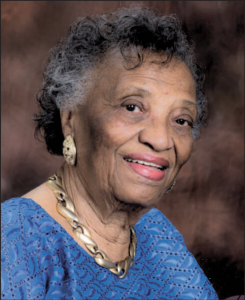
“Pregnant women in custody should never be subjected to dangerous and inhumane treatment that threatens their health, dignity, or the well-being of their babies,” said Patrice Willoughby, chief of policy and legislative affairs for the NAACP and a longtime public policy and government affairs strategist, in a statement.
A 2021 report estimated there are about 58,000 admissions of pregnant women into U.S. jails and prisons each year. Kamlager’s statement also cited a recent investigation by NBC News and Bloomberg Law that identified allegations of severe mistreatment or medical neglect involving at least 54 pregnant women or families in county jails between 2017 and 2024.
Federal policy under the Department of Homeland Security restricts the detention of pregnant, postpartum and nursing immigrants except in extreme cases. However, the agency reported that ICE deported 363 pregnant, postpartum or nursing women between January 2025 and February 2026, including 16 recorded miscarriages during that period.
The bill is cosponsored by several House Democrats and backed by organizations including the NAACP and the Vera Institute of Justice.
Bay Area
How Is AI Affecting California? The State Wants You to Share Your Story
The program marks the first time the state has opened the platform to all Californians. State officials said the effort is designed to give residents a direct role in discussions about how AI should be regulated and used as the technology rapidly expands across industries.

By Bo Tefu, California Black Media
Gov. Gavin Newsom announced May 7 that California is expanding its Engaged California digital democracy initiative statewide, inviting residents to help shape future state policies on artificial intelligence (AI) and its impact on jobs and the economy.
The program marks the first time the state has opened the platform to all Californians. State officials said the effort is designed to give residents a direct role in discussions about how AI should be regulated and used as the technology rapidly expands across industries.
“We’ve got to be clear-eyed about this moment: AI is moving fast, bringing enormous opportunity, but also real risks,” Newsom said in a statement. “Californians deserve a seat at the table as we shape what’s to come.”
The initiative will roll out in two phases. Beginning immediately, Californians can sign up online to share how AI is affecting their work and communities and provide ideas for possible government action. Later this summer, a smaller group reflecting the state’s workforce demographics will participate in live discussions focused on developing policy recommendations.
State officials said the goal is to identify areas of agreement among Californians and provide policymakers with public feedback as the state develops future AI regulations and workforce strategies.

Engaged California is modeled after digital democracy programs used in Taiwan and is intended to encourage structured public discussion rather than social media-style debate. Officials described the effort as a form of “deliberative democracy” aimed at helping residents engage directly in state decision-making.
“The more Californians are engaged in the democratic process, the better able we’ll be to confront the challenges we face together,” said Nick Maduros, California Secretary of Government Operations, in a statement.
The statewide launch builds on two earlier pilot programs. One pilot gathered public input following the Los Angeles firestorms to help guide recovery efforts, while another collected ideas from state employees about improving government operations.
California has positioned itself as a national leader in AI policy and development. Since 2023, the Newsom administration has introduced initiatives focused on responsible AI use in government, cybersecurity protections, workforce training and regulations targeting risks such as deepfakes and AI-generated robocalls.
The state has also partnered with companies in Silicon Valley — including NVIDIA, Google, Adobe, IBM and Microsoft — to expand AI education and workforce training programs across California schools and universities.
Activism
California Launches Free Diaper Program for Newborns Statewide
The initiative, called Golden State Start, will provide 400 free diapers to every newborn delivered at participating California hospitals beginning this summer. The state is partnering with Baby2Baby, a California-based nonprofit that distributes essential items to children in need nationwide.
By Bo Tefu, California Black Media
Gov. Gavin Newsom announced Friday that California will launch a first-in-the-nation program providing free diapers to families with newborns, part of a broader effort to lower costs for parents and improve infant health outcomes.
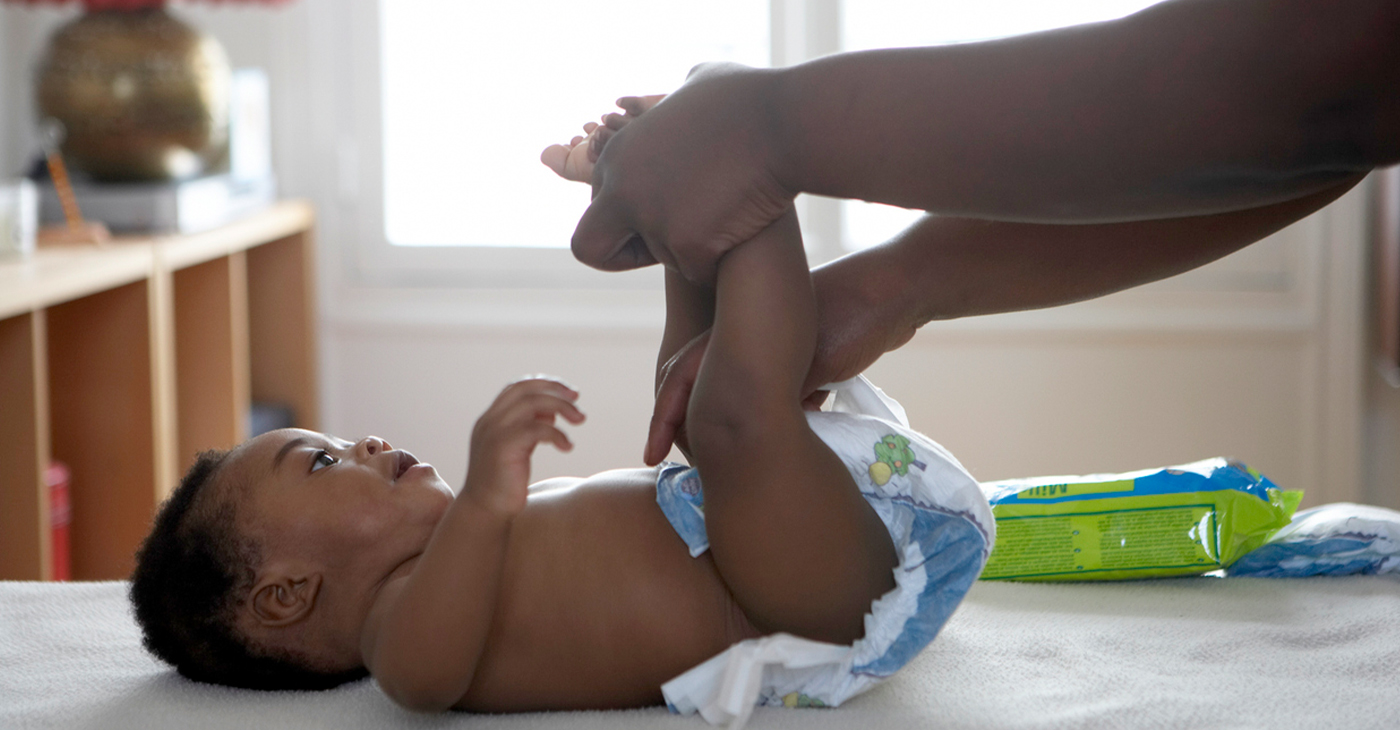
The initiative, called Golden State Start, will provide 400 free diapers to every newborn delivered at participating California hospitals beginning this summer. The state is partnering with Baby2Baby, a California-based nonprofit that distributes essential items to children in need nationwide.
State officials said hospitals participating in the program will give families the diapers when they are discharged after birth, helping parents leave with an immediate supply of newborn essentials.
“Every baby born in California deserves a healthy start in life,” Newsom said in a statement. He said the program is part of California’s broader affordability efforts, which also include free school meals, universal preschool for four-year-olds and expanded after-school programs.
The announcement comes ahead of Mother’s Day and is tied to the administration’s broader CalRx initiative, which aims to reduce costs for essential products and medications. State officials said California is also exploring ways to lower diaper prices by challenging high costs from major brands.
The first year of the program will prioritize hospitals serving large numbers of Medi-Cal patients, with plans to expand to additional hospitals and birthing centers over time. Officials said the effort is intended to reduce financial pressure on low-income families and improve infant and maternal health by ensuring parents have access to clean diapers.

“California families deserve to feel supported during one of life’s more exciting, yet vulnerable transitions,” First Partner Jennifer Siebel Newsom said in a statement. She said the program would allow parents to focus on caring for their newborns instead of worrying about basic supplies.
According to Baby2Baby, one in two families in the United States struggles to afford diapers. The organization has distributed more than half a billion items to children over the past 15 years through partnerships with shelters, hospitals, foster care programs and schools.
State officials said Baby2Baby will oversee diaper purchasing, warehousing and distribution through its existing hospital and community partnerships across California.

WORK FROM HOME
Home-based business with potential monthly income of $10K+ per month. A proven training system and website provided to maximize business effectiveness. Perfect job to earn side and primary income. Contact Lynne for more details: Lynne4npusa@gmail.com 800-334-0540


Oakland Director Boots Dazzles Once Again in ‘I Love Boosters’

After 10-Year Wait, Fillmore Heritage Center Reopens in San Francisco

COMMENTARY: Black Music is the Sound of Black Freedom: Let Us Reclaim Both This Juneteenth

Oakland Post: Week of June 3 – 9, 2026

Study: Waiting Lists for Child Care Assistance Nearly Doubled

Venus Williams Calls a Sabalenka Exit a Tragedy

COMMENTARY: Using Art, Healing, And Community to Transform Mental Health Dialogue

Uptown Music Theatre Summer Camp Returns to Inspire the Next Generation of Performers

5 Cleveland Police Officers Injured, Gunfire Erupts During East Side Pursuit

15-YEAR-OLD COLUMBUS GIRL DIES, Community Mourns as Authorities Urge Water Safety Awareness

Let’s Talk Karmelo Anthony!

2026 World Cup is Here and Atlanta is Ready For It

COMMENTARY: What Andrew Young Reminded Me About Baltimore

COMMENTARY: When Politics Intersects with Professional Sports

K4: Crucial Driving Advice BEFORE You Buy! #shorts

Book Review: Books for College-Bound Students

Against All Odds: Mary Jackson’s Journey to NASA Engineer

Q&A with Steven Bradford: Why He Wants Your Vote for California Insurance Commissioner

OPINION: The Fire of Oakland’s Justin Jones

The Marin City Flea Market Is Back

California Launches Free Diaper Program for Newborns Statewide

The Ladies of Delta Sigma Theta Hold Day of Advocacy at the Capitol in Sacramento

EBMUD Enshrines the Legacy of its First Black Board Member William ‘Bill’ Patterson

Oakland Mayor Pushes Charter Overhaul to Clarify Roles in City Government, Increase Accountability and Improve Service Delivery

Oakland Post: Week of May 6 – 12, 2026

OP-ED: Small Businesses Need Minnesota to Act on Pass-Through Tax Policy

Mayor Barbara Lee Declares ‘Delroy Lindo Day,’ Presents Acclaimed Actor with Key to the City

Snoop Dogg Celebrates 10 Til’ Midnight at the Compound

Rep. Kamlager-Dove Introduces Bill to Protect Women in Custody After Reports Detailing Miscarriages and Neglect

2026 Lucid Air Grand Touring Review — Is This $136K EV Sedan Worth It?

Hyundai Ioniq 5 Parking, Safety, and 360 View #shorts

2025 Ioniq 5 New Wiper & Powerful Performance! #shorts

Electric SUV Range: Is 259 Miles Enough? #shorts

EV Charging: How Fast Can You Charge an Electric Vehicle? #shorts

Biometric Cooling… Messaging Seats…Come on! 2025 Infiniti QX80 Autograph 4WD

Charged Up: Witness the Magic of a Fully Electric Car! #shorts

Range Rover Sport PHEV Included…: See What’s Inside This Luxury SUV! #shorts

Invisible Hood View: Perfect Parking with X-Ray Vision! #shorts

AI Is Reshaping Black Healthcare: Promise, Peril, and the Push for Improved Results in California

ESSAY: Technology and Medicine, a Primary Care Point of View

Sanctuary Cities

The RESISTANCE – FREEDOM NOW

STATE OF THE PEOPLE: Freddie

ECONOMIC BOYCOTT DAY!!!!!

I told You So
-
 Advice4 weeks ago
Book Review: Books for College-Bound Students
-
 Arts and Culture4 weeks ago
Against All Odds: Mary Jackson’s Journey to NASA Engineer
-
 Bay Area4 weeks ago
Q&A with Steven Bradford: Why He Wants Your Vote for California Insurance Commissioner
-
 Activism4 weeks ago
OPINION: The Fire of Oakland’s Justin Jones
-
 Alameda County4 weeks ago
The Marin City Flea Market Is Back
-
 Activism4 weeks ago
California Launches Free Diaper Program for Newborns Statewide
-
 Activism4 weeks ago
The Ladies of Delta Sigma Theta Hold Day of Advocacy at the Capitol in Sacramento
-
 Activism4 weeks ago
EBMUD Enshrines the Legacy of its First Black Board Member William ‘Bill’ Patterson
