
Environment
Líderes de la fé hablan en contra de los peligros del carbón

Decenas de líderes religiosos del área de la bahía, incluyendo representantes de las comunidades Bautista, Judía, Católica Romana y Episcopales, se reunieron en las escalinatas del ayuntamiento el martes, reuniéndose en contra de la posibilidad de transportar millones de toneladas de carbón a través de Oakland que saldrá de la antigua Base militar.
El martes, el Consejo de la Ciudad de Oakland fue programado para votar sobre la aprobación de un contrato de $208,000 con una empresa privada de consultoría para analizar los posibles impactos sobre la salud y seguridad que el exportar carbón tendría en las comunidades adyacentes en West Oakland.
El asunto fue finalmente retirado de la agenda.
En una conferencia de prensa del Ayuntamiento, pastores, rabinos y activistas ambientales de diversas congregaciones y organizaciones locales hablaron de la oposición de gran alcance para exportar el combustible fósil por ciudad que ya experimenta niveles altos anormales de asma y cáncer inducidos por el ambiente.
De acuerdo con una nueva encuesta dada a conocer por el Sierra Club, el 76 por ciento de los votantes de Oakland dice que se opone al envío de carbón a través de la ciudad, incluyendo el 57 por ciento que se oponen “fuertemente”.

Los oradores en la manifestación incluyen al Rev. Chauncey Mathews de Iglesia Bautista Corinto, Rev. Laurie Manning de Skyline Iglesia Unida de Cristo, Rev. Curtis Robinson, de la Iglesia Bautista Fe, el rabino David Cooper, de la Comunidad de la Sinagoga Kehilla, Rev. Ben Daniel de Montclair Iglesia Presbiteriana , Rev. Daniel Buford de Allen Temple Baptist Church y el Rev. Dr. Kwasi Thornell de la iglesia episcopal de San Agustín.
Los líderes religiosos y sus seguidores se unieron el el Sierra Club, Interfaith Power and Light and United Native Americans, Inc.
Expresando su apoyo a la campaña Sin carbón en Oakland en la reunión del consejo en el Ayuntamiento el martes por la noche estuvieron el Obispo Frank Pinkard Jr. de Evergreen Baptist Church, Ministro Keith Muhammad de la Nación del Islam, Theo Williams, de tambores SambaFunk! y el Rev. Dr. Jim Hopkins de Iglesia Bautista Lakeshore.
“Hay una larga historia de las comunidades urbanas pobres siendo envenenadas por los residuos del medio ambiente, y no vamos a dejar que eso pase más tiempo”, dijo el Rev. Buford de Allen Temple Baptist Church.
“Los afroamericanos son por lo general los canarios en los pozos de las minas de racismo institucional”, dijo Buford. “Las cosas que nos matan primero te matarán después.”
Rev. Manning de Skyline Iglesia Unida de Cristo vinculó los potenciales impactos sobre la salud que el envío del carbón a través de Oakland con la crisis de salud en curso en Flint, Michigan, que ha afectado principalmente a los niños de color y posteriormente llevados a descubrimientos de niveles peligrosos de plomo en el suministro de agua de muchas otros de las ciudades en todo el país.
Miembros de la comunidad se alinearon en el Ayuntamiento para hablar en nombre de y en contra de la posibilidad de que el carbón sea uno de los productos que se enviarán fuera de la antigua base militar.
Un grupo de miembros del clero afroamericano del Ecumenical Economic Empowerment Council (EEEC) dijo al consejo que el proyecto crearía un importante impulso económico para la ciudad y suministraría específicamente puestos de trabajo a las comunidades afroamericanas de Oakland. Los pastores vinieron con un grupo de personas de Men in Valor Academy, que ayuda a los hombres que han estado encarcelados a que adquieran habilidades de trabajo.
Los miembros de EEEC estaban molestos de que el consejo había tirado el voto de externalizar un análisis de la salud y la seguridad de la consultora privada Environmental Science Associates, ya que retrasaría aún más el avance del proyecto.
“Por qué estamos retrasandolo?”, Dijo el pastor Kevin Barnes, de la Iglesia Bautista Misionera Abyssian. “Algunos de estos jóvenes realmente quieren cuidar de sus familias si tuvieran un buen trabajo, y este es el vagón de cola económica que se lo va a dar a nuestros jóvenes.”
“La gente está hablando acerca de cómo este problema está dividiendo al clero afroamericano. El clero afroamericano no está dividido, tenemos diferentes opiniones acerca de las cosas”, dijo Barnes. “Algunos de nosotros queremos que la gente consiga trabajo, algunos de nosotros podría importarles menos.”
En una entrevista con el Post, el Obispo Pinkard de Evergreen Baptist Church dijo que es escéptico de que estos puestos de trabajo irían primero a la gente en Oakland o que los puestos de trabajo se limitarían a los más necesitados.
“Qué tipo de salvaguardia tienen en su lugar para que el medio ambiente contaminado ya no llegará a ser más contaminado en Oakland, efectuando la salud de nuestros hijos”, dijo Pinkard. “Tenemos que pensar a largo plazo en lo relacionado con la salud de nuestro pueblo.”
De acuerdo con Derrick Muhammad del sindicato de los estibadores en Oakland, ILWU Local 10, la idea de que el proyecto suministraría puestos de trabajo a desempleados y ex presos es “falso”.
“Las organizaciones de Comercio en esta zona no tienen una práctica de reclutamiento en los barrios afroamericanos”, dijo Muhammad, quien se opone a la terminal de carbón junto con el sindicato de estibadores. “Y si no eres ya un miembro de un sindicato, entonces, cómo tienes un trabajo en un proyecto que es un proyecto sindical?”
“Usted no va a conseguir estos puestos de trabajo, no vas a conseguir empleo. Punto”, dijo Muhammad.
Para alivio de muchos activistas anti-carbón, el asunto del consejo fue retirado de la agenda a petición de la Concejal Rebecca Kaplan para que el personal de la ciudad pueda ser capaz de considerar la información y sugerencias adicionales.
El Ayuntamiento tiene previsto regresar con una actualización sobre el tema del carbón en su primera reunión en abril.









Community
Marin City Is Especially Vulnerable to El Niño High Tides, Strong Winds, Flooding and Power Outages
Marin City faces significant risks as extreme El Niño weather conditions threaten the community with high tides, flooding, and power outages. Local advocates warn that the neighborhood’s single access point and history of limited emergency response leave vulnerable residents, including those with life-threatening illnesses, at risk of isolation. While the county has allocated millions for weather preparedness, local organizers say Marin City has not received direct funding for its specific needs. Community leaders are now mobilizing to provide emergency supplies and specialized training to protect their neighbors. Read more.


Marin City Climate Resilience (MCCR) focuses on support for most vulnerable residents
Marin City, along with other communities in Marin County, is preparing for the predicted high tides, strong winds and flooding that are expected in coming months due to extreme El Niño weather conditions.
Marin City has a history of residents who are at-risk due to multiple hazards, i.e. environmental contaminations, racism, economic disparities which have existed for decades. These issues become even more critical in times of crisis.
One of the major concerns during torrential rains, high tides, high winds and flooding is power failures. This is especially of concern for residents with life-threatening illnesses who depend on electricity to sustain life or prevent medical deterioration. Residents who require electricity for bed and chair assistance and who are isolated are left vulnerable.
Marin City has a long history of the fire and sheriff departments not being available to Marin City residents in emergencies because of their extensive responsibilities in southern Marin.
The community is prone to intense flooding because of its location at the base of Highway 101. Additionally, Marin City has only one way in and out, so when flooding and high tides occur, residents face the possibility of being isolated and cut off from outside emergency medical assistance. At-risk residents would not be able to leave to go to specialty doctors for dialysis, heart and lung issues and unexpected emergency health situations.


All of these potential conditions create stress and anxiety among residents.
Mobilizing disaster preparedness for this community, Marin City Climate Resilience (MCCR) and other community organizations and advocates are working intensely to support local residents.
MCCR is working specifically to provide services to the most vulnerable with access and functional needs, including seniors; people with disabilities; pregnant women; and infants and small children who may need additional assistance before, during, and after an emergency, disaster, or public health event.
MCCR preparedness plans include providing education and training and most importantly teams of residents (Climate Care Ambassadors) to assist vulnerable community members. Ambassadors will receive training in adult and pediatric first aid as well as how to respond to breathing and cardiac emergencies, injuries and sudden illness.
Over $5 million has been allocated in county funds for El Niño, but Marin City has not received any funding to provide direct services to its residents.
MCCR is seeking Bay Area-wide donations to provide at least 300 vulnerable residents with emergency survival supplies and services. These donations will be utilized for “Go Bags,” or grocery carts, that contain: blankets, clothing, health and personal items, radios, flashlights, phone chargers, food, and other basic necessities.
Each Go Bag will cost about $150 to prepare. The entire project is estimated to cost $100,000.
“This project shines a light on the many ways this community has been neglected and harmed by a lack of investment resulting in a 20-year difference in life expectancy, and it shows the ability of the community, as it has done in the past, to come together to support each other, especially in these emergency situations,” said Terrie Green, CEO of Marin City Climate Resilience.
Because folks have expressed concern about the issues facing Marin City, the Post will be covering these issues on a regular basis.
Due to the emergency situation, donations are especially critical right now. To make a donation, contact: Terrie Harris Green, terriegreen@marincityclimateresilience.org, (415) 336-6421.

Community
Staying Ready: What Every Californian Should Know About Preparing for El Niño
BLACKPRESSUSA NEWSWIRE — “California is heading into a winter shaped by one of the strongest El Niño patterns on record,” said Matt Notley, Cal OES’ deputy director. “But the state has been preparing since last summer and our efforts now are about making sure our preparedness message reaches every community.”
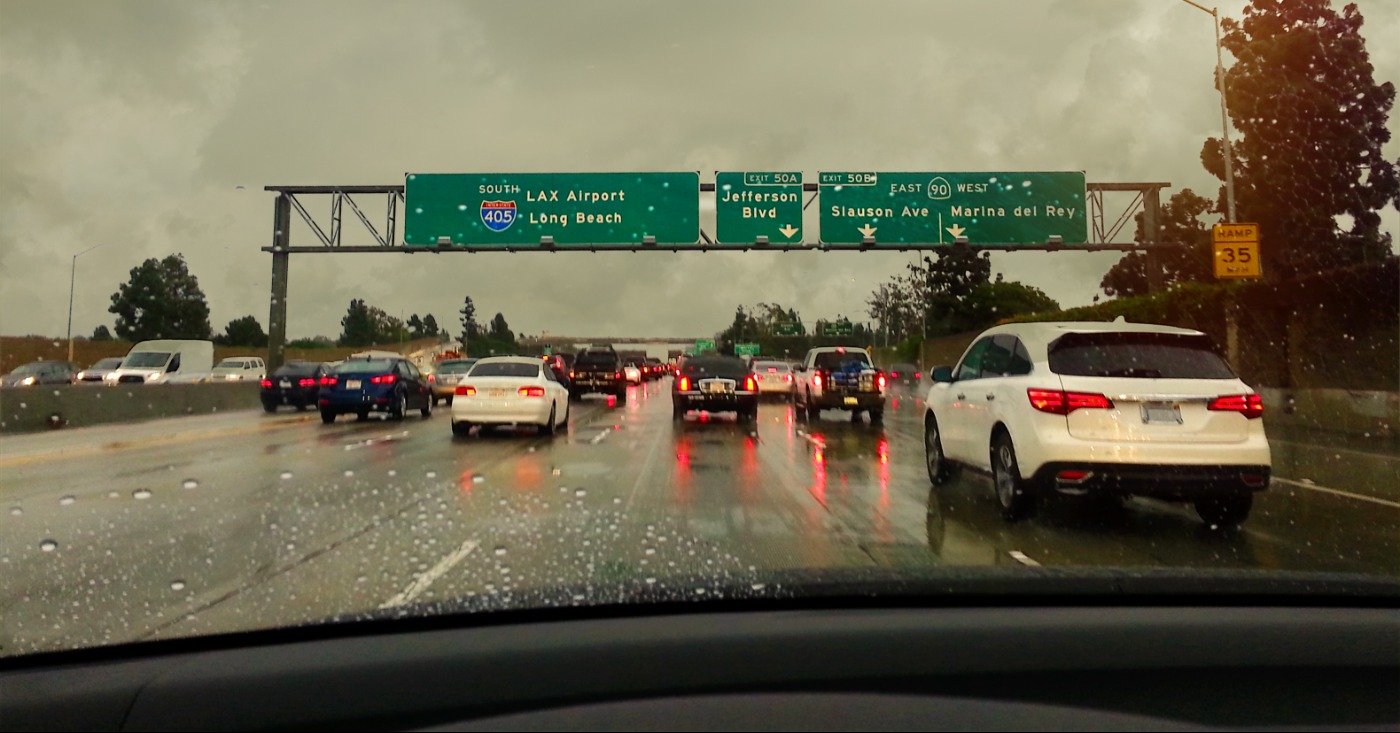

Recent storms soaked parts of Northern and Southern California, brought heavy snow to the mountains and coincided with king tides that contributed to hazardous surfing conditions along sections of the coast.
As more storms are expected this winter, state and local officials are sharing resources to help Californians prepare.
At an online briefing hosted Nov. 13 by California Black Media (CBM), American Community Media (ACoM) and the California Governor’s Office of Emergency Services (Cal OES), officials discussed how residents can prepare.
“California is heading into a winter shaped by one of the strongest El Niño patterns on record,” said Matt Notley, Cal OES’ deputy director. “But the state has been preparing since last summer and our efforts now are about making sure our preparedness message reaches every community.”
El Niño is a climate pattern marked by warmer-than-average ocean temperatures in the tropical eastern Pacific. It can shift weather patterns and increase the odds of a wetter winter in California, though it does not guarantee severe storms in every area. NOAA says a strong to very strong El Niño is likely through January to March 2027.
Michael Anderson, the California Department of Water Resources’ climatologist, said elevated ocean levels can “amplify” flooding during king tides. Californians typically experience king tides in late fall and winter. Anderson said residents can expect rain to arrive in bursts lasting two to three days.
“Timing, pace, and scale of the storms drive the impacts. Storm size and time between the storms are really important,” said Anderson. “Coastal impacts have already started. They will amplify as the season evolves. So, if you are along the coast, please be careful.”
Understanding weather patterns is one part of preparing. Gov. Gavin Newsom proclaimed a state of emergency on Sept. 21 because of the developing 2026-27 El Niño, an early step to prepare for potential severe weather, according to Brian Ferguson, Cal OES’ chief deputy director of policy.
The Ready California website offers disaster alerts, preparation guidance and printable materials, including flip books and fact sheets, in multiple languages.
Among its recommendations, Ready California advises residents to check whether their home or workplace is in a flood-prone area; clear gutters and storm drains; fix roof leaks; trim trees; and get sandbags early. Residents should also sign up for local emergency alerts, prepare a Go Bag with medications and important documents, keep flashlights and charged phones nearby, and follow evacuation orders. This is a partial list of tips.
“We’re really trying to start early by talking to folks, getting the word out, and also how do we support communities on the front end so we can ultimately keep as many folks safe as possible,” said Ferguson. “Taken together, these actions help reduce the risk that we face and also improve public safety before the storms arrive.”
The California Water Watch website lets users check precipitation and other water conditions by address or ZIP code. Anderson said California should see short periods of stormy weather “every couple of weeks.”
The state is encouraging residents to prepare now. Cal OES and the governor’s office have emphasized the importance of having an emergency plan.
For more information, visit the Ready California website, sign up for emergency alerts, find disaster help or read preparedness materials and make a plan.
Economy
20 Years of California Climate Law: Gov. Newsom and Former Gov. Schwarzenegger Lead Milestone Celebration
Gov. Gavin Newsom and former Gov. Arnold Schwarzenegger recently gathered at the California Economic Summit to mark the 20th anniversary of the Global Warming Solutions Act. The bipartisan celebration highlighted how the landmark law established a framework for reducing greenhouse gas emissions through the state’s cap-and-invest program. While the governors credited these policies with fostering clean-energy innovation and driving economic growth, critics continue to raise concerns regarding the impact of environmental regulations on energy affordability for residents. Read more to learn about the state’s climate milestones.
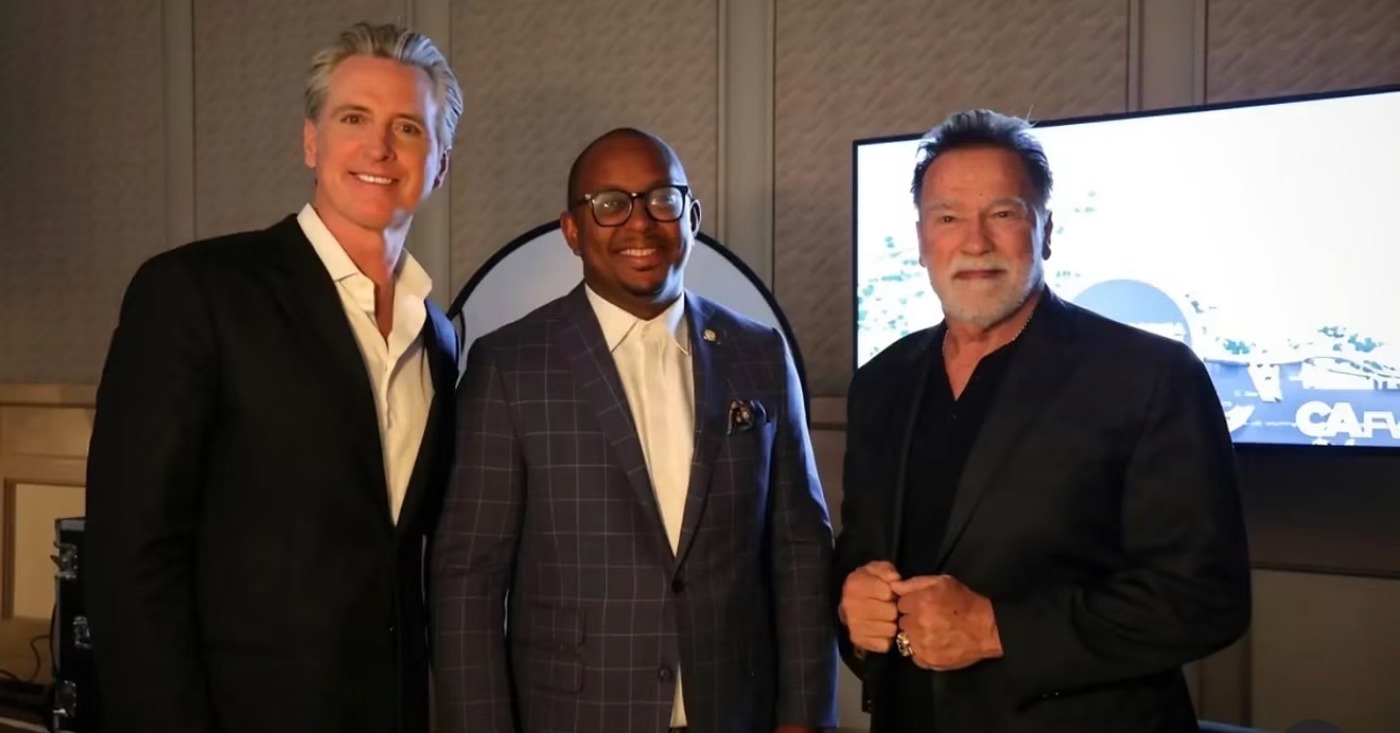
California Gov. Gavin Newsom and former Gov. Arnold Schwarzenegger celebrated two decades of the state’s landmark climate law on Wednesday, Oct. 14, highlighting California’s efforts to reduce greenhouse gas emissions while growing its economy and expanding clean-energy investment.
The Democratic governor and Republican former governor appeared together at the 15th annual California Economic Summit in Long Beach to mark the 20th anniversary of Assembly Bill 32, the Global Warming Solutions Act, which Schwarzenegger signed in September 2006. The law established a framework for reducing California’s greenhouse gas emissions and helped lay the groundwork for the state’s cap-and-invest program.
“We’ve shown the world what a state can accomplish,” Schwarzenegger said, highlighting California’s climate leadership.
Newsom credited Schwarzenegger’s decision to sign AB 32 with helping create the state’s cap-and-invest program, which requires companies to reduce their emissions, purchase allowances, or fund projects that offset pollution. Revenue from the program supports climate initiatives, affordable housing and transportation projects, as well as electricity bill credits for residents.
Newsom said California has reinvested $16 billion to offset residents’ electricity costs since the program began and expects to receive another $8 billion over the next four years.
He also argued that predictable climate policies encourage businesses to invest in California’s clean-energy economy, pointing to Tesla as an example of the opportunities the state’s regulatory framework created.
“There’s no Elon Musk without what Gov. Schwarzenegger did because there would be no Tesla,” Newsom said.
Schwarzenegger agreed that long-term policy certainty helps attract investment, arguing that California’s climate initiatives demonstrate that environmental protections and economic development can advance together.
The state extended its cap-and-invest program through 2045 last year, giving businesses a longer-term framework for planning investments and meeting emissions requirements.
However, California’s approach continues to face criticism over energy affordability and regulatory costs. Wayne Winegarden, a senior fellow at the Pacific Research Institute, argued that assessments of the state’s climate policies should better account for the high energy costs Californians face. Critics have also questioned how much of the state’s economic growth can be directly attributed to its environmental regulations.
The governors’ joint appearance underscored their shared support for climate action despite their political differences. Schwarzenegger has criticized Newsom’s support for Proposition 50, the 2025 redistricting measure that temporarily allowed California lawmakers to redraw congressional districts.
The anniversary comes as California continues to pursue emissions reductions and clean-energy investment while facing questions about the cost of its climate policies for households and businesses.



Native American Health Center Connects 140 Community Members to Career Opportunities During Native American Heritage Month

Oakland Chamber of Commerce Faces $42,000 Ethics Fine for Campaign Violation

Attorney General Bonta Serves Investigative Subpoena on Nvidia

A Record 216 Firearms Collected at East Oakland Gun Buy-Back Event

City Council Hearing Shines a Light on Failures of City’s Prompt Payment Policy

IN MEMORIAM: Claude T. Everhart, San Francisco’s First Black Deputy Mayor, Dies at 73

UC Doctors, Nurses and Community Rally to Demand ICE Out of UC Hospitals

Hypertension and Heart Disease: Doctors, Advocates and Patients Are Tackling the Leading Cause of Death for Black Californians

Marin City Is Especially Vulnerable to El Niño High Tides, Strong Winds, Flooding and Power Outages

‘We’re Committed to Delivering the Change that the American People Deserve’

Staying Ready: What Every Californian Should Know About Preparing for El Niño

Oakland Post: Week of November 18 – 24, 2026

Oakland Post: Week of November 11 -17, 2026

Alameda County Supervisor Miley to Propose Illegal Dumping Ordinance

Oakland City Council Extends AI Data Center Moratorium for 10 Months.

COMMENTARY: Valarie Bachelor and Jennifer Brouhard are Excellent School Board Members and Deserve to Be Reelected

OUSD Receives State Review of District Finances; Outlines Progress Since January

HISTORY MADE: Keisha Lance Bottoms Becomes First Black Woman Elected Governor in American History

SEIU Local 1000 and State of California Will Continue to Negotiate New Labor Contract

Golden State Valkyries Become Bay Area Legends Winning WNBA Championship on Halloween Night

COMMENTARY: Your California Living Trust Could Be Next: When Evidence Isn’t Enough

Fate of Bay Area Public Transit Hinges on Regional Transit Measure

Chase Launches Fraud & Scam Prevention Month

Post News Group Nov. 3 Election Endorsements

Mayor Barbara Lee Holds Special State of the City Address in Deep East Oakland

Democrats, Community Groups Back Measure EE to Change How Oakland Is Governed

From Backyard Grilling to Jack London Square: Jamale Carlyle’s Chicken Wing Success Story

Richmond Neighbors Put Pantry Power on the Map

It’s Time to Lose Weight Before the Holidays

Hutchinson Concedes: Ballots Still Being Counted in Oakland Board Elections

The Conversation With Al McFarlane 6/23/26

Media Monday 6/22/26

LIVE! ASK ALMA! — TUES. 6.23.26 7PM EST

Car Buying Secrets: 4 Hidden Checks Before You Sign!

Is This 550 HP Charger Worth YOUR Money? AutoNetwork Review

Celebrating Juneteenth – Frederick Douglass on education and resistance

LIVE! — ASK ALMA! — TUES. 6.19.26 7PM EST

Hyundai Ioniq 5 Parking, Safety, and 360 View #shorts

2025 Ioniq 5 New Wiper & Powerful Performance! #shorts

Electric SUV Range: Is 259 Miles Enough? #shorts

EV Charging: How Fast Can You Charge an Electric Vehicle? #shorts

Biometric Cooling… Messaging Seats…Come on! 2025 Infiniti QX80 Autograph 4WD

Charged Up: Witness the Magic of a Fully Electric Car! #shorts

Range Rover Sport PHEV Included…: See What’s Inside This Luxury SUV! #shorts

Invisible Hood View: Perfect Parking with X-Ray Vision! #shorts
-
 Commentary3 weeks ago
COMMENTARY: Valarie Bachelor and Jennifer Brouhard are Excellent School Board Members and Deserve to Be Reelected
-
 Education3 weeks ago
OUSD Receives State Review of District Finances; Outlines Progress Since January
-
 Black History3 weeks ago
HISTORY MADE: Keisha Lance Bottoms Becomes First Black Woman Elected Governor in American History
-
 Business3 weeks ago
SEIU Local 1000 and State of California Will Continue to Negotiate New Labor Contract
-
 Community3 weeks ago
Golden State Valkyries Become Bay Area Legends Winning WNBA Championship on Halloween Night
-
 Business3 weeks ago
COMMENTARY: Your California Living Trust Could Be Next: When Evidence Isn’t Enough
-
 Business4 weeks ago
Fate of Bay Area Public Transit Hinges on Regional Transit Measure
-
 Commentary3 weeks ago
Post News Group Nov. 3 Election Endorsements
