
Health
Homegrown Flavor from an Indoor Garden

By Melinda Myers
Add some homegrown flavor to your winter meals. From microgreens to tomatoes, it is possible to grow produce indoors.
Microgreens are a quick and easy way to add some flavor and crunch to your plate. Just plant seeds labeled for sprouting or microgreens in a shallow container filled with a sterile potting or seed starting mix. Within two weeks you will be harvesting nutritious mini vegetable and herb leaves for salads, sandwiches or snacking.
Take it one step further and grow a few of your favorite herbs on a warm sunny windowsill. Select a container with drainage holes and set on the appropriate size saucer to protect your woodwork. Fill the container with well-drained potting mix and plant seeds or transplants. Purchase basil, chives, parsley, oregano and rosemary plants from your local garden center or the produce department.
Greens, like lettuce and spinach, will also grow in a sunny window or better yet under artificial lights. Grow them in a container filled with a well-drained potting mix similar to your windowsill herb garden. Plant seeds according to the seed packet. Continually harvest the outer leaves when they are four to six inches tall.
Those that like a bit of a challenge may want to try growing a compact tomato, pepper or eggplant. You’ll get the best production with a combination of natural and artificial light or full spectrum lights.
Natural sunlight and full spectrum lights contain the variety of light plants need to grow, flower and fruit. Blue light promotes leaf and stem growth, while red combined with blue promotes flowering. Consider investing in energy efficient and long lasting high intensity grow lights for the greatest yields when growing tomatoes, peppers, eggplants and other fruiting plants indoors.
Leave lights on for 14, but no more than 16 hours each day. Plants need a dark period as well as bright light each day to grow and thrive. Use a timer to ensure the plants receive the right duration of light.
Most flowering and fruiting plants need a high intensity of light, so keep the lights six to twelve inches above your plants. Use reflective surfaces under and around the plants to bounce light back into larger plants.
Increase your indoor growing space by going vertical. Shelf units with built-in light fixtures like the Stack-n-Grow Light System (gardeners.com) provide multiple layers of growing space.
And once your tomatoes, peppers and eggplants start flowering, you will need to shake things up a bit. Gently shake the plants several times a week, better yet daily, to move the pollen from the female to the male parts of the flower so fruit will develop. A gentle breeze from a fan or vibrations from a battery-operated toothbrush work well.
Indoor gardening won’t yield the same results as a sunny outdoor garden, but the flavor can’t be beat when gardening outdoors is not an option.
Gardening expert, TV/radio host, author & columnist Melinda Myers has more than 30 years of horticulture experience and has written over 20 gardening books. Her site, www.melindamyers.com, offers gardening videos and tips.


Commentary
Doctors Seeing More Cases of Preventable Childhood Illnesses
OAKLAND POST — Physicians have said vaccine skepticism has expanded beyond childhood immunizations. Doctors also reported growing resistance to other preventive treatments.


By Stacy M. Brown
Doctors across the United States say they are treating children for illnesses that routine vaccinations once made increasingly uncommon, raising concerns that years of declining immunization rates are beginning to reverse decades of public health progress.
Pediatricians have described seeing more cases of whooping cough, rotavirus infections, bacterial pneumonia and other potentially life-threatening illnesses that vaccines have long helped suppress. Some physicians reported treating conditions they had rarely encountered during their careers, while others said that growing vaccine hesitancy is changing how emergency rooms and hospitals care for children.
The reports come as measles outbreaks continue to spread across multiple states and vaccination coverage remains below federal public health targets.
Johns Hopkins University’s International Vaccine Access Center reported 2,077 confirmed measles cases nationwide as of May 29. Researchers warned that outbreaks reported across the country have raised concerns about continued transmission, additional hospitalizations and deaths, and the possible loss of the nation’s measles elimination status.
Public health experts have long viewed measles as a warning sign because of its ability to spread rapidly through communities with lower vaccination coverage. The New York Times reported that physicians increasingly fear the resurgence of measles may be followed by the return of other vaccine-preventable diseases.
Doctors say that is already happening.
Dr. Meghan Hofto, a pediatric hospitalist at the University of Alabama at Birmingham, said she has already treated roughly as many children with rotavirus this year as she saw during the previous decade. Rotavirus once caused tens of thousands of hospitalizations annually before vaccines sharply reduced its spread. None of the children she treated this year had been vaccinated.
Hofto also described caring for infants with pertussis, commonly known as whooping cough.
“It’s hard to know when they’re safe to go home,” Hofto told The Times.
The rise in whooping cough cases has been particularly striking. More than 28,000 cases were reported nationwide last year, compared with approximately 7,000 in 2023, according to figures cited by The Times. Many of the affected infants were too young to receive vaccinations themselves and relied on broader community protection to reduce their exposure.
Other doctors described similarly troubling cases.
Dr. Jessica Kirk, a pediatric hospitalist in Alabama, recently treated an unvaccinated toddler hospitalized with pneumonia caused by simultaneous infections of Haemophilus influenzae and Streptococcus pneumoniae. Vaccines exist to protect against both illnesses. The child required oxygen and antibiotics to recover.
Researchers at Johns Hopkins have been tracking vaccination trends nationwide and found continuing signs of vulnerability.
At the same time, vaccine policy has become increasingly contentious in state legislatures.
Johns Hopkins researchers reported that lawmakers across the country continue to introduce bills affecting childhood vaccination requirements, vaccine access and non-medical exemptions. Researchers also noted that state policies governing exemptions remain a significant factor in vaccination coverage and disease transmission risks.
Physicians have said vaccine skepticism has expanded beyond childhood immunizations. Doctors also reported growing resistance to other preventive treatments.
For doctors confronting the return of illnesses that vaccines once pushed to the margins of American medicine, the challenge is becoming increasingly personal.
“It just feels like you’re a tiny little boat with a giant tidal wave coming at you,” Dr. Erin Charles, a regional pediatric hospitalist at Seattle Children’s Hospital, told reporters. “And you might convince one family here and there.”

Community
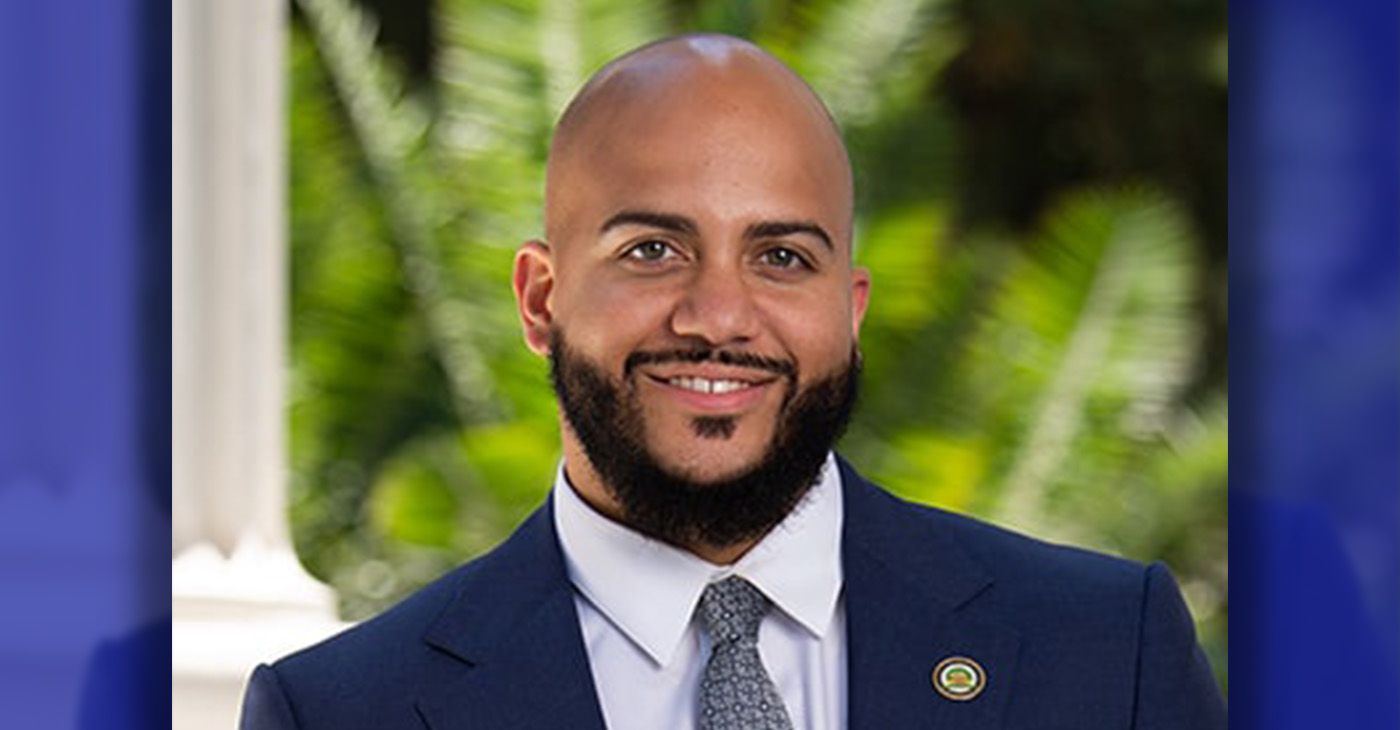
Asm. Isaac Bryan’s Environmental Reparations Bill Passes on Assembly Floor
“All this bill does is allocate resources from that repair fund and direct cash assistance to families that have had negative health impacts as a result of living next to that oil field,” said Bryan during remarks on the Assembly floor.
By Bo Tefu, California Black Media
On May 26, the California State Assembly passed legislation to provide direct financial assistance to families harmed by pollution from a major urban oil field in South Los Angeles.
Assembly Bill (AB) 1661, introduced by Assemblymember Isaac Bryan (D-Ladera Heights), cleared the Assembly floor with a 44-10 vote after lawmakers concluded debate on the measure.
The bill would direct money from a community repair fund toward families who suffered negative health effects from living near what Bryan described as the state’s largest toxic urban oil field. The repair fund was created under legislation approved two years ago that shut down the oil field and required polluters to contribute financially to community recovery efforts.
“All this bill does is allocate resources from that repair fund and direct cash assistance to families that have had negative health impacts as a result of living next to that oil field,” said Bryan during remarks on the Assembly floor.
Bryan called the proposal “the largest environmental reparations opportunity for South LA” and told lawmakers the bill had not received opposition during the legislative process.
The legislation is part of California’s broader push to address environmental justice concerns in communities historically exposed to industrial pollution. South Los Angeles residents and environmental advocates have long raised concerns about health risks associated with oil drilling operations near homes, schools and parks.
Supporters say the measure represents a new approach to environmental accountability by ensuring that communities affected by pollution directly benefit from funds collected from responsible companies.
After debate concluded, Assembly leadership opened the roll call vote, and the measure passed with majority support from lawmakers.
AB 1661 now moves to the Senate for further review.
Activism
Rep. Kamlager-Dove Introduces Bill to Protect Women in Custody After Reports Detailing Miscarriages and Neglect
The Pregnant Women in Custody Act would expand safeguards beyond the federal prison system to include women detained by U.S. Immigration and Customs Enforcement, U.S. Customs and Border Protection and the Office of Refugee Resettlement. The proposal follows reports of pregnant women being shackled, denied medical care and suffering miscarriages while in immigration detention.
By Bo Tefu, California Black Media
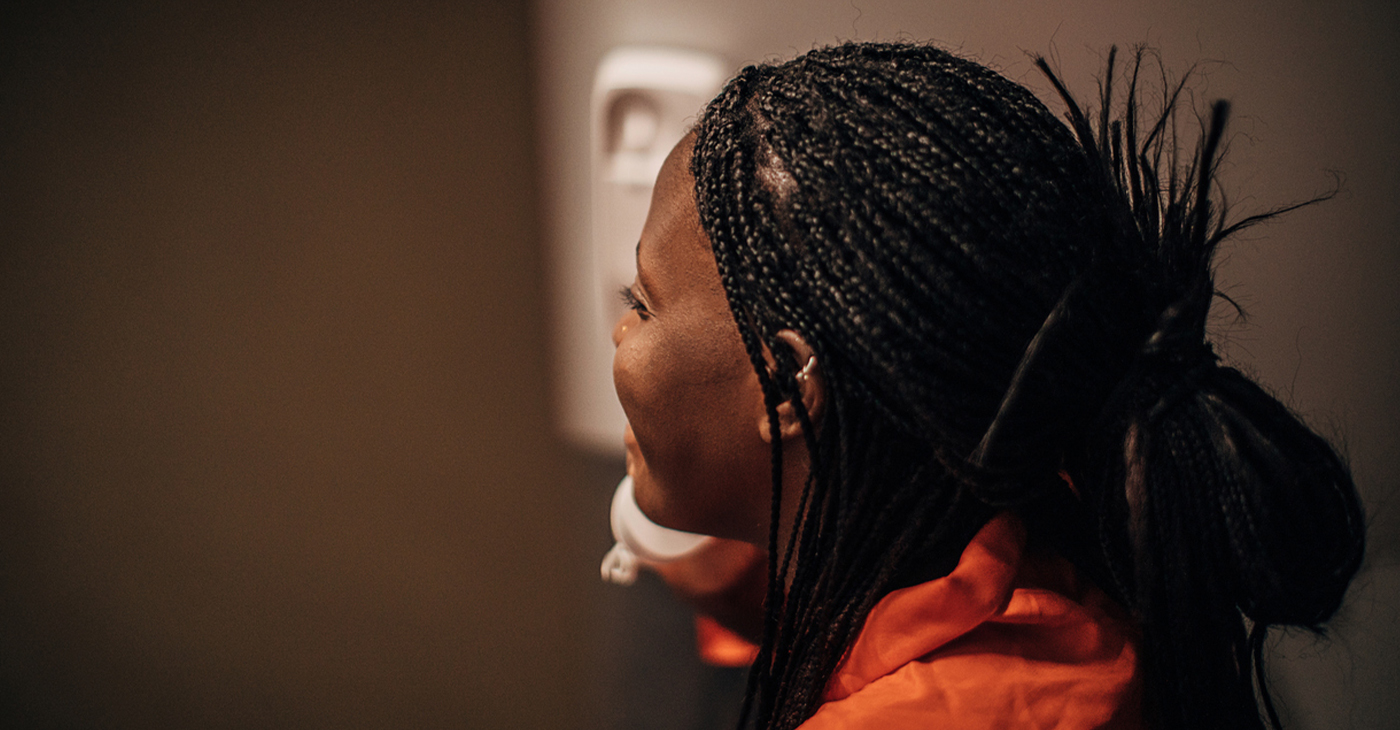
Congresswoman Sydney Kamlager-Dove (D-CA-37) on May 7, reintroduced updated legislation aimed at strengthening protections and healthcare standards for pregnant and postpartum women held in federal custody, including in immigration detention facilities.
The Pregnant Women in Custody Act would expand safeguards beyond the federal prison system to include women detained by U.S. Immigration and Customs Enforcement, U.S. Customs and Border Protection and the Office of Refugee Resettlement. The proposal follows reports of pregnant women being shackled, denied medical care and suffering miscarriages while in immigration detention.
The legislation builds on a bipartisan version previously passed by the House during the 117th Congress. The updated bill includes new standards for healthcare access, mental health and substance use treatment, high-risk pregnancy care, family unity protections and increased federal oversight.
“Proper pregnancy care is a human right, regardless of your immigration or incarceration status,” Kamlager-Dove said in a statement. “It’s unacceptable that there are virtually no legal safeguards for pregnant women in federal custody.”
The bill would also limit the use of restraints and restrictive housing for pregnant women, improve data collection on maternal health in custody and require additional staff training and enforcement measures.
Supporters of the measure said the legislation is intended to address long-standing concerns about maternal healthcare and safety in detention settings, particularly for Black women and low-income women who are disproportionately impacted by incarceration and health disparities.
“Pregnant women in custody should never be subjected to dangerous and inhumane treatment that threatens their health, dignity, or the well-being of their babies,” said Patrice Willoughby, chief of policy and legislative affairs for the NAACP and a longtime public policy and government affairs strategist, in a statement.
A 2021 report estimated there are about 58,000 admissions of pregnant women into U.S. jails and prisons each year. Kamlager’s statement also cited a recent investigation by NBC News and Bloomberg Law that identified allegations of severe mistreatment or medical neglect involving at least 54 pregnant women or families in county jails between 2017 and 2024.
Federal policy under the Department of Homeland Security restricts the detention of pregnant, postpartum and nursing immigrants except in extreme cases. However, the agency reported that ICE deported 363 pregnant, postpartum or nursing women between January 2025 and February 2026, including 16 recorded miscarriages during that period.
The bill is cosponsored by several House Democrats and backed by organizations including the NAACP and the Vera Institute of Justice.

WORK FROM HOME
Home-based business with potential monthly income of $10K+ per month. A proven training system and website provided to maximize business effectiveness. Perfect job to earn side and primary income. Contact Lynne for more details: Lynne4npusa@gmail.com 800-334-0540


Doctors Seeing More Cases of Preventable Childhood Illnesses

California Birth Rate Falls Below “Replacement Level”

Book Review: Something We Said: Richard Pryor, A Notorious Word, and Me

IN MEMORIAM: Longtime OUSD Employee Debra King-Cooper, 73

Asm. Isaac Bryan’s Environmental Reparations Bill Passes on Assembly Floor

COMMENTARY: Black Alliance for Just Immigration Supports Black Voting Rights!

Sale of Coliseum to African American Developers Moves Toward Completion

Celebrating Juneteenth – Frederick Douglass on education and resistance

LIVE! — ASK ALMA! — TUES. 6.19.26 7PM EST

Kansas City Launches Juneteenth Season with Parade Along 18th Street

Birmingham Launches In-Person Community Service Hub, Dynamic Website to Connect Residents to Essential Services

Saloon doors: How Black bars are reclaiming western style

Oakland Post: Week of June 10 – 16, 2026

Oakland Director Boots Dazzles Once Again in ‘I Love Boosters’

After 10-Year Wait, Fillmore Heritage Center Reopens in San Francisco

Book Review: Books for College-Bound Students

Against All Odds: Mary Jackson’s Journey to NASA Engineer

Q&A with Steven Bradford: Why He Wants Your Vote for California Insurance Commissioner

OPINION: The Fire of Oakland’s Justin Jones

The Marin City Flea Market Is Back

The Ladies of Delta Sigma Theta Hold Day of Advocacy at the Capitol in Sacramento

EBMUD Enshrines the Legacy of its First Black Board Member William ‘Bill’ Patterson

California Launches Free Diaper Program for Newborns Statewide

Oakland Mayor Pushes Charter Overhaul to Clarify Roles in City Government, Increase Accountability and Improve Service Delivery

Mayor Barbara Lee Declares ‘Delroy Lindo Day,’ Presents Acclaimed Actor with Key to the City

How Is AI Affecting California? The State Wants You to Share Your Story

Oakland Post: Week of May 6 – 12, 2026

Rep. Kamlager-Dove Introduces Bill to Protect Women in Custody After Reports Detailing Miscarriages and Neglect

Snoop Dogg Celebrates 10 Til’ Midnight at the Compound

OP-ED: Small Businesses Need Minnesota to Act on Pass-Through Tax Policy
Celebrating Juneteenth – Frederick Douglass on education and resistance
LIVE! — ASK ALMA! — TUES. 6.19.26 7PM EST

Hyundai Ioniq 5 Parking, Safety, and 360 View #shorts

2025 Ioniq 5 New Wiper & Powerful Performance! #shorts

Electric SUV Range: Is 259 Miles Enough? #shorts

EV Charging: How Fast Can You Charge an Electric Vehicle? #shorts

Biometric Cooling… Messaging Seats…Come on! 2025 Infiniti QX80 Autograph 4WD

Charged Up: Witness the Magic of a Fully Electric Car! #shorts

Range Rover Sport PHEV Included…: See What’s Inside This Luxury SUV! #shorts

Invisible Hood View: Perfect Parking with X-Ray Vision! #shorts

AI Is Reshaping Black Healthcare: Promise, Peril, and the Push for Improved Results in California

ESSAY: Technology and Medicine, a Primary Care Point of View

Sanctuary Cities

The RESISTANCE – FREEDOM NOW

STATE OF THE PEOPLE: Freddie
-

 #NNPA BlackPress1 week ago
5 Cleveland Police Officers Injured, Gunfire Erupts During East Side Pursuit
-

 Activism1 week ago
Oakland Post: Week of June 3 – 9, 2026
-

 #NNPA BlackPress1 week ago
2026 World Cup is Here and Atlanta is Ready For It
-
 #NNPA BlackPress1 week ago
COMMENTARY: Using Art, Healing, And Community to Transform Mental Health Dialogue
-
 Art1 week ago
After 10-Year Wait, Fillmore Heritage Center Reopens in San Francisco
-

 Activism3 weeks ago
Oakland Post: Week of May 27 – June 2, 2026
-

 #NNPA BlackPress1 week ago
Venus Williams Calls a Sabalenka Exit a Tragedy
-

 Arts and Culture1 week ago
COMMENTARY: Black Music is the Sound of Black Freedom: Let Us Reclaim Both This Juneteenth
