
Government
Gov. Newsom Nominates Rob Bonta as Next Attorney General
“Rob represents what makes California great – our desire to take on righteous fights and reverse systematic injustices,” said Newsom. “Growing up with parents steeped in social justice movements, Rob has become a national leader in the fight to repair our justice system and defend the rights of every Californian.”

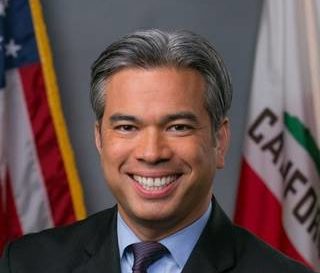
After weeks of speculation, Gov. Gavin Newsom has picked Assemblymember Rob Bonta as his replacement for former California attorney Gen. Xavier Becerra.
Last December, President Biden nominated Becerra to his Cabinet as Secretary of Housing and Urban Development. He was recently sworn into that role.
On Wednesday, the governor’s office issued a press release announcing Newsom has submitted the nomination of Rob Andres Bonta (D-Alameda), 48, as the state’s next Attorney General.
“Rob represents what makes California great – our desire to take on righteous fights and reverse systematic injustices,” said Newsom. “Growing up with parents steeped in social justice movements, Rob has become a national leader in the fight to repair our justice system and defend the rights of every Californian.”
Under California law, the legislature has 90 days to approve Bonta’s nomination.
Born in the Philippines, Bonta was elected to the California State Assembly’s 18th District in 2012, where he represents sections of Alameda County, including parts of Oakland and San Leandro. He became the first Filipino American state legislator in California’s then 160-plus-year history. He is also the state’s first Filipino American Attorney General.
Bonta’s father was involved in the Civil Rights Movement and stood with Dr. Martin Luther King, Jr., marching for equality and justice in Selma. His mother was and continues to be a long-time leader in the Filipino social justice movement.

Bonta thanked the governor, saying “I am humbled by the confidence you have placed in me.”
“I became a lawyer because I saw the law as the best way to make a positive difference for the most people, and it would be an honor of a lifetime to serve as the attorney for the people of this great state,” he said. “As California’s Attorney General, I will work tirelessly every day to ensure that every Californian who has been wronged can find justice and that every person is treated fairly under the law.”
Growing up in a trailer not far away from César Chávez’s home, Bonta watched closely as his parents worked for the United Farm Workers of America (UFWA) and organized Filipino and Mexican American farmworkers. This experience had a huge impact on Bonta’s life choices and pursuits, inspiring his life’s commitment to aiding people.
Bonta worked his way through college cleaning laundry rooms and, with the help of financial aid, he was able to attend college and law school. He obtained his Juris Doctorate from Yale Law School after attending Yale College and Oxford University in England. He was also a scholar-athlete and captain of the Yale Soccer team.
His legal career included work as a Deputy City Attorney for the City and County of San Francisco, where he represented the City and County and its employees. He also worked as a private attorney, fighting to protect Californians from exploitation and racial profiling. Bonta was undefeated in trial court, never losing a jury verdict for his clients.
Bonta started his political career as a publicly-elected official at the local level, first as a director of the Alameda Health Care District and later as Vice Mayor of the City of Alameda.
In the state assembly, Bonta currently serves as the assistant majority leader, serving on the appropriations, communications and conveyance, governmental organization, and health committees. Bonta has authored significant pieces of legislation that include:
Assembly Bill (AB) 1482, a landmark legislative victory for tenants in California. The 2019 legislation banned outrageous rent increases and unjust evictions and is considered the most impactful bill for tenants ever to become law.
AB 32, the historic, first-in-the-nation legislation to end the use of for-profit, private prisons and detention facilities in California.
AB 266, the Medical Cannabis Regulation and Safety Act, a set of regulations created to ensure patient and consumer safety and protect children from cannabis marketing and safeguard the environment from harmful cultivation practices.
In 2018, California passed historic bail reform, Senate Bill 10, to end an unfair, unsafe, predatory, for-profit money bail system and replace it with a system that’s safer and fairer. Bonta co-authored SB 10 with his colleague Senator Bob Hertzberg,
Bonta recently appeared in a virtual meeting with state Steven Bradford (D-Gardena), the chair of the California Legislative Black Caucus. Author and co-author, Bradford and Bonta discussed the language in SB 2, which will revoke the certification of peace officers convicted of violating a person’s civil rights.
Newsom says he can’t wait to see Bonta get to work.
“At this moment when so many communities are under attack for who they are and who they love, Rob has fought to strengthen hate crime laws and protect our communities from the forces of hate. He will be a phenomenal Attorney General, said Newsom.










Community
Four Candidates, Including Incumbent Barbara Lee, Qualify for Oakland Mayor’s Race
POST NEWS GROUP — Four candidates, including incumbent Mayor Barbara Lee, filed their papers to run for office by last Friday’s deadline, and the City Clerk issued a list this week of those who are qualified to run.


The four mayoral candidates who will appear on the Nov. 3 ballot are:
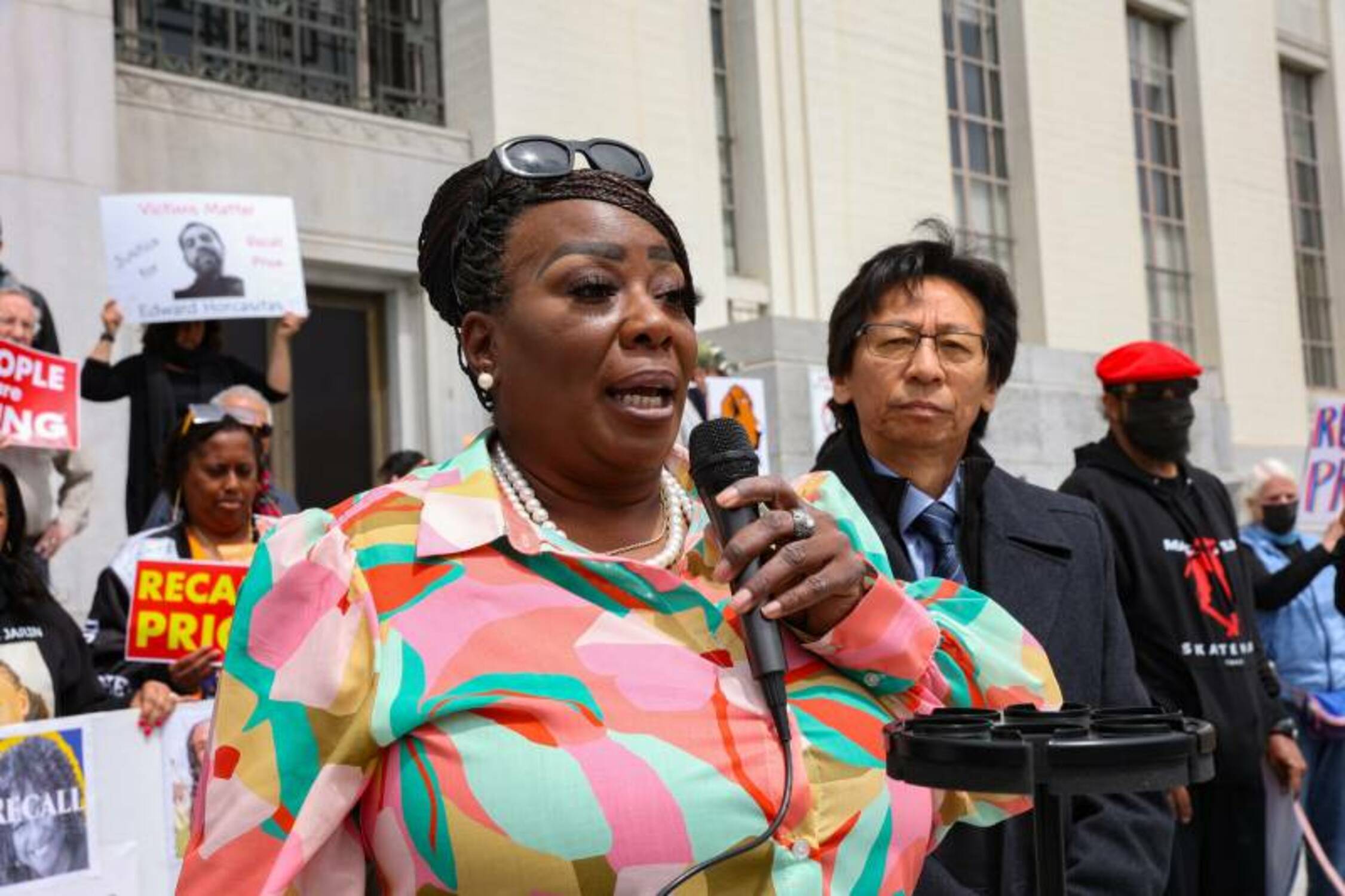
Brenda Grisham. A business owner in East Oakland and public safety advocate, Grisham led the successful recall campaign against Alameda County District Attorney Pamela Price. As part of her platform, she pledges to work with local, state, and federal partners to secure stricter gun control measures and investments in community violence intervention programs.
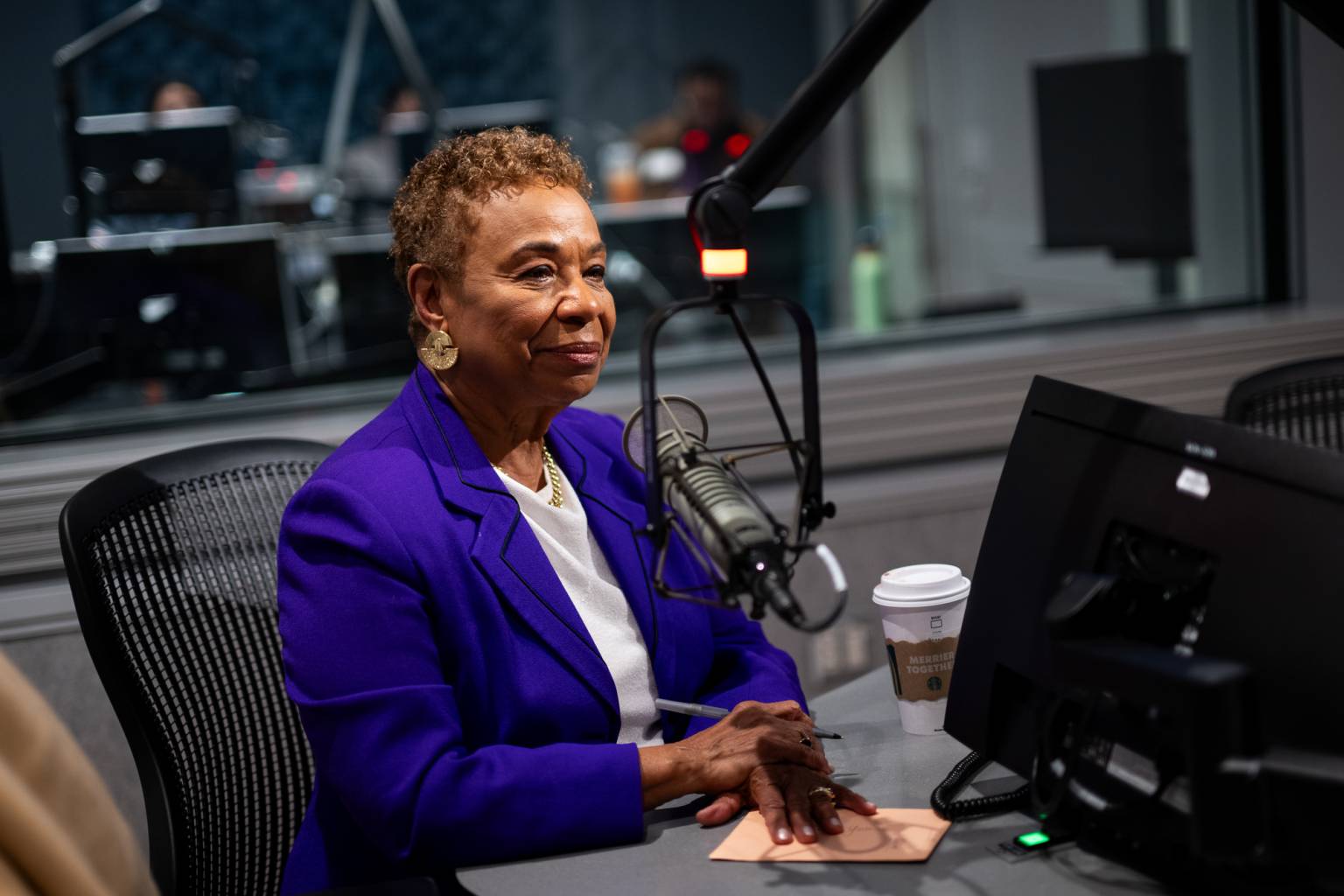
Barbara Lee. A former congressional representative and state Assembly member, Lee was elected by voters in a special election last year for a two-year term. Now running for a four-year term, she points out that her administration achieved major successes in addressing some of the city’s major challenges, including balancing the city budget, dramatically reducing crime, and making significant inroads into homelessness and illegal dumping.
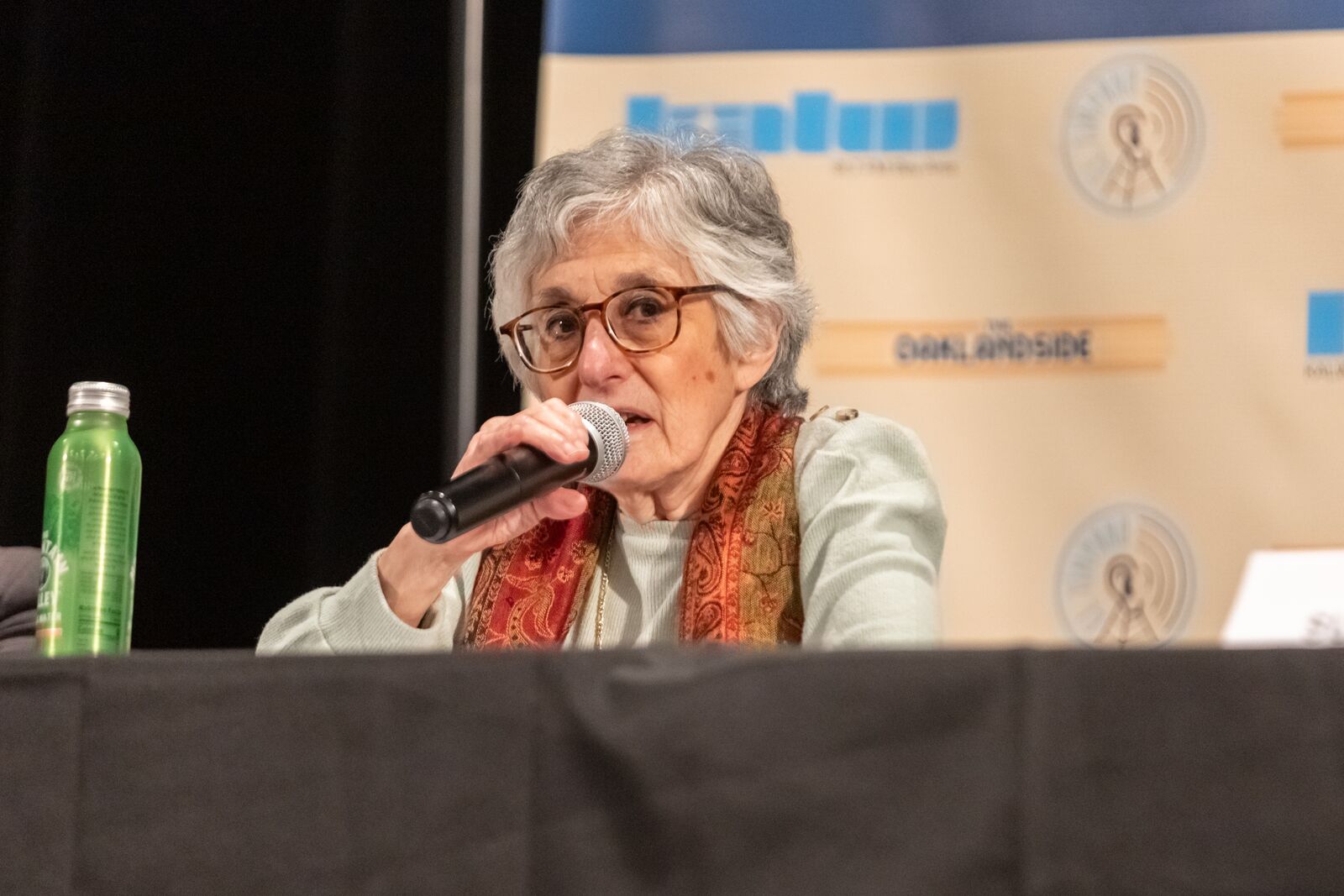
Mindy Pechenuk. An educator and activist, Pechenuk is a registered Republican and supporter of Lyndon LaRouche, who has been described by observers as a conspiracy theorist and cult leader. She ran unsuccessfully for mayor in last year’s special election and for the at-large council seat in 2024. She seeks to end Oakland’s police commission and MACRO and invest in more police while launching a new local war on drugs.
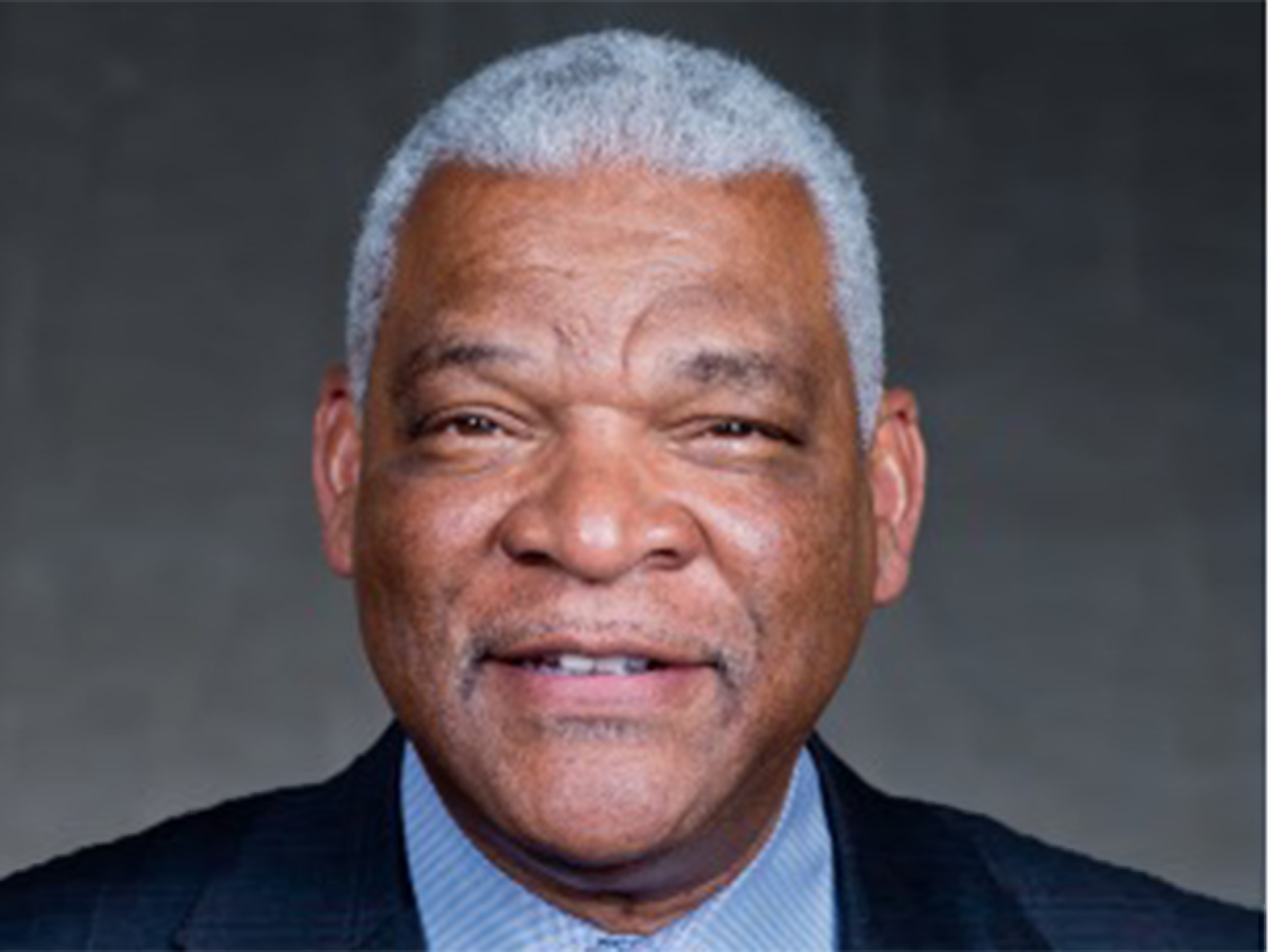
Julius Robinson. While little information is available so far about Robinson, he was quoted in a KTVU story about Thao’s recall, stating that people in Oakland want to come together as a community but lack infrastructure and leadership.

Activism
Oakland Post: Week of August 12 – 18, 2026
The printed Weekly Edition of the Oakland Post: Week of August 12 – 18, 2026


To enlarge your view of this issue, use the slider, magnifying glass icon or full page icon in the lower right corner of the browser window.

Commentary
COMMENTARY: Why Local School Tax Measure G1 Will Not Be on the November Ballot
POST NEWS GROUP — Measure G1 is the local tax measure that supports middle school teacher retention and the expansion of arts, music, and world language programs at both OUSD middle schools and charter middle schools. The current measure expires in 2029.

There has been considerable speculation recently about why Measure G1 will not appear on the November ballot and what that means for the Oakland Unified School District’s current budget.
I want to provide some clarity about what happened and, importantly, what did not happen.
Measure G1 is the local tax measure that supports middle school teacher retention and the expansion of arts, music, and world language programs at both OUSD middle schools and charter middle schools. The current measure expires in 2029.
Because these funds are important to our schools and to the continuity of these programs, the district initially intended to place a renewal initiative on the November ballot to provide greater early certainty about funding beyond the expiration of the current measure.
As part of that process, the Board scheduled a special meeting for the required public hearing on the ballot initiative. There has been some suggestion that this meeting was noticed only one day in advance. That is not accurate.
Public hearings of this nature are subject to specific notice requirements, and the meeting must be noticed at least two weeks before the hearing. In practice, the notice may appear even earlier depending on publication schedules. The notice for the Measure G1 public hearing was published in the Tribune on 7/24/2026 and 7/31/2026.

So, why wasn’t the Measure G1 paperwork ultimately filed?
After the Board approved placing the measure on the ballot, the next step required the Alameda County Superintendent of Schools to sign the necessary paperwork before it could be submitted to the Oakland City Clerk.
During that process, Alameda County Superintendent Alysse Castro raised concerns about potential litigation stemming from another court case unrelated to OUSD and about whether proceeding with the measure could expose the district or County to legal challenges. Superintendent Castro’s action is unprecedented and concerning.
It is important to distinguish between the Board’s decision to pursue Measure G1 and the subsequent procedural and legal issues that arose. The Board did approve moving forward with the measure. The measure did not fail because the Board chose not to support it, nor was the public hearing improperly noticed.
The decision not to proceed with the November ballot was made in light of the County’s concerns about potential litigation and the County’s required approval process.
We also need to be clear about what this does, and does not, mean for OUSD’s current budget. The existing Measure G1 funds remain available through the expiration of the current measure in 2029. The immediate issue is the longer-term continuity of funding beyond that date, not the elimination of these resources from the current year’s budget.
Our responsibility as a Board is to protect the educational programs and services our students depend on while ensuring that our decisions comply with the law and protect the district from unnecessary legal and financial risk.
We will continue working to understand the County’s concerns, explore our options, and advocate for the resources our students deserve. Our middle school students, teachers, and school communities deserve stability, and continued investment in arts, music, world languages, and teacher retention—and that work remains a priority for Oakland Unified.
Jennifer Brouhard is a retired OUSD educator and is the current OUSD School Board President representing District 2.


WORK FROM HOME
Home-based business with potential monthly income of $10K+ per month. A proven training system and website provided to maximize business effectiveness. Perfect job to earn side and primary income. Contact Lynne for more details: Lynne4npusa@gmail.com 800-334-0540


Four Candidates, Including Incumbent Barbara Lee, Qualify for Oakland Mayor’s Race

Oakland Observes Black August with Block Parties, Film Showings, Workshops

Oakland Post: Week of August 12 – 18, 2026

COMMENTARY: Why Local School Tax Measure G1 Will Not Be on the November Ballot

California Hispanic Chambers of Commerce Unveils: ‘Powering the Future’ Theme for 47th Annual Statewide Convention

Returning to Its Roots, the Oakland Black-Eyed Pea Festival Partners with the Freedom Farmers Market Sept. 12

Less Affluent School Districts, Including Sacramento City, Face Threat of State Takeover

From Blueprint to Breakthrough: Tackling Affordable Housing in Oakland

NPRC Scores First Advocacy Victory: David Shaw Finally Gets His Wish to ‘Go Home’

ESSAY: California Can Close Its Colorectal Cancer Gap

Car Wash Workers Cope with Lingering Impacts of ICE Raids

Misty Copeland Shapes Ballet’s Tomorrow

As Part of Your Back-to- School Checklist, Vaccinate

As Part of Your Back-to- School Checklist, Vaccinate

Congresswoman Simon Demands Investigation into Trump’s Abuse of Emergency Powers for Coal Export Terminal in West Oakland

Department of Homeland Security Demands California Secretary of State Shirley N. Weber Scrub Voter Rolls

Oakland Children’s Hospital Workers and Patients Rally for Pediatric Medical Care

New Judge Could Decide if Karmelo Anthony Gets a New Trial

“The Power to See Threats Sooner”: Gov. Newsom, Safety Officials Showcase California’s Investments in Hi-Tech Wildfire Prevention

Alpha Kappa Alpha Sorority, Inc. Celebrates New North Atlantic Regional Director

Surveillance Pricing Fight: State Senate Debates Bill Banning Retailers from Using AI to Set Prices Based on a Buyer’s Profile

Mount Zion MBC, Church of Jesus Christ of Latter-day Saints Partner to Bring 29,000 Meals to Alameda County

California Sen. Padilla Joins Colleagues to Introduce Bill Imposing Term Limits on Supreme Court Justices

Starting This Summer, California Car Buyers Can Get an Instant $3500 Off the Cost of Electric Vehicles

COMMENTARY: You Are Already Paying for the AI Boom
Less Affluent School Districts, Including Sacramento City, Face Threat of State Takeover

California Bill Would Let Abuse Victims Use Trauma as Legal Defense for Violent Crime
Car Wash Workers Cope with Lingering Impacts of ICE Raids

Fed Court to Decide Landmark First Amendment Case

Gov. Gavin Newsom Signs Law Streamlining Affordable Housing Rules

The Conversation With Al McFarlane 6/23/26

Media Monday 6/22/26

LIVE! ASK ALMA! — TUES. 6.23.26 7PM EST

Car Buying Secrets: 4 Hidden Checks Before You Sign!

Is This 550 HP Charger Worth YOUR Money? AutoNetwork Review

Celebrating Juneteenth – Frederick Douglass on education and resistance

LIVE! — ASK ALMA! — TUES. 6.19.26 7PM EST

Hyundai Ioniq 5 Parking, Safety, and 360 View #shorts

2025 Ioniq 5 New Wiper & Powerful Performance! #shorts

Electric SUV Range: Is 259 Miles Enough? #shorts

EV Charging: How Fast Can You Charge an Electric Vehicle? #shorts

Biometric Cooling… Messaging Seats…Come on! 2025 Infiniti QX80 Autograph 4WD

Charged Up: Witness the Magic of a Fully Electric Car! #shorts

Range Rover Sport PHEV Included…: See What’s Inside This Luxury SUV! #shorts

Invisible Hood View: Perfect Parking with X-Ray Vision! #shorts
-
 Featured1 week ago
Department of Homeland Security Demands California Secretary of State Shirley N. Weber Scrub Voter Rolls
-
 Business3 weeks ago
Oakland Children’s Hospital Workers and Patients Rally for Pediatric Medical Care
-
 #NNPA BlackPress2 weeks ago
New Judge Could Decide if Karmelo Anthony Gets a New Trial
-
 Environment1 week ago
“The Power to See Threats Sooner”: Gov. Newsom, Safety Officials Showcase California’s Investments in Hi-Tech Wildfire Prevention
-
 Black History2 weeks ago
Alpha Kappa Alpha Sorority, Inc. Celebrates New North Atlantic Regional Director
-
 Business3 weeks ago
Surveillance Pricing Fight: State Senate Debates Bill Banning Retailers from Using AI to Set Prices Based on a Buyer’s Profile
-
 Business3 weeks ago
Mount Zion MBC, Church of Jesus Christ of Latter-day Saints Partner to Bring 29,000 Meals to Alameda County
-
 Featured1 week ago
California Sen. Padilla Joins Colleagues to Introduce Bill Imposing Term Limits on Supreme Court Justices
