
Business
Don’t Let scammers Crash Your School Year
OAKLAND POST — Buy from official and trusted retailers whenever possible, double check website URLs for misspellings or other red flags, and make sure the site uses https://. Be wary of deals that seem too good to be true as well. Avoid clicking links in unsolicited emails or text messages, including fake “missed delivery” notifications that often lead to fraudulent websites or malware.



Today’s students and young adults are true digital natives, having grown up online, learning to navigate digital spaces as a normal part of daily life. As they transition to college, they turn to digital platforms and social media for everything from apartment hunting and job searches to shopping, banking and talking with friends.
That familiarity, however, can create a false sense of security, making younger adults just as much of a target for fraud and scams as older individuals. According to the FBI’s Internet Crime Report, Americans ages 20–29 reported more than $500 million to internet-crime losses in 2025.
As scammers become more sophisticated, including using AI, students need to be more vigilant than ever about fraud and scams. Understanding the most common ones can help you avoid becoming a victim.
Common Scams Targeting Students
Online shopping and marketplace scams
Whether you’re furnishing a dorm, moving into an apartment or buying textbooks, online deals and secondhand marketplaces can help you save money while also creating more opportunities for scammers.
Buy from official and trusted retailers whenever possible, double check website URLs for misspellings or other red flags, and make sure the site uses https://. Be wary of deals that seem too good to be true as well. Avoid clicking links in unsolicited emails or text messages, including fake “missed delivery” notifications that often lead to fraudulent websites or malware.
Before making a purchase, read seller reviews and ratings. If you’re buying locally, meet in a safe public place and inspect the item before paying.
Job scams
As students return to school this fall, some may be looking for part-time jobs or internships. Scammers target students with fake jobs offering high salaries, flexible schedules or jobs you can do from your residence hall, apartment or home.
If you receive a job offer by text, email, or direct message – be cautious, especially if you never applied to work at that company. Always use well-known job boards and then apply directly through the company’s official website.
Also, if an employer asks you to pay upfront for training, equipment, background checks or application fees, it may be a sign of a scam. Legitimate companies will never charge you to get a job. They also won’t send you money and then ask you to return a portion of it.
Rental and housing scams
Scammers know student housing is in high demand. They’ll often post fake apartment listings or copy legitimate ones to trick potential renters into sending money for a deposit.
Rental prices that seem unusually low should raise a red flag. Use a reverse image search to see if photos of the property appear on a different website or in a different location. Research unfamiliar property managers or housing websites before sending money, and avoid paying deposits through wire transfers, gift cards or peer-to-peer payment apps.
Double check the address, read online reviews of the property management company and schedule a tour of the house or apartment before signing a lease or sending a deposit. That way, you’ll know the listing and location is real.
The influence of AI
Thanks to artificial intelligence, scammers can now create cloned voices and deepfake videos, along with fraudulent emails, text messages and even websites and apps that look real. These AI tools let scammers impersonate family members, employers, banks, law enforcement, delivery companies and trusted brands to get you to send money or share personal information.
How to protect yourself
No matter what type of scam you encounter, a few simple habits can go a long way toward reducing your risk:
- Limit the personal information you share online and make social media profiles private whenever possible. This can help reduce the information scammers can use to target you, guess your security questions or attempt to access your financial accounts.
- When you’re making a payment, use more protected methods, such as credit and debit cards, which generally offer stronger consumer protections than wire transfers, gift cards or peer-to-peer payment apps. Treat peer-to-peer payments, such as Zelle, like cash — once the money is sent, it’s often difficult to recover.
- Scammers can spoof phone numbers to make calls look like they’re coming from your bank, law enforcement or another trusted organization. Don’t automatically trust your caller ID – if you get a call demanding immediate action or claiming there’s a problem with your account, hang up and call back directly using a verified phone number. Banks will never call and ask you for account information, tell you to transfer money to ‘protect’ it or pressure you to act immediately.
- Don’t click links or download attachments from unexpected emails or text messages and avoid accessing your financial accounts or making online purchases on public Wi-Fi, where savvy cybercriminals can gain access to your login credentials.
- Perhaps most importantly, slow down. Back-to-school season brings a flurry of financial decisions and scammers know students are looking for deals. They often create a false sense of urgency to try to pressure people into making quick decisions. Taking a few extra minutes to verify information can make the difference.
The bottom line
Whether you’re shopping for school supplies, searching for a job or signing your first lease if you’re entering college, your status as a student can make you a prime target for scammers.
Stay skeptical of unsolicited offers, verify before you pay or share personal information, and slow down when something feels rushed. Those simple habits can help protect your money, your identity and your peace of mind throughout the school year from scams and fraud.
For more financial health tips, visit chase.com/scamproof.
For informational/educational purposes only: Views and strategies described in this article or provided via links may not be appropriate for everyone and are not intended as specific advice/recommendation for any business. Information has been obtained from sources believed to be reliable, but JPMorgan Chase & Co. or its affiliates and/or subsidiaries do not warrant its completeness or accuracy. The material is not intended to provide legal, tax, or financial advice or to indicate the availability or suitability of any JPMorgan Chase Bank, N.A. product or service. You should carefully consider your needs and objectives before making any decisions and consult the appropriate professional(s). Outlooks and past performance are not guarantees of future results. JPMorgan Chase & Co. and its affiliates are not responsible for, and do not provide or endorse third party products, services, or other content.
Deposit products provided by JPMorgan Chase Bank, N.A. Member FDIC. Equal Opportunity Lender.
© 2026 JPMorgan Chase & Co.












Business
Fate of Bay Area Public Transit Hinges on Regional Transit Measure
Voters in five Bay Area counties will decide the fate of a regional sales tax measure on Nov. 3 that could determine the future of local public transportation. If approved, the Regional Transit Measure would implement new sales taxes in Alameda, Contra Costa, San Mateo, Santa Clara, and San Francisco counties starting in 2027. The funding aims to address massive financial deficits facing agencies like BART and Muni, providing nearly $1 billion annually to prevent station closures and service cuts. Read more.

On Nov. 3, voters in five Bay Area counties will vote on a regional sales tax measure that, if it fails, could prompt local transit agencies to close train stations and cut bus service.
If passed, the Regional Transit Measure, or RTM, will impose a half-cent sales tax in Alameda, Contra Costa, San Mateo, and Santa Clara counties as well as a one-cent sales tax in San Francisco starting April 2027.
The tax would raise an estimated $980 million annually for 14 years to fund the region’s public transit agencies, which are struggling with massive financial deficits. Revenue would go to BART, Muni, Caltrain, Alameda-Contra Costa Transit, the Santa Clara Valley Transportation Authority, the San Francisco Bay Ferry, Golden Gate Transit, and other transportation agencies operating in the five counties.
In California, a regional measure for a new sales tax would normally require a two-thirds majority approval if the state Legislature directly places it on a ballot. Transit advocates, however, chose to collect signatures to make the sales tax a citizen-initiated ballot measure that would lower the threshold to a simple majority of votes cast across the five counties.
The RTM received more than 241,000 signatures, exceeding the 186,000-signature threshold required to qualify for the ballot.
Business
Chase Launches Fraud & Scam Prevention Month
JPMorganChase is launching Chase Fraud & Scam Prevention Month this November to help consumers protect their personal information and finances. As the holiday season approaches, the nationwide initiative provides education on avoiding sophisticated tactics used by criminals, such as phishing and impersonation scams. The program features free workshops hosted by community managers across the lower 48 states and builds on existing financial wellness efforts that have reached over one million customers. Read more to learn how these new resources and technologies aim to stop financial crimes.
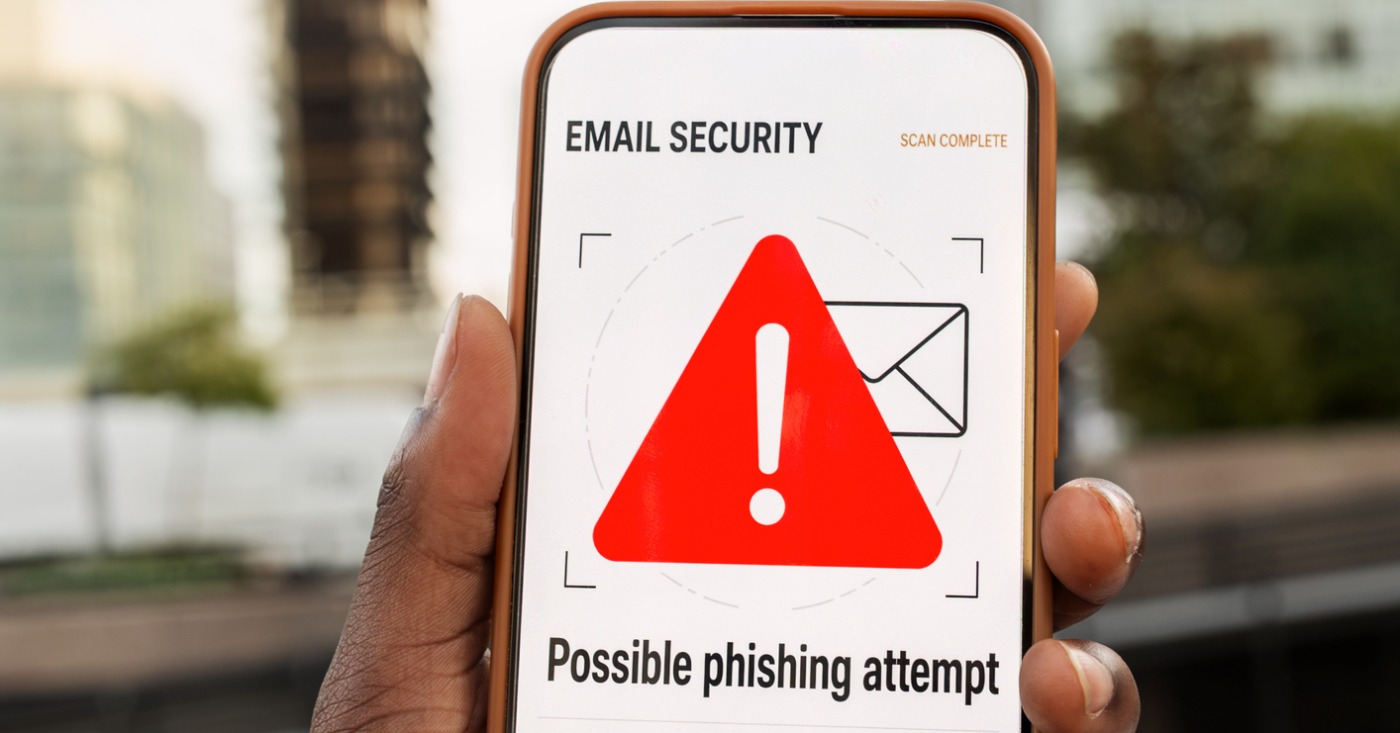
New initiative builds on Chase’s longstanding commitment to fraud and scam prevention education nationwide.
NEW YORK, Oct. 19, 2026 – Scams can happen to anyone. That’s why Chase is dedicating November to helping consumers protect themselves.
As consumers prepare for the holiday season, criminals are increasingly using sophisticated tactics to pressure people into sending money, sharing personal information and making decisions they’ll later regret.
This November, JPMorganChase is launching Chase Fraud & Scam Prevention Month, a nationwide consumer education initiative designed to help people recognize common scams, avoid in-the-moment mistakes and better protect their money and personal information during the holiday season.
The initiative builds on Chase’s longstanding efforts to help consumers navigate fraud and scams through education, awareness and community-based programming. Through its financial wellness initiatives, Chase has served more than 1 million customers and continues to host more than 1,000 fraud and scam prevention workshops annually across the country.
Throughout November, Chase Community Managers will host free educational workshops in all lower 48 states, as Chase continues to expand digital resources and consumer awareness efforts focused on helping people spot scams and take practical steps to protect themselves. Programming will address scams commonly seen during the holiday season, including impersonation scams, package delivery phishing attempts, gift card scams, fake online deals and fraudulent charity solicitations.

“Scammers are constantly adapting their tactics, making education and awareness more important than ever,” said Jennifer Roberts, CEO of Consumer Banking at Chase. “For years, JPMorganChase has invested in helping consumers recognize scams, understand warning signs and feel empowered to protect themselves. Chase Fraud & Scam Prevention Month builds on that commitment by providing practical guidance that can help people make safer decisions during the holiday season.”
Fraud and scam prevention remains a key component of Chase’s broader commitment to consumer financial wellness. Through educational workshops, local partnerships and community outreach, Chase helps communities build financial confidence and stay informed about evolving fraud and scam threats. The firm also works closely with law enforcement to share scam trends and insights and help drive more effective interventions as agencies work to combat financial crime.
Ongoing Fraud and Scam Prevention Efforts
Beyond consumer education, Chase continues to invest in technology, partnerships and customer protections designed to help prevent fraud and scams before they occur.
Scam prevention is embedded throughout the customer experience, from account opening and authentication to payments and customer service interactions. Chase continues to strengthen protections across the customer journey through targeted warnings, risk-based interventions, behavioral science-informed approaches and frontline employee training. These efforts help employees identify potential scams, recognize warning signs and better support customers who may be at risk of fraud or scams.
In addition, the firm continues to invest in next-generation security tools, including expanded use of passkeys and other authentication technologies designed to help defend against phishing, social engineering and account takeover attempts, as well as Trusted Contact Person, which allows customers to designate a trusted adult who may be notified of certain transactions to help guard against potential fraud or financial exploitation.
Earlier this year, JPMorganChase also announced nearly $14 million in philanthropic investments focused on consumer awareness, real-time prevention and victim support.
For more information about Chase’s fraud and scam prevention efforts and tips, visit Chase.com/security and attend a local fraud and scam prevention workshop.
About Chase
Chase is the U.S. consumer and commercial banking business of JPMorgan Chase & Co. (NYSE: JPM), a leading financial services firm based in the United States of America with operations worldwide, assets of $5 trillion and $375 billion in stockholders’ equity as of June 30, 2026. Chase serves more than 87 million consumers and 7.5 million small businesses with a broad range of financial services, including personal banking, credit cards, mortgages, auto financing, investment advice, small business loans and payment processing. Customers can choose how and where they want to bank: 5,100 branches in 48 states and the District of Columbia, 14,500 ATMs, mobile, online and by phone. For more information, go to chase.com.


To enlarge your view of this issue, use the slider, magnifying glass icon or full page icon in the lower right corner of the browser window.




20 Years of California Climate Law: Gov. Newsom and Former Gov. Schwarzenegger Lead Milestone Celebration

Becerra Hosts Meet-and-Greet With Black Leaders in L.A.

Oakland Faith Leaders Gather to Revitalize the Interdenominational Ministerial Alliance of Oakland

Statue of ‘La Catrina,’ a Beloved Symbol of Dia de Los Muertos, Visits Oakland

Oakland Honors 60 Years of the Black Panther Party at the All Power to the People Gala

Fate of Bay Area Public Transit Hinges on Regional Transit Measure

Oakland Probate Dispute Raises Questions About Court-Ordered Property Transfer and Missing Notice

‘Raising a Child Shouldn’t Break the Bank’: California Is Helping Families Save on Childcare Costs

Secretary of State Shirley Weber Pushes Back Against DOJ Demands Over California Voter Rolls

Chase Launches Fraud & Scam Prevention Month

U.S. Rep. Simon Secures More Than $1 Million for Public Safety at Mills College at Northeastern University Oakland, Surrounding Neighborhood

COMMENTARY: Valarie Bachelor and Jennfier Brouhard are Excellent School Board Members and Deserve to Be Reelected

Why AC Transit Director Joel Young is My Choice for AC Transit Board Ward 3

Oakland Post: Week of October 21 – 27, 2026

Mayor Barbara Lee Holds Special State of the City Address in Deep East Oakland

Listening as a Lifeline: A Doula’s Witness to Black Maternal Health

Doulas Are Helping Black California Moms Navigate Pregnancy–Even as High Mortality Rates Persist

Poll: Becerra Widens His Lead Over Hilton; Californians Split on Wealth Tax

County Office of Education Says OUSD Finances Are Getting Healthier, Materially Stronger

Zakiya Jendayi Arrested, Locked Out of Home by Sheriff’s Deputies

Mayor Lee Announces $1 Million Kaiser Permanente Grant for Pilot Program to Address Homelessness, Clean Up Public Spaces throughout Oakland

BLACspace Cooperative Invites Bay Area to Experience Oakland’s Black Cultural Ecosystem Through a BLAC Map Tour + Party

Oakland People’s Arms Embargo Coalition Demands End to Military Shipments Thru Oakland

Oakland Post: Week of September 16 – 22, 2026

On Your November Ballot: Prop 38 Would Allocate $8.4 Billion to Immunology and Immunotherapy Funding

From Historic Memories to New Possibilities: Oakland Celebrates Coliseum 60

BOOK REVIEW: ‘Laws of Solomon’ Reveals Tender Heart of Former Child Soldier

Two Looming Threats Every Alameda County Elder Should Know About

Tradition Comes to the Streets in 11th Annual Black-Eyed Pea Festival at the Freedom Farmers Market

Event Preview: ‘Fashion v. Fascism’ – A Runway Revolution Is Coming to the Bay Area

The Conversation With Al McFarlane 6/23/26

Media Monday 6/22/26

LIVE! ASK ALMA! — TUES. 6.23.26 7PM EST

Car Buying Secrets: 4 Hidden Checks Before You Sign!

Is This 550 HP Charger Worth YOUR Money? AutoNetwork Review

Celebrating Juneteenth – Frederick Douglass on education and resistance

LIVE! — ASK ALMA! — TUES. 6.19.26 7PM EST

Hyundai Ioniq 5 Parking, Safety, and 360 View #shorts

2025 Ioniq 5 New Wiper & Powerful Performance! #shorts

Electric SUV Range: Is 259 Miles Enough? #shorts

EV Charging: How Fast Can You Charge an Electric Vehicle? #shorts

Biometric Cooling… Messaging Seats…Come on! 2025 Infiniti QX80 Autograph 4WD

Charged Up: Witness the Magic of a Fully Electric Car! #shorts

Range Rover Sport PHEV Included…: See What’s Inside This Luxury SUV! #shorts

Invisible Hood View: Perfect Parking with X-Ray Vision! #shorts
-
 Black History4 weeks ago
Listening as a Lifeline: A Doula’s Witness to Black Maternal Health
-
 Lead Story4 weeks ago
Zakiya Jendayi Arrested, Locked Out of Home by Sheriff’s Deputies
-

 Activism4 weeks ago
Oakland Post: Week of September 30 – October 6, 2026
-

 Featured2 weeks ago
Oakland Awarded More than $14 Million in State Funding
-

 Business3 weeks ago
OP-ED: Proposition 44 Would Put a Price on Trust
-

 Community2 weeks ago
It’s Time to Lose Weight Before the Holidays
-

 Community2 weeks ago
‘ICE-Free Marin’ Supporters Press Supervisors as County Drafts Enforcement Restrictions
-

 Commentary2 weeks ago
Jendayi Arrest Raises Community Concerns Regarding Sheriff’s Chain of Command
