
Food
Does Eating Healthy Hope Your Oral Health?
THE TENNESSEE TRIBUNE — If your body doesn’t get the right amount of nutrients, your mouth may have a more difficult time resisting infection.

By Dr. Jacqueline Butler Mitchell, DDS
A poor diet can lead to gum disease and tooth decay. Foods that are high in sugars and starches contribute to the production of plaque and bacteria that can attack the tooth enamel if not removed by brushing and flossing and lead to cavities forming. Almost all foods contain some type of sugar to include milk and vegetables; however, these foods are a necessary part of a healthy diet because many of these foods do contain important nutrients.
Tips for a Healthy Diet
• Foods that are high in sugars, make them a treat rather than a staple food.
• Eat a variety of foods from each of the five major food groups.
• When choosing a snack, raw vegetables such as carrots, celery, and broccoli are good, as well as cheese and yogurts for a healthy snack.
Proper nutrition means eating a balanced diet daily. If your body doesn’t get the right amount of nutrients, your mouth may have a more difficult time resisting infection. Eating healthy does require you to still brush and floss your teeth two times daily and remember to visit the dentist every 6 months for a checkup. I hope this Tooth Talk has helped and if you have any questions please call or email me.

If you have questions call or email me at Integrity Dental Care, PLLC (615) 445-8700 or email dr.jmitchell@integritydentalcares.com with any questions you may have.
This article originally appeared in The Tennessee Tribune.













Commentary
Staying Sober: Your Guide to a Joyful Life
BLACKPRESSUSA NEWSWIRE — Discover powerful strategies for staying sober and enjoying a fulfilling life. Take control of your journey to sobriety and find joy in every moment.


Staying sober can lead to better physical health, stronger relationships, improved mental clarity, and greater financial stability. While the path looks different for everyone, building healthy routines and finding the right support can make long-term sobriety both achievable and rewarding.
A father arrives at his daughter’s birthday party fully present for the first time in years, remembering every laugh, conversation, and candle blown out. That single afternoon reminds him that sobriety is about getting life’s meaningful moments back. If you are ready to create a healthier, more fulfilling future, the right strategies and support can help you build a joyful life, one day at a time.
Benefits of Sobriety
One of the greatest rewards of sobriety is the opportunity to build a life based on intention instead of impulse. As recovery progresses, many people find they have greater control over their choices, making it easier to pursue long-term goals with confidence and consistency.
Sobriety can also strengthen personal resilience. Difficult situations still happen, but learning to face challenges without relying on substances often builds problem-solving skills and emotional maturity. Over time, setbacks become opportunities to learn rather than reasons to give up.
Many people also discover a renewed sense of self. Interests that were neglected during active addiction often return, while new passions emerge through learning, travel, creativity, or community involvement. This process helps people develop an identity that is no longer centered on substance use.

Personal achievements tend to become more meaningful as well. Completing a fitness challenge, earning a promotion, returning to school, or simply keeping promises to yourself can create genuine pride. These accomplishments reinforce the belief that lasting progress comes from steady effort rather than quick fixes.
Sobriety also encourages greater independence. Making thoughtful decisions, managing responsibilities, and handling everyday challenges without relying on alcohol or drugs builds confidence over time.
Tips for Remaining Sober: Creating Healthy Habits
Healthy habits give each day structure and make it easier to stay focused on recovery. Instead of trying to change everything at once, start with a few realistic goals that can be repeated consistently. Small improvements often become lasting routines when practiced over time.
Building habits around your personal goals can also create a stronger sense of purpose. Setting aside time for exercise, preparing meals at home, reading, learning a new skill, or spending time with supportive friends helps fill your schedule with positive activities that support long-term success.
Consistency matters more than perfection. Missing a workout or having a stressful day does not erase your progress. Returning to your routine as soon as possible helps reinforce healthy behaviors and keeps temporary setbacks from becoming lasting obstacles.
Have a Support System
Recovery is easier when you have people who encourage your progress and understand your goals. A strong support system can include:
- Family members
- Close friends
- Counselors
- Sponsors
- Support groups for sobriety
Knowing someone is available to listen or offer advice can make it easier to stay committed to sobriety.
Support groups also create opportunities to learn from people with shared experiences. Hearing how others have handled setbacks, celebrated milestones, and maintained long-term recovery can provide valuable encouragement and practical ideas for your own journey. Many people also choose to find high-quality AA tokens to recognize important sobriety milestones and celebrate the progress they have worked hard to achieve.
Building a support network takes time, but every positive connection strengthens your foundation for lasting recovery. Staying in regular contact with supportive people, attending meetings consistently, and asking for help when needed can make challenges feel less overwhelming while reminding you that you do not have to navigate sobriety alone.
Trying New Activities
Recovery creates an opportunity to explore interests that may have been overlooked in the past. Trying new activities can replace old routines with experiences that bring enjoyment, confidence, and a sense of accomplishment. It also helps reduce boredom, which is a common trigger for many people in recovery.
There is no single activity that works for everyone. The goal is to find hobbies that match your interests and encourage regular participation. Many people discover new passions through activities such as:
- Hiking local trails
- Taking cooking classes
- Learning a musical instrument
- Joining a recreational sports league
- Painting or photography
- Gardening
- Volunteering in the community
- Taking online or in-person courses
Exploring different hobbies also introduces you to people who share similar interests.
Frequently Asked Questions
How Do You Handle Peer Pressure While Staying Sober?
Handling peer pressure starts with being confident in your decision to start living a sober lifestyle. Let friends know your boundaries ahead of time, and have a simple response ready if someone offers you alcohol or drugs. Many people find it helpful to suggest alternative activities or bring a nonalcoholic drink to social events, so they feel more comfortable.
If certain people repeatedly pressure you or dismiss your choices, it may be necessary to spend less time with them. Surrounding yourself with supportive friends who respect your commitment can make social situations easier and help you stay focused on your long-term recovery goals.
How Can Volunteering Support a Sober Lifestyle?
Volunteering can strengthen sobriety by providing purpose, structure, and meaningful social connections. Helping others encourages a sense of accomplishment and shifts attention away from cravings or negative thought patterns. It also creates opportunities to meet people who share positive values and healthy lifestyles.
Whether serving at a food bank, mentoring others, helping at community events, or supporting local charities, volunteering can build confidence while creating a rewarding routine. Many people find that giving back reminds them of their progress in overcoming addiction challenges.
How Does Sobriety Affect Sleep Over Time?
Sleep often improves as sobriety continues, although the process can take time. During the first few days or weeks, some people experience insomnia, vivid dreams, or restless sleep as the body adjusts. As recovery progresses, sleep patterns typically become more consistent, allowing for deeper, more restorative rest.
The following can all support healthier sleep throughout recovery:
- Maintaining a regular bedtime
- Limiting caffeine late in the day
- Exercising regularly
- Creating a relaxing nighttime routine
- Limiting daytime naps
Staying Sober: Now You Know
A lot goes into staying sober. With the right habits and support, you’ll have an easier time.
Do you need more health and wellness tips? Explore some of our other useful articles today.

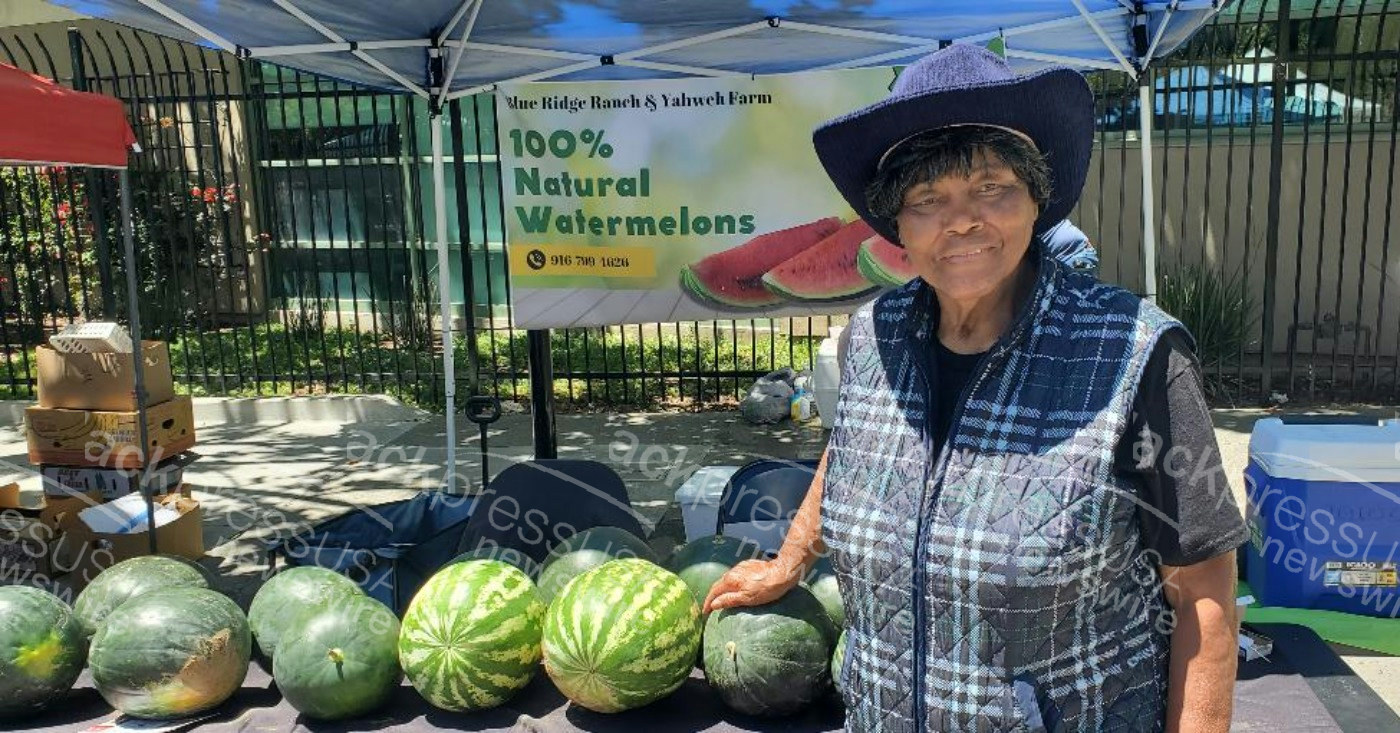
In her 80s and still actively working as an agricultural engineer, Effie Gant continues to break barriers in urban farming and community leadership.
The certified USDA grower and respected urban farmer, based in South Sacramento, was recently spotted vending at the Freedom Farmers’ Market by the Temescal Street Fair on Saturday, July 11, where she proudly displayed dozens of sweet, juicy watermelons.
Festivalgoers gathered not only to purchase her produce but also to enjoy activities like the popular watermelon-eating contest. Yet beyond the festive atmosphere, Gant has a larger vision.
Gant is now setting her sights on the Bay Area, where she plans to launch a farmers’ market to increase access to fresh, locally grown food.
Known for her leadership in sustainable agriculture and food justice, she brings decades of hands-on experience and community advocacy to regions where food access remains inconsistent.
She has built a strong reputation through her work with Meadowview Urban Farm and the Yisrael Family Urban Farm, cultivating crops such as watermelons, honeydew melons, and collard greens. Her approach emphasizes sustainability, education, and empowering residents to grow their own food, even in small urban spaces.
As a USDA-certified grower, Gant blends technical expertise with grassroots engagement to combat food insecurity.

Beyond farming, Gant serves as CEO and President of Highways to Hedges, a nonprofit focused on environmental justice and community development. She is also president of the Hampton Station Neighborhood Association and board chairman for HHCORE, where she advocates for safety, equity, and economic opportunity.
Her proposed farmers market will connect small-scale farmers with urban communities while elevating Black farmers and other underrepresented growers.
“I want to teach the next generation about farming and how lucrative it can be,” Gant said. “You don’t need hundreds of acres. You can start with one acre or even your backyard.”Gant also noted her involvement in a collective of farmers who supply produce through government-supported programs.
“We operate as a team, and we all benefit,” she said.
Through workshops, speaking engagements, and hands-on training, Gant and her organization continue to educate communities about agriculture and food justice. Her market initiative will emphasize affordability, cultural relevance, and nutrition education.
Her broader work includes creating edible forests in partnership with Soil Born Farms, planting fruit trees directly in neighborhoods to expand food access. As a mentor with the Center of Expertise on Food Justice and Health Equity, Gant remains a leading voice in building sustainable and resilient food systems.
Gant says she welcomes the community to join her in creating a new farmer’s market.
“Farming is essential to life,” she said. “I want to train as many people as I can to use food and farming as a tool for empowerment, health, and long-term change.”
Black History
COMMENTARY: The Basis of Freedom: Reclaiming Land as an Act of Liberation
AFRO-AMERICAN – WASHINGTON — Rev. Dr. Heber Brown III discusses the importance of land ownership for the Black community, drawing on the teachings of Malcolm X and Queen Mother Audley Moore.

By Rev. Dr. Heber Brown III
I often look to our Ancestors to guide my service to the Black community today. They connect me to the movement that has been and is ongoing. Recently, I have been reflecting on two such inspiring Ancestors: Malcolm X and Queen Mother Audley Moore.
These two leaders at the vanguard of Pan-Africanism and the reparations movement understood the importance of securing land to build power. As Malcolm X said, “Revolution is based on land. Land is the basis of all independence. Land is the basis of freedom, justice and equality.” Queen Mother Moore, in a 1975 speech, declared, “We believe African captives in the USA will not have freedom until they have land of their own.”
Through their wisdom and the examples of so many others, we see how Black-owned land is a source of cultural memory and spiritual grounding. When we hold land, we find freedom.
I learned this firsthand through my great-grandparents’ lives “down the country” in rural Virginia. That land was a respite of sorts from the ravages of racial capitalism found in the city. It was an oasis amid a society that burdens Black people in so many ways. The whole family benefited from having significant landholdings to care for themselves. There was pride in self-sufficiency.
Economic sovereignty joins these attributes that land gives us. Since Black people have lost land — due to racial violence, the discriminatory impact of “heirs’ property” and exclusion from banking and farm programs — our overall wealth has decreased. According to the Federation of Southern Cooperatives, Black people owned 16 to 19 million acres of rural land in 1910, compared to less than 3 million acres today.
This is partly why I founded The Black Church Food Security Network. Pairing Black farmers with churches who own land ties together food justice, community and freedom. While food pantries and food drives are necessary efforts to fulfill an immediate need for those who experience food insecurity, they are not enough. Securing land, infrastructure and the means of production is the key to overcoming food apartheid in our communities. It must also be a primary component of reparations.
African leaders, led by President John Dramani Mahama of Ghana, recently coordinated a United Nations resolution that finally declared that the trafficking of enslaved Africans was the “gravest crime against humanity,” urging the need for reparations as the next step. There is no peace in the world, leaders said, without healing and reparative justice for Africans across the diaspora.
This closely echoes the words of Brother Malcolm; he said our redress should be seen as a violation of human rights, and now the global record acknowledges it as such.
Though further support and action is still required, the UN resolution marks an important step towards the goals of our Ancestors. Queen Mother Moore long advocated for “the long overdue debt of forty acres and two mules, repay in land.” Malcolm X similarly strongly advocated for reparations for land for Black Americans, as the U.S. government has shown is possible.
Both of these leaders sought to bring the issues of land and justice in front of the UN. Now that those issues are there, we hold the hope of progress.
As Queen Mother Moore asserted, our spirits were never removed from Africa. We are still connected to that land and heritage. We have achieved much, but reparations — through land and other means — are required to be truly free from exploitation.
All roads lead back to land ownership. Colonizers erroneously see land as a portal to access resources, from precious minerals, to oil, timber and even people. For the rest of us, land signals security and communal self-reliance.
So, farmers, churches and communities continue working hand-in-hand. This is the unfinished work of our Ancestors. It is up to us to continue their legacy of liberation through collective land ownership.
The opinions expressed in this commentary are those of the writer and not necessarily those of the AFRO.
The post The basis of freedom: Reclaiming land as an act of liberation appeared first on AFRO American Newspapers.
Based on reporting by Afro-American – Washington.

WORK FROM HOME
Home-based business with potential monthly income of $10K+ per month. A proven training system and website provided to maximize business effectiveness. Perfect job to earn side and primary income. Contact Lynne for more details: Lynne4npusa@gmail.com 800-334-0540


Smart Home Technology is Becoming a Tool for Preventing Property Damage

Volunteer Work for Black Americans Pays Off By Helping Others and Building Portfolios

Discover What IT Technicians Do: A Complete Guide

Staying Sober: Your Guide to a Joyful Life

Top Strategies to Resolve Operational Issues Effectively
The Part of Buying a Home That No Real Estate Show Ever Prepares You For

When to Say Goodbye: The Unmistakable Signs Your Old Car Has Had Its Last Good Day

COMMENTARY: Property Is Power! Why the Dream Booker T. Washington Preached in 1905 Still Matters Today

Saving Black Mothers Starts Outside the Hospital

The HUB Office Is Gone. Black Elected Power Is Not: Part II

COMMENTARY: Mental Health Crisis Among Black Men — A Growing Concern

COMMENTARY: Our Voices — When Armed Power Appears at the Ballot Box

Councilman Johnson calls for Action to Keep Mavericks in Dallas – Garland Journal

Automatic Draft Registration Raises Questions Among Young Americans

Scotland Defeats Haiti 1-0 in World Cup Opener

After 10-Year Wait, Fillmore Heritage Center Reopens in San Francisco

Oakland Post: Week of June 3 – 9, 2026


IN MEMORIAM: Oakland Dance Legend Reginald Ray-Savage, 67

Oakland Post: Week of June 17 – 23, 2026

UC Berkeley Named Top Public University in the U.S. and No. 7 in the World by ‘U.S. News’

COMMENTARY: Black Music is the Sound of Black Freedom: Let Us Reclaim Both This Juneteenth

NCBW-OBAC Champions Black Women Entrepreneurs at Business en Blaque Expo

Oakland Post: Week of June 10 – 16, 2026

Ferry Fares to Increase July 1 as Ridership Hits Record Highs

Sale of Coliseum to African American Developers Moves Toward Completion

Oakland Celebrates $125 Million Coliseum Sale

Oakland Director Boots Dazzles Once Again in ‘I Love Boosters’

Oakland Post: Week of July 1 – 7, 2026

A Long Time Coming: School District Kicks Off Massive $97 Million Renovation of West Oakland’s McClymonds High School

The Conversation With Al McFarlane 6/23/26

Media Monday 6/22/26

LIVE! ASK ALMA! — TUES. 6.23.26 7PM EST

Car Buying Secrets: 4 Hidden Checks Before You Sign!

Is This 550 HP Charger Worth YOUR Money? AutoNetwork Review

Celebrating Juneteenth – Frederick Douglass on education and resistance

LIVE! — ASK ALMA! — TUES. 6.19.26 7PM EST

Hyundai Ioniq 5 Parking, Safety, and 360 View #shorts

2025 Ioniq 5 New Wiper & Powerful Performance! #shorts

Electric SUV Range: Is 259 Miles Enough? #shorts

EV Charging: How Fast Can You Charge an Electric Vehicle? #shorts

Biometric Cooling… Messaging Seats…Come on! 2025 Infiniti QX80 Autograph 4WD

Charged Up: Witness the Magic of a Fully Electric Car! #shorts

Range Rover Sport PHEV Included…: See What’s Inside This Luxury SUV! #shorts

Invisible Hood View: Perfect Parking with X-Ray Vision! #shorts
-
 Activism4 weeks ago
 -
 Arts and Culture4 weeks ago
IN MEMORIAM: Oakland Dance Legend Reginald Ray-Savage, 67
-
 Bay Area4 weeks ago
UC Berkeley Named Top Public University in the U.S. and No. 7 in the World by ‘U.S. News’
-
 Activism4 weeks ago
NCBW-OBAC Champions Black Women Entrepreneurs at Business en Blaque Expo
-
 Alameda County4 weeks ago
Ferry Fares to Increase July 1 as Ridership Hits Record Highs
-
 Black History4 days ago
Oakland Celebrates $125 Million Coliseum Sale
-
 Activism3 weeks ago
Oakland Post: Week of July 1 – 7, 2026
-
 Bay Area4 weeks ago
A Long Time Coming: School District Kicks Off Massive $97 Million Renovation of West Oakland’s McClymonds High School
