
Politics
Critics Say GOP Education Reform Would Hurt Poor and Black Students


Wade Henderson, president and CEO of the Leadership Conference on Civil and Human Rights, said that a strong ESEA is vital to ensuring that states and school districts are living up to their obligation to provide a quality education for all. (Freddie Allen/NNPA/File Photo)
By Freddie Allen
Senior Washington Correspondent
WASHINGTON (NNPA) – As the Republican-led Congress prepares to update the Elementary and Secondary Education Act (ESEA), civil rights groups, educators and student advocates fear that current proposals leave many poor and Black children behind.
According to analysis by the Center for American Progress (CAP), a Washington, D.C.–based progressive think tank, the bill submitted by Senator Lamar Alexander (R-Tenn.), eliminates accountability for low-performing schools, lowers academic standards, and abolishes targeted, state-level graduation goals for students of color.
A White House brief on the ESEA reauthorization bills said that the proposal being considered in the House of Representatives will cap spending on the ESEA for the next six years at $800 million lower than it was in 2012, eliminates “guarantees that education funding reaches classroom,” and “some especially high-poverty school districts would see cuts as large as 74 percent.”

In her weekly column, Marian Wright Edelman, president of the Children’s Defense Fund, said no ESEA bill would be better than the one now making its way through Congress.
She wrote, “H.R. 5 also removes strong accountability provisions required to make sure the children who need help most will actually be helped. It is morally indefensible and extraordinarily expensive that we have 14.7 million poor children in our country – 6.5 million of them living at less than half the poverty level. All of these poor children exceed the combined residents in all 50 state capitals and the District of Columbia.”
Wade Henderson, president and CEO of the Leadership Conference on Civil and Human Rights, a network of more than 200 national research and advocacy groups, said that the ESEA reauthorization proposals currently pending in Congress would strip millions of students and their parents of the protections and resources that have helped them to hold their schools accountable for equitable funding and treatment.
“For the students we represent, students of color, students with disabilities, English language learners and low-income students, a strong ESEA is vital to ensuring that states and school districts are living up to their obligation to provide a quality education for all on an equal basis not just for the most privileged or wealthy,” said Henderson.
On a recent call with reporters, Henderson said that the coalition of 34 national civil rights and education groups supported annual statewide assessments to evaluate student progress, transparency of the test results and additional data that empowers parents to advocate on behalf of their children.
Chanelle Hardy, the executive director and senior vice president for policy at the National Urban League, said that the legacy of the Black community’s commitment to education stems from the days of slavery when Blacks learned to read in secret and at risk to their own lives.
“This is not a conversation about how we need to convince our community to care about achievement,” said Hardy. “This is about our nation’s commitment to a system of education that prepares every child for college work and life. This is a fundamental civil rights principle and a fundamental principle of justice.”
William Hayes, the principal at Franklin D. Roosevelt Academy in the Glenville community of Cleveland, Ohio, also expressed concerns about the Republican proposals for reforming the ESEA, which was last updated more than a decade ago through the No Child Left Behind Act (NCLB) under President George W. Bush.
“This vote is about equity and accountability, yet everyday my students face the brutal reality that they live in a society that has not achieved its promise for a more equitable distribution of outcomes and opportunities,” said Hayes.
Hayes said that 98 percent of the students at his school are African American, 100 percent qualify for free lunch and 28 percent receive special education services.
One of Cleveland’s wealthiest subdivisions borders Glenville to the north and the city’s cultural center with museums, botanical gardens and the Cleveland Institute of Music to the south, Hayes said. The Cleveland Clinic, perennially ranked by as one of the best hospitals in the nation, is just a 15-minute walk to the east of Glenville.
“Surrounded by so much prosperity and bright images of the American Dream, my students could easily be forgotten, were it not for our federal government ensuring that communities remain accountable,” added Hayes.
Hardy said that civil rights groups were extremely concerned about resource equity and ensuring that low-income students at majority-minority schools have access to early childhood education and high quality teachers.
Researchers at CAP found that school districts spent $733 less at schools that were 90 percent minority compared to schools that were 90 percent White. That money could be spent on veteran teachers, school counselors and laptop computers.
“It’s no secret that more than 50 years after Brown our communities and schools are still very much segregated however the concentration of poverty has become more exacerbated as affluent families of color have left our communities to go elsewhere,” said Hayes.
Nancy Zirkin, the executive vice president of the Leadership Conference, said that no one can deny that NCLB has room for improvement, “but the proposals in front of Congress now throw the baby out with the bath water.”
Zirkin explained, “These proposals bend over backwards to accommodate state and local entities that have both failed our children and avoided any real accountability for their failures.”
NCLB was characterized by high stakes testing that led some school districts to trim physical education and arts programs to make room for more rigorous reading and math course work. Educators railed against “teaching to the test” and questioned the need for multiple assessments throughout the school year.
Hayes said that he wasn’t naïve to the unintended consequences of the “accountability movement” that came with NCLB, including the narrowing of the academic curriculum and the over-testing of students linked to controversial teacher evaluations, but he still didn’t believe the shortcomings of the law warranted a complete hands-off approach from the federal government.
Hayes said he was frustrated at the thought of a federal government willing to step away without stepping back to the table to help to fix NCLB.
Hayes added: “As a school leader I can’t imagine a time where my administrative team could ever see a problem with our students and say to teachers, ‘It didn’t work so I’m just going to let you figure it out by yourselves.’”
But in the eyes of some educators and civil rights leaders that’s exactly what the Republican proposals do.
“We can’t go back to a time when these schools were ignored,” said Zirkin.
Hardy agreed.
“We can’t assume that we have good information on student achievement based on socio-demographic factors,” said Hardy. “We have to do our part with our federal tax dollars to concentrate those resources where they need to be.”
####









Community
Four Candidates, Including Incumbent Barbara Lee, Qualify for Oakland Mayor’s Race
POST NEWS GROUP — Four candidates, including incumbent Mayor Barbara Lee, filed their papers to run for office by last Friday’s deadline, and the City Clerk issued a list this week of those who are qualified to run.


The four mayoral candidates who will appear on the Nov. 3 ballot are:

Brenda Grisham. A business owner in East Oakland and public safety advocate, Grisham led the successful recall campaign against Alameda County District Attorney Pamela Price. As part of her platform, she pledges to work with local, state, and federal partners to secure stricter gun control measures and investments in community violence intervention programs.

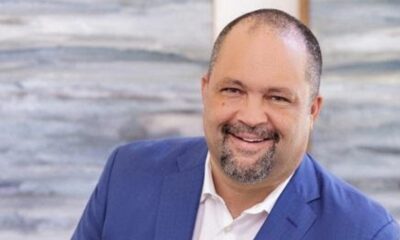
Barbara Lee. A former congressional representative and state Assembly member, Lee was elected by voters in a special election last year for a two-year term. Now running for a four-year term, she points out that her administration achieved major successes in addressing some of the city’s major challenges, including balancing the city budget, dramatically reducing crime, and making significant inroads into homelessness and illegal dumping.
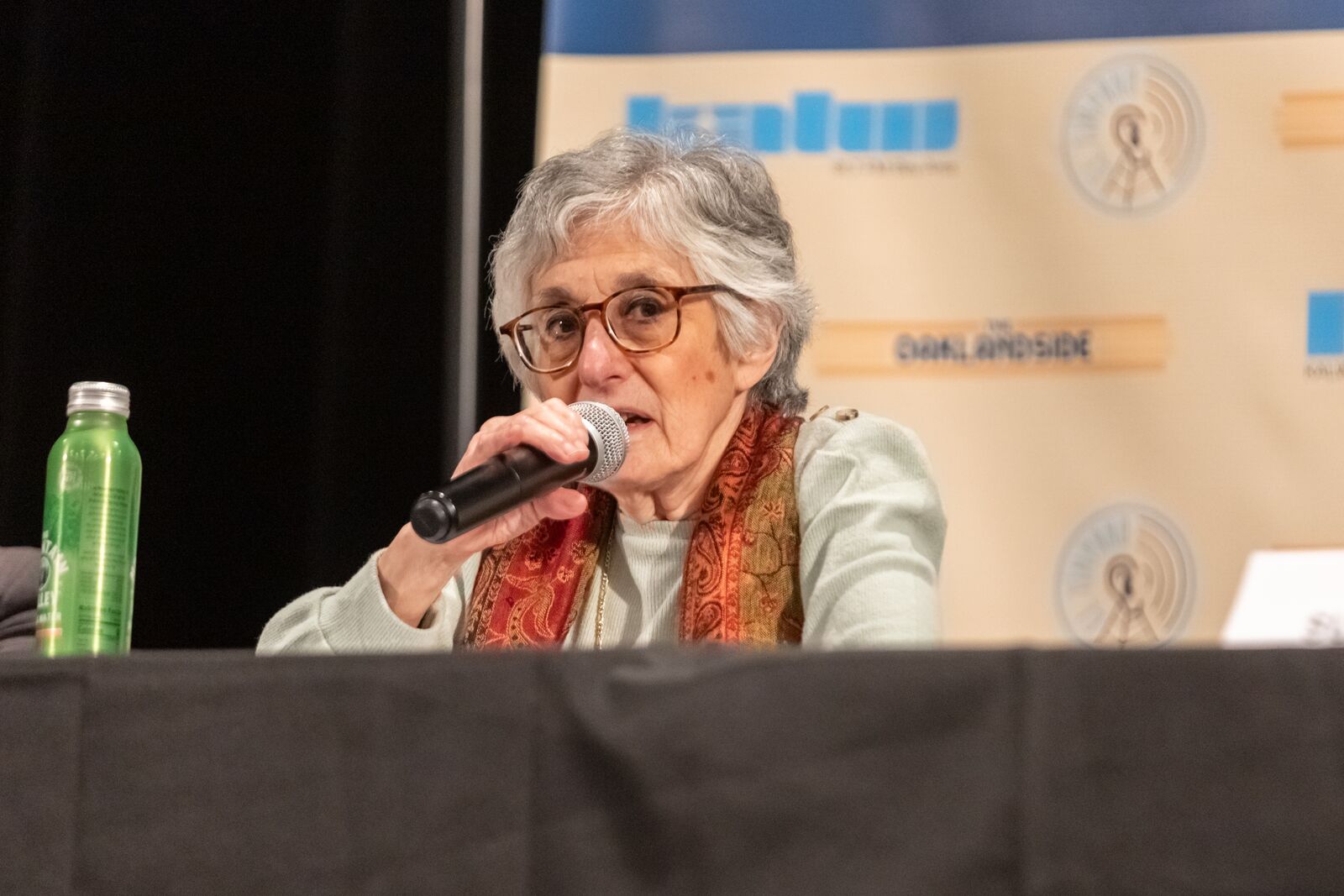
Mindy Pechenuk. An educator and activist, Pechenuk is a registered Republican and supporter of Lyndon LaRouche, who has been described by observers as a conspiracy theorist and cult leader. She ran unsuccessfully for mayor in last year’s special election and for the at-large council seat in 2024. She seeks to end Oakland’s police commission and MACRO and invest in more police while launching a new local war on drugs.

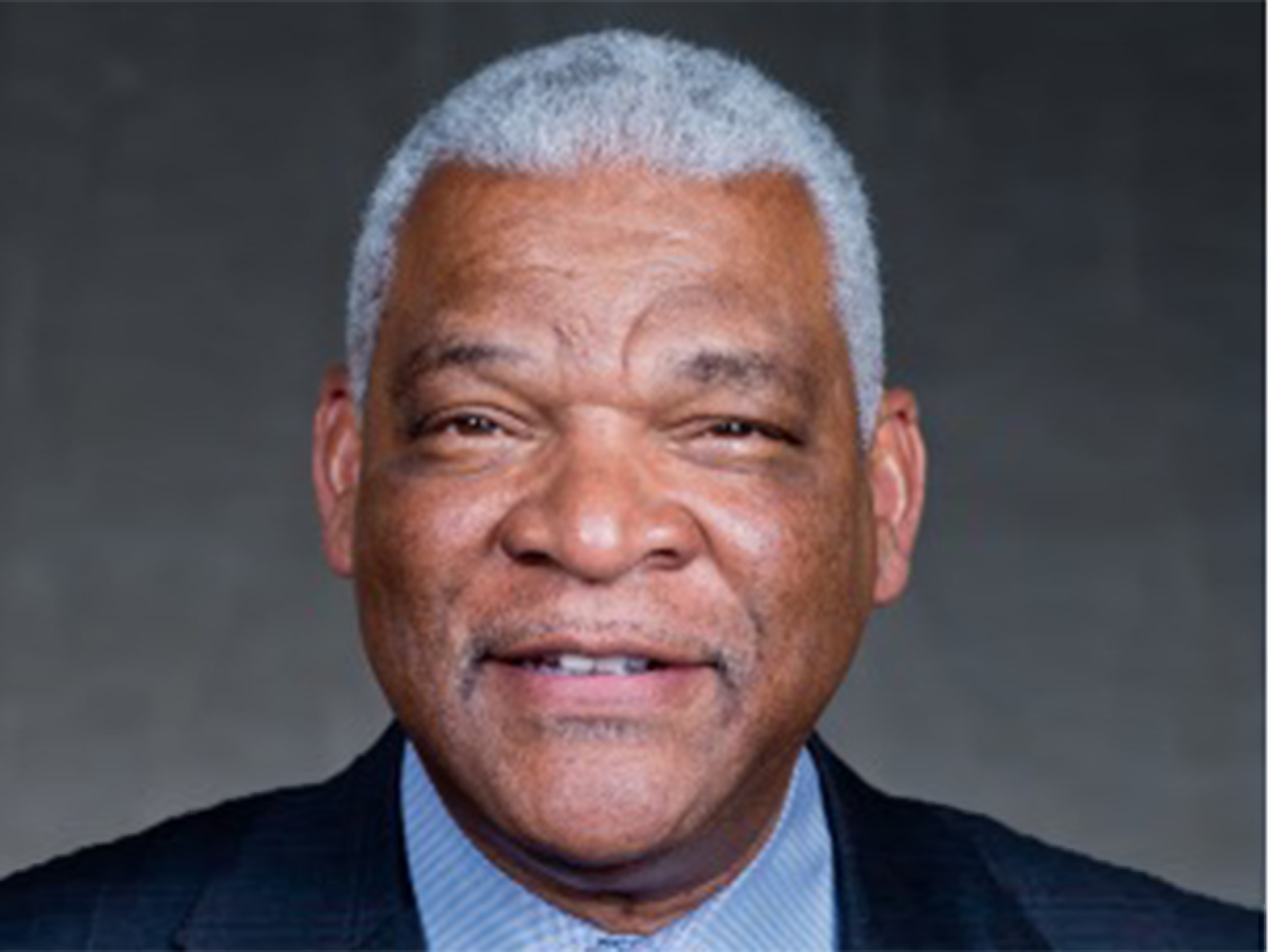
Julius Robinson. While little information is available so far about Robinson, he was quoted in a KTVU story about Thao’s recall, stating that people in Oakland want to come together as a community but lack infrastructure and leadership.

Activism
Oakland Post: Week of August 12 – 18, 2026
The printed Weekly Edition of the Oakland Post: Week of August 12 – 18, 2026

To enlarge your view of this issue, use the slider, magnifying glass icon or full page icon in the lower right corner of the browser window.
Commentary
COMMENTARY: Why Local School Tax Measure G1 Will Not Be on the November Ballot
POST NEWS GROUP — Measure G1 is the local tax measure that supports middle school teacher retention and the expansion of arts, music, and world language programs at both OUSD middle schools and charter middle schools. The current measure expires in 2029.

There has been considerable speculation recently about why Measure G1 will not appear on the November ballot and what that means for the Oakland Unified School District’s current budget.
I want to provide some clarity about what happened and, importantly, what did not happen.
Measure G1 is the local tax measure that supports middle school teacher retention and the expansion of arts, music, and world language programs at both OUSD middle schools and charter middle schools. The current measure expires in 2029.
Because these funds are important to our schools and to the continuity of these programs, the district initially intended to place a renewal initiative on the November ballot to provide greater early certainty about funding beyond the expiration of the current measure.
As part of that process, the Board scheduled a special meeting for the required public hearing on the ballot initiative. There has been some suggestion that this meeting was noticed only one day in advance. That is not accurate.
Public hearings of this nature are subject to specific notice requirements, and the meeting must be noticed at least two weeks before the hearing. In practice, the notice may appear even earlier depending on publication schedules. The notice for the Measure G1 public hearing was published in the Tribune on 7/24/2026 and 7/31/2026.
So, why wasn’t the Measure G1 paperwork ultimately filed?
After the Board approved placing the measure on the ballot, the next step required the Alameda County Superintendent of Schools to sign the necessary paperwork before it could be submitted to the Oakland City Clerk.
During that process, Alameda County Superintendent Alysse Castro raised concerns about potential litigation stemming from another court case unrelated to OUSD and about whether proceeding with the measure could expose the district or County to legal challenges. Superintendent Castro’s action is unprecedented and concerning.
It is important to distinguish between the Board’s decision to pursue Measure G1 and the subsequent procedural and legal issues that arose. The Board did approve moving forward with the measure. The measure did not fail because the Board chose not to support it, nor was the public hearing improperly noticed.
The decision not to proceed with the November ballot was made in light of the County’s concerns about potential litigation and the County’s required approval process.
We also need to be clear about what this does, and does not, mean for OUSD’s current budget. The existing Measure G1 funds remain available through the expiration of the current measure in 2029. The immediate issue is the longer-term continuity of funding beyond that date, not the elimination of these resources from the current year’s budget.
Our responsibility as a Board is to protect the educational programs and services our students depend on while ensuring that our decisions comply with the law and protect the district from unnecessary legal and financial risk.
We will continue working to understand the County’s concerns, explore our options, and advocate for the resources our students deserve. Our middle school students, teachers, and school communities deserve stability, and continued investment in arts, music, world languages, and teacher retention—and that work remains a priority for Oakland Unified.
Jennifer Brouhard is a retired OUSD educator and is the current OUSD School Board President representing District 2.


WORK FROM HOME
Home-based business with potential monthly income of $10K+ per month. A proven training system and website provided to maximize business effectiveness. Perfect job to earn side and primary income. Contact Lynne for more details: Lynne4npusa@gmail.com 800-334-0540


Four Candidates, Including Incumbent Barbara Lee, Qualify for Oakland Mayor’s Race

Oakland Observes Black August with Block Parties, Film Showings, Workshops

Oakland Post: Week of August 12 – 18, 2026

COMMENTARY: Why Local School Tax Measure G1 Will Not Be on the November Ballot

California Hispanic Chambers of Commerce Unveils: ‘Powering the Future’ Theme for 47th Annual Statewide Convention

Returning to Its Roots, the Oakland Black-Eyed Pea Festival Partners with the Freedom Farmers Market Sept. 12

Less Affluent School Districts, Including Sacramento City, Face Threat of State Takeover

From Blueprint to Breakthrough: Tackling Affordable Housing in Oakland

NPRC Scores First Advocacy Victory: David Shaw Finally Gets His Wish to ‘Go Home’

ESSAY: California Can Close Its Colorectal Cancer Gap

Car Wash Workers Cope with Lingering Impacts of ICE Raids

Misty Copeland Shapes Ballet’s Tomorrow

As Part of Your Back-to- School Checklist, Vaccinate

As Part of Your Back-to- School Checklist, Vaccinate

Congresswoman Simon Demands Investigation into Trump’s Abuse of Emergency Powers for Coal Export Terminal in West Oakland

Department of Homeland Security Demands California Secretary of State Shirley N. Weber Scrub Voter Rolls

Oakland Children’s Hospital Workers and Patients Rally for Pediatric Medical Care

New Judge Could Decide if Karmelo Anthony Gets a New Trial

“The Power to See Threats Sooner”: Gov. Newsom, Safety Officials Showcase California’s Investments in Hi-Tech Wildfire Prevention

Alpha Kappa Alpha Sorority, Inc. Celebrates New North Atlantic Regional Director

Surveillance Pricing Fight: State Senate Debates Bill Banning Retailers from Using AI to Set Prices Based on a Buyer’s Profile

Mount Zion MBC, Church of Jesus Christ of Latter-day Saints Partner to Bring 29,000 Meals to Alameda County

California Sen. Padilla Joins Colleagues to Introduce Bill Imposing Term Limits on Supreme Court Justices

Starting This Summer, California Car Buyers Can Get an Instant $3500 Off the Cost of Electric Vehicles
Less Affluent School Districts, Including Sacramento City, Face Threat of State Takeover

COMMENTARY: You Are Already Paying for the AI Boom

California Bill Would Let Abuse Victims Use Trauma as Legal Defense for Violent Crime
Car Wash Workers Cope with Lingering Impacts of ICE Raids

Fed Court to Decide Landmark First Amendment Case

Gov. Gavin Newsom Signs Law Streamlining Affordable Housing Rules

The Conversation With Al McFarlane 6/23/26

Media Monday 6/22/26

LIVE! ASK ALMA! — TUES. 6.23.26 7PM EST

Car Buying Secrets: 4 Hidden Checks Before You Sign!

Is This 550 HP Charger Worth YOUR Money? AutoNetwork Review

Celebrating Juneteenth – Frederick Douglass on education and resistance

LIVE! — ASK ALMA! — TUES. 6.19.26 7PM EST

Hyundai Ioniq 5 Parking, Safety, and 360 View #shorts

2025 Ioniq 5 New Wiper & Powerful Performance! #shorts

Electric SUV Range: Is 259 Miles Enough? #shorts

EV Charging: How Fast Can You Charge an Electric Vehicle? #shorts

Biometric Cooling… Messaging Seats…Come on! 2025 Infiniti QX80 Autograph 4WD

Charged Up: Witness the Magic of a Fully Electric Car! #shorts

Range Rover Sport PHEV Included…: See What’s Inside This Luxury SUV! #shorts

Invisible Hood View: Perfect Parking with X-Ray Vision! #shorts
-
 Featured1 week ago
Department of Homeland Security Demands California Secretary of State Shirley N. Weber Scrub Voter Rolls
-
 Business3 weeks ago
Oakland Children’s Hospital Workers and Patients Rally for Pediatric Medical Care
-
 #NNPA BlackPress2 weeks ago
New Judge Could Decide if Karmelo Anthony Gets a New Trial
-
 Environment1 week ago
“The Power to See Threats Sooner”: Gov. Newsom, Safety Officials Showcase California’s Investments in Hi-Tech Wildfire Prevention
-
 Black History2 weeks ago
Alpha Kappa Alpha Sorority, Inc. Celebrates New North Atlantic Regional Director
-
 Business3 weeks ago
Surveillance Pricing Fight: State Senate Debates Bill Banning Retailers from Using AI to Set Prices Based on a Buyer’s Profile
-
 Business3 weeks ago
Mount Zion MBC, Church of Jesus Christ of Latter-day Saints Partner to Bring 29,000 Meals to Alameda County
-
 Featured1 week ago
California Sen. Padilla Joins Colleagues to Introduce Bill Imposing Term Limits on Supreme Court Justices
