
Black History
COMMENTARY: #CancelKamala: Kamala Harris and Cancel Culture
NNPA NEWSWIRE — Harris, who obviously knows who she is, lived her life as a black woman in America because in America, particularly during her childhood, you did not have the option of reinvention or all of the privileges of self-identification racial and cultural groups have today. There were no multiple racial categories being checked and personal pronouns being chosen or eschewed.

By Nsenga K. Burton, Ph.D., NNPA Newswire Entertainment and Culture Editor
Senator Kamala Harris (D-CA) is running for president of the United States. Harris, a black American who is the daughter of an Indian mother and Jamaican father, was born and raised in Oakland, CA and then Toronto, announced her intentions on MLK Day. Many celebrated the announcement. Harris would be standing on the shoulders of Shirley Chisolm, the only other black woman to run for president in the history of the United States. However, others immediately went into default mode – tearing down this dynamic black woman before she could even get started.
Some questioned her race suggesting she wasn’t really black because of her biracial and global heritage. This critique sounded similar to the critique made of then Senator Barack Obama, the child of a white woman from Kansas and a father from Kenya. In both cases, daddy left, and the children were raised by mothers who aren’t black women.
Both mothers understood that, in the context of the United States, their children would be seen and treated as black Americans. So they did what black mothers have been doing for centuries here, prepared them socially and culturally for survival in the United States.

In fact, Harris’ mother, a scientist and civil rights activist, adopted black American culture, immersing herself and her children in what she found to be a rich, energetic and welcoming culture.
Harris, who obviously knows who she is, lived her life as a black woman in America because in America, particularly during her childhood, you did not have the option of reinvention or all of the privileges of self-identification racial and cultural groups have today. There were no multiple racial categories being checked and personal pronouns being chosen or eschewed.
Having the option of attending a college or university in the United States or Canada, Harris chose Howard University, one of the premiere HBCUs in the United States and quite possibly the world.
Now, before you tweet, yes there were schools exclusively for blacks in other countries during segregation and apartheid, which was worldwide. Harris, who could have attended a myriad of competitive universities, specifically chose this competitive university because of its legacy of educating and influencing black Americans and thus American culture.
Where did Harris make her announcement? On the steps of Howard University, her alma mater, where she let the world know it was her duty to try to gain the Democratic nomination in a political climate run amok and a White House in dangerous hands. And still, folks on social media used terms like “slick,” “calculating” and “untrustworthy” to describe this woman, beaming with pride, as something other than a proud HU alum.
The words used to describe Harris in social media dovetailed nicely into the Jezebel stereotype, often lobbed at black women who are painted as secretive, seductive, beguiling and alluring in literature and film. This stereotype emerged during slavery to justify the rape of black women by their white owners – men and women included.
Mainstream media picked up where Black Twitter left off, delighting in her relationship with San Francisco’s iconic mayor Willie Brown. Brown, who is still separated from his legal wife, and had been separated for 25 years at the time of his and Harris’ coupling, refuses to comment on the relationship today, because it is what reality television stars call a non-factor.
Apparently, a relationship that was very public at the time, was made into something secretive and dirty because Harris was on the other end. I chuckled to myself as I read Facebook posts of men and women currently or formerly engaged in “secret” affairs with married folk, who actually go home at night, gossiping about Senator Harris, but they are not running for political office, so I guess their indiscretions don’t matter.
Of course, mainstream media suggested her professional accolades happened because of her association with Brown — not her upbringing, university and law degrees from competitive institutions, professional experience as a lawyer or professional networks.
Nah, none of that had anything to do with it.
Those same people who attributed her success to Brown, failed to attribute the success of House Speaker Nancy Pelosi, California Senator Dianne Feinstein or Congresswoman Maxine Waters to Brown, who also played a major role in their rise in the political world, among others.
Perhaps the one valid concern stemming from her former career as a California prosecutor is her role as a part of California’s prison industrial complex, which has been decontextualized and used to paint her as a monster in this era of people actually paying attention to mass incarceration.
The prison industrial complex has been researched, documented and protested against — mainly by black women and black women scholars for decades. In fact, Chinonye Chukwu, who just won the top award at Sundance for her film “Clemency,” is a justice reform activist and professor at Wright State University. I guess her work doesn’t count because she’s a Nigerian-born, Alaskan bred black woman living in America? See how silly that sounds?
Which leads me back to Harris. Perhaps if people actually knew the history behind blacks being banned from serving as prosecutors and judges in our courtrooms, then they could take a more nuanced perspective on black women prosecutors like Harris.
Even today, 90 percent of prosecutors are white and more than 80 percent are male which means Harris had to perform what writer German Lopez calls a “delicate balancing act” while working as a prosecutor. While we’re combing through her record (which we absolutely should be doing), scores of prosecutors are going unchecked mainly because they fit the status quo.
For all of those who fail to recognize her “Jobs Instead of Prison” program and the first-of-its-kind mandatory anti-racial bias training for police officers, what might have happened had she taken a stronger stand against the death penalty or held police officers more accountable in controversial cases? Marilyn Mosby would have happened.
Folks were all in when Mosby attempted to bring Baltimore police officers to justice over the death of Freddie Gray. However, when the powerful police union rallied and turned on her and literally tried to bankrupt and fire her, where was the black community in support of Mosby? Radio silence — except for black women scholars, influencers and activists who wrote public letters of support for Mosby.
You can say that, “Harris shoulda…, coulda…, woulda…” all you want, but the reality is who would have stood with her in the “tough on crime” era in which she was one of the few black women prosecutors in the country? I’ll wait.
Which leads me back to my main point. Cancel culture is going to get black folks canceled out of this country. We are literally laying on our backs while white supremacists are march up and down our black bodies with impunity.
To rail against a black woman before she even has an opportunity to address or respond in real time to the many questions we should have is ridiculous, just like some of these lame “critiques.”
Who would think a black woman educated at Howard University would have to prove her intellect to other black people? Who would think a woman who pledged Alpha chapter of Alpha Kappa Alpha Sorority, Incorporated, the first chapter of the first black collegiate sorority in the country, would have to prove her love for black women and culture to black people? Who would think a black woman with one black parent would have to prove her blackness to black people who will throw out the “one drop” rule when caping for white folk we like, as if black people actually invented that ridiculous criteria?
Bill Clinton is the nation’s first black president but Kamala Harris ain’t black? Who would think black folk would accuse Harris of being “suspicious” for being biracial and married to a white man with all of the influential black men – some biracial- married to white women and non-black women getting to keep their black cards?
We have a current president who has been accused of rape and sexual assault — to which he admitted on tape — and is on his third marriage, but we’re worried about Harris’ choice of husband?
All of this vitriol aimed at Harris is wrapped in misogyny, sexism, racism and xenophobia and I’m not here for it. Cory Booker announced his run for president and maybe I missed it, but I have yet to see any discussion of his problematic views on homophobia and sexual assault, Wall Street connections, education reform and dare I say it, close friendship with Jared Kushner, President Trump’s son-in-law.
I literally just saw a brother on Facebook who refuses to #muteRKelly but has already canceled Kamala. Really? We literally have a modern day Al Jolson in the Virginia Governor’s office, the White House looks like an advertisement for Barnum and Bailey and folks are cutting off Harris at the knees because her mama is Indian?
As voters, we have got to do better in terms of candidate selection. We need all of the information – not just sound bites from pundits, hashtags from social media influencers and revisionist think pieces on who she was 30 years ago.
Harris is running for president and should be critiqued. She should also have the opportunity to speak for herself and answer questions about her record as a candidate in the present day.
Personally, I’d rather see Harris on the Supreme Court than in the White House, but I’m open to hearing what she has to say during this presidential run whether or not she gets the Democratic nomination.
I don’t know who I’m voting for or voting against yet. It’s too early to tell, but I do know I want to know who Harris is in her words and on her terms. No, I’m not going to #CancelKamala or #CancelCory or #CancelWarren or #CancelCastro because they have had complicated lives and careers.
I find it fascinating how swift the calls for canceling these non-traditional candidates came relative to the enthusiasm for white male candidates who haven’t even announced their candidacies like Joe Biden, Bernie Sanders and Beto O’Rourke.
We only need to look at our recent history to see how this happens. Black folks were suspicious of then Senator Obama for many of the same reasons as Harris at the beginning of his candidacy. You can’t even form your lips to critique his policies now without being called a sellout – that is how beloved he is now to many in our community.
What might have happened had we cut the brother off at the knees the same way we’re slicing and dicing Harris? As it relates to Harris and the black women candidates who will follow in her footsteps, they deserve the same chance to be president as those who have come before them. They also deserve to be heard. #listentoblackwomen and give Kamala Harris a chance.
Nsenga K. Burton, Ph.D. is entertainment and culture editor for NNPA/BlackPressUSA. A film and media scholar, Dr. Burton is founder and editor-in-chief of the award-winning news blog The Burton Wire, which covers news of the African diaspora. Follow her on Twitter @Ntellectual or @TheBurtonWire.













Activism
Oakland Post: Week of September 2 – 8, 2026
The printed Weekly Edition of the Oakland Post: Week of September 2 – 8, 2026
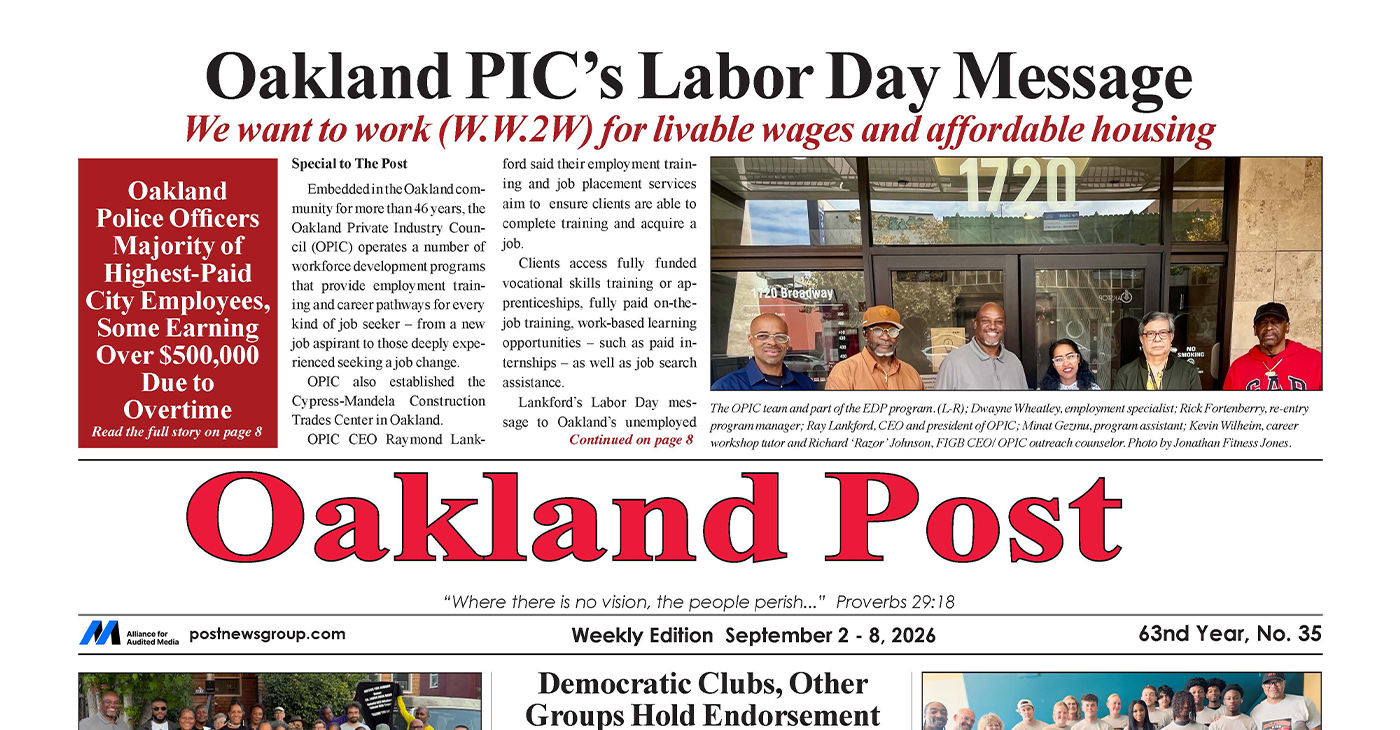
To enlarge your view of this issue, use the slider, magnifying glass icon or full page icon in the lower right corner of the browser window.
Black History
Jackie Wright Champions Bay Area Stories, Filmmakers and Cultural Institutions
As an award-winning communications professional, Wright has worked with corporations, nonprofits, government agencies, educational institutions, artists, and community organizations. In 2026, she expanded that work by launching an introductory public relations class for small businesses and nonprofits, offering practical tools for gaining visibility, shaping messages and building productive relationships with the media.

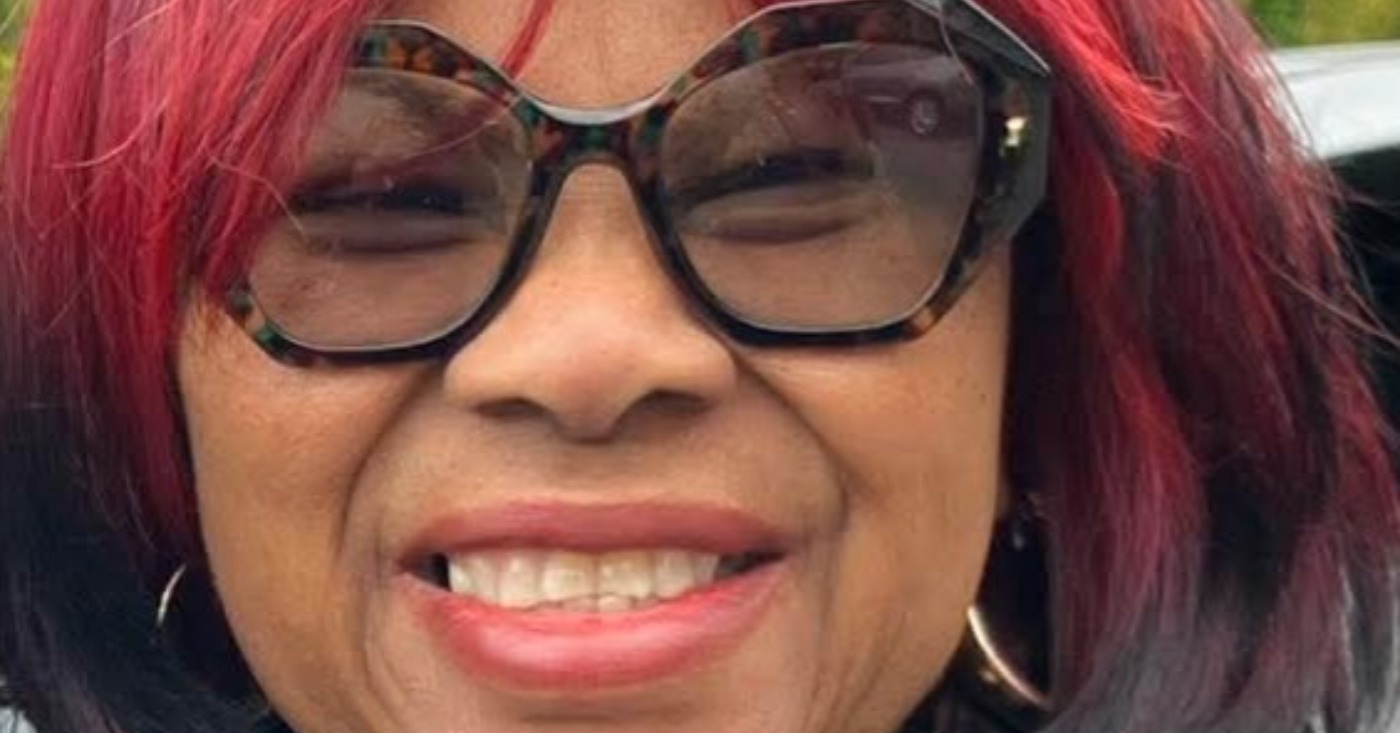
Jackie Wright has spent more than two decades helping people, organizations and communities understand the power of a well-told story.
As founder and president of Wright Enterprises, a San Francisco-based strategic communications and public affairs firm, Wright has built a career spanning journalism, public relations, media relations, crisis communications, community engagement and multimedia storytelling.
As an award-winning communications professional, Wright has worked with corporations, nonprofits, government agencies, educational institutions, artists, and community organizations. In 2026, she expanded that work by launching an introductory public relations class for small businesses and nonprofits, offering practical tools for gaining visibility, shaping messages and building productive relationships with the media.
Wright’s commitment to storytelling is also deeply personal. She wrote and co-directed the 15-minute documentary, “Love Separated in Life…Love Reunited in Honor,” which chronicles the story of her parents, Specialist Five (S5 Wyley Wright Jr. and Ouida Fay McClendon Wright. Her father, a U.S. Army helicopter crew chief, died in Vietnam in 1964 while serving as an honor guard during a visit by then-Secretary of Defense Robert McNamara. Decades later, Wright and her siblings had their father exhumed from a segregated cemetery in Jacksonville, Florida, and their mother moved from her burial place in Georgia so the couple could be reunited at Arlington National Cemetery in 2014.

The family journey later took Wright and her sister to Vietnam, where they discovered the former military compound that had been named in honor of their father and another fallen soldier. The documentary, centered on love, war, family, racial understanding, and remembrance, earned festival recognition at screenings.
“It was quite an honor to learn about my family’s history and share it on film,” said Wright.
That filmmaking experience complements Wright’s longstanding advocacy for independent cinema. She has served as a media partner and brand ambassador for Bay Area film festivals, including the San Francisco Black Film Festival, Oakland International Film Festival, and the Durban International Film Festival in South Africa.
“It’s important to help filmmakers and underrepresented stories reach broader audiences,” said Wright.
Whether promoting a neighborhood organization, championing an independent filmmaker or preserving her own family history, Wright has remained consistent. Through Wright Enterprises, she has turned communications into both a profession and a form of community service, telling stories that might otherwise go unheard.
“Our stories are an integral part of our history, and our history is not only American history, but worldwide,” she said.

Black History
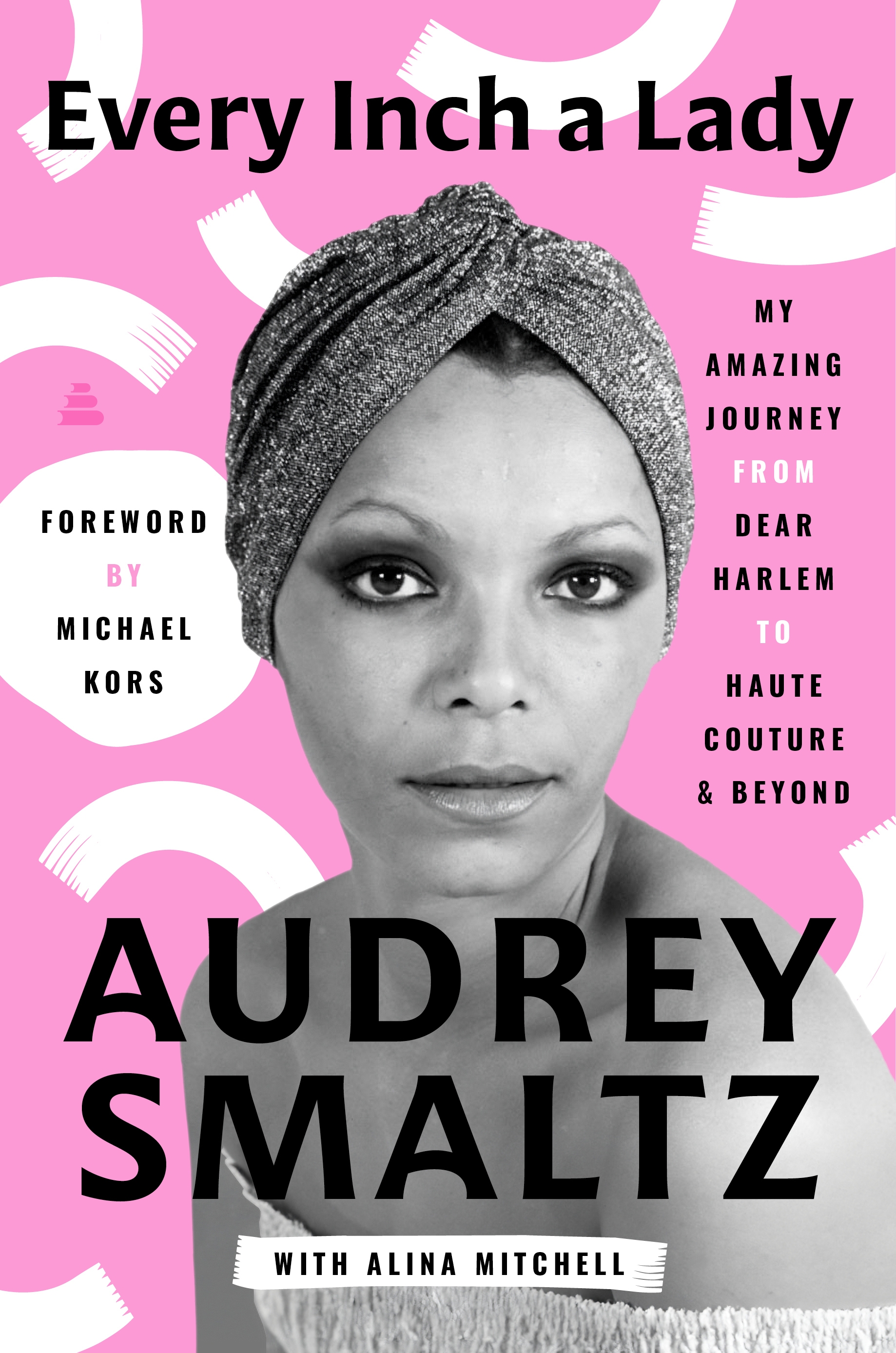
BOOK REVIEW: Every Inch of a Lady
“Born, bred, toasted, buttered, jellied, and honeyed in Harlem” in 1937, Audrey Smaltz was a force to be reckoned with almost from the time she could walk. Her parents imbued confidence in her; they nurtured her creativity and sent her to charm school, but they never allowed her to create a stir.
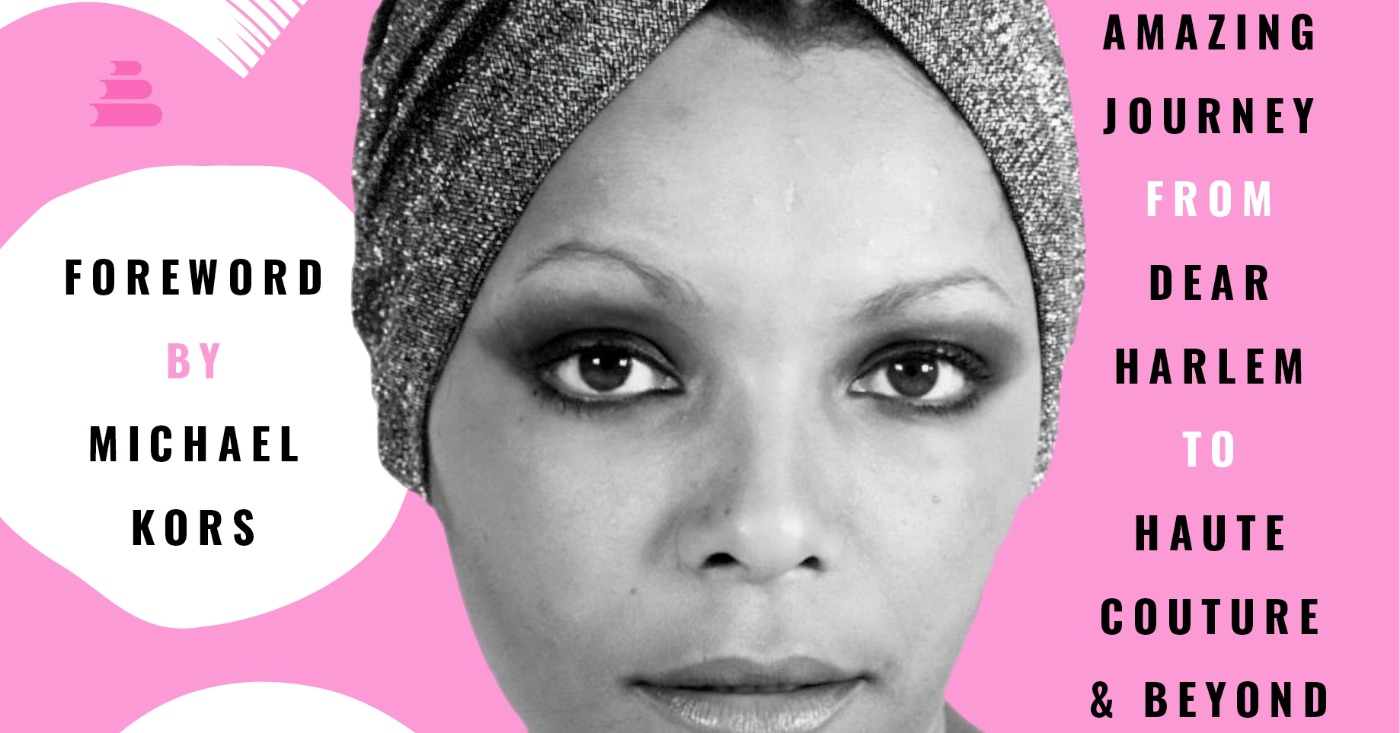
Author: Audrey Smaltz with Alina Mitchell, foreword by Michael Kors, Copyright: c.2026, Publisher: Amistad, SRP: $27.99, Page Count: 256 Pages, Snaps, zippers, buttons, ties.
Toss that garment on, pull it up, wrap it around; you know what you like and how to wear it. The color is perfect for your skin tone, and the fabric enhances your figure. Yep, you always look your best and, as in the new book “Every Inch a Lady” by Audrey Smaltz (with Alina Mitchell), that best is fabulous.
“Born, bred, toasted, buttered, jellied, and honeyed in Harlem” in 1937, Audrey Smaltz was a force to be reckoned with almost from the time she could walk. Her parents imbued confidence in her; they nurtured her creativity and sent her to charm school, but they never allowed her to create a stir.
“That,” says Smaltz, “is not what ladies did.”
By the time she was a teenager, Smaltz was modeling for New York City designers. Shortly thereafter, she started working for a married man with whom she had an affair, and whom she loved very much. She broke up with him, attended college, and worked a series of jobs that taught her about fashion and jobs that didn’t seem to fit her. An ill-fated marriage took her to Chicago, where she ultimately landed a position that sent her to work in Ebony magazine’s New York office.
Working at Ebony was a career-changer, in a way. Smaltz traveled the world and learned more about fashion, but she didn’t exactly get along with her boss.
Finally, seizing an opportunity, Smaltz decided to launch her own company, Audrey Smaltz, Inc., a “fashion production business,” but she couldn’t get any designers to take a chance on her. Undaunted, she reorganized, re-branded, hit the streets, and knocked on doors until she finally found one client, which led to many others.
Through it all, her personal life was a whirlwind. She dated “more men than you can shake a book at,” settling down occasionally, briefly. Fashion had always been her first love, but she accidentally found real love, “the love of a woman,” at a leadership course…
There’s an old saying that writers need to add lots of “color” into their stories. Read a little of “Every Inch a Lady,” and you’ll notice immediately that author Audrey Smaltz (with Alina Mitchell) quite literally takes that to heart by mentioning nearly every color of the spectrum here. Hmm.
That oddity aside, Smaltz is a wonderfully lively storyteller, speaking with the energy of a woman much younger to the heart of anyone who loves fashion. That glee extends to collectors of vintage clothing, who will be delighted to read about the industry long ago and the way things worked then. Smaltz says she experienced racism, which is not unusual for pre-Civil Rights America, but doors were surprisingly closed for other reasons that will astound anyone who’s savvy about the fashion industry, even today.
There’s quite a bit of name-dropping in this book, but most of it belongs in the anecdotes, so you likely won’t mind. If you’re a fashionista, too, find “Every Inch a Lady,” and snap it up.


Prostate Cancer is Twice as Likely to Kill Black Men. Talking to Your Doctor Could Help Save Your Life

Oakland Post: Week of September 2 – 8, 2026

Longtime BWOPA Member Brendalyn Goodall Appointed to California Workforce Development Board

Jackie Wright Champions Bay Area Stories, Filmmakers and Cultural Institutions

Chef Sharon Lee Blends Culinary Excellence, Education and Empowerment

‘Passing a Law Isn’t The Finish Line’: California Assembly Evaluates Implementation, Results

OPINION: Angie Nixon Will Turn You Into a Democratic Socialist If Donald Trump Hasn’t Already

Gov. Newsom Signs Law Shielding Immigration Aid Workers From Doxing Threats

BOOK REVIEW: Every Inch of a Lady

Big City Mayors Ask for “Yes” Vote on Housing Bond Measure; Conservatives Say “No”

Madeline M. Turner: The Inventor Who Made Juicing Easier

Gubernatorial Candidate Steve Hilton Blasts California New Tire Rules; Newsom Hits Back

Frontier Airlines’ Return to Oakland Airport Brings Flights, Jobs and Opportunity

Secretary of State Shirley N. Weber Urges Californians to Vote Early as Voter ID Battle Intensifies

Gov. Newsom’s Latest Appointees Include Sacramento Advocate for Formerly Incarcerated Students; State’s New Tech Chief

Department of Homeland Security Demands California Secretary of State Shirley N. Weber Scrub Voter Rolls

New Judge Could Decide if Karmelo Anthony Gets a New Trial

“The Power to See Threats Sooner”: Gov. Newsom, Safety Officials Showcase California’s Investments in Hi-Tech Wildfire Prevention

Alpha Kappa Alpha Sorority, Inc. Celebrates New North Atlantic Regional Director

California Sen. Padilla Joins Colleagues to Introduce Bill Imposing Term Limits on Supreme Court Justices

Less Affluent School Districts, Including Sacramento City, Face Threat of State Takeover

Car Wash Workers Cope with Lingering Impacts of ICE Raids

COMMENTARY: You Are Already Paying for the AI Boom

California Bill Would Let Abuse Victims Use Trauma as Legal Defense for Violent Crime

Oakland Post: Week of July 29 – August 4, 2026

OP-ED: ‘The Trusted Messenger’ and the Black Vote

How Oakland’s Courtsmith is Scaling its Business and Local Impact

ESSAY: California Can Close Its Colorectal Cancer Gap

As Part of Your Back-to- School Checklist, Vaccinate

Oakland Post: Week of August 5 – 11, 2026

The Conversation With Al McFarlane 6/23/26

Media Monday 6/22/26

LIVE! ASK ALMA! — TUES. 6.23.26 7PM EST

Car Buying Secrets: 4 Hidden Checks Before You Sign!

Is This 550 HP Charger Worth YOUR Money? AutoNetwork Review

Celebrating Juneteenth – Frederick Douglass on education and resistance

LIVE! — ASK ALMA! — TUES. 6.19.26 7PM EST

Hyundai Ioniq 5 Parking, Safety, and 360 View #shorts

2025 Ioniq 5 New Wiper & Powerful Performance! #shorts

Electric SUV Range: Is 259 Miles Enough? #shorts

EV Charging: How Fast Can You Charge an Electric Vehicle? #shorts

Biometric Cooling… Messaging Seats…Come on! 2025 Infiniti QX80 Autograph 4WD

Charged Up: Witness the Magic of a Fully Electric Car! #shorts

Range Rover Sport PHEV Included…: See What’s Inside This Luxury SUV! #shorts

Invisible Hood View: Perfect Parking with X-Ray Vision! #shorts
-
 Community4 weeks ago
Less Affluent School Districts, Including Sacramento City, Face Threat of State Takeover
-
 Commentary4 weeks ago
ESSAY: California Can Close Its Colorectal Cancer Gap
-
 Business4 weeks ago
California Hispanic Chambers of Commerce Unveils: ‘Powering the Future’ Theme for 47th Annual Statewide Convention
-

 Community4 weeks ago
Four Candidates, Including Incumbent Barbara Lee, Qualify for Oakland Mayor’s Race
-

 Business4 weeks ago
From Blueprint to Breakthrough: Tackling Affordable Housing in Oakland
-

 Black History4 weeks ago
Oakland Observes Black August with Block Parties, Film Showings, Workshops
-
 Activism4 weeks ago
Oakland Post: Week of August 12 – 18, 2026
-

 Commentary4 weeks ago
COMMENTARY: Why Local School Tax Measure G1 Will Not Be on the November Ballot

Pingback: ‘Extra’ Host Suspended in #MeToo Case | journal-isms.com
Pingback: Trump Makes Race, Immigration Hot News | journal-isms.com
Pingback: #CancelKamala: Kamala Harris and Cancel Culture - Commentary