
Activism
COMMENTARY: Apology for Japanese American Internment Prompts Equal Response to Injustices Against Black Californians

By Joe W. Bowers Jr. | California Black Media
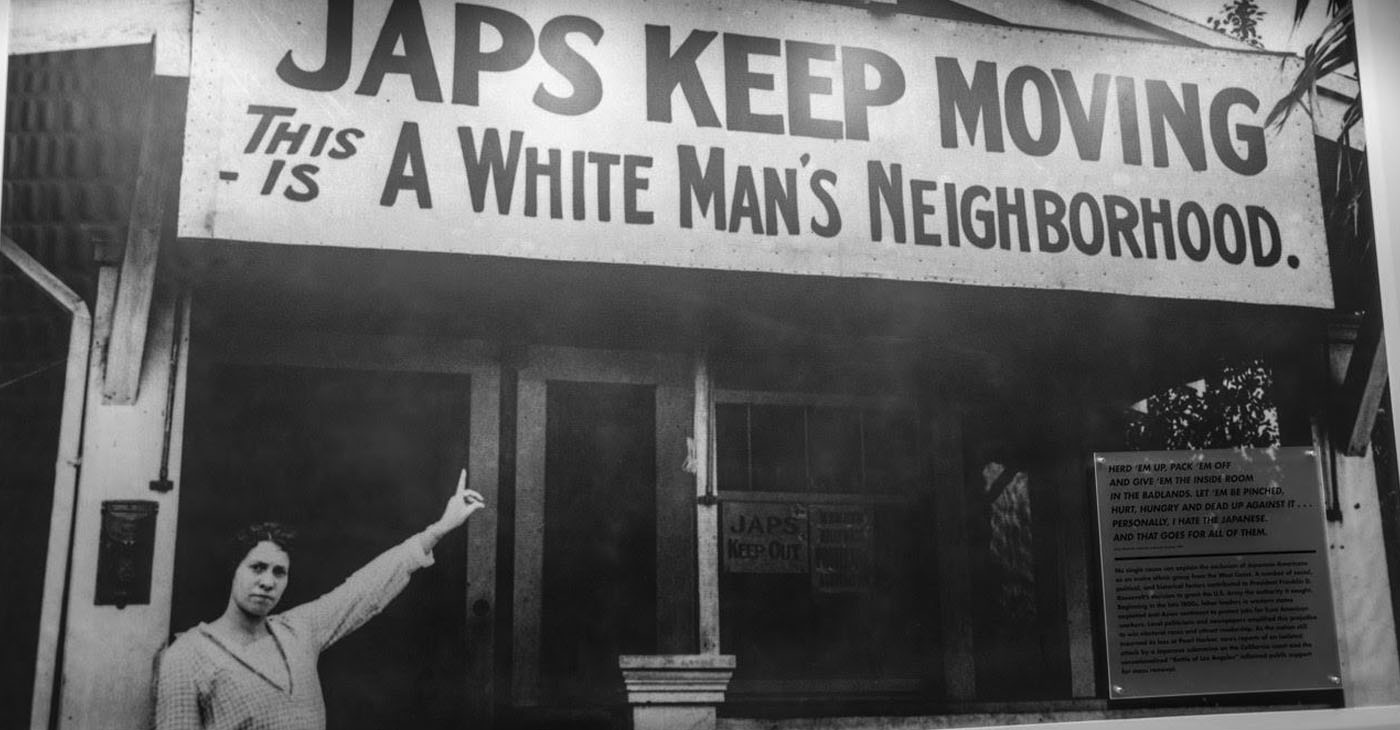
In August, the California Attorney General’s Office publicly apologized for its role in the unjust incarceration of Japanese Americans during World War II. This belated acknowledgement highlights America’s capacity for prejudice.
Attorney General Rob Bonta’s apology, issued on the 35th anniversary of the Civil Liberties Act of 1988, recognized that his office had used legal tools to deprive a generation of Japanese Californians of their liberty and financial security.
The Civil Liberties Act of 1988, signed by President Ronald Reagan, not only authorized compensation for wrongfully interned Japanese Americans but also included a formal presidential apology and established a public education fund to prevent similar injustices.
Retired Assemblymember Mariko Yamada, who represented the 4th District and whose family experienced internment, praised Bonta’s action, stating, “I applaud Rob Bonta for acknowledging the past complicity of the Office of CA Attorney General in the wartime Japanese American incarceration and its associated land grabs. It’s never too late to correct an injustice — words matter, and courageous actions mean even more.”
Bonta acknowledged that more work is needed to address the legacy of Japanese American internment and stressed the importance of treating all Californians equally.

In his apology, he referred to the nationwide surge in anti-Asian hate crimes and the ongoing struggle for racial justice, invoking the Rev. Martin Luther King Jr.’s words, “A time comes when silence is betrayal,” as a call against complacency.
The historical injustices faced by Japanese Americans and Black Californians, while by no means equal, share undeniable parallels. Both communities have endured systemic discrimination, economic marginalization, and the inescapable trauma of racial violence.
However, when asked about extending a similar apology to Black Californians for the enduring harms of slavery and its ongoing societal impacts, Bonta’s office did not directly respond.
Although Bonta’s apology is a noteworthy step forward, a critical question lingers: Why has a similar recognition and apology not been extended to Black Californians?
Yamada pointed out to California Black Media (CBM) that the Japanese American Citizens League (JACL) recognized the need for government recognition and reparations for the Black community in their Juneteenth 2023 statement.
JACL stated, “In fact this year, even as we remember 35 years ago the successful fight for redress for the Japanese American community, we recognize another 35 years passing without recognition from our government for the need to provide Black reparations.”
Don Tamaki, a Bay Area-based attorney with a history of working for reparations for Japanese Americans, was the only non-Black member of the nine-member California Reparations Task Force. He recognizes the long history of solidarity across the movements.
Tamaki suggests that the reason Japanese Americans have received an apology, while Black Californians have yet to be acknowledged, is rooted in the country’s deep-seated anti-Black bias and a long history of denying Black Americans’ humanity and experiences.
Tamaki’s personal connection to the internment issue offers valuable insights for advocating for a state apology. His parents were recipients of compensation and a formal apology from the federal government. He recalls the political awakening of Japanese Americans in the 1960s, influenced by the Civil Rights Movement and King’s televised demonstrations against racial injustice. Tamaki underscores that the Japanese American redress movement was aided by Black legislators and activists.
As we welcome steps toward accountability by the Attorney General’s office in the case of Japanese American internment, we also urge the state to apply similar principles of acknowledgment and justice across all communities.
Recently, Tamaki, along with the California Black Power Network, the Equal Justice Society, and five other members of the California Reparations Task Force, announced the formation of the Alliance for Reparations, Reconciliation, and Truth.
The Alliance aims to expand support for reparations for eligible Black Californians by diversifying its allies across different races and sectors. Their strategy involves educating the public and advocating for the Reparations Task Force’s recommendations. Alliance leaders have suggested a joint effort with the California Legislative Black Caucus (CLBC) to advance legislation.
Bradford, the CLBC vice chair, indicated that while the caucus hasn’t yet set legislative priorities for implementing the Task Force’s recommendations, an apology for the legacy of slavery could be a key proposal. He stated, “If you were to ask me, an apology has to be front and center.”
In 2008, the U.S. House of Representatives passed a non-binding resolution, apologizing to Black Americans for slavery and for subsequent legal segregation and discrimination. Despite this, neither Congress nor the White House has taken substantial action to redress these historical injustices.
Recognizing the ongoing and cumulative harms experienced by African Americans is an essential part California’s journey towards justice.
This California Black Media report was supported in whole or in part by funding provided by the State of California, administered by the California State Library.











Activism
Oakland Post: Week of September 23 – 29, 2026
The printed Weekly Edition of the Oakland Post: Week of September 23 – 29, 2026

To enlarge your view of this issue, use the slider, magnifying glass icon or full page icon in the lower right corner of the browser window.
Activism
Oakland Post: Week of September 16 – 22, 2026
The printed Weekly Edition of the Oakland Post: Week of September 16 – 22, 2026

To enlarge your view of this issue, use the slider, magnifying glass icon or full page icon in the lower right corner of the browser window.
Activism
Oakland Post: Week of September 9 – 15, 2026
The printed Weekly Edition of the Oakland Post: Week of September 9 – 15, 2026

To enlarge your view of this issue, use the slider, magnifying glass icon or full page icon in the lower right corner of the browser window.



Asm. Corey Jackson Announces Launch of 24-Hour Childcare in His District

IN MEMORIAM: The Rev. Leon “Sonny” Clark, Longtime Orange County Pastor and Community Leader, Dies at 72

Poll: Becerra Widens His Lead Over Hilton; Californians Split on Wealth Tax

From Historic Memories to New Possibilities: Oakland Celebrates Coliseum 60

County Office of Education Says OUSD Finances Are Getting Healthier, Materially Stronger

LIVE FREE Sunday Dinner Brings Faith, Fellowship and Civic Conversation to Oakland

Remembering Chauncey Bailey as Student Journalists Face Threats to Truth-Telling

BLACspace Cooperative Invites Bay Area to Experience Oakland’s Black Cultural Ecosystem Through a BLAC Map Tour + Party

In Wake of Death on Doorstep, Williams Chapel Baptist Church Calls for Better Care, Funding for Unhoused

Oakland Centenarian Nuna McKee Honored!

Caribbean Nations Produce Action Plan Calling for UK Reparations Over Slavery

Oakland Post: Week of September 23 – 29, 2026

Doulas Are Helping Black California Moms Navigate Pregnancy–Even as High Mortality Rates Persist

Newsom Signs Addictive Social Media Law to Protect Kids

On Your November Ballot: Prop 38 Would Allocate $8.4 Billion to Immunology and Immunotherapy Funding

Less Affluent School Districts, Including Sacramento City, Face Threat of State Takeover

ESSAY: California Can Close Its Colorectal Cancer Gap

California Hispanic Chambers of Commerce Unveils: ‘Powering the Future’ Theme for 47th Annual Statewide Convention

Four Candidates, Including Incumbent Barbara Lee, Qualify for Oakland Mayor’s Race

Oakland Post: Week of August 12 – 18, 2026

From Blueprint to Breakthrough: Tackling Affordable Housing in Oakland

Oakland Observes Black August with Block Parties, Film Showings, Workshops

COMMENTARY: Why Local School Tax Measure G1 Will Not Be on the November Ballot

Standoff for Justice: Our Homes Are Worth Fighting For

Returning to Its Roots, the Oakland Black-Eyed Pea Festival Partners with the Freedom Farmers Market Sept. 12

Oakland Post: Week of August 26 – September 1, 2026

NPRC Scores First Advocacy Victory: David Shaw Finally Gets His Wish to ‘Go Home’

Frontier Airlines’ Return to Oakland Airport Brings Flights, Jobs and Opportunity

Gubernatorial Candidate Steve Hilton Blasts California New Tire Rules; Newsom Hits Back

Chef Sharon Lee Blends Culinary Excellence, Education and Empowerment

The Conversation With Al McFarlane 6/23/26

Media Monday 6/22/26

LIVE! ASK ALMA! — TUES. 6.23.26 7PM EST

Car Buying Secrets: 4 Hidden Checks Before You Sign!

Is This 550 HP Charger Worth YOUR Money? AutoNetwork Review

Celebrating Juneteenth – Frederick Douglass on education and resistance

LIVE! — ASK ALMA! — TUES. 6.19.26 7PM EST

Hyundai Ioniq 5 Parking, Safety, and 360 View #shorts

2025 Ioniq 5 New Wiper & Powerful Performance! #shorts

Electric SUV Range: Is 259 Miles Enough? #shorts

EV Charging: How Fast Can You Charge an Electric Vehicle? #shorts

Biometric Cooling… Messaging Seats…Come on! 2025 Infiniti QX80 Autograph 4WD

Charged Up: Witness the Magic of a Fully Electric Car! #shorts

Range Rover Sport PHEV Included…: See What’s Inside This Luxury SUV! #shorts

Invisible Hood View: Perfect Parking with X-Ray Vision! #shorts
-
 Business4 weeks ago
Frontier Airlines’ Return to Oakland Airport Brings Flights, Jobs and Opportunity
-
 Business4 weeks ago
Gubernatorial Candidate Steve Hilton Blasts California New Tire Rules; Newsom Hits Back
-
 Business4 weeks ago
Chef Sharon Lee Blends Culinary Excellence, Education and Empowerment
-

 Black History4 weeks ago
Jackie Wright Champions Bay Area Stories, Filmmakers and Cultural Institutions
-

 Community4 weeks ago
Big City Mayors Ask for “Yes” Vote on Housing Bond Measure; Conservatives Say “No”
-

 Education4 weeks ago
Gov. Newsom’s Latest Appointees Include Sacramento Advocate for Formerly Incarcerated Students; State’s New Tech Chief
-

 Business4 weeks ago
Oakland Coliseum Project Opens Door for Small Businesses to Build Bigger
-

 Community2 weeks ago
Misnamed ‘Parent’ PAC Seeks to Influence Oakland School Board Elections
