
Politics
Chicago Mayor Rahm Emanuel Wins 2nd Term in Runoff Victory


Chicago Mayor Rahm Emanuel celebrates a victorious election night at Plumbers Local 130 Union Hall, Tuesday, April 7, 2015, in Chicago. Emanuel won re-election Tuesday as voters in Chicagos first mayoral runoff decided that, despite his brusque management style, the former White House chief of staff was best equipped to deal with the dire financial challenges facing the nations third-largest city. (AP Photo/Nam Y. Huh)
SOPHIA TAREEN, Associated Press
SARA BURNETT, Associated Press
CHICAGO (AP) — Rahm Emanuel won re-election Tuesday as voters in Chicago’s first mayoral runoff decided that, despite his brusque management style, the former White House chief of staff was best equipped to deal with the many dire challenges facing the nation’s third-largest city.
Emanuel was forced to campaign furiously across the city to beat Cook County Commissioner Jesus “Chuy” Garcia after failing to capture a majority against four other candidates in a February election. The mayoral runoff was the first since the city changed the way it conducts elections about 20 years ago.
“To all the voters I want to thank you for putting me through my paces,” Emanuel told supporters Tuesday night. “I will be a better mayor because of that. I will carry your voices, your concerns into … the mayor’s office.”
With nearly all voting precincts reporting results, Emanuel had about 56 percent of the vote compared to around 44 percent for Garcia.
“We didn’t lose today, we tried,” Garcia told supporters gathered at the University of Illinois at Chicago. “We fought hard for what we believed in. You don’t succeed at this or anything else unless you try.”
The incumbent highlighted tough decisions he’s made since succeeding former Mayor Richard M. Daley in 2011, but admitted that his management approach too often rubbed city residents the wrong way. He portrayed Garcia as too inexperienced to handle the city’s financial crunch.
Many of those heading to the polls Tuesday said the election should be a signal.
“Hopefully he (Emanuel) takes heed of the runoff when he should have been a shoo-in,” said Richard Rowe, a 50-year-old, who planned to vote for the incumbent.
Jesus Fernandez, a 44-year-old window washer who voted for Garcia, had the same view.
“If he (Garcia) gets close, we might push Rahm to do something,” Fernandez said. “At least we push him a little bit.”
Emanuel raised far more money than Garcia, plastered the airwaves with ads and had support from his former boss, President Barack Obama, who cast an early ballot for him from Washington.
The mayor faces huge obstacles in his second term, from fixing the worst-funded pension systems of any big U.S. city to stemming stubborn violence and confronting labor unions that just spent millions trying to defeat him.
Chicago’s four pension systems are about $20 billion in debt, and the fund for Chicago Public Schools teachers is short about $7 billion of what’s needed to pay benefits as promised.
If Emanuel can’t work a deal with labor unions or get the Illinois Legislature to approve relief, the city is on the hook for an additional $550 million payment to the retirement accounts, bringing the total payment to about $1 billion. He’s said that would be roughly equal to the annual cost of having 4,300 police officers on the street or raising property taxes by 150 percent.
Emanuel also must deal with ongoing concerns about crime, one of the areas Garcia hit him on repeatedly during the election. After a spike in homicides early in his first term, the number fell to the lowest level in a half-century though the number of shootings has climbed 12 percent.
“I’m proud of what we’ve accomplished in these past four years, but I understand the challenges we face will require me to approach them differently and to work in a different fashion,” Emanuel said. “The only way to meet these challenges is to bridge the gaps between the things that divide us and start focusing on the things that unite us and bring us together.”
Garcia, a former community organizer, alderman and state lawmaker, ran a campaign focused on the city’s neighborhoods, with support from teachers and unions upset with Emanuel. He accused the mayor of being out of touch with voters and blamed him for the fiscal problems, while playing up the mayor’s push to close about 50 schools and a gang violence problem that spiked during Emanuel’s first term.
He also vowed to end Chicago’s troubled red-light camera system, which some residents believe is discriminatory and focuses more on revenue than safety.
Election officials said more than 142,300 Chicago voters cast early ballots for the runoff, far outpacing early voting turnout in February and four years ago. Estimates Tuesday afternoon showed light voter turnout at roughly 28 percent, but election officials later predicted the final number would hover closer to 40 percent once all ballots were counted.
___
Follow Sophia Tareen at http://twitter.com/sophiatareen and Sara Burnett athttp://twitter.com/sara_burnett .
Copyright 2015 The Associated Press. All rights reserved. This material may not be published, broadcast, rewritten or redistributed.










Activism
Oakland Post: Week of September 2 – 8, 2026
The printed Weekly Edition of the Oakland Post: Week of September 2 – 8, 2026
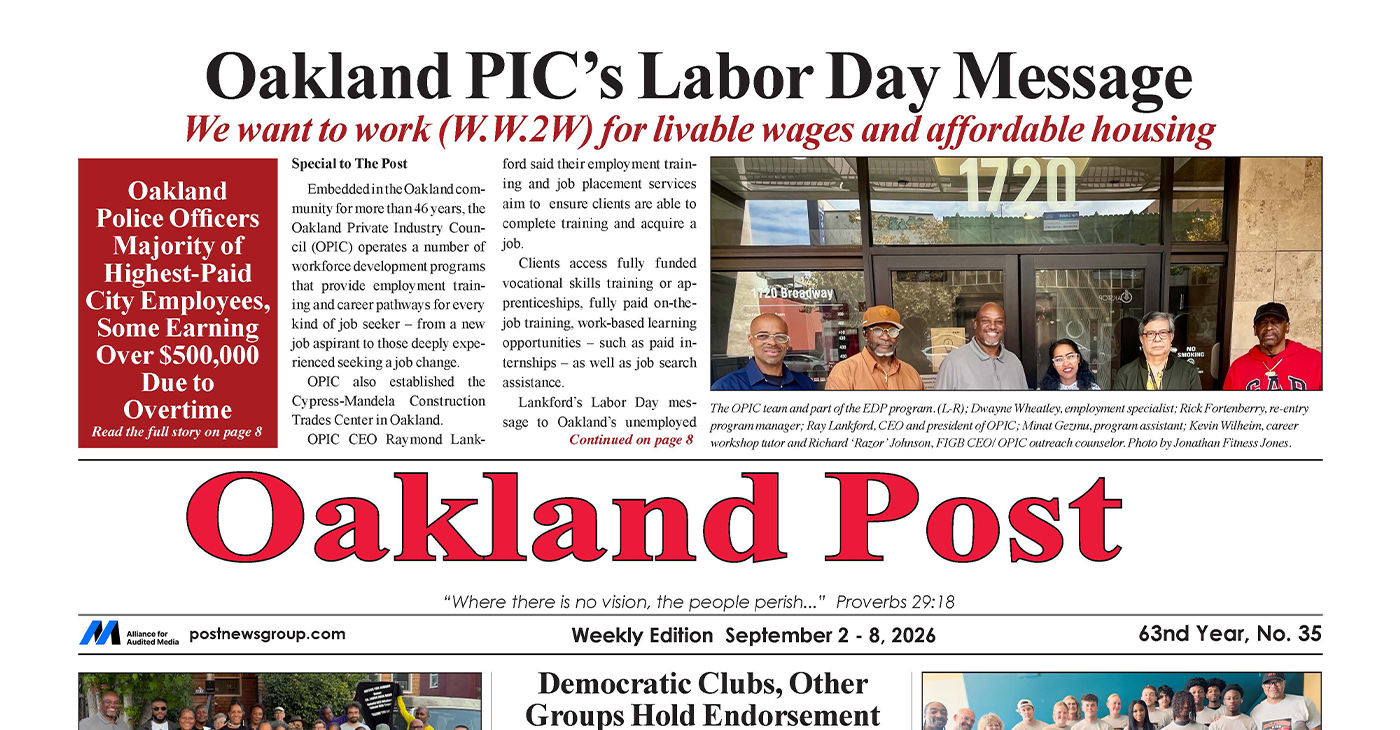
To enlarge your view of this issue, use the slider, magnifying glass icon or full page icon in the lower right corner of the browser window.
Business
Longtime BWOPA Member Brendalyn Goodall Appointed to California Workforce Development Board
Gov. Gavin Newsom has appointed longtime Black Women Organized for Political Action (BWOPA) member Brendalynn Goodall to the California Workforce Development Board. Goodall, an Oakland resident with decades of experience in public service, has held leadership positions focused on

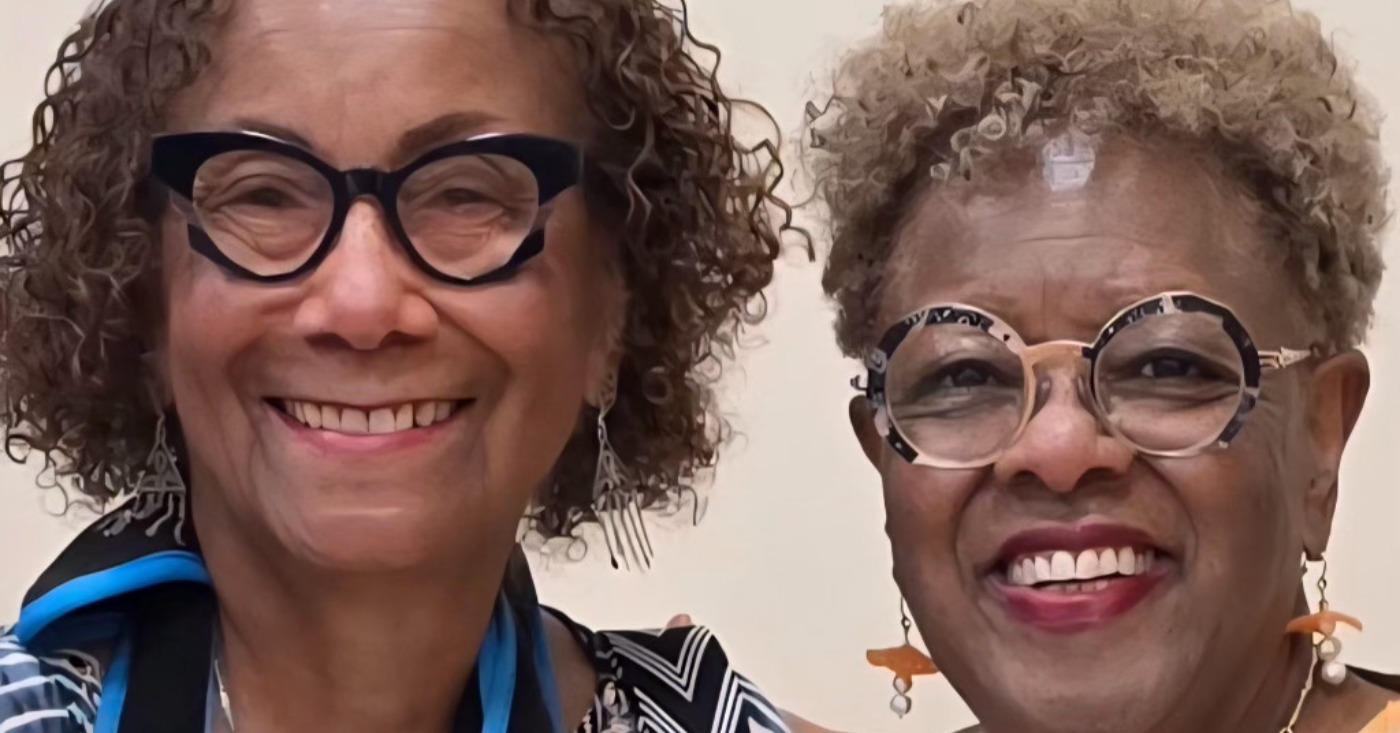
Gov. Gavin Newsom has appointed longtime Black Women Organized for Political Action (BWOPA) member Brendalynn Goodall to the California Workforce Development Board.
Goodall, an Oakland resident with decades of experience in public service, has held leadership positions focused on employment, aging services and assistance for underserved communities.
“Brendalynn will be a great addition to this Board,” said Gay Plair Cobb, who served as former state Assemblyman Sandre Swanson’s alternate to the California Workforce Development Board (CWDB).
“She understands that California’s non-profit organizations serve persons who have the most significant barriers to their labor market success and that the Board should help these groups navigate the complicated requirements of state funding.
“In other words, she will be a strong advocate for our most marginalized populations. Her voice is needed now, more than ever.”
CWDB works with the governor to shape workforce policies, programs and investments designed to strengthen the state’s economy. It collaborates with employers, workers, labor organizations, educational institutions, community groups and California’s 45 local workforce development boards to expand access to quality jobs and respond to regional employment needs.
According to the board, its work includes coordinating state programs and guiding investments in workforce training and development.
BWOPA California celebrated the appointment, describing Goodall as a dedicated advocate for workers, families and older adults.
“Her appointment reflects a lifetime of leadership, service, and unwavering commitment to strengthening California’s workforce and expanding opportunity for all,” the organization stated in a press release.
Goodall served as summer jobs program coordinator in the Oakland Mayor’s Office from 2012 to 2014. In that position, she helped connect young people with employment opportunities and job experience.
Before joining the Mayor’s Office, Goodall was division manager for Aging and Adult Services in the City of Oakland Human Services Department from 2002 to 2011. She previously served as senior services supervisor and program director for the city’s Department of Aging, Health and Human Services from 1990 to 2002.
Goodall is also a member of the California Commission on Aging, which advises the governor and state officials on policies and programs affecting older Californians.

Featured
‘Passing a Law Isn’t The Finish Line’: California Assembly Evaluates Implementation, Results
A separate review found that the California Public Utilities Commission’s implementation of AB 2316 had not fulfilled the law’s intent or produced new community solar projects. In response, Assemblymember Chris Ward (D-San Diego) introduced AB 1813, legislation to overhaul the state’s renewable energy program and increase access to solar technology.
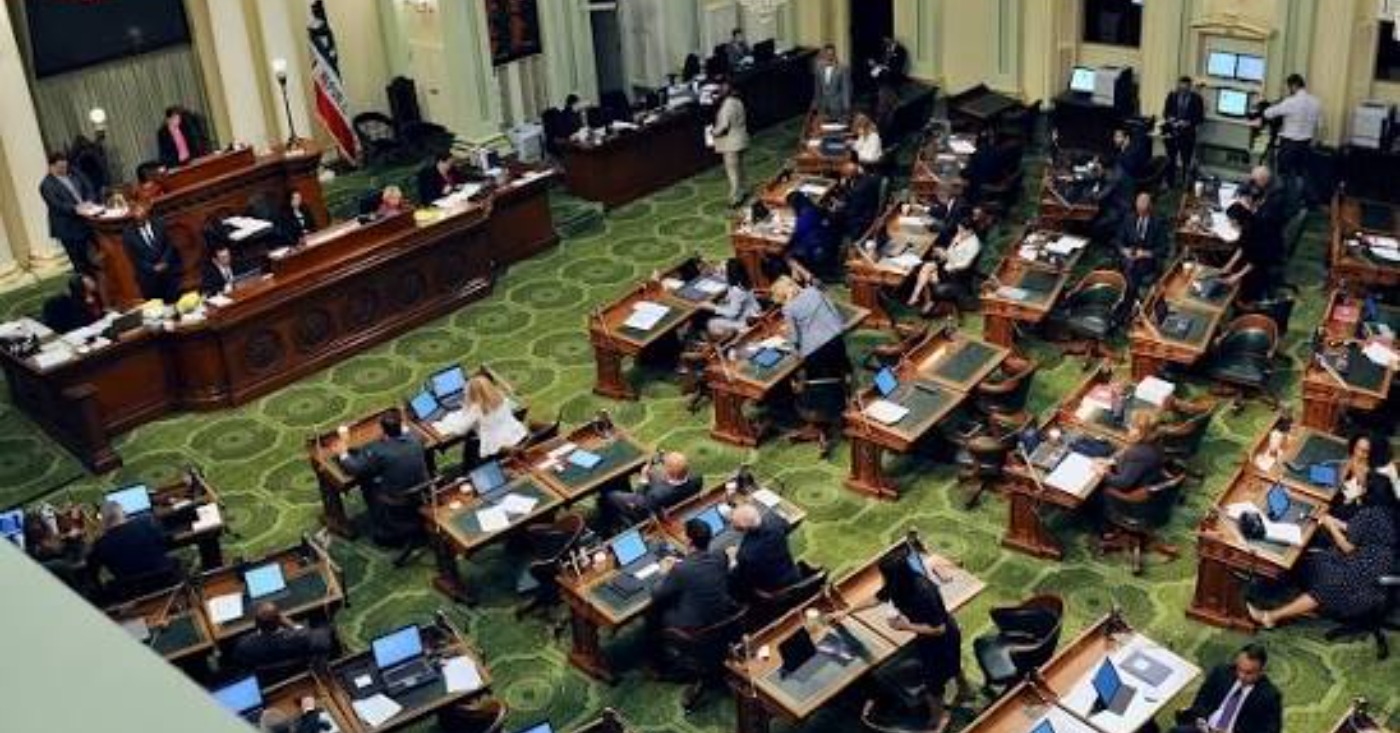
California lawmakers are finding that laws passed in Sacramento do not always work as intended once implemented. A new Assembly oversight program has identified gaps in laws addressing wildfire recovery, insurance, foster care and clean energy.
Assembly Speaker Robert Rivas (D-Hollister) announced Aug. 17 that the Assembly had completed the first year of its Outcomes Review program. Billed as the first initiative of its kind in the nation, the program enlisted 15 Assembly members to evaluate 14 laws they authored or championed. Through public hearings and community meetings, lawmakers assessed whether the measures were producing their intended results.
“Passing a law isn’t the finish line,” said Rivas. “The Outcomes Review project makes sure we’re checking our work.”
The reviews identified both successes and shortcomings. The expansion of telehealth largely improved access to care and provided patients with greater flexibility. Affordable housing financing reforms also strengthened coordination among state agencies and could reduce duplicative paperwork, development costs and delays.
Other reviews uncovered more significant implementation problems.
One focused on Assembly Bill (AB) 238, which was enacted after the Eaton and Palisades fires to provide eligible borrowers with up to 12 months of emergency mortgage forbearance. The review found lender noncompliance, insufficient consumer complaint data and a need for stronger coordination between state and federal agencies.
Those findings helped shape AB 1842 and AB 1847, both victim-protection bills that are currently pending in the Senate.
After discovering that California’s FAIR Plan clearinghouse was failing to transition affected homeowners back into the private insurance market, Assemblymember Lisa Calderon (D-Whittier) introduced AB 69 to fix the issue.
A separate review found that the California Public Utilities Commission’s implementation of AB 2316 had not fulfilled the law’s intent or produced new community solar projects. In response, Assemblymember Chris Ward (D-San Diego) introduced AB 1813, legislation to overhaul the state’s renewable energy program and increase access to solar technology.
Lawmakers also found that the FAIR Plan clearinghouse was not effectively helping homeowners move into the traditional insurance market, prompting the introduction of AB 69, legislation adding new reporting, notification, and access requirements.
The program identified additional implementation problems related to foster care placement protections, oversight of charitable fundraising and wage theft enforcement.
Rivas said the findings demonstrate the need for lawmakers to continue evaluating legislation after it takes effect.
“This isn’t oversight for its own sake — it’s what accountability looks like, and we’re just getting started,” he said.
The Assembly plans to expand the Outcomes Review program in 2027 by involving more lawmakers and holding additional public hearings and community meetings. The next phase, according to Rivas, will build on the pilot year as lawmakers seek to identify implementation problems earlier and improve how state laws work in practice.


Prostate Cancer is Twice as Likely to Kill Black Men. Talking to Your Doctor Could Help Save Your Life

Oakland Post: Week of September 2 – 8, 2026

Longtime BWOPA Member Brendalyn Goodall Appointed to California Workforce Development Board

Jackie Wright Champions Bay Area Stories, Filmmakers and Cultural Institutions

Chef Sharon Lee Blends Culinary Excellence, Education and Empowerment

‘Passing a Law Isn’t The Finish Line’: California Assembly Evaluates Implementation, Results

OPINION: Angie Nixon Will Turn You Into a Democratic Socialist If Donald Trump Hasn’t Already

Gov. Newsom Signs Law Shielding Immigration Aid Workers From Doxing Threats

BOOK REVIEW: Every Inch of a Lady

Big City Mayors Ask for “Yes” Vote on Housing Bond Measure; Conservatives Say “No”

Madeline M. Turner: The Inventor Who Made Juicing Easier

Gubernatorial Candidate Steve Hilton Blasts California New Tire Rules; Newsom Hits Back

Frontier Airlines’ Return to Oakland Airport Brings Flights, Jobs and Opportunity

Secretary of State Shirley N. Weber Urges Californians to Vote Early as Voter ID Battle Intensifies

Gov. Newsom’s Latest Appointees Include Sacramento Advocate for Formerly Incarcerated Students; State’s New Tech Chief

Department of Homeland Security Demands California Secretary of State Shirley N. Weber Scrub Voter Rolls

New Judge Could Decide if Karmelo Anthony Gets a New Trial

“The Power to See Threats Sooner”: Gov. Newsom, Safety Officials Showcase California’s Investments in Hi-Tech Wildfire Prevention

Alpha Kappa Alpha Sorority, Inc. Celebrates New North Atlantic Regional Director

California Sen. Padilla Joins Colleagues to Introduce Bill Imposing Term Limits on Supreme Court Justices

Less Affluent School Districts, Including Sacramento City, Face Threat of State Takeover

Car Wash Workers Cope with Lingering Impacts of ICE Raids

COMMENTARY: You Are Already Paying for the AI Boom

California Bill Would Let Abuse Victims Use Trauma as Legal Defense for Violent Crime

Oakland Post: Week of July 29 – August 4, 2026

OP-ED: ‘The Trusted Messenger’ and the Black Vote

How Oakland’s Courtsmith is Scaling its Business and Local Impact

ESSAY: California Can Close Its Colorectal Cancer Gap

As Part of Your Back-to- School Checklist, Vaccinate

Oakland Post: Week of August 5 – 11, 2026

The Conversation With Al McFarlane 6/23/26

Media Monday 6/22/26

LIVE! ASK ALMA! — TUES. 6.23.26 7PM EST

Car Buying Secrets: 4 Hidden Checks Before You Sign!

Is This 550 HP Charger Worth YOUR Money? AutoNetwork Review

Celebrating Juneteenth – Frederick Douglass on education and resistance

LIVE! — ASK ALMA! — TUES. 6.19.26 7PM EST

Hyundai Ioniq 5 Parking, Safety, and 360 View #shorts

2025 Ioniq 5 New Wiper & Powerful Performance! #shorts

Electric SUV Range: Is 259 Miles Enough? #shorts

EV Charging: How Fast Can You Charge an Electric Vehicle? #shorts

Biometric Cooling… Messaging Seats…Come on! 2025 Infiniti QX80 Autograph 4WD

Charged Up: Witness the Magic of a Fully Electric Car! #shorts

Range Rover Sport PHEV Included…: See What’s Inside This Luxury SUV! #shorts

Invisible Hood View: Perfect Parking with X-Ray Vision! #shorts
-
 Community4 weeks ago
Less Affluent School Districts, Including Sacramento City, Face Threat of State Takeover
-
 Commentary4 weeks ago
ESSAY: California Can Close Its Colorectal Cancer Gap
-
 Business4 weeks ago
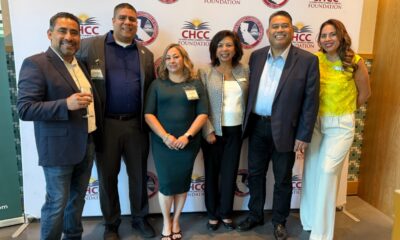
California Hispanic Chambers of Commerce Unveils: ‘Powering the Future’ Theme for 47th Annual Statewide Convention
-

 Community4 weeks ago
Four Candidates, Including Incumbent Barbara Lee, Qualify for Oakland Mayor’s Race
-

 Business4 weeks ago
From Blueprint to Breakthrough: Tackling Affordable Housing in Oakland
-

 Black History4 weeks ago
Oakland Observes Black August with Block Parties, Film Showings, Workshops
-

 Activism4 weeks ago
Oakland Post: Week of August 12 – 18, 2026
-

 Commentary4 weeks ago
COMMENTARY: Why Local School Tax Measure G1 Will Not Be on the November Ballot
